by Jenny Rose | Jan 22, 2022 | A Flourishing Woman, Creativity
One of my greatest unconscious defaults in life is avoidance. I know now, thanks to Peter Walker and his work, avoidance is a natural trauma response.
Nothing makes me crazier than people who avoid unpleasant things.

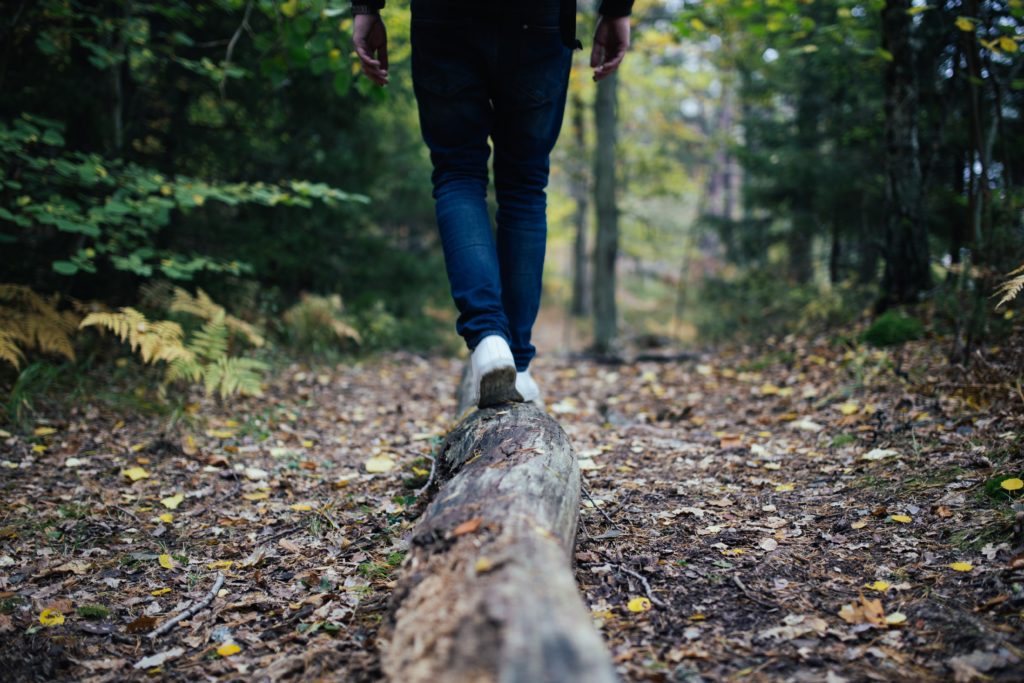
Photo by Ian Espinosa on Unsplash
Is there a pattern here? (Laughter in the wings.)
I’m thinking about this because I’m steadily publishing my fiction in serial form on Substack, week by week, about 10 pages by 10 pages, and it’s a challenge.
Something in me wants to avoid revealing my own creativity. My writing takes me to some dark, and some people would say inappropriate, places. Every week (I just posted for the 8th week), I push myself through whatever the content of my post happens to be. More than that, I deliberately take it on in an accompanying essay.
I’m an expert in self-sabotage. I’ve been doing it my whole life, largely through simple avoidance. At the same time, it appears my previously intermittent and now increasing tendency to call a spade a spade and be honest about my experience is one of the characteristics others struggle with most when they deal with me.
It’s a strange paradox, and it creates ongoing internal tension.
The avoidant part of me is childish and disempowered. The direct, take-the-bull-by-the-horns part of me is powerful and hangs out with Baba Yaga.
I love the direct part of myself, but I don’t think anyone else can. I think others want the avoidant woman, because she’s so damn “nice.”
Ick.
When I first began writing creatively, I thought it would all be sweetness and light, love and romance, happily ever after.

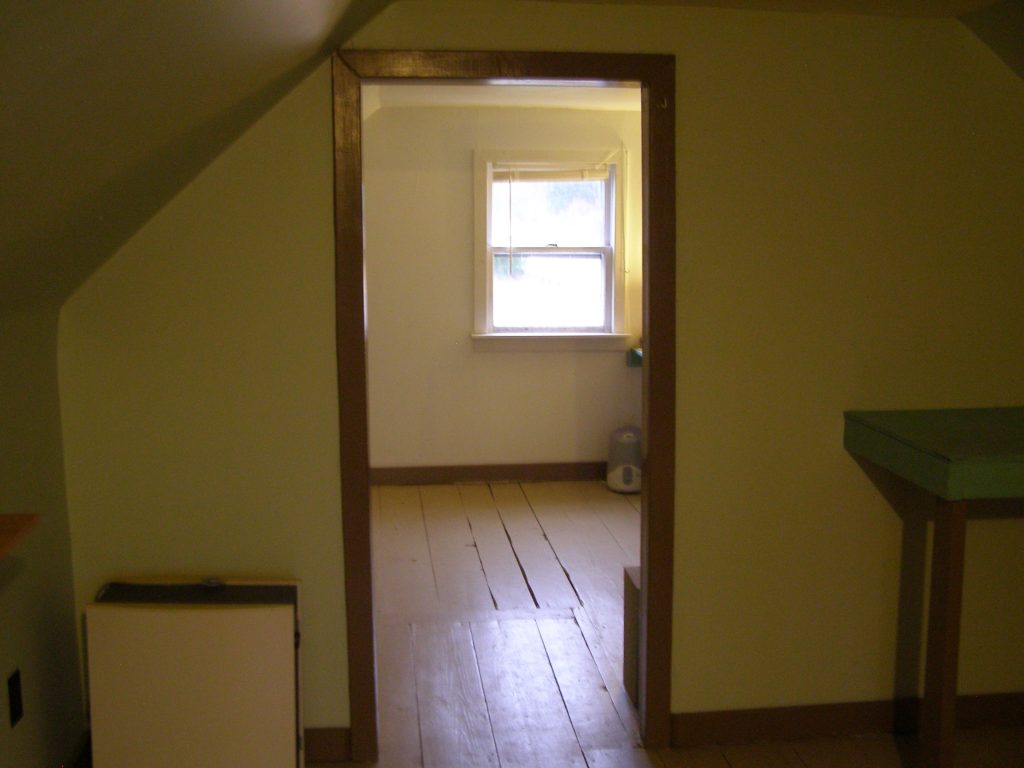
Photo by Peter Forster on Unsplash
As the years passed, and I expanded out of (mostly bad) poetry, played with writing oral stories, and then started seriously writing fiction, my output took a darker turn. The sweetness and light included bitter and dark. The love and romance became raw sensuality and included detailed sexual content. I took old fairy tales, cleansed by the brothers Grimm and others, and excavated the darker, dirtier, more violent roots. My characters graphically tore out eyes and watched them change into marbles. They killed people. They ate people. Shapeshifters had sex. Towers fell. People went to war and practiced genocide.
My writing wasn’t dark on every page, but it wasn’t sweetness and light on every page, either. It made me cry. It made me cringe. It made me uncomfortable because of its emotional power. I wondered at myself. Yet never have I been so captured, so challenged, so confident, so happy as I am when writing.
After all, in those days almost nobody read it! I wrote for myself, and held nothing back.
Now I’ve deliberately changed that. Now anyone can read it. And some people are.
For a while I considered cutting the parts I judged as being too … what? Too honest? Too sexy? Too potentially offensive? Too violent? Too real?
Yes. All those things.
My impulse was to avoid revealing myself. Stay safely hidden. Stay small. Refrain from making myself or anyone else uncomfortable.
Even as I considered that, I knew I wouldn’t. I knew I couldn’t betray myself that way. If I’m to be judged as not good enough, I want the judgement based on the deepest, most complex, most powerful and honest work I’m capable of.
Because that’s the only way my writing is good enough for me.
My Substack post last week included explicit sexual content. There will be more, but that was the first. I wrote an essay to go with it titled “Creating the Webbd Wheel: Sex.” I’ve been worrying about that post for weeks. In the end, I kept it simple and direct. I was writing about sexual content. The title was clear. Why prevaricate?
Substack provides writers with statistics 24 hours after they post, and I was informed my essay got the most reads of anything I’ve posted so far.
I’ve been giggling ever since. So far, nobody’s given me a bad time about my sexual content, but even if they do, I know I was right in what I wrote in that essay. Nobody wants to talk about sex, and we all have a lot of judgement and fear around it, but that doesn’t mean it occupies none of our private attention. We can’t amputate ourselves from our sexual nature, no matter how much we wish we could or others tell us we should.
I will probably unconsciously default to avoidance for the rest of my life. It’s a deeply-rooted pattern. I’m socially rewarded for being “nice.” On the other hand, I personally value authenticity and honesty far more than I do niceness. I want to grow up to be direct and clear. Not mean, but not avoidant or arguing with what is, either. It’s a fine line, one I don’t walk steadily or gracefully.
But I’m not going to avoid the attempt.

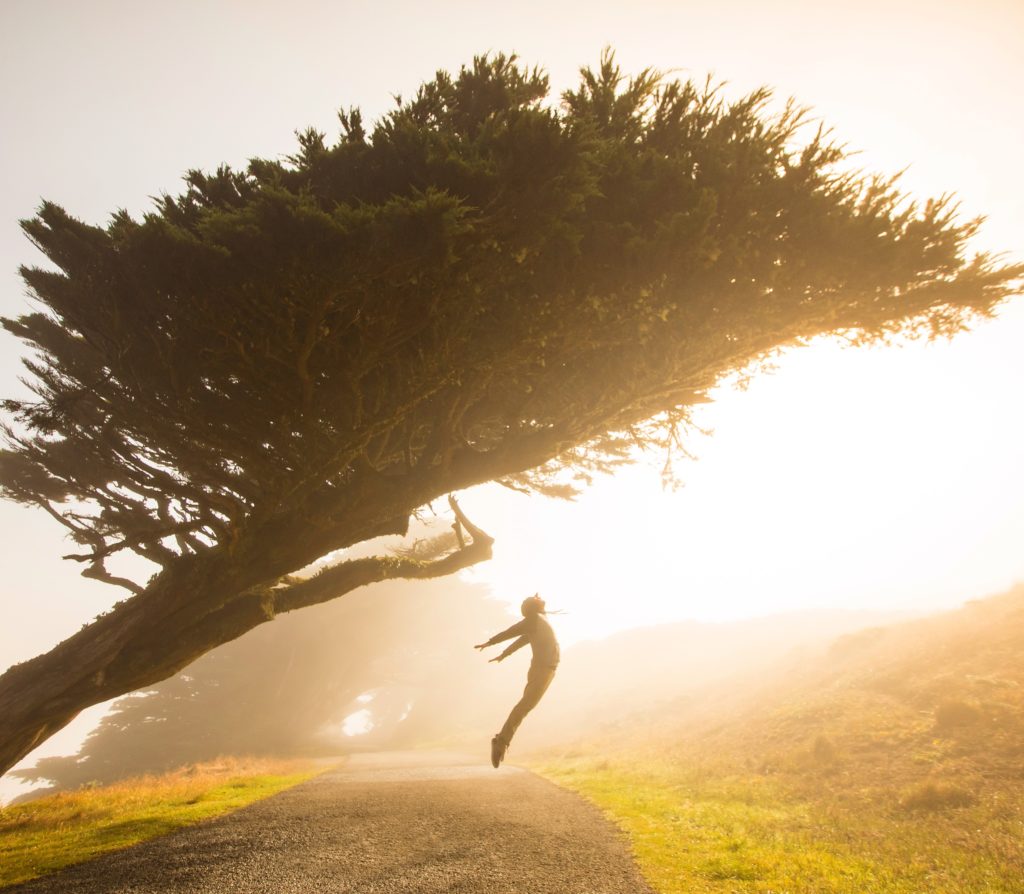
Photo by Jon Flobrant on Unsplash
by Jenny Rose | Jan 15, 2022 | Connection & Community, Emotional Intelligence
Convenience: The state of being able to proceed with something with little effort or difficulty (online Oxford Dictionary).
It’s a frigid winter morning here in central Maine with a wind chill taking us into double-digit negative temperatures and a big winter storm approaching. I’m wrapped in a blanket, sitting in my attic aerie in the thin winter sunshine, listening to the wind and thinking about convenience.

Photo by Tom Barrett on Unsplash
The weather is inconvenient. I was hoping to load up the car for another trip to storage, but the wind chill is dangerous. Frostbite can occur in 10 minutes at these temperatures. The wind and cold have polished the ice and snow in our driveway to a slippery gloss, unforgiving as concrete. Nothing about the sound of the wind or the house creaking in the cold makes me want to leave my cozy blanket and chair and go out.
I think I’ll have another cup of tea instead.
I’ve never lived in a really old house before I came to Maine. The farmhouse we’re in now is 200 years old, and the house we’re in the process of trying to buy is more than 100 years old. I’ve learned, since I came here, to expect these old places to be less convenient in terms of closet space, ceiling height, finished basements, upstairs heat, and bathrooms than more modern homes.
Without considering it, I’ve always assigned a negative feeling to inconvenience. I read a few sentences from Seth Godin this week that made me think hard about the meaning and implications of convenience.
Looking at the definition above, I immediately notice how subjective it is. What may be entirely convenient for me can be ridiculously inconvenient for someone else, and vice versa. This is a challenge in my primary relationship. My partner cares a lot about convenience – his own. However, our ideas about what’s functional and workable are frequently quite different.
So here’s my first set of questions: where is the line between convenience and laziness? Is there a line? Should there be a line?
Godin opines that people will trade privacy and money for convenience, and I know from my own experience we sometimes behave as if we value convenience over relationships.
That seems wrong to me. Do we really care more about our own convenience – where things are kept, how we manage recycling and trash, how to load a dishwasher, how to position a roll of paper towels or toilet paper, how to iron a shirt – than our relationships?
Have I ever done that?
No, of course not!
Probably.
I have certainly received that message from others: I care more about having it my way than I do about you.
Ouch.
At the other end of the spectrum, I will say without hesitation there are certain “inconveniences” nobody should tolerate. Like being systematically abused or bullied, or ignoring a chronic issue that’s dangerous or a health concern. A car with a broken hatch or door that flies open while driving, for example, is more than an inconvenience.
Do we tolerate those kinds of things because it’s more inconvenient to deal with them than it is to live with them?
Speaking for myself, the answer is maybe. I will, and have, and do, tolerate constant small inconveniences because I value relationship more than my own comfort (not necessarily a healthy thing, especially when unreciprocated), and I find conflict and tension so unbearably inconvenient. I’d rather deal with my slow accumulation of resentment than stand up for what I find convenient in the context of a relationship and risk friction.
As I said, convenience is so subjective it’s hard to get on the same page in terms of discussing it. Convenience works in the shadows. We don’t talk or think about it directly. How many unconscious decisions a day do we make in an effort to make our busy, noisy lives more convenient, never counting the cost to ourselves or those around us?

Photo by Nabeel Syed on Unsplash
The cost of convenience. Not only monetary cost, but time, energy, social, environmental costs. Cars are indispensable for most of us. If we don’t have our own, we have access to some kind of mass transit. But we pay for our cars, and the planet suffers for them. Plastic is unbelievably convenient. It’s also choking the planet to death.
Convenience is a moving target. Having to walk through a big house to the one bathroom is not as convenient as an en suite bathroom, but it sure beats having to go out to the outhouse! When do we have enough convenience? When are we satisified with our privileges?
At what point have we taken convenience too far? How do we persuade ourselves and others to accept something more inconvenient but healthier and more sustainable for everyone, including the planet?
Undeniably, our search for more convenience has motivated countless amazing technological and design breakthroughs. Our desire for convenience can fuel our adaptability and resilience, our creativity, and underpins movements like minimalism.
But are we entitled to demand ever-increasing convenience from the world and those around us? Do we have a right to encounter no difficulty, have to make no effort?
Absolutely not. Because our convenience may be creating inconvenience for someone else, which they may or may not express. For me, this boils down to what I’ve learned about needs: My needs are as important but not more important than anyone else’s.
My convenience is as important but not more important than anyone else’s. None of us can escape others, not in this crowded world. And that means we’re all going to encounter difficulty and we’re all going to have make an effort, whether it’s convenient or not. Inevitably, some of us will make more effort than others, and it’s up to those hard-working people (emotional labor, anyone?) to refrain from enabling others in a quest for total convenience.
Perhaps inconvenience, like discomfort, is not negative at all. Maybe it shapes us in powerful, positive ways, helping us stay creative and flexible, reminding us to stay present with our true priorities and whether our actions reflect them.
Sometimes we’re going to have to change our plans to accommodate the weather.
Sometimes we’re going to have to walk through a couple of rooms or down the stairs to use our bathroom.
Sometimes we’re going to have to deal with the inconvenience of other people or pets.
We can choose convenience over all the rest. We can. But, as Godin reminds me, some things, and some people, are worth a little inconvenience. Or even a lot.

Photo by Aaron Burden on Unsplash
by Jenny Rose | Jan 8, 2022 | A Flourishing Woman, The Journey
All my life I’ve felt traumatized by how frequently I’ve moved house. My general insecurity makes uprooting myself a fearful ordeal.
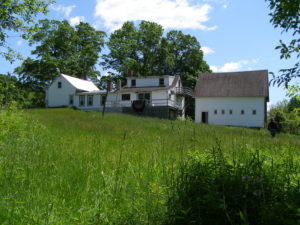
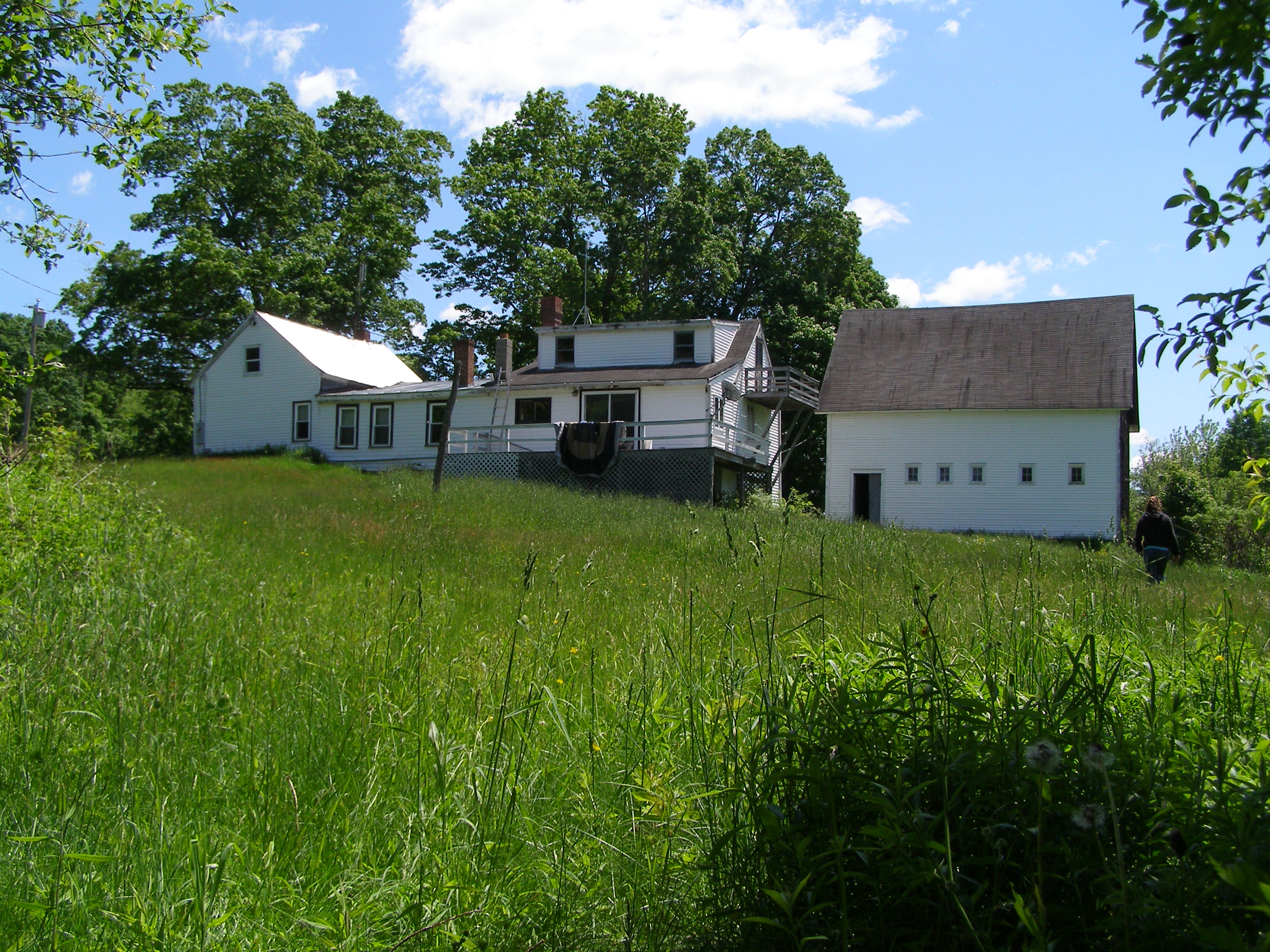
Maine Farmhouse and Barn
This time, as we go through the process of selling this old farm and searching for a new place, I’m realizing for the first time how valuable my experience of moving is. My resentment about it is falling away.
I know most people approach finding a new home from the will-this-place-suit-me direction, and that’s probably practical and sensible. I can and have done that many times, but I also spend a lot of time thinking about whether I will suit the new place, and being curious about how I might fit my life into it rather than forcing it to accommodate me.
I do this because, as I’m realizing now, every place I’ve lived has changed me, challenged me, and shown me new aspects of myself. I’ve never had much money and therefore been unable to have a wide choice or completely renovate, so I’ve learned to adapt and adjust to wherever I am. For the first time in my life, I’m seeing what strength and power lie in that kind of resilience.
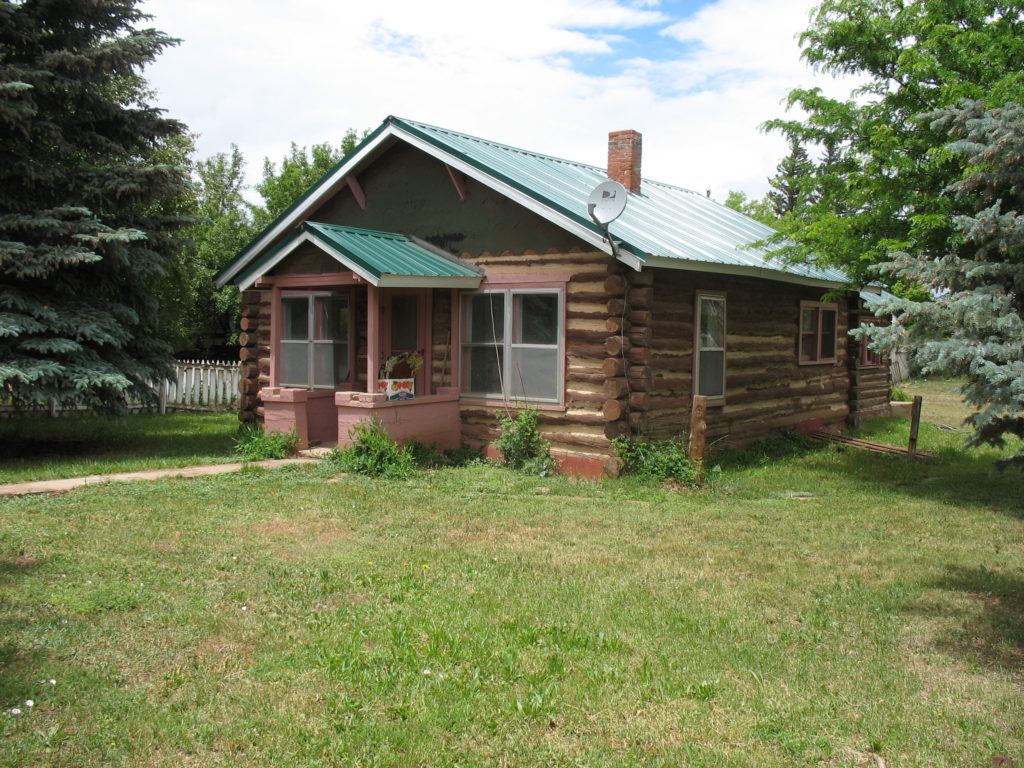
I’ve lived in homes, apartments, dorms, a trailer, a log cabin, and my parents’ home (as an adult). I’ve rented and I’ve owned, bought and sold, and been a landlady. I’ve lived with husbands, my kids, assorted animals, and friends. I’ve lived by myself. I’ve lived in large places with ample storage and closets and small places with one closet in the entire house.
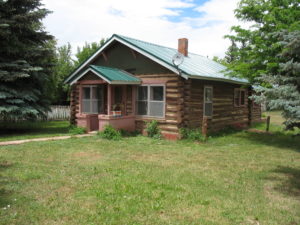
Now, as I approach my 60s, I think I know a lot about what I need, what’s important, and how adaptable I am. Of course, I thought that at 50 when I came to Maine, but this old farmhouse taught me a great deal more. And the new house will teach me yet more. During my time in this house, I also became a minimalist, which has had a huge impact on my priorities and the amount of stuff I manage.
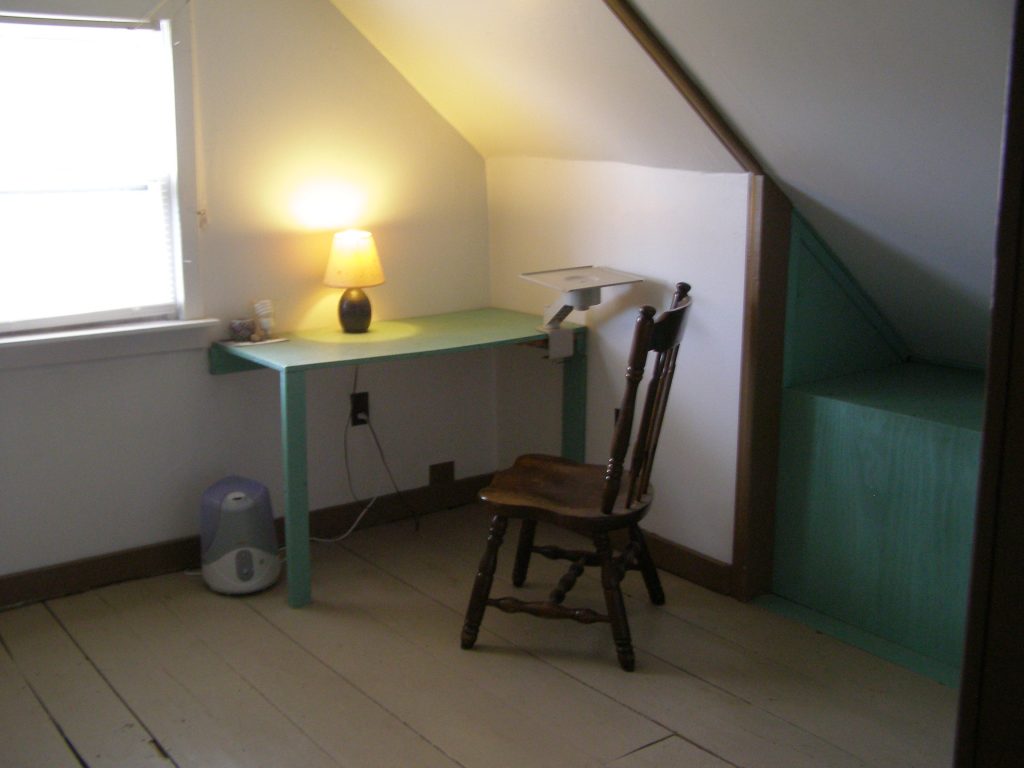
Leaving the place I know, no matter what this house’s challenges, is hard. I am, at least, familiar with the current problems and challenges. But I also know what I love; I’m already grieving the loss of this beautiful 26 acres, the gardens, the wildlife, the views out the windows, the way the sun comes into my little attic aerie, and the shrill spring song of the peepers in the pond.
I realize, however, that the next place I live will present me with new joys. I don’t know what they will be. They won’t be exactly like what I’m leaving. But a new space holds new possibilities and new discoveries, along with fresh challenges.
The thing about limits and challenges is the opportunity they hold. I’m excited by the prospect of creatively solving problems I encounter. One of the good things about having little financial resource is that I’ve been forced to rely on creative, low-cost solutions. If one doesn’t have money to throw at problems, one has to find another way.
Finding another way has always been a journey worth taking for me, a journey into my own power, ability, and creativity. Without the help of abundant money, it can seem like a long, slow, journey, uncomfortable and occasionally even tortuous, but filled with discovery and satisfaction. The new space and I will work together to make something functional and beautiful. We’ll find out about one another. We’ll take care of one another.
We’ll make a new home together.

Jenny’s attic is waiting for her. Fall, 2014
by Jenny Rose | Jan 1, 2022 | Power
A week before Christmas, this from Joshua Fields Millburn came to my Inbox. Then, a couple of days later, I read this edgy piece by Tina Lear about erasing our future.
I’ve been thinking about these two pieces of writing as I clean out cupboards, pack, and work on finding a temporary storage unit to help smooth the process of moving house.

To outsource is to obtain something from an outside source. I loved Millburn’s article about outsourcing our happiness because I’ve noticed this, too. We outsource our success. We outsource our sense of style and beauty. We outsource our power in all kinds of ways. We don’t even notice we’re doing it most of the time. What it really amounts to is permanently putting ourselves behind bars.
I had an interaction recently at work that perfectly illustrated outsourcing our power. It was the end of a 10-hour day. I was tired. We were trying to close the pool, which requires several complicated chemical and maintenance tasks. We had some late swimmers we were working around. A woman walked in asking for information about joining. I launched into our well-rehearsed spiel about paperwork, reservations, COVID precautions, and our policies and procedures.
Our population is mostly elderly, and this woman was grey-haired. There’s a lot of information to absorb, and we’re used to people being confused or anxious and needing to ask several questions. We can also anticipate problems with filling out the paperwork correctly, so we show newcomers all the places they’ll need to sign, date, and initial.
She interrupted me abruptly in midflow, saying she was busy and didn’t have time for all this. She didn’t smile. I shut up, handed her the paperwork, and thanked her for coming by. She left and I went back to what I had been doing. I was busy, too.
A half an hour later, on the way home, I realized I was upset. I went back over the interaction to figure out where it had gone wrong. I rarely have interactions like this. I’m usually good with people. Had I said or done something wrong? Had I been impatient or unhelpful or unpleasant in some way?
All at once, I felt as though I’d had a “bad” day at work. I’d screwed it up. It hadn’t gone well.
I had Failed To Please someone. The worst thing that can possibly happen.
I realized, of course, it wasn’t about me. This woman is a stranger. She doesn’t know me well enough to dislike me. I knew I was being oversensitive and I let it go.
She came in a few days later to swim, which means she took her mask off. I recognized her immediately, though she took no notice of me. I watched her as I guarded and noted, once again, how attractive she is. I also noticed how sad she looked. She’s got beautiful bone structure, but she has an air of iron self-control and her face in repose as she enjoyed the warm therapy pool was stoic, her mouth secretive and folded in upon itself. She looks as though she’s suffered in her life, and is determined to bear it with dignity.
It takes one to know one, I thought to myself.
That thirty seconds of interaction with a stranger tilted my whole day. In a moment, I lost my sense of competence and confidence. One interaction erased all the dozens of positive interactions I had and all the things I did right over my 10-hour shift and before.
This is outsourcing our satisfaction and happiness with ourselves and our lives. It puts our power outside us, into the hands of someone else. It doesn’t matter if the someone else is a loved one or stranger.
The second article, by Tina Lear, suggests we consider erasing our stories about the future. She’s coming at it from a minimalist perspective. She realized she was keeping lots of things “in case.” In case collapse comes. In case the power grid fails. In case we suddenly become different people. In case we lose weight. In case things come back into fashion. In case we suddenly love doing something we’ve already tried doing and didn’t love.
This is a big one for me. I always want to be prepared for anything. If I’d had the money and focus, I’d have been a prepper.
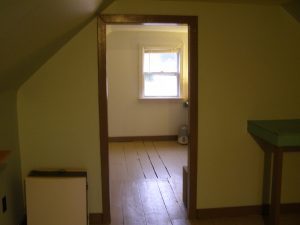
I don’t think being prepared is bad. Not at all. In fact, my partner and I are having considerable friction right now around preparing to move. I want to do a little cleaning, a little packing, a little organizing every day. He’s not interested. He won’t be interested until his back is against the wall and then he’ll begin taking action. I can’t work that way. He drives me nuts. He thinks I’m exhausting myself for no reason.
Aren’t relationships fun?
Anyway, Lear is right. When is the future ever what we think it will be? We can’t prepare for all eventualities. (Didn’t I just write something about leaping?) What we can do is be sure we don’t outsource our happiness, our confidence, our sense of self. We can be on our own side. We can validate ourselves and cheer ourselves on when we need it. We can love ourselves, even in the moments when it seems no one else does. Especially in the moments when it seems no one else does.
We can stop scaring ourselves with stories about what might happen in the future and trust we’ll survive and thrive, no matter what does happen, because we haven’t outsourced our happiness, our confidence, or our competence. We may have discarded something we suddenly need, but how serious is that, really? We can buy another. We can borrow it. We can use something else. The sky won’t fall. We’ll figure it out.
Life will go on. Let us be in charge of our own lives rather than outsourcing them to someone else.

Photo by Stephen Leonardi on Unsplash
by Jenny Rose | Dec 18, 2021 | A Flourishing Woman, The Journey
Last month, Seth Godin wrote about The Lifeguard Hack. Being a lifeguard, it made a lot of sense to me.
This week my team (of lifeguards) and I spent some time in the water training.

Photo by NeONBRAND on Unsplash
Just before Halloween, I pulled the trigger on finding another place to live, right around the same time I decided to serialize my fiction on Substack.
I wasn’t ready to do either of these things, and I’m not ready to have to go in the water and rescue someone at work, either.
Wait! Let me think about this some more. Let me prepare. Let me figure out how to do it perfectly.
Except life doesn’t wait.
Godin is so right. When someone is drowning, I’m going in. It doesn’t matter if I have the proper gear, equipment, attire, or level of energy and alertness. The temperature of the water doesn’t matter. I won’t wonder which form of entry to use. I won’t plan an approach. I probably won’t follow the exact script in our Emergency Action Plan. None of us will. I will blow my whistle, and if I don’t have my whistle, I’ll yell. Loudly. And I’ll go in.
I’ve moved house before. I’ve sold, bought, and figured out how to make it work. I’m not ready, because no one ever is ready, at least not if ready means knowing every detail beforehand. I wouldn’t have planned to decide to do this in late fall with winter and the holidays looming ahead. It just unfolded that way.

I’ve been thinking for years about ways to get my fiction into the world. Why Substack? Why now? Especially why now when I decide at the same time we need to move?
I don’t know. It’s time. It’s just time.
We re-certify every two years to keep our lifeguard status, and we train frequently. I have experience with moving. I have a disciplined writing practice and am an experienced blogger.
Performing a water rescue, buying a new home and moving into it, publishing on Substack, are all things I can do. I’ve done them, or something similar to them, before. There will be no perfect time. Rehearsing won’t help me. It’s just a way of allowing my anxiety and all the critics in my head to sabotage me.
While we’re hesitating, afraid of failure or less-than-perfect, opportunity slips away. While we’re waiting for the “right time,” we’re losing the time we have now. While we’re rehearsing how to pull a passive victim off the bottom of the deep end, they’re drowning.
For me, the key is not so much courage, which I have plenty of. It’s confidence I struggle with. But a lot of my struggle with confidence is based on old lies and distortions that are not real. I know I can perform a water rescue because I’ve done it before, many times in practice and a couple of times in real life. It wasn’t perfect. It didn’t look like the Red Cross training videos, where everyone is calm, the sun is shining, and it’s all by the book. But nobody drowned. Nobody died.
I hate moving. It opens up a lot of old trauma. But we need to move, and I know I can do it. I know liquor boxes make the best book boxes. I know how to show a house. I know how to navigate the legalities. I know where my power is, and I know what I can’t control in the process. It’s a familiar journey. Waiting for nicer weather, for the market to get better for sellers, better for buyers, or more stable in general; waiting for loans to be easier to obtain, or interest rates to go down, or to win the lottery; waiting for the stars to align just right because I’m scared, is not effective. The time is now. We’ll figure it out. Whether we have two years or a month of the process ahead of us, it’s begun and it will play out the way it plays out. It will be stressful, and exhausting, and a chaos of boxes (and cats) and belongings, tape and markers, and things we can’t find. It won’t be perfectly thought out or executed.
On Substack, people will read or they won’t. People will like the fiction, or they won’t. They’ll tell their friends and share it, they’ll comment, they’ll help me build a healthy, interactive community engaged in discussing community, story, and how to live more effectively on our planet, or they won’t. I didn’t start out perfectly. I go back every couple of days and tweak things. I’m figuring it out as I go.
We figure life out as we go. Our friends help us. We learn. We adjust. We make mistakes. We do our best.
So, yeah. If you go down in one of our pools while I’m on the stand, I’m coming in after you, and the rest of my team will be right behind me. I’m not ready. But I’m coming in.

Photo by Chris Kristiansen on Unsplash