I recently read a thought-provoking piece by Patrick Rhone about faith, fear, and facts. I’ve written before about my bewilderment concerning people who don’t want to know. This writer suggests fear is the root of such behavior.
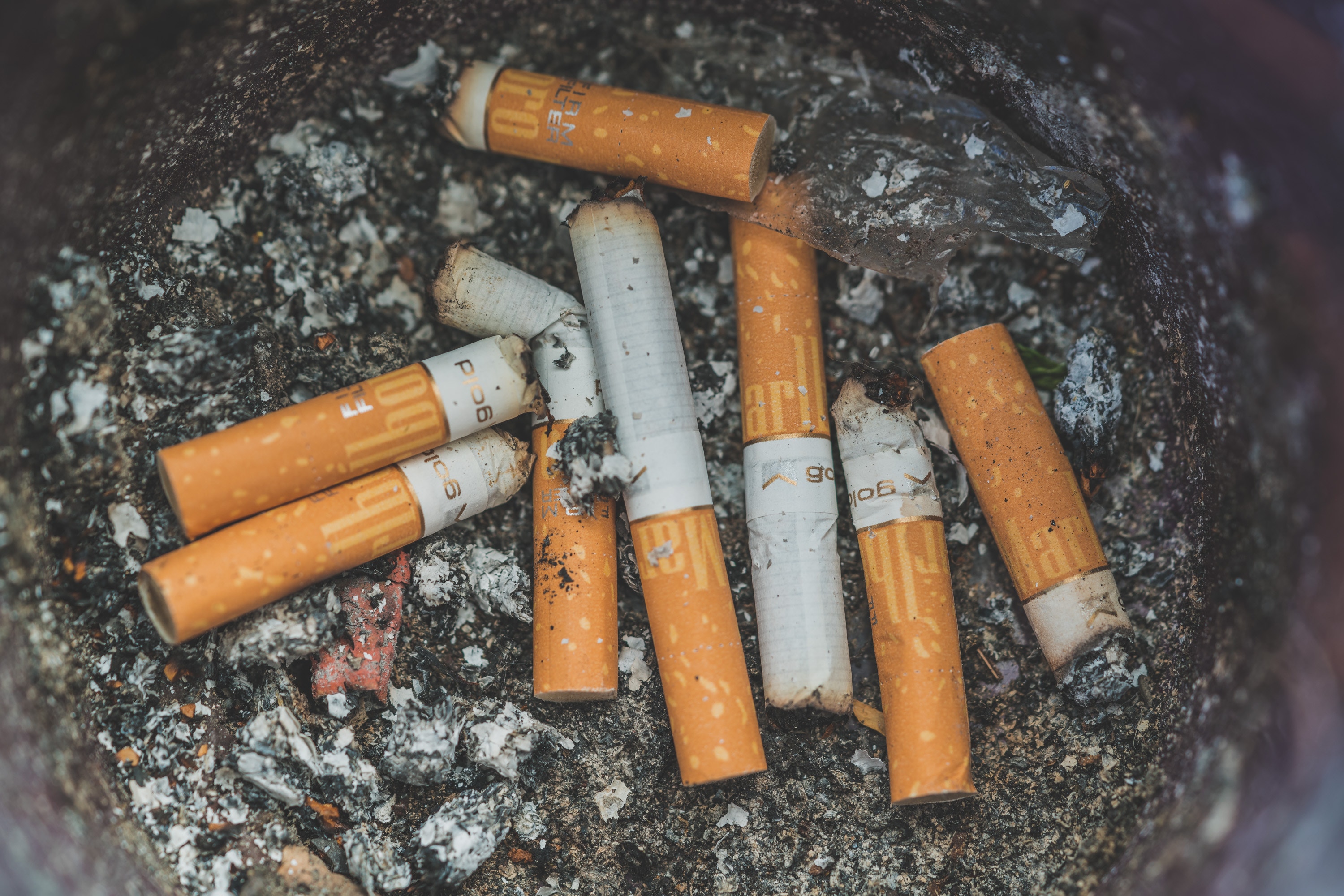
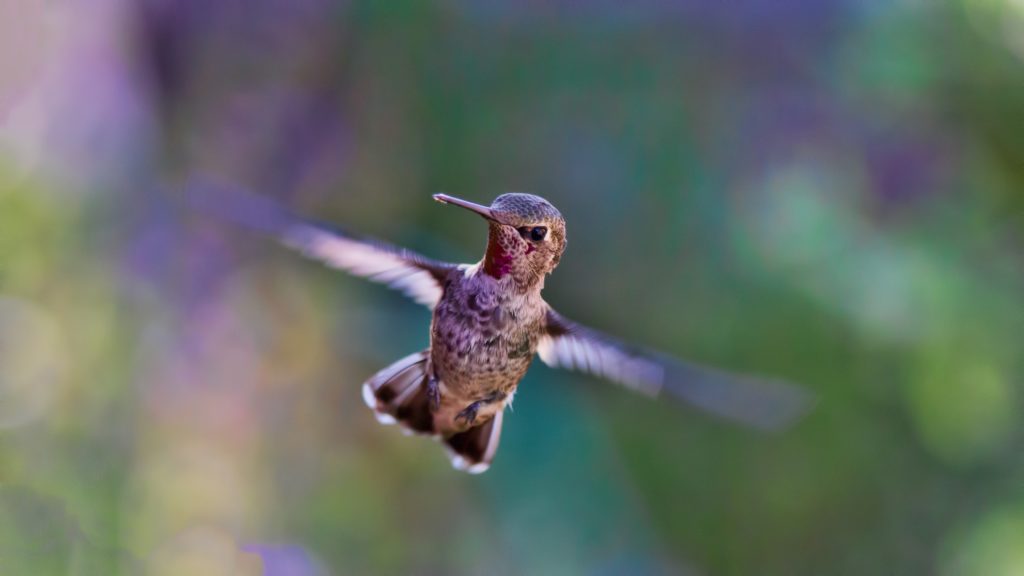
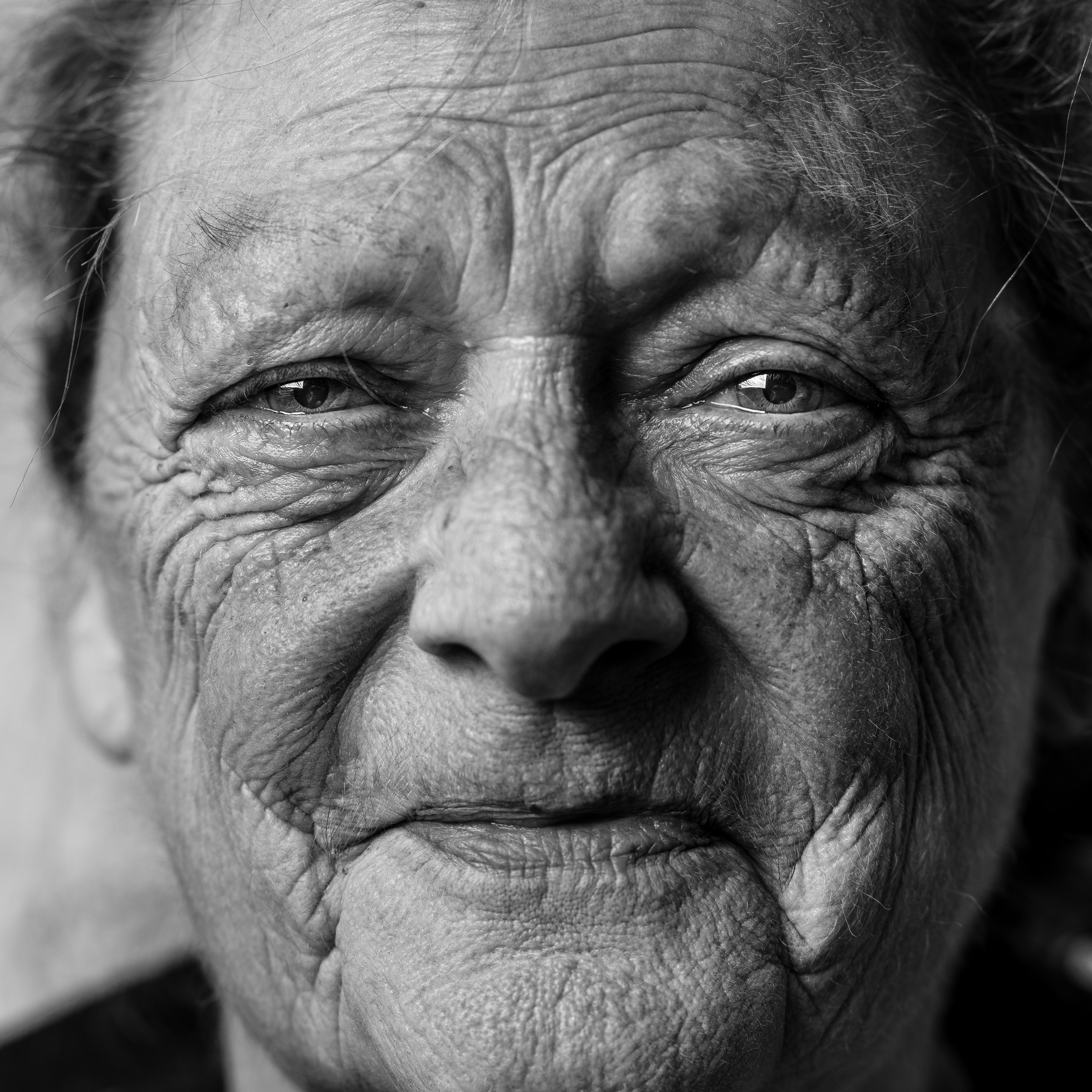
Photo by Ian Espinosa on Unsplash
Fear. It’s so mundane. It’s so extremely powerful. It’s such an extraordinary tool for manipulation.
Rhone asserts faith is frequently more powerful than facts. I might have doubted this once, but after the last four and a half years I agree. We continue to play out the conflict between those who are fact- and science-based and those who are not, especially in social media, steadily becoming more divided and disconnected as each side polarizes further.
We are evolved to experience feelings, and fear in particular is an important evolutionary advantage.
I think of faith as a spiritual connection, and we’re evolved, as social, conscious beings, to connect. Connection is a primary human need.
It seems to me a balance of faith, fear, and facts is optimal for navigating through life.
Where does the balance go wrong?
It goes wrong when we deify a misinformed or dishonest person. When we misplace our faith, in other words. We accept someone’s version of reality, their ideology, their beliefs, without question. Sometimes we do it because we believe they have power we need. Sometimes we do it out of fear. Sometimes we do it because we have no self-confidence; we feel powerless to think and learn for ourselves. Sometimes we do it out of misguided compassion.
The balance goes wrong if we fear our fear and are unable to manage it. Fear becomes so consuming we’ll do anything for relief, including refuse to deal with facts that scare us.
So we develop faith in something – anything – that makes us feel better and relieves our fear.
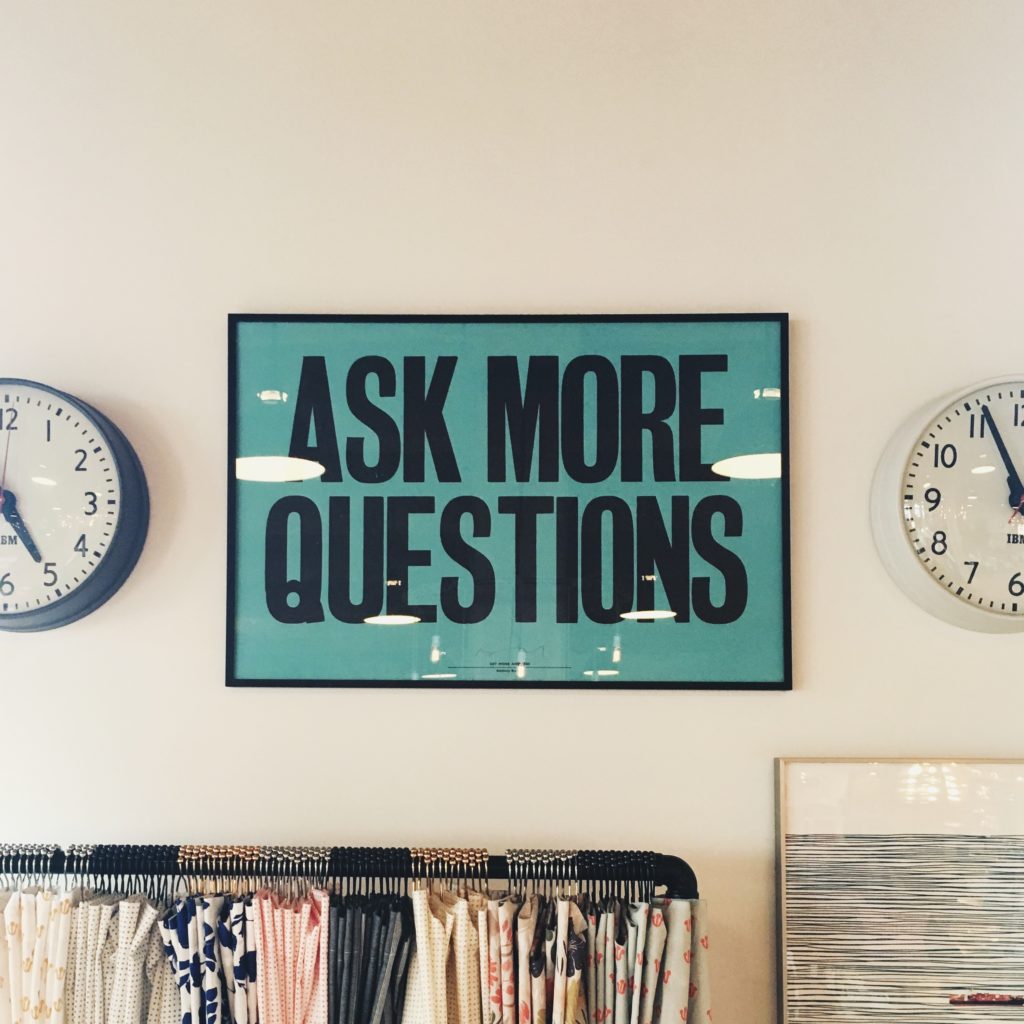
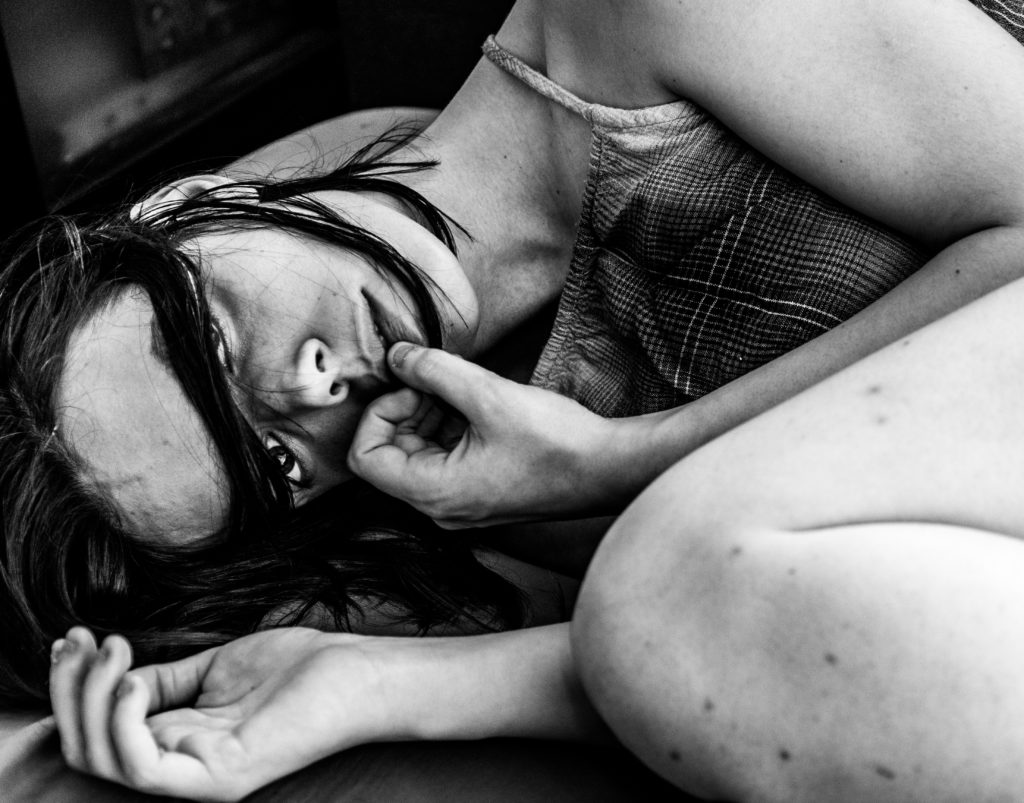
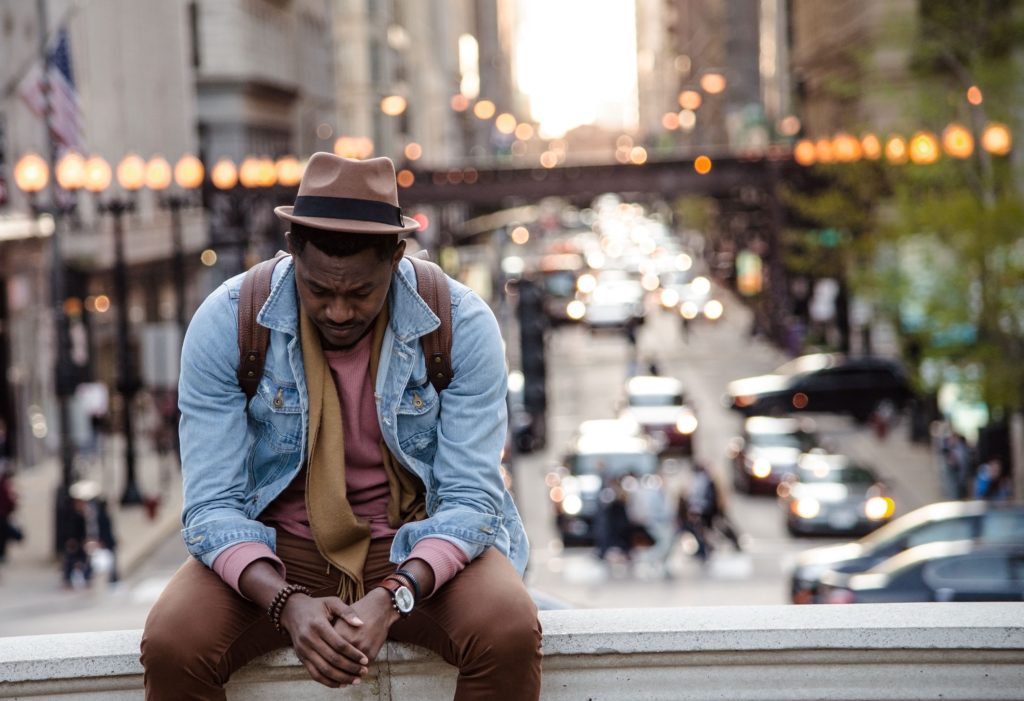
Photo by Talles Alves on Unsplash
Perhaps our problem is not literacy, or education, or access to resource, or discerning fact from fantasy, but simply our inability to cope with fear.
Fear is a feeling. Managing feelings effectively and appropriately is emotional intelligence.
During my lifetime, I’ve watched our culture become increasingly inauthentic as we consumers demand more and better ways to live in a fantasy world. Role playing games, superhero movies, digital image manipulation, porn, virtual reality tech and special effects allow us to sink into illusion.
Over Memorial Day weekend I did an experiment. I installed a free hidden objects game on my laptop to see what it was like.
It was a big file and took several minutes to download. When I opened it, it covered my whole screen, corner to corner. I couldn’t see my task bar or clock. There was no obvious way to exit; I used the Escape button. The graphics were colorful, animated, attractive, and interesting. A pop-up suggested I use headphones to fully experience the sound. Constant pop-ups urged me to join social media communities playing the game. Constant pop-ups advertised other games (paid) I could play, or pressured me to purchase tools and tokens that would make me a better, faster, more successful player in the “free” game I downloaded.
Free, yes. Want to compete successfully? Want to win? Now you have to buy things!
By the way, if you play every day you get extra points!
The game was cluttered. It provided constant validation and reinforcement. The characters were good-looking, well-dressed and Caucasian. Beautiful food and drink, jewels, and true love were heavily emphasized. One collects points and objects and advances in levels. You don’t have to search for what you need, though, if you’re feeling fatigued. You can simply buy what you need.
The puzzles were timed, of course, which made them a lot less fun for me. Although one plays alone, the competitive aspects were continually reinforced.
The reviews of the game say things like “Beautiful!” and “Addictive!”
Because, you know, addiction is a good thing.
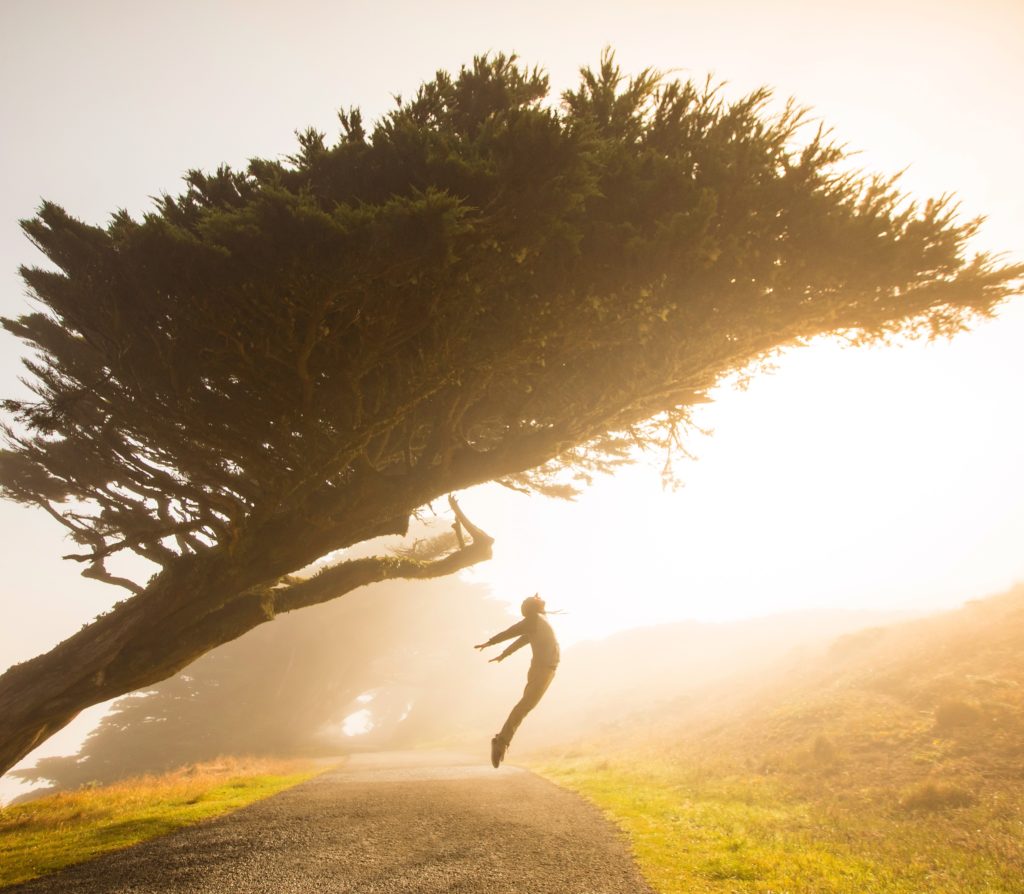
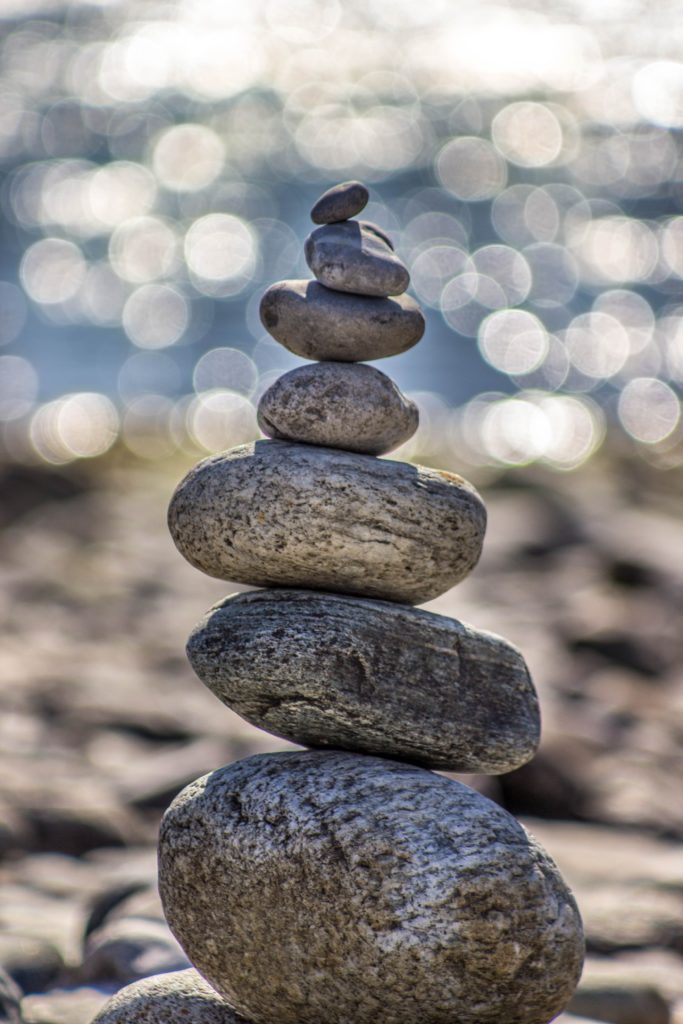
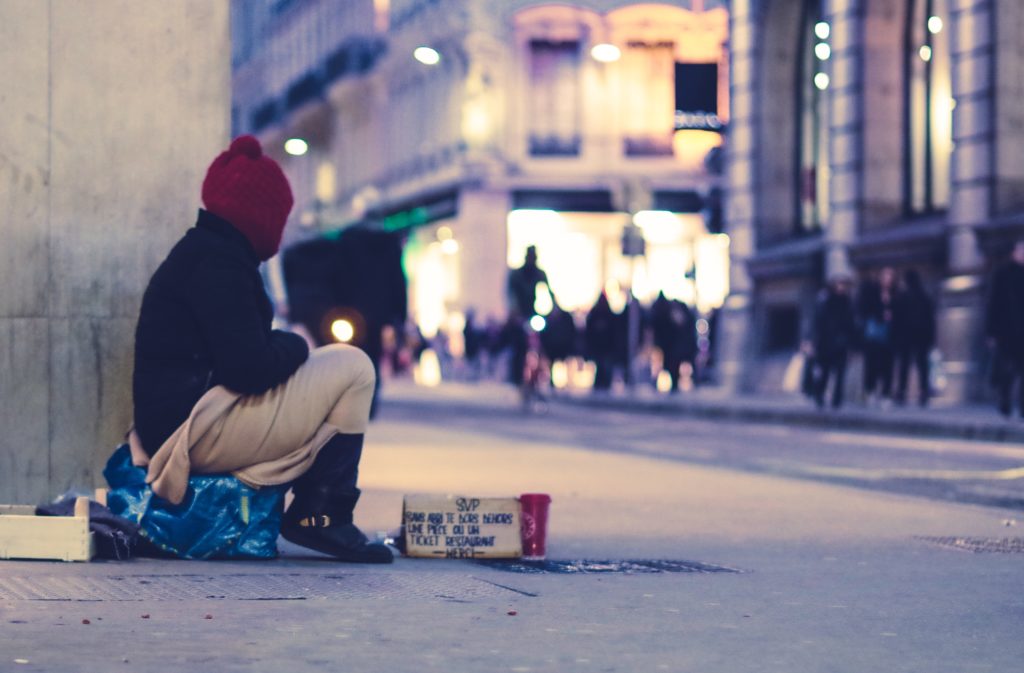
Photo by Patrick Brinksma on Unsplash
I played for a couple of hours. During those hours I didn’t invest in health, happiness, resource , resilience, or my own power. I wasn’t present in the real world.
I also didn’t think about climate change, politics, my job, or getting the car into the shop for brake work.
My feelings were numbed. I wasn’t afraid, but I wasn’t anything else, either.
When I exited the software, I felt as though I’d eaten a bag of jelly beans. I uninstalled the game Tuesday morning.
Have we become a culture that favors illusion over real life? Do we prefer fantasy, as long as it makes us feel “good,” entertains us, or distracts us? Do we prefer being led and manipulated to thinking for ourselves and forging our own paths?
I feel sad and scared after this experiment. If we don’t choose to live in the real world and deal with facts, we have no hope of solving the challenges and problems facing us, from maintaining our cars to managing climate change.
Fear helps us survive. The feeling tells us we must take action. If we refuse to feel fear, or respond to it, we will be deselected.
Facts can be inconvenient and unpleasant, but refusing to deal with them is like refusing to deal with fear. They don’t disappear if we deny them. Nothing can be solved or learned if we refuse to acknowledge facts.
Reality endures. Truth and clarity are powerful. Illusion lies. It might be seductive for a time. Illusion might pretend to be power. In the end, however, it’s empty. It only takes and weakens. It enslaves us, confuses us, and steals our power. It increases our fear while pretending to relieve it.
Faith is a choice about where we put our trust and confidence.
One of my coworkers and his wife had a baby girl yesterday.
I’m thinking about them, and remembering the birth of my own first child.
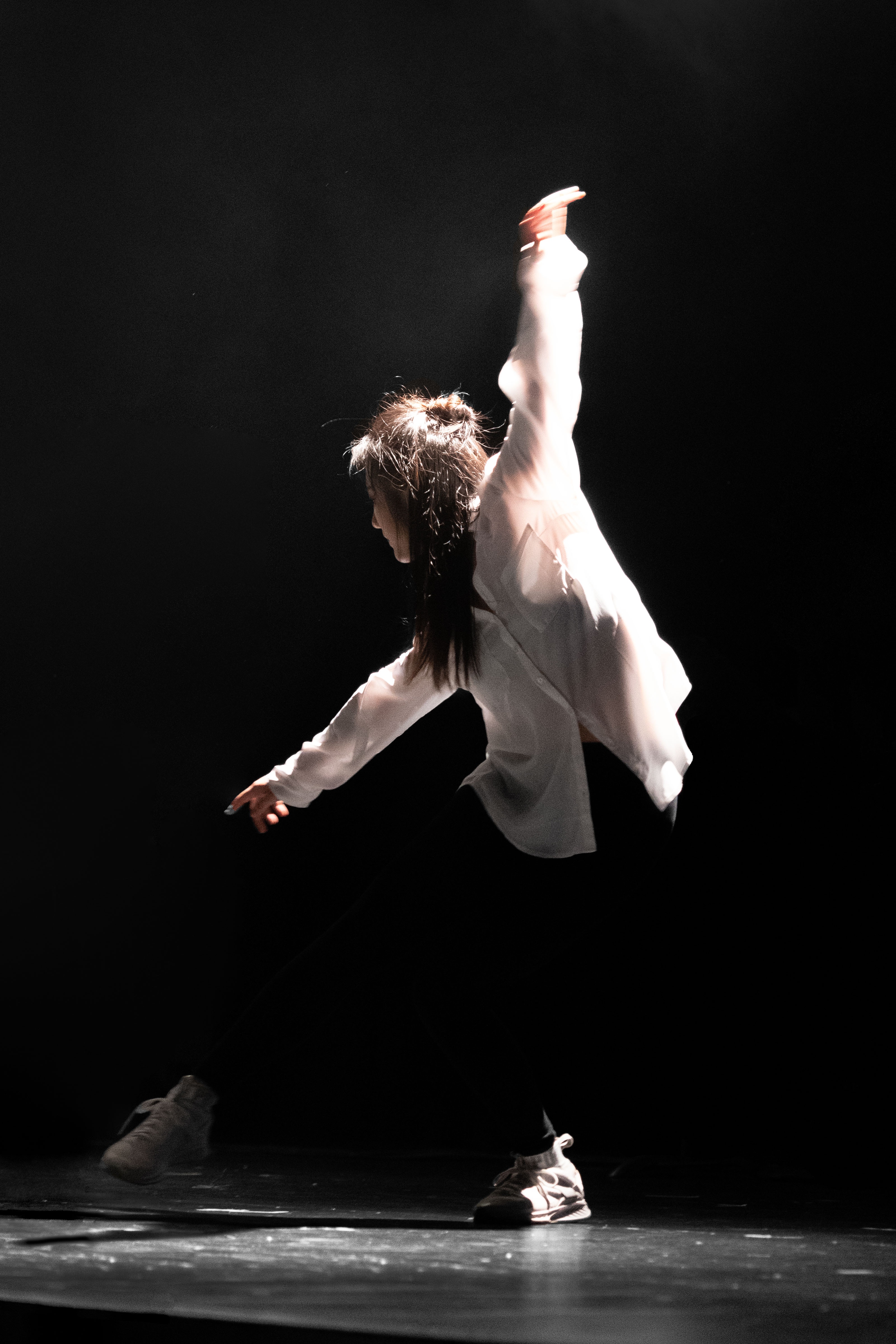
Photo by Khoa Pham on Unsplash
Creating something new. What a magical process, and what an anchor to our humanity.
What a terrifying, exhausting, consuming act it is to make oneself into a creative vessel, and then, when the time is right, deliver what we’ve conceived and made into the world.
Creativity, it seems to me, is the ultimate act of faith in the world, faith in the future, faith in ourselves and others.
Faith can be hard for me. Trust is even harder.
Yet I am compelled to create, just as I felt compelled to be a mother.
I forget sometimes that creativity is a journey from conception through patience and labor to, ultimately, delivery.
Except delivery, of course, isn’t the end of the journey, but the beginning of a new one.
About a month ago (I had to look back in my notes – it seems like a year ago!) I suddenly decided I wanted to redesign and uplevel this blog.
Step by step, I’ve been working toward that goal ever since, in a daze of inspiration and creativity. I’ve made sketches and notes, researched other popular and award-winning blogs for design ideas, sorted through hundreds of images, written word lists, created new categories for my content, and worked with a web designer.
Photo by Stephen Leonardi on Unsplash
It’s going to be beautiful. I wish I could show you the inside of my head as a preview!
It’s also going to be wider in scope, more ambitious, and more authentically expressive.
Creativity forces us to be bigger, and that’s uncomfortable. Once your belly has stretched over a baby, it’s forever changed. There’s no going back.
In order to create my new website, I need to step beyond my comfort zone in several ways, and stretch, and fall back on patience, trust, faith, and resilience.
It’s a stony road, but the vision in my head is so compelling I don’t always notice.
Today, a day off from my bread-and-butter job, was The Day I was going to finally start building the site. All the pieces are in place, all the elements collected. I’ve watched tutorials on using the software I chose to build with. I could hardly wait to start.
Starting looked like opening everything up and sitting in front of the screen without a clue.
For three hours I struggled with more tutorials, trying to find definitions for terminology, and trying to understand how to use this amazing, beginner-friendly, software!
I paused and emailed my web designer. I’m going to need help. We made an appointment for the end of the month.
I don’t want to wait that long. I dove back in. Surely I can figure this out!
At the point I felt torn between hurling the laptop out the window or bursting into tears (maybe both), I set my notes and the laptop down on my work surface (gently!) and walked away.
Sometimes there’s nothing else to do.
Photo by Annie Spratt on Unsplash
I went outside and sat in the sun. It’s a gorgeous day, sunny and warm. It’s also the height of black fly season, and I’m half demented and a little sick from several vicious bites incurred earlier in the week. I’ve always had trouble with insect venom, and it’s unbelievable how savage these tiny insects can be. If you’ve never experienced them, you won’t know what I’m talking about, and I can’t adequately explain.
Anyway, right now it doesn’t pay to linger, uncovered, in the sun, but I gave myself a few minutes to enjoy the birds, the new green growth, and the warmth while I struggled with my frustration.
I thought of that new baby, and I sighed.
Creation takes time.
Conception, labor, delivery, and whatever comes after, take time.
Living creatively is a journey, not a destination.
It is, after all, a day off. Am I going to choose to beat my head against this wall or leave it and go on to something else, like writing this post?
The post I wanted to write was the introduction to my new site!
Violence, self-destruction, despair and human rights violations are rampant in our world. We can choose our favorite flavor: Climate change, racial and ethnic problems, gender ideology, immigration issues, terrorism, food production and diet, religion, capitalism and the economy, and a multitude of other issues clamor for our attention.
Who is to blame?
Everyone? No one?
Photo by Quino Al on Unsplash
Our global social problems overwhelm me. They’re too big for one person to deal with.
As I explore blame, I’ll zoom in to an example from my own life.
A long time ago I married an abusive man, and he abused me. (Big surprise, right?) My experience of abuse was quite real. I realized his behavior was not okay. I realized domestic violence is a huge problem, and I realized it can happen to anyone.
I found a way out, and I could have stopped there and just carried the identity of a victim of domestic violence and an abusive man. It’s a big club. I could find validation, support groups, therapy and other assistance. I could compare stories with other victims, seek revenge, stalk his Facebook page, bad mouth him, have bad dreams and feel ashamed every time I flinch away from a sudden movement a man makes in my vicinity.
I could have turned my experience as an abused woman into a demon, a chronically bleeding wound, a source of darkness, fear and impaired trust. I could run from it, avoid it, try to forget it and stay stuck in power loss. I was victimized. It was unfair. That’s how the world works.
But what’s underneath that reality of being an abused woman? Why was I an abused woman?
Because men prey on women, men are entitled, it’s a man’s world and women are not granted equal power, recognition or rights.
It wasn’t my fault. I was a victim. End of story.
Photo by Travis Bozeman on Unsplash
A victim is a person harmed as a result of a crime, accident, or other event or action. Notice that powerlessness is not part of that definition, which is paraphrased from Oxford Online Dictionary.
I was an abused woman because I thought that’s what I was worth. That’s my truth. I don’t shame myself over it, but I own it. All men do not prey on women. All men do not feel entitled. Men do not define the world unless women allow them to, and the only person who can give away my power and ignore my rights is me.
And, at various times in my life, I have.
Blaming is easy, and we all do it. Managing personal power is a lot of work, a daily practice if we want our lives to work well. Blaming is quick and socially acceptable, especially in this age of hyperreaction to any hint of victim shaming.
The problem is that blame is a dead end. It keeps us firmly fastened in what has befallen us rather than what we’re going to do now. We can blame all we like, but it doesn’t bring us justice, resolution or healing. It doesn’t help us understand the complexities of our situation. We can’t learn from blame. It’s not useful or productive in any way. Blaming is an abdication of responsibility, power and resilience.
This is even more true when we blame ourselves. Blaming myself is what put me in an abusive relationship in the first place. I am not responsible for the behavior and choices of the man I was with, but I chose to be with him – for a time. I believed it was what I deserved because of my guilt and shame over previous choices.
If we are victimized by a crime, accident, or other event or action, and all we can do is blame, we’re effectively embracing a victim mentality, and that kind of thinking goes nowhere.
Photo by Doug Maloney on Unsplash
Sooner or later, we’re all victims of something. Sometimes our own choices lead to our victimization, sometimes we get hurt through no fault of our own, and often the situation is a complex mixture of choices, actions, and events impossible to disentangle.
It’s what we do with our experience that counts. Are we going to blame someone or something and stay stuck, or take appropriate responsibility for ourselves and problem-solve?
We’re not responsible for what other people do or random events we’re caught up in, but we’re always responsible for what we do in response. Healthy boundaries help us discern the difference between the places we have power and the places we have none.
Taking responsibility is not the same as blaming. Responsibility is a powerful tool for problem solving. It’s forward-focused. Blame is backwards-focused and solves nothing.
Being or feeling victimized is no fun, and it’s not a place I want to pitch a tent and call home. I refuse to identify as a victim, and I don’t victimize myself or others. When I catch myself blaming, I know I’ve stepped out of my own power.
Being victimized is a teacher for me. It’s not about blame and shame. It’s about using the feelings and discomfort of the experience to learn, to grow, to find new resources and to reach out to other victims in a supportive, constructive way. Making a healthy contribution out of our experience of victimization heals our wounds and helps other victims find their way to healing. It helps us reclaim our dignity and power.
Photo by Ryan Moreno on Unsplash
It’s a lot more work than blaming, which any toddler can do.
Blaming signals disempowerment, and I refuse to go back down that road. In a perfect world, we’d all be held accountable for our victimization of others, but it’s far from a perfect world, and the only choices I’m in charge of are my own.
I may be, at times, a victim, but I’m always in charge of my own power.
As I implemented the holistic planning process earlier in the year, the first step was defining the whole I was trying to manage. I continue to feel challenged as I remember to include my needs in the whole. My default has always been to work harder in pursuit of goals, but now I recognize the wisdom of working smarter instead.
Photo by Ryan Moreno on Unsplash
Last week I read a post titled ‘Do You Like the Person You are Becoming?’ by one of my favorite minimalists, Joshua Becker. His piece doesn’t focus on needs, but on how we feel about who we are in the context of our lives and projects.
Something about his language cut right to the heart of my struggle to hold my own hand as I go forward into the future.
I feel a lot of movement right now. The season is part of it, with its new growth and hope. Pandemic limitations are relaxing and human affairs flow more “normally.” Personally, I’ve had some new opportunities, some of which I engaged with and some of which I didn’t. I’m involved with an exciting new creative project (more about that later).
At the same time, balance is hard. I squeeze the last minute out of every hour and berate myself when I feel unproductive. The gardens and yard cry out to me, but I haven’t spent more than an hour playing with them. If I work hard creatively all day, I feel too drained to exercise. If I exercise and choose to be more active, I’m unhappy with my creative progress.
Now, more than ever before, I simply can’t do it all.
It sounds so neat and easy. So mature and together!
Ha.
Becker’s piece made me smile, and then laugh out loud. (I miss laughing out loud. LOL is not laughing out loud.)
He asks such a simple, and at the same time, deep, question: Do I like who I’m becoming?
Like all really good questions, an honest answer is complicated, because our experience of ourselves is often different in different arenas of our lives.
It reminds me of another question I frequently see as I practice minimalism: Does this choice make my life easier or harder?
Of course, needs, structure and choice underlie both questions, but I like the way they leave the mechanics aside and focus on feelings.
Do I like me? Are my choices making my life easier or harder?
I almost made a choice last week that would have made my life harder, but it also would have increased my income.
Naturally, I thought first about income. Security, stability, savings. Sure, it would mean less time and energy for other things, but – you know, more money!
Except not that much more. And there was no denying it would take away from my writing.
And the writing, unpaid as it is at this point, is what makes me happy, the reason I’m in the world, the center of my life and experience.
Writing has made me confident, authentic, joyful and playful.
Which woman do I like better? Whom do I want to live with and see in the mirror?
The fact is I could meet all my needs and still not like myself. I could have chosen to make more money, but I would have liked myself less.
Learning to love myself has been an incredible journey, one that saved my life.
I have no intention of going backwards.
Another tenet of minimalism is understanding the feeling we don’t have enough space and time doesn’t mean we need more space and time. It means we need less stuff and fewer things to do. We need to find a way to make our lives easier, not harder.
We need to love ourselves enough to create a meaningful, joyful life with plenty of space and time.
Maybe, as I begin my day, the question is not what I want and need to accomplish, but what choices will make me like myself better than I did the day before.
Can it be done? Is it possible to lead a balanced, vibrant life, full of texture and joy, keep an adequate roof over my head, and create a more secure future while doing the work I love, all while loving the person I am?
We’ll see.
(I finally know what I want to be when I grow up! Not only what I want to do, but who I want to be!)
I’ve just read a book titled Dignity by Donna Hicks, Ph.D.
Photo by freestocks.org on Unsplash
Dignity is defined as “the state or quality of being worthy of honor or respect; self-respect” (Oxford Online Dictionary); “the right of a person to be valued and respected for their own sake” (Wikipedia).
Dignity isn’t a word I hear much these days. Respect is a hot topic, but dignity sounds old-fashioned.
The book was an eye-opener in several ways. Hicks sees dignity as a key component in peaceful negotiations, a refreshing topic in this time of divisiveness, hatred, and violence. Because of her work, the author has participated in and supported peace talks all over the world as leaders of opposing sides work to heal the trauma of conflict. Her observations, experience, and stories of people working together to connect as human beings, even in the context of terrible violence, are poignant and a testament to our shared humanity.
Hicks defines ten essential components of dignity, and ten violations. I wrote both lists down and I’ve been rereading and thinking about them ever since.
Here are Hicks’s ten essential elements of dignity:
The concept of dignity joins tolerance and respect as a piece of emotional intelligence requiring reciprocity. If we want to maintain and protect our own, we must understand how to support the dignity of others. Dignity involves accountability. It’s not free.
Photo by whoislimos on Unsplash
As I work with these lists, I come at them from three different directions. One is recognizing the ways in which my own dignity has been violated by others. The second is the way in which I’ve violated my own dignity. The third is the way in which I’ve violated the dignity of others.
This book was published in 2011, before acceptance of identity and inclusion were such politically loaded topics. As I think about these lists through the filter of current social ideology, it’s quite clear to me that working with the concept of dignity necessitates connecting with others through our shared humanity rather than our habits and beliefs. If we insist on hiding behind our labels and pseudo selves, as well as refusing to see the complexity of those we interact with behind their labels and ideology, we will not successfully connect and nobody can experience dignity. Conflict will escalate and divisions deepen.
We each have a right to our own beliefs, feelings, and sense of self. However, we do not have the right to insist others agree with our beliefs, feelings and sense of self. Respect, as I have pointed out before, is not agreement. Tolerance is not agreement. Likewise, dignity is not dependent on agreement, but rather the willingness to understand and accept the experience of another.
Photo by Ev on Unsplash
The tricky part is if we wish to build and maintain dignity, we must help others build and maintain it as well. Demanding our own dignity be recognized while ignoring that of others demonstrates a desire for power-over and control.
Dignity is an equal opportunity concept. It’s based in our humanity, the ultimate in-group. No one is excluded, and no one is without the power to build their own dignity.
We can’t force others to treat us with dignity, but we have absolute control in how we handle our own, and Donna Hicks has experienced, over and over again, the power of our individual dignity and the way it influences those around us. The forward to this book was written by Archbishop Emeritus Desmond Tutu, whose wisdom, compassion and dignity have inspired millions. He and Hicks have worked together for peace in Northern Ireland.
One way to destroy our dignity is to violate that of another, which is exactly what I want to do in a reactive moment when I’ve been hurt or witnessed someone else being hurt. However, that kind of reaction only escalates conflict. Hicks’s list allows me to identify other options that do not result in further violation, but begin to heal the original harm. Even if whoever I’m interacting with is determined to undermine both their dignity and mine, I have the power to stop the damage and conflict and protect my own self-respect.
Now more than ever in this country, we are divided. Some of us support dignity for all and some of us don’t. It’s not always obvious which team we’re on, either. Some people wave the banner of equality and justice and identify themselves as victims, but a closer look makes it obvious their agenda victimizes someone else. What they truly want is their conception of equality and justice for themselves and their in-group, exclusively.
Others of us are working for humanity as a whole, supporting such concepts as dignity for everyone, not just those wearing a certain label or set of labels.
Websites store cookies to enhance functionality and personalise your experience. You can manage your preferences, but blocking some cookies may impact site performance and services.
Essential cookies enable basic functions and are necessary for the proper function of the website.
Name
Description
Duration
Cookie Preferences
This cookie is used to store the user's cookie consent preferences.
30 days
These cookies are needed for adding comments on this website.
Name
Description
Duration
comment_author
Used to track the user across multiple sessions.
Session
comment_author_email
Used to track the user across multiple sessions.
Session
comment_author_url
Used to track the user across multiple sessions.
Session
Statistics cookies collect information anonymously. This information helps us understand how visitors use our website.
Google Analytics is a powerful tool that tracks and analyzes website traffic for informed marketing decisions.
ID used to identify users for 24 hours after last activity
24 hours
_gat
Used to monitor number of Google Analytics server requests when using Google Tag Manager
1 minute
_gac_
Contains information related to marketing campaigns of the user. These are shared with Google AdWords / Google Ads when the Google Ads and Google Analytics accounts are linked together.
90 days
__utma
ID used to identify users and sessions
2 years after last activity
__utmt
Used to monitor number of Google Analytics server requests
10 minutes
__utmb
Used to distinguish new sessions and visits. This cookie is set when the GA.js javascript library is loaded and there is no existing __utmb cookie. The cookie is updated every time data is sent to the Google Analytics server.
30 minutes after last activity
__utmc
Used only with old Urchin versions of Google Analytics and not with GA.js. Was used to distinguish between new sessions and visits at the end of a session.
End of session (browser)
__utmz
Contains information about the traffic source or campaign that directed user to the website. The cookie is set when the GA.js javascript is loaded and updated when data is sent to the Google Anaytics server
6 months after last activity
__utmv
Contains custom information set by the web developer via the _setCustomVar method in Google Analytics. This cookie is updated every time new data is sent to the Google Analytics server.
2 years after last activity
__utmx
Used to determine whether a user is included in an A / B or Multivariate test.
18 months
_ga
ID used to identify users
2 years
_gali
Used by Google Analytics to determine which links on a page are being clicked