by Jenny Rose | Jan 17, 2019 | Emotional Intelligence, Feelings
Working in a fitness/rehabilitation center in January makes our cultural and personal obsession with our bodies and looks inescapable. All day long I hear conversations about health, pain, weight loss, exercise and fitness goals and diet. There’s something inescapably seductive about the idea of making a fresh and successful start in a brand new year.
At home, in my peaceful attic where the winter light steals in, poet David Whyte suggests making ourselves big for loss; if we have a healthy interior landscape, we are better able to absorb painful experiences.
I’ve written about making ourselves big, but I was thinking of things like courage, passion, creativity and curiosity, not loss.
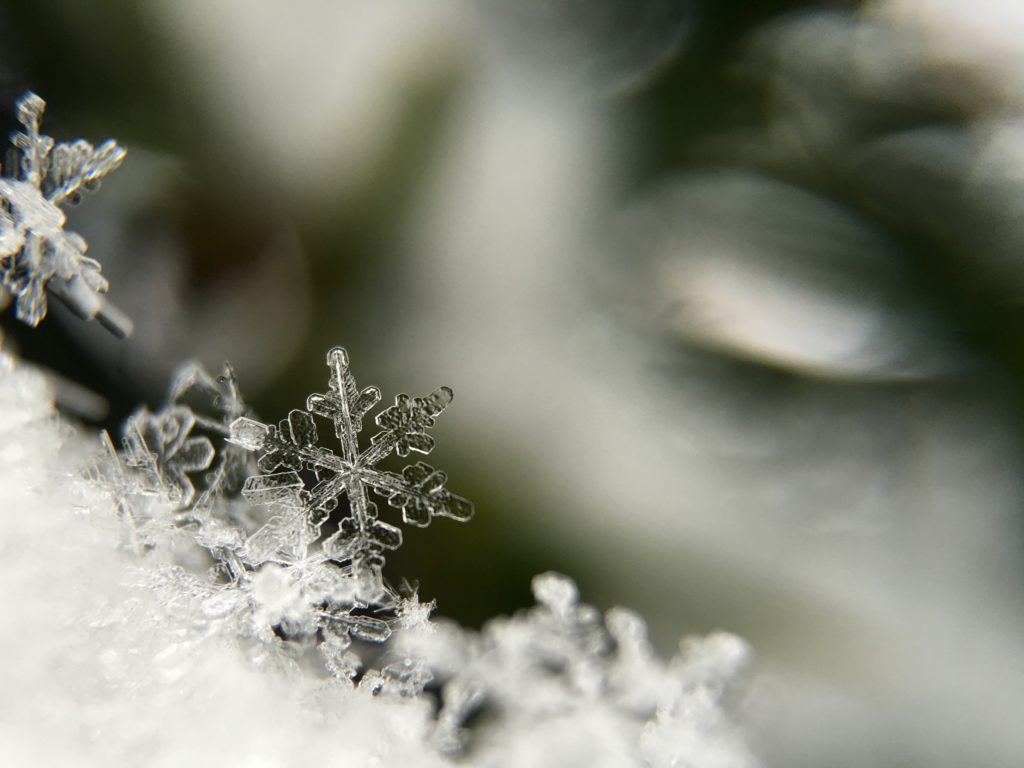
Photo by Annie Spratt on Unsplash
Whyte’s inside-out wisdom, which has caught my attention before, provides a new frame I’ve been playing with as I live my life. It seems everywhere I turn I find this idea of loss and how we manage it. I’ve been reading a memoir entitled “This Life is in Your Hands” by Melissa Coleman. It’s about her childhood with her family on the coast of Maine during the 70s as part of the back-to-the-land movement. It’s a fascinating story encompassing all kinds of ideas, beliefs and discoveries about what it takes to leave much of modern life and wrest a living from the land. It’s also a story about a gradually unraveling family, doing their best to create a life they believe in but ultimately defeated by their ideals and the death of a child.
Coleman writes, “There were no gardeners of grief in our community.”
What a poignant, beautiful line that is. Gardeners of grief. There it is again, I thought when I read it, the idea of making intentional space, even a large space, for a feeling we typically avoid, deny or refuse to deal with.

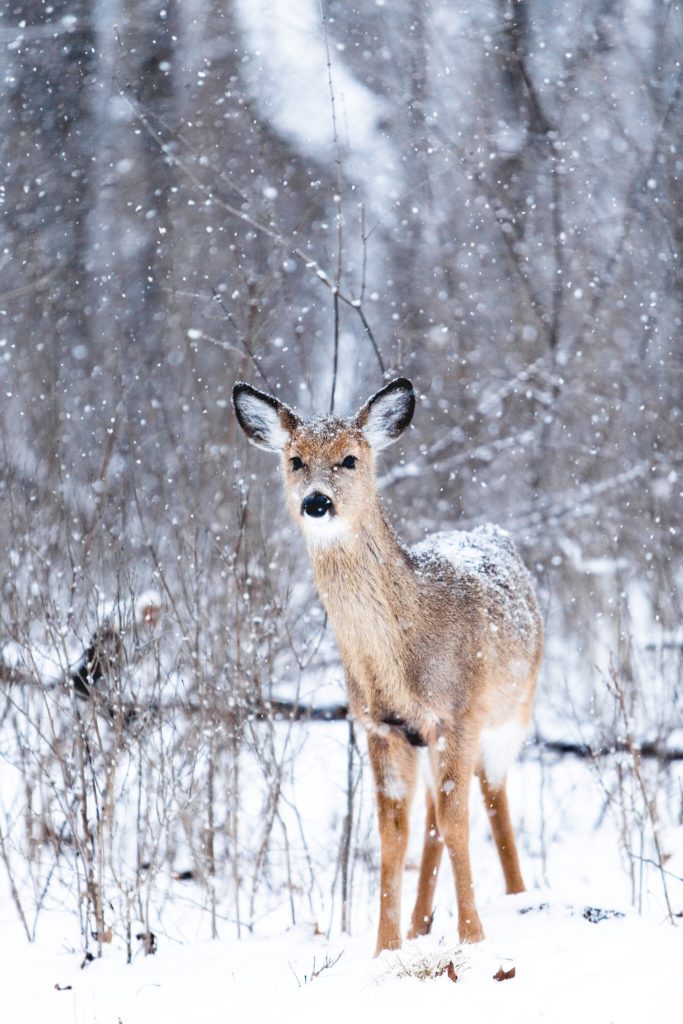
Photo by NeONBRAND on Unsplash
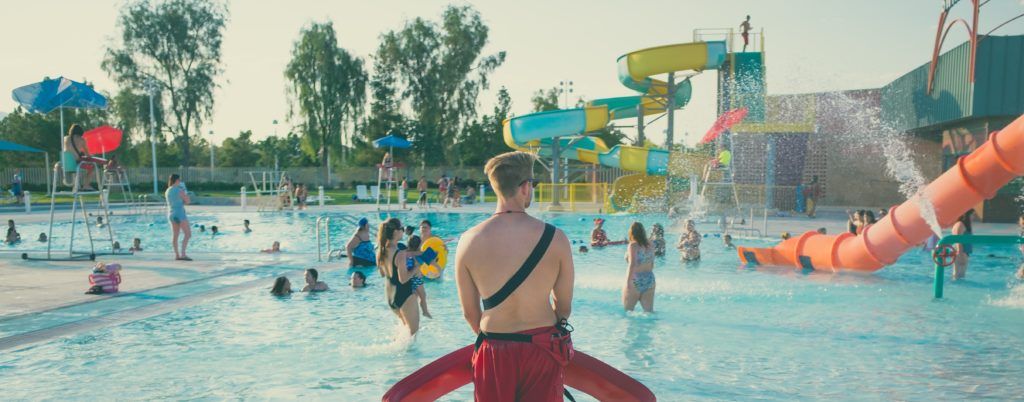
I wondered yesterday, sitting on the lifeguard stand watching the pool during a water aerobics class, how it would be if we focused New Year goals and intentions on our interior landscape rather than our external appearance. Would more people be more successful in making the changes they say they want? Would support and action in addressing our interior terrain naturally lead to the kinds of external changes so many of us seek?
Loss. What can we say about it? Some loss is so long and drawn out it’s almost chronic, and we become numb to it, though it shadows our lives. Other losses are shockingly abrupt and traumatic, and others still somewhere in between. Loss is painful in itself, but our feelings about who or what is lost can add significantly to our pain, especially if we don’t manage them properly.
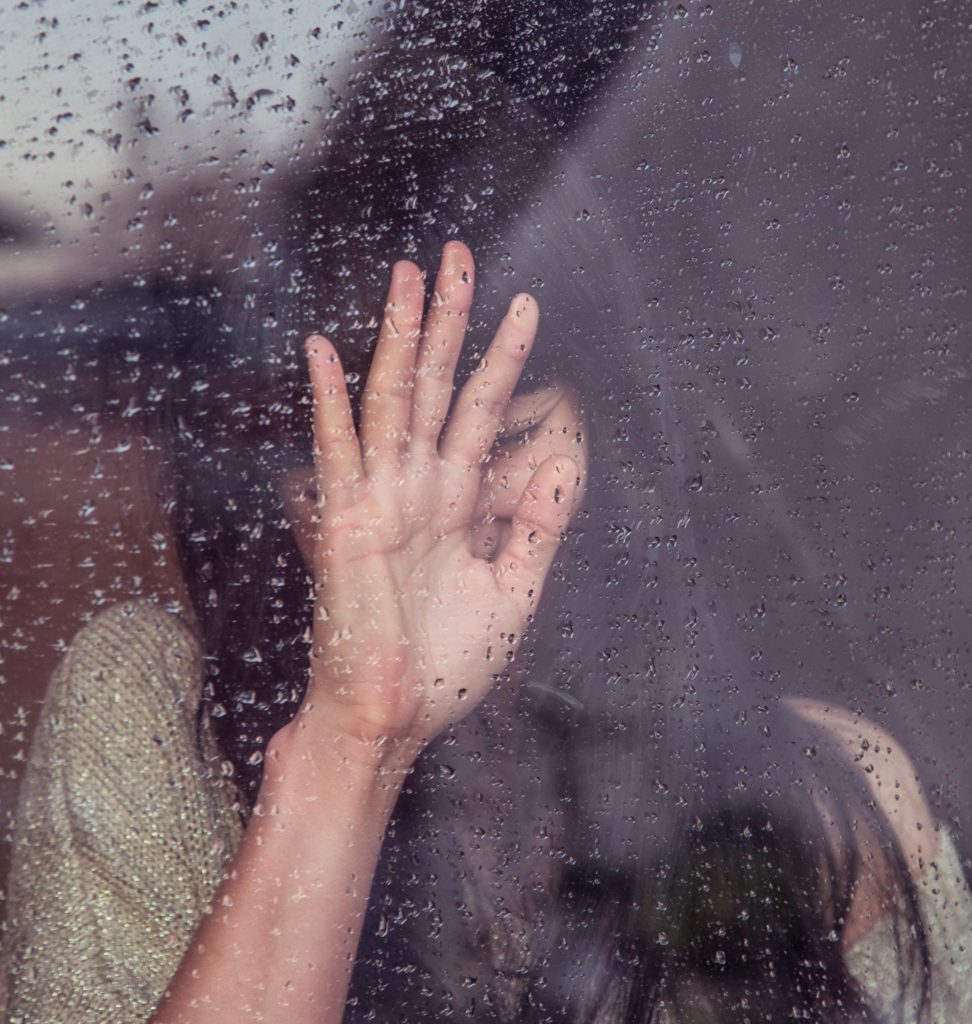
Photo by Aaron Burden on Unsplash
I’ve had two catastrophic losses in my life, though I feel foolish revealing them. The first was the loss of a diner. It was a little ramshackle shack with a spongy floor that dipped and swayed as you walked across it, room for about seven tables with mismatched and broken chairs, and a grease-saturated kitchen. It was less than a five-minute walk from my old house in a tiny Colorado mountain town, and for years I ate breakfast and/or lunch there at least once a week. I was working at the local public school while the diner was in business, so I knew all the high schoolers who bussed, waited, washed dishes and cooked. My own sons worked there in their turn. In the decade after my boys left and I was alone, the diner became like a second home to me. I was often the first customer of the morning, waiting patiently for the door to be unlocked with my travel cup of tea steaming in my hand and a book or notebook and pen under my arm. They made my breakfast without asking, as I always had the same thing, and Amy, the owner, would sit with me, sipping a cup of coffee, while we exchanged desultory early morning talk or were just quiet together.
I always felt welcomed at the diner. I loved it, and those who worked there, and they at least tolerated me with friendliness and kindness. I felt seen. One day Amy told me, with some reluctance, she was closing it down. The endless grind of owning and operating a restaurant had become too much, and it was getting harder and harder to avoid problems with licensing and inspection as the building deteriorated. She had dreaded telling me. We sat across from one another and wept.
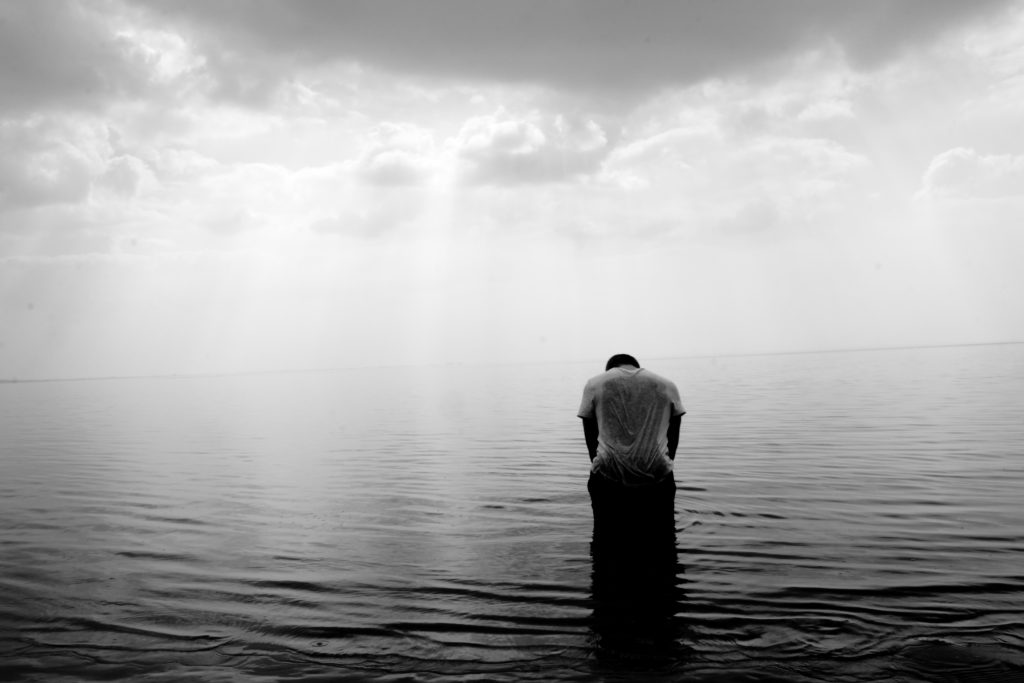
Photo by Madison Grooms on Unsplash
The second loss happened just a few weeks later, when the dearest companion of my life, a crippled long-haired orange cat, died quietly at home,
These two losses left me maimed and feeling unable to go on. I no longer recognized my life in that place, though I’d lived there for 20 years, raised children, worked, volunteered, danced and told stories. Strange, to realize the diner and Ranger as the only two pillars holding up my life. Why were these losses so much more terrible than my sons outgrowing the town, the school and me, and leaving? That was extraordinarily difficult and painful, and I thought I’d never recover or fill the hole they left in my days, but I still recognized myself and my life. I wasn’t completely undone. I knew we were all making the right choice to part ways and I would go on.
Remembering, it occurs to me my internal landscape had shriveled and withered without my noticing. Ranger and the diner had provided me with warmth, companionship, acceptance, love and belonging. In those two aspects of my life I was completely honest and authentic. When they were gone I was left with a grueling job that just barely supported me and was highly stressful, a home I loved and had worked hard to create but which was empty and desolate without Ranger, and the feeling that I was little more than a burden and a disappointment to nearly everyone in my life (including myself) and the town in general (with a couple of notable exceptions). I was nothing and had nothing anybody wanted or needed, and my life felt like a lie.
Photo by Louis Maniquet on Unsplash
When I think now about intentionally building an internal landscape, a bountiful landscape with lots of space, I realize the interior wasteland I was trying to live with before. A greasy spoon hole-in-the-wall diner and a cat were the only two things tying me firmly to life. I was not big enough to absorb their loss. I was always busy, but I wasn’t big. All my attention was on trying to please others and get loved.
Is getting a life, being in a life, creating a life about being busy and having things to do, or is it about building an interior landscape? Scientists are beginning to realize how important complexity is in living systems. Perhaps complexity is not about externals, such as how long our to-do lists are or our New Year resolutions, but about the interior ground of our lives. What if we were each able to build a complex interior terrain with not just room but welcome for all our feelings and needs, an interior system that could elegantly break down, absorb and transform loss, rage and fear? What if we nurtured several kinds of healthy relationships, contributed our experience and skills in more than one way and found a variety of creative outlets and activities to enjoy? What if we invited and allowed both loss and gain, joy and despair to dwell in our interior landscape? Would a more varied, complex and honest inner life allow us to find relief and respite from the inevitable losses and changes we experience?
Photo by Ivan Jevtic on Unsplash
It seems to me the answer can only be yes.
Furthermore, if we choose to successfully build and maintain a complex interior landscape, will all the outward things we worry so much about either seem less important or more easily managed? If we’re more physically active and heal our relationship with food because we’re cleaning up and creating our interior landscape rather than because we want to lose weight, will the re-focus of our intention mean less resistance and failure?
All my life I’ve tried to hold back my feelings because I’m afraid of being overwhelmed by them, or of what others will say or think of me. The problem is I can’t pick and choose which feelings to allow and which to exclude. If I’m going to love wholeheartedly, I’m also wide open to the pain of loss. The idea of creating an internal landscape spacious enough to allow every feeling and experience unlimited depth and width is an interesting contrast to my impulse to recoil, withdraw and barricade myself into a small stone cave for the rest of my life.
Photo by Henry Be on Unsplash
Now and then I need that internal cave, certainly. A bolt hole is essential to me. But surely there’s a whole interior world I can build outside the cave when I’m ready to step out of it again, a world with gardens and orchards of feelings and possibility, a world of connections and people to love and learn from, a complex inner terrain in which to get lost and find myself again. Best of all, my interior landscape is solely my own creation. In it, I can be utterly naked and free from concern about what others think of me. I can be fully authentic and honest without fear or shame. I can feel what I feel and have what I need.
Gardening for loss, for fear and for pain. Landscaping for joy, confidence and healing. Welcoming complexity and delving beneath the surface of life and of myself. Making myself big for the hard stuff.
All content on this site ©2019
Jennifer Rose
except where otherwise noted
by Jenny Rose | Jan 10, 2019 | A Flourishing Woman, The Journey
Photo by Laura Fuhrman on Unsplash
I’ve lately been revisiting David Whyte’s work, including one of his audiobooks titled What to Remember When Waking. He suggests having faith in things falling away.
It caught my attention because usually we speak of faith in what we judge to be positive: Courage, kindness and the sun coming out tomorrow. Having faith in the shadow side of life suggests a deeper wisdom.
This coincides with my current personal focus on shame, which I discover (to my chagrin and sorrow) is a burden I carry every day and can’t remember being without. I knew it was there, in the roots of me, but generally speaking I try to hide it and look the other way. I’ve never had any idea how to eliminate it or transform it into something less painful and more effective, so it’s become firmly and almost invisibly established.
Whyte, a magnificent poet, prompted me to think differently about feelings and experiences we typically cast as negatives and try to avoid, ignore, hide or minimize. Have faith in things falling away.
What kind of things fall away?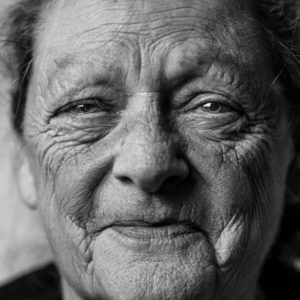
Leaves in autumn, innocence, comets, people, memories, time, feelings, others beloved by us, and our own lives. Flowers drop their petals. Snakes shed their skins. Seconds and years fall away, one by one. The sea ebbs from the land and then returns. What we can see of the moon wanes and falls away to nothing before it waxes once more. A fertile woman watches each month’s possibility of new life fall away when she is not pregnant. The dark falls away before the light, and the light before the dark. Cell by cell, lash by lash, hair by hair, our bodies fall away during our lifetimes.
Sometimes we fall away from others, or tear ourselves away from jobs, relationships or places.
Some things we are glad to let go and leave behind us. Other losses are so terrible we feel permanently maimed.
Then there are things like shame that are forced upon us by others, that cripple our joy and our ability to love ourselves. We long to be free of such burdens, to let them fall away, but we don’t know how to do it. Even if we find a way to loosen their grip upon us, we are sometimes unwilling to cast them completely aside, because then we would become strangers to ourselves, strangers in our own lives, and we fear that change more than our familiar suffering.
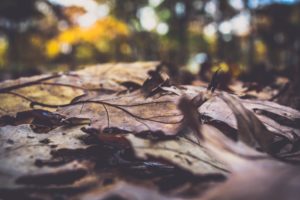
Photo by fancycrave on Unsplash
Faith in things falling away. Trust and confidence, in other words, in both loss (things we don’t want to lose) and relief (things we do want to shed).
Could it be that the way through shame, longing, fear, anguish and the like is to turn toward it, embrace it, kiss it on the mouth? Is that what must happen before it can fall away? I wonder.
Can we trust in the approaching storm as much as we trust in the sun coming out tomorrow? Can we trust in the unraveling, the fraying, the slow decline, the darkest shadows of our hearts and actions, as well as healing, vigorous new life, and our kindness and compassion?
I suppose what I’m really asking is if we can trust in all of our experience and feeling, whether comfortable or agonizing, in any given moment. Can we trust in change and suspend our judgement about whether it’s good or bad? If our world is burning around us and everything we know or have is falling away to ash, can we have faith in the purification of that terrible loss?
Taking it further, am I willing to have faith in my own frustration, anguish, scars and shame? Am I willing to explore these things, talk with them, allow them to teach me, even love them, and then let them go or transform? Do I possess the courage to let an outdated version of myself fall away while I enlarge my soul?
Inevitably, inexorably, things change and fall away. As human beings, how do we choose to live with that fact? Faith or resistance?
Tonight I will sleep with my worries through dreams dark with soil
and the heaving cataclysm of the spade
turning earth round me
not speaking of air
or light fused with greenness
but of darkness
and the first leaves
like hands in prayer
clasped inside the seed.
— David Whyte, “Inside”

Photo by Trevor Cole on Unsplash
All content on this site ©2019
Jennifer Rose
except where otherwise noted
by Jenny Rose | Jan 3, 2019 | A Flourishing Woman, The Journey

Photo by Pascal Müller on Unsplash
I came across a poem by Ursula K. LeGuin (see below) and found it beautiful and timely. The wheel of cycles and seasons has swung around to the resurrection of light once more, and we wish one another a happy new year, each of us with our own hopes and fears for the months ahead.
For much of my life, I equated love with protection. When I became a parent, the vulnerability of my sons added exponentially to my own. In common with many parents, I struggled fiercely to protect them through infancy, childhood and beyond. Naturally, we protect others from what we ourselves most fear. In my case these fears include pain, loss, addiction, abuse and abandonment. I tried to shield my children from those people and experiences that hurt me, lest they be hurt in the same ways.
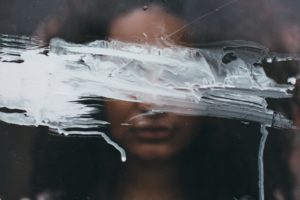
Photo by Nicole Mason on Unsplash
Certainly, in the case of small children, animals and others who have no voice or are unable to use it, protection can be an act of love, but I’ve thought for some time now that we carry it too far, especially when we seek to “protect” our perfectly capable adult children, partners and friends. At some point our impulse to protect others becomes selfish. We do not want to bear witness to a loved one’s pain, let alone our own. We do not welcome the responsibility of telling the truth. Protection becomes a pathological means of disempowering others and binding them to us because we don’t want to be alone or the independence of our loved ones threatens us.
To be over-protected is to be without the freedom to develop confidence in our own good sense, strength and courage. We’re never allowed to stumble and fall and we don’t have to figure out how to comfort ourselves, clean our scraped knees and move forward. We over-protect out of fear or control, not love, and our constant vigilance of our loved one or loved ones teaches them fear as well. Fear makes our lives smaller, not bigger.
This new year, I don’t wish you photoshopped health, prosperity and happiness, and I don’t have a list of resolutions I hope will lead me to those things, either.
This year, I wish us each the ability to stand in our own power.
 May we learn to love our bodies as they are. May we live joyfully in our skin. Let us teach our bodies new things and work with them to become as strong and healthy as we can. May we allow our bodies to be and to change.
This year, may we make mistakes. May we become lost and confused, and then find our way again. May we find out we’re wrong, and tell everyone. May we be vulnerable, get hurt and heal ourselves.
May we wander far from home without a map and walk a thousand miles, exploring new places and ideas. May we listen to a different kind of music and read a different kind of book. May we do something we’re afraid of.
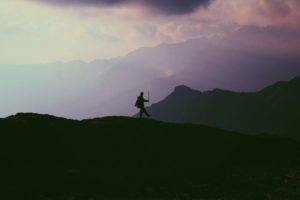
Photo by yatharth roy vibhakar on Unsplash
Let the new year bring us laughter that makes our bellies ache and tears that fall like warm rain on our anguish. Let us fall head over heels in love with something or someone as though it’s the first time we’ve ever done it and we just know it will all be perfect. Let us make friends with our rage and give it something productive to do. Let us tell someone about our deepest shame.
May we know loneliness, boredom, disappointment and humiliation, and balance them with companionship, engagement, satisfaction and validation.

Photo by Miranda Wipperfurth on Unsplash
May we risk, dare and dream. May we learn to believe in ourselves. Let us burn our candle at both ends. Let us wear ourselves out with living. May we hear our lives whisper and speak our own truths. Let us learn and grow. Let us allow ourselves to be seen and rejected.
May we long for a home, find one, make one and lose it. May we make another and choose to walk away from it. May we learn how to come home to ourselves no matter where we are or who we’re with.
May we let go of our protection. Let us tear ourselves away from it. Let us outgrow it. May we feel what we feel with every cell of our body. May we make our thoughts, emotions, curiosity and creativity big and hold nothing back.
Go out into the sun flood of your life, my friends, my sons, my family, and know that I hold you in my heart. Know that I believe in you. Know that I neither ask for your protection nor seek to protect you, for none of us need it and love is bigger than that.
Go out from me into the new year, dear ones, and if you choose to return, please bring strange things.
Please bring strange things.
Please come bringing new things.
Let very old things come into your hands.
Let what you do not know come into your eyes.
Let desert sand harden your feet.
Let the arch of your feet be the mountains.
Let the paths of your fingertips be your maps
and the ways you go be the lines on your palms.
Let there be deep snow in your inbreathing
and your outbreath be the shining of ice.
May your mouth contain the shapes of strange words.
May you smell food cooking you have not eaten.
May the spring of a foreign river be your navel.
May your soul be at home where there are no houses.
Walk carefully, well loved one,
walk mindfully, well loved one,
walk fearlessly, well loved one.
Return with us, return to us,
be always coming home.
Ursula LeGuin
Photo by Jeremy Thomas on Unsplash
All content on this site ©2019
Jennifer Rose
except where otherwise noted
by Jenny Rose | Dec 20, 2018 | A Flourishing Woman, Creativity
Sometimes I spin my wheels.
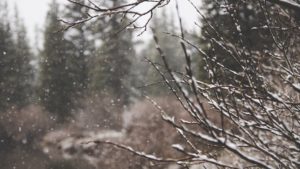
Photo by Arun Kuchibhotla on Unsplash
I map out a week, a day, a list of directions with mileage and time apportioned to each part of the journey. I ascend the stairs to my expectant workspace, turn on a lamp, plug in a single string of red Christmas lights, light a candle and lift the laptop lid. Outside my windows, tiny snowflakes fill the air. The old-timers here say, “Little snow, big snow,” meaning small flakes indicate significant accumulation. I don’t know if this is always true, but I notice the size of the flakes. As I check the weather forecast, my e-mail and the headlines, my gaze is drawn repeatedly to the window. The hypnotic falling snow is the same color as the sky. Disordered ranks of brown cattail stalks stand ankle-deep in the sleeping pond. An infinity of branch, needle and twig is adorned with an even greater infinity of frozen white crystals, falling soundlessly and blurring the colors of stone and wood.
No snowflake ever falls in the wrong place — Zen saying.
It is then that my wheels start to spin. I have set aside this morning to write. I stare at the laptop screen, fingers on the keyboard. Nothing happens. Seeking inspiration, demanding creativity, I make notes, review notes already made, catch up on reading from favorite blogs and my current stack of books. I search for some solid traction so I can move through the day according to my tidy, efficient plan, but I find myself returning to the window, spellbound, empty of creativity or inspiration but full of wonder at the subtle beauty of the winter snow.
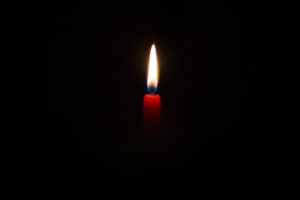
Photo by David Monje on Unsplash
It’s the contrast that catches my attention. My aerie is filled with books, beloved objects, the tools of my life. The warm sticky scent of a red candle fills my space. The red desk lamp I bought at Goodwill more than 10 years ago lights my worktop. My comfortable chair and footstool beckon me to sit and read. The room is warmed by the chimney rising up through it from the woodstove below. I hear my partner talking to our old cat in his office below me; not the words, but the loving sound of his voice that is reserved just for her. He is at his work and I am at mine, cocooned in our private spaces in our slouching farmhouse with lights and heat and the rinsed breakfast dishes stacked on the counter waiting for hot water and soap. We have things to do today, errands to run, people to talk to. We have plans and intentions.

Photo by Galina N on Unsplash
But outside, just beyond the single pane of glass in the old attic windows, is a monochrome world, delicate and cold, still and peaceful. The snow falls without effort. Each flake finds a resting place on the bodies of the trees or the water or the earth. The wood and stone have no place to go and nothing to do. They dwell in the vast power of simply being. The snow settles lightly.
I think about living minimally, weeding out my clothes, the week ahead, money, the perfect Christmas gift I can never find for a loved one, and whether or not we’ll make it into town to do the errands today. I think about drafting a query letter to send out with my first manuscript, which I just finished editing for the fifth or sixth time. I think about reviewing the water rescue information I’ll need next weekend when I travel with a couple of colleagues from work to get deep-water lifeguard certified. It will be a busy week. My careful plan blocks out this morning for coming up with this week’s blog post. I will write … I will begin now … My idea is … Ready, set, go!
My wheels spin, and I look out the window at my little black car, which is wearing a white blanket, and recognize the sinking feeling of no traction. No amount of urgency or frustration makes snow, slush and mud into solid ground. No amount of bullying makes my creativity compliant. I get up. I sit down. I glance at my journal, reread a paragraph in a book, look at some poetry. I feel restless and resentful of my own recalcitrance.

Photo by Aaron Burden on Unsplash
Outside, the snow falls, serene and inexorable as the fading light here in the last handful of days before winter solstice. I open the window and lean close against the hushed, frigid world outside it. My little candle, my lists, my inconsequential blog and my plan for this morning make no impression outside the window screen. It’s time for sleep and dreaming, time for rest. The forest knows, the earth and water know. They lie peacefully under the low sun and the long nights.
My wheels spin, making a noisy mess, throwing clods of half-formed ideas, provocative questions, lingering music of beautiful words, comments and conversations and observations, going nowhere. No traction. The morning is passing. I have not accomplished what I wanted to. I’ve neither rested with the winter snow nor produced a post. I’m torn between self-disgust, resignation and amusement. I think about heavy, cold chains; red, numb hands; wet jeans and sodden gloves; the steady clicking of hazard lights; the feeling of being late and time running out; the texture of wood ash, cat litter, sand and salt thrown onto snow and ice; and the futile laboring of spinning wheels.
The morning is gone. In half an hour we’ll try to go into town. My partner is out with the snow shovel. I shut the window, sit down and open the laptop. I type “Spinning My Wheels” and begin to write this post.

Photo by Teddy Kelley on Unsplash
All content on this site ©2018
Jennifer Rose
except where otherwise noted
by Jenny Rose | Dec 13, 2018 | Emotional Intelligence
My partner and I have been watching Lie To Me, a television series that ran on Fox from 2009 to 2011. The show is based on the work of Dr. Paul Ekman, the world’s greatest expert on facial expression.
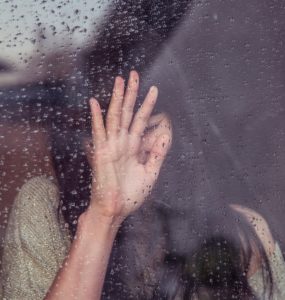
Photo by Milada Vigerova on Unsplash
I am absolutely fascinated.
All my life I’ve been extremely aware of body language and what I’ve always called the “energy” of the people around me. I’ve frequently had the experience of picking up the hidden emotions of others and taking on responsibility for them, a result of ineffective boundaries. When I was trained in emotional intelligence I cleaned up my poor boundaries and many other destructive habits. I also began to openly and unapologetically trust myself after a lifetime of cognitive dissonance caused by the difference between words and nonverbal cues from others.
Now, at last, I have real world validation for the way I can sometimes “read” others. It’s not magic, and I’m not a freak, a fantasist or crazy. Science now recognizes the universality of human facial expressions for basic emotions (fear, surprise, contempt, happiness, sadness, disgust, shame), and technology allows us to slow down video footage and capture microexpressions, which occur in much less than a second, as we speak and interact with others.
Our words can lie, but Dr. Ekman’s work reveals our bodies give away our emotional experience in all kinds of ways of which we’re not even conscious. The way we hold our hands, a slight shoulder shrug, the way we move our heads, how we direct our gaze and small, fleeting expressions passing across our faces with the help of 42 complex muscles can contradict our words.

Photo by Joshua Earle on Unsplash
We know some people have a great deal of difficulty reading and interpreting body language and subtle cues, while others are skilled at it. Paul Ekman’s work and research makes it possible for anyone to consciously learn how to detect emotional deception. Every episode of Lie To Me incorporates not only a story line told by actors, but also footage from real people — politicians, leaders and other famous and infamous folks — displaying exactly the same facial expression or body movement. It’s amazing.
Some people are difficult to read. I’ve worked hard to develop a stone face and have often been told I’m opaque. My oldest son is extremely provocative, and my expressionless countenance stood me in good stead when he was a teenager and woke me in the middle of the night to tell me he was going to ski naked at midnight with a girl in one hand and a bottle of whiskey in the other. Any show of outrage or upset only egged him on, so I learned to control myself. I’ve also had some exposure to narcissists and other Cluster B people, who feed on emotional energy, and I know the best way to deal with them is to become a grey rock, that is to be so completely flat, uninteresting and uninterested that they move on, a technique far more effective than trying to get rid of them directly. Yet even though I may be harder to read than average, I know my body language gives me away every time, or would to a trained observer.
(Fortunately, my teenage sons were not trained observers. Let us be thankful for small mercies.)

Photo by Gary Bendig on Unsplash
Sedating substances and Botox injections can interfere with or blunt muscle movement and smooth out microexpressions, but eventually we all give our truth and lies away. We can’t help it. Microexpressions and body language are often totally unconscious on our part.
I’ve been told I have an intense gaze that can make others feel uncomfortable. I suspect this is a function of the focus and presence necessary to evaluate how the people around me present themselves as I compare what they say with what their expressions and bodies tell me. If I feel confused or receive a mixed message, I always go with body language. Words lie too easily and too frequently. We lie to ourselves and we lie to each other. When I experience cognitive dissonance as I observe and interact with others, now I no longer tell myself I’m making things up. Even more importantly, I don’t allow other people to make me feel bad and wrong. Nobody likes to have their cover blown, and someone with things to hide is naturally not going to appreciate feeling exposed. Rage, denial, projection, gaslighting and other abusive behavior can all be effective distractions from the truth.
A lie comes with a cost. The truth may come with a cost as well. We navigate our lives between the two, making the best choices we can. I have no desire whatsoever to uncover the secrets and lies of others, but I am interested in being able to evaluate if there are secrets and lies. I don’t believe we owe others 100% of our emotional truth, but every healthy relationship and connection requires some level of trust, and I don’t want to be with people I can’t trust. I think of mixed messages as a red flag.
It’s amazing to learn, after all these years of mysteriously and often uncomfortably picking up more information from others than I ever wanted to know, that inconsistency is a red flag. Words that are incongruent with facial expressions and body language are untrustworthy. My ability to recognize concealed emotions is not hateful or crazy.

Photo by Cristian Newman on Unsplash
Frequently we don’t seek to deceive others as much as we wish to deceive ourselves. The lies we tell ourselves are perhaps the most powerful of all, and we protect those kind of lies the most ferociously.
It’s important to understand recognizing the presence of a lie does not mean we know the substance of the lie or why it’s being told. As a writer, I find that why infinitely interesting in its possibilities. What kinds of things do we conceal? What motivates us to do so? What are the consequences of our various lies, great and small, to ourselves and to others? How do our bodies unconsciously communicate our emotional deception? If we spot emotional deception in someone we’re close to, what do we do with that information? What kinds of lies are terminal in relationships, and what kinds survivable? How do we forgive ourselves and others for emotional deception?
The looming presence of social media in our culture means many of our daily interactions, perhaps most, are not face to face, which greatly diminishes the complexity and depth of human communication and makes emotional deception easy. Body language is invisible. Tone, pitch and other verbal clues and idiosyncrasies are unheard. We use sanitized little emojis to represent our meaning, or at least to represent what we want others to believe our meaning is.
Paul Ekman has written several books I’m looking forward to exploring, and one can take online classes and learn more. I intend to learn a lot more.
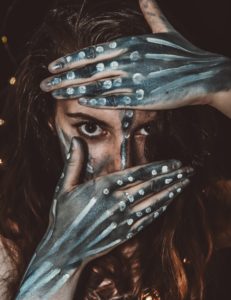
Photo by Joshua Fuller on Unsplash
All content on this site ©2018
Jennifer Rose
except where otherwise noted