by Jenny Rose | Dec 15, 2016 | Connection & Community, Emotional Intelligence
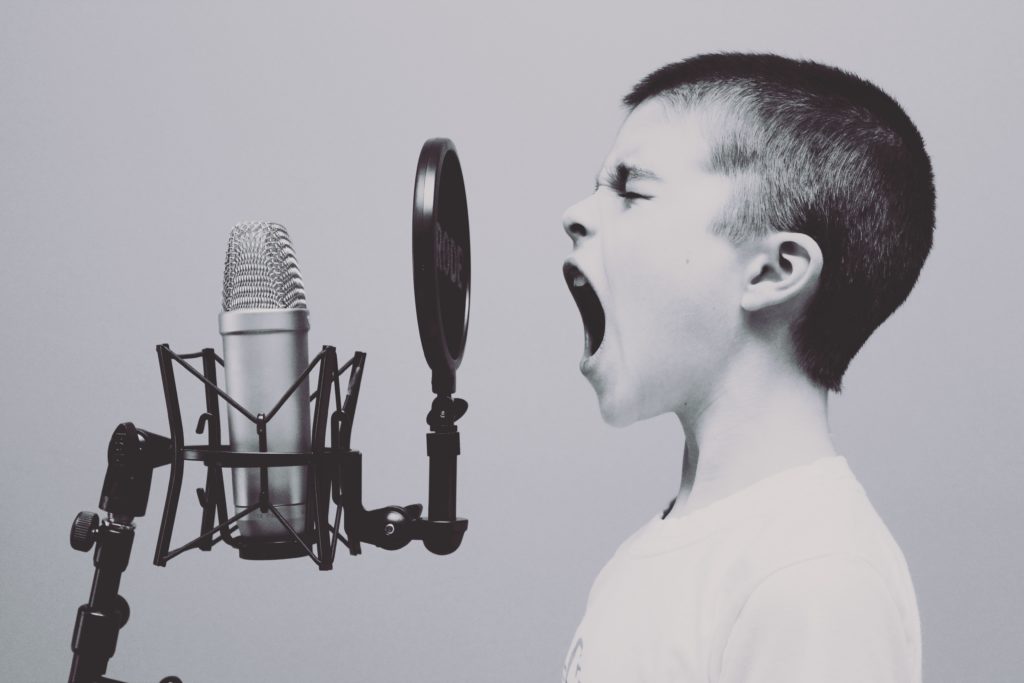
Last week, my partner and I went to the movies and saw Arrival. Without giving any spoilers, I found it a stunning story about communication, among other things. It was the communication piece that really grabbed my attention, though.

Photo by Jason Rosewell on Unsplash
Ever since then, I’ve been thinking in a newly focused and intentional way about communication — what it means, how it looks, where it breaks down and how to do it well.
The truth is, I don’t want to know how to do it well. I want to know how to do it perfectly.
Another truth is I’m always thinking about communication, because I’m always working on my book, on this blog or on relationships, and they all involve communication. My partner says there is no relationship without communication, and I think he’s right.
As regular readers know I am wont to do, I pulled out my Random House Collegiate Dictionary to give myself a starting place. Anyone who’s used a dictionary knows there are often multiple meanings for any given word, so I made a list of the definitions I liked, cut and pasted a little, and came up with this (emphasis is mine):
Communication:
- To give or interchange information to/with one another.
- To express one’s true thoughts, feelings and moods easily.
- To have or form a connecting passage.
Although I’m intellectually satisfied with this definition, it feels incomplete and inadequate. In fact, it makes me mad. If only effective communication was this easy and simple! Instead, it seems to be one of the most desperately difficult things we do, and we must communicate if we are to manage life in today’s world.

Photo by Bewakoof.com Official on Unsplash
How many ways does communication break down for us in a day? Are we even aware of all the ways it breaks down? How often are we communicating something completely unintentional?
At the same time, have we ever, in the history of humankind, had so many devices and forms of communication at our disposal? Have we ever had access to so much information and so many other people?
So why aren’t we happier, more authentic, more secure and sure of our worth? Why are so many of us starving for healthy, fulfilling connection? What’s missing?
If I knew, I would fix it in my relationships, but therein lies one of the problems.
This is the part that always sneaks up and bites me in the ass.

Photo by Toa Heftiba on Unsplash
Not everyone wants the level and quality of communication I do. Generally, I don’t take this cold little fact personally, but among my nearest and dearest it does feel personal, absolutely. I feel utterly and completely rejected and shut out, in fact.
Another problem is that not everyone is capable of the level and quality of communication I am. Many people carry terrible damage or experience disability that prevents them from being able to participate in touch, in sex, in eye contact and nonverbal cues, even in conversation. I can tell you from personal experience it can be very, very difficult to sort out those who want to and are unable to from those who simply don’t want to. In the end, it doesn’t matter, it all comes to the same thing. When communication is limited, relationship is limited.
Limitation frustrates me, whether it’s my own or imposed by others. I can do more. I want to do more.
A third issue is that communication is two-edged. It’s an enormously powerful skill and ability, both constructively and destructively. We all know people who use communication as a weapon, not a tool. Sometimes, a simple, ominous clearing of the throat can be far more terrifying and damaging than a blow. Both actions are communication. Even worse are people who deploy words saying one thing and demonstrate action that says another, like the abuser who says he loves you while he hits you. This is called gaslighting, and I’ll write about it in the future. It needs a post all its own.
A fourth point is we don’t have enough silence in the world. Silence is the cup that holds communication. It takes time to write, to create, to speak, to hug, to make love, to nurse an infant. It takes time to nurture a friendship, a lover, a child. Sitting with the ill or dying takes time and quiet. Listening takes time and presence. Our slavery to technology and stimulation has all but eliminated uninterrupted time for our relationships with ourselves, let alone with others.
And that brings up a fifth aspect. If we don’t, won’t or can’t communicate effectively and honestly about who we are, what we need and want and the truth of our thoughts and feelings, we can’t form a connecting passage, to quote the above definition. We’re not even connected to ourselves.
As though all those things didn’t make communication a big enough hairball, we have to remember who we are. We’re human, which is to say each one of us carries stories, beliefs, expectations, memories, scars and bleeding wounds that get in our way every time we communicate, even with (especially with) those we care deeply about. We all have painful triggers. We all get hijacked. We make assumptions. We misunderstand, deny, obfuscate, conceal. We filter through our particular history and experience. Few of us have any training in effective communication. We can tweet or text a sentence or two, but ask us to do more and we’re at a loss. For one thing, we don’t have time to deal with it.
We also have rules about communication, individual rules, tribal rules, cultural rules. We have rules about acceptable language, rules about keeping secrets, rules about being indirect, rules about protecting others, rules about loyalty and duty, rules about privacy, rules about what we’re willing to reveal to whom, rules about who we trust and don’t.
Even the words we choose can make or break communication. Here’s an example out of my own life I’m feeling particularly resentful about at the moment.
I’m a woman, a partner, a sister, a daughter and a mother. I love wholeheartedly and I’m very clear about how important healthy relationship is to me. I know the people I love well, and I try hard to accommodate their personalities, preferences and idiosyncrasies. I’m not Miss Fixit. I’ve no investment in protecting people, and the four men in the world who I love most are unbelievably capable and intelligent adults.
When I say, “What can I do to help? “Is there anything I can do to help?” or “Is there anything I can do for you today?” I’m not implying they can’t manage their lives, dammit! I’m giving a message of love. I’m saying, “I’m here. You matter to me. I’m glad to lend you support. I’d love to collaborate/cooperate/work with you.” I’m making a connection. I’m giving what I most want. Catch me being insulted if someone asks if they can help me figure out how to run the errands, take care of work and cook a meal!
My male partner says, with great patience, that I should use the word “assist” instead of help.
Seriously???? These four idiot men, who know me better than anyone else, need me to tippy-toe with my language in order to hear a message of love and support?
Never mind. I’m over it. Figure out your own damn life, and I’ll figure out mine.
Furthermore, catch me allowing any of them to help me, even though I know that’s connecting for them. They don’t need anything from me, I don’t need anything from them.
See how that breaks down?
And half of that is about me. I’ve been taught to be indirect in my language, I’m giving others what I want myself (this never works well, because the recipient rarely understands that’s what I’m doing), I’m coming across as relentlessly mumsy-wumsy and overprotective, and I’m assuming these four men are like me and won’t ask for help if they need it, but I’m the one who can’t ask for help, and now I’ve fastened myself more firmly in that position because they won’t cooperate with me and allow me to love them, so I’m not going to give them the satisfaction of…
And so on.
My conclusion about all this is that communication among human beings is a clusterfuck. It’s confusing. It’s messy. Most of us don’t know what the hell we’re doing and many of us are not that well intentioned in the first place. We have wildly varying degrees of ability with wildly varying aspects of communication. We try to hide, we misunderstand, we make mistakes, we don’t remember accurately and we’re often terrible at listening. We want to be right, we want to be validated and agreed with, and we want others to meet our needs quickly and perfectly so life feels simple and uncluttered, emotionally, at least.
I’m never going to do it perfectly, and neither is anyone else.
But hey, let me know if I can help you in any way!
Photo by Quino Al on Unsplash
All content on this site ©2016
Jennifer Rose
except where otherwise noted
by Jenny Rose | Dec 8, 2016 | Power
I’m thinking about money today. This is not new. Sometimes I think most of my life has been consumed by thoughts about money. Well, not thoughts so much as panic, guilt, shame and worry.

Photo by Teddy Kelley on Unsplash
There’s a heavy snowstorm here in central Maine. I’ve just been standing looking out my attic window, watching it fall on the huge elderly maples, bare as old bones, and the grass and the street and our little black Hyundai car in the driveway.
We found out this morning the car needs about $1,300 worth of work. Almost exactly what it’s worth. Time to make choices.
We went out to walk, my partner and I. I didn’t cover my head, and when we got home my hair and eyelashes were clotted with wet snow. My son, who had gone out to run errands, was backing into the driveway as we came home. He’d been meditating in a ditch, not being able to get in touch with us, after sliding off the extremely slick road and into a guy wire securing a telephone pole. Some kind soul drove by and pulled him back onto the road. Fortunately, my son wasn’t dented, but the car was. This, needless to say, does not improve the resale value!

Photo by Caley Dimmock on Unsplash
I also took time this morning to buy Christmas gifts, so I’ve been absorbing all the jingle bells, merry merry and buy buy online. Quite a contrast, all the glitz and glitter, deals and special buys and impossibly joyous advertising, to the silent world outside the window, grey, smoke blue, brown, dark green and the ivory snow. Over the years, I’ve done less and less gift exchange for Christmas. There are only two people left with whom I do it, not because I don’t love giving gifts but because of financial stress and my resentment of the pressure to consume.
I’ve always had a dreadful relationship with money. My earliest understanding of what it was became inextricably tangled with anguish, fear, rage and power issues. As a child, I was always afraid there wouldn’t be enough. As an adult, I was locked in a belief that money defined me. To have money was to be successful, and to not have it was to be a failure. There was a well-known and well-defined path to follow: Graduate high school with top grades and scholarships, obtain a college education in something employable and lucrative, get a job with benefits, and never NEVER touch the principal. If you must borrow, pay off ASAP and stay out of credit debt. Save for retirement, own your own home and pay off the mortgage, take vacations and have a nice car.
However, during my lifetime the world has changed considerably. The middle class from which I came has all but vanished. I didn’t want to go to college, but did it because it was expected. I didn’t get a good scholarship and felt guilty every day I was there, and my guilt was made worse by the fact that the only subjects interesting me were religion, literature, history and the like. After two years, I dropped out. (Note: Dropouts are NOT successful. Ever.) I’ve been working ever since.
Then I got divorced (credit card debt), saved for retirement but cashed a couple of those accounts for emergencies, lost all my investment money to a crooked contractor, never took a vacation or even a plane ride out of my own pocket, and never in my life bought a new car. Retirement? You must be kidding. What are the chances there will even still be social security by the time I’m 65?
This is in no way a remarkable biography, I realize, but for me there’s a red stamp across every page of it that says FAILURE.
I’ve only in the last two years really understood how much power I gave money to define who I am and what I’m (you guessed it) worth. The idea of monetary value, like sexism, is embedded in our very language. There’s no escaping it. In my culture, the failure to make and spend money in ever increasing amounts is unpatriotic, unattractive, unsuccessful and sometimes illegal.
This is all wrong. I feel like the little boy who said out loud the emperor had no clothes. Everyone was appalled and shushed him, lest the emperor hear and be offended.
I know myself to be an intelligent, heartful, creative, empathetic, honest person. The numbers in my bank account have absolutely nothing to do with those qualities.
The most important things in my life are my healthy relationships. Again, the numbers in my bank account have no influence over my ability to love and be loved and connected. (Hint: A relationship dependent on money doesn’t fit my definition of healthy. Just sayin’.)

Photo by Senjuti Kundu on Unsplash
My ability to be present, entertain joy, laugh, create and learn has nothing to do with money.
My enormous talent for life has nothing to do with money.
Unfortunately, our broken system does require money for health care and the necessities of shelter, food and water. To be human is to need these basics. Not having money for them is the experience of increasing numbers of Americans and the vast majority of others in the world. I myself don’t have the money to buy health insurance. Does that mean we’re all failures?
Of course not.
Not only that, but we’re exhausting our global resources and when no amount of money will buy food and water we’ll all starve together, regardless of our bank balances.
So, yeah, we’re going to have to figure out what to do with the car. We’ll have to get a loan and work on finding a good used vehicle that can deal with our weather. It will mean a monthly car payment. No idea how we’ll do it, but I know we’ll find a way. Before that, we may have to do some work on the Hyundai in order to get top price for it.
But none of that is about me, or what I’m worth in the world, or what I can do or be. It’s all just static and distraction. It’s not failure or success, it’s just that cars age out and need to be replaced. If I could go out and buy a brand-new Subaru, it wouldn’t be failure or success, either. It would be CONVENIENT and LUCKY.
Here are a couple of Christmas presents from me to you. The first is a quote and the second is an old wisdom tale from the Hindu tradition, one version of which is in More Ready-To-Tell Tales from Around the World, edited by David Holt and Bill Mooney, and told by Jim May.
“It is no measure of health to be well adjusted to a profoundly sick society.”
–Jiddu Krishnamurti
The Ruby
A holy man awoke, as usual, in the hour before dawn, on his mattress of grass. A warm wind moved across the land, bringing the scent of dust, animals, early morning cooking fires and blossoms, fresh and sweet in the cool morning.
The holy man was beginning his morning prayers when an excited young peasant ran up to him. “Master, where is it?”
The holy man raised an inquiring eyebrow.
“I had a dream,” said the peasant, calming himself. “In my dream, I met a holy man at the edge of the village. And here you are! The holy man gave me a precious jewel.”
“Ah, yes,” said the holy man. He bent and pulled from beneath his mattress of grass a ruby the size of his fist. “You must mean this. I have no use for it.”
He handed it to the peasant, who had never held more than two copper coins in his hand. The peasant raised the ruby between himself and the rising sun and his awed face was washed in red shadow. He walked slowly home, his eyes fastened on the ruby. He entered his simple hut and sat down on the dirt floor with the ruby before him.
All day he gazed, enchanted, and dreamed of what the ruby could buy him. He forgot his morning prayers. He didn’t eat, bathe, or take care of his livestock. He didn’t scythe grass for hay. When night came, he didn’t say his evening prayers, make a meal or lie down and rest. He sat before the ruby, worshipping.
The next morning the peasant took the ruby in his hand and went out, searching the fields for the holy man. When he found him, he handed the ruby back to him.
“This is not the precious jewel I want. Teach me what you know that made it so easy for you to give it away.”
All content on this site ©2016
Jennifer Rose
except where otherwise noted
by Jenny Rose | Dec 1, 2016 | Connection & Community, Emotional Intelligence, Shadows
Tribal shaming is one of the most powerful ideas I’ve been introduced to in the last years. A friend sent me a Facebook post by the author Elizabeth Gilbert (author of Eat, Pray, Love). Here’s a link to that post. You don’t need to be on Facebook to read it, just press “Not Now” when it asks you to sign in.
It’s a long post, but it’s also life changing. Get ready for insight and clarity you’ve never had before about your tribe on every level, from family to country.
In (very) short, the concept comes from Dr. Mario Martinez, who wrote a book called The Mind-Body Code. Gilbert provides a link to a podcast by Dr. Martinez in her post. Gilbert was so stunned by Dr. Martinez’s work that she posted about it, and now her post is all over the net. Clearly, others find it as significant as I do. As the political situation unfolds day by day here in America and all kinds of people react in all kinds of ways, I keep thinking about the power of tribal shaming.
In this context, the word “tribe” means any group with which we identify. Tribe is family, church, community, culture, nationality, team, workplace, etc. Tribal shaming examines the power of the tribe. It’s not a new idea, of course. We’ve studied cults, gangs, religious sects — all kinds of groups — in order to understand the choices we make and how they’re influenced by those around us. What I hadn’t thought about before was the invisible destructive power our tribe(s) have over our ability to live well.
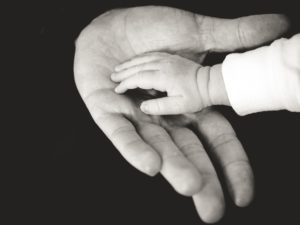
Photo by Liane Metzler on Unsplash
One of the greatest motivators for us as humans is the desire for connection to others. Our earliest experience of connection takes place in our family of origin, or in the context of whoever raised us, even if just people in an institution. From infancy on, we’re each surrounded by tribal cultures and norms, tribal rules, and the differentiation of our tribe from others. This shows up in an overwhelming number of ways: Economically, geographically, religiously, educationally, etc.
Tribes provide us with connection, identity, meaning, and, hopefully, security and safety. They help us define ourselves and shelter us from an unkind world. Connection is a deep need for human beings, and without it we don’t survive. We know there are all kinds of consequences for people who have no early sense of tribe, from attachment disorder to failure to thrive to severe mental illness — and those only if the child survives in the first place.
Tribal connection works very well for people who feel they belong in the tribe(s) in which they find themselves.
But what happens when we don’t fit into our tribe? What happens when we ask questions and break rules? What happens when we don’t accept the tribe’s authority? What happens when the tribe abuses us?
Tribal shaming, that’s what.

Photo by Stefano Pollio on Unsplash
Now, you might say, so what? So you break away from your family, group, church, whatever. Big deal. People do it all the time. It doesn’t matter.
That’s true. It’s also true that at a casual glance we’re all just fine. We move, we change jobs, our beliefs and views change, we get divorced, people come and go out of our lives. We spend time on social media, catch a movie, watch TV, have a drink, take a pill, buy a pint of ice cream, light up another cigarette. Maybe those closest to us see a shadow of addiction, workaholism, people pleasing, depression, insomnia and anxiety, but that’s nothing, right?
I don’t believe that for a single second.

Photo by Joshua Earle on Unsplash
It does matter. Tribal estrangement is a deep wound that never stops bleeding, and it doesn’t much matter why the estrangement exists. If we feel cast out from our tribe, it hurts. We may grieve, we may rage, we may become ill, but there will be consequences for this kind of amputation. One hundred friends on Facebook can’t make up for it.
It hurts so much, in fact, that many of us self-sabotage so we can go back, because the thing about tribe is they’ll always take you back if you fail. Now think about this for a minute. You can always go back if you fail.
The power of tribal shaming touches us all. I’ve seen it play out very powerfully in my family, and I bet you have, too. Right now, huge populations of people are on the move in the world, compelled by war, politics and the basic necessities of food and water. Millions more will be displaced by climate change. Social, geographic and economic boundaries are threatened. Our sense of self and tribe is undergoing intense pressure as we fight for space and resource.
Through this blog, I’ve made a friend in Nigeria. Her experience as a woman in a large city in a foreign (to me) country is eye opening. It’s easy to forget how life is for many other people in many other places. Today we might be able to eat, have a job, or have a roof over our head. Today we might have a tribe, no matter how small, or maybe several tribes give us a sense of belonging and comfort, but tomorrow is another day, and much of the world is closer than we are to the precipice of famine and chaos.
The concept of tribe, like the concept of resource, is fluid. We define it ourselves. Right now in America, we’ve made money the most important resource. What will happen when a cup of clean water or a mouthful of food becomes the only resource that counts? What will happen if tribal shaming becomes tribal sharing and we decide to create a tribe of all life on earth, including the planet itself?
In the meantime, though, we clearly feel it’s effective to create small, rigidly defended tribes with small, rigidly defended rule sets and spend time making bombs of all kinds to throw over our palisades. Whatever happens, we must not allow the threats of education, science, literacy, critical thinking, equality or any kind of difference to exist. People must toe the line or get out — one way or the other.
Us against them and the outcasts in between. It works so well, doesn’t it?
All content on this site ©2016
Jennifer Rose
except where otherwise noted
by Jenny Rose | Nov 17, 2016 | Connection & Community, Emotional Intelligence
I haven’t enjoyed this week much. It reminds me of the week after 09/11, when I thought I would drown in the hate and despair around me.

Photo by Quino Al on Unsplash
I’m not on Facebook, but my partner is and I hear more than I want to about what’s going on there. I’m developing a pathological hatred of the news in any form, even as I obsessively read the Internet. I think about friends, family, acquaintances and a world full of frightening strangers with the power, strength and willingness to hurt others, including me.
I work at home as a medical transcriptionist, a fact I don’t talk about much because I respect the privacy laws in this country around medical information. My book of business is presently in Illinois, but I’ve also worked extensively in New York, Ohio and Alabama. I spend twenty-four hours a week typing dictated stories about strangers, a significant number of them experiencing physical and emotional pain and suffering from the current situation.
Here in central rural Maine, Native Americans in our community are victims of increasing hate crimes. Their people have been in this place for thousands of years.

Photo by Sue Tucker on Unsplash
It seems to me in the last week we’ve put on the table an infinite number of ways in which to divide ourselves from one another; an infinite number of ways to express hate, intolerance and blame; an infinite number of labels to weigh ourselves and others down with. None of it feels useful
I want to find ways to support what I believe in and reach out to other people. I want to do something, no matter how small, to make a difference in this, but I’m noticing something interesting about that. As soon as I communicate about some kind of action I’ve taken, someone cuts me down. I’ve been told wearing a safety pin is patronizing and indicates privilege; I’m not welcome in America; I’m going to burn in hell; and I’ve joined a hate organization (that would be MoveOn.org).
Maybe no one out there needs support, or wants to make a contribution to unity and respect, but I don’t really believe that. At any rate, I need support and I do want to make a contribution, so here are some thoughts about what would help me.
Here’s a graphic to contemplate as we go on:
Enough with the labels. We have to stop this. One thousand labels can’t define the complex creature a human being is. I maintain that what’s happening now is NOT about race, gender, religion, politics, immigration or socioeconomics. What’s happening now is about power — how we define it and understand it, how we use it and what we’ll do to gain it or overthrow it. I think the most important question to ask ourselves is if we support power-over others or power-with others. That’s really the bottom line. It’s at the heart of all the disagreements. The rest is just inflammatory and dangerous distraction.
Enough with the apocalyptic stories and predictions. The fact is nobody knows what’s going to happen now. We’re in uncharted territory politically, economically, socially and environmentally. Many people think that’s a good thing. Sure, it’s scary. The unknown always is. On the other hand, politics as usual wasn’t working very well for most of us in this country and change is an inevitable part of life. Blessing or disaster, the point is none of us know the future and we’ll all have to deal with whatever happens as best we can. Terrifying ourselves and one another with dire predictions, threats and stories won’t help anyone. Fear is terribly contagious and terribly ineffective in decision making, but it’s a useful tool for manipulation.
The best defense against fear and misinformation is to do our own research. All the people in the headlines right now are real people. They have lives, histories, Wiki pages, on-line organizations, quotes and podcasts. We can read about them. We can look at quality news organizations in other countries and what they’re reporting for a contrast to domestic news. Discerning between fact and opinion is important. We need to take responsibility for our opinions and beliefs.
It’s time to stop worrying about everyone else and clean up our own acts. Are our words and actions congruent? What do we believe, and why? What are our priorities? What kind of outcomes do we want for ourselves and our communities, however we define community?
We can’t change other people; attempts at doing so merely divide us more deeply. We must accept that not everyone agrees with us and stop wasting time in destructive argument. We don’t have to shoot one another in the head and throw scorn at those who disagree with us. We can use our energy to work for what we believe in and allow others to do the same.

Photo by tom coe on Unsplash
We don’t have to accept an invitation to fight. We can find communities in which respectful conversation and debate take place if we want to discuss an issue. Many of us don’t feel safe verbalizing, revealing or defending our views, but everyone can vote with their presence. If we’re uncomfortable or scared in a conversation, we can leave it. We can’t stop hatred, but we don’t have to be a part of it.
We can learn to express our thoughts, feelings and opinions in a way that allows others respect and dignity. We can learn to listen. We may disagree with people, but that doesn’t mean they have nothing important to say.
We need to root out sweeping generalizations. All white people are not living a life of economic privilege! All patriots are not Christians! All Muslims are not terrorists! All blacks are not criminals! All Latinos are not undocumented immigrants! All men are not rapists! All gay people are not child molesters! All Christians are not militants! First graders think in these black and white ways, not adults. We shackle each other with these assumptions.
There’s a lot of talk about privilege right now. It’s a slippery term, and I think the perception of privilege is really in the eye of the beholder. Here’s a very interesting self-test you can take. Some of the questions will help you appreciate the difficulties many people face. In case any one wonders, my score was a 44 — NOT privileged, according to this tool. Certainly very privileged in comparison to some people.
Going on from here. My daily crime.
All content on this site ©2016
Jennifer Rose
except where otherwise noted
by Jenny Rose | Nov 10, 2016 | Connection & Community, Emotional Intelligence, Shadows

Photo by David Beale on Unsplash
My partner sent me this quote this morning, and inspired this week’s post.
“Being able to feel safe with other people is probably the single most important aspect of mental health; safe connections are fundamental to meaningful and satisfying lives. Social support is not the same as merely being in the presence of others. The critical issue is reciprocity: being truly heard and seen by the people around us, feeling that we are held in someone else’s mind and heart. For our physiology to calm down, heal, and grow we need a visceral feeling of safety.”
— from p. 79 in The Body Keeps the Score by Bessel van der Kolk
As I draft this, it’s Election Day. It’s a work day for me, but I have a long break between a morning and evening shift, so I voted, ate lunch and worked on a big clean-up project my partner and I are undertaking in an outbuilding on our place. The clean-up involves dust, dirt, trash, food debris, rodent and bat droppings, broken glass, sticky empty bottles and cans and cigarette butts. It’s filthy work, but this afternoon, forty-five minutes before I go back to my pay-the-bills job, I feel happier and more peaceful than I have all summer.
I feel safe.
My earliest memories are of feeling unsafe. The people around me were unhappy and unwell. The air was heavy with tension and unexpressed feelings. I was afraid all the time, and I knew that was bad, because it irritated the adults, so I tried to hide it. The world was unpredictable, inconsistent and baffling. Ever since those days I’ve comforted myself in times of stress and fear with a fantasy of being held in loving, protecting arms and feeling safe.

Photo by Jordan Whitt on Unsplash
I’ve been ashamed of that need. If I verbalize such a need, people will hasten to assure me that life isn’t safe, as though I haven’t figured that out, as though that wasn’t the point in the first place! An internal, jeering voice calls me a baby; a weak, pathetic thing, dependent and needy.
Yet safety is the most important thing to me in relationship, and healthy relationship is the most important thing to me in life. I want it more than I want money, more than I want a dream house, more than I want anything I could buy. At this point in my life, I’d much rather be alone than be in relationships that don’t feel safe.
I suppose safety is a term we each define differently, but I know what I mean by it. I mean knowing my thoughts, needs and feelings count. I don’t want to be the most important person in the picture, but I want to be as important as everyone else.
One of the things I need to feel safe is an orderly and predictable environment. That’s why raking up trash, sweeping, packing the car with bottles and cans and watching the man in the bottle shop count them is so satisfying. Creating order out of chaos stops my bleeding. Empty space, a clean dirt floor with the drag marks of the rake in it, allowing the dusty scent of old wood and fallen leaves to replace the smell of stale cigarettes and beer, are all calming. The energy of broken glass and animal-torn trash, the debris of self-destruction, is released. I can breathe again. There’s peace. I’m safe.
I’ve seen a lot of headlines about the national stress around this election. Political opinion and affiliation aside, I think most of us can agree we’ll be relieved to have it over. At this point it’s hard for me to even care who wins — I just want the hate and intolerance to end. It hurts me to see us tear ourselves apart, as friends and families, as communities, as a nation, as a globe. It creates no safety for anyone. We’re all vulnerable to hate.
This afternoon, breaking down cardboard and recycling bottle caps, I knew that part of my feeling of relief is that this election is over today. Whatever happens now will happen, and we’ll all have to go forward. Likely what’s ahead won’t feel any safer than what’s behind, but at least it’s movement away from this.
I wish I could take the last year of presidential campaigning and empty out the dregs of malodorous advertising and sound bites, sort out the ridiculous from the frightening and bag each speech, event and word. I wish I could sweep our memories clean of it, pick up the shattered broken glass of integrity; rake up all the greasy, moldy, broken egg shell stinking scandals and e-mails and recordings.
I wish America felt safe to me.
I wish Democracy felt safe to me.
The Morning After
As I sit down to finish this post, American voters have chosen a new president, and I wept as I ate breakfast with my partner.
As the day has passed and I’ve gone for a swim, taken myself to lunch and gotten a haircut, I realize what lies beneath my anger, despair and incredulous disbelief.
It’s right back to the beginning of this post. I’m afraid. I don’t feel safe. Overnight I seem to have become disenfranchised because I’m female, I’m not a Christian and I’m deeply concerned with human rights and freedoms and our planet.
I also realize I’m not alone. This election has been based in fear. In our fear, we’re truly united. Everyone fears something. We’re all looking for safe, strong arms to shelter in. Pick any campaign issue, and you’ll find fear. There’s fear of climate change, fear of economic collapse, fear of immigrants and shifting population demographics, fear of war, religious fear, fear of illness and disease. We all live in fear that someone or something will take our power away, and that fear makes us weak and vicious.
Fear breeds hatred. Racism, misogyny, censorship and terrorism are fear-based behaviors, Great-and-Powerful-Oz distractions that hide cowardice. The world is changing, and we’re terrified. We look for someone or something to blame. We look for someone or something to save us. In our fear, we cling desperately to our ideologies and annihilate any who disagree with us or question our beliefs. In our fear, we seek a hero/heroine, a representative of what we feel is just and right, someone who will help us retain our power, someone who will assure us there are no monsters under the bed.
Here’s what I believe: Power-over is always and inevitably doomed to fail, sooner or later. The only sustainable way forward is power-with one another.
None of us are safe until all of us are. Safety at the expense of another’s terror and repression is an illusion.
I pray for peace and unity for us in the coming days, months and years, but if that is not to be I will fight. Every Hitler and Pol Pot, every Sauron and Voldemort, create by their very existence heroic resistance that cannot be silenced. I will not turn against my friends, neighbors, families and communities in fear and do the bully’s work for him. I’ll work to undermine the bully himself, and I won’t stand alone.

Photo by Tim Gouw on Unsplash
Has anyone read the book I quoted at the beginning of this blog? Please comment about it if you have. I’m adding it to my reading list.
All content on this site ©2016
Jennifer Rose
except where otherwise noted