by Jenny Rose | Nov 3, 2016 | Connection & Community, Emotional Intelligence, Shadows
A reader asked me, after my last post, what the difference is between engaging in reciprocity and people pleasing. This is a great question, and it gave me the subject for this week’s post.
First, I want to answer that question.
Reciprocity minus authenticity equals people pleasing.
If we’re engaged with others authentically, we naturally have things to offer out of our true selves. At its best, reciprocity is a dance between real people with real-person strengths, weaknesses and needs.
People pleasing is an indirect plea for love, acceptance, approval or attention. It’s all about trying to get something back, not about giving out of the abundance of true self. We people pleasers don’t believe we have anything authentic to give that anyone wants, so we watch and listen carefully and try to play a role we think will please.
The opposite of authenticity is pseudo self. I explored pseudo self when I went through life coaching, but a Google search will provide you with the history and background of the term. Wiki has a good page about it.

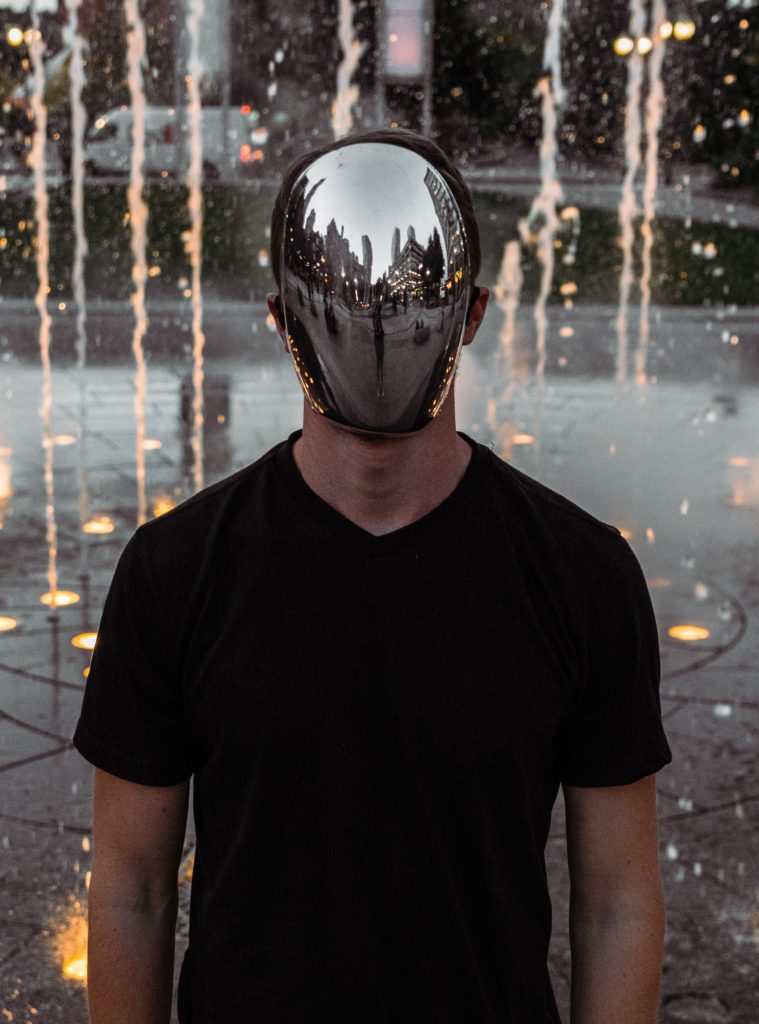
Photo by Alex Iby on Unsplash
Essentially, pseudo self is a survival mask that many of us start making as very young children. The construction of pseudo self is so deeply rooted in pain and fear that by the time we’re adults we can no longer tell the difference between the mask and our authentic selves, and the mask has all the power.
This kind of pseudo self is not like the superficial mask we all wear occasionally for social occasions, work occasions and family reunions. For the most part, we know that mask is a mask. Everyone around us wears one, too. Those masks are called manners and social skills (at least in polite conversation).
The survival pseudo self is a much darker mask. Think man in the iron mask. We create it and don it to survive, but over the years it becomes so much a part of us we can’t tell the difference between our flesh and the iron. It tortures us, but we don’t know how to take it off, and if we did know, how could we dare to do it?
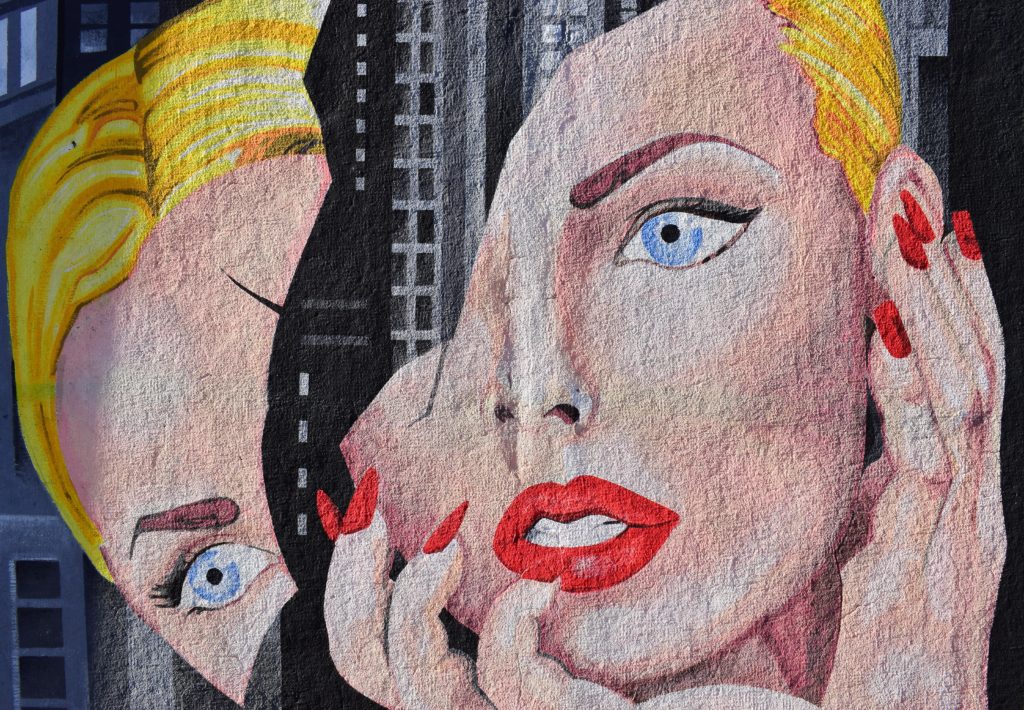
Photo by Chris Barbalis on Unsplash
Our culture in the United States is deeply committed to keeping that mask firmly in place because our culture is based in capitalism and conditional love, and the foundation of capitalism and conditional love is the belief that we need to be different than we are. We need to buy things to be. To be what? Fill in the blank. Just to be. What do you want most? Love? Sex? Money? Power? Whatever it is, a half hour of commercial television will help you start a list of the things you need to buy to achieve it. Everything on that list is another rivet in the iron mask of pseudo self.
We are so brainwashed by this as parents, teachers, partners and human beings we unconsciously perpetuate a paradigm of conditional love. We relate to one another through competition, power-over, and all the things we need to be okay. We withhold love, affection, friendship and the “like” button. We’ve created a culture of pseudo self.
Being does not arise out of buying. We’re all born with the power to be. We have access to that power all our lives. Nothing can take it away from us, but we can be trained to surrender it. We are trained to surrender it, and we do.

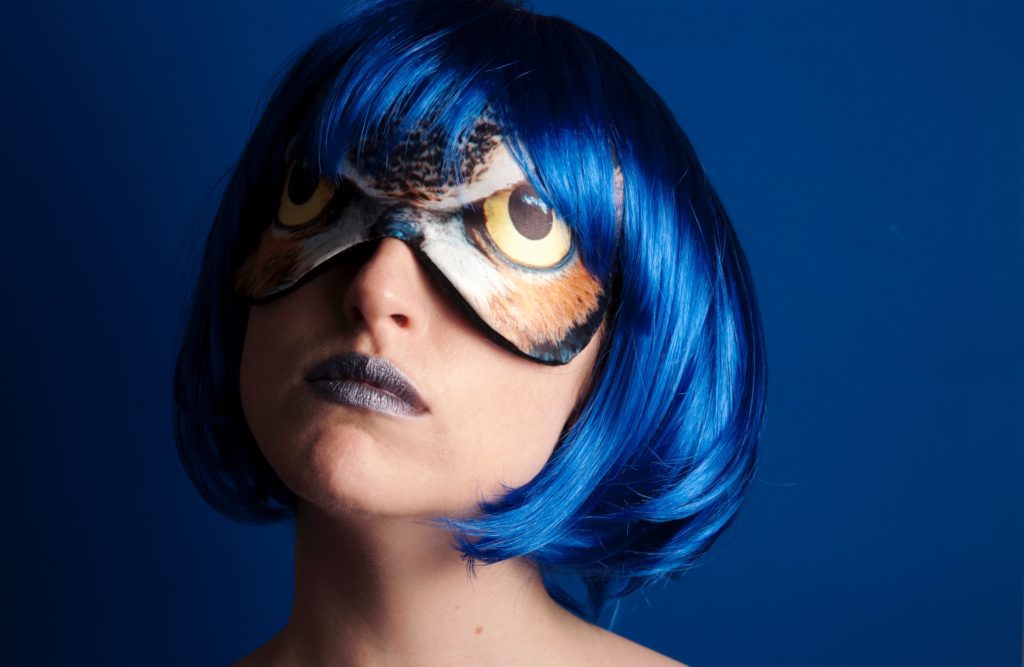
Photo by Emma Backer on Unsplash
Many of us are actively taught from childhood to create a pseudo self. Telling little boys not to cry or play with dolls, telling little girls to be “nice,” telling women to sit down and shut up, telling anyone they should say, believe, eat, vote for, wear, be interested in, or want anything is supporting construction of pseudo self.
However, the pseudo self can be challenged. The iron mask can be broken down and removed. There are people who show us the way to authentic self, but it’s a stony path, because it means challenging the foundations of our culture and beliefs. It means challenging a lifetime of behavior and the expectations of others. It means breaking rules, and most people are not tolerant of those who break rules.
The post I wrote last week is an example of challenging pseudo self. Think about this. I’m a perfectly ordinary middle aged woman living in central Maine. My stats show I have about one hundred readers. Not even half of those readers know me or have ever met me, and I don’t know them. Only one or two readers have actually commented on the blog, and I have seven subscribers, most of whom are not friends or family.
Yet it took every bit of courage I had to post that piece. I broke just about every rule I’ve lived my life by when I did so. I challenged what I was taught about being attractive, being intelligent, being kind, being nice, being a peacemaker, being womanly. All this because I dropped the mask and expressed my frustration, my anger and my passion and used the word “fuck.” Repeatedly. In front of around one hundred people, most of whom are strangers.

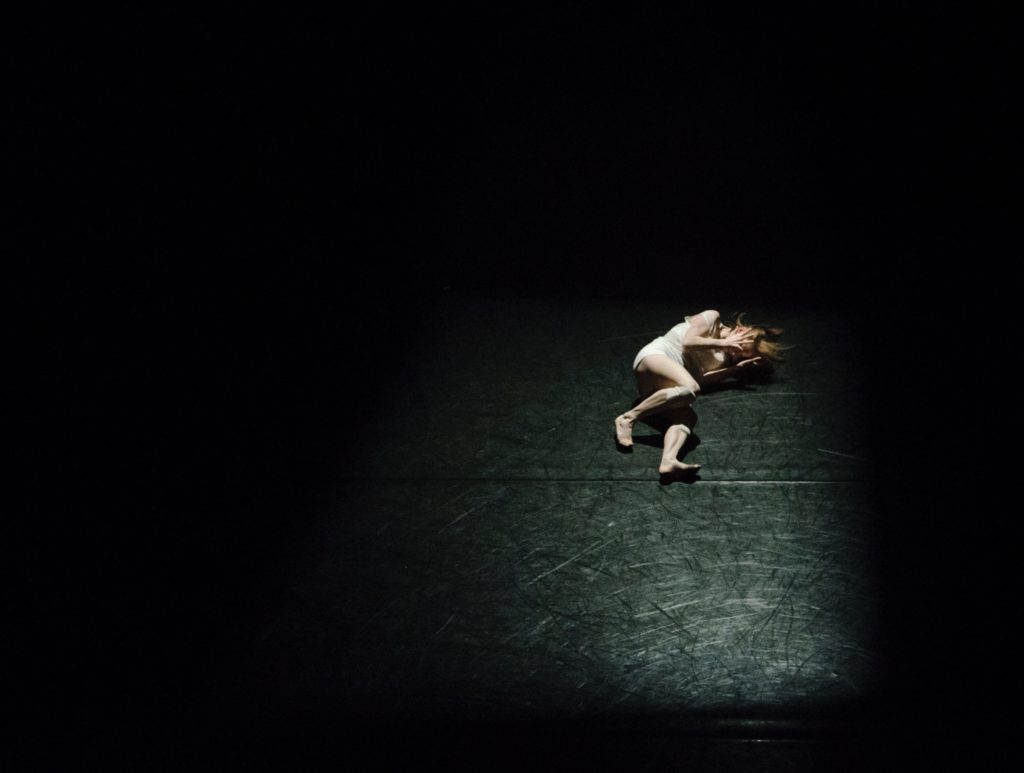
Photo by Nicole Mason on Unsplash
I had a sick stomach and crying jags. I felt panicked and anxious. I didn’t sleep well. I haven’t been able to sit still or relax. For three days, I couldn’t even log on and look at stats and so forth, or do any behind-the-scenes work on the blog.
Letting the iron mask of my pseudo self slip was horrifying, but I also noticed a feeling of relief. The rebel in me celebrated. I dared. I allowed myself to be. I wrote the real truth about how I feel. Everything on the blog is written from the heart, but only the civilized half! The last post came from a different part of me, the strong survivor part, the primal female part, and that’s the best part of who I am. It’s also the least socially acceptable.
I usually feel like a mess. My life often feels like a cluster fuck, to use my favorite expression. If that’s too much for you, then substitute car crash, train wreck, or something you feel is more appropriate! I try really, really hard in life and my intentions are wonderful, but I’m not perfect. Not a perfect daughter, mother, sister, friend or partner. Not a perfect writer, blogger or anything else. But I am. I’m someone real. I refuse to live the rest of my life in my iron mask.
At the end of the day, when I’m dead and over, I don’t want a wake, a funeral, a party or a nice obituary. I want someone to be able to say:
“Damn, that woman was real!”
For more on pseudo self, check out this link.
All content on this site ©2016
Jennifer Rose
except where otherwise noted
by Jenny Rose | Sep 29, 2016 | Power
I’ve been thinking about this week’s post for a couple of days now. There’s a lot more to say about boundaries than I’ve discussed here and here, and maybe someone else can shape the many complex pieces into separate, coherent posts, but that person isn’t me. I can sort out a few points, but the rest is chaos containing all kinds of inflammable issues, such as parenting, corporal punishment, our justice system, religion, sexuality, morals, ethics, rape culture, racism, entitlement and patriarchy.
There’s no doubt in my mind that these are important discussions and ideas for all of us, but the purpose of this blog is not to have a shouting match or explore the different ways we can criticize, judge and belittle one another.

Photo by Andrew Loke on Unsplash
I suspect most of us agree boundaries are necessary, but after that point I see potential for endless violent disagreement about how and why we create and manage them. I believe it’s safe to say our understanding of boundaries is heavily influenced by our childhood experience, our culture and family, and technology and media.
I have no answers. I notice what I call my boundaries don’t work very well at times. I notice the conflict between what works for me, what others expect, and what I’ve been taught. I notice a generation gap around boundaries. My 20-something sons see the whole issue differently than I do. I think some of this is due to differences in our relationships to technology, but I don’t know how much.
I also notice a lot of my boundaries are around fear. As a single woman, I’m uncomfortable with the idea of being hooked into GPS and map information via technology. It doesn’t feel safe to me. Likewise, I’m uncomfortable discussing my spirituality, my parenting beliefs, my political beliefs, my dietary choices and the color of my underwear. I’m not ashamed of who I am — I’m afraid of being victimized. I don’t want to deal with mean, hateful or dangerous people. I don’t want to attract the attention of a psychopath or a sociopath. I don’t want to lose connections and relationships over something like religion.

Photo by Mike Wilson on Unsplash
Then there’s the part of me that simply isn’t interested in what I call oversharing. I mind my own business — why can’t everyone else mind theirs?
On the other hand, surely we have a right to be who we really are. But where is the line — the boundary, if you will— between that right and violating someone else’s boundary?
A highly topical example of this is the debate over Native American team names in the public school system. Many Native Americans find this offensive and racist — and say so. The other side hotly denies they’re racist and cites tradition and their intention to honor the Native American people. It’s a ding-dong argument. I’m hurt and offended and this feels racist versus I am not a racist, back and forth, on and on, with both sides becoming further divided with every iteration. Broken connection, broken relationships, divided communities, hurt and rage are the result.
At bottom, it seems to me these are all boundary issues. Our boundaries don’t appear to work well. What can we do about that?
This very morning, I had an interesting discussion with one of my sons about this. We were talking about privacy in regard to technology, and he suggested that soon we may have to accept the idea of 0% privacy because of our increasing reliance on and use of technology. Everyone (at least in this country) will be equally exposed and we’ll have to figure out how to live with that exposure as a culture and move on, or we’ll simply self-destruct. I’d never considered this point of view and I’m fascinated with it, as well as slightly appalled.
Perhaps the chaos around boundaries is present because, as my son suggests, we’re in transformation. Transformation is inherently chaotic, after all. Maybe my generation’s ideas and beliefs about boundaries aren’t working because they’re outdated. Our world, our culture, our understanding of life, technology and science are dynamic, always changing, always correcting and expanding. Perhaps the world we live in today requires different boundaries and we’re struggling to shape them.
At the risk of sounding like an old granny, however, I think healthy, effective boundaries must contain elements of respect, compassion, authenticity, dignity and kindness, not only for others but for ourselves. I think it’s important to remember that boundaries are about ourselves and what works and doesn’t work for us. It’s not our job to choose boundaries for others. We may have to defend our boundaries and others will certainly try to violate them, but that’s the only place our power is.
Interestingly, I’m reading a book right now that relates to this. It’s called Being Wrong by Kathryn Schulz. It’s a great book — well written, funny, intelligent and thought-provoking. I highly recommend it. The reason I mention it is that so many of our rules, expectations and yes, boundaries, are based on our beliefs and we have a tendency to make our beliefs universal laws. We all do this, one way or another. But take one of your central beliefs, a hot one like politics or diet or religion, one you argue about on Facebook, block and unfriend people for disagreeing with. Now just imagine, if you can, for one minute, only 60 seconds, that you’re wrong.
Pretty uncomfortable, right? Now everything changes, including your rules, expectations, stories and, inevitably, your boundaries.

Photo by Alessio Lin on Unsplash
In other words, effective boundaries need to flex and change as we learn and grow. Otherwise, all we create is a jail cell for ourselves. We can’t change, we don’t admit new information and we keep ourselves small and rigid.
On the other hand, if we have inadequate boundaries our power is leaking all the time. We fall prey to dysfunctional relationships, our integrity breaks, we fail to take care of ourselves, and our lives don’t work well.
All content on this site ©2016
Jennifer Rose
except where otherwise noted
by Jenny Rose | Aug 4, 2016 | Connection & Community, Emotional Intelligence
Stories. How many stories can you tell about your life?
Story has always been deeply embedded in the human experience. Every piece of art tells a story. We read, watch television, go to movies, listen to the news, fall in love with music. Stories, all.
Stories teach, entertain, connect, inspire and guide us.
Stories are prisons and torture chambers. They brainwash and manipulate. They can be powerfully limiting.
The paradox of story lies in the power we give it.
Think about a story from your own life. Something painful. Likely it’s a story you’ve told yourself many times. It’s important. It’s part of who you are and how you understand yourself. It’s a place from which you look at the world. It’s absolutely True. You know. You were there. It was such a crippling experience you can’t ever, ever forget.
Stories can’t happen in a void, so there’s an event of some kind, an action, a word, a relationship, other characters in your story.

Photo by Takahiro Sakamoto on Unsplash
Let’s say your story is about four people who spend an hour together on a walk. In that hour everybody sees, smells and hears, thinks and feels different things. After that walk, and maybe for years afterward, each of those four people can tell a story about that day, that walk, that experience. Every one of those stories is partly true. Every one of those stories is inadequate and incomplete. The truest story is the one all four people tell together. If one person’s story is refused, denied, disbelieved or lost, all four people have lost something important out of that hour of their lives. They’ve lost an opportunity for understanding, for compassion, for connection and for becoming just a little bit bigger.
The thing about story is that we create it. Something happens. We have an experience. We have feelings, like mad, glad, sad or scared. We have thoughts about our feelings. We make up a story. We tell it to ourselves over and over again as we try to make sense of our experience, or recover from some hurt. We believe our story to the point that we refuse to consider changing it. We behave as if our story is True.

Photo by SHTTEFAN on Unsplash
Now we have a story that imprisons us. The story has all our power. We hurt people, break relationships and viciously defend our story. We will kill people, including ourselves, to maintain our story. Not only that, others must accept our story in its entirety. They must never question it, add to it or take away from it. Our story becomes us. A threat to our story becomes a threat to our life.
We’ve made something up, chosen to believe in it and now it rules us.
A lot of people talk about truth and lies as though one is black and one is white. As a storyteller, a writer and a human being, I question that. What is truth, really? If I was walking with you on that day and I saw a beautiful grass snake and you saw a dangerous serpent, which one of us is lying? What is the truth? I was charmed, you were horrified. So, I must be a sensitive scientist type with big glasses and a mouthful of Latin. And you’re a beautiful, sexy woman with big boobs and brown eyes who needs to be taken care of in the terrifying outdoors.
There. That’s my story. I’m sticking to it. Don’t you dare try to give me a different version.
See what I mean?
Isn’t the truth that two people saw a snake and had two different experiences and sets of feelings around it? Don’t we all have histories, fears, beliefs, prejudices, expectations and filters through which we experience life? Are yours right and mine wrong? Are mine right and yours wrong?
Can’t we allow room for everyone to experience what they experience?
Some people lie, deliberately and with intent. We all know people like that. We learn quickly not to trust them.
Some people distort. They’re caught up in their story about themselves, about the world, about others. They’ve been deeply damaged and wounded, or they struggle with addiction, or they have health problems, or they take medication, or they struggle with mental illness. Am I prepared to call them liars?
No. But I recognize the danger of some of their stories.
Does investment in a distorted story mean the storyteller is not a valuable person worthy of love and compassion? I hope not. I’ve my own set of distorted stories. I think we all have.
Other, very dangerous people deliberately manipulate with story. They invalidate yours in favor of theirs. They tell you you’re wrong, you didn’t understand, you’re too sensitive, you’re too dramatic, you’re too crazy; you’re hateful, bigoted, disloyal, a liar. They tell you your story didn’t happen, that they didn’t hit you, even though there’s blood in your mouth.
So what do we do about story — ours and everyone else’s?
Maybe the most important thing is to be aware that much of what’s happening in our head is a story. It might be partly true. It might not be. It’s certainly part of something larger than our point of view. Our feelings are ours and we need to honor them, but our thoughts about our feelings can become a real problem.

Photo by Toa Heftiba on Unsplash
We could ask others about their stories. We could be open, curious, nonjudgmental, compassionate, respectful and prepared to be enriched by someone’s perceptions and experiences. We could, in short, build healthy connection.
If we’re holding tight to a story that hurts us, angers us, or is otherwise destructive, we could go to other characters in the story, tell them how we feel and ask for help understanding the situation.
We can build trust and respect with ourselves. We can claim the power and dignity to form our own opinions about others, based on our own observations and experience, and decide when to build connection and when to limit it. We can refrain from repeating destructive stories to or about others. We can take responsibility for our own rigidity and blind spots; our intolerance, injustice and poor communication skills, and own that we might make mistakes in judgement.

Photo by James Pond on Unsplash
We can be wary and watchful of people who impose their stories on us. Some people use story like a hammer and chisel, relentlessly splitting connection and relationship. In the end they hurt themselves the most, but many a relationship has been lost because of this kind of behavior.
We can pay attention to red flags such as feeling confused, feeling torn, feeling overwhelmed, feeling exhausted by drama, and feeling dragged down or being asked to keep destructive secrets. Healthy people in our lives who truly love us will never try to split us from others or force us to make a “them or me” choice. Healthy people do not share destructive personal stories about others publicly, nor do they tolerate or enable this kind of behavior. Healthy people communicate honestly, directly and clearly and recognize the ineffectiveness of black-and-white thinking.
In the end, our only power lies within the circumference of our own lives. If we want others to give us a chance to speak when someone tells a distorted story about us, we must do the same for them. If we want to be heard, understood and treated with respect and compassion, we must extend those to others. If we’re hurt and angry, we must find appropriate and effective ways to talk about that, either with a professional or with others in our story. We can’t control what others say and believe about us. We can only live the most authentic lives possible and hope that our actions and words speak for themselves. We can be responsible for our own stories.
For more on the power of story, here’s another blog you might be interested in. Same subject, different writer. It’s titled Who Are You?
Also, here’s a link to a remarkable teacher, Byron Katie, who asks, “Who are you without your story?” I highly recommend her.
Do your stories about yourself limit you? Do your stories about others limit them? Can you consider another version of one of your stories? What needs to happen for you to revise one destructive story you’ve created?
All content on this site ©2016
Jennifer Rose
except where otherwise noted
by Jenny Rose | Jul 28, 2016 | Emotional Intelligence
A year and a half ago I left everything I knew and traveled halfway across the continent in a U-Haul to start a new life in Maine. I’d never even bought a plane ticket for myself before. I’d never taken a road trip. I’d never lived anywhere but Colorado. I’d never been to Maine. I rented my little house, which I’d never intended to leave, and I’d never been a landlady before. I had very little money, and in fact had to borrow money to accomplish the transition (which I’ve since paid back).
I was 51 years old.
As you can probably imagine, this decision was not met with enthusiastic support from all sides.
How this impacted my relationships will be a subject for future posts. Today I want to answer the question no one quite asked, but everyone wanted to:
WTF?
Photo by SHTTEFAN on Unsplash
It’s complicated, of course. It always is. The short version is that I slowly realized I was living a life that didn’t feel like my own. Nothing fit right. It was as though I’d been wearing clothes and shoes from someone else’s closet. My life was a tiny room that got a centimeter smaller every day. I lost a relationship, the neighborhood diner and my dearest companion. I woke every morning knowing I would fail, no matter how hard I worked at…everything. I felt like a character in a play someone else had written and I began to drop my lines.
The most remarkable thing about that time wasn’t that I was having an unusual experience. I’m certain many of you reading this can relate to my experience. No, what’s remarkable is that few people knew how it really was with me, which was exactly how I wanted it.

Photo by Hailey Kean on Unsplash
I had a beautiful little house that everyone loved. I had friends. I had a garden. I lived in a lovely place that had been home for nearly twenty years. I was financially independent — as long as nothing unexpected happened. I had my music, my movies, my books, my early morning walks, my comfortable bed, my dance group, my small luxuries. I had a good life, and I wasn’t happy. I was deeply ashamed. I was also unbelievably, unbearably, terminally lonely.
I began to write more, not with any plan or hope, but because I had to. Because it was the only thing I really enjoyed. It was the only time I felt real. For various reasons I felt unable to seek support for my writing locally, so I went online and connected with other writers. One of the writers I connected with was a life coach who teaches emotional intelligence.
I decided to work with him, and that’s when it all began to change.
I’m not going to try to sell you on life coaching. You’re online right now — research for yourself. There are lots of articles and sites to look at. I’ll let the coaches sell themselves. What I want to do is give you reasons not to do it, because if you hire a well-trained, certified, experienced coach and you’re serious about the work your life is going to transform, and an exhausting, bloody, terrifying experience it is. Creating new life is damned hard work. Ask any mother.
So here we go. Don’t do life coaching if:
- You don’t want things to change, both internally and externally (good luck with not wanting things to change, by the way!).
- You’re not really willing to invest time and money in yourself.
- You’re looking for a therapist or prescription medications, or you’re struggling with serious mental illness.
- You don’t want to take responsibility for your power, life and choices.
- You don’t want to deal with your feelings.
- You’re perfectly happy with your current role of victim, martyr, addict, people pleaser, passive aggressive, etc. (But in that case you might recommend life coaching to someone you’re in relationship with. Perhaps they could use it!)
- You don’t want your creative life to blossom.
- You don’t want to be honest.
- You don’t want to learn new language, strategies, coping mechanisms and communication skills.
- You don’t want your relationships at work, in your family and with your friends to become healthier, more honest and more effective.
- You don’t want to become a more effective and loving parent.
- You don’t want to cut out of your life the habits, relationships, behaviors and beliefs that are holding you back.
And so how, you ask, has it worked out so far? The coaching, the move, the new life?
Guess what? It’s not perfect. I miss parts of my old life. But I live with meaning, learning, creativity, humor, curiosity, joy, love and companionship. I recognize myself. I like myself. I feel useful and successful. I’m learning to be more honest.
The coaching, the move, the new life?
Best thing I ever did.

Photo by Annie Spratt on Unsplash
All content on this site ©2016
Jennifer Rose
except where otherwise noted
by Jenny Rose | Jul 21, 2016 | Choice, Power
I had some feedback on last week’s post indicating I’m not the only people pleaser around! Here are some good articles about learning to say no from Lifehacker, Zen Habits, and Psychology Today.
People pleasing is connected to several other pieces of interpersonal functioning, like boundaries, power, authenticity and integrity.
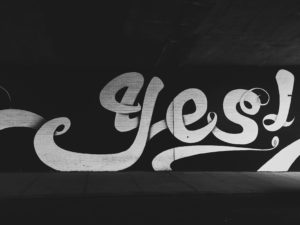
Photo by Jon Tyson on Unsplash
The inability to say yes is as problematic as the inability to say no. If you can’t say yes, your no is meaningless. If you can’t say no, your yes is meaningless. This damages relationships with others, sure, but I think the more significant damage occurs in our relationships with ourselves. How can we trust ourselves if we don’t take responsibility for making and communicating honest choices?
It doesn’t matter if the relationship we look at is professional, family, peer or romantic. If we’re too cowed to give an honest yes or no, how healthy is that relationship? Why is someone trying to take away our power and, more importantly, why are we letting them?
I know. Love. Obligation. Even fear. But wait.
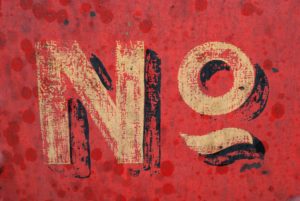
Photo by Gemma Evans on Unsplash
Do you feel loved when you can’t speak an honest yes or no without receiving indifference, withdrawal, scorn, drama, rage, sarcasm, a physical blow, tears or an emotional outburst? Maybe your intention is to love and be loved, but is that really happening? How can you be loved if you’re not showing up honestly? If you’re loved for your compliance, your compliance is what’s getting loved, not you.
Do we have an obligation and a duty to be connected to people who don’t respect our yes and no? Do we owe that to someone because they’re family, or someone we have history with, or our boss, or someone we want to love or be loved by? Who says? Did you sign a contract at some point?
And then there’s fear.
At this point in my life I’m not as concerned as I once was about making the wrong choice, whatever that means. I’m more interested in being clear about the choices I am making and why.
So, just to be clear, I’m choosing to stay in relationship with (fill in the blank), even though I’m not allowed to say yes or no honestly without (fill in the blank). I’m doing that because I hope one day they’ll love me, or because I owe it to them, or because I’m afraid of them. I’m doing it, in short, because they have something I think I need.
Now, pay attention.
They have something I need.
Do they really? Are we sure? Is the job or relationship or inheritance or influence more important than our ability to live authentically and fully in our own power?
If your answer to that is yes, I understand. I was in an abusive marriage for a time because I had two young children, no job, no car, no money, no childcare and no hope. I deliberately chose that relationship because I didn’t know how to survive without the financial support my husband provided. My children and I paid a heavy price, but he did help keep us afloat during a critical time. The marriage didn’t last, of course. Even now, on a summer morning more than twenty years later, I don’t know what else I might have done. I don’t know what might have happened to us if I hadn’t made the choice I made. Maybe something much healthier. Maybe a homeless shelter.
This, my friends, is the ancient and powerful archetype of prostitution, and we all participate in it in some way at some point in our lives. It’s part of being human and is much larger than the specifics of sex. More on archetypes later.
When you look at your relationships through this filter of making and communicating honest choices, what do you see? What’s your role in this dynamic? Are you the one who can’t say yes or no, or are you the one who can’t hear them? Why are you engaged in this dynamic? How is it working for you? Are you happy with yourself, and with your connections? Are you interested in learning how to do things differently?
All content on this site ©2016
Jennifer Rose
except where otherwise noted