by Jenny Rose | Feb 23, 2017 | A Flourishing Woman, Body, Food
I recently read a blog post about vegan bullying.
Yep. You read that right. Vegan bullying is a thing.
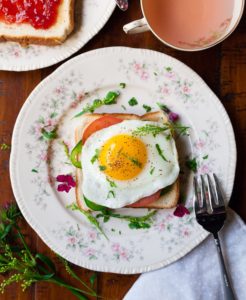
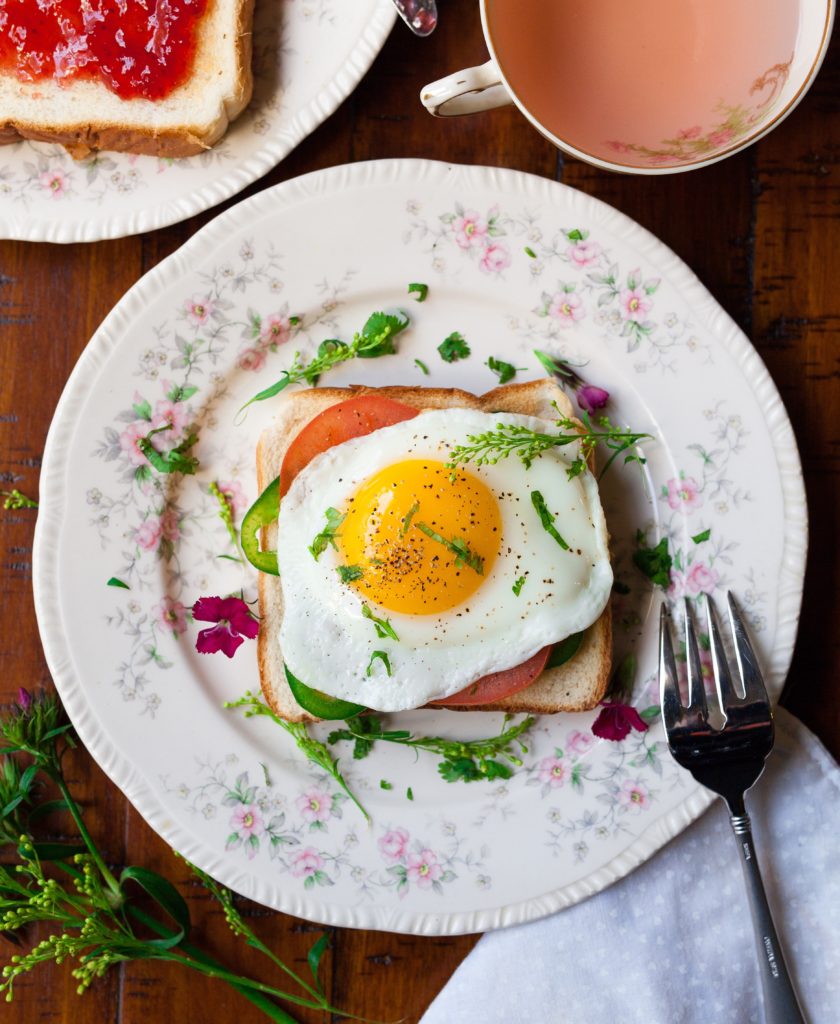
Photo by Joseph Gonzalez on Unsplash
It’s time for me to write about food.
I grew up in the 60s and 70s in a middle-class family with the standard education about the food pyramid, Food Commandments from the ADA, and a mother who was very concerned and conscientious about feeding her children and animals in the best possible way. Remember Adele Davis?
In my adult life, I was never a vegan or even a vegetarian, but I did eat mostly fruit, grain and vegetables. I bought organic whenever possible. I took supplements. I baked my own bread and desserts, made my own granola, and cooked gallons of stews, soups, chili and hot cereal over the years in my crock pot for my family.
Thanks to my mom’s good sense, my lack of a sweet tooth, and my income level, soda, fast food, candy, donuts and other mass produced sweets have never been a large part of my food intake.
All my life, I’ve sincerely believed I’ve had a healthy, well balanced diet. I avoided white sugar, high-fat and junk food. I made smoothies with low-fat unsweetened yogurt. I grew my own vegetables and herbs. I’ve never been overweight. In fact, I’ve had trouble keeping weight on.
I have a family and/or personal history of rheumatoid arthritis; inflammatory bowel disease; fibromyalgia; constipation; poor circulation; restless leg syndrome; migraines; gout; chronic pain; chronic fatigue; muscle spasm; insomnia; depression; anxiety; asthma; skin and sinus problems; food, environmental and drug allergies; and hypothyroidism.
It’s interesting to note how much of this list has to do with inflammation.
The list is kind of daunting written out like that, but members of my family rarely go to the doctor or take any kind of medication. None of us are overweight. Mom and I don’t drink alcohol or smoke. A lot of the above diagnoses are nebulous and chronic rather than acute. We take vitamins, exercise, try to eat well and control our stress, and do our best with the constant presence of chronic pain and discomfort. Conventional medicine can’t do much for most of this list except prescribe pain meds, anti-depressants, anti-inflammatories, antihistamines and anti-anxiolytics.

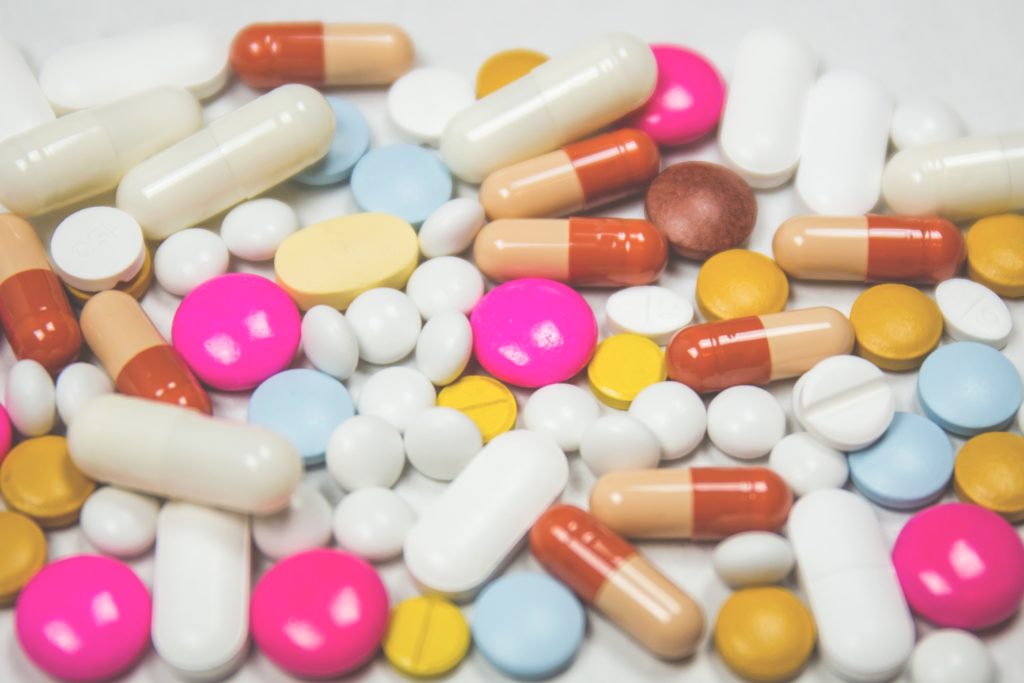
Photo by freestocks.org on Unsplash
Stepping back and considering our current social context in America, we have millions of people suffering from obesity, diabetes, heart disease and a dozen addictions, not the least of which is the current exploding opioid dependence. Millions and millions of people are suffering with increasing anxiety and other mental health challenges, exacerbated by the current political and social climate. Weight loss programs, supplements, books and weight gurus make billions of dollars a year. We’re obsessed with food and our relationship to it.
Food production is complicated and often unethical, to say the least. Monocropping practices by Big Agriculture annihilate the land, destroying the delicate, complex web of plants, soil organisms, animals and insects. We’re exposed to artificial fertilizers, insecticides and other poisons, whether we use them or not.
Commercial animal food production practices have frequently been horrifically inhuman and unhealthy, both for the animals and for consumers.
Healthcare, to put it kindly, is in disarray. As a medical transcriptionist, I routinely transcribe medication lists that contain twelve or more prescription drugs. Exponential pharmaceutical costs are in the headlines. I myself have insurance, for the moment, through Obamacare, but it’s useless. The only insurance I can afford has a $5,000 deductible. I couldn’t deal with a $500 deductible. I never see a doctor unless it’s a dire emergency, and then I always have to fill out indigent care paperwork to get a sliding scale fee.
Adding to the confusion is the ever-present influence of money. Advertising. Food stamps. Fast food. Dating. Meeting friends for a drink or at the coffee shop. We struggle to feed our families. We debate about vending machines in schools and school lunches. We deal with food-borne illnesses. We have no money and live on beer and ramen noodles, or oatmeal, or rice and beans. We know from advertising the right food can make us beautiful, make us strong, cure our ills, provide us with happy relationships, better hair, younger and more attractive bodies, a perfect date. We should eat beef. We should eat gluten free. We should eat organic. We should eat a pizza. We should eat vegetarian. We should drink milk. We know how to eat well, but we can’t afford to. We know how to eat well, but the rest of our family won’t cooperate. We know how to eat well, but we don’t have time.
Yet all life must eat. A living body is a complex system of energy, organs, elements and chemistry, and we know a lot about how the complex system of the human body works. If we don’t feed our body well, it gets sick.
We all think we know what it means to eat well, based on learned information, our experience within our own bodies, our observations of others, and in some cases our spiritual and political beliefs. Of course, it’s hard to think clearly when in the grip of an addiction to sugar and carbs (this includes alcohol), but that counts only if we acknowledge our addiction and its power to drive our behavior, right?
We all know what a good diet is. Everyone knows. It’s merely a question of self-discipline.
If only it was that simple.
In fact, everyone doesn’t necessarily know what a good diet is, for themselves or anyone else. There’s a lot of confusion, a lot of disagreement, a lot of conflicting “science” and advice. There are a lot of social, financial and political agendas, a lot of manipulation and brainwashing, a lot of misleading and frankly false “information.”
Why is one of the most basic activities of life so complicated? Why is there so much conflicting “information?” Why are we so unhealthy? Why are we so dependent on Big Pharma? Why are people in their late 20s having heart attacks and strokes? Why is there an obesity epidemic? Why is diabetes on the rise?
When did we get to the point of vegan bullying, or any kind of food bullying, for that matter?
Finally, lest we Americans forget there are people outside America, how is it possible that famine still exists in the world when so much food is wasted and discarded every day? What social and political dynamics allow people to starve to death in Africa or anywhere else, while other populations suffer malnourishment and metabolic starvation encased in obesity?
Lastly, why is the topic of diet so inflammatory? Why do vegans and vegetarians bully meat eaters? Why is eating meat conflated with gun rights, hatred and cruelty? Why is it unacceptable to challenge our current belief systems around food?
Hard questions without simple answers. Hard questions guaranteed to outrage lot of people.
Why?
This topic to be continued here, here. and here.
Please see my Resources page for more information on food, diet, nutrition and health.
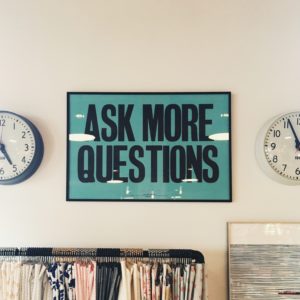
Photo by Jonathan Simcoe on Unsplash
All content on this site ©2017
Jennifer Rose
except where otherwise noted
by Jenny Rose | Feb 9, 2017 | A Flourishing Woman, Self-Love
I recently read a brilliant essay on tolerance that clarified for me why I haven’t always experienced successful outcomes while practicing it! Here’s a quote to think about from that article:
“[Tolerance] is an agreement to live in peace, not an agreement to be peaceful no matter the conduct of others. A peace treaty is not a suicide pact.” –Yonatan Zunger, ‘Tolerance is not a Moral Precept’

Photo by 小胖 车 on Unsplash
I’ve found that one of the many unpleasant effects of pleasing people, trying hard, being compliant and demonstrating unfailing compassion and kindness is that it’s stunted my emotional growth. It’s made me weak, naïve and dependent. It’s taught me to be powerless.
At this point in my life I’m making different choices, and as I do that I’m losing my fuzzy-headed, goody-two-shoes, sweet maiden aspect and becoming much clearer about who I am and what I believe in.
I’m not the only one, either. My second-hand exposure to social media through my partner, as well as my own reading of blogs, articles and essays, demonstrates loud and clear that many of us are in the process of refocusing our beliefs and values. Just yesterday I read an article about the devastating impact of the presidential election on close relationships and social media communities, as well as the way it’s opened up new connections.
As I listen, watch, read, write and think about it all, I return, again and again, to the conclusion that we’re all dealing with the same underlying ideas and issues. I know there’s a lot of heated and poisonous ideology out there about race and ethnicity, sexuality and gender politics, religion, and even what we eat, but underneath all that distracting noise are the same issues of tolerance and intolerance, power and identity, and fear.
I’ve written previously about reciprocity. When I read Zunger’s post, I immediately understood why my practice of tolerance has had, in some cases, quite devastating results. Once again, I was extending something I wasn’t receiving in return. Having been well trained (and slightly dim) it didn’t occur to me before that it’s not my responsibility to meet intolerance and disregard for my own boundaries with continuing tolerance. I’ve clung to the dangerous belief that if I just model and demonstrate well, the other party or parties will get it, and want to live in a more peaceful and effective way (my way, of course!)
After all, I don’t want to stoop to their level!
Ick.

Photo by John Salvino on Unsplash
This is a pretty effective set of shackles. Like many women, I’ve accepted them meekly for most of my life.
I’m bored with that now. It’s never worked well. It’s always left me terribly and painfully vulnerable. Turn the other cheek sounds like a lovely ideal, but in practice it sucks. In my study of combatives, I’ve found another option: Go in peace, but if a predator attacks you, be so explosively aggressive you become the predator and they become the prey. Take them out of commission as fast and effectively as possible and get away from them. Permanently.
I know, I know. Unattractive. Not nice. Being part of the problem rather than the solution. Violence solves nothing.

Photo by Jason Blackeye on Unsplash
That’s all fine, if it works for you.
It hasn’t worked for me. I’m not sure why it’s unattractive and wrong to defend myself (or others), except, of course, from the predator’s point of view.
I don’t care what the predator thinks. Predators have to take their lumps, just like the rest of us.
It seems these days going in peace means having no opinions, asking no questions, voicing no disagreement, stating no beliefs and citing no personal experience. There’s sure to be someone who will step in and try to shut us down with violence, abuse and threats if we speak up.
I love the idea of tolerance as a peace treaty. It gives me everything I need. It accommodates my intention to seek and support connection. It allows me to continue to be completely disinterested in someone’s religion, sexual preference, gender experience, physical anatomy, race, ethnicity, diet or reproductive choices as a criterion for judgement. Tolerance as a peace treaty leaves ample room for the things I do care about — authenticity, compassion, power-with rather than power-over, the desire to connect. It’s a peace treaty I can honor whole-heartedly.
Right up until someone tells me to shut up and sit down, make myself small, stop asking questions. Right up until someone tells me what to believe, what spiritual framework to use, what to think, what agenda to accept, what to do with my body and what my boundaries should be. Right up until I feel uncomfortable, in fact. Then the peace treaty is broken, and I give myself permission to exit, quietly if allowed and like a fighting tigress if hindered.
Tolerance is not an expression of weakness. It’s not permission to use and abuse. It’s not an agreement to abdicate self-defense. It’s not a suicide pact.
Nobody is entitled to tolerance.
Tolerance is a gift that must be both given and received. Let’s be worthy of it.

Photo by Evan Kirby on Unsplash
All content on this site ©2017
Jennifer Rose
except where otherwise noted
by Jenny Rose | Dec 15, 2016 | Connection & Community, Emotional Intelligence
Last week, my partner and I went to the movies and saw Arrival. Without giving any spoilers, I found it a stunning story about communication, among other things. It was the communication piece that really grabbed my attention, though.

Photo by Jason Rosewell on Unsplash
Ever since then, I’ve been thinking in a newly focused and intentional way about communication — what it means, how it looks, where it breaks down and how to do it well.
The truth is, I don’t want to know how to do it well. I want to know how to do it perfectly.
Another truth is I’m always thinking about communication, because I’m always working on my book, on this blog or on relationships, and they all involve communication. My partner says there is no relationship without communication, and I think he’s right.
As regular readers know I am wont to do, I pulled out my Random House Collegiate Dictionary to give myself a starting place. Anyone who’s used a dictionary knows there are often multiple meanings for any given word, so I made a list of the definitions I liked, cut and pasted a little, and came up with this (emphasis is mine):
Communication:
- To give or interchange information to/with one another.
- To express one’s true thoughts, feelings and moods easily.
- To have or form a connecting passage.
Although I’m intellectually satisfied with this definition, it feels incomplete and inadequate. In fact, it makes me mad. If only effective communication was this easy and simple! Instead, it seems to be one of the most desperately difficult things we do, and we must communicate if we are to manage life in today’s world.

Photo by Bewakoof.com Official on Unsplash
How many ways does communication break down for us in a day? Are we even aware of all the ways it breaks down? How often are we communicating something completely unintentional?
At the same time, have we ever, in the history of humankind, had so many devices and forms of communication at our disposal? Have we ever had access to so much information and so many other people?
So why aren’t we happier, more authentic, more secure and sure of our worth? Why are so many of us starving for healthy, fulfilling connection? What’s missing?
If I knew, I would fix it in my relationships, but therein lies one of the problems.
This is the part that always sneaks up and bites me in the ass.

Photo by Toa Heftiba on Unsplash
Not everyone wants the level and quality of communication I do. Generally, I don’t take this cold little fact personally, but among my nearest and dearest it does feel personal, absolutely. I feel utterly and completely rejected and shut out, in fact.
Another problem is that not everyone is capable of the level and quality of communication I am. Many people carry terrible damage or experience disability that prevents them from being able to participate in touch, in sex, in eye contact and nonverbal cues, even in conversation. I can tell you from personal experience it can be very, very difficult to sort out those who want to and are unable to from those who simply don’t want to. In the end, it doesn’t matter, it all comes to the same thing. When communication is limited, relationship is limited.
Limitation frustrates me, whether it’s my own or imposed by others. I can do more. I want to do more.
A third issue is that communication is two-edged. It’s an enormously powerful skill and ability, both constructively and destructively. We all know people who use communication as a weapon, not a tool. Sometimes, a simple, ominous clearing of the throat can be far more terrifying and damaging than a blow. Both actions are communication. Even worse are people who deploy words saying one thing and demonstrate action that says another, like the abuser who says he loves you while he hits you. This is called gaslighting, and I’ll write about it in the future. It needs a post all its own.
A fourth point is we don’t have enough silence in the world. Silence is the cup that holds communication. It takes time to write, to create, to speak, to hug, to make love, to nurse an infant. It takes time to nurture a friendship, a lover, a child. Sitting with the ill or dying takes time and quiet. Listening takes time and presence. Our slavery to technology and stimulation has all but eliminated uninterrupted time for our relationships with ourselves, let alone with others.
And that brings up a fifth aspect. If we don’t, won’t or can’t communicate effectively and honestly about who we are, what we need and want and the truth of our thoughts and feelings, we can’t form a connecting passage, to quote the above definition. We’re not even connected to ourselves.
As though all those things didn’t make communication a big enough hairball, we have to remember who we are. We’re human, which is to say each one of us carries stories, beliefs, expectations, memories, scars and bleeding wounds that get in our way every time we communicate, even with (especially with) those we care deeply about. We all have painful triggers. We all get hijacked. We make assumptions. We misunderstand, deny, obfuscate, conceal. We filter through our particular history and experience. Few of us have any training in effective communication. We can tweet or text a sentence or two, but ask us to do more and we’re at a loss. For one thing, we don’t have time to deal with it.
We also have rules about communication, individual rules, tribal rules, cultural rules. We have rules about acceptable language, rules about keeping secrets, rules about being indirect, rules about protecting others, rules about loyalty and duty, rules about privacy, rules about what we’re willing to reveal to whom, rules about who we trust and don’t.
Even the words we choose can make or break communication. Here’s an example out of my own life I’m feeling particularly resentful about at the moment.
I’m a woman, a partner, a sister, a daughter and a mother. I love wholeheartedly and I’m very clear about how important healthy relationship is to me. I know the people I love well, and I try hard to accommodate their personalities, preferences and idiosyncrasies. I’m not Miss Fixit. I’ve no investment in protecting people, and the four men in the world who I love most are unbelievably capable and intelligent adults.
When I say, “What can I do to help? “Is there anything I can do to help?” or “Is there anything I can do for you today?” I’m not implying they can’t manage their lives, dammit! I’m giving a message of love. I’m saying, “I’m here. You matter to me. I’m glad to lend you support. I’d love to collaborate/cooperate/work with you.” I’m making a connection. I’m giving what I most want. Catch me being insulted if someone asks if they can help me figure out how to run the errands, take care of work and cook a meal!
My male partner says, with great patience, that I should use the word “assist” instead of help.
Seriously???? These four idiot men, who know me better than anyone else, need me to tippy-toe with my language in order to hear a message of love and support?
Never mind. I’m over it. Figure out your own damn life, and I’ll figure out mine.
Furthermore, catch me allowing any of them to help me, even though I know that’s connecting for them. They don’t need anything from me, I don’t need anything from them.
See how that breaks down?
And half of that is about me. I’ve been taught to be indirect in my language, I’m giving others what I want myself (this never works well, because the recipient rarely understands that’s what I’m doing), I’m coming across as relentlessly mumsy-wumsy and overprotective, and I’m assuming these four men are like me and won’t ask for help if they need it, but I’m the one who can’t ask for help, and now I’ve fastened myself more firmly in that position because they won’t cooperate with me and allow me to love them, so I’m not going to give them the satisfaction of…
And so on.
My conclusion about all this is that communication among human beings is a clusterfuck. It’s confusing. It’s messy. Most of us don’t know what the hell we’re doing and many of us are not that well intentioned in the first place. We have wildly varying degrees of ability with wildly varying aspects of communication. We try to hide, we misunderstand, we make mistakes, we don’t remember accurately and we’re often terrible at listening. We want to be right, we want to be validated and agreed with, and we want others to meet our needs quickly and perfectly so life feels simple and uncluttered, emotionally, at least.
I’m never going to do it perfectly, and neither is anyone else.
But hey, let me know if I can help you in any way!
Photo by Quino Al on Unsplash
All content on this site ©2016
Jennifer Rose
except where otherwise noted
by Jenny Rose | Sep 29, 2016 | Power
I’ve been thinking about this week’s post for a couple of days now. There’s a lot more to say about boundaries than I’ve discussed here and here, and maybe someone else can shape the many complex pieces into separate, coherent posts, but that person isn’t me. I can sort out a few points, but the rest is chaos containing all kinds of inflammable issues, such as parenting, corporal punishment, our justice system, religion, sexuality, morals, ethics, rape culture, racism, entitlement and patriarchy.
There’s no doubt in my mind that these are important discussions and ideas for all of us, but the purpose of this blog is not to have a shouting match or explore the different ways we can criticize, judge and belittle one another.

Photo by Andrew Loke on Unsplash
I suspect most of us agree boundaries are necessary, but after that point I see potential for endless violent disagreement about how and why we create and manage them. I believe it’s safe to say our understanding of boundaries is heavily influenced by our childhood experience, our culture and family, and technology and media.
I have no answers. I notice what I call my boundaries don’t work very well at times. I notice the conflict between what works for me, what others expect, and what I’ve been taught. I notice a generation gap around boundaries. My 20-something sons see the whole issue differently than I do. I think some of this is due to differences in our relationships to technology, but I don’t know how much.
I also notice a lot of my boundaries are around fear. As a single woman, I’m uncomfortable with the idea of being hooked into GPS and map information via technology. It doesn’t feel safe to me. Likewise, I’m uncomfortable discussing my spirituality, my parenting beliefs, my political beliefs, my dietary choices and the color of my underwear. I’m not ashamed of who I am — I’m afraid of being victimized. I don’t want to deal with mean, hateful or dangerous people. I don’t want to attract the attention of a psychopath or a sociopath. I don’t want to lose connections and relationships over something like religion.

Photo by Mike Wilson on Unsplash
Then there’s the part of me that simply isn’t interested in what I call oversharing. I mind my own business — why can’t everyone else mind theirs?
On the other hand, surely we have a right to be who we really are. But where is the line — the boundary, if you will— between that right and violating someone else’s boundary?
A highly topical example of this is the debate over Native American team names in the public school system. Many Native Americans find this offensive and racist — and say so. The other side hotly denies they’re racist and cites tradition and their intention to honor the Native American people. It’s a ding-dong argument. I’m hurt and offended and this feels racist versus I am not a racist, back and forth, on and on, with both sides becoming further divided with every iteration. Broken connection, broken relationships, divided communities, hurt and rage are the result.
At bottom, it seems to me these are all boundary issues. Our boundaries don’t appear to work well. What can we do about that?
This very morning, I had an interesting discussion with one of my sons about this. We were talking about privacy in regard to technology, and he suggested that soon we may have to accept the idea of 0% privacy because of our increasing reliance on and use of technology. Everyone (at least in this country) will be equally exposed and we’ll have to figure out how to live with that exposure as a culture and move on, or we’ll simply self-destruct. I’d never considered this point of view and I’m fascinated with it, as well as slightly appalled.
Perhaps the chaos around boundaries is present because, as my son suggests, we’re in transformation. Transformation is inherently chaotic, after all. Maybe my generation’s ideas and beliefs about boundaries aren’t working because they’re outdated. Our world, our culture, our understanding of life, technology and science are dynamic, always changing, always correcting and expanding. Perhaps the world we live in today requires different boundaries and we’re struggling to shape them.
At the risk of sounding like an old granny, however, I think healthy, effective boundaries must contain elements of respect, compassion, authenticity, dignity and kindness, not only for others but for ourselves. I think it’s important to remember that boundaries are about ourselves and what works and doesn’t work for us. It’s not our job to choose boundaries for others. We may have to defend our boundaries and others will certainly try to violate them, but that’s the only place our power is.
Interestingly, I’m reading a book right now that relates to this. It’s called Being Wrong by Kathryn Schulz. It’s a great book — well written, funny, intelligent and thought-provoking. I highly recommend it. The reason I mention it is that so many of our rules, expectations and yes, boundaries, are based on our beliefs and we have a tendency to make our beliefs universal laws. We all do this, one way or another. But take one of your central beliefs, a hot one like politics or diet or religion, one you argue about on Facebook, block and unfriend people for disagreeing with. Now just imagine, if you can, for one minute, only 60 seconds, that you’re wrong.
Pretty uncomfortable, right? Now everything changes, including your rules, expectations, stories and, inevitably, your boundaries.

Photo by Alessio Lin on Unsplash
In other words, effective boundaries need to flex and change as we learn and grow. Otherwise, all we create is a jail cell for ourselves. We can’t change, we don’t admit new information and we keep ourselves small and rigid.
On the other hand, if we have inadequate boundaries our power is leaking all the time. We fall prey to dysfunctional relationships, our integrity breaks, we fail to take care of ourselves, and our lives don’t work well.
All content on this site ©2016
Jennifer Rose
except where otherwise noted
by Jenny Rose | Sep 22, 2016 | Power
This is the second of I’m not sure how many posts about boundaries. See last week’s post for the beginning of the discussion!
Today the aspect of boundaries I want to explore is the one I have the most trouble with. This aspect concerns managing boundaries with people we love.
Continuing with our metaphor of food on a shelf, last week I was comfortable with my identity of strawberry jam. I know who I am, I’m in an intact container (most of the time) and I intend to be labeled accurately and effectively. That’s all INTRApersonal start-where-you-are work.
However, there’s other food on the shelf. The universe doesn’t revolve around strawberry jam, alas! In fact, next to me is a jar of dill pickles.

Photo by Viktor Forgacs on Unsplash
We’ve been together as long as I can remember, sitting side by side on the shelf. We’ve watched other food in other containers come and go. The eggs in particular have quite the turnover rate. We’re companions, friends, and in fact it’s not an exaggeration to say I love Pickles.
But one day I notice something has changed. The clear green juice in the jar with floating bits of herbs and spices is getting cloudy. And is that — could it possibly be — grey fur along one side of a pickle?
Disaster. Catastrophe. It can’t be true. My beloved Pickles is beginning to grow fur. Everybody on the shelf knows what this means. Sooner or later, the refrigerator/cupboard/shelf Gods will cull Pickles. Gone forever.
I can’t imagine my life without Pickles.
Naturally, I want to help. No kind of food could possibly want to wear grey fur. There must be something I can do.
If I love Pickles, I must be able to fix this.
If I really, truly love Pickles, and my love is real and unselfish and unconditional (and Pickles is worth that kind of love), there’s a way for my love to fix this.
If I fail to fix this, my love is at fault.
That, ladies and gentlemen, eggs and bacon, is where I lose my boundaries. It’s all very clear and self-evident when it’s laid out in black type on the page, or in this case, screen. Love can’t fix everything. Love isn’t always enough. Sometimes we can’t “help” other people. Bad things happen to good people all the time. Loss is part of love. Right?
My brain understands this. My brain functions pretty well. My brain is not the problem. It’s my heart, my emotions, my stories, my beliefs and my expectations that are unruly and stubborn.

Photo by juan pablo rodriguez on Unsplash
Perhaps I haven’t explained it well, my connection with Pickles. I know him better than anyone. I understand him. He’s the most important person in my life. He’s part of who I am. If I lose him, I’ll lose part of myself. I thought nothing could ever part us, or damage our respect and trust in one another. In fact, we’re so close we don’t need boundaries.
(Naturally, he feels the same way about me. He doesn’t say so, but one doesn’t expect pickles to emote like strawberry jam.)
Loving fully and unconditionally means no boundaries, right? Isn’t that what we learn? If we love unselfishly, completely, without reservation, then boundaries are unnecessary and we can count on getting that same kind of love in return. Loving well equals being well loved. Isn’t that the way it works? Only a selfish bitch maintains boundaries, an unloving, cold woman, a ball breaker. Only an indifferent, unfit mother maintains boundaries between herself and her children. Only a judgmental, critical, power-hungry female protects herself with boundaries. Generous, attractive, truly loving people have no need of boundaries. They don’t count the cost. They always say yes. They give freely of their resources to whoever is in need without expectations or strings attached. They never keep score. They have no needs, these lucky, healthy, beautiful, abundant people. They feed and nurture the world.

Photo by Jordan Whitt on Unsplash
Boy, does this world need people like that. That’s the kind of woman/friend/mate/mother/daughter/sister I want to be. If I want to save Pickles, that’s the kind of person I have to be.
Here’s the thing.
I can’t be that. I’m not sure anyone can be that.
I’m not talking about ideology here. I’m not qualified for or interested in religious debate. What I’m saying is I can’t be a bottomless, endless nurturer and giver with no needs, and I’m not convinced anyone else can, either. I know some who say they can, pretend they can and/or expect others to be, but I’ve never met anyone who really lives like that — at least not long term. Not successfully and not happily, anyway.
But aren’t we supposed to?
Did I learn this wrong? Did I misunderstand? I can’t point to any one person who taught me this, after all. Did I make it all up? Or, alternatively, am I not the woman I think I am and aspire to be? Am I small, mean, petty, hypocritical and selfish? Am I unable to love the right way? Am I a fraud? Am I self-deluded?
Why am I in such chronic painful confusion about something my intellect sees so clearly? Why does it seem that managing boundaries INTERpersonally carries such a negative connotation? Why can’t I reconcile loving someone with all my heart with effective, appropriate boundaries between that person and me? What is the source of this cognitive dissonance?
Which is more devastating — people who have no boundaries themselves and bitterly resent mine, or people who maintain boundaries between us when I have none?
In the first case I feel trapped, resentful and intruded upon, and in the second I feel hideously rejected, unappreciated and used. Neither feel like healthy connection, but I call both love.
So here I am, side by side with Pickles on the shelf. We look at each other through the glass sides of our boundaries. I want to climb inside his container and take him in my arms, love him back into clear green juicy health, but if I do that I’ll start growing gray fur myself, and I know I can’t fix him at the same time I believe I should be able to. I want to run away, turn away, not know what’s happening, but I can’t.
There’s nothing I can do. My love is not enough. Grey fur is creeping over Pickles and I can’t avoid it, flee it or stop it. I can only wait and watch and sit here in my container, while Pickles sits in his.
RIP, Pickles.
All content on this site ©2016
Jennifer Rose
except where otherwise noted