As I serial publish my Webbd Wheel series on Substack, I’m discovering some kindred spirits on the platform. Keri Mangis writes a newsletter called The Power Source, and she recently wrote a piece about being an outsider that caught my eye.
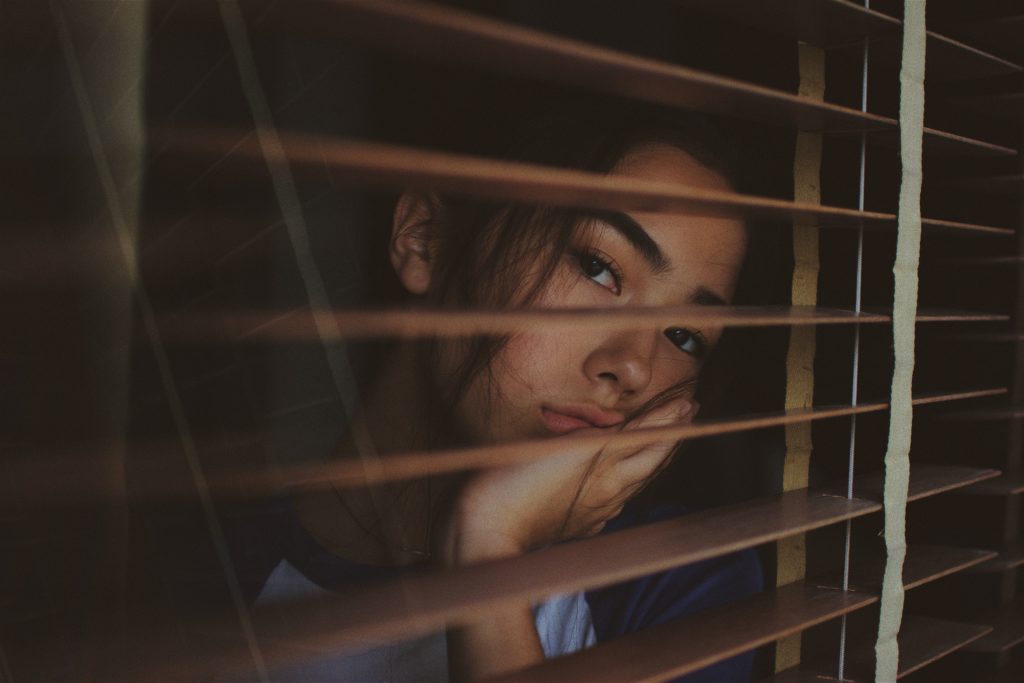
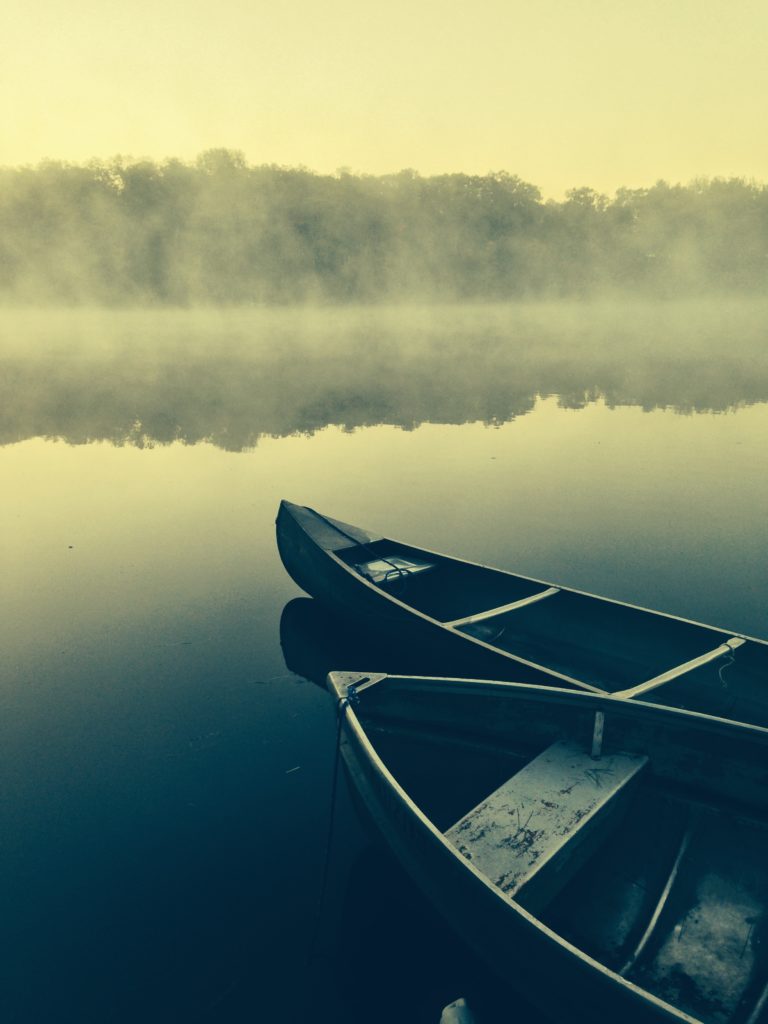
Photo by Joshua Rawson-Harris on Unsplash
I’ve written about the longing to belong previously. The desire to feel firmly anchored in family and community is an ache I’ve felt most of my life. Though I’ve belonged a few precious times in my life and I know what it feels like, I know more about what it doesn’t feel like.
Mangis suggests being an outsider is powerful because being an insider is so much work. We trim and prune and espalier ourselves to stay safe in our feeling of belonging. Humans are social animals. We’re neurobiologically wired to fear being outcast and alone.
Childhood is about learning roles, rules, familial and cultural norms, and, for most of us, under which specific conditions we can be loved and accepted and achieve belonging. Unconditional love is not our best thing.
By the time we’re young adults, we know what’s expected of us if we want to belong. The parts of us that don’t fit in are amputated or hidden, and we often live a double life, one secret and one playing to our audience, or we make ourselves into masks and shells, acceptable to our peers, families, and communities, but lacking authenticity or vitality.
What we really want is for our real selves to belong, our honest, authentic selves, but few of us are lucky enough to find that easily, and the fear of being alone is huge.
We have a tendency to think of maturity as taking place in the first 20 years of life. By then we’re in our adult bodies and generally able to function on our own. We define ourselves as grownups, adults. We take on responsibilities, pursue education and interests, figure out the economics of independence. Some people form partner bonds and raise children. We’re busy in the world and much of that busyness has to do with belonging, taking care of social obligations, participating in production and consumption, and bumping up against limitations, rules, and taboos. We use our manners, follow traffic rules (sometimes), stand in lines, allow ourselves to be directed by signs, and generally follow the same standards of civility we learned in school.
We also subscribe to ideologies and resist change in the form of new information or critical thinking. We can’t endanger our places of belonging. Our identity depends on them.
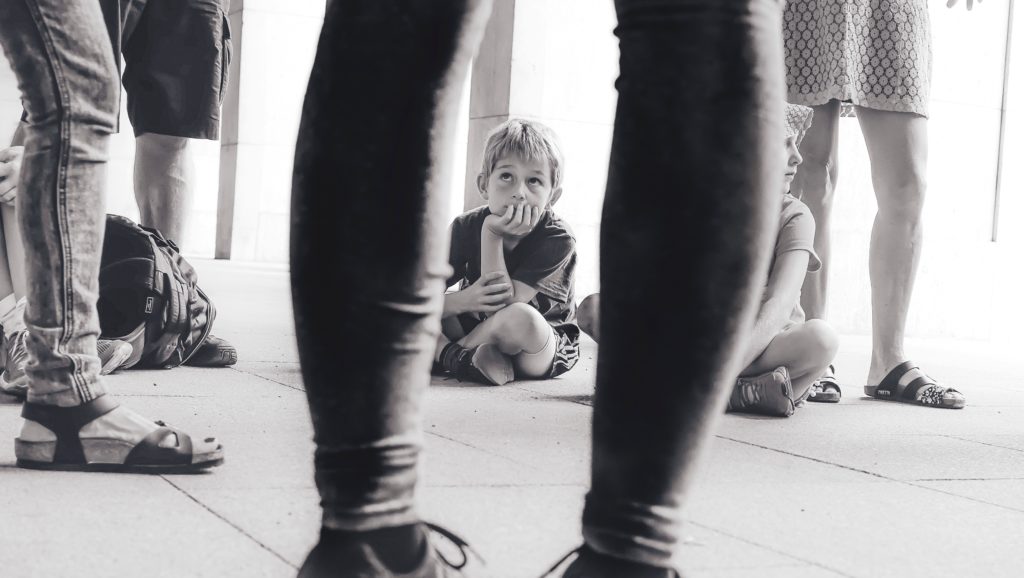
Photo by Cristina Gottardi on Unsplash
In exchange, we are paid for our work, have friends, family, and community, wear our labels comfortably, and stay safe in the middle of the herd.
Then suddenly we’re old, negligible, invisible, and burdensome.
Then we die.
But what if the first 20 years are just the beginning? What if, as Mangis suggests, we embark on a new level of maturity in late middle age? What if that level requires we outgrow the need to belong and leave the longing for it behind?
I know from my study of power dynamics fear-driven choices indicate power loss. The fear of being outcast and alone is terrible, and so is the fact of it.
However, it is survivable, and it’s also a much, much easier way to live. The degree to which we’ve spent our first 50 years or so living underground or in the shadows is the degree to which our lives simplify if we decide belonging isn’t so important after all.
Suddenly, we can be as big, as expansive, as individual, as happy, as creative, as expressive, and as strong as we choose. We’ve spent 50 years learning about ourselves and the world. We’re no longer overwhelmed with the physiological needs of reproduction. If we give up our fears and struggles around belonging, what could we do with that energy? Belonging is expensive, and so is longing.
Perhaps mid-life crises are really just another growth spurt, a milestone to be celebrated and welcomed.
Instead of framing these years as the beginning of the end, perhaps we could look at them as the beginning of our most authentic years, the years in which we’re less concerned about how acceptable others find us, stop apologizing for who we are, and focus on reclaiming ourselves and belonging in our own skins.
At the end of the day, we belong only to ourselves. We’re not required to give up our power for transformation in order to belong to anyone else.
All we have to do is let go of our longing for belonging.
Today is the Autumn Equinox. It’s cool, cloudy, and damp here in central Maine. My attic windows are open and I can hear acorns falling from our oak tree and cars going by, tires hissing on the wet road.
I’ve been reading The Enchanted Life by Dr. Sharon Blackie, and yesterday I laid the book in my lap as I sat outside in the bright sun and boisterous breeze and cried.
Photo by Aaron Burden on Unsplash
Dr. Blackie’s book is about reclaiming our relationship to the natural world. This process necessarily begins with reclaiming our relationship to our bodies and physical experience. We can’t feel at home in the world if we don’t feel at home in our own skins.
Blackie suggests that each of us is a part of the world, just like a flower, a tree, a bird, or a cricket. I’ve probably read something like this a thousand times in my life, worded a thousand different ways, but I’ve never read it without an automatic unconscious resistance. Others might be part of the world, but not me. I’ve never believed I had anything worthy to offer.
My lifelong feeling of being an intruder has kept me slightly divided from people as well as the natural world. A sense of pure belonging is so rare for me I can count the experience of it on one hand. The water. My children. A crippled cat, long gone. My dance group, also far away and long ago.
As I read about belonging to the world yesterday and relished the beautiful autumn day and the waning September sun, my resistance was unexpectedly absent. The words arrowed straight into my heart. For the first time, I seriously considered that maybe I am not just a tourist, a spectator, someone passing through. Maybe I belong in the world as much as any other form of life.
Photo by Dakota Roos on Unsplash
I realized then I’ve lived most of my life as a sort of apology for existing. I’ve felt gratitude, appreciation, even awe in the presence of the natural world, which I love and cling to. Most of my life I’ve lived in rural areas and revered the landscape, the plants, the animals. Yet I always felt ashamed to be intruding on the loveliness of the natural cycles and seasons and the wild places. As a member of the human race, I felt like a destroyer, a besmircher, part of what’s wrong with the world rather than what’s good and beautiful and natural.
Blackie writes of reciprocity; of listening to the voices of the leaves rustling on the trees and responding with our own voice. She writes about a woman who sings to the jungle, joining in with the myriad songs already there as a rightful part of the ecosystem.
When I touch a tree in reverence, is it touching me back? Is the feel of my hand as sacred to it as the feel of its bark and body are to me?
Healthy relationship is about reciprocity. I know that from my study of emotional intelligence. Communication is reciprocal, which is to say it moves in both directions. Moving fully into belonging, then, would mean not only learning and marveling at the liquid notes of the wood thrush, but sharing my own voice with him. He is in my world, and I’m in his. His song and my song are both part of the chorus of this place. We are, perhaps, woven together.
Could it possibly be that the world is richer for my presence, rather than burdened by it? Might my step, my breath, my voice, my touch, and my prayers be to others what the coyotes’ night song, the morning mist over the river, or the falling leaves and browning ferns are to me?
This shift in perspective is staggering. I don’t quite know what to do with it. It assuages a longing within me to belong, to be more than just tolerated.
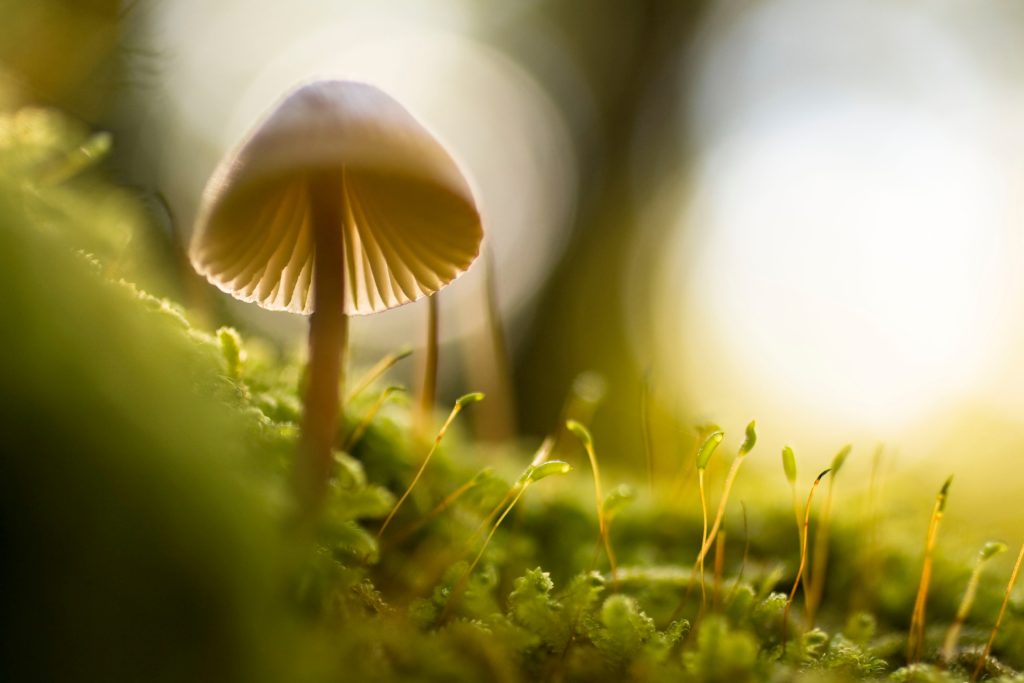
Photo by Manuel Barroso Parejo on Unsplash
When I look around from this perspective, I see gardens existing because of me. A variety of mushrooms grow in and around the compost pit because of me. Herbs, flowers, and vegetables thrive together, feeding insects and birds, creating habitat for snakes, amphibians, and rodents, because of me. There is greater plant diversity in the landscape because of me.
The most remarkable thing about this new perspective is that it lies at the heart of my fiction trilogy. I have a firm intellectual grasp of interconnection; I’ve just never included myself. I’ve been an outsider looking in. I haven’t seen myself as worthy enough to be part of the web.
Writing can be an exercise is discovering intuitive or unconscious truths we have not yet fully integrated. To date, I’ve written 700,000 words about interconnection, but not until yesterday did my heart accept I’m part of it too, not as a stain but as a uniquely beautiful organism within a tapestry of uncountable other uniquely beautiful organisms. As I touch, hear, see, and smell the presence of others, they touch, hear, see, and smell me. As I communicate with others, they communicate with me, though I may not know it.
Life, the weather, the COVID virus are not happening to me. They are in relationship with me. We are woven together in a changing, dynamic dance of becoming, minute by minute. We belong to each other. I am neither alien nor separate.
Websites store cookies to enhance functionality and personalise your experience. You can manage your preferences, but blocking some cookies may impact site performance and services.
Essential cookies enable basic functions and are necessary for the proper function of the website.
Name
Description
Duration
Cookie Preferences
This cookie is used to store the user's cookie consent preferences.
30 days
These cookies are needed for adding comments on this website.
Name
Description
Duration
comment_author
Used to track the user across multiple sessions.
Session
comment_author_email
Used to track the user across multiple sessions.
Session
comment_author_url
Used to track the user across multiple sessions.
Session
Statistics cookies collect information anonymously. This information helps us understand how visitors use our website.
Google Analytics is a powerful tool that tracks and analyzes website traffic for informed marketing decisions.
ID used to identify users for 24 hours after last activity
24 hours
_gat
Used to monitor number of Google Analytics server requests when using Google Tag Manager
1 minute
_gac_
Contains information related to marketing campaigns of the user. These are shared with Google AdWords / Google Ads when the Google Ads and Google Analytics accounts are linked together.
90 days
__utma
ID used to identify users and sessions
2 years after last activity
__utmt
Used to monitor number of Google Analytics server requests
10 minutes
__utmb
Used to distinguish new sessions and visits. This cookie is set when the GA.js javascript library is loaded and there is no existing __utmb cookie. The cookie is updated every time data is sent to the Google Analytics server.
30 minutes after last activity
__utmc
Used only with old Urchin versions of Google Analytics and not with GA.js. Was used to distinguish between new sessions and visits at the end of a session.
End of session (browser)
__utmz
Contains information about the traffic source or campaign that directed user to the website. The cookie is set when the GA.js javascript is loaded and updated when data is sent to the Google Anaytics server
6 months after last activity
__utmv
Contains custom information set by the web developer via the _setCustomVar method in Google Analytics. This cookie is updated every time new data is sent to the Google Analytics server.
2 years after last activity
__utmx
Used to determine whether a user is included in an A / B or Multivariate test.
18 months
_ga
ID used to identify users
2 years
_gali
Used by Google Analytics to determine which links on a page are being clicked