by Jenny Rose | Sep 6, 2018 | A Flourishing Woman, Self-Love
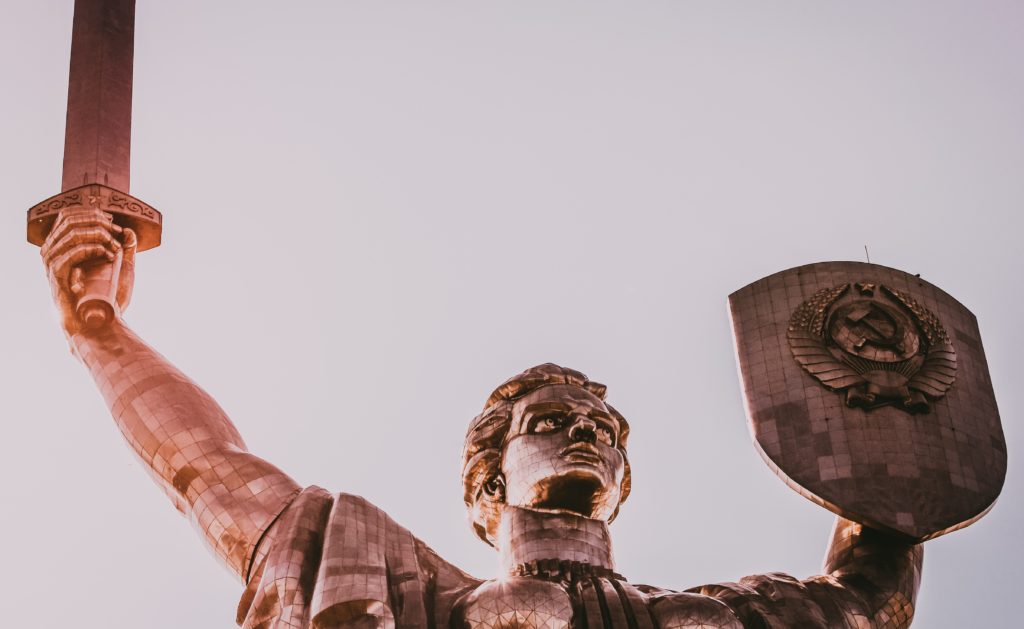
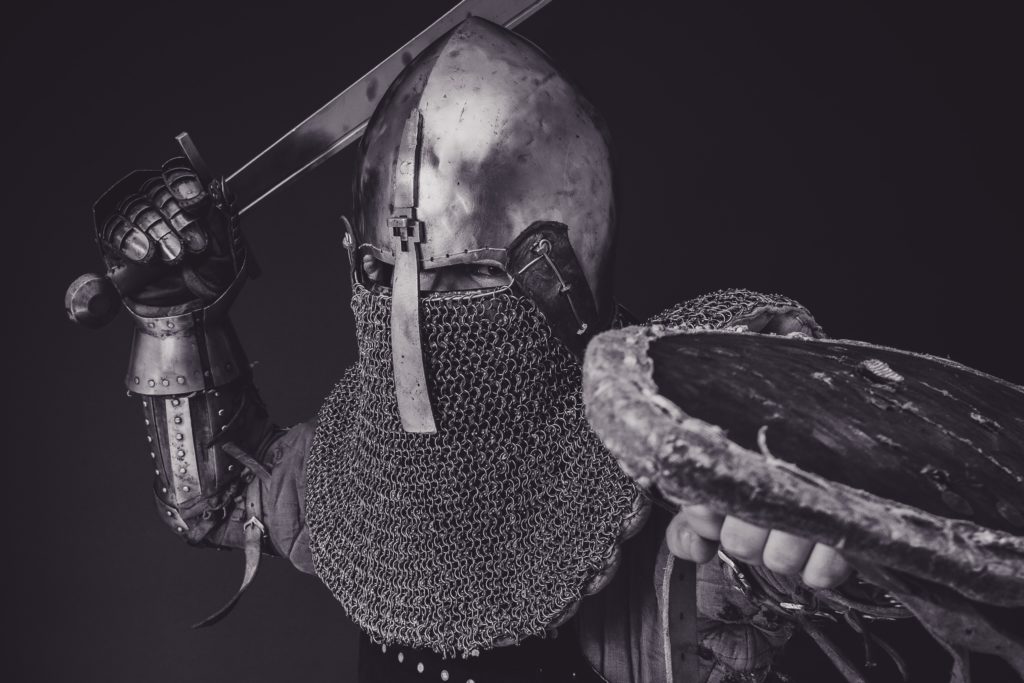
Four years ago someone said to me “women and children should be behind the shield.” The impact of that statement was like a kick in the gut. I was shocked by the way the words made me feel; a tidal wave of fury, grief and despair. It was so overwhelming I didn’t poke at it right away, but ever since then I’ve been playing around with the idea of shields, my version of circling around a potentially dangerous object with twitching tail and ears pricked, curious but wary.
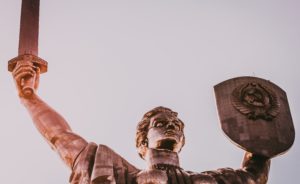
Photo by Bogdan Kupriets on Unsplash
A shield is a piece of personal armor used to actively intercept specific attacks. Traditionally, shields varied in size, shape and thickness and were made of wood, animal hide, woven reeds or wicker. Shields have probably been around as long as we have.
A shield implies protection.
I think my initial reaction to the phrase “behind the shield” was painful because of my fierce, primitive longing for the kind of protection and safety that image implies to me. I’ve always been hypervigilant and concerned with identifying safe places. I know where the exits are, physical and emotional. I maintain bolt holes, if-the-sky-falls plans and a high degree of independence and self-sufficiency.
Because my own anxiety and fear have been such sources of private and mostly hidden anguish, I’m extremely sensitive to others who suffer in the same ways, either specifically or generally. In the days when I was doing volunteer fire and rescue work, I frequently took the role of lying on the highway in the glass, spilled gas and ruins of a vehicle calming and reassuring a trapped victim, monitoring a pulse if I could get to a pulse point, explaining what was happening as we tried to extricate, establishing responsiveness and orientation and taking a history while the fire department deconstructed the car around us and the EMTs and paramedics passed me pressure bandages, a blanket or anything else that was needed and we had room to use.

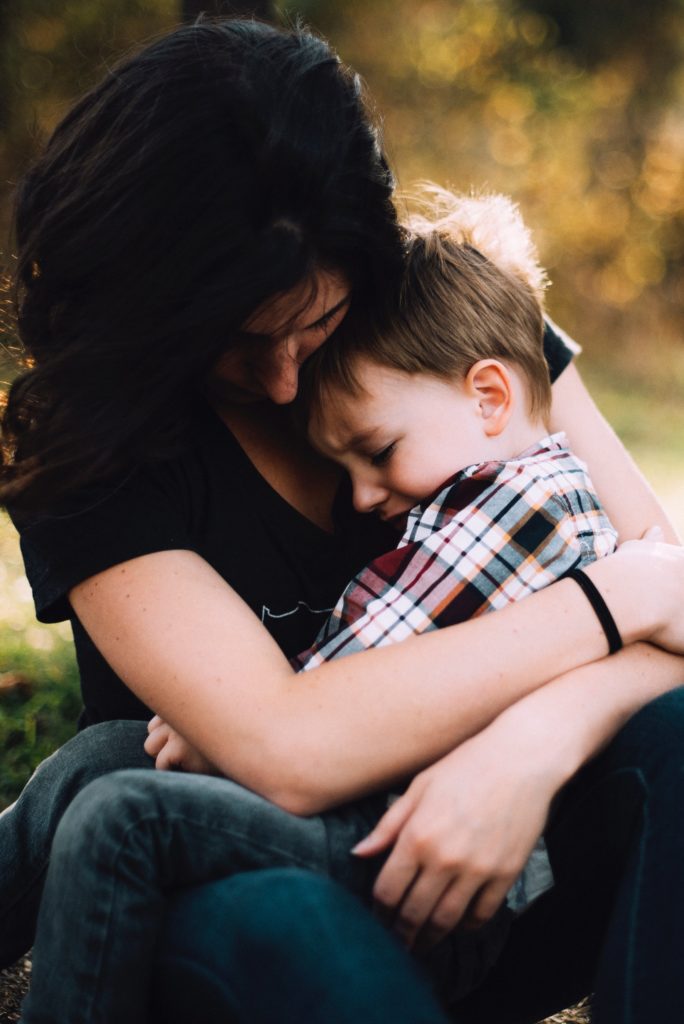
Photo by Jordan Whitt on Unsplash
In short, I give others, animals and human, the kind of calm reassurance and protection I’ve always craved myself.
It might be this longing is buried within all of us, a kind of deep and primitive desire to return to the ultimate safety of the womb or a longing for the in-arms experience every baby needs and has a right to receive. Except that the womb is not always safe, and many of us do not get sufficient in-arms experience as babies. It might be that I’m uniquely broken in this, but I doubt it. I suspect much of our irrational and destructive behavior has to do with trying to feel safe, sheltered and loved, including sexual and behavioral acting out and addiction.
In any event, my desperation to be shielded motivated me to become a willing shield for others. This adaptation was greatly assisted by being female and then further strengthened when I became a mother.
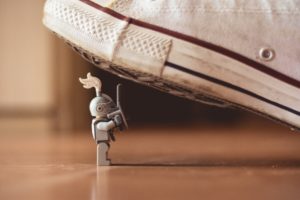
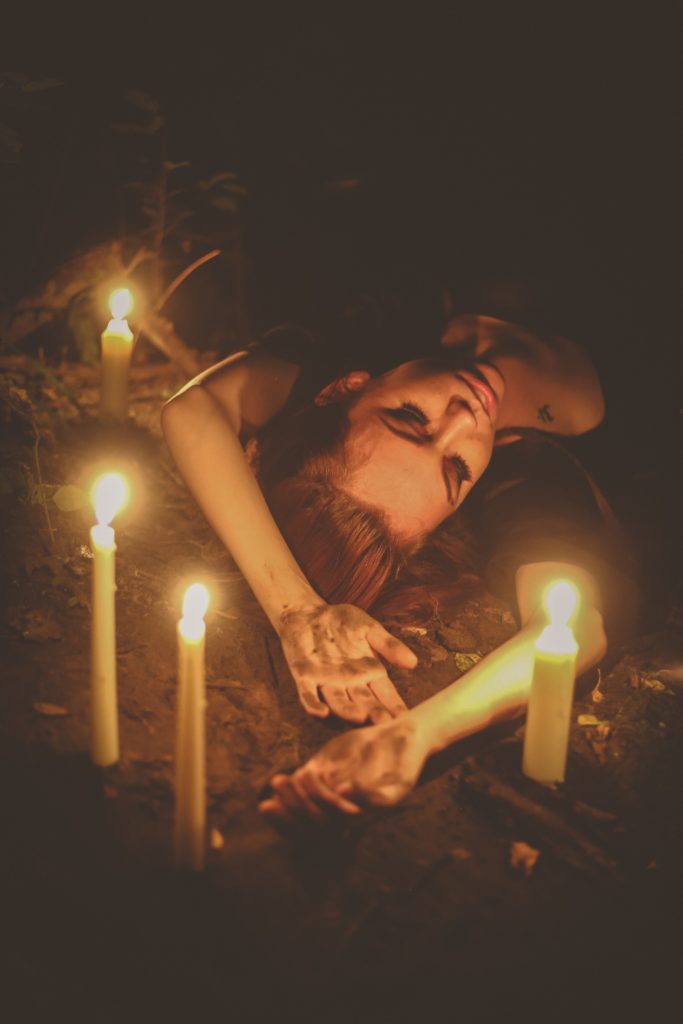
Photo by James Pond on Unsplash
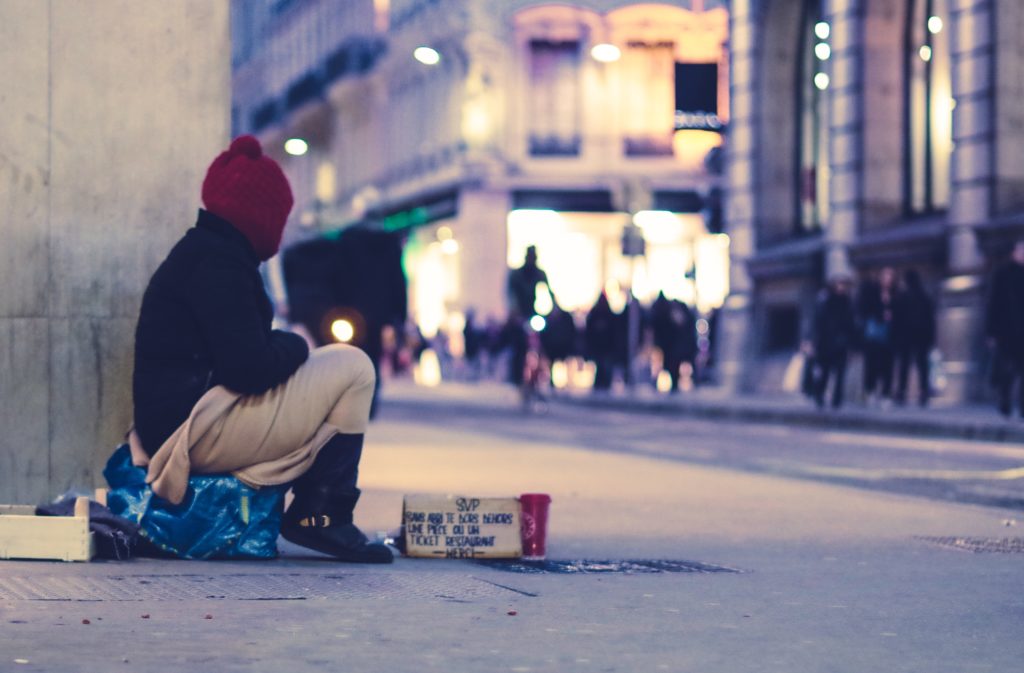
I never thought of myself as a shield. It never occurred to me such a role was a choice. I defined myself as a protector, a nurterer, a figure of maternal and female strength, a life-giver and a peace maker. I thought of myself as a good woman. I automatically placed myself between the harsh edges of the world and those I loved. I protected my husbands and partners from the necessity to deal with anyone else’s needs (including my own) and threats to their egos (including me). I protected my sons from the immaturity and selfishness of my husbands and partners. I tried to protect people from their mental and physical pain, from the consequences of their choices, from their own feelings and from any other irritation, hurt or harm.
Shields were originally made to protect from specific kinds of attack, but I tried to shield others from all kinds of danger: blade, arrow, blunt weapon, words, pain, consequences, inconvenience, feelings and worry. I was determined to be a perfect shield for all my loved ones.
Predictably, I failed, and nobody likes a shield that fails. I regularly heard about my inadequacy.
No one ever suggested to me that I protect myself, and no one invited me behind their shield, even for a rest. I approached every relationship with a craving to be taken care of, to be held, to be loved. I believed in romance and part of romance certainly included being taken behind the shield of some kind, competent man. If you’re thinking this was needy and dangerous behavior, you’re right. Somehow, I always ended up with one more person in my life I needed to shield, instead of the other way around.
The inability to trust and the craving to be protected and cared for can tear a woman apart. I’m certain there have been people in my life over the years who wanted to give me safety and security, but I refused to let anyone get that close. I don’t want to rely on anyone. I’ll go to great lengths to avoid asking for help. At the same time, I’ve spent much of my life working happily with children, animals, in hospice and as a first responder.
For a long time I thought if I could get a good enough job and earn or save enough money I’d be safe, but I was wrong about that. We live well below the poverty line, but I feel safer now than during any other time in my life. I’m also less concerned about money than I’ve ever been before. Money is not safety. I also thought if I could just find the right home I’d be safe. I found the right home and discovered that wasn’t the solution, either. Wrong again.
Since I came to Maine, everything has changed. Now I live in a situation that does not require constant emotional labor. I live with an adult who does not need or expect me to protect him. I have found reciprocal relationships.
This morning, as I went about my daily breakfast routine, it occurred to me that I’m no longer looking for a shield to crawl behind. The need for safety doesn’t drive me now. I’m not even sure I know what I mean by safety. What is the threat I’m trying to protect myself from? Aging? Poverty? Being unloved? Abuse? Getting my feelings hurt? A blow to my pride? Abandonment? Betrayal? Internet trolls? Loneliness? Crazy people with guns? Illness? Death?
Yes. All these and more. And most of these have already happened, some more than once, or are happening right now.
In spite of that, I’m okay. I’m better than okay. I’m great. I’m resilient. I believe in my ability to survive and thrive. I don’t mind aging and I’m not afraid of death. I’m emotionally intelligent and I understand power dynamics. I’m as safe as anyone, and a lot safer than millions.

Photo by Miranda Wipperfurth on Unsplash
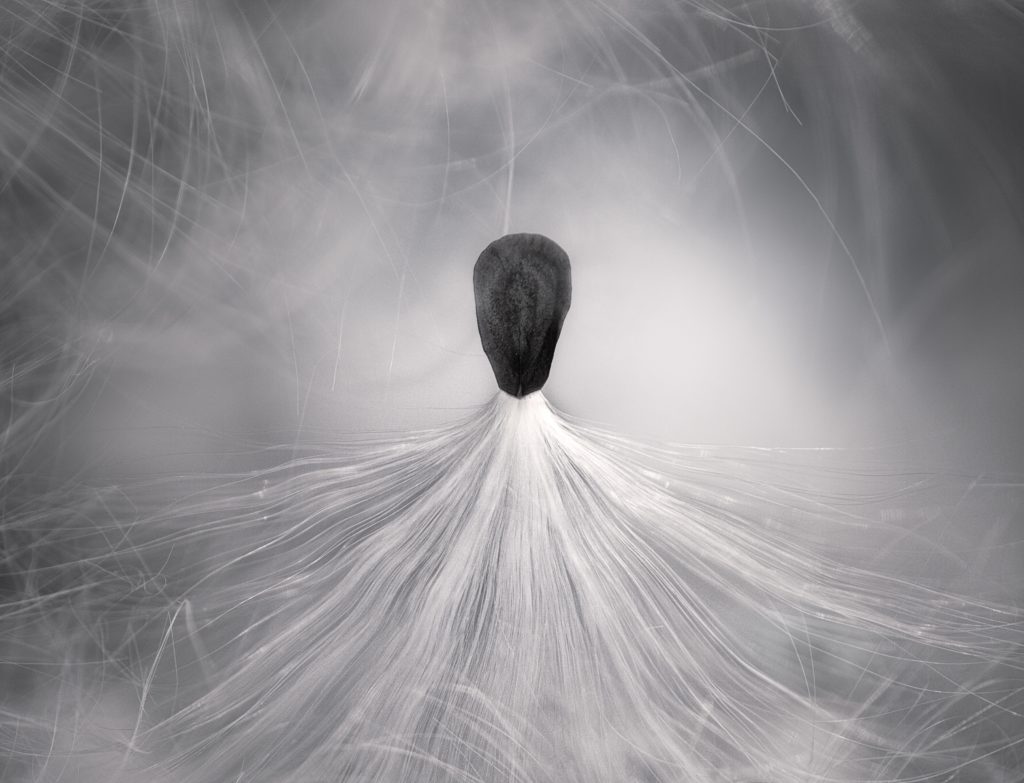
I have my own shield now. I made it (without knowing what I was doing) out of dragonfly wings, cobwebs, stardust and the sound of bats flitting around my head in the dusky barn on their way out to hunt. I made it out of integrity, passion, dance, laughter, creativity, ritual and spirit. There’s room behind my shield for others to rest, breathe and make shields for themselves, but I’m not spending my days searching for those in need of such a shelter. I can’t make a shield for you or even my most beloved to carry. I can’t keep everyone or anyone safe. I can’t shelter the world.
The only person in charge of my safety is me. The only person I have a responsibility to keep safe is me.
I am not a shield. I don’t have to take the blows or go to war. I don’t have to buffer, neutralize or ameliorate the experience of life for others. I don’t have to prostitute and beg in order to be dragged behind someone else’s shield. I made exactly what I need for myself, and no one can take it away from me.
Knowing I have what I need, I’m no longer approaching interactions with others from such desperation to be cared for. I still don’t like to ask for help, but I’m practicing doing it anyway. I’m much better at taking care of myself and no longer put the needs of others before my own. I’ve developed useful coping mechanisms that help me feel safe.
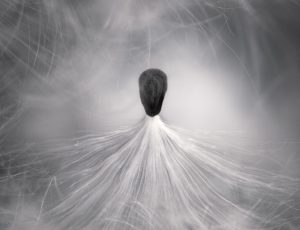
Photo by Robert Zunikoff on Unsplash
We all construct shields emotionally, intellectually, behaviorally and with our choices. None of them really protect us from our fears or the experience of life. There is no way to shield against generalized fear and anxiety. It’s counterintuitive, but the best path I’ve found to feeling safer and more secure is to drop my armor and open my arms to my fears. I don’t know why that works, but it does. Monsters are ten times larger when I’m running away from them. When I run toward them they shrink before my eyes, and sometimes they even run away from me. That’s why I build my shield from things like iridescent hummingbird feathers and milkweed fluff. It won’t stop a harsh word or a bullet, but I carry with me joy, wonder, awe, mystery and beauty. My shield is a story of love and a story about what makes life worth living. It reminds me to stand tall and unafraid, looking life in the eye, confident in my ability to endure, heal, laugh and learn.
From behind the shield: My daily crime.

Photo by Henry Hustava on Unsplash
All content on this site ©2018
Jennifer Rose
except where otherwise noted
by Jenny Rose | Apr 11, 2018 | Power
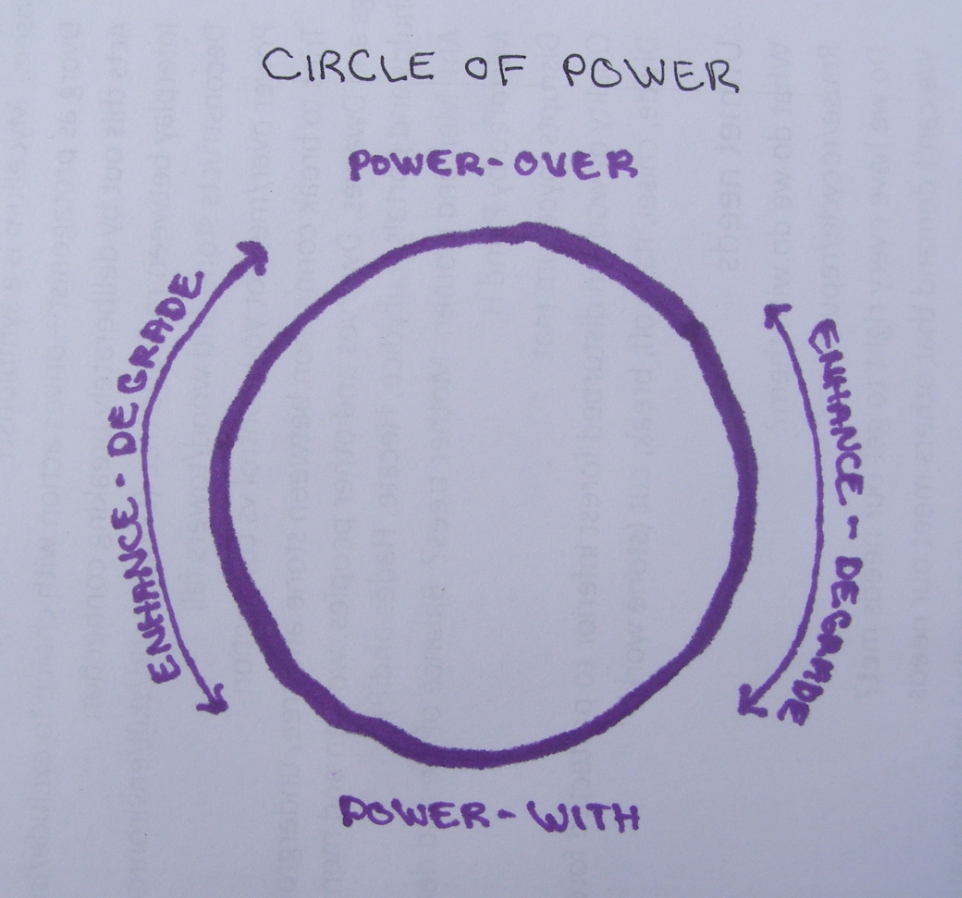
I’ve written before about two positions of power: Power-over (maintaining or creating power inequality) and power-with (maintaining equal power). I’ve thought of this as a complete dichotomy, an either/or lens through which I look at all interactions and relationships, both mine and those around me. Lately, though, I’ve seen two other dimensions in the way we manage power. We are agents of power enhancement or power degradation.

Photo by Ev on Unsplash
Power enhancement and power degradation are the states between power-over and power-with. If we seek to steal the power of others, we begin by sabotaging cooperation, negotiation and equal access to resources — all those things that create communities based in power-with. If our sabotage is successful, power degradation begins. We don’t have complete power-over, not yet, but we are beginning to break down independence, self-sufficiency and the boundaries of others. We are actively working behind the scenes, slowly and subtly corrupting power wherever we can. We might, at this point, have a change of heart and begin fostering behaviors and situations that recreate and enhance power-with, or we might continue with our goal of power-over. Once our goal is attained, we can cease to lurk in the shadows (or under our sheepskin) and come into the spotlight, flushed and triumphant, bloated with stolen power and proud of it.
On the other hand, if we seek to empower others who have been embedded in a power-over dynamic, we begin by managing our own power in such a way that we enhance the power of the disempowered and degrade the power of those maintaining or creating a power-over status quo. Ideally, we don’t give our power away, because that’s a finite resource and leads to burnout and exhaustion. A better way is to use our power to teach, to lead, to support, to legislate and to generally become the wind beneath someone else’s wings. In other words, we appropriately invest our power into teaching others how to discover, reclaim, maintain and manage their own.
An abused child or woman is not going to know how to take care of themselves and function, even if their abuser is magically whisked away. They have to learn. Actually, first they have to unlearn what they already know — all the coping mechanisms that kept them alive in their situation but won’t work well in the wider world — and then they have to learn new skills and behaviors. That takes time, appropriate support from power enhancers and protection from power degraders, at least temporarily, while the victims of power-over learn how to find and reclaim their own power.
The people who live and embody these two intermediate positions of power, enhancers and degraders, are my people — the caregivers. We are the parents and the teachers; the mentors, spiritual leaders, coaches, medical professionals and volunteers who work at shelters, missions, soup kitchens, and out of tents in far-flung places. Interestingly, most of these folks once came from the exterminated middle class. Also interestingly, we see frequent headlines about how some people in this group misuse their position of power and authority in the guise of “helping” others. Shielded by the mask of a power enhancer, they act as power degraders, abusing and exploiting others unchecked, sometimes for decades.
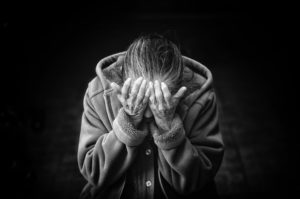
Photo by Cristian Newman on Unsplash
Power enhancement and degradation are not black/white good/bad positions. Many grassroots organizations seek to degrade power in an effort to address our power-over culture and help others reclaim their rightful power. You might say their agenda is to equalize power. The Southern Poverty Law Center is an excellent example. As parents, we might hope to work as power enhancers for our children. As resistance volunteers, we might work against organizations supporting inequality.
It’s important to note our culture doesn’t financially support people in these positions of power particularly well. Teachers strike for better pay. Coaches lay down their lives in bullet-riddled school hallways. Nurses and doctors are vulnerable to addiction, burnout and fractured relationships. Ditto police and firefighters. Compassion fatigue is epidemic. None of these people are millionaires, and some are becoming homeless in places like California as the cost of housing skyrockets. I also note how many of these positions are filled by volunteers. I myself did volunteer fire and rescue work for years, and then animal rescue work and hospice. Red Cross depends on its volunteers. Many healthcare facilities and schools rely heavily on volunteers, as well as sports teams, churches and countless human rights organizations.
Yet it seems to me power enhancers and power degraders are the most important people in our communities. They have the ability to lift others up into integrity and excellence or destroy them. They shape our health, the way we learn and think (or not, sadly), and our spiritual wellness. We trust them with our children, our souls, our secrets and our lives. When they stumble, burn out, fail or waver, we roar with fury, demand justice and retribution, riot and demonstrate, never considering we are the ones who put them in such dangerous, risky, heartbreaking and impossible positions in the first place. We place them on the front lines, put them under constant public scrutiny and pressure and make them responsible for understanding and fixing our increasingly unequal and dysfunctional social power dynamics.
Consider what a professional athlete gets paid, or an entertainer, or a “successful” politician. Compare that to what your children’s teachers are paid, or your local police or fire people, or your nurse practioner or the local softball coach or scout leader. Who has more direct influence in your life and well-being? Who will come help you in the middle of the night, organize community support or assist you with wedding or funeral arrangements?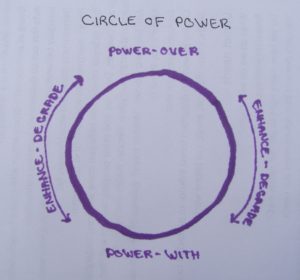
Here is a graphic demonstrating the circle of power. (Please take a moment to notice the cutting-edge high tech used to generate this graphic. Impressive, yes?) Currently, a power-over dynamic is running the show, and it lies directly across the circle from power-with. We each occupy a place or places along the circle of power, and those places are dynamic and fluid, depending on the daily and even hourly choices we make. Some people spend most of their lives trying to equalize power between people while others work tirelessly to create and maintain unequal power. We all, whether consciously or not, behave in ways that degrade or enhance our own power and the power of others.
Photo by whoislimos on Unsplash
Nobody teaches us about power. Not our parents or schools, and certainly not the media. Yet our inherent rightful power and our need to manage it appropriately and effectively transcends ability level, age, race, sex or socioeconomics. Individual power is apolitical. We all can take the same class, if only we can find teachers.
The problem is, there is no class and our best teachers are exhausted, demoralized, underpaid, underappreciated, overworked and drowning in a crippled education system while others are busy exploiting their positions in order to degrade the power of their students and colleagues. Even if some of the former know something about power management, they’re not in a position to teach anyone else about it. Power management and emotional intelligence skills (which are inextricably intertwined) are not going to show up on a standardized test or entrance exam.
We don’t know how to manage and maintain our power. We haven’t learned it and we can’t teach it. Yet we expect those people who support, protect and serve our communities, all those people who take intermediate roles of power enhancers and degraders, to remain uncorrupted and infallible and spotlessly kind, compassionate, moral, ethical, and just plain GOOD. We give them power and authority blindly, because we can’t recognize appropriate power management from inappropriate either, and expect them to figure it out and do the right thing. We sure as hell don’t know what to do! When that doesn’t happen, we’re angry and we look around for someone to blame, someone or something to scapegoat.

Photo by Talles Alves on Unsplash
How can we expect things to get better if we don’t make some changes?
I suggest we must begin at the beginning, at the foundations, with our children, which means a new paradigm of parenting. Every single adult coming into meaningful contact with a child must be reeducated about the continuum concept and connection parenting. Children need appropriate connection and bonding throughout childhood. If that happens, they learn emotional intelligence and become secure, confident, curious, joyful people who practice power-with as a matter of course, because their own power has never been corrupted or coerced.
How do we freeze everyone in their tracks, wipe their data banks clean and overwrite with better information? How can meaningful change take place if we don’t?
Don’t ask me. I can think about it and write about it, but I have no idea how to tackle such an overwhelmingly impossible task, even if everyone would consent to it, and most won’t. They don’t want to give up whatever power they feel they do have, even if it’s just over their children.
In the meantime, there’s only this small attic room; a grey, chilly spring day outside; and whatever I do or don’t do with my portion of personal power this minute, this hour, this day. I will make choices to enhance or degrade the power of everyone I interact with, including myself. I’ll write, go swimming and pick up birdseed for our empty feeders. I’ll observe others, think about power and try to make mindful choices.

Photo by juan pablo rodriguez on Unsplash
All content on this site ©2018
Jennifer Rose
except where otherwise noted
by Jenny Rose | Mar 15, 2018 | Power

Photo by Vladislav M on Unsplash
I’ve always been fascinated by the psychology of survival. I observe that we as a culture are obsessed with heroes and rebels and the endless struggle between archetypal good and evil. Survival kits are becoming a thing in marketing. Preppers write blogs and have TV shows.
Interestingly, our social and cultural world actively inhibits our ability to survive in all kinds of ways. Public school education might be said to be a long indoctrination in anti-survival. We spend hours with our mouths open in front of screens in dark rooms, enchanted by movies and games. Congregations of fans share reverence for comic book characters and the happenings in galaxies far, far away. We debate, criticize and celebrate the way these carefully constructed heroes dress, speak, look, act and collaborate with special effects. We have high expectations of our heroes. We imbue them with nostalgia. We expect our heroes to be just, compassionate, intelligent, interesting, attractive, moral, humorous, strong and poised.
Meanwhile, dangerous events take place in our families; in our workplaces, subways, airports and schools; in our world.
We wait for someone to neutralize the danger, clean it all up, drain the swamp, and make it all fair. We wait for rescue. We turn a blind eye. We do whatever it takes to distract ourselves from uncertainty, fear and our own powerlessness. We watch the beast lumber toward us and deny its presence, deny its existence until we find ourselves in its belly, and then we still refuse to believe.
I’ve been reading author Laurence Gonzales. He’s written several books (see my Bookshelves page). We have Deep Survival and Everyday Survival in our personal collection. Gonzales has made the subject of survival his life’s work. He’s traveled extensively, synthesized studies and research and spent hundreds of hours interviewing people involved with all kinds of catastrophes, both natural and man-made. His books are thoughtful, well-written, extraordinarily well researched and utterly absorbing.
Gonzales uncovers the astounding complexity of human psychology and physiology as he explores why we survive, and why we don’t. He’s discovered some profound and surprising truths.
The best trained, most experienced, best equipped people frequently do not survive things like avalanches, climbing accidents, accidents at sea and being lost in the wilderness. Sometimes the youngest, weakest female has been the sole survivor in scenarios like this. It turns out some of the most important keys to survival appear to be intrinsic to our personalities and functioning, not extrinsic.
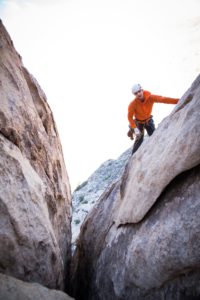
Photo by Tommy Lisbin on Unsplash
Gonzales does not suggest, and nor do I, that training, equipment and experience don’t count, just that they’re not a guarantee. In some cases, our experience and training work against us in a survival situation, because we assume a predictable and familiar outcome in whatever our activity is. We’ve made the climb, hike, journey before, and we did just fine. We’ve mastered the terrain and the necessary skills.
Mt. Saint Helen’s had never erupted before. Therefore, all those people who stood on its flanks and watched in wonder failed to grasp that something new and unprecedented was happening. Their inability to respond appropriately to a rapidly changing context killed them. The same thing happens during tsunamis. People are awed and transfixed. They have no direct experience of a tsunami bearing down on them as the water rolls back to expose the sea bed. They don’t react in time.
There’s a model called the OODA loop. The acronym stands for Observe, Orient, Decide, Act. Our ability to move quickly through the OODA loop is directly linked to our ability to survive.
Observation, the ability to be here now, the ability to recognize what is, is something everybody can practice all the time. No special equipment or training needed. What is needed, though, is the emotional and cognitive willingness (consent, if you will) to set aside our distractions, addictions, rigid preconceptions and expectations (often invisible to us, making them even more deadly) and dependence on stimulation. It also requires a mind set of self-responsibility. It turns out movie theatres, schools, concert venues and many other places are not safe. We can debate, deny and argue; protest and rally; scapegoat and write new laws. We are and we will. In the meantime, the reality is we are increasingly unsafe in many public places, and no one has the power to wave a wand and take care of that for us.
It’s up to us to take care of ourselves. That starts with observation.
In my post on self-defense I mentioned situational awareness. Our instructor emphasized that skill as being more important than any other move or weapon. If we see or sense something dangerous in our vicinity, it’s up to us to orient and move to a safer location.
That brings up another very important survival skill: instinct. At this point science cannot measure instinct, but Gonzales’s instinct about getting on a certain plane saved his life once, and many of us have similar stories. As far as I’m concerned, instinct is part of observation. What do we observe? How do we feel about what we observe?

Photo by Wynand van Poortvliet on Unsplash
Our instinct is blunted in all kinds of ways. It’s mixed up with political correctness, including racial profiling. Few of us want to demonstrate discomfort around others for any reason these days. I invariably feel guilty when I react to someone negatively, even if my reaction is entirely private. It’s bad and wrong to judge, to cross the street to avoid somebody. It’s ugly and hateful.
Additionally, I’m a woman and I’m highly sensitive, which makes me particularly attuned to body language, voice inflection and all the clanging (to me) subtext of communication beneath whatever words are spoken. I can’t prove my intuition. I can’t demonstrate it logically. I have no wish to diminish or disempower others. I’m not a bigot. All people have energy and sometimes it’s foul. I reserve the right to move away from it. If that makes me hateful, woo, dramatic or hysterical, so be it. I’m accomplished in the art of noncompliance, but many are not.
If we only see what we expect to see, we aren’t observing. If we fail to see what we’re looking at, we’re not observing. If we can’t take in the whole picture, we’re not observing. If we look for something instead of at everything, we’re not observing. We’ve already broken the OODA loop.
Observing and orienting mean coming to terms with what we see. The plane is down. Our ankle is broken. We’re lost in a whiteout blizzard off the trail. We can’t decide how we’re going to survive if we’re unable to accept and orient to what is.
As a young woman, I did fire and rescue work. I was an IV-certified EMT, and I learned in those days that panic, fear and despair are killers. They’re also highly contagious. People who survive lock those feelings away to deal with after they’re safe again. Gonzales found, amazingly, some people will sit down and die, though they have a tent, food and water in the pack on their back. They just give up.
I also learned that the hysterical victims are not the ones most likely to die in a multiple trauma event. They demand the most attention, certainly, but it’s the quiet ones who are more likely to have life-threatening injury and slip away into death. The screamers and the drunks, the ones blaming, excusing and justifying, are frequently the cause of the accident and retard rather than assist in the survival of themselves and those around them.
On the other hand, strength, determination and calm are also contagious. If just one or two people in a group keep their heads and take the lead, chances for survival begin to increase for everyone.
When I was trained as a lifeguard and swimming teacher, I learned something that’s always stayed with me.
You can’t save some people. It’s possible to find yourself in a situation where, in spite of your training and best efforts, the victim is so combative or uncooperative, or the circumstances so impossible that the choice is between one death or two. This fact touches on my greatest impediment to survival, which, ironically, is also one of my greatest strengths.
My compassion and empathy mean I frequently put the needs of others before my own. I do it willingly, gladly, generously and out of love. It’s one of my favorite things about myself, and it’s also one of my most dangerous behaviors.
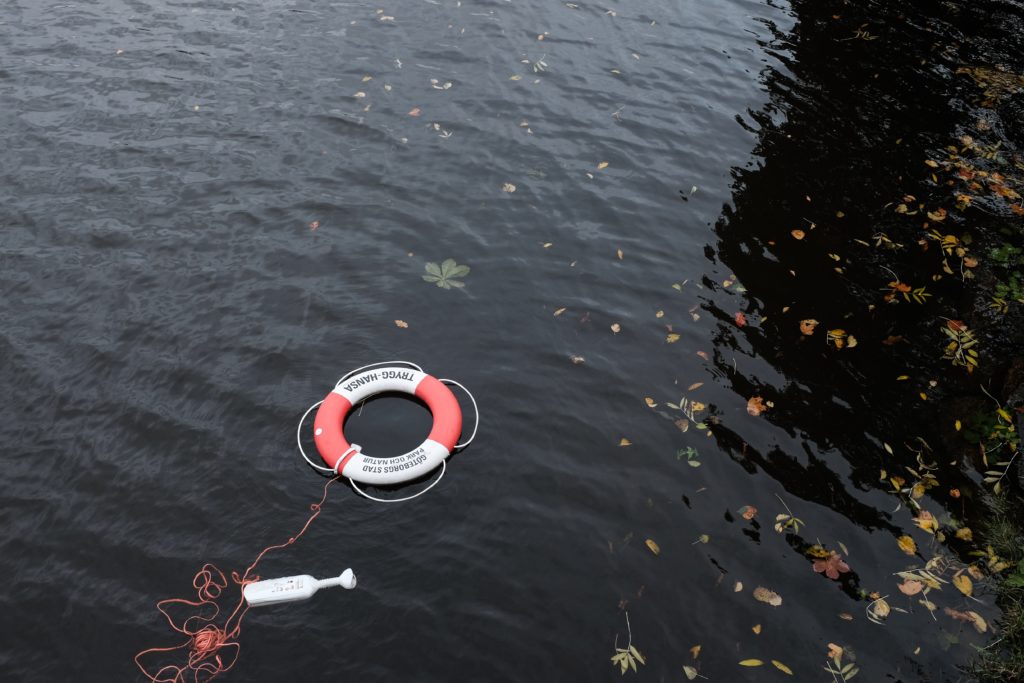
Consider a scene many of us are metaphorically familiar with. Someone nearby is drowning. They’re screaming and thrashing, weeping, begging to be saved. We throw them a rope so we can pull them out. They push it away and go on drowning because the rope is the wrong color. Okay, we say, anxious to get it right and stop this terrible tragedy (not to mention the stress-inducing howling). We throw another rope, but this one is the wrong thickness. It, too, is rejected, and the victim, who is remarkably vocal for a drowning victim, continues to scream for help.
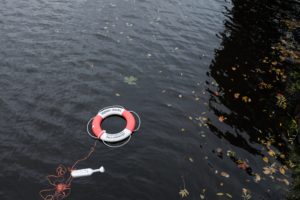
Photo by Lukas Juhas on Unsplash
On it goes, until the rescuer is exhausted, desperate, deafened and feeling more and more like a failure. Meanwhile, the “victim” goes on drowning, loudly, surrounded by various ropes and other lifesaving tools. We, as rescuer, are doing every single thing we can think of, and none of it is acceptable or adequate. In our frantic desire to effect a rescue at the cost of even our own lives, we’ve ceased to observe and orient. We’re not thinking coolly and calmly. We’re completely overwhelmed by our emotional response to someone who claims to want help.
The survivor in this picture, my friends, is not the rescuer. The so-called victim is the one who will survive. If they do grudgingly accept a rope and are successfully pulled out of the water, they immediately jump back in.
The will to survive is an intrinsic thing, and I can’t give or lend mine to someone else. People who can’t contribute to their own survival, and we all know people like that, are certainly not going to contribute to mine, and some will actively and intentionally pull me down with them, just because they can.
I don’t have to let that happen, but in order to avoid it I need to be willing to see clearly, accept what I see, cut my losses and act in my own behalf. Real life is not Hollywood, a comic book or virtual reality. It’s not my responsibility to be a savior, financially, emotionally, sexually or in any other way. The word survivor does not and cannot apply to everyone.
It’s a harsh reality that doesn’t have much to do with being politically correct or approval and popularity, and most people have trouble facing it, which will inhibit their survival if they ever find themselves in an emergency situation.
Gonzales covers this at some length in Deep Survival, and he rightfully points out that compassion and cool or even cold logic are not mutually exclusive. People in extreme situations sometimes have to make dreadful decisions in order to live, and they do. A compassionate nature that does what must be done may buy survival at the cost of life-long trauma. Ask any combat veteran. This is the side of the story the Marvel Universe doesn’t talk about. Survival can be primitive, dirty and gut wrenching. Sending blue light and thoughts and prayers are not the stuff of survival.
Clear orientation leads to options and choices. Evaluating available resources and concentrating on the basics of survival: water, food, shelter, warmth, rest and first aid are essential. Thinking coolly and logically about what must be done and breaking the task into small steps can save people against all odds.
Sometimes, death comes. Eventually, we all reach our last day. In that case, there’s no more to be said. Yet the mysterious terrain on the threshold between life and death is remarkably defining. I wonder if perhaps it’s the place where we learn the most about ourselves.
Photo by Andrew Neel on Unsplash
I’ve known people who stockpile weapons and ammo, bury gold in bunkers, build off-grid compounds and obsess about survival equipment and bug-out bags. Many wilderness schools teach basic and advanced survival techniques. Some folks put all their financial resources into prepping for catastrophe and collapse. I’m nervous about the state of the world on many levels myself, so I understand, but I can’t help thinking that investing in a story about living in a guarded, fully-equipped compound is not much better than investing in a story that water will continue to run from faucets, a wall socket will deliver electricity and grocery shelves will hold food, forever and ever, amen.
After reading Gonzales, I’m considering maybe simply living life is the best preparation for survival. Trusting my instinct; learning to manage my power and feelings; being aware of the limitations of my experience, expectations and beliefs are all investments in survival. Simply practicing observation is a powerful advantage. I don’t have money to spend on gear and goodies I might or might not be able to save, salvage or retain if things fall apart. The kind of investment that will keep me alive is learning new skills, staying flexible and adaptive, developing emotional intelligence and nurturing my creativity. No one can take those tools away from me and I can use them in any scenario.
We’re born with nothing but our physical envelope. Ultimately, perhaps the greatest survival tool of all is simply ourselves, our wits and our will.
All content on this site ©2018
Jennifer Rose
except where otherwise noted
by Jenny Rose | Mar 1, 2018 | A Flourishing Woman, Creativity
Alchemy: A seemingly magical process of transformation, creation, or combination (online Oxford Dictionaries).
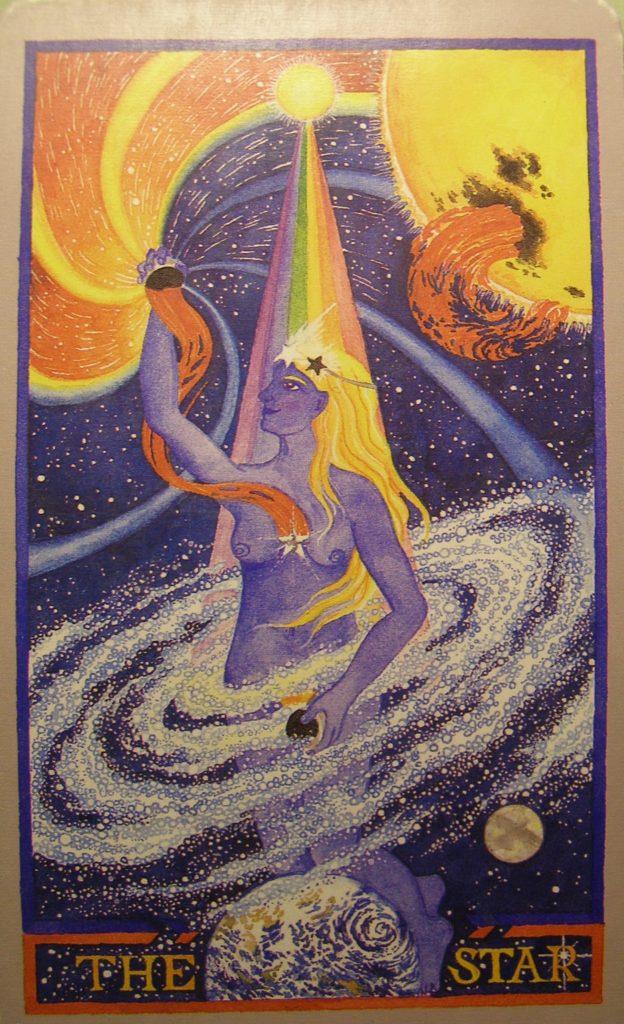
The Star
Emotional intelligence training opened my eyes to the power of needs in our human experience. Coming to terms with my own needs catapulted me into a new life. During the months in which I learned to navigate through my feelings, needs (click here for needs inventories), limiting beliefs and stories, I kept coming back around to the same question.
If I accept that all human beings have needs, and a right to have them met, what then do I do with my unmet needs, past and present?
We might all have a right to get our needs met, but that doesn’t mean we have a guarantee they will be met, or that we can hold anyone responsible for meeting them. We can meet some of our own needs, but not every one. Some needs require healthy connections with others, but not everyone has that. Some people don’t have a single healthy connection with another human being, let alone many, and one relationship can’t meet all our needs.
Unmet needs are devastating, make no mistake. They drive addiction, all kinds of violence and power-over behavior (like school shootings), mental and physical disease and illness, and suicide. A chronically unmet need is a nonhealing, stinking ulcer on the soul. We may hide it from others and even ourselves, but it never stops oozing blood and pus. Unmet needs can cripple and/or kill us. We can let go of some people, behavior and beliefs, but needs are intrinsic.
None of us can entirely meet another’s needs. We all have limitations of some kind, and finite resources of time and energy. Being unable to meet another’s needs is not necessarily because we’re unloving or uncaring. Most of our close relationships probably do meet some of our needs some of the time, and we meet some of their needs some of the time. It’s not black or white. It’s a continuum, a balance of reciprocity.
So, I ask again, what about our needs that just don’t get met because even our healthy connections are unable to fill them?
At that point we make choices. We can choose to:
- Act out in some desperate, destructive or deadly way that hurts ourselves or others.
- Blame the people around us for failing to meet our needs.
- Blame ourselves for having needs and feeling the pain of having them unmet.
- Deny that we need anything from anyone — ever (my personal favorite).
- Figure out how to neutralize the experience of unmet needs.
By neutralize, I mean accept and surrender to how painful it is to carry around a bone-deep, persistent longing for something that’s unavailable.
Acting out has never been my style. I’m also not much interested in blaming others for what goes wrong in my life. It feels like a cop-out and it disempowers me. Blaming myself — now that I’m very good at. I’ve spent years perfecting the art of self-loathing, but it’s never been helpful. Not even one time. Besides that, it hurts. I can’t pull off denial, at least not for long. I might refuse to admit certain things to someone else, but I don’t play games like that in the privacy of my own head. I have a file in my documents labeled ‘Denial File.’ Now and then I put something in that file and leave it there while I wrestle with my unwillingness to believe. When I’m ready to stop arguing with what is, I take it out and re-file it. Usually, the Denial File is empty, but I like knowing it’s there for the really tough information.
That brings me to the last choice, which leaves me standing squarely in my power. I don’t hurt myself, I don’t hurt anyone else and I get to think outside of the box — my favorite thing! What kind of alchemy transforms, creates or combines an unmet need into something beautiful?
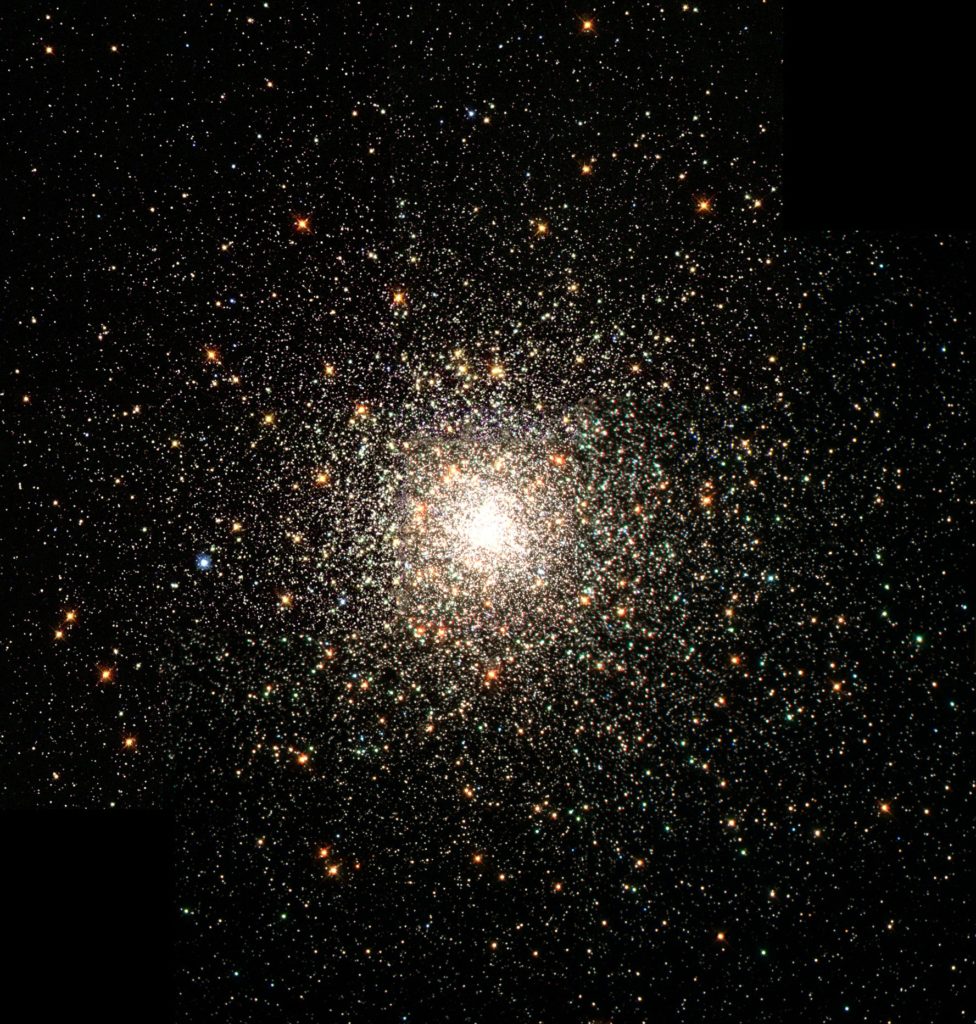
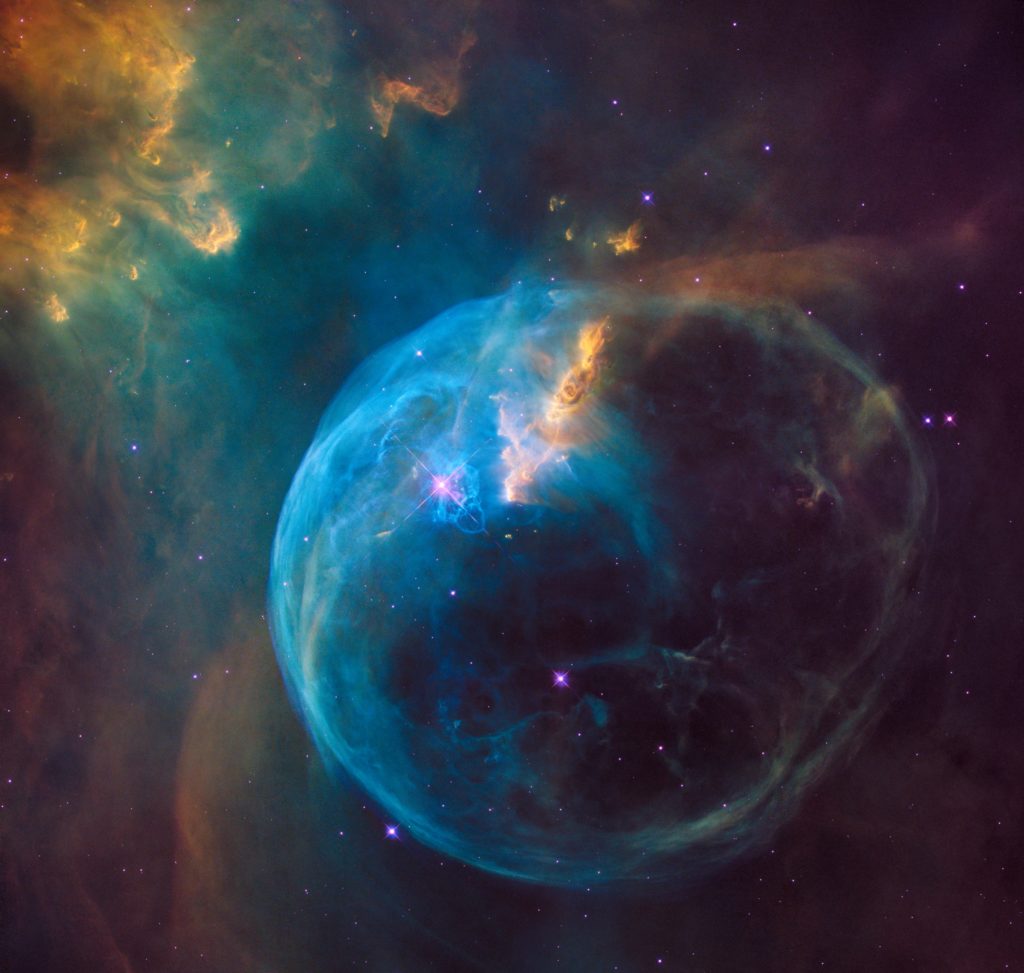
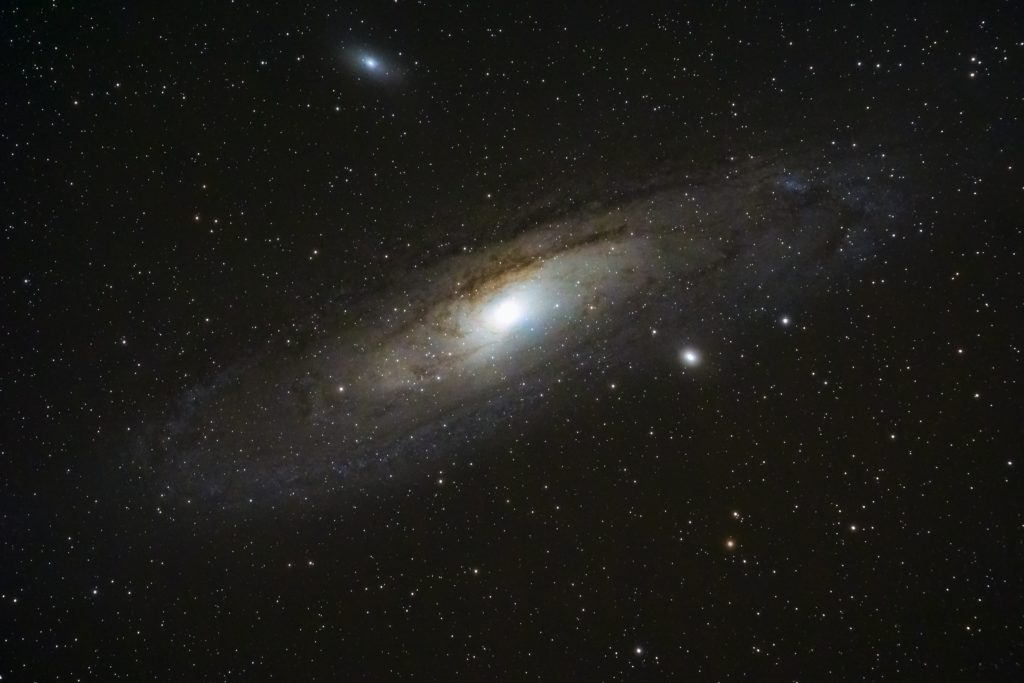
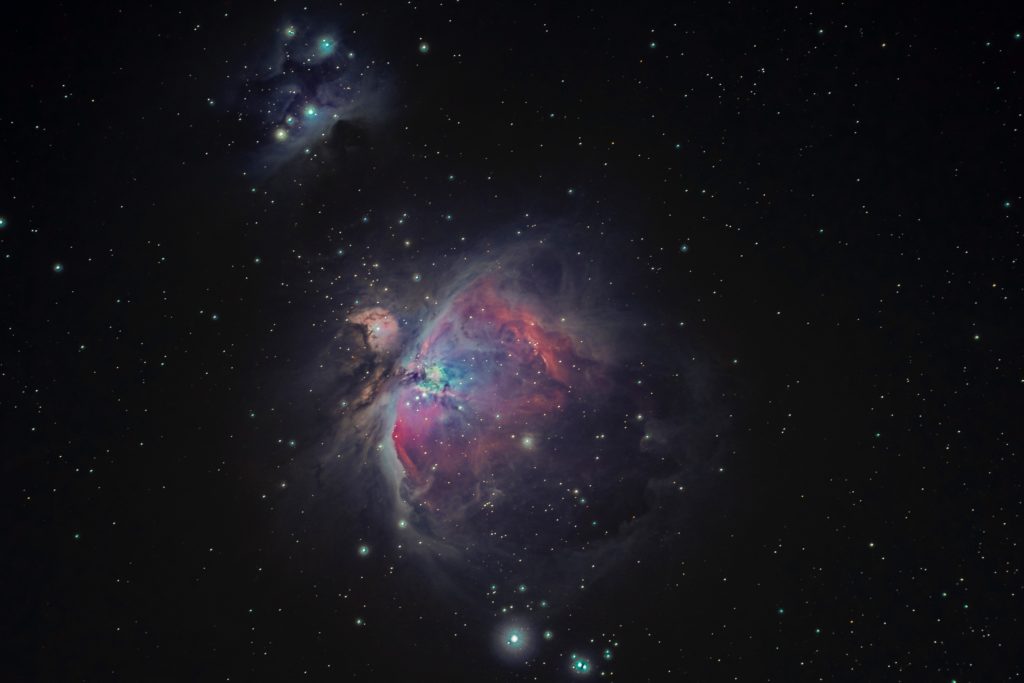
For several months I’ve been researching outer space for my second book. I’ve compiled lists of constellations and the mythology around them. I have definitions of meteors, comets and nebulae. I’ve spent hours looking at images from space. Astounding, mysterious, vast and lovely, the universe is infinitely larger than the largest playing field I can imagine. I gulp down science fiction books and I’ve watched hours and days and weeks of Star Trek, Stargate, Battlestar Galactica, Firefly and yes, yes, Star Wars!
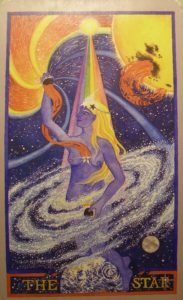
I also, fairly frequently, turn up The Star card when I work with my Tarot deck. The Star symbolizes creative powers, confidence and diversity.
So, what if I create a cosmos? Great word, cosmos. It means “the universe seen as a well-ordered whole” (online Oxford Dictionaries). I’m always in favor of well-ordered, especially when I get to define it. All the pieces of my experience, including unmet needs, are part of a whole. I prefer combination and integration to amputation.
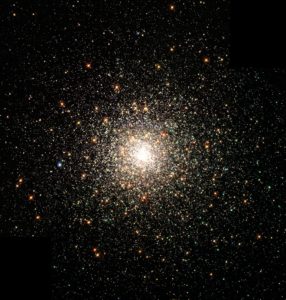
Photo by NASA on Unsplash
Here I am, with my unmet needs, my history, the people who have been significant in my life and a lot of passionate feelings to express and process. I’m an alchemist, a creator, and before me is a vast black nothingness.
I want stars in my cosmos, so every tear I’ve ever cried becomes a star. I fling them far and wide, like handfuls of tiny crystals. My cosmos is so vast there’s always room for more.
I want planets in my cosmos. I hang them carefully, one by one. These are the people in my life, past and present, living and dead. Some are hot planets, sere and lifeless. Others are cool and green and blue. Every cosmos needs a bloviating, bullying gas giant with heavy gravity that sucks more than its fair share of, well, everything! Rings are decorative, and spots and alien seas and strangely-shaped continents. Also, sand dunes and storms, poisonous (to us) gases, radiation, erupting volcanoes, mountain ranges and glaciers.
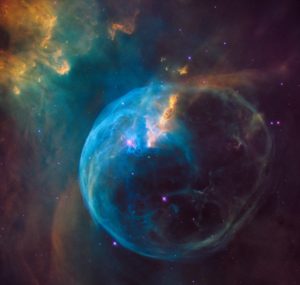
Photo by NASA on Unsplash
How about moons? Cool and sterile or lush and verdant; I definitely want moons. I want constellations, too, and stories to go with them. Blazing meteors and trailing comets add movement. Nebulae add color and mystery. Galaxies swirl and spiral or spill like ribbons of milk against the darkness. Black holes suck. Suns supernova.
One by one, I use my unmet needs to decorate my cosmos. I turn them into color, texture, pattern, alien world, moon, star, sun, comet, meteor and nebula. I name them, animate them with feeling, polish them like jewels and set them in place. Maybe they stay in the farthest reaches of my cosmos, where I rarely visit them, or maybe I keep them closer. Perhaps my unmet needs appear from time to time in a meteor shower or a comet with a long tail, and I marvel at their beauty and mystery and remember again their taste and feel before they burn away to ash or disappear behind a planet.

Photo by Bryan Goff on Unsplash
My cosmos is my laboratory and my kitchen, illuminated by starlight. I stir and simmer over the heat of suns; chop and mix under waxing and waning moons; grind alien insects, rocks and roots for pigment and infuse gas and cosmic dust with color. I orbit, I dance from galaxy to galaxy in bare feet, combine a pinch of this with a handful of that until I float, weightless and free, in a cosmos of my own design and decoration.
Whenever the world is too much with me and I find myself staggering under burdens of unmet needs and other things I cannot release, I unlock a hidden door with the key I carry between my breasts and find star candles lit, suns asimmer, planets revolving and black holes lurking. Mortar and pestle, cauldron and crucible wait for my magical offerings as I combine, create and transform the material of my life into a complex and resplendent whole.
Alchemy. My daily crime.

Photo by Bryan Goff on Unsplash
All content on this site ©2018
Jennifer Rose
except where otherwise noted
by Jenny Rose | Jun 15, 2017 | Authenticity, Emotional Intelligence, Needs
I was absent last week in order to take a trip back to Colorado and finish selling my house. On the road, I thought about my last post and the second part of coming to terms with needs. Discovering, admitting and identifying one’s needs is, alas, just the beginning of what I suspect is a lifelong journey.

Photo by Will Shirley on Unsplash
So, to recap my last post, we all have needs, and we’re all driven by our needs, whether or not we’re aware of them. If we’re not aware of our needs or those of others, great big elephants are standing in the middle of our living rooms, invisible to us until we run into them, or they step on us. Our relationships and lives don’t work well and we have no clue why.
One of the trickiest parts of thinking about needs is taking responsibility for them. If we look at the needs inventory, consent to recognize and admit our needs and make a list of them, it seems logical to begin to evaluate how well our needs are being met by others.
Here’s the thing, though. All the people around us have needs too, some identical to ours and some different. That doesn’t mean we’re responsible to meet all those needs, and they’re also not responsible for meeting our needs.
Newsflash! Having a right to get our needs met and understanding our needs are as important but not more important than everyone else’s doesn’t guarantee our needs will actually be met by … anyone.
This seems unfair to me. Excavating my own needs and acknowledging them, even to myself, was a lot of work. I was annoyed when I realized nobody much cared what my needs are. They’re too concerned with their own! What’s the point of this aspect of emotional intelligence, then?
First of all, it’s about adulting. Grownups know who they are, including understanding what they need. Those of us who aspire to adulthood are required to possess this kind of self-knowledge and accept responsibility for communicating our needs to others, not because anyone has an obligation to meet them, but because we’re willing to know ourselves and allow others to know us, too.
Needs are inextricably enmeshed with boundaries. I have a long history of ineffective boundaries, frequently resulting in me choosing the needs of whoever I was with over my own. Paired with another person with bad boundaries, this quickly becomes an unhealthy, unhappy relationship. One of the words we use to describe such a connection is codependent.
The second point about working with needs is understanding our satisfaction and enjoyment of connection with others is directly related to the degree to which our relationships help us meet our needs. This is complicated by the fact that feeling love for someone doesn’t imply our needs are well met in relationship with that person. For example, media-driven portrayals of romantic love don’t address needs at all outside the realm of sex, and sex is not enough to create sustainable, healthy long-term relationships.
Thirdly, we humans have a great propensity to self-destruct when our needs are not well met. We use strategies like substance addiction, sexual acting out, eating disorders and cutting to manage the painful dysfunction of not getting our needs met. Sadly, the culture focuses on fixing the behavior rather than the cause — the unmet need.
Fourthly, making friends with our needs connects us to our power. When we understand what’s not working in our lives and why, we’re empowered to make better choices on our own behalf and create the kind of life we want. We build boundaries. We learn to be more authentic. We learn to be responsible, which is another way of saying we learn to manage our own power.
Another aspect of needs is that they change. Our needs change as we age, as we grow, as we move through our lives. Not only do needs change, we can be wrong about what we think we need and discover, accidentally, needs we never recognized we had.
I said this was tricky, remember?
Having our needs met is not a black-and-white experience. No one person can meet all their own needs or all the needs of another, no matter how beloved. Expecting any single person to meet all our needs puts an unbearable burden on that person and the relationship. Human beings need healthy community because community helps us all meet most of our needs most of the time.
So how many of our needs must be met for a relationship or a life to be healthy and effective? I don’t think there’s a formula for this. I suspect every case is different, because we’re all unique individuals. We have several core needs in common, but we don’t all need the same things to the same degree.
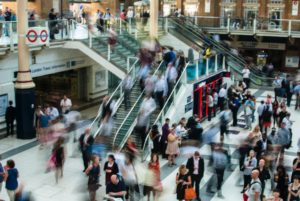
Photo by Anna Dziubinska on Unsplash
For example, think about noise. I’m very sensitive to noise. Prolonged and unrelieved exposure to traffic, loud music, television, crowds, airplane and car noise or even a beeping alarm unhinges me. First I’m frantic, then I’m exhausted and then I’m ill. I have a primary need to control the noise in my environment. I hate crowds, parties, loud restaurants and cities.
Other people don’t seem to even notice noise levels. Many millions live in cities with a constant background of noise quite happily. I was struck by how many people live along the interstate system as we drove from Maine to Colorado and back again. I couldn’t live beside a freeway for a day without losing my mind. Life would literally not be worth living for me.
If my need for a low-noise environment doesn’t get met, nothing else will work for me. I can’t function in a noisy environment, period.
On the other hand, I’ve always believed order in my environment was also an essential need. I’ve lived in such a way that I’ve controlled housekeeping, cleaning, etc., except for private bedrooms and workspaces romantic partners and children have had. Before I came to Maine, I was sincerely certain I couldn’t live happily in disorder, dust and clutter.
Much to my surprise, chagrin and irritation, I’ve discovered I can, at least temporarily. The old farmhouse my partner and I are living in is falling down and loaded with (to my eyes) junk and clutter, most of it undusted for years. I often feel frustrated and resentful about this. However, our relationship is meeting my needs in ways they’ve never been met before, and getting so many needs met balances out the squalor (my interpretation) in the house.
Managing my needs has become a kind of dance. After much practice, I now maintain a friendly relationship (mostly) with my needs as they ebb and flow. I’ve learned to tell others when my needs are not met without apology or justification, as well as communicate what I need simply and directly. I’ve got some beautiful boundaries in place. I’ve learned to ask others what they need, not because their needs are my responsibility, but because I want to support them in getting their needs met. I’ve let go of expectations that anyone is obligated to meet my needs, but I treasure and nurture those relationships in which my needs are met naturally.
I also have precious people in my life whom I dearly love who don’t meet many of my needs, and that’s okay. Those connections are based on other things. I probably don’t meet many of their needs, either, but it’s not for lack of love and it doesn’t mean anyone is bad or wrong.
Managing needs takes a lot of mess and clutter out of my life. If something’s not working, I notice it right away and a little contemplation leads me quickly to the bottom line — what need is not getting met? Where and how am I feeling disempowered? What can I do to help myself and who do I need to have an honest discussion with?

Photo by Bewakoof.com Official on Unsplash
Taking action when there’s a problem, communicating carefully and authentically and taking responsibility for my own needs invites those around me to do the same. Some people will accept the invitation and some won’t. We can’t control what anyone else does or doesn’t do. However, we can choose which connections to put energy into and which to bless and release, and we can commit to managing our needs effectively and appropriately for our own sake as well as the sake of others.
All content on this site ©2017
Jennifer Rose
except where otherwise noted