by Jenny Rose | Nov 10, 2016 | Connection & Community, Emotional Intelligence, Shadows

Photo by David Beale on Unsplash
My partner sent me this quote this morning, and inspired this week’s post.
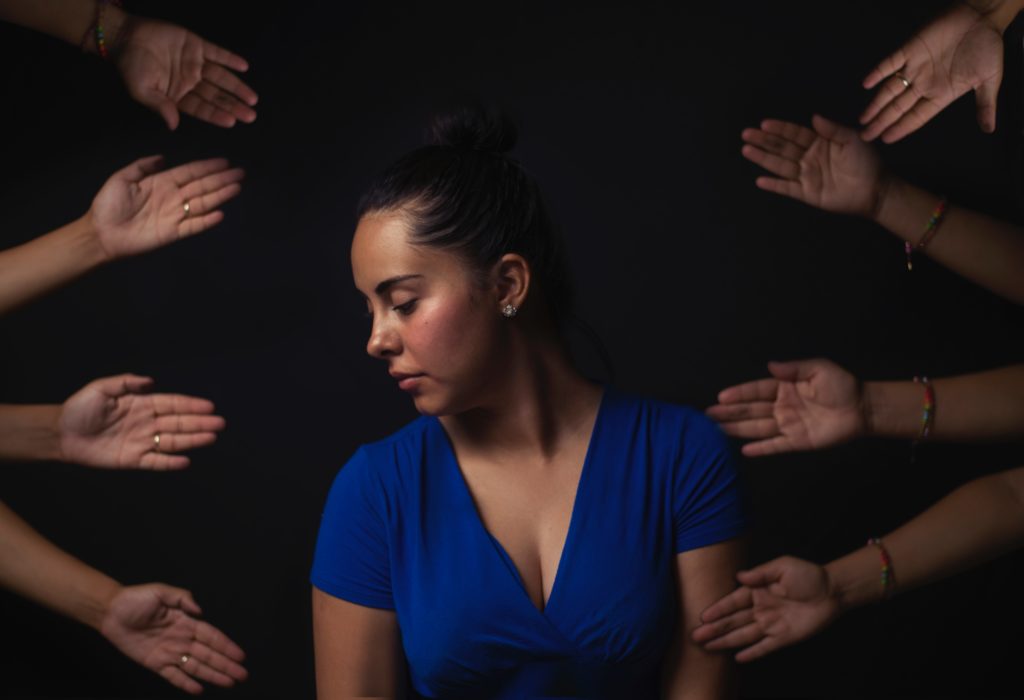
“Being able to feel safe with other people is probably the single most important aspect of mental health; safe connections are fundamental to meaningful and satisfying lives. Social support is not the same as merely being in the presence of others. The critical issue is reciprocity: being truly heard and seen by the people around us, feeling that we are held in someone else’s mind and heart. For our physiology to calm down, heal, and grow we need a visceral feeling of safety.”
— from p. 79 in The Body Keeps the Score by Bessel van der Kolk
As I draft this, it’s Election Day. It’s a work day for me, but I have a long break between a morning and evening shift, so I voted, ate lunch and worked on a big clean-up project my partner and I are undertaking in an outbuilding on our place. The clean-up involves dust, dirt, trash, food debris, rodent and bat droppings, broken glass, sticky empty bottles and cans and cigarette butts. It’s filthy work, but this afternoon, forty-five minutes before I go back to my pay-the-bills job, I feel happier and more peaceful than I have all summer.
I feel safe.
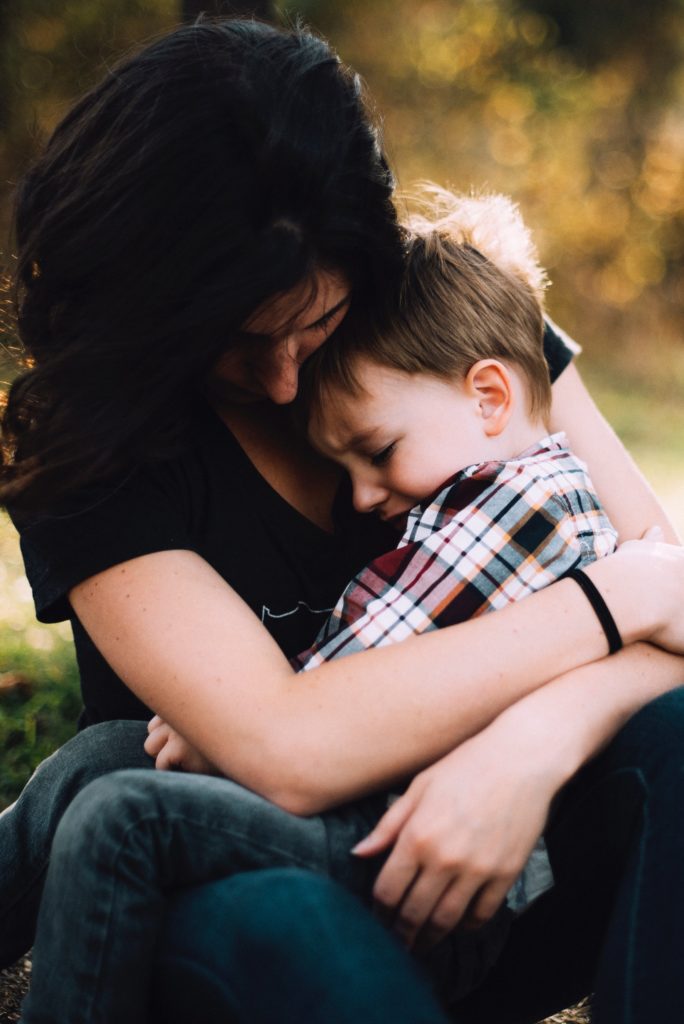
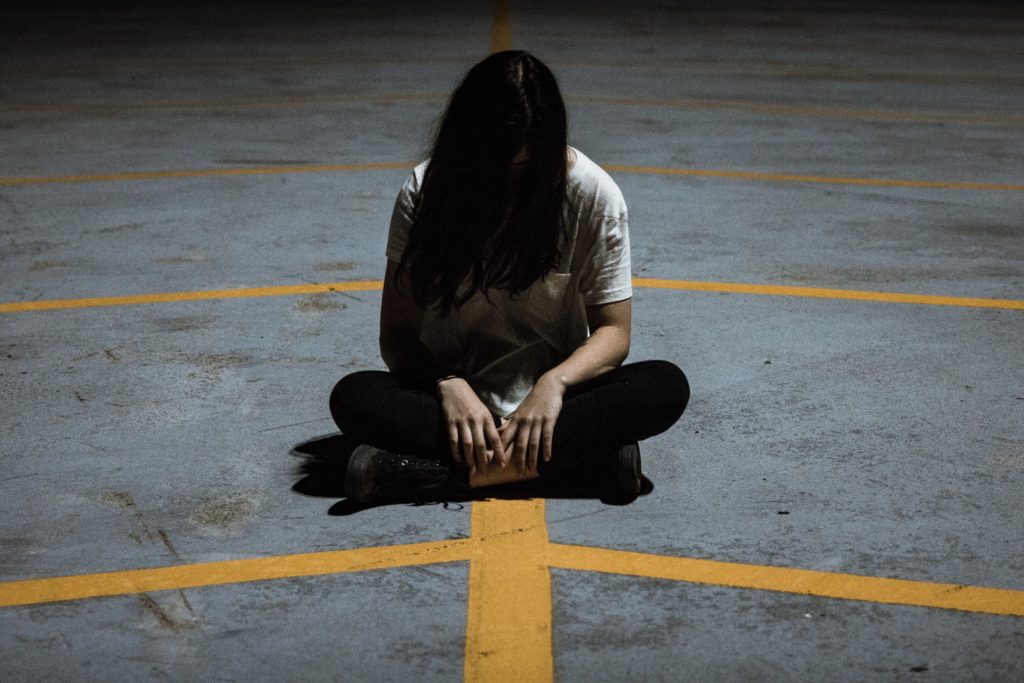
My earliest memories are of feeling unsafe. The people around me were unhappy and unwell. The air was heavy with tension and unexpressed feelings. I was afraid all the time, and I knew that was bad, because it irritated the adults, so I tried to hide it. The world was unpredictable, inconsistent and baffling. Ever since those days I’ve comforted myself in times of stress and fear with a fantasy of being held in loving, protecting arms and feeling safe.
Photo by Jordan Whitt on Unsplash
I’ve been ashamed of that need. If I verbalize such a need, people will hasten to assure me that life isn’t safe, as though I haven’t figured that out, as though that wasn’t the point in the first place! An internal, jeering voice calls me a baby; a weak, pathetic thing, dependent and needy.
Yet safety is the most important thing to me in relationship, and healthy relationship is the most important thing to me in life. I want it more than I want money, more than I want a dream house, more than I want anything I could buy. At this point in my life, I’d much rather be alone than be in relationships that don’t feel safe.
I suppose safety is a term we each define differently, but I know what I mean by it. I mean knowing my thoughts, needs and feelings count. I don’t want to be the most important person in the picture, but I want to be as important as everyone else.
One of the things I need to feel safe is an orderly and predictable environment. That’s why raking up trash, sweeping, packing the car with bottles and cans and watching the man in the bottle shop count them is so satisfying. Creating order out of chaos stops my bleeding. Empty space, a clean dirt floor with the drag marks of the rake in it, allowing the dusty scent of old wood and fallen leaves to replace the smell of stale cigarettes and beer, are all calming. The energy of broken glass and animal-torn trash, the debris of self-destruction, is released. I can breathe again. There’s peace. I’m safe.
I’ve seen a lot of headlines about the national stress around this election. Political opinion and affiliation aside, I think most of us can agree we’ll be relieved to have it over. At this point it’s hard for me to even care who wins — I just want the hate and intolerance to end. It hurts me to see us tear ourselves apart, as friends and families, as communities, as a nation, as a globe. It creates no safety for anyone. We’re all vulnerable to hate.
This afternoon, breaking down cardboard and recycling bottle caps, I knew that part of my feeling of relief is that this election is over today. Whatever happens now will happen, and we’ll all have to go forward. Likely what’s ahead won’t feel any safer than what’s behind, but at least it’s movement away from this.
I wish I could take the last year of presidential campaigning and empty out the dregs of malodorous advertising and sound bites, sort out the ridiculous from the frightening and bag each speech, event and word. I wish I could sweep our memories clean of it, pick up the shattered broken glass of integrity; rake up all the greasy, moldy, broken egg shell stinking scandals and e-mails and recordings.
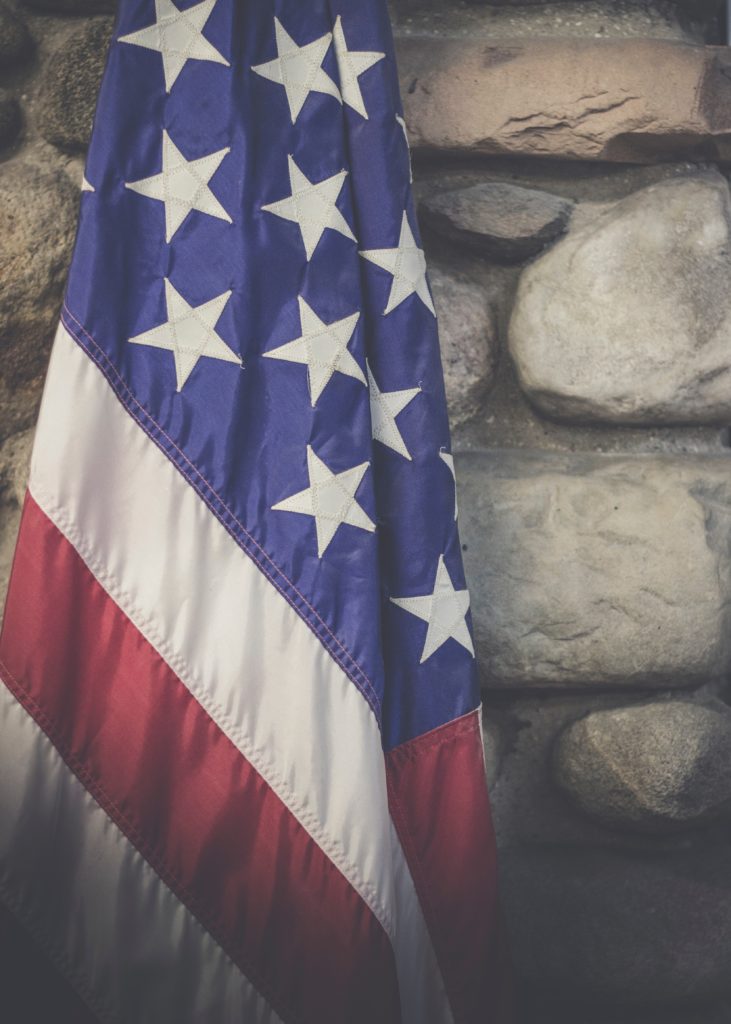
I wish America felt safe to me.
I wish Democracy felt safe to me.
The Morning After
As I sit down to finish this post, American voters have chosen a new president, and I wept as I ate breakfast with my partner.
As the day has passed and I’ve gone for a swim, taken myself to lunch and gotten a haircut, I realize what lies beneath my anger, despair and incredulous disbelief.
It’s right back to the beginning of this post. I’m afraid. I don’t feel safe. Overnight I seem to have become disenfranchised because I’m female, I’m not a Christian and I’m deeply concerned with human rights and freedoms and our planet.
I also realize I’m not alone. This election has been based in fear. In our fear, we’re truly united. Everyone fears something. We’re all looking for safe, strong arms to shelter in. Pick any campaign issue, and you’ll find fear. There’s fear of climate change, fear of economic collapse, fear of immigrants and shifting population demographics, fear of war, religious fear, fear of illness and disease. We all live in fear that someone or something will take our power away, and that fear makes us weak and vicious.
Fear breeds hatred. Racism, misogyny, censorship and terrorism are fear-based behaviors, Great-and-Powerful-Oz distractions that hide cowardice. The world is changing, and we’re terrified. We look for someone or something to blame. We look for someone or something to save us. In our fear, we cling desperately to our ideologies and annihilate any who disagree with us or question our beliefs. In our fear, we seek a hero/heroine, a representative of what we feel is just and right, someone who will help us retain our power, someone who will assure us there are no monsters under the bed.
Here’s what I believe: Power-over is always and inevitably doomed to fail, sooner or later. The only sustainable way forward is power-with one another.
None of us are safe until all of us are. Safety at the expense of another’s terror and repression is an illusion.
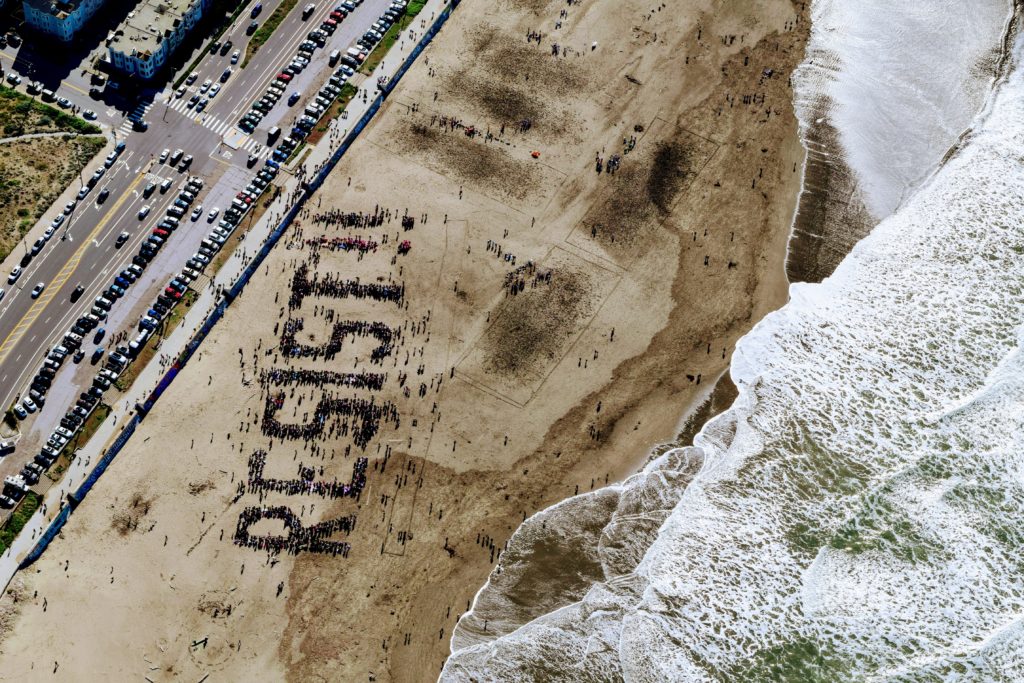
I pray for peace and unity for us in the coming days, months and years, but if that is not to be I will fight. Every Hitler and Pol Pot, every Sauron and Voldemort, create by their very existence heroic resistance that cannot be silenced. I will not turn against my friends, neighbors, families and communities in fear and do the bully’s work for him. I’ll work to undermine the bully himself, and I won’t stand alone.

Photo by Tim Gouw on Unsplash
Has anyone read the book I quoted at the beginning of this blog? Please comment about it if you have. I’m adding it to my reading list.
All content on this site ©2016
Jennifer Rose
except where otherwise noted
by Jenny Rose | Sep 29, 2016 | Power
I’ve been thinking about this week’s post for a couple of days now. There’s a lot more to say about boundaries than I’ve discussed here and here, and maybe someone else can shape the many complex pieces into separate, coherent posts, but that person isn’t me. I can sort out a few points, but the rest is chaos containing all kinds of inflammable issues, such as parenting, corporal punishment, our justice system, religion, sexuality, morals, ethics, rape culture, racism, entitlement and patriarchy.
There’s no doubt in my mind that these are important discussions and ideas for all of us, but the purpose of this blog is not to have a shouting match or explore the different ways we can criticize, judge and belittle one another.

Photo by Andrew Loke on Unsplash
I suspect most of us agree boundaries are necessary, but after that point I see potential for endless violent disagreement about how and why we create and manage them. I believe it’s safe to say our understanding of boundaries is heavily influenced by our childhood experience, our culture and family, and technology and media.
I have no answers. I notice what I call my boundaries don’t work very well at times. I notice the conflict between what works for me, what others expect, and what I’ve been taught. I notice a generation gap around boundaries. My 20-something sons see the whole issue differently than I do. I think some of this is due to differences in our relationships to technology, but I don’t know how much.
I also notice a lot of my boundaries are around fear. As a single woman, I’m uncomfortable with the idea of being hooked into GPS and map information via technology. It doesn’t feel safe to me. Likewise, I’m uncomfortable discussing my spirituality, my parenting beliefs, my political beliefs, my dietary choices and the color of my underwear. I’m not ashamed of who I am — I’m afraid of being victimized. I don’t want to deal with mean, hateful or dangerous people. I don’t want to attract the attention of a psychopath or a sociopath. I don’t want to lose connections and relationships over something like religion.

Photo by Mike Wilson on Unsplash
Then there’s the part of me that simply isn’t interested in what I call oversharing. I mind my own business — why can’t everyone else mind theirs?
On the other hand, surely we have a right to be who we really are. But where is the line — the boundary, if you will— between that right and violating someone else’s boundary?
A highly topical example of this is the debate over Native American team names in the public school system. Many Native Americans find this offensive and racist — and say so. The other side hotly denies they’re racist and cites tradition and their intention to honor the Native American people. It’s a ding-dong argument. I’m hurt and offended and this feels racist versus I am not a racist, back and forth, on and on, with both sides becoming further divided with every iteration. Broken connection, broken relationships, divided communities, hurt and rage are the result.
At bottom, it seems to me these are all boundary issues. Our boundaries don’t appear to work well. What can we do about that?
This very morning, I had an interesting discussion with one of my sons about this. We were talking about privacy in regard to technology, and he suggested that soon we may have to accept the idea of 0% privacy because of our increasing reliance on and use of technology. Everyone (at least in this country) will be equally exposed and we’ll have to figure out how to live with that exposure as a culture and move on, or we’ll simply self-destruct. I’d never considered this point of view and I’m fascinated with it, as well as slightly appalled.
Perhaps the chaos around boundaries is present because, as my son suggests, we’re in transformation. Transformation is inherently chaotic, after all. Maybe my generation’s ideas and beliefs about boundaries aren’t working because they’re outdated. Our world, our culture, our understanding of life, technology and science are dynamic, always changing, always correcting and expanding. Perhaps the world we live in today requires different boundaries and we’re struggling to shape them.
At the risk of sounding like an old granny, however, I think healthy, effective boundaries must contain elements of respect, compassion, authenticity, dignity and kindness, not only for others but for ourselves. I think it’s important to remember that boundaries are about ourselves and what works and doesn’t work for us. It’s not our job to choose boundaries for others. We may have to defend our boundaries and others will certainly try to violate them, but that’s the only place our power is.
Interestingly, I’m reading a book right now that relates to this. It’s called Being Wrong by Kathryn Schulz. It’s a great book — well written, funny, intelligent and thought-provoking. I highly recommend it. The reason I mention it is that so many of our rules, expectations and yes, boundaries, are based on our beliefs and we have a tendency to make our beliefs universal laws. We all do this, one way or another. But take one of your central beliefs, a hot one like politics or diet or religion, one you argue about on Facebook, block and unfriend people for disagreeing with. Now just imagine, if you can, for one minute, only 60 seconds, that you’re wrong.
Pretty uncomfortable, right? Now everything changes, including your rules, expectations, stories and, inevitably, your boundaries.

Photo by Alessio Lin on Unsplash
In other words, effective boundaries need to flex and change as we learn and grow. Otherwise, all we create is a jail cell for ourselves. We can’t change, we don’t admit new information and we keep ourselves small and rigid.
On the other hand, if we have inadequate boundaries our power is leaking all the time. We fall prey to dysfunctional relationships, our integrity breaks, we fail to take care of ourselves, and our lives don’t work well.
All content on this site ©2016
Jennifer Rose
except where otherwise noted
by Jenny Rose | Sep 8, 2016 | Power
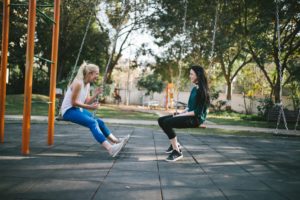
Photo by Bewakoof.com Official on Unsplash
I recently had a discussion with a young friend who’s going through a hard time.
I listened and asked questions, and did my best to enter into her experience. My agenda wasn’t to rescue, fix, or advise, just to let her know I cared and help her think about options.
My intentions were good, but I walked away feeling as though I’d only irritated her and made things worse. Ever since, I’ve been questioning what I said and how I handled this interaction. Was I patronizing? Condescending? Obnoxiously optimistic? Aggressively parental? Didn’t I listen well?
Or maybe my questions were the problem, not because they were bad questions but because they were good questions. I’m reminded of people in my life who have approached my distress with the kinds of questions that made me want to hang up the phone or slap their face. Their questions challenged me to break out of the shrinking cage I was in. They challenged me to take control, take responsibility, face my fear or think outside my usual box.
I’m not sure why, but when I’m good and miserable, or at panic stations, or swept up in powerlessness, I want someone to agree with me. It’s hopeless. I’m helpless. It will never get better. I made mistakes, bad choices, stupid decisions and now I’m paying a price I deserve to pay. I’ve dug a hole so deep I can’t get out without some kind of divine intervention. I have to wait for someone to rescue me.
Sitting here writing this it sounds silly, but it’s not silly when I’m in it. We’ve all had times like this. What I know is that my best friends in crisis are the ones who metaphorically kick me in the butt. They won’t walk down the pity path with me. They won’t agree that it’s all over because I screwed up or made bad choices. They don’t admit the past was apocalyptic and the future will be catastrophic.
These people keep redirecting me back to what I can do right now to help myself, and away from everything else, and sometimes they’re not gentle about it.
This is tricky because it’s counterintuitive, at least to me. When I’m faced with a problem, I want to square right up to it, obsess, throw myself at it, beat my head against it and leave the rest of my life unoccupied. It’s either an all-out wrestling match or I eat ice cream out of the carton (a big carton!), stop taking showers, binge watch ‘Buffy the Vampire Slayer’ all night and sleep all day.
Neither of these approaches has worked for me. The only thing that has ever worked is to identify where my power is right now and let the rest go. I don’t know why that works. I don’t know how it works, but I know it does.
When I was a low-income single mom, what this meant was realizing summer was ending and the boys would need new winter coats I couldn’t afford, and we would need groceries a lot sooner than that, but I had no money. And yes, I was working. At one point I worked two jobs and attended school.
Photo by Mitchell Orr on Unsplash
Anyway, I developed a habit of shaping the day around what I could do instead of what I couldn’t do. I tried not to think about the next day, the next week, the next winter. I figured out what we’d eat that day from what we had, and I did what I could do — all the things that can be done without money. Like playing with Legos on the living room floor, or taking a walk, or reading aloud to the boys, or doing laundry, or working in the garden, or scrubbing the kitchen floor.
Some days were so hard I just lived five minutes at a time. It was all I could handle.
My kids are in their twenties now. All those five minutes, all those one-day-at-a-times passed and we weren’t homeless, we weren’t without food and we always managed winter coats, thanks to Goodwill. I have no idea how it all worked. I didn’t know then and I don’t know now.
Now, it’s true I found jobs, got trained and educated, did without things like cell phones and cable TV. I did what I could to help myself through those years, and I had a lot of outside help, too. But my point is I tried not to get stalled with my nose touching a brick wall. I tried to look in another direction — in a direction where I could make choices. Doing that didn’t make the brick wall disappear, but somehow it allowed me to move past it.
Getting back to my friend, I tried to ask questions about where she did have power, but she felt powerless in every direction and the questions only reinforced the feeling instead of helping her reconsider her situation. I left the conversation feeling upset and frustrated and decided I needed to take a step back, give my friend space and let it all unfold.
Interestingly, in the time between that conversation and this minute, my friend got what she needed from someone else, made some hard choices and now sees her way ahead, at least for a few steps.
What I’ve learned from this is that no matter how much I love and care for someone, no matter how much I want to share what I’ve learned in life, sometimes I just can’t be useful or effective. That doesn’t mean, however, that my loved one won’t get what they need from someone else. I’m trying hard to persuade myself this doesn’t make me a failure, but it’s uphill work. Additionally, I have a sneaking suspicion that part of what I feel is nothing more than injured pride. As long as I’m confessing, there might be jealousy in there, too.
I’ve also relearned the thing I wanted to teach. It was clear to me I couldn’t be an effective support to my friend, I couldn’t make her feel better, I had nothing to offer she could use. However, two cords of wood were sitting in our driveway, so my partner turned on music and we stacked it in the barn. He and I cleaned out a closet and I got my fall/winter clothes handy. I was scheduled to work on Labor Day weekend and the day after, so I showed up for work and did my best. I wrote a few pages of my current book and I wrote this post. Today I swim. It was in the middle of all this that my friend came to me with the beginnings of her own solutions to her own problems.
Maybe my love and concern were only an added pressure for my friend. Maybe the most helpful thing I did was step back and live my own life. That, after all, is where my power is.
I just wish it didn’t feel so inadequate.
Photo by Jan Phoenix on Unsplash
All content on this site ©2016
Jennifer Rose
except where otherwise noted
by Jenny Rose | Sep 1, 2016 | A Flourishing Woman, Body
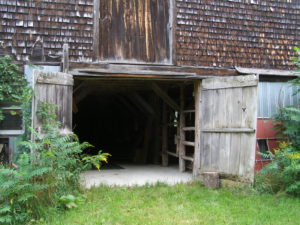
Last weekend I took my own advice and surrendered to the now of my life. Two big, heavy wooden doors opened like wings and I came home to dance between them.
One of my dearest friends introduced me (kicking and screaming all the way) to dance more than ten years ago.
“No,” I said, “I can’t do that.”
“No,” I said, “I don’t know how.”
But she, in her infinite female wisdom, nagged and niggled and poked and prodded until at last I agreed to try it. Once. Just to get her to shut up about it!
So I tried it and found myself there, waiting. I rarely missed a dance for years afterward. Ours was a small group of dancers, ebbing and flowing over the years, but the core group remained remarkably the same. Sometimes there were only two of us. It didn’t matter. It was a safe place, a place to be with myself in candlelight, a place to be in my body without thought, shame or responsibility. Everything happened at dance. We raged, we sobbed, we hurt, we lay on the floor. We shouted and clapped, farted, belched, giggled, played, pounded on the walls and danced until we drooled. It’s one of the few places in my life where I’ve felt I belonged.
Leaving my dance group was the most painful loss when I left my old life and came to Maine. I knew I could never replace it, but I hoped to find another place, another group, another dance.
The farmhouse I live in is more than a hundred years old and that means the ceilings are low. I don’t need a lot of room to dance by myself, but I do need to be able to move freely. I did dance a couple of times the first winter and spring I was here, but I had to make myself small so I didn’t scrape the ceiling with my hands and my heart was filled with what I’d left behind. It was so painful I didn’t want to face it again.
In Colorado we danced in a yoga studio. It was a beautiful space — clean, high ceilinged, wood floored. Perfect. Our little town was safe after dark. The studio was easily accessible, heated, had a bathroom available, and for most of us it was less than a five-minute drive to get there.
Since I’ve come to Maine I’ve searched for a local group. I’ve talked to several women about dance. Some have been intrigued, but they’re busy, or they have partners, or we don’t live very close together, or there’s no place to get together and do it. You know.
Here, the nearest town is twenty minutes away in good weather. I’m sure there are places in town we might use, but I don’t know where. Or who. Or how. I’m intimidated and overwhelmed and it seems ridiculous to try to find a suitable gathering place when there’s no dance group to use it.
So I stopped trying. Too painful. After all, now I have a partner to hang out with in the evenings. I told myself I’d keep thinking about it, look for openings, and eventually, maybe, be able to start another group. Or even find one. One day. When we had more money. If we moved somewhere else. If we had a better car that could actually deal with driving on winter nights.
But this summer there’s a lot of movement and change, not all of it comfortable. I’m learning a lot. I’m feeling a lot. Writing is good, and so is swimming, but dance accesses something deeper. I’ve known for a few weeks now I need to find a way to get back into those depths for my sake and for the sake of my loved ones.
So I decided to quit playing games with myself and figure this out.
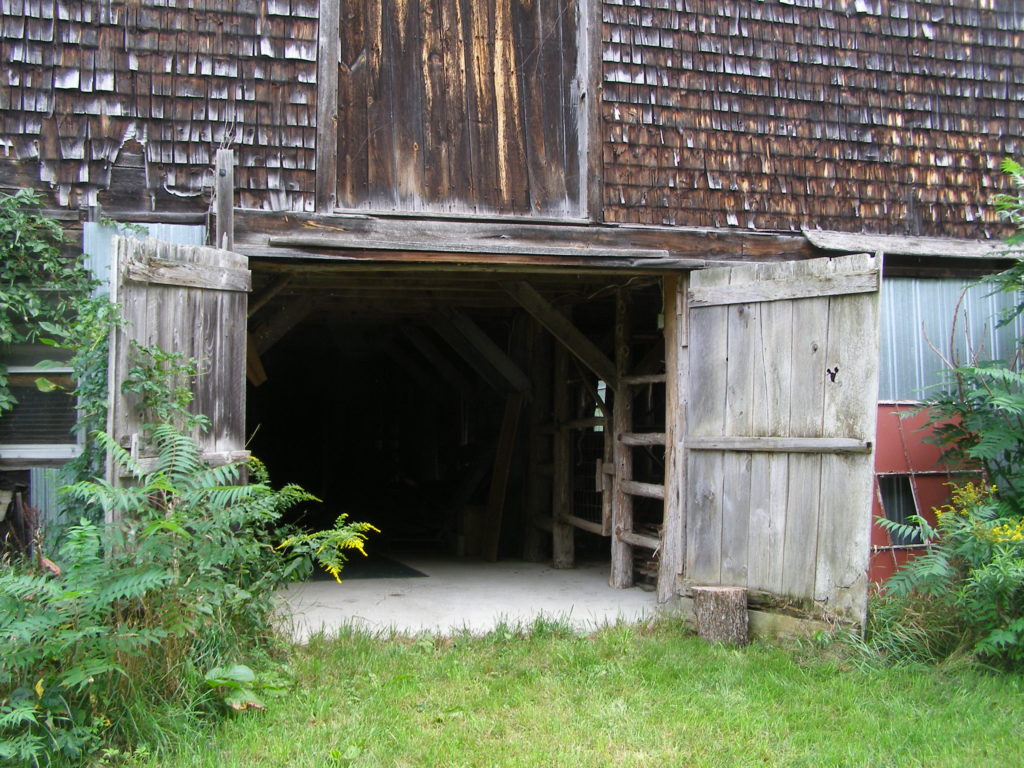
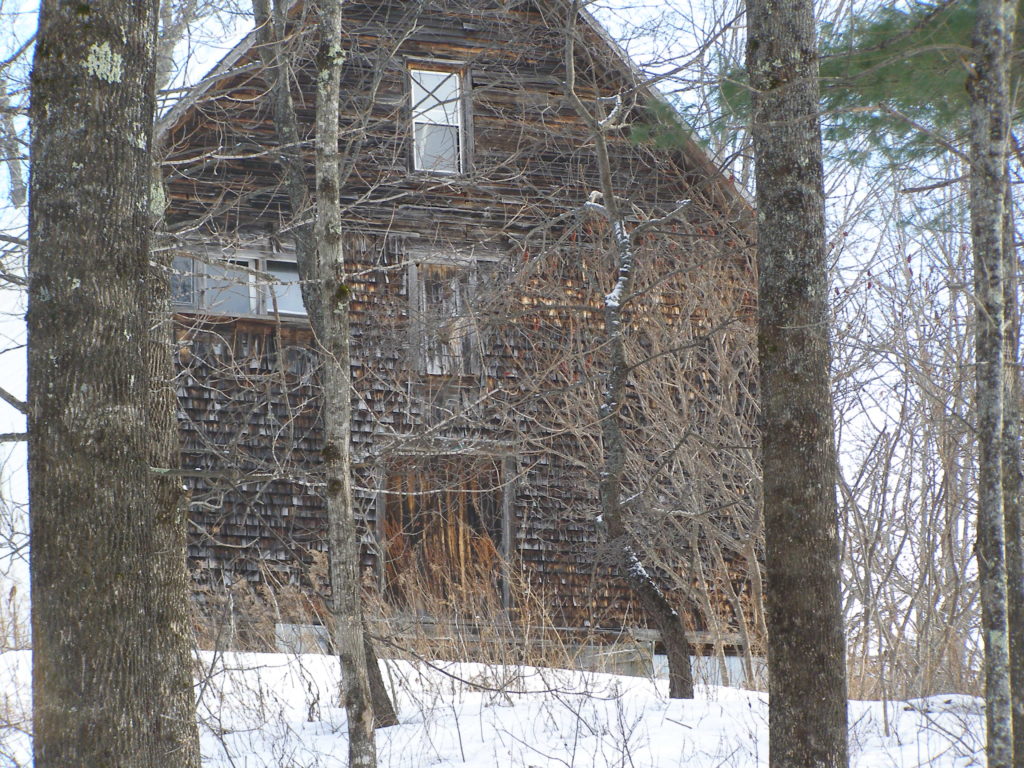
Naturally, an old farmhouse in Maine comes equipped with a barn. Ours is a total of 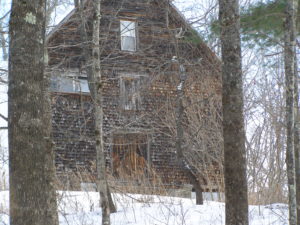 four stories, a typical New England nineteenth-century barn. There’s a bat colony in the top of it and it’s an apartment house for rodents. It’s constructed of gorgeous beams and posts with high ceilings and huge blocks of stone in the foundation. Windows look across the tops of the trees and over the river valley, most of them without glass now. We have six cords of hardwood stored in the driveway level and miscellaneous stuff on the top two floors. The spirit of the building is in the cellar, though, which is accessed through two huge heavy wooden doors that are permanently propped open in the back of the building. This area is mostly underground and the stone foundation can be clearly seen. There are old pens and animal stalls built by hand from the plentiful wood here; not boards, but logs and saplings, rough cut. The mowed area in front of this lower floor is not visible from house, driveway or road and is surrounded by trees.
So, I built a playlist of good music, a mix of old familiar dance tunes and some new discoveries. I swept and raked, picked up trash and got rid of some impressive spider webs. I found an old rusty tin can, filled it with dirt, and stuck incense in it. I put on a skirt and some jewelry, found a pair of light shoes I thought would work (I’ve always danced barefoot), grabbed a yoga mat to sit in the grass and stretch on and went to see what would happen.
They were all there, my dancers. It seemed to me I could almost reach out and touch them. They mingled with the ghosts of animals who once lived in this barn, long dead; generations of birds, now flown from empty nests in the rafters; and the dirty lace of old cobwebs. My feet felt clumsy and heavy in shoes and it wasn’t night, but my body remembered how to move and my brain remembered how to lie down and rest. The music swept me up, pushed me with sharp elbows and knees, shook me by the scruff of the neck, played with me and soothed me. I danced with my expectations, my stories, my fears and limitations and loss. I danced with my disappointment and grief and rage. I threw down my rigidity, refusal and denial and danced in their blood. I danced with the joy of coming back to myself.
I danced in an old barn, in a new life, but not alone. The past is still with me, the dancers I knew green and supple in my memory. The pain of change is not, after all, too great to bear. I don’t need money. I don’t need a better car. I don’t need anything that hasn’t been here all along. I don’t need to wait for anyone else or anything else. I just needed to surrender to what is now.
So this one’s for you, my dear Bobbi; for you, Jill, in all your beautiful sensitivity; for you, Rena, who taught me so much about strength, courage and being real; and for you, Pat, who brought essential balance to our group and allowed us to dance with a playful small boy.
Half a world away, you all still honor my dance with your presence.
**************
We based our dance practice in Colorado on the work of Gabrielle Roth, and I still follow this template. Please see my resource page for links. Also, here’s a wonderful piece about the power of dance.
All content on this site ©2016
Jennifer Rose
except where otherwise noted
by Jenny Rose | Aug 25, 2016 | Power
Last month I posted about our power and ability to say both yes and no to others. This morning I’m thinking about another level of yes and no; that is the yes and no we say to life. At this level, the term ‘consent’ is useful. Consent means to “give permission for something to happen,” according to a 2-second search on Google.
Consent is a huge and complex topic and there’s a great deal of discussion about different aspects of it. For the purposes of this post, I’m using consent in the widest sense; the way in which we approach life.
Several interactions this week have made me think about the mysterious difference between people who consent to learn and grow and those who don’t. When I think about my observations, and people I’ve known, it’s clear to me the difference between these two kinds of people has nothing to do with age, sex, money, education, employment, intellect or family. It has nothing to do with the color of our skin or the god(s) we worship, or where on the planet we live, or what kind of horrors we might have endured.
I’m acquainted with a writer who sent me a piece in praise of stubbornness, a quality she admires (as do I) in herself and others because to her it means a determination to survive and do well, regardless of limitations, real and perceived. (Thank you, A!) We might mean the same thing by consent and stubbornness, or close to it. I see the ability to consent to learning and growth, over and over, no matter how many times we’re knocked down and cut off, as a kind of stubbornness — a refusal to give up, to close down, to conform to something that doesn’t work for us.
Without even trying I can identify seven people in my life, past and present, who don’t consent to the experience of life, the flow, the dance, the mystery and uncertainty, the synchronicity and the billions of invitations that arise for exploration, connection, understanding, growing and being.
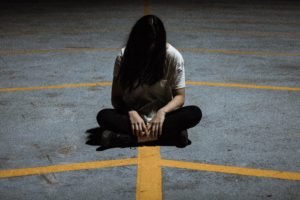
Photo by Alex Iby on Unsplash
These folks are easy to spot. They resist. They argue with what is. They deny, distract, fall into various addictions. They don’t communicate effectively. They care about winning, being right and power-over. They have rigid stories and expectations. Everything that happens to them is a personal insult or a crisis. They’re victims. A good, deep question is a grave threat. To my eyes, they look miserably unhappy. They repeat the same patterns, over and over, dying a little more with each fruitless repetition. They do not consent. They refuse.
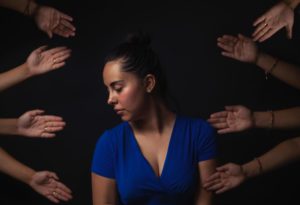
Photo by Cristian Newman on Unsplash
Every single one of the seven people I’m thinking of has had opportunities to learn, to grow, to change, to make different choices. They all had people in their lives who loved them and had information, tools and skills that might have enriched them. They all had people in their lives who valued them and wanted their contribution. They each had at least one person in their life who would have done anything to support them in learning and growing, and that person was me.
Most of those relationships are behind me now, because I have this unforgiveable quality of consent. My life now is based on the why, the what if, the whose rule is that, the help me understand. My life is about teach me, show me, share with me and what do you think? My life is about doing more of what works and letting the rest go. People who refuse and people who consent invariably have friction, because their needs are opposite. There’s just nowhere meaningful to go.
People who consent are not perfect or perfectly happy people. On the contrary, their lives have been filled with mess and miscalculations, abuse, addictions and other painful experiences, but they’ve learned from everything and everyone. People who consent don’t look at their lives with bitterness or frame things as mistakes. They see teachers, opportunities and fascinating things learned and yet to learn. People who consent are endlessly curious. They think about what they don’t know and question what they think they do know. They seek the hidden thing. They’re more likely to ask questions than proselytize or lay down the law. They’re not interested in power games or being right or winning. They seek to understand, to explore, to exercise choice, to manage their own power. They can laugh at themselves. They can and do say no, but they say it to protect their integrity and needs, not to shut out or control life.
People who consent choose happiness. That’s the most important one for me. I’m still reaching for that. I’ve always been a person who consents, but I’ve also chosen to stay limited in many important ways. As I’ve learned to discern between refusal and consent, I see that living life from a state of consent results in joy. Again, it’s got nothing to do with age, beauty, money, status or any of the things that the culture says we’re defined by. Joy, at the end of the day, is a simple thing, arising out of being at peace with this wild ride we call life. Joy is consenting to surrender, consenting to feel and experience, consenting to feeling fear and doing it anyway, consenting to give up trying to control the things we can’t control. Joy is composed of tears, blood, loss and disappointment, pain and growth. We already have it. It’s here, sitting on your shoulder as you read this and mine as I write.
All we have to do is consent.
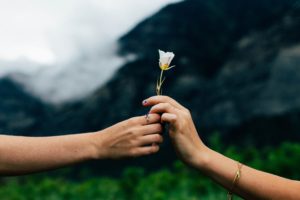
Photo by Evan Kirby on Unsplash
All content on this site ©2016
Jennifer Rose
except where otherwise noted