by Jenny Rose | Mar 8, 2018 | Choice, Power
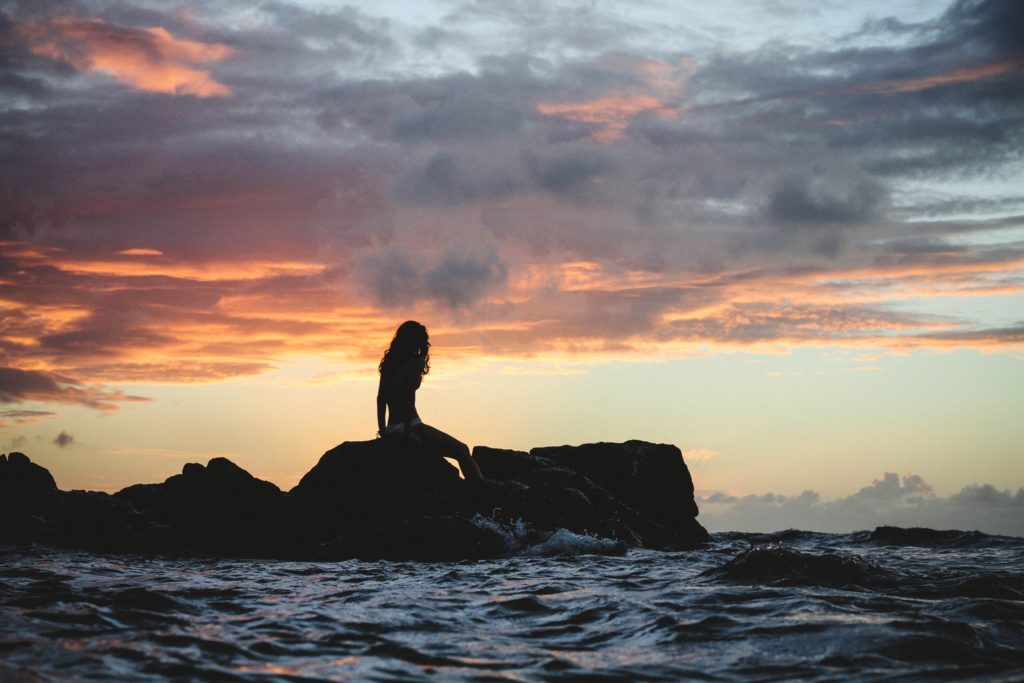
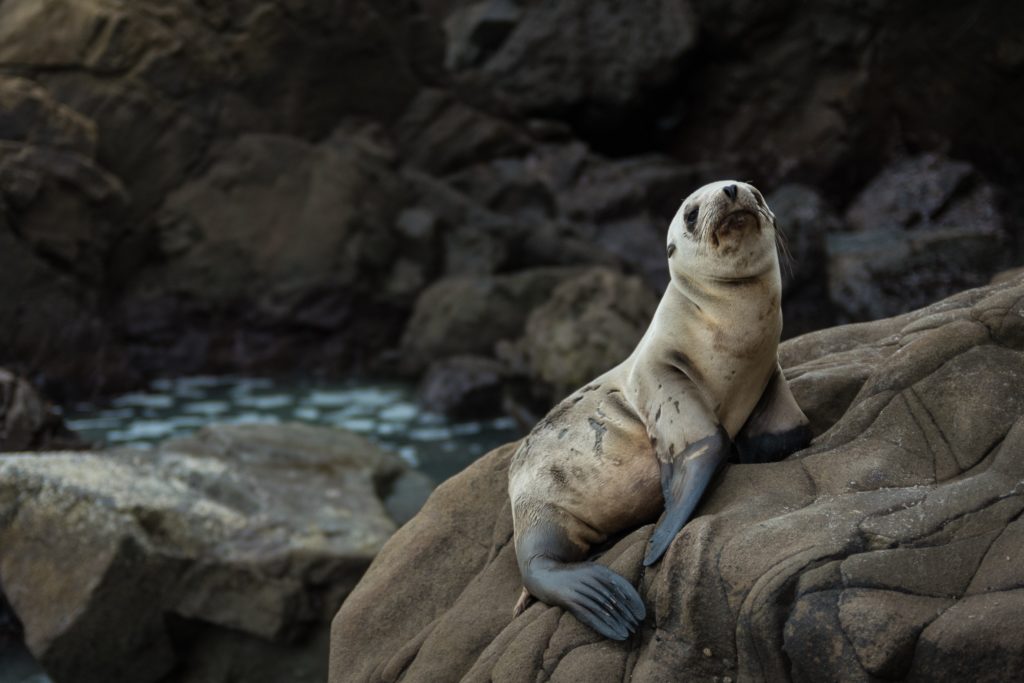
Selchie: A mystical creature who takes the form of a seal in the sea and a human on land.
I have a picture book from my childhood called Greyling, by Jane Yolen. It’s one of my favorite stories, by one of my favorite authors, and I’ve told it as an oral storyteller for many years. When I began doing storytelling, I sought out all the selchie stories I could find and incorporated them into my programs.
I rarely tell a selchie story without fighting back tears.
I’ve lately revisited this wonderful material for the second book in my Webbd Wheel series, and it occurred to me to explore why these stories touch me so painfully and deeply.
Selchie stories appear in the Hebrides, Iceland, Orkney, Scotland, Ireland and the Faroe and Shetland Islands. Like all lasting oral traditions, they contain blueprints for navigating loneliness, exile, love, loss, competition, compassion, trust and power. A good story has many facets.
A common thread in selchie stories is that a seal comes to land, takes off its skin, and becomes human, usually a beautiful young woman. Subsequently, the skin is stolen by a man and the woman entrapped. In many of the tales, she marries the man who has her skin (always a fisherman) and bears his children. Sometimes her husband promises after a certain number of years he’ll allow her access to her skin again, but he doesn’t follow through for fear of losing her. Inevitably, the skin is found, often by a child, and returned to the selchie, who must then face a choice between her life with her family and her life in the sea.
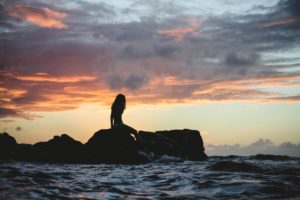
Photo by Jeremy Bishop on Unsplash
It is this choice that makes me weep. I know the agonized longing for what we are made of but can’t ever quite find.
As I observe the world and people around me, I think many of us feel in some way exiled from who we were born to be, from a place, from a tribal connection, from some integral expression of self. I believe this exile creates such an unbearable hunger we grasp at anything within our reach in order to appease it, becoming addicts, developing eating disorders and body dysmorphism, and struggling with anxiety and depression. We live in a culture of distraction and entertainment. We’re busy, noisy, exhausted, and inundated with information, stimulation, propaganda, manipulation and demands.

Photo by Anna Dziubinska on Unsplash
We want what we are made of, but how do we find what that is? Why is it taken away or withheld from us? Why are we so often forced to choose between one thing we’re made of and another? This all lies at the heart of selchie stories, for the selchie is a creature torn between two worlds and two tribes, and we instinctively recognize this conflict.
Choice is so often grief. If a selchie re-dons her skin and goes back to the sea, she cannot return, for she already knows the terrible cost of losing her skin, and though she may love her children and even have grown to love the fisherman she’s with, she cannot trust him. In returning to the sea, she is joyous, but now the grief of leaving her children and the life she made on the land replaces her longing for the sea.
I was with a man who avoided choice. He said he didn’t like to choose one thing in case something better came along. My experience of this was that he didn’t want to commit. It meant we couldn’t plan a date, a weekly ritual or even a walk. If we did, he frequently cancelled at the last minute. It was painful for me, and it frayed our connection considerably as I vacillated between hurt and anger. Eventually, I gave up and made my own plans. I told him that his maybe-I-will and maybe-I-won’t approach didn’t avoid a choice but was a choice. He refused to take responsibility for that, and he was bitter about the choices I made subsequent to his.
I’ve also been with partners who believe we can have it all. One man walked away from any situation in which he couldn’t have his cake and eat it too. It was a point of pride with him. He didn’t see why he shouldn’t have it all, and, as far as he was concerned, the world (and I) owed him that. Looking back, I see this as just another evasion of the heartbreak and consequences of having to make choices.
I think very few of us have the luxury of having it all. We come together and move apart, searching, fleeing and climbing ladders we hope end in success. Many of us feel rootless in terms of place and tribe. We don’t really feel we belong anywhere on a map, and we have no rightful place in a human circle. We do the best we can, a choice at a time, and over the years those choices and their consequences teach us who we are and turn us into adults.
What we’re made of is not necessarily what we’re born into. What we’re made of is not necessarily the place we live in, the people surrounding us, the job we have, the clothes we wear, the car we drive or the color we dye our hair. What we’re made of is not always who we want to be, who we insist we are or who we’re expected to be. Discovering what we’re made of is an excavation of our dreams, our souls and our joyous bodies. Many of us spend our whole lives finding one piece of ourselves at a time, stumbling, groping, picking up and discarding, searching blindly in the dark with nothing but our feelings to guide us.
On one particular day of no special consequence, my small toddling self, clothed in a yellow bathing suit with white trim, was lifted into a pool of water as big as the sea. From that day to this I’ve loved the water, and during occasional long, dry spells without access to swimming I dream of water and wake myself weeping with the anguish of my longing.
I’m a creature of water. It’s part of what I’m made of.
Photo by Nathan Anderson on Unsplash
For some years I lived in a city and laid awake at night watching headlights move across the ceiling and walls, straining to hear a precious moment of silence in between the sound of cars and sirens and too many restless people moving through the pale night. I dreamed of high, snow-covered mountains under starry skies and the peace of trees in unbroken darkness. Every day I died a little more, but I knew in my heart one day, one day I would leave the city and live in the shadow of the mountains I dreamed of. A thousand nights later I freed myself from the tentacles of that city, but I also left behind my marriage and the father of my children, my belief in happy-ever-after, the most lucrative job I ever had and the good wife and mother I wanted so much and tried so hard to be.
Photo by Ryan Hutton on Unsplash
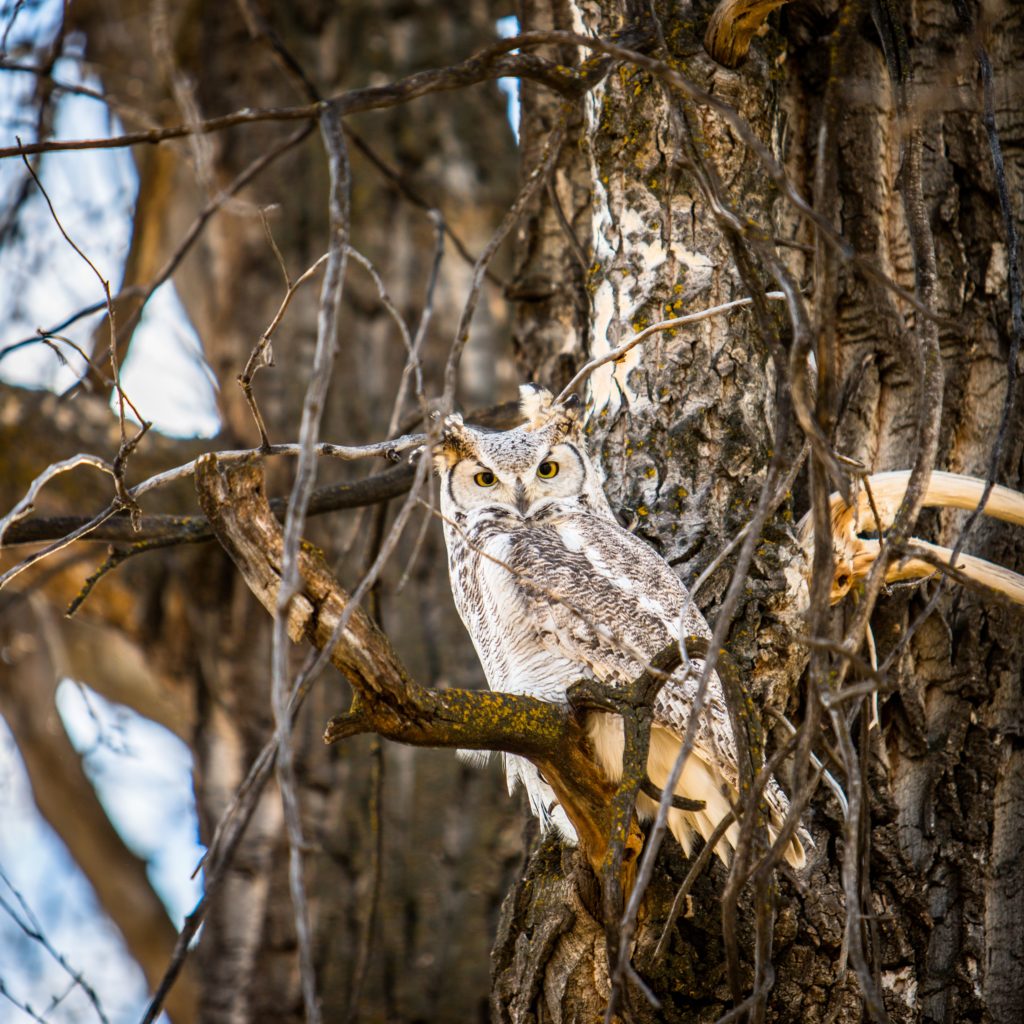
At last, I slept in the shadow of snow-covered peaks in a small mountain town without pavement and street lamps and sirens. When I awoke at night, I heard the cry of the vixen, the rushing wind, the owls calling to one another, the sound of the bear eating apples from the tree outside my window, or the raccoons cavorting in the tops of the pear trees like furry pirates.
I did not have it all. I had another piece of what I’m made of. I chose it, and I paid for it. I’m still paying for it, twenty years and thousands of miles later, and whatever the cost, it’s worth it. I cannot live in the city.
By the time my life is over, will I know everything I’m made of? Will I have lived with enough courage to choose what I’m made of, come what may? Will living true to what I’m made of sustain me? Will I ever find my own sealskin wedged between rocks, or locked away in a chest, or hidden in the thatch?
Reclaiming what I’m made of, one choice at a time. My daily crime.
The selchie lives in a small cottage on the shingle beside the sea. She lives with a fisherman whose face is carved with a lifetime of loneliness that she has relieved. She and her children gather seaweed and driftwood, mend nets and dry fish and watch for the fisherman’s return, lighting a lamp and setting it in the window to welcome him home in the evenings. She lies with her man at night and listens to him sleep, and the waves come in, and the wind sighs through the beach grass, and she thinks of her sea kin and wonders how it is with them and if she’ll ever see them again.
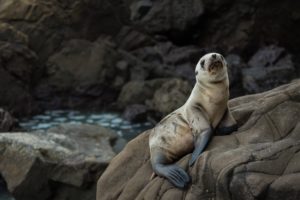
Photo by Kace Rodriguez on Unsplash
The selchie takes the folded sealskin from her child and holds it to her breast, weeping, smelling its fading perfume of fish and sea, rubbing its softness against her cheek. She tells her children she loves them, but she must leave, and they clutch at her hands and her skirts, crying, not understanding what is happening. She tells them they will see her again, but in a different form. She cannot stop to explain, lest the fisherman return and her chance for freedom is lost. She stumbles out of the house, casting aside her clothing as she goes, until she stands naked in the surf and steps into the skin. The children follow, stricken and wailing, pleading with her not to leave, but her need for what she is made of is even greater than her love for them, and the surf takes her gladly in its embrace and carries her out. She looks back one more time, her great, dark eyes full of tears, before she dives into the arms of what she is made of and disappears.
All content on this site ©2018
Jennifer Rose
except where otherwise noted
by Jenny Rose | Feb 22, 2018 | Choice, Power
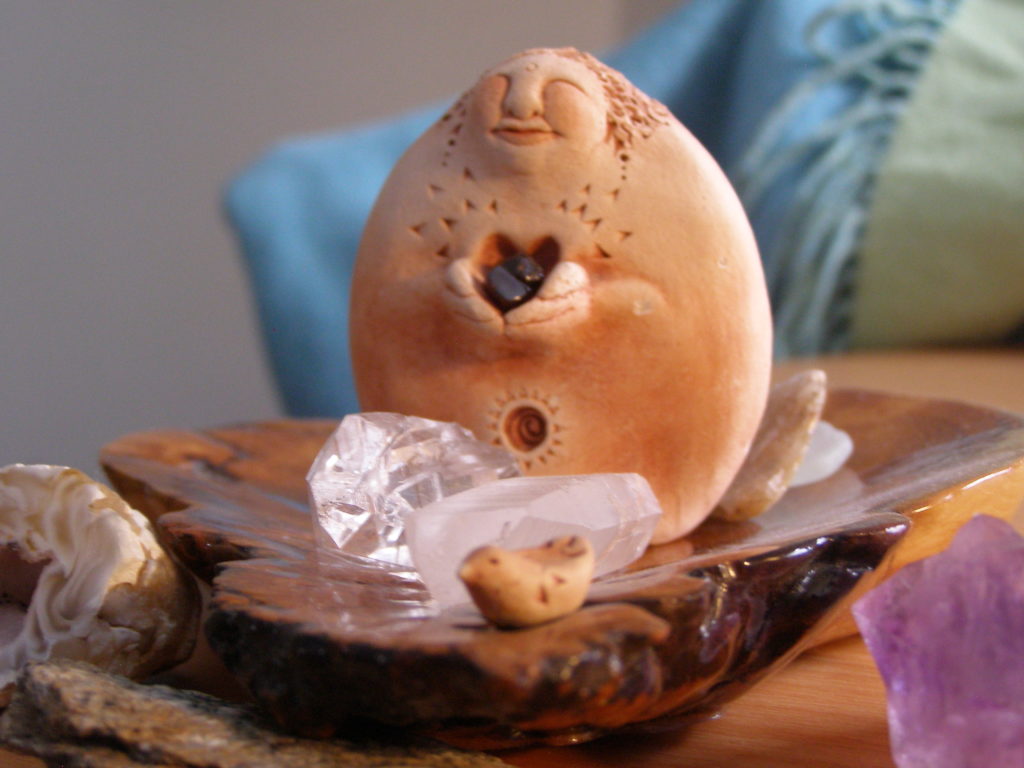
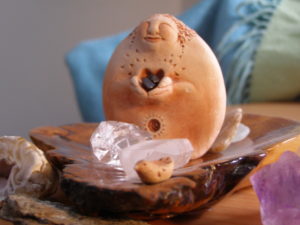
A small clay sculpture of a woman with her hands cupped in front of her chest sits on my desk. She holds a tiny clay bird and is surrounded by a couple of crystals, a piece of amethyst and a small geode. This little altar has been my daily companion for years. Wise and smiling, round and nurturing, the sculpture has comforted me through many losses, grief and rage. She’s one of my greatest treasures.
Letting Go
These days, the bird she holds is perched on the rim of the wooden dish she sits on, looking out at the room, at the world, at me. It can stay, or it can fly away. For now, it’s content to sit, watching and listening, as I live my life in these two small rooms at the top of our sagging farmhouse.
I have placed tiny polished garnets in the woman’s cupped hands where the bird once nestled.
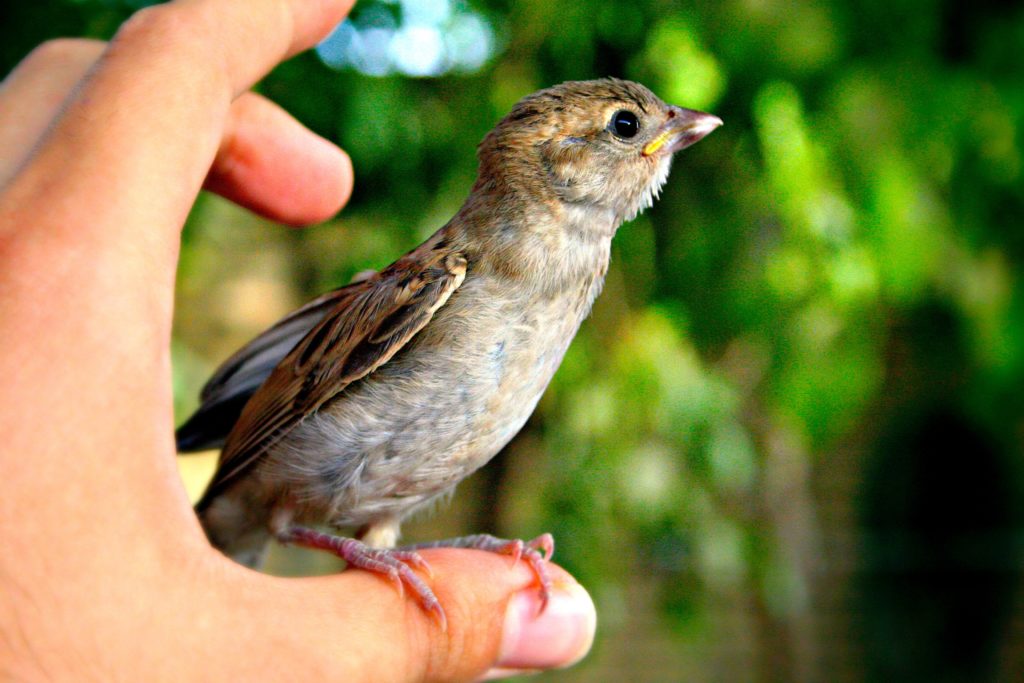
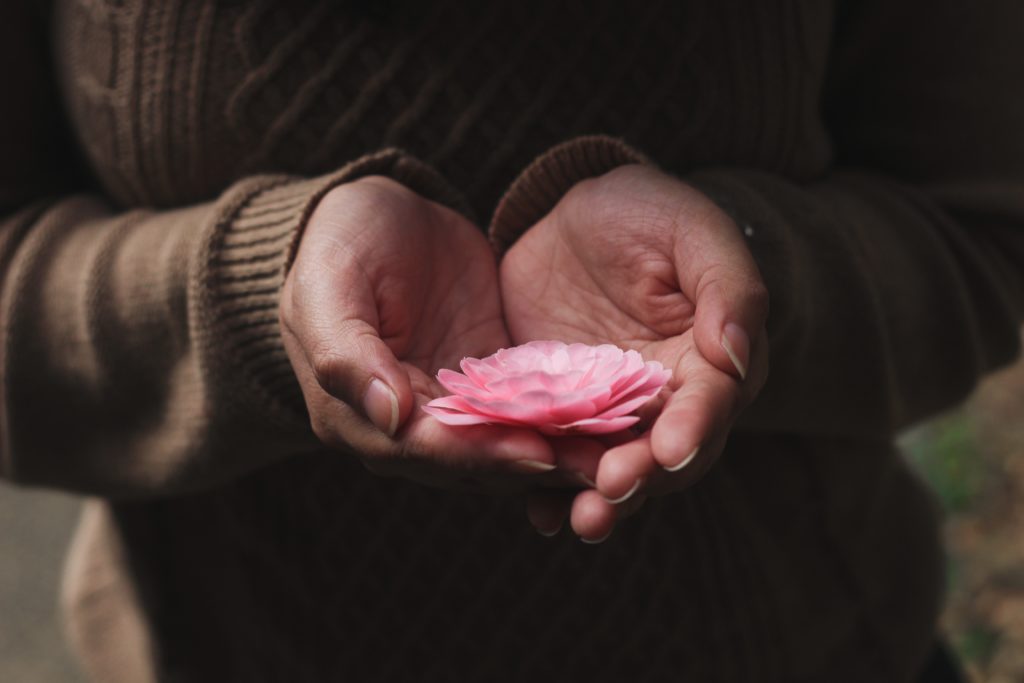
I had a friend, dear and wise, in my old place who once said to me if we open our hands and let something go, and keep our hands open, something new will come and fill them. As she spoke, I again saw the image of an open hand, generous, allowing freedom, and prepared to welcome and support the next thing, and the next.
Letting go is power. Letting go is serenity. Letting go is an authentic act of love toward self and others. The usefulness of letting go is not a secret. Almost any self-help book out there talks about it as an aspect of healthy functioning, but I think popular psychology doesn’t explore it deeply enough.
Letting go doesn’t mean we brush aside our feelings. Not at all. Unexpressed feelings cement us in place. We all know people who remain frozen in time because of a death or traumatic event. Years and decades pass, but they don’t heal. They don’t move on. Their emotional growth is arrested. This is what unfinished emotional business looks like. Unexpressed feelings can’t flow through us and dissipate so we can release them.
We know very little about appropriately expressing our feelings in this culture.
Feelings aren’t thoughts. They’re not stories, expectations, beliefs or ideology. They’re not labels or rules. Like it or not, admit it or not, we’re physiologically wired for feelings, and they give us good information about how things are with us. Our thoughts and beliefs, on the other hand, are frequently distorted, confused, misinformed, outdated or otherwise unreliable.
That’s where letting go comes in.
We’ve all had events in our life that left deep scars. We’ve all seen things we can’t unsee, heard things we can’t unhear and done things we can’t undo. We’ve all felt disempowered or victimized at one time or another. Death and disaster enter our lives with no warning and take those we love.
Some people move on from such events with more grace than others. I suspect part of that grace has to do with forgiveness. Not forgetfulness, but forgiveness of self and others. I suspect another part is the ability to fully experience and express the feelings attached to the event. That requires a certain kind of support, and many folks don’t have it. Some people simply don’t choose to move on or let go. They center their thoughts, feelings and energy in the event, whatever it was, and they hold it tight, cherishing it, feeding the fire of their pain, keeping their scars open with the razor blade of their attention and focus. It becomes part of their identity, part of their story, a grievance to cling to, a betrayal to treasure, a wound to worship.
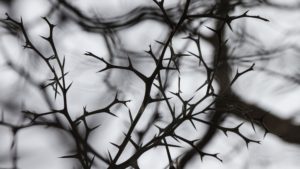
Photo by Andrey Grinkevich on Unsplash
I have a book called Clean Sweep, by Denny Sargent. It’s filled with rituals and instructions to help us let go of what no longer serves us. The author outlines a banishing exercise in which he suggests the reader visualize holding tightly to a thorny branch. In my own version, the branch is heavy, so heavy I can hardly hold it, which drives the thorns deeply into my flesh. The branch is a person, event, memory or belief that gives us emotional pain. We can make an easy choice and cling to it, cradle it, embrace it, let it tear our skin and make us bleed. We can make a harder choice and set it down, open our hands and let it fall. We can walk away from it. We can burn it or bury it.
In order to let go, we have to be willing to surrender control and endure loss. Letting go of a core piece of identity, a long-held belief or a painful memory is difficult work, even when that core piece, belief or memory gives us great pain. Letting go will leave a hole. Then what? Then who are we? How do we fill that hole? How do we understand ourselves and our place in the world? This is scary stuff.
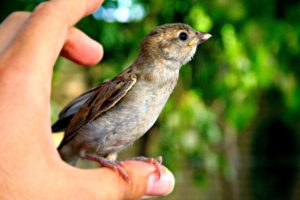
Photo by a-shuhani on Unsplash
Aristotle said nature abhors a vacuum. My friend was right. If we open our hand and release what we’re holding, something else will come, though we can’t predict or control what it might be. In fact, the thing released might return to us in another form. We can’t know. We’ll never know unless we release our need to control. We’ll never find out what might perch on our open hand if we’re not willing to walk through loss in order to reach gain.
I’m having a long and involved break up with my desire to control. Some days I go all day without thinking about it, and other days I want to micromanage everyone and everything in my life. Some days I feel light and free, a confident and lovely woman, and other days I feel like a grubby three-year-old hiding under the covers sucking my thumb because nothing and no one is the way I want them to be. I sulk and pout and snarl and I feel crushed by the thorny weight of my need to control.
Then, at some point, my eye falls on my little clay wise woman and her cupped hands and wide-open heart, and I say, “Oh, yeah. That’s right. Letting go.”
I feel annoyed when people tell me to “get over it.” First of all, I have a right to my feelings, and secondly, it’s not that easy. Letting go, for me, is a practice, and I need time to engage in it. Sometimes I go back and find my leaden armful of hawthorn or bramble or locust and hold it again for a while, opening up all the old wounds, exhausting myself, hurting myself, and, finally, opening my hands and letting it fall again. Sometimes I need to design a ritual for letting go, a prayer or a dance or some kind of purification rite. Sometimes I need to make a physical resting place, like a grave or a patch of garden or a newly-planted tree in order to let something go. For me, taking time to honor whatever it is I’m trying to release is helpful. Whatever it is that no longer serves, it was once a part of my life and experience. Laying things to rest in this way helps me release them fully and finally.
When it comes right down to it, this blog has been an exercise in letting go as much as anything else.
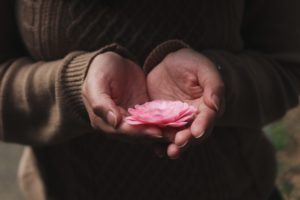
Photo by Ester Marie Doysabas on Unsplash
When we know how to let go, we increase our power, as well as the power of others. Often, what we desperately hold onto is people. This is a strong archetype in old stories; locking the beautiful maiden in the stone tower to “protect” her. Part of love, as any seasoned parent will tell you, is letting go. Imprisoning, disempowering and trying to control others isn’t love. Refusing to let go of someone isn’t love.
Releasing our grievances with others frees them as well as ourselves. Being willing to accept an apology, an explanation, and the imperfections of others allows us all to move forward with lighter loads. The stories and memories we hurt ourselves with are often ghosts, events involving people who are long dead and far in the past. We can choose to bless them and lay them to rest.
I don’t want to haul around painful memories, toxic garbage, the futility of trying to control life and ineffective behaviors and beliefs. I can’t swim with all that tied to my ankle. I can’t dance. I can’t embrace anything or anyone with an armful of brambles. I can’t create with a heart full of thorns.
I want to be free.
I open my hands.
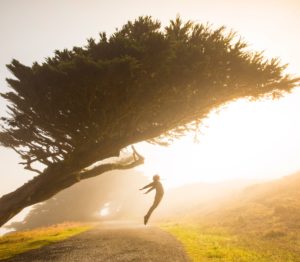
Photo by Stephen Leonardi on Unsplash
Make a Boat
Make a boat
out of who you are
not what you have.
If you don’t know who you are
(Search for the desert between the worlds.
Find Bone Mother.
Recollect.
Reassemble.
Bathe in soul.
Birth yourself.)
That is another journey.
Your boat will be small.
You can take no one.
You can take no thing.
Shape your boat with your truth.
Shape it with the joy in your hands
and the wisdom in the soles of your feet.
Make a chisel of rage and grief.
Sand with the grit of clarity.
Stain with blood.
Oil your boat with the moisture and musk of your sex.
Stitch the rags of your life into a sail.
Weave rope from your hair.
Take your time
And remember
Fear does not float.
When you know the boat is ready,
Sit in it.
Lay the backs of your hands on your knees.
Open your hands.
Let everything go.
Let everything go.
Keep your hands open
So that new things may come.
Without fear
Ask the one who stands just behind your shoulder
The one who shelters your life in the shadow of her wing
To come forward.
She will guide the boat.
Surrender yourself to your boat,
to the water,
to your guide.
Find your breath.
Stay there.
Find your heartbeat.
Stay there.
Keep your hands open.
Rest.
Don’t stand up in the boat!
Don’t throw yourself out of the boat!
Don’t you want to see where you are going?
Look. See how the feathers on her wing
trail in the water?
All content on this site ©2018
Jennifer Rose
except where otherwise noted
by Jenny Rose | Dec 14, 2017 | Authenticity, Emotional Intelligence, Needs
It occurred to me this morning that, in general, I’m still confused about what I want.
I’ve had a tumultuous history with my own wants. At some point, very early, as I was learning to be a people pleaser, I gave up wanting anything because I thought it was bad. What I understood was that everyone else’s wants were far more important, and it was my more-than-full-time job to provide those wants rather than selfishly have my own. With rare exceptions, that’s been my modus operandi my whole life.
When I went through a life coaching and emotional intelligence program, my coach suggested I had a perfect right to get my needs met, and he defined some of my “wants” as needs, for example my longing for community and connection. I was enraged. Nobody had ever before made such an outrageous proposal. He clearly didn’t understand the terrible vulnerability of needing or wanting anything from anyone. Having the right to get needs and wants met was the most ludicrous, dangerous piece of heresy I’d ever heard.
That was four years ago, and I’m as angry about it now as I was the first time I heard it.
I also can’t leave the idea alone. I think about it all the time.

Photo by John Salvino on Unsplash
I picture my needs and wants as a snarling chained wolf with blazing eyes, nothing but matted grey hair over bones, backed into a tight corner, determined to go down fighting.
I grieve, literally, to admit I chained it there myself. I chained it without food, water or shelter, and walked away — for decades. During those years of neglect, it starved and thirsted. It suffered alone with no help, no hope, a solitary prisoner.
I’ve done a lot of animal rescue work in my time, and I know sometimes an animal is just too far gone to rehabilitate. Sometimes you can save their bodies, but the abuse and neglect they’ve suffered has damaged their will to live and their ability to trust and connect, and rescue comes too late. Sometimes, against all odds, some strength of heart or spirit survives and an animal accepts affection and care, but its body is too starved or broken to heal.
Part of what I’ve been doing since I’ve come to Maine is to try to rescue my chained wolf, this piece of self I rejected, denied and tried to destroy.
It’s a long process, filled with grief, shame and anger. It takes determination, patience, and the willingness to own my history, my pain and my choices, as well as consenting to my responsibility for my own self-healing. Overcoming internal taboos is desperately hard work, and Wanting is one of my oldest taboos.
Sometime last year I wrote a list titled “Things to Want.” It was short and consisted of necessities, mostly. After a lot of hesitation, I added two things that were not necessary but I just … wanted. It felt wrong. It felt shameful. I left the list on my desk and over the following days and weeks I looked at it as I went about my life. About eight months later I bought one of the unnecessary things, a perfumed body oil I love. It cost about $25.
It was like offering a little bit of bland food to my starving wolf, pushing it near with a stick so as to avoid getting mauled. Not so much food as to make it sick, but a place to start.
Photo by Arun Kuchibhotla on Unsplash
This morning, in the pause of winter and our first big snowstorm, my partner and I talked about our plans, our dreams, and our progress. Later, I went out to walk in the snow and I suddenly saw another layer to wanting, another step closer to making amends to my chained wolf.
Wanting is just the beginning. Making a Christmas list is only the top step. What’s the list under the Christmas list, and the list under that? What is it I really want, independent of anyone else? What about the dreams I hold in common with no one, that are just about and for me? If I was free — If my wolf could bound through the snowy landscape and disappear into the Yule forest — what would I want? If we could escape judgement, our own and others’; escape for a moment our stories and labels and self-definitions; escape family, social and tribal expectations; escape our ideology (most imprisoning of all) and want, honestly, nakedly, with all our hearts, what would that Christmas list look like?
In other words, it’s not about the perfumed body oil (Aphrodisian Fire, by the way, from Kate’s Magik). It’s about touch, scent and caring for my thinning skin. It’s about deliberately honoring my own feminine sensuality.
I don’t need any particular product, cosmetic, clothing, gizmo or piece of technology in order to honor my own feminine sensuality, although there are plenty of things to buy that might support that want, including Aphrodisian Fire, but I see now those are really just symbols. I have the power to honor my sensuality in the way I live — in the choices I make about who I connect with and how, and how I treat myself.

Photo by Caley Dimmock on Unsplash
Santa hasn’t got my choices in his sleigh.
I’m very attached to the dreams my partner and I hold in common. I love our vision, and I’m invested in it. It’s going to take a lot of money, and we don’t have that right now.
Maybe we won’t ever have it.
Maybe I was a damn fool (again) and I should never, never, have listened to someone who says it’s okay to have needs and want them met. Maybe I should walk away from my wolf again, and this time never come back. Let it starve to death.
But maybe our grand vision and plans are only the top layers of what I really want. Maybe the plan is the wrapping paper around the real treasures of self-reliance; living as part of a complex, self-sustaining system; building independence from the energy grid and a culture I largely can’t support; fostering community and trusting in my greatest joy … writing.
I don’t have to wait for the plan to happen to have those things. I don’t need money. I don’t need to wait for someone else. I don’t need to brutally imprison or eliminate my wants and needs. I can be learning, building and transforming my life right now, today, from the inside out. I can, day by day, draw a step closer to my wolf with food, with water, with a gentle hand and with compassion, and maybe, one day, come close enough to remove the chain and let the poor creature go free and wild into the world, wanting and needing as it will.
So, I’m making a list and checking it twice. Or three times. I’m peering underneath the items, things, objects, stuff on that list. What is it I really want? What am I really longing for? And if I look under that, what do I find? What are the deepest wants and needs?
Merry Christmas, everyone.

Photo by Galina N on Unsplash
All content on this site ©2017
Jennifer Rose
except where otherwise noted
by Jenny Rose | Jun 22, 2017 | A Flourishing Woman, Self-Love
Recently I went back to the little mountain town in the Southern Colorado Rockies I called home for twenty years, and wrapped up the sale of my house. It was an important trip for me, one which I’ve been anticipating ever since I arrived in Maine two and a half years ago. My partner and I drove out and drove back. I didn’t try to blog or write on the road, but I made a lot of notes and I discovered a persistent theme.
Reclamation, according to a quickie internet search, means “the process of claiming something back or of reasserting a right” or “the cultivation of waste land or land formerly under water.” It strikes me there’s an interesting and subtle possibility of conflict in those two definitions. What exactly is waste land, and who has the power to define it? Also, what does cultivation mean? Big Ag? Monocropping? Pesticides and Roundup? Or cultivation by plants, animals and wind?
In any event, I’ve been carrying the word reclamation for some years now like a talisman. It’s a cord linking events and choices of the last years of my life together.

Photo by Tanja Heffner on Unsplash
I remember exactly when it started. I was sitting in a chair in the salon where a friend cut my hair for years. In the mirror, I could see my hair falling over my shoulders and down my back, thick and wavy and beginning to be streaked with grey. I was desolate because of a broken relationship, and I saw a woman who was unwanted in that mirror. I didn’t want to be her anymore. I wanted to be someone else. My friend asked me what I wanted to do and I told her to cut it all off. “Reclamation,” I said. I couldn’t say more because I didn’t want to break into sobs, but she knew exactly what I meant, and she tied a smock around my neck and started cutting.
My ex-boyfriend had loved my hair. I loved it, too. It made me feel sexy and beautiful and feminine. Cutting it was the first step I took on the road leading me to this attic space in central Maine, where I sit this summer morning (with short hair) writing with the windows open and the sound of crickets, frogs and birds flowing in.
I held onto that word, reclamation. It became a boat to sail away in, and then a lifeboat, and then a raft and then a spar of wood in a fathomless sea of floating debris that kept me alive until current and waves took me back to shore.

Photo by Edewaa Foster on Unsplash
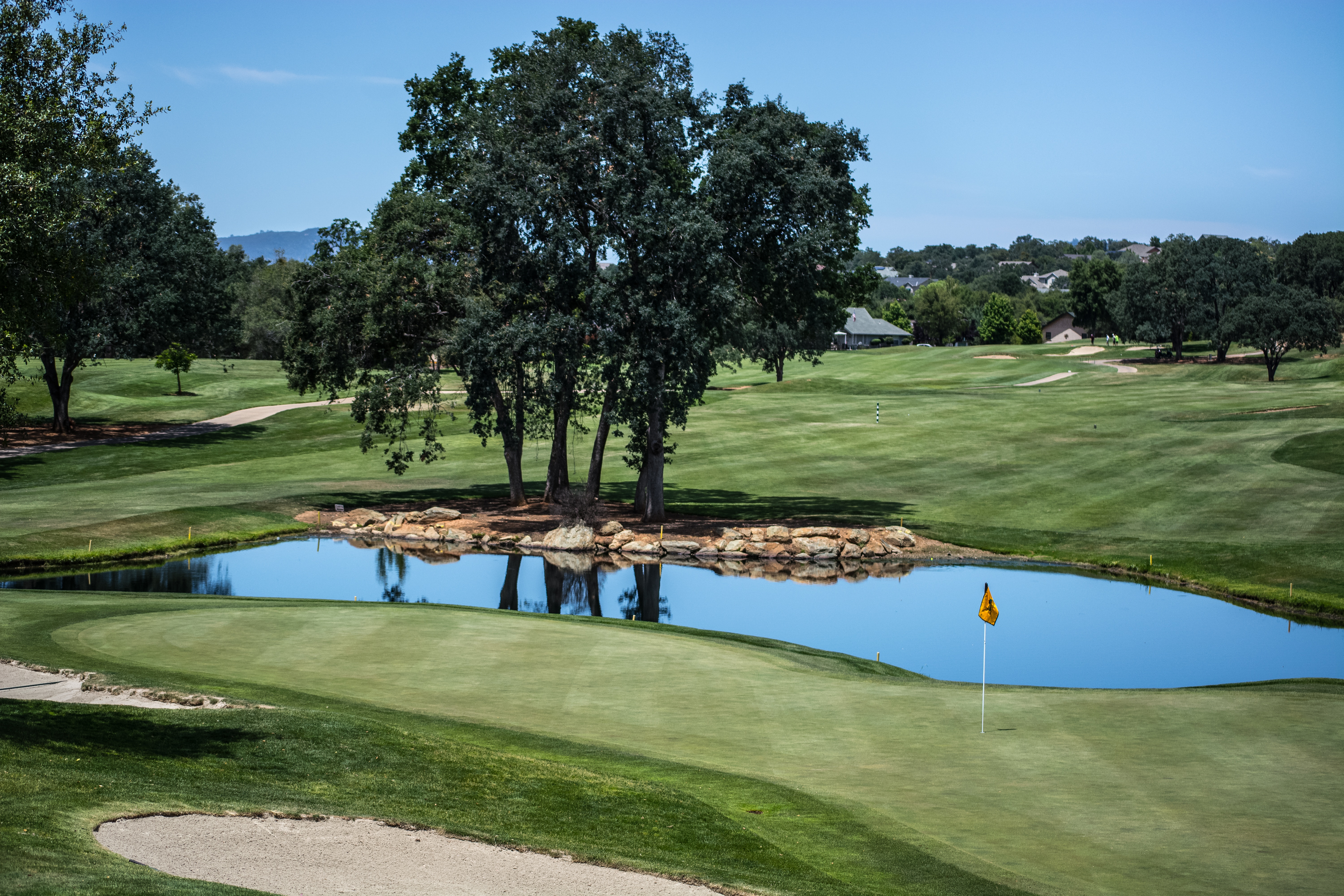
The little town I lived in had no claim to fame or big dollar tourism except for a golf course. When I moved there the course was renowned for being one of the most beautiful in the country, and visitors came from all over during the summer to play there, filling the inns and RV parks. Then drought struck that part of Colorado, the golf course was sold to an absentee owner who immediately got crosswise with the town, and gradually, due to a mixture of water problems, politics and general assholery on the part of the owner, the golf course went downhill, people lost jobs, the greens became unkempt and the tourists stopped coming. Then, just about the time I left town, the golf course closed.
I don’t play golf and my living fortunately didn’t depend on the tourist trade, but every morning, just before dawn, I walked on the golf course.
I didn’t do it for exercise or as a discipline. It was my lifeline. It was the one place where I never failed. I was guaranteed solitude and peace. Nobody knew where I was. I knew the course so well I could disappear into it, be absorbed. I had several routes, one for ordinary days, one for days of grief, one for days of rage and the longest one for days of despair. I used some of the cart paths, but mostly I followed the contours and edges of the greens and walked along the river, which was generally only a trickle, if not entirely dry. I often heard owls going to roost as meadowlarks began their morning chorus. I saw bears, foxes, skunks, deer and geese.
In the days of relative plenty, maintenance men worked as early as I was walking, but I was a familiar local figure and we ignored each other. I avoided them and they only saw me at a distance. There was an elaborate sprinkler system, of course, that worked all night every night and made the whole place fresh and green and cool, a stark contrast to my daily reality of hauling or pumping grey water out to my garden because of drought and watering restrictions. I lived a five-minute walk away.
During our recent trip we only spent one night in that little town, but I woke early, slid into my clothes and walked to the golf course. I knew it had been closed altogether for some time. This year the drought momentarily broke in the valley with record amounts of snow and rain, and the river that so often dried up flooded, both on the course and through the town. As I slipped through the gates and passed the “no trespassing” signs in the dark of early dawn, I could hear the river, an amazing, miraculous sound. The scent and chill kiss in the air of running water was very different from the mechanical chik, chik, chik of an automatic sprinkler.
The cart path was rutted, muddy and overgrown. Large tree limbs had fallen and nobody cleared them away. The river actually broke out of its banks and spread across a former green. I’d seen pictures in the local paper, but I still couldn’t believe my eyes. The town sent in machinery to make barriers out of heaped-up debris and mud. Whole trees had toppled, their root balls pathetically exposed to the sky.
Photo by Alejandro Escamilla on Unsplash
Once, I could have walked several paths on the golf course blindfolded. I often was there in the dark. Now my footing was uncertain. The grass grew up to my waist and I kept tripping over hidden windfall branches. Weeds filled the sand traps. The greens were, of course, gone. The groomed contours that once marked my route had vanished, forcing me to slow down and move more cautiously. I strained my eyes to discover familiar slopes and hollows in the dim light.
As I moved deeper into the old course, I thought of all the hundreds of mornings I’ve spent there, praying, weeping, raging, pressing myself against nature in every mood and season. I took my joy there, my hope, my dreams, and my gratitude practice. The golf course was a place of creative inspiration, a place of guidance and comfort, a place in which to staunch wounds enough to carry on another day. I was real there. I didn’t try to hide from myself.
That highly-groomed, herbicide-gagged, shaved, enslaved, money-making piece of land (a waste land) is going wild again. It was captured, bought, and pimped by a businessman in order to create a profit. Now, Mother Nature reclaims her own. The land begins to remember itself. As I walked and the light increased, showing me myriad signs of healing, I felt akin to the land. What is happening there is happening to me. I had a pimp, too — myself. I sold myself for what I thought I was worth in order to get what I needed. Now the land and I reclaim ourselves from a bleak and limited culture that relies on chemicals, profit and power-over rather than natural cycles and cooperation.
Reclamation is not a controlled, civilized process. It’s wild, sometimes catastrophic. The river made a scar where it broke its banks and uprooted trees, but it carved out a new bed for itself. The old bed will fill in. New growth will cover all that exposed earth. The downed limbs and trees will rot and feed the soil and mycelium while native plants and grasses return. Is this what we mean by waste land? Forest fire, flood and storm are acts of nature that reshape the land and environment. Life dies and renews, one act leading to the other. We often experience reclamation as terrifying and tragic. Human beings, for the most part, don’t welcome change unless we control it.
Yet we do change. The world changes. The weather changes. Those around us change. We can neither stop nor control it in any significant way, and I’m entirely grateful for that. The golf course and I are messy. Our hair is disheveled. Our trim, neat lines are blurred. The high unmown grass through which I waded brushed against the hair on my bare legs. The water feeding the land and the water of feeling that feeds me have carved a new, wider path. Bridges and trees sag and unravel, not trash but compost for the next thing. Paths and fences fall into disrepair. Grass and saplings mingle freely, each reaching toward the other at the edges.
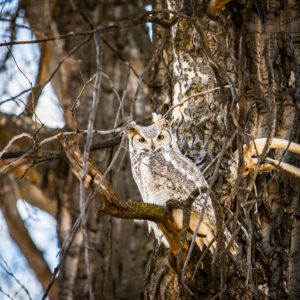
Photo by Laterjay Photography on Unsplash
Snakes, rabbits and insects live again in the shelter of the grasses. Does can leave their fawns safely concealed while they browse, and their presence will bring the mountain lions down from the foothills. Owls will find abundant mice, voles and other rodents in what was a carpet of sterile green velvet. The beaver and raccoons will no longer be trapped or shot, lest they disturb the regulated beauty of the water features or annoy the tourists. Over all this complex, creative system, the meadowlark still sings, that king of the high fields and plains, and his song still brings tears to my eyes and an ache to my throat.
That land will always be home to the woman I was. I was glad to return for a brief hour and realize my beloved place has moved on, just as I have. The land and I were both over-civilized into waste land, but now we’re reclaiming ourselves. The golf course and I reassert our right to be what we are. We surrender to change, to mess, and to the transformative edge of chaos.
All content on this site ©2017
Jennifer Rose
except where otherwise noted
by Jenny Rose | Apr 27, 2017 | Connection & Community, Emotional Intelligence
I noticed last week’s post on authentic female power quickly became my most read post to date, perhaps confirming my suspicion about how hungry women are to reclaim real power.
This week, my partner shared a short video clip with me that talks about manufactured consent.
This morning, as we cooked breakfast together, My partner informed me about the new trend of buying dirty jeans at $425 a pair.

Photo by Andrew Loke on Unsplash
As usual, I feel painfully out of step with the culture. I feel angry. I feel lonely. I feel flawed in some deep, irrevocable way because of what I want. I grieve for the loss of connection with what I can touch, smell, taste, look at, hear and be held by.
Yet there was a significant response to last week’s post, which indicates to me I’m not as alone as I feel.
It seems to me we’re increasingly distanced from one another, increasingly divided. The culture says we’re more connected and have access to more information than ever, and in a manner of speaking that’s true. We’re more technologically connected than ever. We’re more connected with word and symbol than ever. In fact, our heightened connectivity is creating new languages of emojis, emoticons, like and dislike buttons, and shortcut language that accommodates the limitations of tweets and texts.
Yet we live in technological enclaves that are every bit as rigid as physical neighborhoods and districts in a city. If, like me, we don’t have a cell phone — well, we’re out of the texting conversation. We’re invisible. We don’t count. We’re silenced. Ditto if we don’t have access to Internet or aren’t on social media, or don’t have an email. If we don’t play on the technological playground, we’re depersonalized and disconnected — literally.
But words, pictures, profiles and emoticons can lie. Language includes communication that only occurs with physical presence. Without physical presence, we can’t discern lies from truth. Our power is so damaged we routinely swallow just about everything the culture, media, advertising and our “friends” tells us.
For example, professional women can’t succeed if they don’t adhere to social standards of businesslike attire, clothing and makeup. If you don’t believe me, look it up on any of your tech devices. It’s not hard to find this “fact,” both directly stated and implied. Let me just repeat that, to make sure you got it.
If we’re a woman who doesn’t buy and use makeup, we can’t succeed in the business world. Everybody says so. Everybody believes it. Everybody makes it true by enforcing it each and every day with words, buying choices, advertising, blogs and articles, all courtesy of technological connectivity and manufactured consent. In 2015, the United States was considered the most valuable beauty and personal care market in the world, with a market value of 80 billion dollars.
I’d say that’s pretty successful manufactured consent, wouldn’t you? Pat yourself on the back if you wear makeup, because your hard-earned money is somewhere in that 80 billion dollars. Well done. Do you feel successful and powerful now? Someone does.
If we’re on Facebook, we have friends, a community, a popular vote of “likes.” We don’t have to deal with morning breath, a wet spot on the mattress, different schedules and rhythms, dirty bathrooms, greasy stoves, or any of the small idiosyncrasies and habits real people have. We don’t have to reveal our physical bodies, our insecurities and our wounds. The worst rejection we risk is being blocked or unfriended. We don’t have to learn how to accept, live with and perhaps even appreciate (perish the thought!) different points of view or opinions. We don’t have to be challenged, stretched, or have our dearest beliefs threatened.
Pressing a button is so much easier than all the messy consequences of authentic connection.

Photo by Alessio Lin on Unsplash
We never have to risk being real at a technological remove. No one can blow our cover. We never have to face ourselves; take responsibility for our words, views or choices; or endure the difference between the way we wish to be and the way others actually experience us. Or, alternatively, we can come out of hiding, feel safe behind the screen, and finally allow all our hate and rage off the leash.
Our culture tells us power and success equal carefully constructed pseudo self profiles, the latest technological gadgets, social media accounts, likes, followers and “friends.”
The culture teaches that power and success are achieved by buying things and the possession of money. Now there’s a circular game of empty addiction we can never win and sellers never lose!
Power and success are ours if we participate fully in manufactured consent. Would anyone like to buy a pair of dirty jeans? Guaranteed power and success!
Yet how many of us truly feel powerful and successful? Are we there yet? If we’re not there, we will be after we buy just one more thing, right? Or perhaps we need to make just a little more money, or lose a little more weight, or finally find the “right” mate.
If we’re well connected technologically, our needs are all met, yes? We have a tribe, a community in which to laugh, cry, celebrate, mourn and share our authentic selves. We have physical reassurance and bonding. Our relationships are based on authenticity, reciprocity and respect. We feel seen, heard and known.

Photo by freddie marriage on Unsplash
I don’t think so. I don’t think tech meets all our needs for authentic connection. I think it more often swallows us up and absorbs us. It’s a toxic mimic for the real thing, more controllable and less risky, and we the sheeple have been groomed to buy every toy that’s put in front of us. We’ve forgotten to look up and notice there’s another human being in the room, in the bed or at the table. That’s the power of manufactured consent.
It doesn’t surprise me that Baba Yaga spoke to so many last week. We’ve sterilized what she represents right out of our modern culture. All her outrageous, provocative, profane, rebellious, insubordinate, irreverent, passionate, authentic attributes have been pushed underground, where her spirit lurks, watching, cackling, stirring her cauldron, sucking on bones and waiting for us to remember her and summon authentic power and connection again.
Authentic connection has a scent of living tissue and breath. It’s texture and heartbeat. It communicates with word, action, and the silent language of the body. It doesn’t allow us to shut our eyes, stop our ears or press a button and dismiss uncomfortable tension.
Authentic connection reveals us to ourselves and to others. It isn’t muffled, sterilized or distorted by keyboard or touchpad. It’s defined by visible action and choice. It demands priority and time. It requires real participation, with heart, body and presence. Authentic connection makes us weep. It makes us bleed. It makes us laugh. It awakens our rage. It heals us and makes us whole. It’s messy, unpredictable, confusing, demanding, imperfect, and reminds us at every turn of the limits of our power. It forces us to communicate and then holds us accountable for what we say — and what we don’t.
Most of all, authentic connection is not something we can buy — ever. No one and nothing can give it to us. Our only access to it is through ourselves. We’re a nation of prostitutes, viewing, clicking, scrolling, buying and surfing, but the only ones profiting are the pimps who cash in on our hunger for something real and our addiction to everything not-real.
Yet Baba Yaga is on the move, sowing seeds of divine rebellion into the cancer of manufactured consent and patriarchy, deprogramming one woman at a time. Even now she’s flying on the spring wind in her mortar, using a pestle as a rudder, searching for all those women who long for something real.
Searching for me.
My daily crime.
All content on this site ©2017
Jennifer Rose
except where otherwise noted