by Jenny Rose | Jan 25, 2018 | Power
Arguing with what is.
Possibly the most fruitless endeavor in the world.
Yet many of us consistently argue with how we are, how others are, and how the world is.
Arguing with what is is like living in an unending war. Clinging to a story inconsistent with what is requires constant vigilance. Our lives begin to revolve around the fear that the truth we refuse to acknowledge will escape or be exposed.
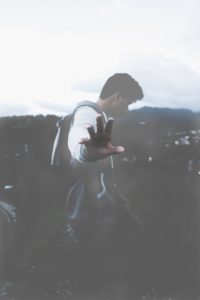
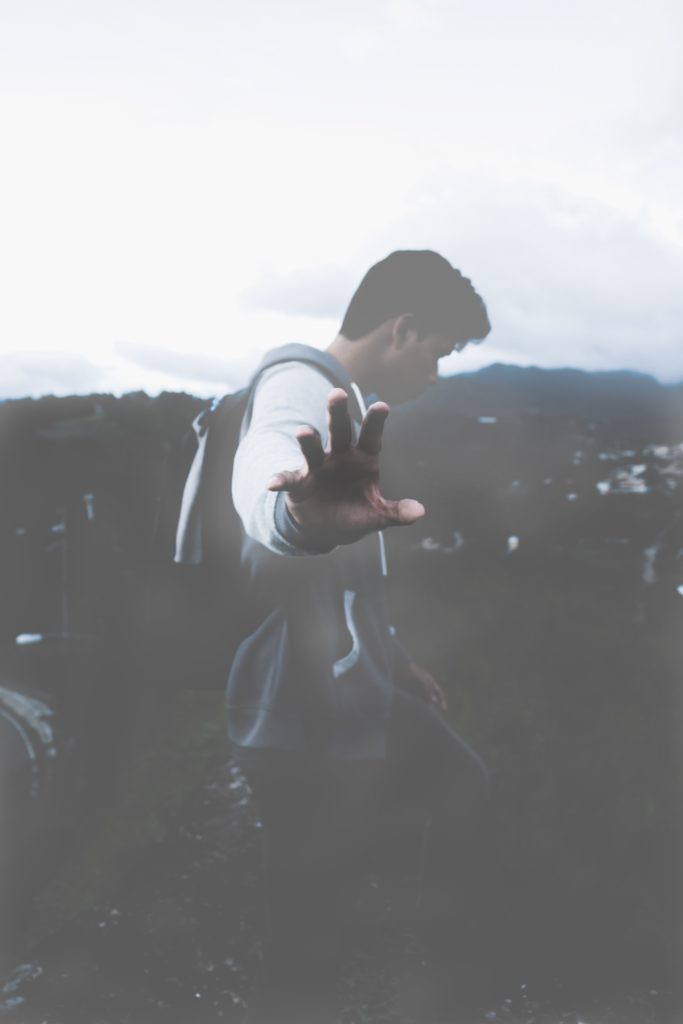
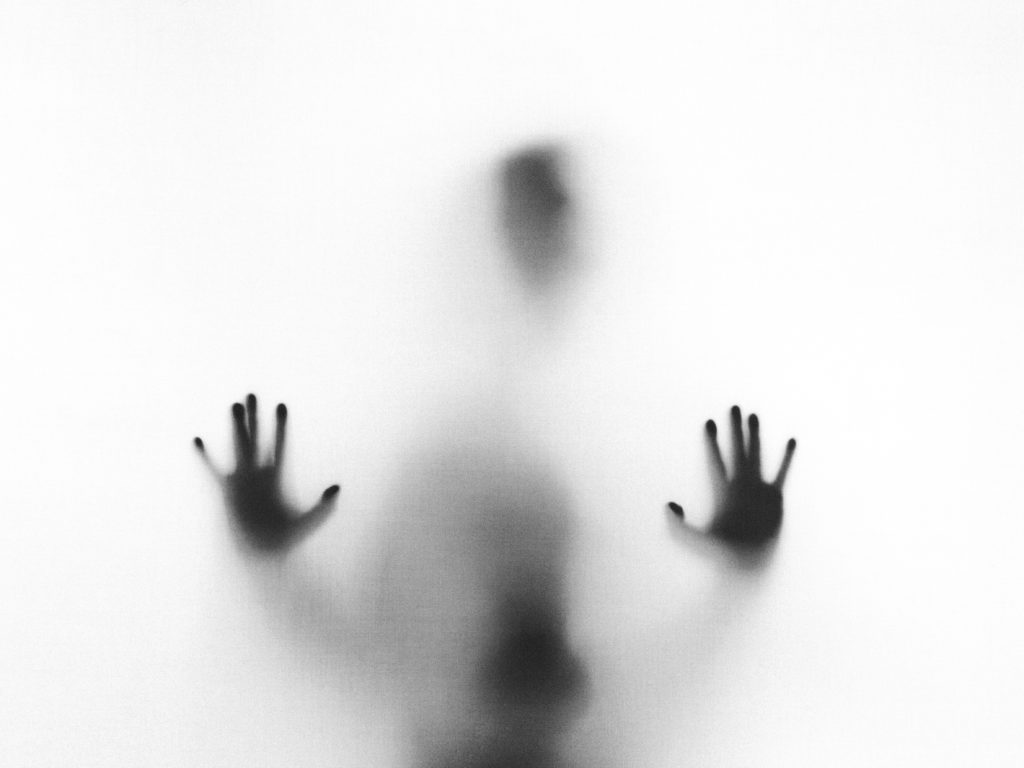
Photo by Ian Espinosa on Unsplash
We cannot allow that to happen, so we put all our energy into convincing ourselves that what is isn’t. Then we start trying to persuade others to validate our particular reality because God speaks to us, or we’re especially victimized, marginalized, enlightened, rich or powerful. If we can’t persuade others, we try to create and enforce rules requiring them to fall into line, to agree, at least tacitly, with our point of view and belief system. We scorn critical thinking, science and evidence-based data. We discourage questioning, careful definitions and nuances. We create jargon, acronyms, blacklists and smear campaigns. We enlist the sympathy, empathy, kindness and compassion of well-meaning but naïve people. We set up zero sum games, use gaslighting, violence, abuse, projection, deflection, sweeping and inaccurate generalizations and distortions. We hurt ourselves, and we hurt others.
Arguing with what is is a full-time job.
My particular version of arguing with what is takes place mostly in my head. For example:
I don’t feel loved.
What? How can you say that? Remember that one kiss at the beginning, the most passionate kiss of your life? You know you want that again! Think of how funny he can be, how charming, how much fun! If you don’t feel loved it’s because you’re not trying hard enough. You’re ungrateful. You’re disloyal. You’re a bad partner. You don’t deserve him. You want too much. You’re needy and demanding. Of course he loves you, he’s just not comfortable saying it! You are happy and loved. Get a grip!
I don’t feel happy or loved.
I had this ding-dong conversation with myself for years. I desperately and repeatedly tried to convince myself I was both happy and loved, but I could never quite silence that deep internal voice that went right on saying, “I don’t feel loved.” It wouldn’t shut up. After years of this nonsense, I finally got so exhausted I stopped arguing with my true feelings and ended the relationship. Then, one day I came across narcsite dot com and immediately recognized the narcissist-empath dynamic.
You know what? I was right. I didn’t feel loved because I wasn’t, in fact, loved.

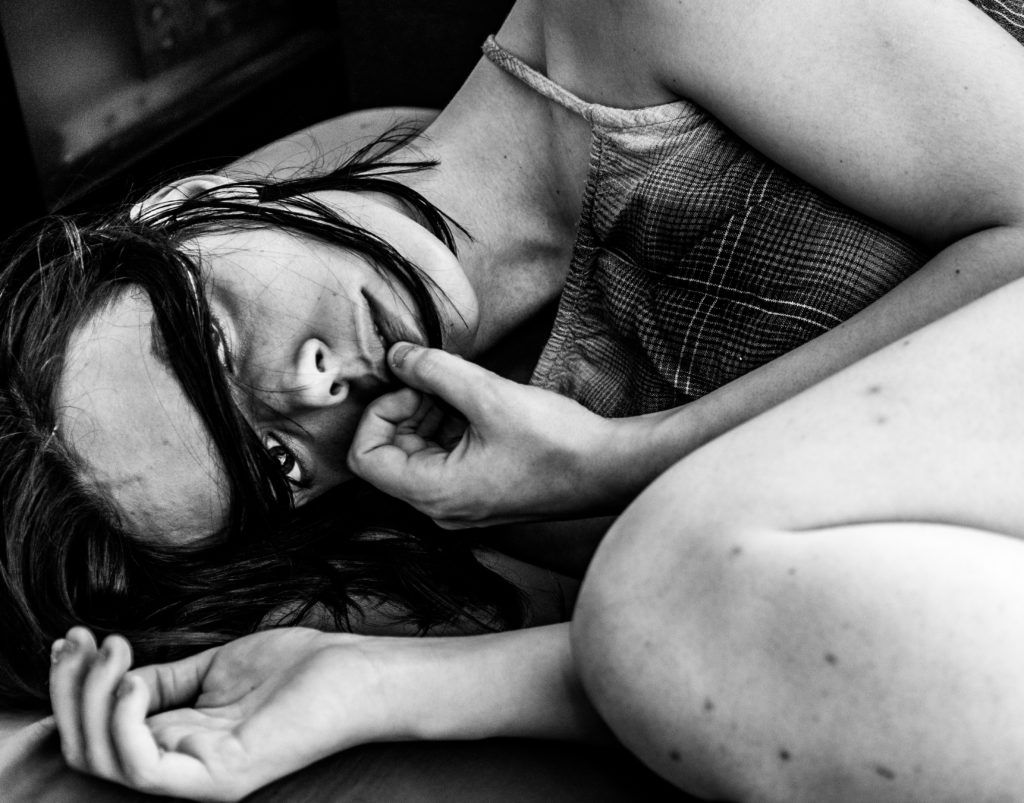
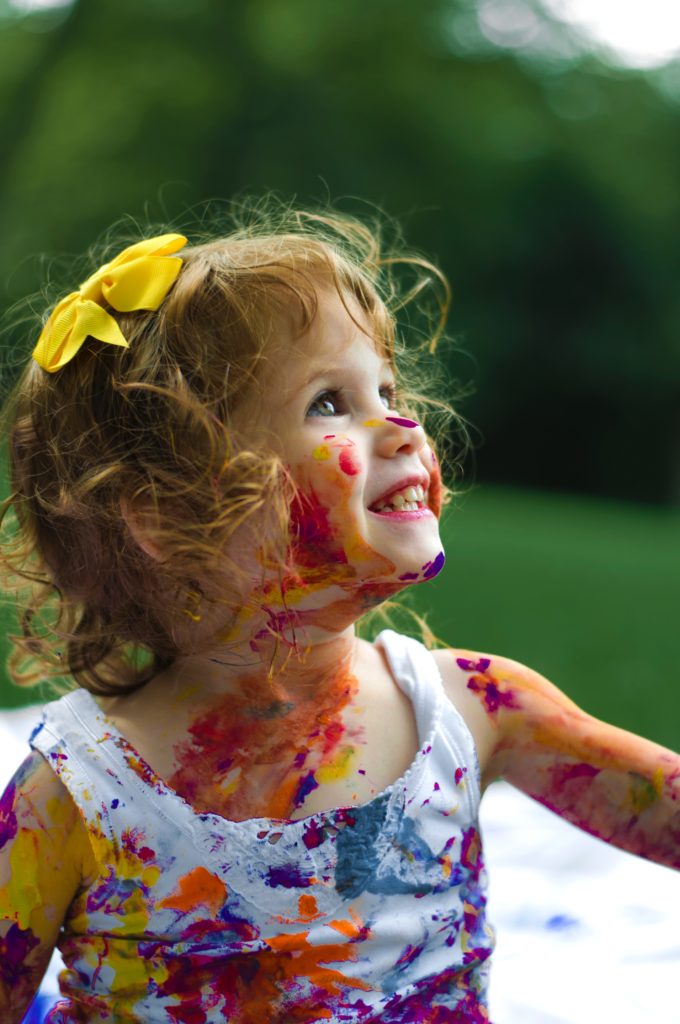
Photo by Travis Bozeman on Unsplash
Arguing with what is means fear and self-doubt are my constant companions.
So what’s the other side of the coin? What’s the fix for arguing with what is?
This magical phrase: However this needs to be, it’s okay with me.
Say it aloud: However this needs to be, it’s okay with me. Is it a lie? It usually is a lie for me when I first apply it to any given situation. I want things to be predictable, controlled and adhere to my expectations and standards. I expect that of myself, of others and of the world.
I haven’t had great luck with that expectation. The rebellious world is chaotic, unpredictable and unexpected. I’m not in charge of anyone but myself, and my feelings (along with the rest of me) are disobedient and refuse to be controlled.
My need for control and predictability are rooted in fear and lack of trust in myself. If, at any moment in any day, however things need to be is not okay with me, I know I’m dealing with fear or lack of self-trust, and those are both places where I have all the power. That instant refocus from avoiding, denying or refusing an inconvenient or unexpected truth or reality over which I have no power to the very center of my power clears away anxiety, confusion and fear. What happens in me, in a day, or in the world is not really the problem. The problem is in the way I manage my power and my choices. Addressing my own power and choices allows me to say, with perfect truth, that however this needs to be, it’s okay with me.
Being okay with the ways things are doesn’t mean endless love, light and turning the other cheek. It doesn’t mean I accept boundary violations, bullying, coercion, violence or any other kind of power-over games. It doesn’t mean I tip-toe through life pleasing others, following rules and keeping silent. It doesn’t mean toadying to the political correctness police. It doesn’t mean I feel no frustration or disappointment, or that the status quo should remain unchallenged and unchanged. It means clarity about where my power is.
Nobody wants a flat tire, herpes, an unwanted pregnancy, a cancer diagnosis, mental illness, the flu or to lose a loved one. We don’t want superstorms that wipe out our homes, the uncertainties and anxiety of climate change or food and water shortages. Nobody voted for lead in their drinking water, or to experience genocide. Nobody wants to be silenced, attacked, abused, marginalized, shot or scapegoated.
Yet all these things are. They’re real, along with many magical, wonderful things, and I can’t change the way things are.
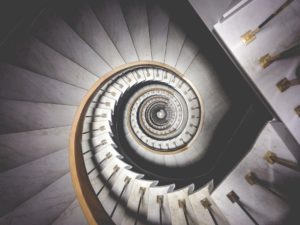
Photo by Ludde Lorentz on Unsplash
I can only change the way I am. I can decide when and how to speak. I can decide how I interact with others. I can listen, learn, research, ask questions, think critically and decide where I stand on important issues. I can speak up for those without voices. I can pay attention to my own integrity and operate within it. I can disengage, refuse to pick up poisoned bait, move away from where the blow is going to land (sometimes) and learn self-defense.
I can say no.
I can learn to trust my own courage, willingness to love, intelligence, feelings and ability to adjust and adapt to whatever happens. I can choose confidence and curiosity as companions.
I can make sure that however I need to be, it’s okay with me.
I can surrender to others in all their strengths and imperfections. Each one of us is however we need to be, sick or well, destroyer or hero, weak or strong, power-over or power-with. People in the world are okay with me, and I choose who I engage and connect with, who I support or hinder, who I share power with, who I collaborate and cooperate with and who I allow in my life.
However this minute, this hour, this day needs to be, it’s okay with me. If I catch the flu, it’s okay with me (Ugh). If I can’t get out of the icy driveway to go swimming, it’s okay with me (Rats!). If I reread the rough draft of this post and decide it needs to be rewritten before tomorrow when I post, it’s okay with me (what a pain in the neck!)
I can accept what is, deal with it, and go on.
Or I can argue with what is.
It’s a chocolate-or-vanilla choice, and we make it a hundred times a day.
Whatever you choose, it’s okay with me.
And So

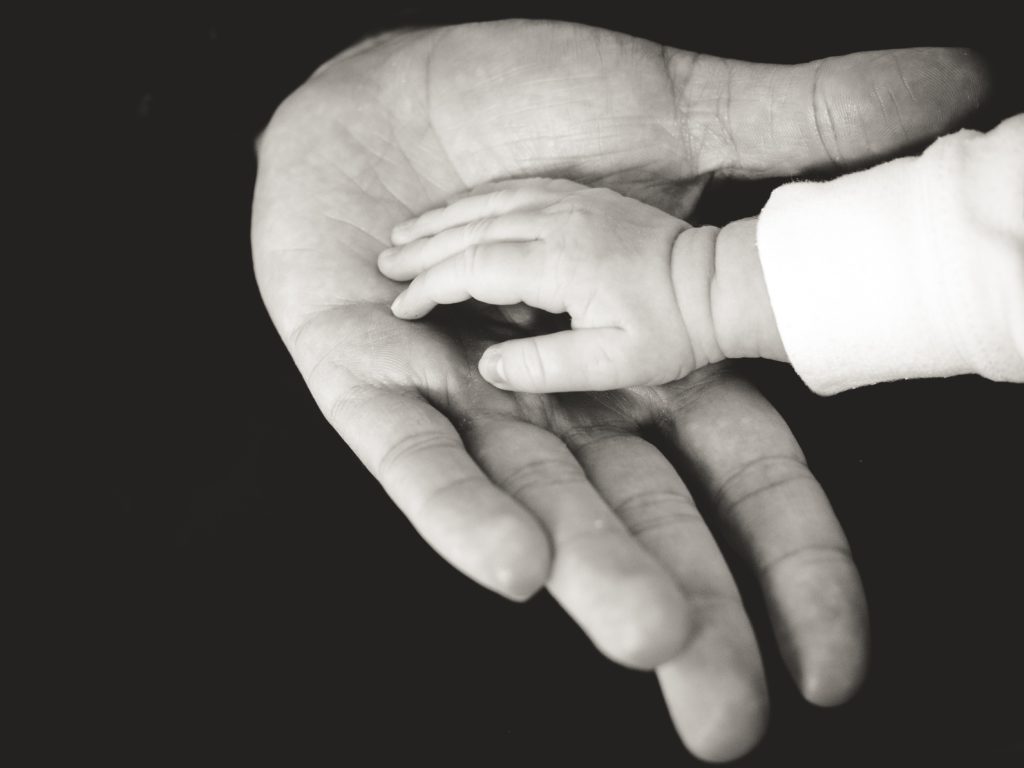
Photo by freestocks.org on Unsplash
And so, after all, it was no use,
That desperate determination to please.
In the end a hidden, untamed thing
Always looked out of my eyes,
Beseeching for freedom,
And none of us could beat it down.
Now all the rigid outlines of my life
Have fallen around my feet in graceful folds.
I’ve counted silver threads and lines
And granted freedom.
If there’s no lover for what I am
I can kiss my own shoulders.
All content on this site ©2018
Jennifer Rose
except where otherwise noted
by Jenny Rose | Nov 16, 2017 | Connection & Community, Emotional Intelligence, Shadows
I recently had a conversation in which I learned about the degree to which my anxiety affected at least one of my now adult children.
Parenting is an ironic business. Having been a chronically anxious child myself, always feeling unsafe and afraid, I strove mightily to protect my own children from any sort of fear or insecurity. Of course, I did this by assuring them all was well, all the while fearing all was not and never would be well. Being no less intelligent than I am, they heard the words but knew the truth of my feelings, and thus their trust in me was damaged, an exact replay of what happened between me and my own mother. You know, that thing I was never going to do when I was a parent!
Well, I’m humbled. I’m also sad, because I didn’t want either of my kids to battle with the burden of anxiety. It’s a hard way to live.
However, I understand parenting, at best, is an imperfect process, and I try to hold my mother and myself with gentle arms regarding our choices as mothers. Parenting less than perfectly does not imply a lack of love. I know we both did the best we could with what we had at any particular point in time. No parent can do more.
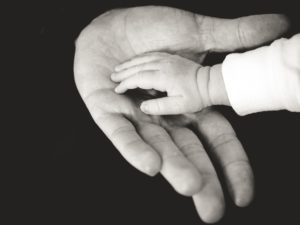
Photo by Liane Metzler on Unsplash
Still, this kind of revelation is a far cry from my hopes, dreams and intentions when I held my newborns. On the other hand, it speaks to the strength of my relationship with my adult children that they can tell me the truth about their experience and I can hear it.
After our conversation, I’ve thought a lot about fear and anxiety. I can’t go back and reparent, but I wonder if I might, even at this late stage, find a way to extricate myself from the insidious tentacles of anxiety. I’ve been thinking about my life and trying to understand exactly what the roots of my anxiety are.
According to an Internet search, fear is “an unpleasant emotion caused by the belief that someone or something is dangerous, likely to cause pain, or a threat.” Fear is considered real, in that it’s right there in front of us, and elicits an immediate response.
Anxiety is an “emotion characterized by an unpleasant state of turmoil; a feeling of worry, nervousness or unease, typically regarding an imminent event or something with uncertain outcome; a nervous disorder.” Anxiety is differentiated from fear by being more diffuse and generalized and focusing on imaginary outcomes and possibilities. Physiologically, it elicits the same response, and therein lies part of the problem.
Both are unpleasant emotions or feelings affecting us physically, intellectually and emotionally. We evolved to respond to fear in certain specific physiological ways, returning to baseline as the fear passes. Fear is a valuable feeling, helping us discern and avoid danger. I certainly don’t want to disable mine. I know the feeling of fear, but it’s not a frequent experience.
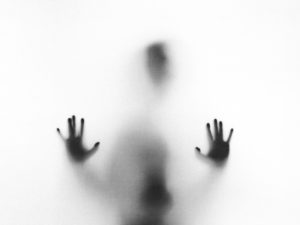
Photo by Stefano Pollio on Unsplash
Anxiety, on the other hand, is a chronic state for me. I can’t remember ever being free of it. I’ve developed a lot of coping mechanisms over the years, some more effective and appropriate than others, but I can’t imagine what life would be like without it. As far as I can tell, the feeling of anxiety provides no benefits whatsoever to me or anyone around me. It’s highly contagious and negatively impacts others in my life, to say nothing of the damage it does to me. We are not constructed to tolerate the chronic level of physiological arousal produced by anxiety.
I never before actually looked up these words, and I’ve never had the above distinctions between fear and anxiety until this week. I conclude that I have no problem with my relationship to fear, but I’m a slave to anxiety.
I find a kind of mordant humor in having a chronic unpleasant feeling regarding uncertain outcomes. Excuse me? All outcomes are uncertain for everyone until they happen! Most of us operate most of the time as though we know exactly what will happen next, but we don’t. I’ve lived long enough to know that’s all an illusion. Nobody knows what’s going to happen next on any level. For some reason, I’ve given that fact the power to make me miserable.
I have a powerful imagination, which makes me a good writer and creator. However, it also occasionally makes me captive to my own stories. I forget that my stories are just that — stories. I make them up, tell them to myself over and over, and behave as though they’re true, never really noticing when they diverge from reality. In my head, it’s all so real. I do know the difference between a story and what’s real, but I have to remind myself to keep the two separated.
Some stories are so old and deeply ingrained it takes a cataclysm to make us realize they’re not true, and then we have to deal with being wrong and all the consequences, an uncomfortable, humbling and messy process.
If my anxiety is rooted in uncertain and imaginary outcomes and possibilities, it seems obvious I can disable it with a little discipline, a dash of surrender to uncertainty, a lot of presence and the will to change. I’m chagrined by the possibility my anxiety is a lifelong bad habit as much as anything else. Could that be true? Yikes.
I wish with all my heart I’d been a better equipped and less distressed parent, but I remind myself I can’t go back. I can’t begin parenting again from ground zero. I can’t go back to the young woman I was and explain all this and give her the support and safety to actively choose to turn away from anxiety before starting a family. There’s only today, so many years later, as I sit with my laptop in my lap and the sun coming in the windows, glancing at my notes, thinking and writing.
I know all I’ve ever wanted for my own mother is health and happiness. I want the same for my kids. I suspect Mom and my sons also want that for me. Perhaps it’s time for me to shape an anxiety-free life now, not only for my own sake, but for those closest to me as well.
We build our lives on outcomes, one after another, more than we ever notice. We remember the spectacularly good and spectacularly bad outcomes, but what about the countless others? Outcomes are complex, not black and white. Outcomes can create visible and invisible ripples that last a lifetime. I can hardly think of a more fruitless endeavor than worrying about or trying to control outcomes. I’ve survived every outcome to date. What makes me think I won’t continue to do so — until I don’t, of course? But the outcome of death is largely out of my control, too. Why worry?
There are so many things I’d rather do than struggle with anxiety!
There are so many stories to imagine, share and write, rather than keep in my head and hurt myself with!
Anxiety is too expensive. I’m not interested in maintaining it anymore.
Better late than never. My daily crime.

Photo by Senjuti Kundu on Unsplash
All content on this site ©2017
Jennifer Rose
except where otherwise noted
by Jenny Rose | Oct 5, 2017 | Emotional Intelligence, Feelings, Love
A few weeks ago I wrote about romance and in that post I confessed that at this point in my life I’m not sure what love actually is. A strange admission from a reasonably intelligent, well-educated, middle-aged broad with two marriages and two children in her history.
Writing that post enabled me to clearly separate romance from love; though I suppose love might include a little romance from time to time. I’m convinced romance is not synonymous with love, however. I began to make a mental list of what love is not, as I often approach things from the back door first. Love is not a synonym for:
- Romance
- Sex
- Slavery
- Control
- Possession
- Obsession
- A suicide pact
- Abuse
- Fear
- Duty
- Obligation
- Enabling
- Obedience
All right. So what is love? My Randall House Collegiate Dictionary says it’s “a profoundly tender, passionate affection for a person” or “a feeling of warm personal attachment or deep affection.” This definition doesn’t satisfy me at all. My rewrite is that love is a feeling of warm, tender connection and deep affection. I don’t think love is always passionate and I don’t like the word attachment. If anything, love implies to me an attitude of nonattachment.
But what about unrequited love? What about failed love or withdrawn love or love as a weapon or a tool? What about the inability to accept love, or feeling unloved though being told we are? What about those who make us feel our love is ugly, twisted, shameful or inadequate?
I’m always playing with words in my head. This week it’s “What is love?” and “What is a crone? and “What are the differences between compassion, empathy and sympathy?” I lie down with those inquiries and wake up with them. I turn them over while I shower, cook bacon, wash dishes, take my morning walk, practice Tai Chi and drive to town. I’m constantly scribbling notes.
I gave a neighbor a lift this morning and asked him to talk to me about compassion, sympathy and empathy. Poor man. He didn’t know what to make of me.
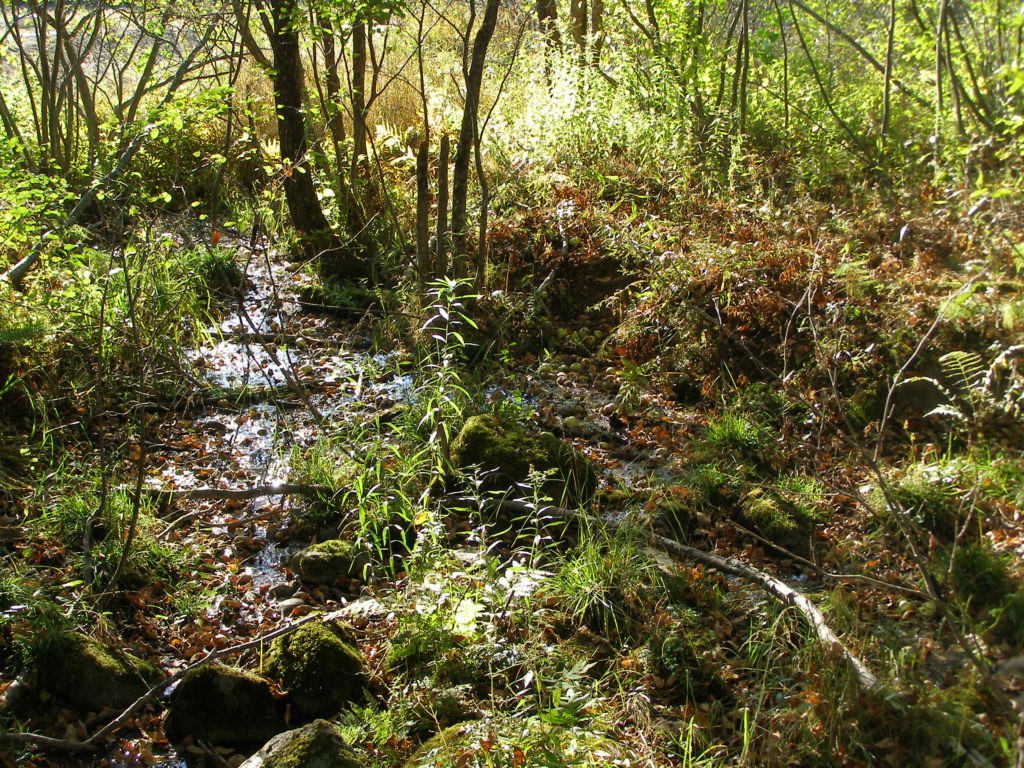
Yesterday, during my frosty morning walk, I dove into a stand of staghorn sumac below the barn and went to visit the spring. This is a daylight spring seeping out of the hill on which the barn and house stand. A long time ago, someone dug a well there, and at one time a pump and tank were installed, along with a system of black plastic outdoor lines to carry water to and from the barn, the garden, and down through the woods to, presumably, crops in the fields below. All the equipment is many decades old now, fallen over and covered with leaves and moss. The well is protected by a round cement cap, much too heavy for me to lift alone (drat!).
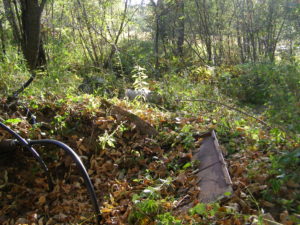
Spring
This spot is hidden in a thick tangle of vine, briar and trees. We rarely go in there, though it’s in close proximity to the barn.
It’s fall and it’s been dry, but the drainage where the spring emerges is clearly marked by rocks and moss. The ground underfoot felt soft, and when I brushed away the leaves I found moist earth. A yard or two below that is mud, and then a trickle of water and then, at the bottom of the hill, a quiet film of water, barely moving, reflecting the tree-laced sky. Right now It’s full of apples dropped from an apple tree that grows alongside it.
As I slipped and slid, tripping over vines and getting scratched by hawthorn and raspberry bushes, feeling the velvety moss coating the rocks and stepping cautiously on rotting wood, it occurred to me that love is like this spring.
I’ve always thought of love as an action verb, something I do to another in exchange for receiving the same. I thought I knew what I meant when I used the word, though I was never challenged to define it exactly. For me it’s been a catch-all term, synonymous with dozens of other, more specific actions: Want, need, desire, honor, trust, respect, care about, listen to, defend, make excuses for, enable, protect, support, believe in, etc., etc.
But what if love is just being? What if it has no object, but just is?
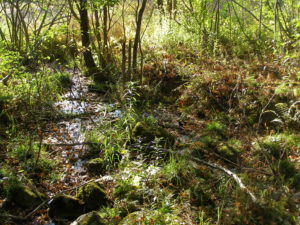
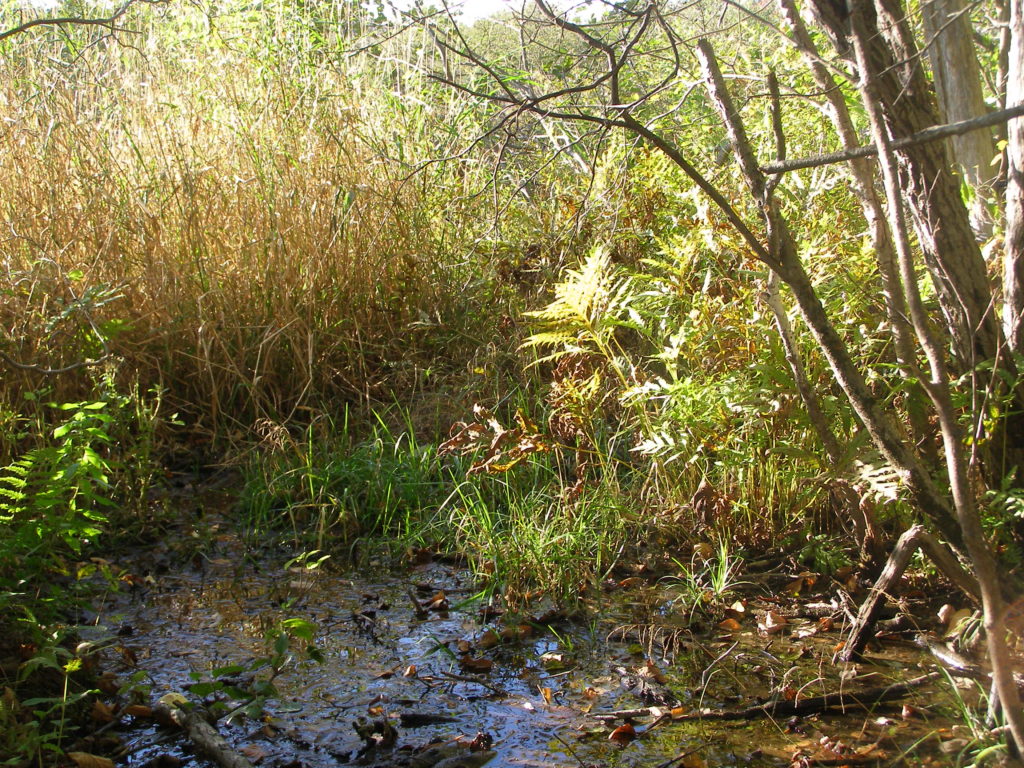
Spring
This little spring is absolutely true to itself. Water drains off the hillside above us and carves a path through the earth and rock until it emerges and runs down the surface at the foot of the hill. We pay no attention to it whatsoever. It’s reliable, predictable and faithful, but not because anyone is looking. Its unobtrusive, quiet presence has created a lush pocket of life, a complex system of plants, fungi, animals and insects, but ten yards away on the open hillside it’s invisible.
What if I make a choice to allow my feeling of love to run through my life in the same way the spring runs through and over the ground? What if I carry within me a wellspring, a hidden cleft, moist, fertile, filled with life, rich in sensuality, simply because it’s an expression of self? If others find their way to it, sit a while, bathe, drink, and allow it to nourish and refresh them, they’re welcome. If others can’t see it, or don’t value it, or dislike the perfume of rotting wood and leaves or the feel of plush moss under their bare foot, it’s nothing to do with me. Not everyone chooses to make their way through raspberry and hawthorn bushes, after all.
What if I don’t need anything in return because I’m giving nothing away? Perhaps the act of love can be a simple state of being, not a totality, not a hurricane of passion and lust, not a romantic fairytale, not a prison and torture chamber, but a spring, a waterway, a shining thread I can share without depletion. Can I allow it to seep quietly up through the roots of my experience, even if no one else ever finds it, wants it, returns it or deems it acceptable?
Our spring is part of a landscape of field and forest, river, pond and stream, rocky hillside and bog. The landscape contains many forms and embraces many systems of life. Birth and death happen on this land. Disease, erosion and flood happen on this land. Prey and predators carry out their sacred dance of balance here. Blood, bone, fur, feather, antler, musk, urine and feces are all here.
I, too, am a complex system of history, memory, belief, thought and feeling. I do not feel love for everyone and everything. My experience of love is that it’s a wild thing; it seeps up where it will and trickles away without warning, taking no account of rules and expectations. I can’t command it and I don’t choose to hold it back. My love doesn’t need anyone’s reception, appreciation, validation or praise.
Love is. I reserve the right to love as I will. I am the keeper of my own wellspring.
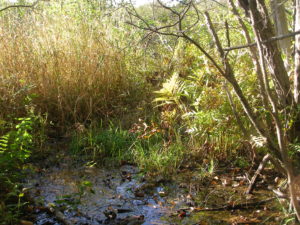
Spring 10/2017
All content on this site ©2017
Jennifer Rose
except where otherwise noted
by Jenny Rose | Sep 14, 2017 | Connection & Community, Emotional Intelligence, Shadows
Power lies beneath the layers at the center, the heart, the core. All avenues of thought, all paths of inquiry lead back to power. What is it? Who controls it? How do we manage and maintain it? Power is the fuel of life. Every relationship is rooted in power. Managing our power is the key to managing our lives at every level, physical, emotional, creative, sexual, spiritual and intellectual.
Narcissists stalk emotional power. They seek it, they lust for it, their voracious hunger and need drive them to control it. They are a yawning abyss that can never be filled because they lack the ability to generate their own emotional power. They will never cease hunting for prey.
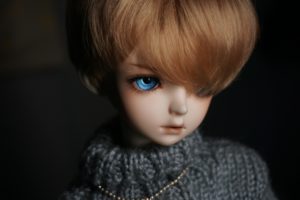
Photo by Rain Wu on Unsplash
The prey of the narcissist is carefully addicted and programmed with romance, charisma, and sex into becoming emotional power machines, set and calibrated to take full advantage of finely-gauged specifications of the prey’s need and vulnerability, so as to provide an unending stream of high-quality emotional power on which the narcissist gorges at will: The fine wine of our love, the exotic spices of our passion, the honey of our confusion, the refreshing tang of our jealousy, the nectar of our anguish and the bitter dark chocolate of our despair. Eagerly, we spread our longings, hopes, fears and fantasies before the icy coruscating mirror concealing the narcissist’s true nature. Narcissists manufacture networks of emotional power machines and pit us against one another in order to obtain ever more abundant, complex and complicated fuel. We are not released until we malfunction, and then we’re contemptuously eliminated (but not freed) to make room for a shiny new machine, and we languish until called for again.
Photo by Gary Bendig on Unsplash
The only hope of escape and healing lies in power, the center, the heart, the core beneath the layers. We must cease to hoard, deny, silence, or give away our emotional power. We must claim it, excavate it, call it by name, learn the flavor and scent of it. We must weep with it, rage with it, release it in righteous orgasm, create with it, fight with it. We must look through its unclouded eyes and follow it, wherever it takes us. We must pray with it, surrender to it and adore it. We must soar within its rapturous fiery wings and plunge into its healing green water. We must build a cosmos out of our emotional power and fill it with galaxies, adorn it with jeweled planets and sow it with shooting stars.
We must defend our emotional power with our lives, for without it we cannot live. We must seduce and enchant ourselves with the rapture of our own emotional power so we cannot be captivated by the scintillating mirrored eyes of the narcissist, for if we’re captured by those mirrors we’ll find nothing but our enslavement and performance as emotional power machines reflected back to us, and the stench of the charnel house will invade our souls.
Photo by Aimee Vogelsang on Unsplash
We must look in those glittering mirror eyes, look deeply, look well, and say, “Ah, here is my own reflection, my ravishing emotional self, entirely naked and unashamed.” We must say, “No, I will not be your emotional power machine, no, you can give me nothing that wasn’t already mine, no, I name you Narcissist and I know your terrible secret: You are powerless without your prey,” and turn away, dance away with our bountiful bared breasts and strong hips, pressing our lips to our own shoulders with love because we have everything we need, everything we want, as we embrace our own emotional power beneath the layers in our center, in our heart, in our core.
For more information on recognizing, understanding and managing narcissists and their behaviors, explore narcsite dot com, created and written by a narcissist. If you suspect you have had or now have a narcissist in your life, read ‘The Prime Aims’ on that site for clarification. If you are now or have been entangled with a narcissist, seek help and support immediately if you have not already done so. Your life is at risk.
All content on this site ©2017
Jennifer Rose
except where otherwise noted
by Jenny Rose | Sep 7, 2017 | Connection & Community, Emotional Intelligence
I read a blog post a few days ago titled ‘Romance Ruins Real Love’.
The post reminded me of a conversation I had with an old friend some years ago. She said her favorite part of relationship was the first weeks, when everything is romantic anticipation and excitement. I remember how violently I disagreed with that view, though I didn’t say so to my friend at the time.
I never trust romance, because I don’t equate it with love. Even as a child, I was suspicious of princes on white horses. As an adult, I want a relationship that survives the flu, a broken toilet, a week-long power outage, job loss, poverty, a car accident, a road trip, moving house and painting a room together. Anyone can dress up, buy flowers and make a reservation, given adequate time, money and motivation. Anyone can make love with words. Many can show up for a great night between the sheets. Most of life, however, consists of day-to-day challenges, tasks and unexpected stuff that no one can prepare for, and that’s when we find out what we’re made of, as well as what those around us are made of.
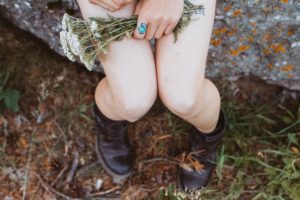
Photo by Jan Phoenix on Unsplash
In spite of all that, I hunger for romance in my life. I always have.
I realized this week I couldn’t come up with a succinct definition of romance. I could write lists of what I find romantic, sensual or sexy, but how do those categories overlap into a central core of what romance actually is? As I sat down to begin this post, I grabbed my Random House College Dictionary and was absolutely shocked at what I found.
Romance: A baseless, fanciful story; a love affair.
Wait, what? What about palpitating bosoms and muscled, shirtless heroes and wine and roses and diamonds? What about bikini waxes and lingerie, high heels, flowers, poetry, songs, movies and messages of love via social media? What about sex?
Is the whole world searching desperately for something that’s not even defined as real? I always thought it was real and attainable. I’ve thought of it as a rare phenomenon, a kind of shining miracle that can’t be bought or captured, coming only to certain remarkable, young, beautiful and deserving people.
I’m ashamed to want romance. It’s not for someone like me, someone flawed, broken, aging, unbeautiful and in many ways unlovable (another of my stories). To dream of romance, to yearn for it, is pitiable and pathetic, and I keep such dreams well hidden, releasing them only in my writing.
I notice all of these thoughts and feelings about romance, all the shame, futility and bitterness associated with one word that means a baseless, fanciful story. Wow.
I paused in writing this post and thought about Random House’s definition for a day. I decided the thing I find most disturbing about this definition is it’s purely subjective. Do we each have a unique baseless, fanciful ideal we’re searching for or trying to create? I’ve written about stories before. If my idea of romance is nothing but a baseless, fanciful story inside my head, it’s not about anybody else. It’s only about me. It’s not something I’ll ever discover out in the real world.
No wonder I haven’t been able to find it!
Huh.
If romance is just another of my stories, then it’s pointless to carry shame around because nobody will participate in my ideal. I’m the only one who can be responsible for my story. Nobody else even knows it, unless I tell it, and this is a private story I’m unwilling to reveal. My story of romance is part of who I am, a piece of vivid and passionate authenticity. It’s what I dance with and write with. I need it. It’s an aspect of myself to be nurtured and cherished, not ignored and denied.
Romance is not about them at all. It never has been. It’s about me.

Photo by Ryan Moreno on Unsplash
This is a place I’ve been before, although this time I’ve followed a different road to get here. When I lived alone in my own home in my old life, I became romantically self-reliant, as it were. I was lonely, but I realize now I was probably the most satisfied romantically I’ve ever been. I burned candles and incense. I bought flowers for myself. I took myself to the movies, to breakfast, out for pizza. I took long, luxurious baths with music and essential oils. I bought my favorite sexy underwear and wore it for my own enjoyment. I gave myself weekends away and night walks to watch the moonrise. I danced naked. I bought art cards I loved and mailed them to myself to mark special anniversaries and days.
Then I came to Maine and began life with my partner, and because I had a man in my life again, I gave up romancing myself. I realized my new relationship is deeper and stronger than romance. I no longer feel lonely. Many of my needs are being met now that have never been met before. Life in central Maine in a 100+-year-old falling-down and leaky farmhouse with very little money is not romantic, however, and my partner is a pragmatic Yankee. He’s about as romantic as a rock. He loves me. I don’t want him to be different, and I recognize he is not equipped to satisfy my hunger for romance.
Well, no. But given the above definition, is anyone? Has my search for romance been in vain because what I long for isn’t out there at all, it’s in here? Was it my responsibility all along?
I say again: Huh!
If I decide to be the best romantic partner I’ve ever had, is that hilarious or creepy?
One thing’s for sure. I won’t have to work very hard to be the best romantic partner I’ve ever had!
Wait, I already am the best romantic partner I ever had, I just took some time off. And now I miss me.
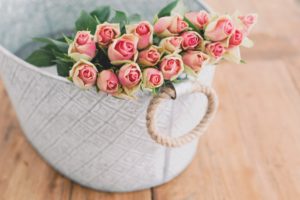
Photo by Roman Kraft on Unsplash
All content on this site ©2017
Jennifer Rose
except where otherwise noted