by Jenny Rose | Nov 10, 2016 | Connection & Community, Emotional Intelligence, Shadows

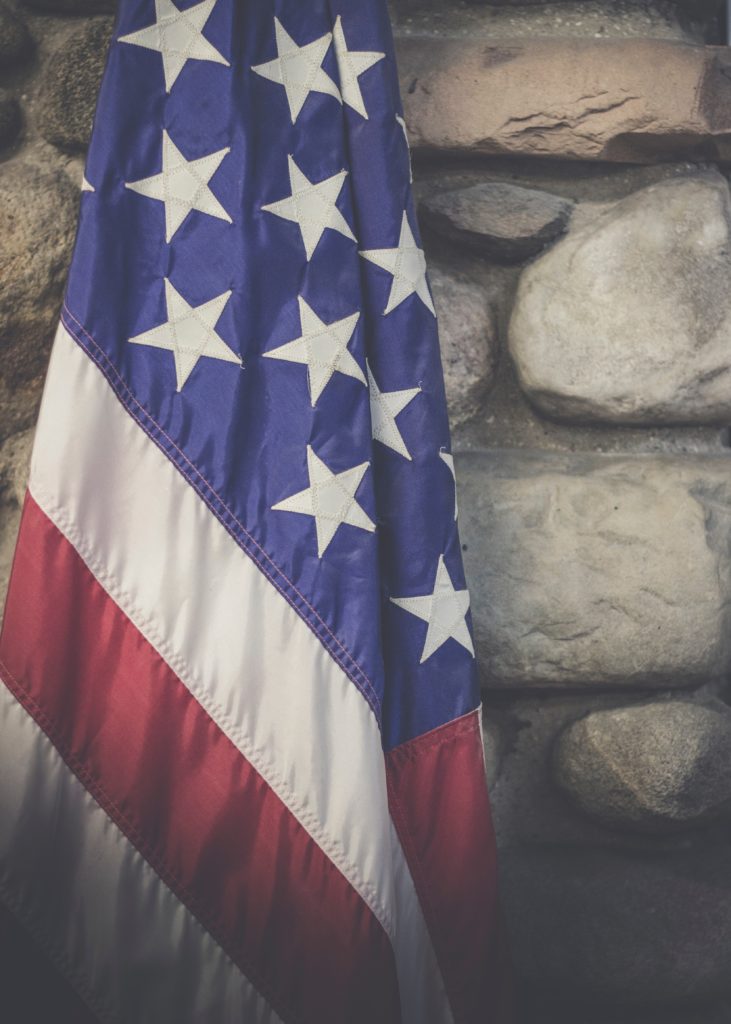
Photo by David Beale on Unsplash
My partner sent me this quote this morning, and inspired this week’s post.
“Being able to feel safe with other people is probably the single most important aspect of mental health; safe connections are fundamental to meaningful and satisfying lives. Social support is not the same as merely being in the presence of others. The critical issue is reciprocity: being truly heard and seen by the people around us, feeling that we are held in someone else’s mind and heart. For our physiology to calm down, heal, and grow we need a visceral feeling of safety.”
— from p. 79 in The Body Keeps the Score by Bessel van der Kolk
As I draft this, it’s Election Day. It’s a work day for me, but I have a long break between a morning and evening shift, so I voted, ate lunch and worked on a big clean-up project my partner and I are undertaking in an outbuilding on our place. The clean-up involves dust, dirt, trash, food debris, rodent and bat droppings, broken glass, sticky empty bottles and cans and cigarette butts. It’s filthy work, but this afternoon, forty-five minutes before I go back to my pay-the-bills job, I feel happier and more peaceful than I have all summer.
I feel safe.
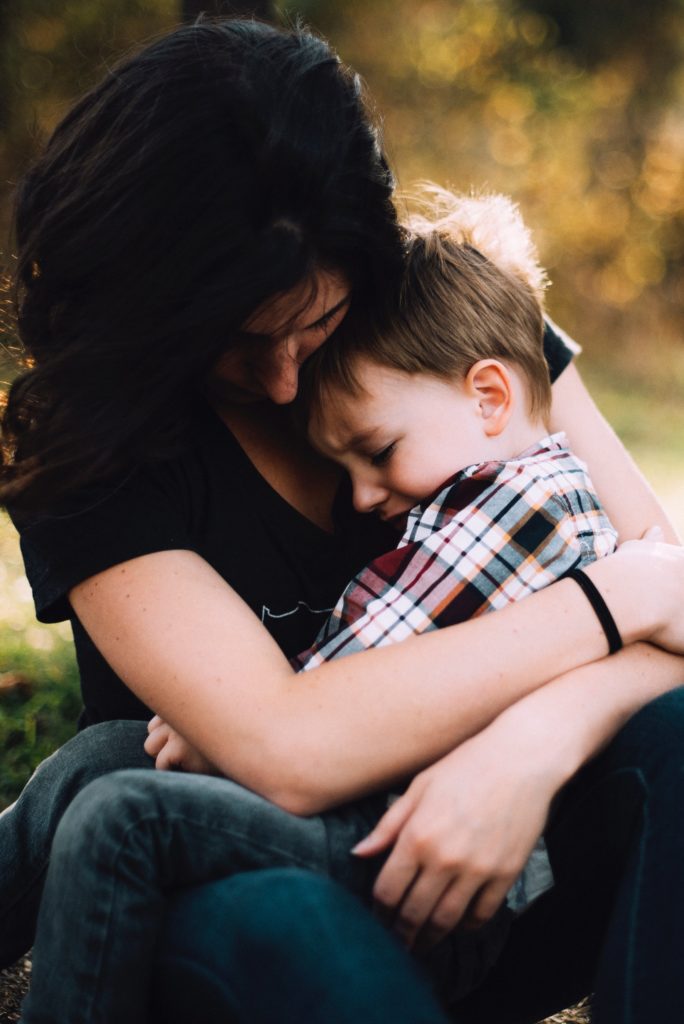
My earliest memories are of feeling unsafe. The people around me were unhappy and unwell. The air was heavy with tension and unexpressed feelings. I was afraid all the time, and I knew that was bad, because it irritated the adults, so I tried to hide it. The world was unpredictable, inconsistent and baffling. Ever since those days I’ve comforted myself in times of stress and fear with a fantasy of being held in loving, protecting arms and feeling safe.

Photo by Jordan Whitt on Unsplash
I’ve been ashamed of that need. If I verbalize such a need, people will hasten to assure me that life isn’t safe, as though I haven’t figured that out, as though that wasn’t the point in the first place! An internal, jeering voice calls me a baby; a weak, pathetic thing, dependent and needy.
Yet safety is the most important thing to me in relationship, and healthy relationship is the most important thing to me in life. I want it more than I want money, more than I want a dream house, more than I want anything I could buy. At this point in my life, I’d much rather be alone than be in relationships that don’t feel safe.
I suppose safety is a term we each define differently, but I know what I mean by it. I mean knowing my thoughts, needs and feelings count. I don’t want to be the most important person in the picture, but I want to be as important as everyone else.
One of the things I need to feel safe is an orderly and predictable environment. That’s why raking up trash, sweeping, packing the car with bottles and cans and watching the man in the bottle shop count them is so satisfying. Creating order out of chaos stops my bleeding. Empty space, a clean dirt floor with the drag marks of the rake in it, allowing the dusty scent of old wood and fallen leaves to replace the smell of stale cigarettes and beer, are all calming. The energy of broken glass and animal-torn trash, the debris of self-destruction, is released. I can breathe again. There’s peace. I’m safe.
I’ve seen a lot of headlines about the national stress around this election. Political opinion and affiliation aside, I think most of us can agree we’ll be relieved to have it over. At this point it’s hard for me to even care who wins — I just want the hate and intolerance to end. It hurts me to see us tear ourselves apart, as friends and families, as communities, as a nation, as a globe. It creates no safety for anyone. We’re all vulnerable to hate.
This afternoon, breaking down cardboard and recycling bottle caps, I knew that part of my feeling of relief is that this election is over today. Whatever happens now will happen, and we’ll all have to go forward. Likely what’s ahead won’t feel any safer than what’s behind, but at least it’s movement away from this.
I wish I could take the last year of presidential campaigning and empty out the dregs of malodorous advertising and sound bites, sort out the ridiculous from the frightening and bag each speech, event and word. I wish I could sweep our memories clean of it, pick up the shattered broken glass of integrity; rake up all the greasy, moldy, broken egg shell stinking scandals and e-mails and recordings.
I wish America felt safe to me.
I wish Democracy felt safe to me.
The Morning After
As I sit down to finish this post, American voters have chosen a new president, and I wept as I ate breakfast with my partner.
As the day has passed and I’ve gone for a swim, taken myself to lunch and gotten a haircut, I realize what lies beneath my anger, despair and incredulous disbelief.
It’s right back to the beginning of this post. I’m afraid. I don’t feel safe. Overnight I seem to have become disenfranchised because I’m female, I’m not a Christian and I’m deeply concerned with human rights and freedoms and our planet.
I also realize I’m not alone. This election has been based in fear. In our fear, we’re truly united. Everyone fears something. We’re all looking for safe, strong arms to shelter in. Pick any campaign issue, and you’ll find fear. There’s fear of climate change, fear of economic collapse, fear of immigrants and shifting population demographics, fear of war, religious fear, fear of illness and disease. We all live in fear that someone or something will take our power away, and that fear makes us weak and vicious.
Fear breeds hatred. Racism, misogyny, censorship and terrorism are fear-based behaviors, Great-and-Powerful-Oz distractions that hide cowardice. The world is changing, and we’re terrified. We look for someone or something to blame. We look for someone or something to save us. In our fear, we cling desperately to our ideologies and annihilate any who disagree with us or question our beliefs. In our fear, we seek a hero/heroine, a representative of what we feel is just and right, someone who will help us retain our power, someone who will assure us there are no monsters under the bed.
Here’s what I believe: Power-over is always and inevitably doomed to fail, sooner or later. The only sustainable way forward is power-with one another.
None of us are safe until all of us are. Safety at the expense of another’s terror and repression is an illusion.
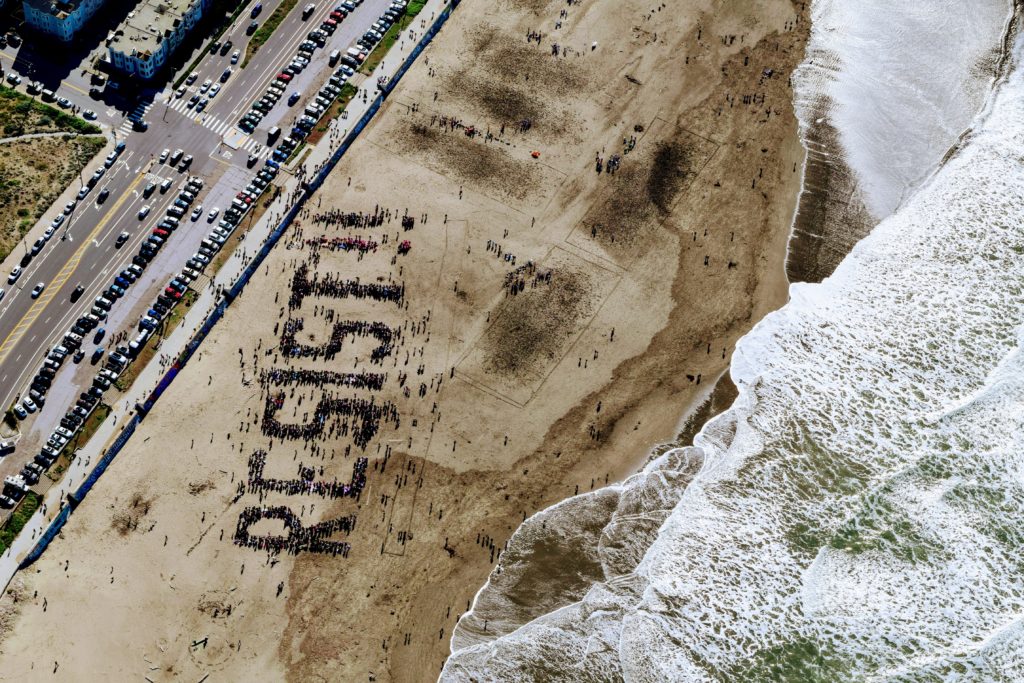
I pray for peace and unity for us in the coming days, months and years, but if that is not to be I will fight. Every Hitler and Pol Pot, every Sauron and Voldemort, create by their very existence heroic resistance that cannot be silenced. I will not turn against my friends, neighbors, families and communities in fear and do the bully’s work for him. I’ll work to undermine the bully himself, and I won’t stand alone.

Photo by Tim Gouw on Unsplash
Has anyone read the book I quoted at the beginning of this blog? Please comment about it if you have. I’m adding it to my reading list.
All content on this site ©2016
Jennifer Rose
except where otherwise noted
by Jenny Rose | Nov 3, 2016 | Connection & Community, Emotional Intelligence, Shadows
A reader asked me, after my last post, what the difference is between engaging in reciprocity and people pleasing. This is a great question, and it gave me the subject for this week’s post.
First, I want to answer that question.
Reciprocity minus authenticity equals people pleasing.
If we’re engaged with others authentically, we naturally have things to offer out of our true selves. At its best, reciprocity is a dance between real people with real-person strengths, weaknesses and needs.
People pleasing is an indirect plea for love, acceptance, approval or attention. It’s all about trying to get something back, not about giving out of the abundance of true self. We people pleasers don’t believe we have anything authentic to give that anyone wants, so we watch and listen carefully and try to play a role we think will please.
The opposite of authenticity is pseudo self. I explored pseudo self when I went through life coaching, but a Google search will provide you with the history and background of the term. Wiki has a good page about it.

Photo by Alex Iby on Unsplash
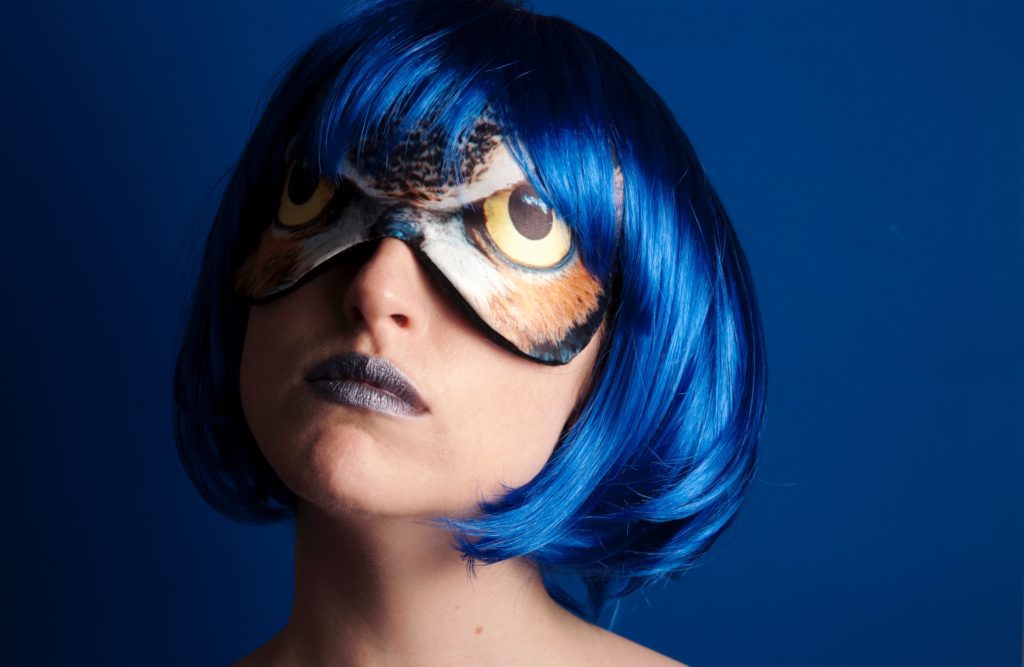
Essentially, pseudo self is a survival mask that many of us start making as very young children. The construction of pseudo self is so deeply rooted in pain and fear that by the time we’re adults we can no longer tell the difference between the mask and our authentic selves, and the mask has all the power.
This kind of pseudo self is not like the superficial mask we all wear occasionally for social occasions, work occasions and family reunions. For the most part, we know that mask is a mask. Everyone around us wears one, too. Those masks are called manners and social skills (at least in polite conversation).
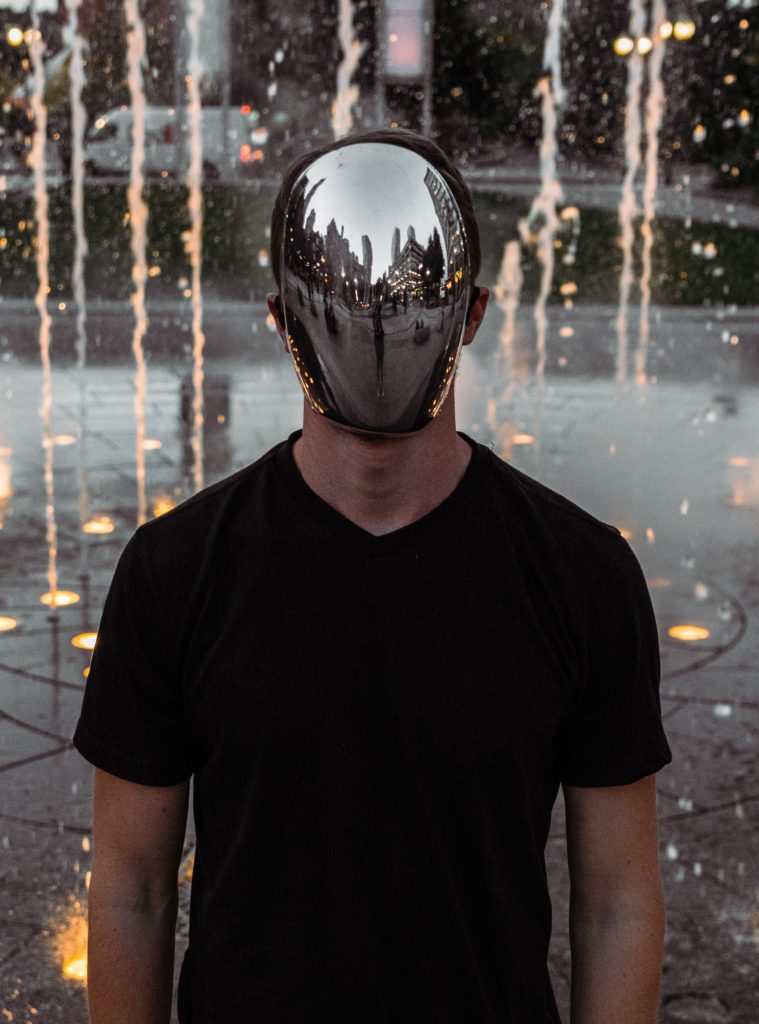
The survival pseudo self is a much darker mask. Think man in the iron mask. We create it and don it to survive, but over the years it becomes so much a part of us we can’t tell the difference between our flesh and the iron. It tortures us, but we don’t know how to take it off, and if we did know, how could we dare to do it?

Photo by Chris Barbalis on Unsplash
Our culture in the United States is deeply committed to keeping that mask firmly in place because our culture is based in capitalism and conditional love, and the foundation of capitalism and conditional love is the belief that we need to be different than we are. We need to buy things to be. To be what? Fill in the blank. Just to be. What do you want most? Love? Sex? Money? Power? Whatever it is, a half hour of commercial television will help you start a list of the things you need to buy to achieve it. Everything on that list is another rivet in the iron mask of pseudo self.
We are so brainwashed by this as parents, teachers, partners and human beings we unconsciously perpetuate a paradigm of conditional love. We relate to one another through competition, power-over, and all the things we need to be okay. We withhold love, affection, friendship and the “like” button. We’ve created a culture of pseudo self.
Being does not arise out of buying. We’re all born with the power to be. We have access to that power all our lives. Nothing can take it away from us, but we can be trained to surrender it. We are trained to surrender it, and we do.

Photo by Emma Backer on Unsplash
Many of us are actively taught from childhood to create a pseudo self. Telling little boys not to cry or play with dolls, telling little girls to be “nice,” telling women to sit down and shut up, telling anyone they should say, believe, eat, vote for, wear, be interested in, or want anything is supporting construction of pseudo self.
However, the pseudo self can be challenged. The iron mask can be broken down and removed. There are people who show us the way to authentic self, but it’s a stony path, because it means challenging the foundations of our culture and beliefs. It means challenging a lifetime of behavior and the expectations of others. It means breaking rules, and most people are not tolerant of those who break rules.
The post I wrote last week is an example of challenging pseudo self. Think about this. I’m a perfectly ordinary middle aged woman living in central Maine. My stats show I have about one hundred readers. Not even half of those readers know me or have ever met me, and I don’t know them. Only one or two readers have actually commented on the blog, and I have seven subscribers, most of whom are not friends or family.
Yet it took every bit of courage I had to post that piece. I broke just about every rule I’ve lived my life by when I did so. I challenged what I was taught about being attractive, being intelligent, being kind, being nice, being a peacemaker, being womanly. All this because I dropped the mask and expressed my frustration, my anger and my passion and used the word “fuck.” Repeatedly. In front of around one hundred people, most of whom are strangers.

Photo by Nicole Mason on Unsplash
I had a sick stomach and crying jags. I felt panicked and anxious. I didn’t sleep well. I haven’t been able to sit still or relax. For three days, I couldn’t even log on and look at stats and so forth, or do any behind-the-scenes work on the blog.
Letting the iron mask of my pseudo self slip was horrifying, but I also noticed a feeling of relief. The rebel in me celebrated. I dared. I allowed myself to be. I wrote the real truth about how I feel. Everything on the blog is written from the heart, but only the civilized half! The last post came from a different part of me, the strong survivor part, the primal female part, and that’s the best part of who I am. It’s also the least socially acceptable.
I usually feel like a mess. My life often feels like a cluster fuck, to use my favorite expression. If that’s too much for you, then substitute car crash, train wreck, or something you feel is more appropriate! I try really, really hard in life and my intentions are wonderful, but I’m not perfect. Not a perfect daughter, mother, sister, friend or partner. Not a perfect writer, blogger or anything else. But I am. I’m someone real. I refuse to live the rest of my life in my iron mask.
At the end of the day, when I’m dead and over, I don’t want a wake, a funeral, a party or a nice obituary. I want someone to be able to say:
“Damn, that woman was real!”
For more on pseudo self, check out this link.
All content on this site ©2016
Jennifer Rose
except where otherwise noted
by Jenny Rose | Sep 22, 2016 | Power
This is the second of I’m not sure how many posts about boundaries. See last week’s post for the beginning of the discussion!
Today the aspect of boundaries I want to explore is the one I have the most trouble with. This aspect concerns managing boundaries with people we love.
Continuing with our metaphor of food on a shelf, last week I was comfortable with my identity of strawberry jam. I know who I am, I’m in an intact container (most of the time) and I intend to be labeled accurately and effectively. That’s all INTRApersonal start-where-you-are work.
However, there’s other food on the shelf. The universe doesn’t revolve around strawberry jam, alas! In fact, next to me is a jar of dill pickles.
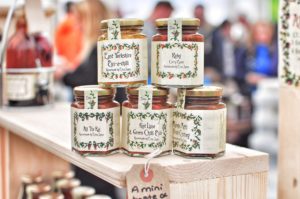
Photo by Viktor Forgacs on Unsplash
We’ve been together as long as I can remember, sitting side by side on the shelf. We’ve watched other food in other containers come and go. The eggs in particular have quite the turnover rate. We’re companions, friends, and in fact it’s not an exaggeration to say I love Pickles.
But one day I notice something has changed. The clear green juice in the jar with floating bits of herbs and spices is getting cloudy. And is that — could it possibly be — grey fur along one side of a pickle?
Disaster. Catastrophe. It can’t be true. My beloved Pickles is beginning to grow fur. Everybody on the shelf knows what this means. Sooner or later, the refrigerator/cupboard/shelf Gods will cull Pickles. Gone forever.
I can’t imagine my life without Pickles.
Naturally, I want to help. No kind of food could possibly want to wear grey fur. There must be something I can do.
If I love Pickles, I must be able to fix this.
If I really, truly love Pickles, and my love is real and unselfish and unconditional (and Pickles is worth that kind of love), there’s a way for my love to fix this.
If I fail to fix this, my love is at fault.
That, ladies and gentlemen, eggs and bacon, is where I lose my boundaries. It’s all very clear and self-evident when it’s laid out in black type on the page, or in this case, screen. Love can’t fix everything. Love isn’t always enough. Sometimes we can’t “help” other people. Bad things happen to good people all the time. Loss is part of love. Right?
My brain understands this. My brain functions pretty well. My brain is not the problem. It’s my heart, my emotions, my stories, my beliefs and my expectations that are unruly and stubborn.

Photo by juan pablo rodriguez on Unsplash
Perhaps I haven’t explained it well, my connection with Pickles. I know him better than anyone. I understand him. He’s the most important person in my life. He’s part of who I am. If I lose him, I’ll lose part of myself. I thought nothing could ever part us, or damage our respect and trust in one another. In fact, we’re so close we don’t need boundaries.
(Naturally, he feels the same way about me. He doesn’t say so, but one doesn’t expect pickles to emote like strawberry jam.)
Loving fully and unconditionally means no boundaries, right? Isn’t that what we learn? If we love unselfishly, completely, without reservation, then boundaries are unnecessary and we can count on getting that same kind of love in return. Loving well equals being well loved. Isn’t that the way it works? Only a selfish bitch maintains boundaries, an unloving, cold woman, a ball breaker. Only an indifferent, unfit mother maintains boundaries between herself and her children. Only a judgmental, critical, power-hungry female protects herself with boundaries. Generous, attractive, truly loving people have no need of boundaries. They don’t count the cost. They always say yes. They give freely of their resources to whoever is in need without expectations or strings attached. They never keep score. They have no needs, these lucky, healthy, beautiful, abundant people. They feed and nurture the world.
Photo by Jordan Whitt on Unsplash
Boy, does this world need people like that. That’s the kind of woman/friend/mate/mother/daughter/sister I want to be. If I want to save Pickles, that’s the kind of person I have to be.
Here’s the thing.
I can’t be that. I’m not sure anyone can be that.
I’m not talking about ideology here. I’m not qualified for or interested in religious debate. What I’m saying is I can’t be a bottomless, endless nurturer and giver with no needs, and I’m not convinced anyone else can, either. I know some who say they can, pretend they can and/or expect others to be, but I’ve never met anyone who really lives like that — at least not long term. Not successfully and not happily, anyway.
But aren’t we supposed to?
Did I learn this wrong? Did I misunderstand? I can’t point to any one person who taught me this, after all. Did I make it all up? Or, alternatively, am I not the woman I think I am and aspire to be? Am I small, mean, petty, hypocritical and selfish? Am I unable to love the right way? Am I a fraud? Am I self-deluded?
Why am I in such chronic painful confusion about something my intellect sees so clearly? Why does it seem that managing boundaries INTERpersonally carries such a negative connotation? Why can’t I reconcile loving someone with all my heart with effective, appropriate boundaries between that person and me? What is the source of this cognitive dissonance?
Which is more devastating — people who have no boundaries themselves and bitterly resent mine, or people who maintain boundaries between us when I have none?
In the first case I feel trapped, resentful and intruded upon, and in the second I feel hideously rejected, unappreciated and used. Neither feel like healthy connection, but I call both love.
So here I am, side by side with Pickles on the shelf. We look at each other through the glass sides of our boundaries. I want to climb inside his container and take him in my arms, love him back into clear green juicy health, but if I do that I’ll start growing gray fur myself, and I know I can’t fix him at the same time I believe I should be able to. I want to run away, turn away, not know what’s happening, but I can’t.
There’s nothing I can do. My love is not enough. Grey fur is creeping over Pickles and I can’t avoid it, flee it or stop it. I can only wait and watch and sit here in my container, while Pickles sits in his.
RIP, Pickles.
All content on this site ©2016
Jennifer Rose
except where otherwise noted
by Jenny Rose | Sep 15, 2016 | Power
Since I began this blog I’ve wanted to write about boundaries, not only because I myself am trying to develop better ones, but also because it seems to me boundaries are a large part of what’s broken in our culture.
We’re all aware of headlines from all over the world about human rights, ethnic and racial struggle, politics, sexual identity, religion and war. It seems to me boundaries are a core piece in each headline; an enormously complex piece of human function and dysfunction. How do we define, understand and effectively manage boundaries — both our own and those of others? How do we manage people who consistently violate our boundaries?
Trying to organize my thoughts about this is like trying to herd cats. That being said, I can choose a starting point, so I’m going to start there and see if the subject organizes itself as I write.
I approach most subjects with a definition and curiosity about what others are saying about it. A Google search for “boundary” tells me it’s a “dividing line.”
I’ve read two articles recently about boundaries. One is written from an emotional intelligence perspective and one is about human rights, kind of a sidewise look at boundaries through the idea of respect. Both have contributed to my mental soup on this subject.
My experience is that any piece of human function or dysfunction begins with myself. Self-reflection and self-inquiry are powerful tools for me, even though I occasionally wince at what I find!
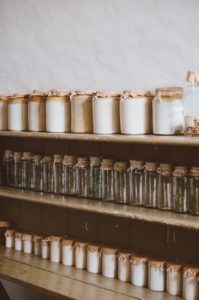
Photo by Annie Spratt on Unsplash
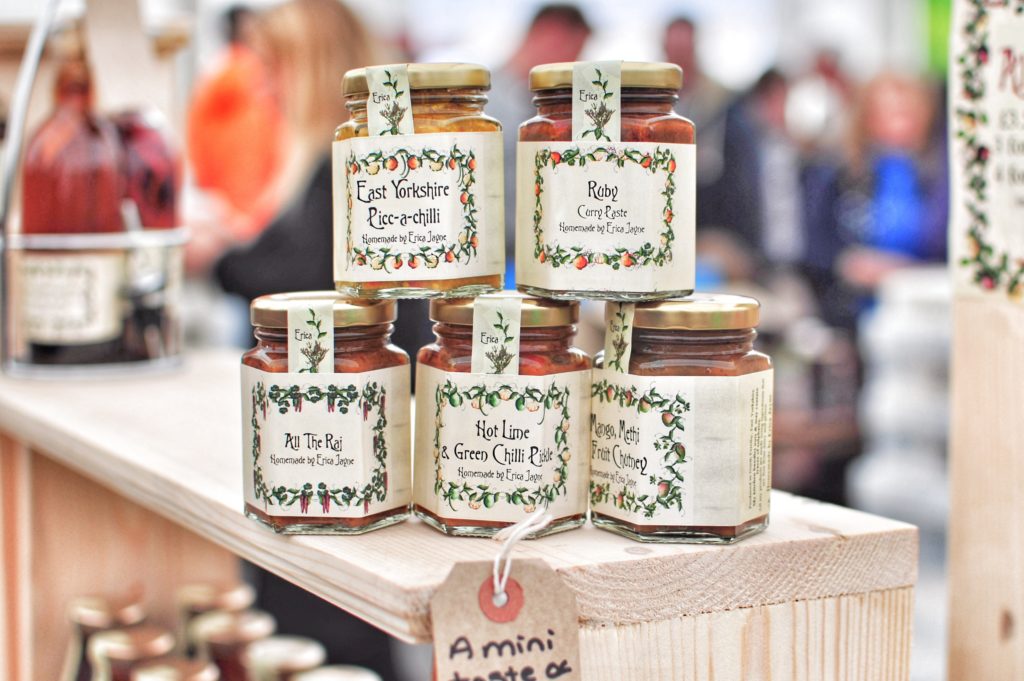
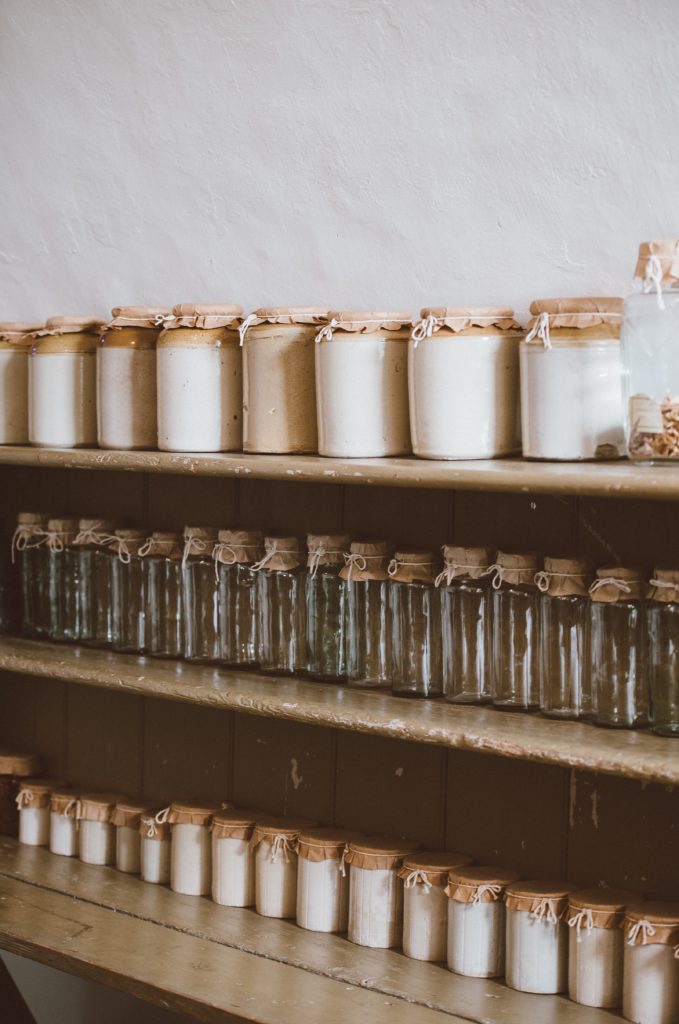
So, let’s play a game. Open your refrigerator, or your pantry, or your cupboard. Look at a shelf where you keep food. Everything is in a container. The container around the food is a boundary. If none of that food had boundaries around it — well, that would just be a mess.
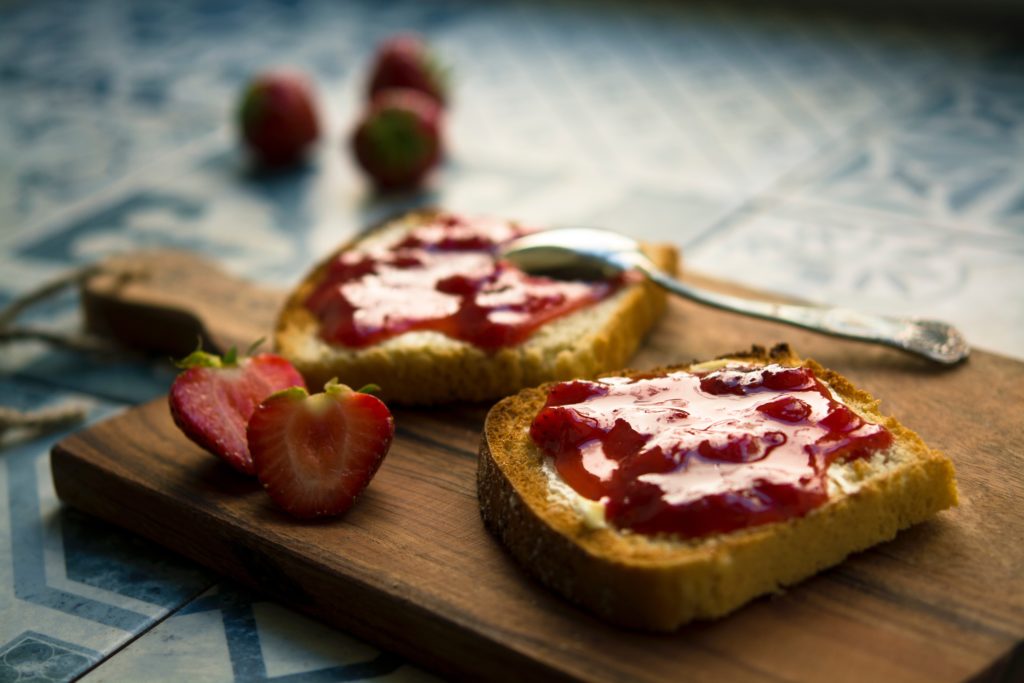
As we start thinking about boundaries from ourselves outward, let’s take a jar of strawberry jam. It’s a glass jar with a screw top lid and it’s clearly labeled strawberry jam. Effective boundaries, it seems to me, begin with a correct identification of what’s being contained. We have to know who we are before we can create healthy boundaries, because our boundaries won’t look like someone else’s. They’re not one size fits all. You can’t keep strawberry jam in an eggshell. You don’t want raw eggs in a jar labeled strawberry jam. A can with the label torn off could still be food, but it’s hard to use it effectively.
Mislabeling happens in two directions. There are those externally who tell us who we will, should or must be (or who we will, should or must NOT be), and there are our own internal expectations of who we are and what we need. If something goes wrong right here, at the first step of boundary work, we’ve got problems.
This takes us directly back to several dynamics I’ve posted about — expectations, stories, saying yes and no, and pleasing people among them. My experience in my own western middle-class culture has been painful pressure to be who I’m expected to be, not who I really am. If this can happen to me, a straight, white, average-looking, average-sized, able-bodied, unambiguous female, then I know hundreds of thousands of people out there are being systematically emotionally and spiritually maimed in ways I can’t begin to fathom.
This opposition to knowing and being ourselves is everywhere. Capitalism is based on the idea you’re not okay as you are, but you will be if you buy…whatever it is.
Photo by Viktor Forgacs on Unsplash
I’m strawberry jam. I’m not grape jelly, even though it’s more valuable. I’m not blackberry jam, even though it’s more attractive. I’m not raspberry jam, even though it’s more popular. Go ahead, glue a label on me that says “currant jelly.” I’m still going to be strawberry jam, and my true boundaries are a glass jar with a screw top lid and a label that says strawberry jam.
As cruel as it is, the external pressure we feel to be other than we are is not the most damaging thing. The most damaging piece is what we do internally to ourselves. I can spend my whole life with my fingers in my ears and my eyes squinched shut saying I’m peanut butter, but I’ll always be strawberry jam. Other people will know it. I’ll know it. Nothing will ever work for me because I’m in the world trying to be something I’m not. I won’t find my people. I won’t find my place. I won’t figure out and make my contribution. I won’t have effective boundaries. I won’t be happy.
Not only that, but my inability to manage and maintain effective boundaries affects everyone around me. If my jar is cracked or broken, strawberry jam is going to ooze out onto the shelf. It’ll make a mess. It’ll attract pests and predators. It’ll be wasted and it will impoverish the peanut butter, the toast, the butter and whatever else might have connected with me as strawberry jam.

Photo by Jonathan Pielmayer on Unsplash
In order to have healthy boundaries we have to know what we need. In order to know what we need we have to know who we are. Finding out who we are can be a terrifying prospect, especially if we’re captive to what other people, media, our culture, and most of all ourselves tell us we MUST be in order to get loved and find happiness, meaning and purpose.
I have made up my mind I will build better boundaries. I will figure this out. If anybody out there will walk beside me, I’ll be very pleased. I know I’m not the only one struggling with this. In fact, I don’t know anyone who doesn’t have trouble with some piece of it.
My starting point is right here, with myself. I’m strawberry jam and my boundaries are a glass jar and a screw top lid. My label says strawberry jam. I’ve no interest in forcing, persuading or coercing anyone else to be strawberry jam. I just know what I am. It might be that strawberry jam is outlawed, shunned, shamed, beheaded, tortured, raped, imprisoned, damned to Hell, unsaved, unenlightened, unlovable, unwanted, unworthy or lined up against a stone wall and shot under a hot sun. I’ll still be strawberry jam. I’m not confused and I’m not going to feel ashamed about it.
Peanut butter and strawberry jam sandwich, anyone?
All content on this site ©2016
Jennifer Rose
except where otherwise noted
by Jenny Rose | Aug 11, 2016 | Connection & Community, Emotional Intelligence, Shadows
Last week I wrote about stories. This week I want to discuss a powerful element embedded in the stories we tell ourselves — the element of expectations.
This subject is too big and complicated for me to address in a single post. It touches on parenting, every aspect of relationship, and really every aspect of our experience, unless we’re Zen masters. Here’s a sample of what other people are saying about expectations.
I don’t know any Zen masters and I’m certainly not one, so for the rest of us unenlightened beings, let’s consider the subject of expectations and how they work to limit us, others and life.

Photo by Paul Bence on Unsplash
Before I go further, a Google search of the term “expectations” will give you page after page of managing work expectations, and all the articles I looked at tell me expectations are necessary, positive and help companies, businesses and corporations be successful. Which means make money. So, for the purposes of this discussion, let’s put aside professional/work-related expectations. Let’s focus on intra and interpersonal expectations. Let’s be human beings instead of consumers and capitalists.
Expectations arise out of our past experience, our dreams, our hopes and fears, our unmet needs, our assumptions and our culture and family. They can be positive or negative. But expectations, like the stories we’ve created, are uniquely ours. We’ve usually made them up in our heads or accepted them from the overculture without question. I don’t suggest expectations are inherently wrong if we remember they’re just part of the stories we’re telling, but the problem is we don’t remember that. We cling to expectations and invest them with great certainty and power. They become our reality. This all happens internally and it doesn’t occur to us to check out what other people hope for or expect. It doesn’t occur to us to agree on terms or have a discussion. We just assume we’re all on the same page.

Photo by Igor Ovsyannykov on Unsplash
Here’s an example from my own life. My parents divorced when I was a child. In subsequent years, as I’ve married and had my own children, there have been references to “family.” What a “family” does or doesn’t do. What “family” means. The thing is, I don’t think Dad means the same thing Mom does when he talks about “family,” and I’m pretty sure neither one of them means what I do when I use the term.
I’ve never had a conversation with either of my parents about this, but I’m curious about their definitions. For each of my parents, “family” implies several expectations or rules of conduct about which I’m clearly ignorant and which I frequently have felt I’ve failed. Furthermore, I disagree with some of their expectations that I am aware of.
Life is full of words like this. Try these on: Parent, son/daughter, wife/husband, partner, friend, lover, teacher, mentor, girl/boyfriend, volunteer, etc., etc. We can define these terms pretty easily, but attached to each is a set of often invisible expectations. They’re very deep, so deep we never think about them. You know exactly what “family” means, right? No question. I know what it means to me. But other members of my family are clearly working with different definitions. So, who gets to decide? Who’s right and who’s wrong?
No one. Everyone.
And that’s not very satisfying, is it? It would be so much easier if someone could be right and someone could be wrong. Then we’d all know, and we’d all expect the same thing(s).
There’s still a problem, though, and that’s the real heart of this post.
Expectations, even if we could all agree on them, are so often limitations.

Photo by Jeremy Thomas on Unsplash
When we create and cling to expectations of ourselves or life, all our energy and attention is on something we’ve made up or inherited, and that’s so small, compared to the complex, mysterious, terrible, beautiful, enigmatic thing we call life! Our expectations are like a narrow beam of light in a dark universe. We don’t think about all the possibilities we can’t see, all the things we can’t imagine. No, we’re focused on that small beam, and if what it illuminates doesn’t live up to our expectations of self and others, then we’re angry. We break connection. We punish ourselves. We punish others. We blame and shame and try to make events, people, marriages, vacations, new homes, jobs and ourselves be what we expect them to be.
You might have noticed this doesn’t work.
Every parent has their head in their hands at this point!
Now our expectations are a real problem, because we’ve made them so big and powerful we can’t see around them. We can’t step back and consider what is. We can only think about what isn’t. We forget our sense of curiosity and joyous possibility. We only think about how disappointed we feel, how let down we are, how things never work out. We nurse our humiliation and embarrassment about what we’d hoped for, and what other people think of our choices. We make up stories about how we can’t trust people, and we can’t trust life, and we become cynical, bitter and depressed.
We make ourselves and others very, very small.
But we can choose to take the power out of our expectations, just as we can choose to take the power out of our stories. We can search out our expectations and root them up like weeds. We can take our focus away from unmet expectations and look instead at what is present, what is happening, and dream about what might be possible. We can accept our expectations are about us, not anyone or anything else. If they’re not working, we’re the ones with the power to change them.
We have enormous power in one another’s lives. If every single one of us extended to just one other person the question, “What would you like to do?” instead of “You will…” or “You should…” or “You can’t…” what would the world be like? What if you were ten times bigger than the son/daughter/parent/spouse/lover/partner/friend others expect you to be? That doesn’t mean you have super powers. It means you unchain yourself from the limitation of expectations, yours and everyone else’s.
One of the greatest gifts I ever received was this statement: “I want you to be everything you are and nothing you aren’t.” What a tender, respectful, loving way to hold another human being and life! And the best thing about it? We can say it to ourselves. We can start where we have the most power, in the place where no one can stop us or limit us. I say it to you, now, whoever you are, wherever you are. No expectations. No limits.
Live everything you are, be everything you are and nothing you aren’t.
Pass it on.

Photo by Jeremy Bishop on Unsplash
All content on this site ©2016
Jennifer Rose
except where otherwise noted