by Jenny Rose | Apr 20, 2017 | Power
I came across a prayer to Baba Yaga recently. I’ve spent a lot of time with Baba Yaga, who is a supernatural female figure out of Slavic European folklore. I’ve told stories about her for years, and she’s an important character in my book. She’s a powerful life-death-life-death figure and has many names, among them Storm Raiser, Primal Mother, Lady of Beasts and Mother of Witches. In spite of our long acquaintance, I’ve only lately begun to love her.

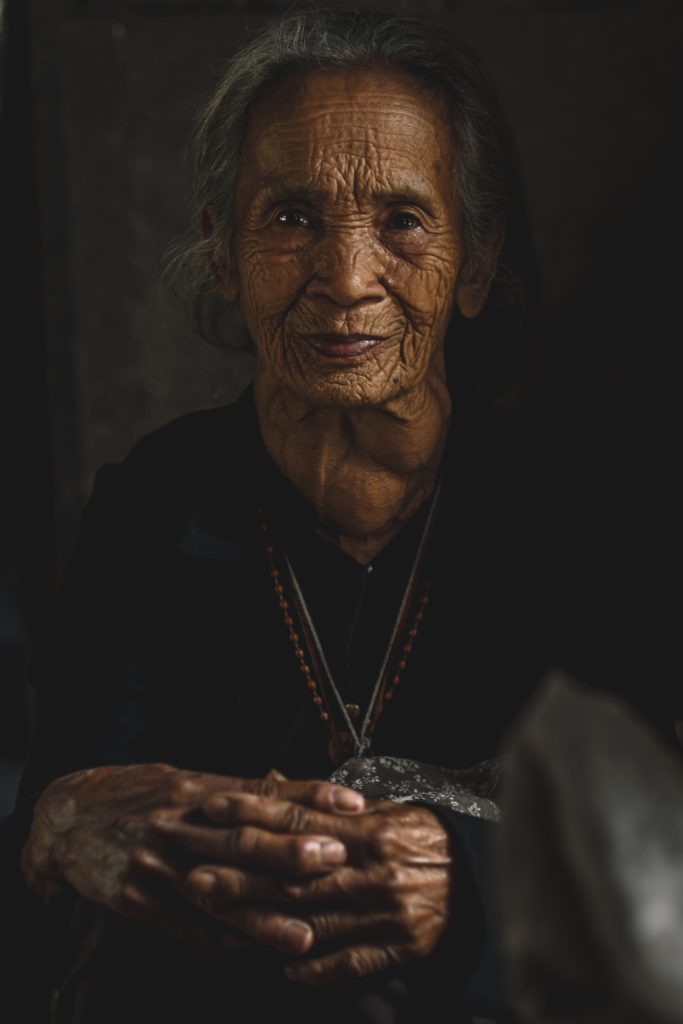
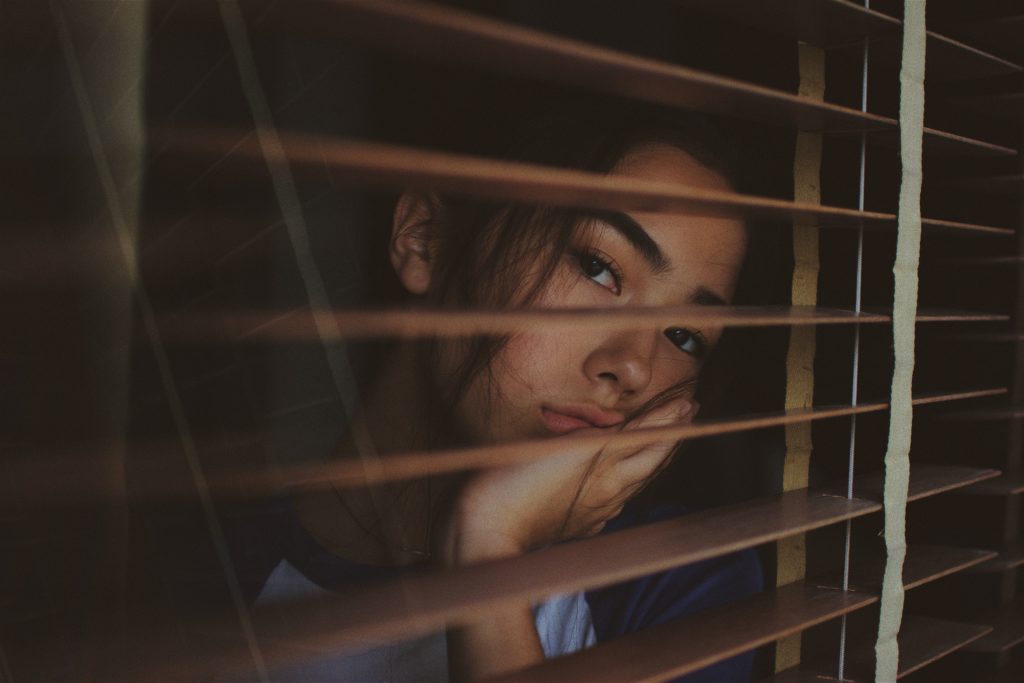
Photo by ivan Torres on Unsplash
Sometimes I think the most important thing to understand about life is power. It structures every single relationship, most of all our relationships with ourselves. Power creates wars, cults, murderers, abusers, tyrants, rebels and perhaps angels.
I believe we have a great longing for our individual mislaid power, such a longing that we’ve lost track of what it is or how to recognize it in our hunger and desperation. I don’t know how else to explain our mindless obedience to the media, to our culture, to our religions, to the almighty “they” who instruct us how to live, how to eat, what to believe, how to look, how to buy and how to be.
At this time in my life, and at this time in my country’s history, I cling to Baba Yaga, because she represents sanity in a world becoming more insane by the day. The prayer reminds me of what true female power is — and is not.
True female power wastes no time on despots and bullies who conceal their fear and impotence behind dishonesty and the willingness to use force. It’s not her business to prop them up. They have nothing she needs and they’re not worth her attention, for they shall not endure.
True female power is real. It’s authentic. It’s not bound by chains of political correctness, manners, fear or ideology. A woman in her authentic power is, according to need and whim, a child, a wild woman, a bitch, a seductive temptress, a crone, and a creature of magic. Obedience and compliance are not in her nature.
True female power seeks the hidden thing, within and without. She pares away layers, stories, masks, facades, dreams, visions, expectations, and shoulds. She’s a persistent poker, prier and meddlesome busybody in holey tennis shoes. She opens drawers, boxes and jars, looks behind forbidden doors and never stops asking questions. She refuses to shut up, close her eyes or pretend, and views everything by the stark light of a fiery skull without flinching. She doesn’t need anyone to agree with her, and she doesn’t need everyone to agree with her. She doesn’t argue with what is. The truth cannot escape her.
True female power doesn’t prostitute for love and validation. Baba Yaga eats sulfur to make her farts more momentous and fertilizes her body hair to make it grow more abundant. She’s hairy legs and iron-tipped fingers and teeth sharpened on bones. She takes a lover when she feels like it, but she kicks him out of her bed before dawn and doesn’t offer breakfast. Her body is not for sale, her hair is the color it wants to be, and she has no use for a painted mask over her face.
True female power is a teacher of magic. She teaches the sorting of one thing from another, cleansing, lighting a fire, the alchemy of cooking. She’s the power of the cauldron, the cup, the womb and the growing seed. She’s the wisdom of bone and blood, seed and water, life and death. A woman in her authentic female power learns to feed and nurture the magic of her intuition and creativity. She knows they are the most priceless jewels she will ever have.
True female power feels huge, deep feelings of rage, grief, joy and lust. When fear accosts a woman in her power, she spits in its eye and knocks it down on her way forward. An authentically powerful woman knows how to cause earthquakes with her dance, bring rain with her tears, melt rocks with her passion and sow stars with her joy. She allows no one to make her small.
True female power expresses all her fine feelings. She shrieks, curses, cackles, stomps, grumps, slams and mutters. She will not be silent. She stays up all night drumming and dancing if the mood takes her, and sleeps all day when she wants. She collects secrets, stories, marbles and insults with equal enjoyment. In fact, she says and does exactly what she wants to do and say.
(Yes, I said marbles.)
True female power is ancient and enduring. It’s coarse silver hair, aching bones, pearly stretch marks, lumpy thighs, scars and wrinkles and cracks and crevices. A woman in her power bleeds, first red and then the invisible silver blood of wisdom that arrives when the children of her body have become ghosts living only in her memory. A woman in her full authentic power smiles kindly on the young and beautiful, because they are not yet capable of her wisdom.

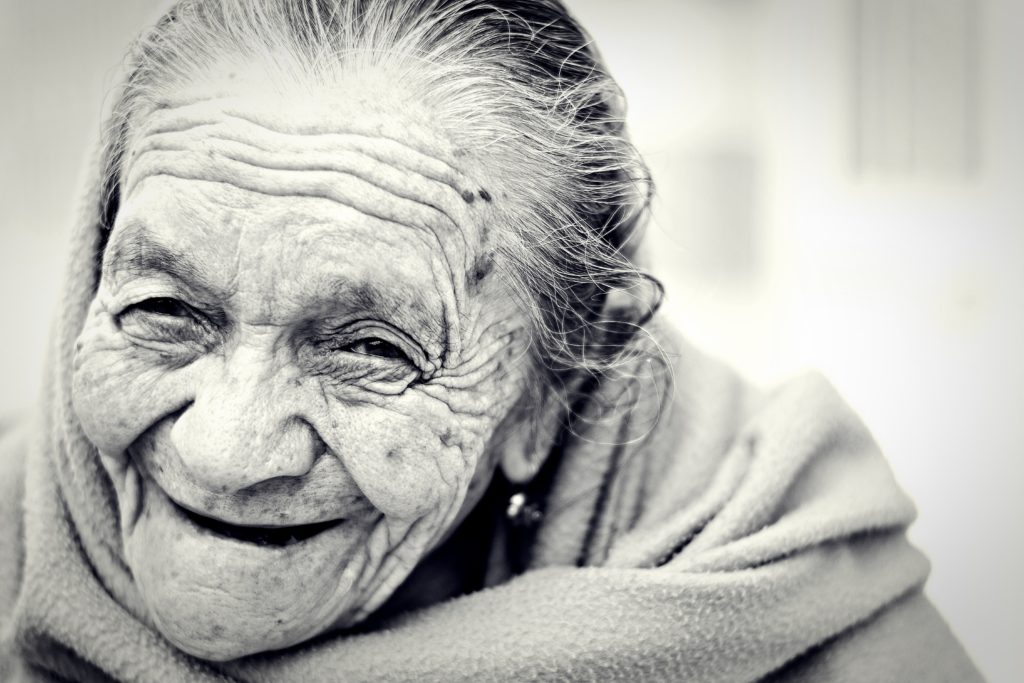
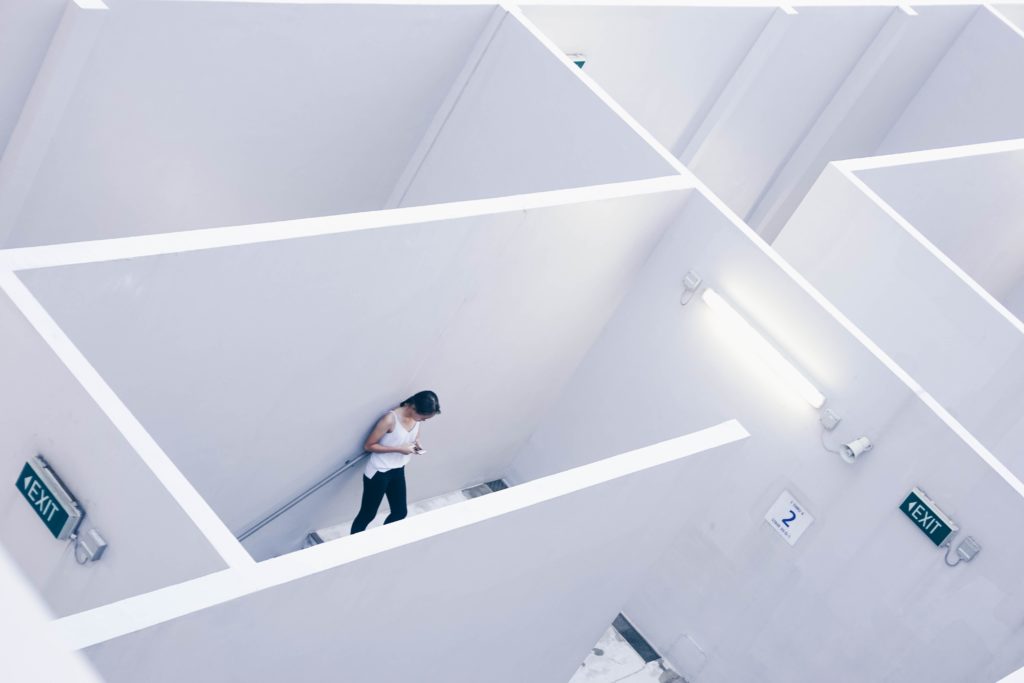
Photo by Cristian Newman on Unsplash
True female power knows how to live through the night alone, how to wander in the desert, how to go underground and live in a cave among the roots of life when necessary. She survives the conflagration, the invasion, the prison sentence, the betrayal, the loss, the beating, the chaos, the flood. A woman in her authentic power is rooted in the stars, in the trees, in the mountains, in the sea and in the earth. She welcomes cycles and seasons. Change is her strength. She knows how to bide her time and let die what must, because she knows her power will endure in women who come after her.
A woman in her power is not confused. She knows there’s no authentic power in money or position, youth or beauty or hairless legs. She knows her wellspring of power is internal and if she can’t find it, no one will. True feminine power defines her own success, her own goals, her own agenda, her own spiritual practice, her own beauty and her own rules.
Baba Yaga’s specialty is too-good maidens of all ages. That’s how I met her. When the Baba is finished with such a maiden, she’s either saltier and wiser or dead. Baba Yaga eats the dead ones with vinegar to cut the sweetness.
It’s a good time for prayers. Perhaps it’s always a good time for prayers. Here’s mine:
Baba Yaga, Grandmother, we offer you our sweat, tears, blood, milk and urine. Initiate us into life and death with our own blood and bone. Lead us back into love for ourselves, our bodies and our earth. Help us, your daughters, find our authentic feminine power again.
All content on this site ©2017
Jennifer Rose
except where otherwise noted
by Jenny Rose | Mar 30, 2017 | Emotional Intelligence, Feelings
In the last couple of years, a lid has been gradually slipping off a container in my mind labeled ‘BOREDOM,’ and I suddenly realize the contents of the can are now moving into all the cracks and folds of my memories and experience.
I don’t have much interest in boredom. I’m never bored and I’m greatly irritated by people who are. When I expressed boredom as I child I was either given something “productive” to do or told sometimes everyone has to do things they don’t want to do.
As a parent, when my kids expressed boredom, I gave them a long list of tasks or “productive” things they could do to help me. They usually declined, but they also learned quickly to stop saying they were bored.
I’ve often been told I’m boring.
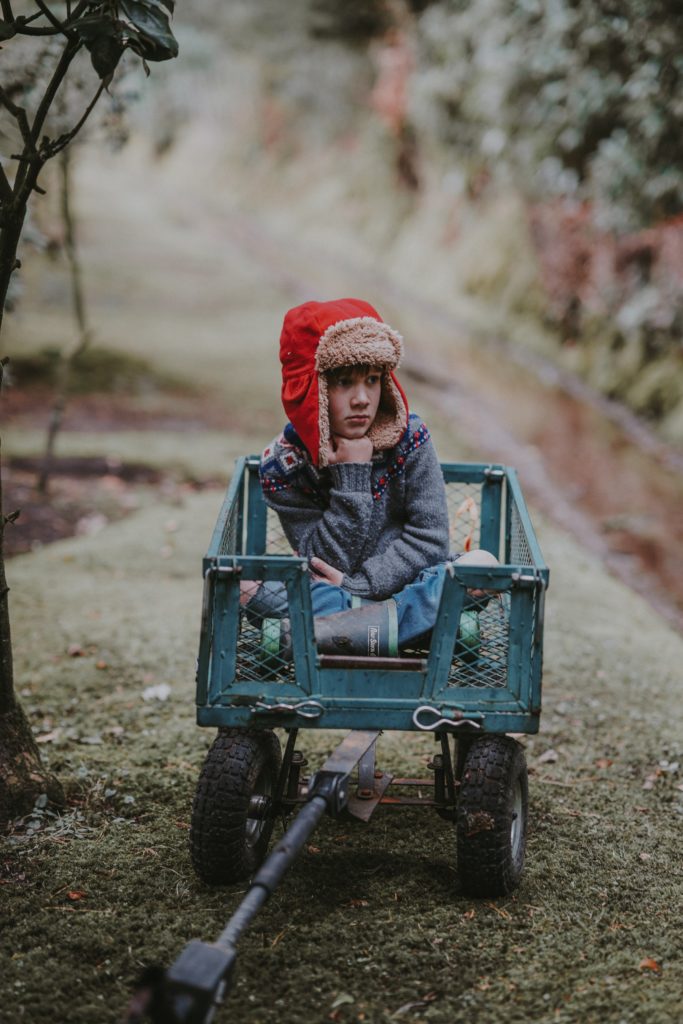
Photo by Annie Spratt on Unsplash
There. That’s all I have to say about boredom.
Life was much more cut and dried before I became educated in emotional intelligence. Now I’m suspicious of cut and dried, especially if it has to do with feelings, patterns in my life or things that keep showing up. Boredom keeps showing up. People say they’re bored and I feel disgusted. People say they do self-destructive things because they’re bored and that excuse infuriates me. I take the boredom of others personally, as though I’m not entertaining or interesting enough to keep them engaged.
If I’m not interested in boredom, I ask myself, why does it make me so mad, and why does it keep catching my attention?
Why, indeed.
A couple of days ago I decided this week’s post would be about boredom, so I really started to think about it. I tossed around the concept of boredom with my partner. I thought about all the places it’s shown up in past relationships. I sat down and Googled boredom and looked at articles, quotes, memes, images and definitions.
I can’t tell you how often I’ve come to the page, either to write or research about something out there — a behavior or pattern I observe around me in other people — and discovered it’s not out there at all, at least not exclusively. It’s in here.
Remember what I said a minute ago? “I’m never bored.”
I’m suddenly realizing that’s not true. In fact, I suspect I’ve been chronically bored my whole life. The feeling of boredom, along with so many other feelings, simply got denied. It wasn’t until I started living more authentically here in Maine and stopped being bored that I could begin to see the colossal depths of my previous boredom.
Naturally, I’ve felt enraged when others express feeling bored while I can’t.
But why can’t I express it? What’s so shameful about boredom?
Oh, baby.
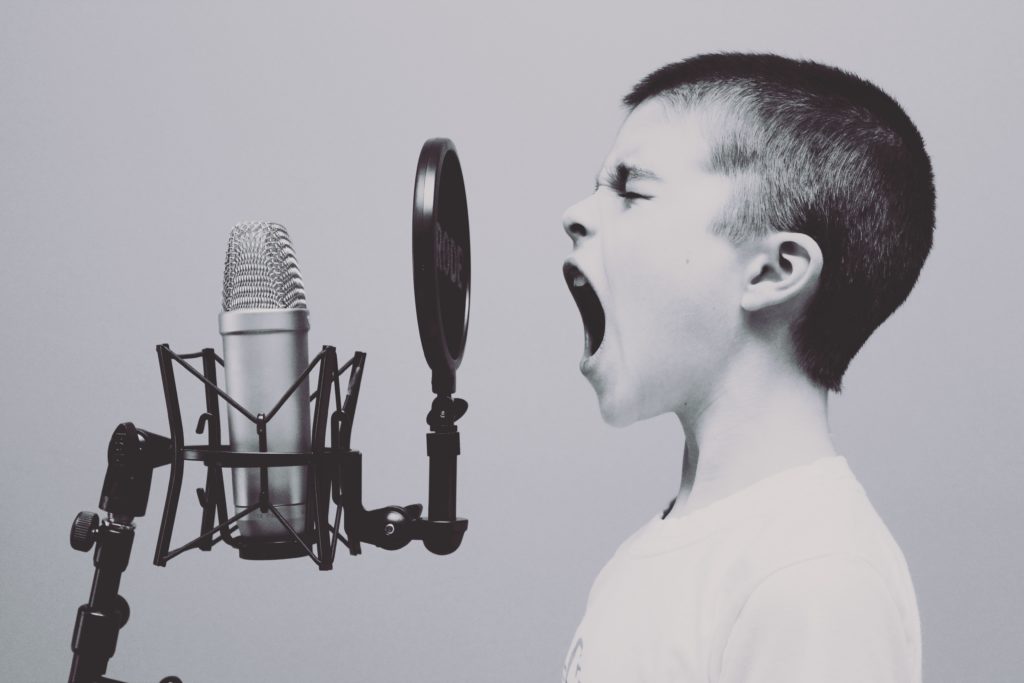
Photo by Jason Rosewell on Unsplash
First of all, being bored means you’re not working hard enough. You’re not being productive. You’re wasting time. You’re useless! You’re lazy! You’re a quitter! You’re irresponsible! You’re letting others down! You’re not pulling your weight! You’re a burden! You’re a failure! (This eventually trails away into a wild-eyed, gibbering mental shriek.)
When all the arm-waving drooling hysteria stops and I can think rationally again, what I’m left with is BUSY=GOOD and BOREDOM=BAD. This has the look and feel of first-grade logic to me, and I’m skeptical. I’ve spent a lot of my life staying busy in order to please other people and a lot of that busy was dead boring. School, for example. Busy and bored are not opposites. Busy without purpose is a recipe for compulsivity. On the other hand, the condition of being undisturbed and private with a book, paper and writing or coloring pens or even just a window and a cat with nothing in particular to do is a real pleasure.

Photo by Danny Postma on Unsplash
Somehow, somewhere along the way, boredom became the enemy in our culture. It’s a whine, a complaint, a danger and a discomfort to be avoided. It’s a weakness, even a sin (if you think in such terms). Boredom is a condition that must be fixed. Bored children get into trouble. Bored adults are not productive. Boredom is an excuse to use and abuse substance. People eat out of boredom. People have affairs out of boredom. Boredom, in fact, is to blame for a lot of undesirable behavior and choices.
Really? I don’t accept this. I’ve learned feelings — all feelings — can be thought of as value-equal data. We’re human. We have feelings. Some are more uncomfortable than others, but isn’t that largely a product of the thoughts and judgements we attach to them? Feeling a feeling doesn’t mean we have to act it out in ways to hurt others or ourselves. If we make destructive choices, our feelings are not the problem. What we do with our feelings is the problem.
It follows then, if I’m bored and I can call the feeling by name and recognize it, there’s information there for me. What is my boredom telling me? Here are some things I associate with my own boredom:
- I’m not interested.
- I’m not engaged.
- I’m not authentic.
- I don’t feel a connection.
- I can’t make a contribution.
- It’s too easy; I know how to do this; I can do more.
- I don’t understand.
- I’m overstimulated.
- I’m exhausted or ill.
- I’m overwhelmed with some other painful feeling, like fear, rage or grief, I’m refusing to deal with.
- I have a boundary problem; I’m taking on something belonging to someone else.
- I’ve been here and done this — not doing it again!
- My needs are not being met.
- I feel disempowered.
- I’m not in the right place.
- I feel limited.
- I can’t be curious or creative.
- I’m not safe.
This entire list is a map informing me where I’ve been, where I am and where I might go next. The feeling of boredom is the ground I stand on to read the map. My boredom doesn’t need to be fixed. There’s nothing shameful about it. On the contrary, it holds essential information and experience for me. It defines choices and supports power. Busy can’t create this essential space and quiet, but boredom can.
So much for not expressing boredom because it’s bad and busy is good. What else stood in my way all these years?
False Gods.
You see, I’m female. (By which I mean uterus, ovaries and menses.) Good girls, nice girls aren’t bored — ever — by males, including but not limited to male teachers, male family members, male romantic/sexual partners, male classmates and colleagues, and male bosses.
Now, before anyone climbs up on their high horse, understand I don’t hate men. Not at all. I’ve historically gotten along better with men than women, in fact. Also, I know things are different now than they were in the 60s and 70s when I was being socialized — sort of. There’s a lot more awareness and discussion of feminism and sexual politics.
However, a big part of my training had to do with “respect,” (also loyalty, responsibility and duty) and just about the only person not included in those I was taught to “respect” was myself. Respect was demonstrated by things like being silent while the men spoke, obedience, and being properly grateful for and attentive to mansplaining . Respect meant adapting, adjusting, and limiting myself so as not to challenge, threaten or compete with men. My role was to learn to “act like a lady” and be compliant, sweet and attractive.
You might not have noticed, but that training wasn’t notably successful.
Boredom and respect are not a happy team, so of course I kicked boredom to the curb. Respect meant love, validation, tribe, straight A’s, husband, children, a good job and a normal life. Boredom with addiction, violence, abuse, rigid thinking, inability to grow, absent creativity and curiosity, uninspired sex, toddler-level communication skills, power and control games, mind fuckery, omnipresent TV, unending housework and financial grind was absolutely out of the question.
Until now.
As for other people calling me boring, we’ve already covered that in a previous post. It’s a projection. My feeling of boredom is not about others and their boredom is not about me. I’ve been a lot of things in my life, but boring isn’t one of them.
That empty can in my mind labeled ‘BOREDOM’ was filled with something I want and need. Who knew? Going forward, I’m reclaiming my boredom. I’m welcoming it like the wise old friend it is, naming it, honoring it, embracing it, standing hip-deep in it and reading the map of my life to chart a course for what I’d like to do next.
And I will never, ever again try to fix, discourage, stifle, diminish or deny someone else’s boredom. I will instead congratulate them for feeling such a vital, vibrant feeling and ask them my favorite question:
“What would you like to do now?”
Photo by Joshua Rawson-Harris on Unsplash
All content on this site ©2017
Jennifer Rose
except where otherwise noted
by Jenny Rose | Sep 29, 2016 | Power
I’ve been thinking about this week’s post for a couple of days now. There’s a lot more to say about boundaries than I’ve discussed here and here, and maybe someone else can shape the many complex pieces into separate, coherent posts, but that person isn’t me. I can sort out a few points, but the rest is chaos containing all kinds of inflammable issues, such as parenting, corporal punishment, our justice system, religion, sexuality, morals, ethics, rape culture, racism, entitlement and patriarchy.
There’s no doubt in my mind that these are important discussions and ideas for all of us, but the purpose of this blog is not to have a shouting match or explore the different ways we can criticize, judge and belittle one another.

Photo by Andrew Loke on Unsplash
I suspect most of us agree boundaries are necessary, but after that point I see potential for endless violent disagreement about how and why we create and manage them. I believe it’s safe to say our understanding of boundaries is heavily influenced by our childhood experience, our culture and family, and technology and media.
I have no answers. I notice what I call my boundaries don’t work very well at times. I notice the conflict between what works for me, what others expect, and what I’ve been taught. I notice a generation gap around boundaries. My 20-something sons see the whole issue differently than I do. I think some of this is due to differences in our relationships to technology, but I don’t know how much.
I also notice a lot of my boundaries are around fear. As a single woman, I’m uncomfortable with the idea of being hooked into GPS and map information via technology. It doesn’t feel safe to me. Likewise, I’m uncomfortable discussing my spirituality, my parenting beliefs, my political beliefs, my dietary choices and the color of my underwear. I’m not ashamed of who I am — I’m afraid of being victimized. I don’t want to deal with mean, hateful or dangerous people. I don’t want to attract the attention of a psychopath or a sociopath. I don’t want to lose connections and relationships over something like religion.

Photo by Mike Wilson on Unsplash
Then there’s the part of me that simply isn’t interested in what I call oversharing. I mind my own business — why can’t everyone else mind theirs?
On the other hand, surely we have a right to be who we really are. But where is the line — the boundary, if you will— between that right and violating someone else’s boundary?
A highly topical example of this is the debate over Native American team names in the public school system. Many Native Americans find this offensive and racist — and say so. The other side hotly denies they’re racist and cites tradition and their intention to honor the Native American people. It’s a ding-dong argument. I’m hurt and offended and this feels racist versus I am not a racist, back and forth, on and on, with both sides becoming further divided with every iteration. Broken connection, broken relationships, divided communities, hurt and rage are the result.
At bottom, it seems to me these are all boundary issues. Our boundaries don’t appear to work well. What can we do about that?
This very morning, I had an interesting discussion with one of my sons about this. We were talking about privacy in regard to technology, and he suggested that soon we may have to accept the idea of 0% privacy because of our increasing reliance on and use of technology. Everyone (at least in this country) will be equally exposed and we’ll have to figure out how to live with that exposure as a culture and move on, or we’ll simply self-destruct. I’d never considered this point of view and I’m fascinated with it, as well as slightly appalled.
Perhaps the chaos around boundaries is present because, as my son suggests, we’re in transformation. Transformation is inherently chaotic, after all. Maybe my generation’s ideas and beliefs about boundaries aren’t working because they’re outdated. Our world, our culture, our understanding of life, technology and science are dynamic, always changing, always correcting and expanding. Perhaps the world we live in today requires different boundaries and we’re struggling to shape them.
At the risk of sounding like an old granny, however, I think healthy, effective boundaries must contain elements of respect, compassion, authenticity, dignity and kindness, not only for others but for ourselves. I think it’s important to remember that boundaries are about ourselves and what works and doesn’t work for us. It’s not our job to choose boundaries for others. We may have to defend our boundaries and others will certainly try to violate them, but that’s the only place our power is.
Interestingly, I’m reading a book right now that relates to this. It’s called Being Wrong by Kathryn Schulz. It’s a great book — well written, funny, intelligent and thought-provoking. I highly recommend it. The reason I mention it is that so many of our rules, expectations and yes, boundaries, are based on our beliefs and we have a tendency to make our beliefs universal laws. We all do this, one way or another. But take one of your central beliefs, a hot one like politics or diet or religion, one you argue about on Facebook, block and unfriend people for disagreeing with. Now just imagine, if you can, for one minute, only 60 seconds, that you’re wrong.
Pretty uncomfortable, right? Now everything changes, including your rules, expectations, stories and, inevitably, your boundaries.

Photo by Alessio Lin on Unsplash
In other words, effective boundaries need to flex and change as we learn and grow. Otherwise, all we create is a jail cell for ourselves. We can’t change, we don’t admit new information and we keep ourselves small and rigid.
On the other hand, if we have inadequate boundaries our power is leaking all the time. We fall prey to dysfunctional relationships, our integrity breaks, we fail to take care of ourselves, and our lives don’t work well.
All content on this site ©2016
Jennifer Rose
except where otherwise noted
by Jenny Rose | Jul 28, 2016 | Emotional Intelligence
A year and a half ago I left everything I knew and traveled halfway across the continent in a U-Haul to start a new life in Maine. I’d never even bought a plane ticket for myself before. I’d never taken a road trip. I’d never lived anywhere but Colorado. I’d never been to Maine. I rented my little house, which I’d never intended to leave, and I’d never been a landlady before. I had very little money, and in fact had to borrow money to accomplish the transition (which I’ve since paid back).
I was 51 years old.
As you can probably imagine, this decision was not met with enthusiastic support from all sides.
How this impacted my relationships will be a subject for future posts. Today I want to answer the question no one quite asked, but everyone wanted to:
WTF?

Photo by SHTTEFAN on Unsplash
It’s complicated, of course. It always is. The short version is that I slowly realized I was living a life that didn’t feel like my own. Nothing fit right. It was as though I’d been wearing clothes and shoes from someone else’s closet. My life was a tiny room that got a centimeter smaller every day. I lost a relationship, the neighborhood diner and my dearest companion. I woke every morning knowing I would fail, no matter how hard I worked at…everything. I felt like a character in a play someone else had written and I began to drop my lines.
The most remarkable thing about that time wasn’t that I was having an unusual experience. I’m certain many of you reading this can relate to my experience. No, what’s remarkable is that few people knew how it really was with me, which was exactly how I wanted it.
Photo by Hailey Kean on Unsplash
I had a beautiful little house that everyone loved. I had friends. I had a garden. I lived in a lovely place that had been home for nearly twenty years. I was financially independent — as long as nothing unexpected happened. I had my music, my movies, my books, my early morning walks, my comfortable bed, my dance group, my small luxuries. I had a good life, and I wasn’t happy. I was deeply ashamed. I was also unbelievably, unbearably, terminally lonely.
I began to write more, not with any plan or hope, but because I had to. Because it was the only thing I really enjoyed. It was the only time I felt real. For various reasons I felt unable to seek support for my writing locally, so I went online and connected with other writers. One of the writers I connected with was a life coach who teaches emotional intelligence.
I decided to work with him, and that’s when it all began to change.
I’m not going to try to sell you on life coaching. You’re online right now — research for yourself. There are lots of articles and sites to look at. I’ll let the coaches sell themselves. What I want to do is give you reasons not to do it, because if you hire a well-trained, certified, experienced coach and you’re serious about the work your life is going to transform, and an exhausting, bloody, terrifying experience it is. Creating new life is damned hard work. Ask any mother.
So here we go. Don’t do life coaching if:
- You don’t want things to change, both internally and externally (good luck with not wanting things to change, by the way!).
- You’re not really willing to invest time and money in yourself.
- You’re looking for a therapist or prescription medications, or you’re struggling with serious mental illness.
- You don’t want to take responsibility for your power, life and choices.
- You don’t want to deal with your feelings.
- You’re perfectly happy with your current role of victim, martyr, addict, people pleaser, passive aggressive, etc. (But in that case you might recommend life coaching to someone you’re in relationship with. Perhaps they could use it!)
- You don’t want your creative life to blossom.
- You don’t want to be honest.
- You don’t want to learn new language, strategies, coping mechanisms and communication skills.
- You don’t want your relationships at work, in your family and with your friends to become healthier, more honest and more effective.
- You don’t want to become a more effective and loving parent.
- You don’t want to cut out of your life the habits, relationships, behaviors and beliefs that are holding you back.
And so how, you ask, has it worked out so far? The coaching, the move, the new life?
Guess what? It’s not perfect. I miss parts of my old life. But I live with meaning, learning, creativity, humor, curiosity, joy, love and companionship. I recognize myself. I like myself. I feel useful and successful. I’m learning to be more honest.
The coaching, the move, the new life?
Best thing I ever did.
Photo by Annie Spratt on Unsplash
All content on this site ©2016
Jennifer Rose
except where otherwise noted