by Jenny Rose | Mar 9, 2017 | A Flourishing Woman, Body, Food
This is a third post in a series in which I’ve questioned the relationship between American dietary standards and health and written about my own personal journey with diet. This week I’ll focus on some of the ideology embedded in diet and food production.
In my first post, I briefly mentioned vegan bullying. Because of the way we choose to eat, my partner and I spend some time in digital conversations about food. I’ve been amazed by the hostility and hatefulness directed towards people who choose to produce, harvest and/or eat meat.
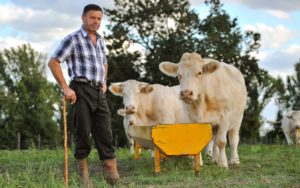
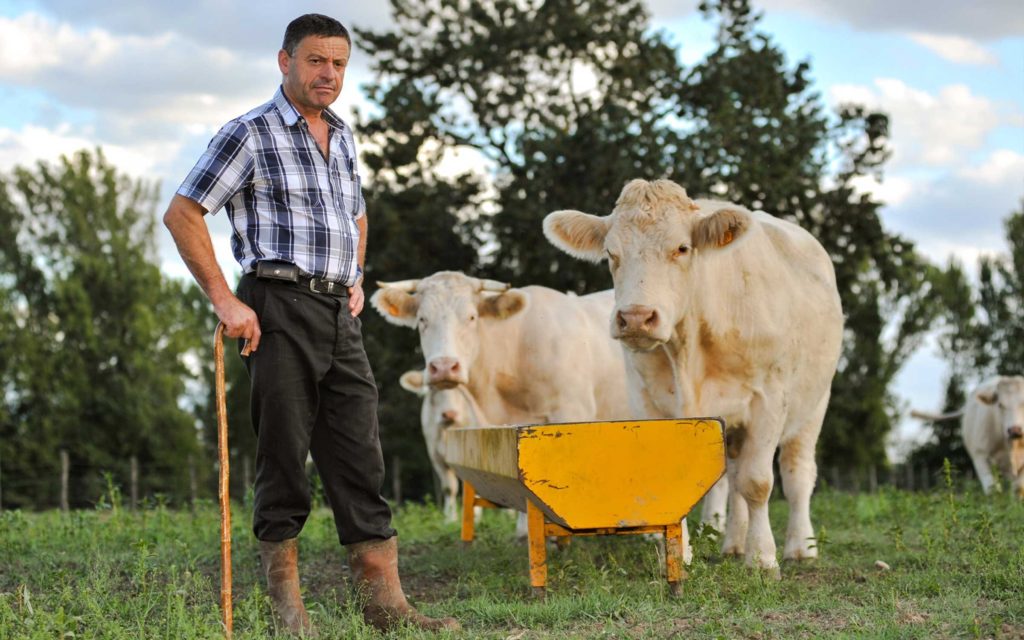
Photo by Agence Producteurs Locaux Damien Kühn on Unsplash
All people need to eat in order to live. That’s a given. I believe most individuals want to be able to feed themselves and their families with high-quality, healthy food. Sadly, because we live in a capitalist and consumer culture, this basic need is hugely impacted by financial, political, social and geographical variables. Additionally, diet is inextricably entwined in the religious and spiritual framework of many people.
Just this short list of factors make the basic necessity of putting food in our mouths complicated. Obesity and other eating disorders, as well as food-related diseases and health issues (which may be to say all diseases and health issues) reflect that.
Add to that a small but vocal group of people who take it upon themselves to judge, criticize, bully, shame and threaten others about their diet, and we’ve got a mess.
Now, there are all kinds of stated reasons why some people think they have a right to mandate what and how we all should eat. Some folks claim to be animal rights activists. Some talk about guilt, as in “What do you do about your guilt about eating the flesh of a dead animal?” Others say cows are killing the planet.
The list goes on. You get the idea.
I’m not a science teacher and this blog is not about handing out an academic education, but the cows killing the planet thing belongs under the heading of alternative facts. It simply isn’t true, and a brief survey of science-based permaculture, climate change and basic biologic history demonstrates that. Properly managed, the presence of animals is essential to healing the planet. Believe it or don’t believe it, but for me this is nonsense and I’m not interested in debating it.
The animal rights activism excuse really gets under my skin. First of all, equating eating meat with hating animals is first grade level reasoning. The world is filled with hunters who deeply respect and love the land and the animals they hunt and harvest. They show that respect by protecting the health of wildlife and wild land, doing their best to get a clean and efficient kill shot, using all of the animal they kill and supporting sustainable hunting practices. Of course, there are plenty of the other kind out there, lots of idiot trophy hunters and poachers who need a rack or a pelt in order to feel powerful. I don’t deny it. What I do say is that hunters are like everyone else — some are respectful and see themselves as part of the system we inhabit, and others operate strictly from power-over and see themselves as masters of the universe.

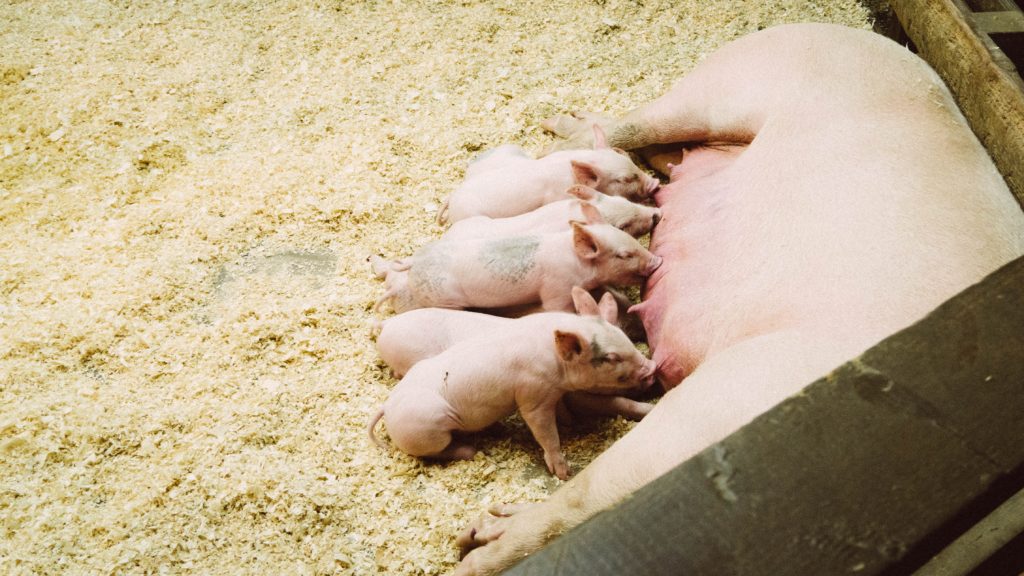
Photo by Greg Ortega on Unsplash
This also holds true for food producers. A small family farm hand raising meat with love, affection, attention, rotational grazing on healthy land and a good natural diet is a beautiful place. These people love their animals and the land. They also slaughter, butcher and eat their animals. They participate in, understand and respect every part of the cycle, from breeding to table.
To equate something like that with the nightmare of some modern mass meat production is simply ridiculous. If you want to see cruelty to animals, all you have to do is whisper “profit” into the ear of a corporation. Big Oil, the cosmetic industry and the fashion industry are just a short list of entities who have done plenty to destroy animals and habitat, and most people don’t care.
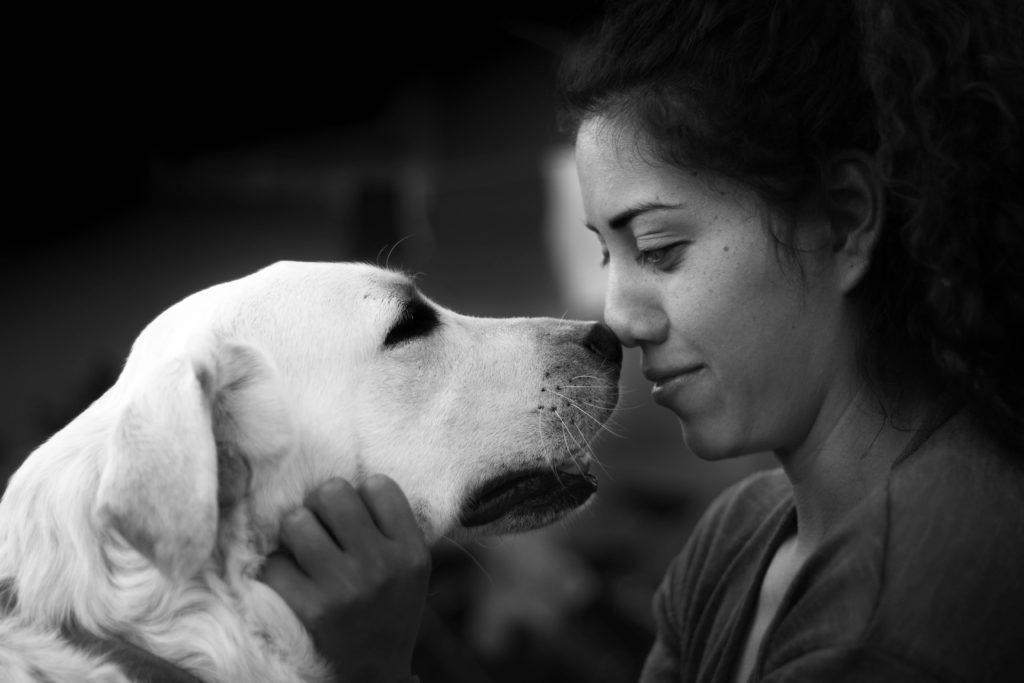
Incidentally, I’ve spent much of my life involved with animal rescue. I’m proud to say my mother is one of the most talented people I’ve ever met or heard of with animals and she’s largely given her life to making the world a better place for them, particularly horses and dogs, but by no means exclusively. This has all been volunteer work, done out of respect and love for the life in the world that can’t fight or speak for itself. She doesn’t see herself as better than. She sees herself as part of. The animals honor her with their presence and companionship, not the other way around.
So, yes, I eat meat with great enjoyment, AND yes, I love animals. I’m not limited by an inability to dwell in the sacred and powerful duality of life and death.
Bigger than all of this, however, is the guilt aspect, the real heart of this post. A vegan asks, “What do you do with your guilt about eating dead animals?”
For me, this question is much bigger than an issue of diet. The question reflects just how far we’ve strayed from wisdom, health and sanity in this culture.
When did we become amputated from our rightful place in the complex, miraculous web of life around us? What are the roots of the tragic and fatal arrogance that makes us believe we’re in control of life and death in our complex system? At what point did we become estranged from aging, loss, death and decay, which is to say HALF the full, powerful cycle of life?
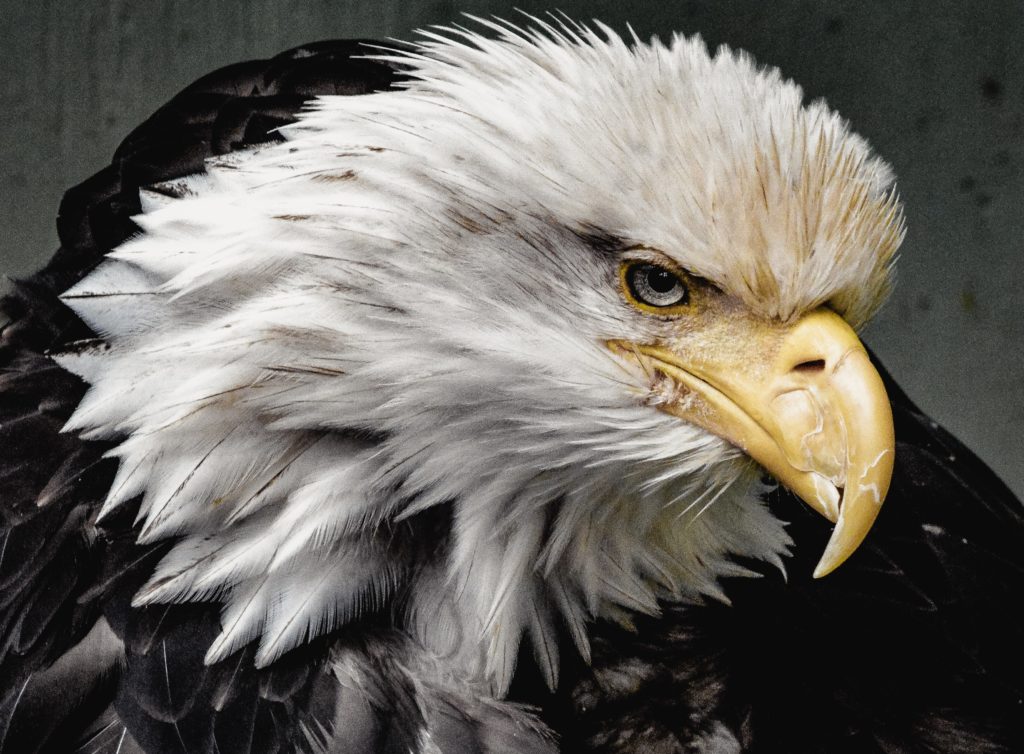
Life is death. Death is life. Neither has meaning without the other. Both are essential. All life feeds on death. When we walk in the forest we’re walking on death. The whole natural world is based on prey and predator, eaten and eater. What does a tree do about its guilt as it feeds off and roots in the bodies of its companions? What does an eagle do with its guilt when it takes a salmon? What does a lion do with its guilt when it runs down a gazelle?
The guilt in that question is a projection. I don’t have any guilt about eating meat, and I think it’s tragic that anyone has guilt about the necessity to eat. If you pull up a carrot and eat it, you kill it. Every bite of food we put in our mouths is possible because of death. We exist as part of a vital, dynamic and inestimably beautiful and precious system that ebbs and flows, dances, fluctuates, cycles and revolves around life and death. We can choose to act as a unique and valuable part of that system by using only what we need, nurturing and learning from the life around us, and joyfully participating in all the ongoing life-death-life-death cycles around and within us, or we can choose to deny, destroy, and/or desperately try to control life and death, which is a completely fruitless (no pun intended) endeavor. We, thank God, are not that powerful.
The seasons will cycle. New life will be born in the midst of death. The green world will reseed itself, sprout, grow, bloom, fruit and die. The microscopic world and fungi will continue to break death into a rich placenta that sustains the next generation of life. Life is an incredible privilege. Death is part of that privilege. Nurturing life and allowing to die what must is part of what it means to me to be a woman.
I don’t know what’s going to happen to my country, the climate, or the planet. I’m afraid for us all, and the world we call home. What I do count on is the mighty cycle of life and death. All things change. All things move and flow. Nothing ever stays the same. All our fear and desperation, our greed and selfishness can’t change life and death.
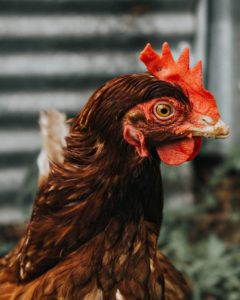
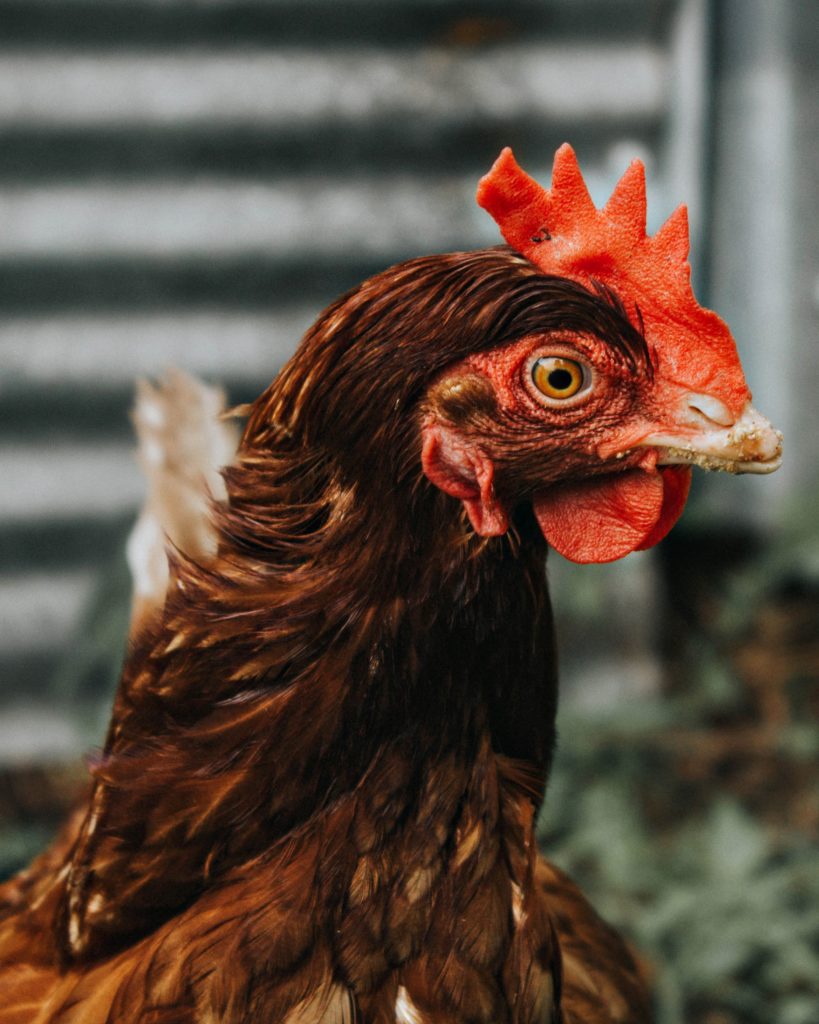
Photo by Andrea Tummons on Unsplash
What I can do is figure out how to best support my body with food. Then, I can make choices about how I procure the food I eat — to some degree. I don’t have the means right now to grow my own meat. However, I can and do buy eggs from a neighbor farmer, driving very carefully into the yard so as not to run over her free-range chickens and ducks. I can take the time to relish and appreciate opening a many-times recycled egg carton and looking at a whole variety of shaped, sized and colored eggs, mixed with occasional bits of straw and feather fluff. I can save money so I can buy a half an animal in the fall from a local small farmer to put in the freezer. I can buy fresh local yogurt, butter, cream and cheese from the farmer’s market.
It seems to me our energy should be going into making sure everyone has adequate food and clean water, and that we treat our food sources, whether animal or plant, and the system within which they grow (you know, the planet? Earth?) with love, intelligence and respect. We all can do something about food. Those among us who are doing the hard and unprofitable (financially) work of growing food on small farms may well hold the keys to our future survival. What they know about permaculture, holistic environments, food forests, sustainability, breeding, planting, harvesting and slaughtering is truly the wisdom of life.
Which is to say the wisdom of death.
Which is to say, again, the wisdom of life.
Bon appetit.
See the fourth post in this series here. Check my Resources page for links to information about diet and nutrition.
All content on this site ©2017
Jennifer Rose
except where otherwise noted
by Jenny Rose | Nov 17, 2016 | Connection & Community, Emotional Intelligence
I haven’t enjoyed this week much. It reminds me of the week after 09/11, when I thought I would drown in the hate and despair around me.

Photo by Quino Al on Unsplash
I’m not on Facebook, but my partner is and I hear more than I want to about what’s going on there. I’m developing a pathological hatred of the news in any form, even as I obsessively read the Internet. I think about friends, family, acquaintances and a world full of frightening strangers with the power, strength and willingness to hurt others, including me.
I work at home as a medical transcriptionist, a fact I don’t talk about much because I respect the privacy laws in this country around medical information. My book of business is presently in Illinois, but I’ve also worked extensively in New York, Ohio and Alabama. I spend twenty-four hours a week typing dictated stories about strangers, a significant number of them experiencing physical and emotional pain and suffering from the current situation.
Here in central rural Maine, Native Americans in our community are victims of increasing hate crimes. Their people have been in this place for thousands of years.

Photo by Sue Tucker on Unsplash
It seems to me in the last week we’ve put on the table an infinite number of ways in which to divide ourselves from one another; an infinite number of ways to express hate, intolerance and blame; an infinite number of labels to weigh ourselves and others down with. None of it feels useful
I want to find ways to support what I believe in and reach out to other people. I want to do something, no matter how small, to make a difference in this, but I’m noticing something interesting about that. As soon as I communicate about some kind of action I’ve taken, someone cuts me down. I’ve been told wearing a safety pin is patronizing and indicates privilege; I’m not welcome in America; I’m going to burn in hell; and I’ve joined a hate organization (that would be MoveOn.org).
Maybe no one out there needs support, or wants to make a contribution to unity and respect, but I don’t really believe that. At any rate, I need support and I do want to make a contribution, so here are some thoughts about what would help me.
Here’s a graphic to contemplate as we go on:
Enough with the labels. We have to stop this. One thousand labels can’t define the complex creature a human being is. I maintain that what’s happening now is NOT about race, gender, religion, politics, immigration or socioeconomics. What’s happening now is about power — how we define it and understand it, how we use it and what we’ll do to gain it or overthrow it. I think the most important question to ask ourselves is if we support power-over others or power-with others. That’s really the bottom line. It’s at the heart of all the disagreements. The rest is just inflammatory and dangerous distraction.
Enough with the apocalyptic stories and predictions. The fact is nobody knows what’s going to happen now. We’re in uncharted territory politically, economically, socially and environmentally. Many people think that’s a good thing. Sure, it’s scary. The unknown always is. On the other hand, politics as usual wasn’t working very well for most of us in this country and change is an inevitable part of life. Blessing or disaster, the point is none of us know the future and we’ll all have to deal with whatever happens as best we can. Terrifying ourselves and one another with dire predictions, threats and stories won’t help anyone. Fear is terribly contagious and terribly ineffective in decision making, but it’s a useful tool for manipulation.
The best defense against fear and misinformation is to do our own research. All the people in the headlines right now are real people. They have lives, histories, Wiki pages, on-line organizations, quotes and podcasts. We can read about them. We can look at quality news organizations in other countries and what they’re reporting for a contrast to domestic news. Discerning between fact and opinion is important. We need to take responsibility for our opinions and beliefs.
It’s time to stop worrying about everyone else and clean up our own acts. Are our words and actions congruent? What do we believe, and why? What are our priorities? What kind of outcomes do we want for ourselves and our communities, however we define community?
We can’t change other people; attempts at doing so merely divide us more deeply. We must accept that not everyone agrees with us and stop wasting time in destructive argument. We don’t have to shoot one another in the head and throw scorn at those who disagree with us. We can use our energy to work for what we believe in and allow others to do the same.

Photo by tom coe on Unsplash
We don’t have to accept an invitation to fight. We can find communities in which respectful conversation and debate take place if we want to discuss an issue. Many of us don’t feel safe verbalizing, revealing or defending our views, but everyone can vote with their presence. If we’re uncomfortable or scared in a conversation, we can leave it. We can’t stop hatred, but we don’t have to be a part of it.
We can learn to express our thoughts, feelings and opinions in a way that allows others respect and dignity. We can learn to listen. We may disagree with people, but that doesn’t mean they have nothing important to say.
We need to root out sweeping generalizations. All white people are not living a life of economic privilege! All patriots are not Christians! All Muslims are not terrorists! All blacks are not criminals! All Latinos are not undocumented immigrants! All men are not rapists! All gay people are not child molesters! All Christians are not militants! First graders think in these black and white ways, not adults. We shackle each other with these assumptions.
There’s a lot of talk about privilege right now. It’s a slippery term, and I think the perception of privilege is really in the eye of the beholder. Here’s a very interesting self-test you can take. Some of the questions will help you appreciate the difficulties many people face. In case any one wonders, my score was a 44 — NOT privileged, according to this tool. Certainly very privileged in comparison to some people.
Going on from here. My daily crime.
All content on this site ©2016
Jennifer Rose
except where otherwise noted
by Jenny Rose | Oct 20, 2016 | Connection & Community, Emotional Intelligence
Last week I talked about balance as a first step to understanding reciprocity. This week I’ll refine my focus and discuss the term itself.
A few years ago I was in my car, either listening to an audio book or the radio. I was in the off phase of a painful and confusing on and off relationship. Whoever I was listening to asked the question: “Is he crying about you?”

Photo by Ian Espinosa on Unsplash
This was a real Aha! moment for me, because I myself was crying all the time and the answer to the question was no. I didn’t even need to think about it. I’d given him all the power. He was calling the shots. I wanted to be with him but he didn’t want to be with me — at least for the moment.
That was my first introduction to reciprocity. It didn’t come with context, language or tools, but that question was like a piece of grit in my eye and it continues to pop up in all my relationships.
Before we discuss it further, let’s define reciprocity. A 3-second internet search yields: “Exchanging things with others for mutual benefit.” Good enough.
What I understand now is that reciprocity is at the core of healthy connection and relationship. Whether we’re conscious of it or not, it matters. I see the presence of reciprocity as an indicator of equality. No one has power over anyone else. The playing field is level. Giving and receiving happen in balance. We see the needs of others as being as important as our own. Reciprocity is the old Golden Rule in action.

Photo by Alona Kraft on Unsplash
It sounds so easy. In fact, it is easy. A reciprocal relationship is a delight. Trust and respect are present. Drama and trauma are absent. Both parties show up with an intention to create healthy connection. Communication is loving, respectful and honest. Both parties take responsibility for their words, actions and choices. When we walk away from a reciprocal interaction we feel valued, understood, respected and connected — and so does the other party.
Reciprocity in relationships cannot be achieved if both parties are not internally balanced, which is why I started with balance last week. This is like boundaries. If we can’t manage our own boundaries within ourselves, we won’t have effective boundaries with others. If we don’t function well enough to self-care, make choices that reflect our priorities, and control our time and energy in a balanced way, we can’t create healthy, reciprocal relationships.
“Exchanging things with others” is not limited to concrete things. In fact, a commercial exchange doesn’t imply reciprocity at all. Reciprocal exchange means he heats water for my tea while I’m in the shower and I dry his socks in the dryer instead of on the line because he likes them soft. Reciprocity implies an equal but not necessarily identical contribution of time, energy, expression and caring. In many ways, it’s a subtle kind of dance. It’s a gift of ourselves to others.
Reciprocity is flexible, affectionate, creative, curious and cooperative. Reciprocity says: “What can I do? What do you need? What would be useful? What would create connection? Reciprocity requires we allow ourselves to be seen and we’re open to receiving as well as giving. It requires communication about what we want and what we can give.

Photo by Kevin Quezada on Unsplash
Sadly, I think many people have never experienced a truly reciprocal relationship with a human being, although many of us have with animals. If that’s true of you, then there’s an important question to explore.
Is it you or is it them?
What’s been true for me is that it’s both. I’ve only lately begun to truly self-care and develop a sense of being valuable in the world. Most of my life has been defined by my sense of failure. What this means is that I’ve been a people pleaser, which is to say inauthentic and without good boundaries and balance. Naturally, that created problems, as well as attracting all kinds of people into my life who were also dysfunctional.
I have no power to change the behavior of others, but I can certainly learn and grow myself. Having language and context for aspects of relationship is enormously helpful. Being able to ask the question “Is he/she crying about me?” forces me to take a wider view and keep an eye on reciprocity. It empowers me.
It’s a great mistake to assume everyone wants reciprocity. I always forget that piece. I can’t quite get my head around the fact that some folks have no desire to be in a relationship like this, but I know it to be true. I can’t explore that effectively, having a great longing for it myself, so I’ll leave that aspect alone, except to note it’s not effective to make up stories or have expectations and assumptions about another’s desire or intention in this arena. Reciprocity doesn’t exist without mutual consent and a willingness to share power. The good news is after you run into the absence of reciprocity (for whatever reason) enough times, you stop trying to force it.
It’s also worth noting there are many different forms of relationship, and lack of reciprocity doesn’t mean there’s no value in the connection. Not at all. The quality of our relationships declare and define themselves pretty quickly, it’s just that sometimes we’re so focused on our determination that things be a certain way, we don’t pause to consider what is actually present — and what is not. Denial is a powerful thing, and we can stay stuck in it for years.
Reciprocity is a high standard. If you decide you want it, many possible relationships will be disqualified in the early stages. On the other hand, if you accept nothing less than reciprocity in close relationships, the ones you do find will be joyful and vibrant, and you won’t have to cry alone in the first place, let alone wonder if your partner is, too.
(This is the second post in a series on reciprocity. See also Parts 1, 3, and 4.)

Photo by Evan Kirby on Unsplash
All content on this site ©2016
Jennifer Rose
except where otherwise noted
by Jenny Rose | Sep 29, 2016 | Power
I’ve been thinking about this week’s post for a couple of days now. There’s a lot more to say about boundaries than I’ve discussed here and here, and maybe someone else can shape the many complex pieces into separate, coherent posts, but that person isn’t me. I can sort out a few points, but the rest is chaos containing all kinds of inflammable issues, such as parenting, corporal punishment, our justice system, religion, sexuality, morals, ethics, rape culture, racism, entitlement and patriarchy.
There’s no doubt in my mind that these are important discussions and ideas for all of us, but the purpose of this blog is not to have a shouting match or explore the different ways we can criticize, judge and belittle one another.

Photo by Andrew Loke on Unsplash
I suspect most of us agree boundaries are necessary, but after that point I see potential for endless violent disagreement about how and why we create and manage them. I believe it’s safe to say our understanding of boundaries is heavily influenced by our childhood experience, our culture and family, and technology and media.
I have no answers. I notice what I call my boundaries don’t work very well at times. I notice the conflict between what works for me, what others expect, and what I’ve been taught. I notice a generation gap around boundaries. My 20-something sons see the whole issue differently than I do. I think some of this is due to differences in our relationships to technology, but I don’t know how much.
I also notice a lot of my boundaries are around fear. As a single woman, I’m uncomfortable with the idea of being hooked into GPS and map information via technology. It doesn’t feel safe to me. Likewise, I’m uncomfortable discussing my spirituality, my parenting beliefs, my political beliefs, my dietary choices and the color of my underwear. I’m not ashamed of who I am — I’m afraid of being victimized. I don’t want to deal with mean, hateful or dangerous people. I don’t want to attract the attention of a psychopath or a sociopath. I don’t want to lose connections and relationships over something like religion.

Photo by Mike Wilson on Unsplash
Then there’s the part of me that simply isn’t interested in what I call oversharing. I mind my own business — why can’t everyone else mind theirs?
On the other hand, surely we have a right to be who we really are. But where is the line — the boundary, if you will— between that right and violating someone else’s boundary?
A highly topical example of this is the debate over Native American team names in the public school system. Many Native Americans find this offensive and racist — and say so. The other side hotly denies they’re racist and cites tradition and their intention to honor the Native American people. It’s a ding-dong argument. I’m hurt and offended and this feels racist versus I am not a racist, back and forth, on and on, with both sides becoming further divided with every iteration. Broken connection, broken relationships, divided communities, hurt and rage are the result.
At bottom, it seems to me these are all boundary issues. Our boundaries don’t appear to work well. What can we do about that?
This very morning, I had an interesting discussion with one of my sons about this. We were talking about privacy in regard to technology, and he suggested that soon we may have to accept the idea of 0% privacy because of our increasing reliance on and use of technology. Everyone (at least in this country) will be equally exposed and we’ll have to figure out how to live with that exposure as a culture and move on, or we’ll simply self-destruct. I’d never considered this point of view and I’m fascinated with it, as well as slightly appalled.
Perhaps the chaos around boundaries is present because, as my son suggests, we’re in transformation. Transformation is inherently chaotic, after all. Maybe my generation’s ideas and beliefs about boundaries aren’t working because they’re outdated. Our world, our culture, our understanding of life, technology and science are dynamic, always changing, always correcting and expanding. Perhaps the world we live in today requires different boundaries and we’re struggling to shape them.
At the risk of sounding like an old granny, however, I think healthy, effective boundaries must contain elements of respect, compassion, authenticity, dignity and kindness, not only for others but for ourselves. I think it’s important to remember that boundaries are about ourselves and what works and doesn’t work for us. It’s not our job to choose boundaries for others. We may have to defend our boundaries and others will certainly try to violate them, but that’s the only place our power is.
Interestingly, I’m reading a book right now that relates to this. It’s called Being Wrong by Kathryn Schulz. It’s a great book — well written, funny, intelligent and thought-provoking. I highly recommend it. The reason I mention it is that so many of our rules, expectations and yes, boundaries, are based on our beliefs and we have a tendency to make our beliefs universal laws. We all do this, one way or another. But take one of your central beliefs, a hot one like politics or diet or religion, one you argue about on Facebook, block and unfriend people for disagreeing with. Now just imagine, if you can, for one minute, only 60 seconds, that you’re wrong.
Pretty uncomfortable, right? Now everything changes, including your rules, expectations, stories and, inevitably, your boundaries.

Photo by Alessio Lin on Unsplash
In other words, effective boundaries need to flex and change as we learn and grow. Otherwise, all we create is a jail cell for ourselves. We can’t change, we don’t admit new information and we keep ourselves small and rigid.
On the other hand, if we have inadequate boundaries our power is leaking all the time. We fall prey to dysfunctional relationships, our integrity breaks, we fail to take care of ourselves, and our lives don’t work well.
All content on this site ©2016
Jennifer Rose
except where otherwise noted
by Jenny Rose | Sep 22, 2016 | Power
This is the second of I’m not sure how many posts about boundaries. See last week’s post for the beginning of the discussion!
Today the aspect of boundaries I want to explore is the one I have the most trouble with. This aspect concerns managing boundaries with people we love.
Continuing with our metaphor of food on a shelf, last week I was comfortable with my identity of strawberry jam. I know who I am, I’m in an intact container (most of the time) and I intend to be labeled accurately and effectively. That’s all INTRApersonal start-where-you-are work.
However, there’s other food on the shelf. The universe doesn’t revolve around strawberry jam, alas! In fact, next to me is a jar of dill pickles.

Photo by Viktor Forgacs on Unsplash
We’ve been together as long as I can remember, sitting side by side on the shelf. We’ve watched other food in other containers come and go. The eggs in particular have quite the turnover rate. We’re companions, friends, and in fact it’s not an exaggeration to say I love Pickles.
But one day I notice something has changed. The clear green juice in the jar with floating bits of herbs and spices is getting cloudy. And is that — could it possibly be — grey fur along one side of a pickle?
Disaster. Catastrophe. It can’t be true. My beloved Pickles is beginning to grow fur. Everybody on the shelf knows what this means. Sooner or later, the refrigerator/cupboard/shelf Gods will cull Pickles. Gone forever.
I can’t imagine my life without Pickles.
Naturally, I want to help. No kind of food could possibly want to wear grey fur. There must be something I can do.
If I love Pickles, I must be able to fix this.
If I really, truly love Pickles, and my love is real and unselfish and unconditional (and Pickles is worth that kind of love), there’s a way for my love to fix this.
If I fail to fix this, my love is at fault.
That, ladies and gentlemen, eggs and bacon, is where I lose my boundaries. It’s all very clear and self-evident when it’s laid out in black type on the page, or in this case, screen. Love can’t fix everything. Love isn’t always enough. Sometimes we can’t “help” other people. Bad things happen to good people all the time. Loss is part of love. Right?
My brain understands this. My brain functions pretty well. My brain is not the problem. It’s my heart, my emotions, my stories, my beliefs and my expectations that are unruly and stubborn.

Photo by juan pablo rodriguez on Unsplash
Perhaps I haven’t explained it well, my connection with Pickles. I know him better than anyone. I understand him. He’s the most important person in my life. He’s part of who I am. If I lose him, I’ll lose part of myself. I thought nothing could ever part us, or damage our respect and trust in one another. In fact, we’re so close we don’t need boundaries.
(Naturally, he feels the same way about me. He doesn’t say so, but one doesn’t expect pickles to emote like strawberry jam.)
Loving fully and unconditionally means no boundaries, right? Isn’t that what we learn? If we love unselfishly, completely, without reservation, then boundaries are unnecessary and we can count on getting that same kind of love in return. Loving well equals being well loved. Isn’t that the way it works? Only a selfish bitch maintains boundaries, an unloving, cold woman, a ball breaker. Only an indifferent, unfit mother maintains boundaries between herself and her children. Only a judgmental, critical, power-hungry female protects herself with boundaries. Generous, attractive, truly loving people have no need of boundaries. They don’t count the cost. They always say yes. They give freely of their resources to whoever is in need without expectations or strings attached. They never keep score. They have no needs, these lucky, healthy, beautiful, abundant people. They feed and nurture the world.

Photo by Jordan Whitt on Unsplash
Boy, does this world need people like that. That’s the kind of woman/friend/mate/mother/daughter/sister I want to be. If I want to save Pickles, that’s the kind of person I have to be.
Here’s the thing.
I can’t be that. I’m not sure anyone can be that.
I’m not talking about ideology here. I’m not qualified for or interested in religious debate. What I’m saying is I can’t be a bottomless, endless nurturer and giver with no needs, and I’m not convinced anyone else can, either. I know some who say they can, pretend they can and/or expect others to be, but I’ve never met anyone who really lives like that — at least not long term. Not successfully and not happily, anyway.
But aren’t we supposed to?
Did I learn this wrong? Did I misunderstand? I can’t point to any one person who taught me this, after all. Did I make it all up? Or, alternatively, am I not the woman I think I am and aspire to be? Am I small, mean, petty, hypocritical and selfish? Am I unable to love the right way? Am I a fraud? Am I self-deluded?
Why am I in such chronic painful confusion about something my intellect sees so clearly? Why does it seem that managing boundaries INTERpersonally carries such a negative connotation? Why can’t I reconcile loving someone with all my heart with effective, appropriate boundaries between that person and me? What is the source of this cognitive dissonance?
Which is more devastating — people who have no boundaries themselves and bitterly resent mine, or people who maintain boundaries between us when I have none?
In the first case I feel trapped, resentful and intruded upon, and in the second I feel hideously rejected, unappreciated and used. Neither feel like healthy connection, but I call both love.
So here I am, side by side with Pickles on the shelf. We look at each other through the glass sides of our boundaries. I want to climb inside his container and take him in my arms, love him back into clear green juicy health, but if I do that I’ll start growing gray fur myself, and I know I can’t fix him at the same time I believe I should be able to. I want to run away, turn away, not know what’s happening, but I can’t.
There’s nothing I can do. My love is not enough. Grey fur is creeping over Pickles and I can’t avoid it, flee it or stop it. I can only wait and watch and sit here in my container, while Pickles sits in his.
RIP, Pickles.
All content on this site ©2016
Jennifer Rose
except where otherwise noted