On Thanksgiving morning I started a four-day break from my job. I spent the first hour of my day in my favorite chair snuggling with the cats, drinking a cup of green tea, journaling, and doing my morning online check. Perky articles and posts about gratitude and thankfulness were inescapable, as was Black Friday advertising. All of it made me feel sour. The swing in our media and advertising between catastrophizing and toxic positivity, whatever has the potential to make the most money in the moment, is nauseating.
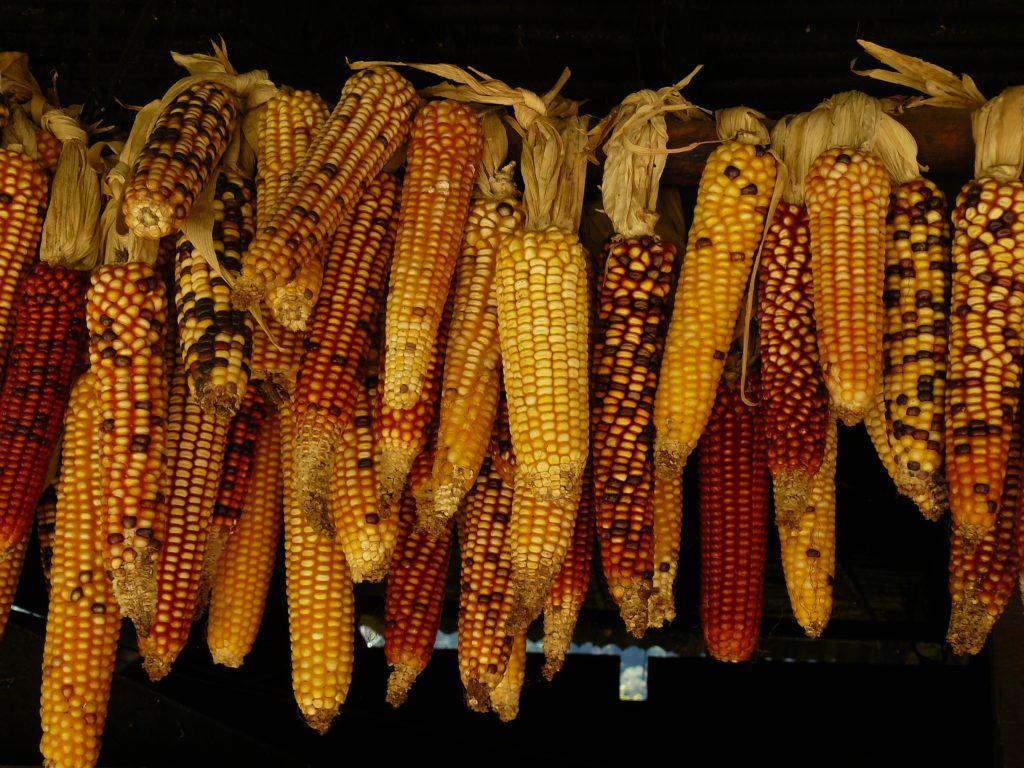
Photo by Roderico Y. Díaz on Unsplash
By nature, I make the best of things, though I’m not an optimist. I’m a wait-and-seeist. By long habit, I spin my experience of life in a positive way. I practice gratitude regularly.
But, honestly, sometimes life is damn difficult. And this fall has been extremely difficult. And let’s face it, many, many people on this planet are struggling in ways I can’t even imagine. That’s true every single day.
I could make a long list of things for which I am grateful. I do it all the time when I’m feeling down and out. That’s attractive and adult and fashionable, particularly on Thanksgiving.
But I could also make a list of things for which I am not grateful.
I know, I know, nobody likes a whiner or a complainer. It’s unattractive and unseemly. It’s entitled.
But is it really entitled or is that just a criticism we throw out because we don’t want to think about all the tough stuff? If we do think about it, we want to do it privately where no one will catch us being less than grateful and positive, as though it’s shameful to feel frustrated, exhausted, impatient, fearful, or upset. But aren’t the times when we feel those feelings also the times we most need support?
I’m not proposing to pitch a tent and live in the negative outback of life, but it is part of my experience, part of my landscape, and it certainly influences many of the more pleasant aspects of my life and my gratitude.
Isn’t gratitude more powerful when we’ve acknowledged our ingratitude? Is there some virtue in refusing to tell the truth about the things in our lives that don’t work? Some would say the perceived negatives, the hidden pain, sorrow, and difficulty, must not be acknowledged or displayed. What would the neighbors think? Dirty laundry!
I discovered, as I made my list, how difficult it was to refrain from putting a positive spin on things. I wanted to explain, to justify, to make exceptions, to soften my ingratitudes. I wanted to signal my shame.
The strength of my compulsion to be grateful, submissive, and positive was enough to trigger my wide streak of rebelliousness. So here, in no particular order; without apology, justification, too much detail, or any other anxious softening and sugar-coating, is my Thanksgiving 2022 List of Ingratitudes:
Planned obsolescence (greed meets waste)
Spammers and black hat hackers
Unclear, ineffective, hard-to-navigate websites (I’m talking to you, federal and state governments!)
Unavailable or unusable tech support (see above)
Irresponsibility
Broken public “education” system (education is not about what to think; it’s about how to think)
Unaffordable insurance
Rape culture and misogyny
Alcohol and nicotine Postmodernism Wokeism (Great roots are now cancerous and have become toxic “overrighteous liberalism” (quote from British journalist Steven Poole). Get a grip, people! Let’s work together for a level playing field for all rather than exercise our moral indignation!) Denialism
People who want to win and be right (shut up and sit down!)
Institutionalized racism (can’t we do better than this?)
Homophobia (get over it, and mind your own business while you’re doing it!)
This list is not complete, but these are are some of the things that don’t work in our culture, in our world. We can do better. We could make life better for everyone.
Sour humor aside, I am truly grateful for all you readers, your comments, your shares, your presence. Thank you. Happy holidays!
To read my fiction, serially published free every week, go here:
My first post on this blog was about pleasing people. It surprised me, how easy it was to break that habit, once I made up my mind. I still slip into the old pattern of pleasing when I’m not paying attention, but I can even smile now (sometimes) when people express outrage because I Failed To Please. It’s not my job to live up to any expectations but my own.
Photo by Volkan Olmez on Unsplash
Ah, there’s the rub. My own expectations, internalized from years of external expectations, can be crippling.
Along with the rest of the country, we are sweltering here in Maine, with heat indices over 100 degrees and the big three H’s: haze, heat, and humidity. Relief is on the way, but right now the only sensible thing to do is hole up with my window AC unit rattling and clunking, shut the blinds, and stay quiet.
Impossible to sleep without AC in my attic, with the temperature and humidity running neck-in-neck. I’m grateful for the cooling unit, and it’s noisy. I learned when I moved to Maine from Colorado the combination of cooled air and high humidity confuse the body. I need a sheet to protect myself from the blowing cool air. But the instant I pull up the sheet, I start gently steaming in my damp bed. Sheet on. Sheet off. Sheet on. Sheet off. Whirr … clunk … whirr … roar … clunk … whirr … goes the cycling air conditioner.
I lay awake during the night, tossing and turning and thinking about all the things I needed to do today, all the things I didn’t do yesterday, and how, and why, and how quickly, and in what order. I thought about carrying dishwater to the garden and prepping for this week’s swim lessons. I thought about the books I’m writing, my new website, this week’s blog post, and housework. I thought about the gardening I’m not finding time to do, switching from 5-lb to 3-lb hand weights and doing more reps, and the challenges my friends face in their private lives.
I felt fear, and I thought fearful thoughts.
Photo by Hailey Kean on Unsplash
I know much of what drives me is fear. It occurred to me my response to fear feels exactly like my cringing, cowering, I’ll-show-you-my-belly-and-be-a-good-dog-if-you’ll-only-love-me people pleasing.
I’ve never noticed that before.
Much of my behavior is unconsciously driven by a desire to propitiate fear. Speeding, perfectionism, toxic positivity, trying well past the point I should have turned away, finishing tasks quickly rather than well, judging my worth in terms of doing rather than being, the list goes on. Some part of me believes if I do it right, find a way to work harder or be a better person, fear will go away and I’ll be secure, happy, beloved.
I recognize the taste and smell of that belief. It’s the same one I thought I’d discarded when I wrote my first blog post.
I’m still pleasing, but now I’m pleasing fear rather than people.
Maybe the desperate people pleasing I’ve engaged in has really been about fear all along. If I don’t please you, you won’t love me. If I don’t please you, you won’t take care of me. If I don’t please you, you won’t be proud of me. If I don’t please you, you’ll leave me.
What I absolutely know about trying to please is it doesn’t work. People pleasing increased my fear and insecurity rather than diminishing it. It kept me squarely where the blows landed … and landed … and landed.
Photo by Travis Bozeman on Unsplash
Pleasing fear. Not gonna happen. No matter what I do, no matter how hard I try, no matter how much I “succeed,” it will want more, or different. Fear will never be satisfied. Ever.
Fear. Danger. Pain. Threat. The specifics of our fear are unimportant. What keeps me awake Monday night might be a different list than what keeps me awake Friday night. It all boils down to danger, pain, threat. What I fear now, in my 50s, is different than the nameless fears of my childhood.
But the fear itself is the same, the same feeling, the same texture, the same merciless driver.
I need to find a different way to manage it than trying to please.
Psychology has identified four responses to trauma: freeze, flee, fawn (show excessive compliance), or fight.
I can’t hide under the bed and freeze or flee from internalized fear. Fawning is people pleasing. What’s left? Fight.
Here’s something I can do!
The first step in fighting is to know one’s adversary, and emotional intelligence has taught me fear can be an advantage, a friend. I don’t want to eradicate my ability to feel fear. My fear, though, has grown into a monster, distorted, invasive, choking.
All that gardening I can’t get to? Maybe I need to do some internal weeding, pruning, and clearing this summer.
Is fear going to continue to use me, or am I going to master it?
If not now, when?
Cookie Consent
We use cookies to improve your experience on our site. By using our site, you consent to cookies.
Websites store cookies to enhance functionality and personalise your experience. You can manage your preferences, but blocking some cookies may impact site performance and services.
Essential cookies enable basic functions and are necessary for the proper function of the website.
Name
Description
Duration
Cookie Preferences
This cookie is used to store the user's cookie consent preferences.
30 days
These cookies are needed for adding comments on this website.
Name
Description
Duration
comment_author
Used to track the user across multiple sessions.
Session
comment_author_email
Used to track the user across multiple sessions.
Session
comment_author_url
Used to track the user across multiple sessions.
Session
Statistics cookies collect information anonymously. This information helps us understand how visitors use our website.
Google Analytics is a powerful tool that tracks and analyzes website traffic for informed marketing decisions.
ID used to identify users for 24 hours after last activity
24 hours
_gat
Used to monitor number of Google Analytics server requests when using Google Tag Manager
1 minute
_gac_
Contains information related to marketing campaigns of the user. These are shared with Google AdWords / Google Ads when the Google Ads and Google Analytics accounts are linked together.
90 days
__utma
ID used to identify users and sessions
2 years after last activity
__utmt
Used to monitor number of Google Analytics server requests
10 minutes
__utmb
Used to distinguish new sessions and visits. This cookie is set when the GA.js javascript library is loaded and there is no existing __utmb cookie. The cookie is updated every time data is sent to the Google Analytics server.
30 minutes after last activity
__utmc
Used only with old Urchin versions of Google Analytics and not with GA.js. Was used to distinguish between new sessions and visits at the end of a session.
End of session (browser)
__utmz
Contains information about the traffic source or campaign that directed user to the website. The cookie is set when the GA.js javascript is loaded and updated when data is sent to the Google Anaytics server
6 months after last activity
__utmv
Contains custom information set by the web developer via the _setCustomVar method in Google Analytics. This cookie is updated every time new data is sent to the Google Analytics server.
2 years after last activity
__utmx
Used to determine whether a user is included in an A / B or Multivariate test.
18 months
_ga
ID used to identify users
2 years
_gali
Used by Google Analytics to determine which links on a page are being clicked