Boredom
In the last couple of years, a lid has been gradually slipping off a container in my mind labeled ‘BOREDOM,’ and I suddenly realize the contents of the can are now moving into all the cracks and folds of my memories and experience.
I don’t have much interest in boredom. I’m never bored and I’m greatly irritated by people who are. When I expressed boredom as I child I was either given something “productive” to do or told sometimes everyone has to do things they don’t want to do.
As a parent, when my kids expressed boredom, I gave them a long list of tasks or “productive” things they could do to help me. They usually declined, but they also learned quickly to stop saying they were bored.
I’ve often been told I’m boring.
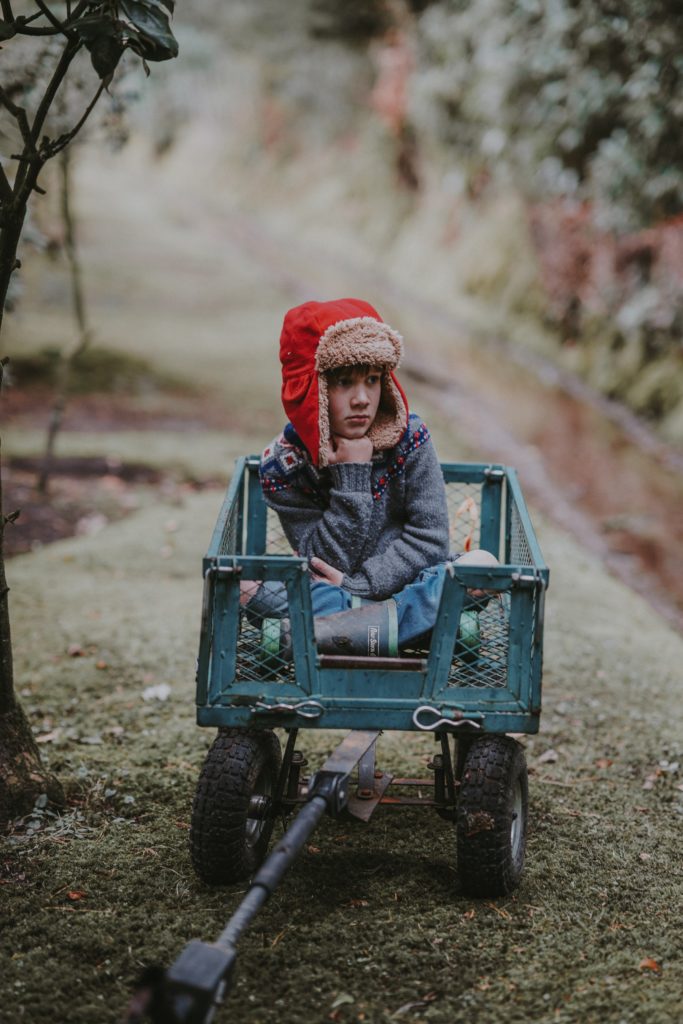
Photo by Annie Spratt on Unsplash
There. That’s all I have to say about boredom.
Life was much more cut and dried before I became educated in emotional intelligence. Now I’m suspicious of cut and dried, especially if it has to do with feelings, patterns in my life or things that keep showing up. Boredom keeps showing up. People say they’re bored and I feel disgusted. People say they do self-destructive things because they’re bored and that excuse infuriates me. I take the boredom of others personally, as though I’m not entertaining or interesting enough to keep them engaged.
If I’m not interested in boredom, I ask myself, why does it make me so mad, and why does it keep catching my attention?
Why, indeed.
A couple of days ago I decided this week’s post would be about boredom, so I really started to think about it. I tossed around the concept of boredom with my partner. I thought about all the places it’s shown up in past relationships. I sat down and Googled boredom and looked at articles, quotes, memes, images and definitions.
I can’t tell you how often I’ve come to the page, either to write or research about something out there — a behavior or pattern I observe around me in other people — and discovered it’s not out there at all, at least not exclusively. It’s in here.
Remember what I said a minute ago? “I’m never bored.”
I’m suddenly realizing that’s not true. In fact, I suspect I’ve been chronically bored my whole life. The feeling of boredom, along with so many other feelings, simply got denied. It wasn’t until I started living more authentically here in Maine and stopped being bored that I could begin to see the colossal depths of my previous boredom.
Naturally, I’ve felt enraged when others express feeling bored while I can’t.
But why can’t I express it? What’s so shameful about boredom?
Oh, baby.
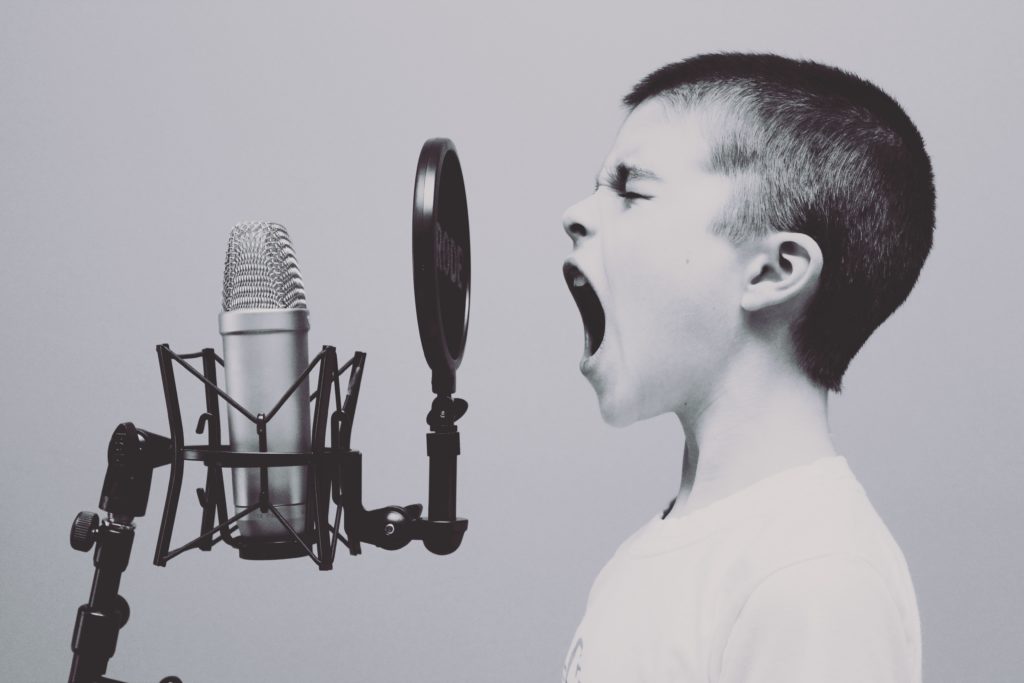
Photo by Jason Rosewell on Unsplash
First of all, being bored means you’re not working hard enough. You’re not being productive. You’re wasting time. You’re useless! You’re lazy! You’re a quitter! You’re irresponsible! You’re letting others down! You’re not pulling your weight! You’re a burden! You’re a failure! (This eventually trails away into a wild-eyed, gibbering mental shriek.)
When all the arm-waving drooling hysteria stops and I can think rationally again, what I’m left with is BUSY=GOOD and BOREDOM=BAD. This has the look and feel of first-grade logic to me, and I’m skeptical. I’ve spent a lot of my life staying busy in order to please other people and a lot of that busy was dead boring. School, for example. Busy and bored are not opposites. Busy without purpose is a recipe for compulsivity. On the other hand, the condition of being undisturbed and private with a book, paper and writing or coloring pens or even just a window and a cat with nothing in particular to do is a real pleasure.

Photo by Danny Postma on Unsplash
Somehow, somewhere along the way, boredom became the enemy in our culture. It’s a whine, a complaint, a danger and a discomfort to be avoided. It’s a weakness, even a sin (if you think in such terms). Boredom is a condition that must be fixed. Bored children get into trouble. Bored adults are not productive. Boredom is an excuse to use and abuse substance. People eat out of boredom. People have affairs out of boredom. Boredom, in fact, is to blame for a lot of undesirable behavior and choices.
Really? I don’t accept this. I’ve learned feelings — all feelings — can be thought of as value-equal data. We’re human. We have feelings. Some are more uncomfortable than others, but isn’t that largely a product of the thoughts and judgements we attach to them? Feeling a feeling doesn’t mean we have to act it out in ways to hurt others or ourselves. If we make destructive choices, our feelings are not the problem. What we do with our feelings is the problem.
It follows then, if I’m bored and I can call the feeling by name and recognize it, there’s information there for me. What is my boredom telling me? Here are some things I associate with my own boredom:
- I’m not interested.
- I’m not engaged.
- I’m not authentic.
- I don’t feel a connection.
- I can’t make a contribution.
- It’s too easy; I know how to do this; I can do more.
- I don’t understand.
- I’m overstimulated.
- I’m exhausted or ill.
- I’m overwhelmed with some other painful feeling, like fear, rage or grief, I’m refusing to deal with.
- I have a boundary problem; I’m taking on something belonging to someone else.
- I’ve been here and done this — not doing it again!
- My needs are not being met.
- I feel disempowered.
- I’m not in the right place.
- I feel limited.
- I can’t be curious or creative.
- I’m not safe.
This entire list is a map informing me where I’ve been, where I am and where I might go next. The feeling of boredom is the ground I stand on to read the map. My boredom doesn’t need to be fixed. There’s nothing shameful about it. On the contrary, it holds essential information and experience for me. It defines choices and supports power. Busy can’t create this essential space and quiet, but boredom can.
So much for not expressing boredom because it’s bad and busy is good. What else stood in my way all these years?
False Gods.
You see, I’m female. (By which I mean uterus, ovaries and menses.) Good girls, nice girls aren’t bored — ever — by males, including but not limited to male teachers, male family members, male romantic/sexual partners, male classmates and colleagues, and male bosses.
Now, before anyone climbs up on their high horse, understand I don’t hate men. Not at all. I’ve historically gotten along better with men than women, in fact. Also, I know things are different now than they were in the 60s and 70s when I was being socialized — sort of. There’s a lot more awareness and discussion of feminism and sexual politics.
However, a big part of my training had to do with “respect,” (also loyalty, responsibility and duty) and just about the only person not included in those I was taught to “respect” was myself. Respect was demonstrated by things like being silent while the men spoke, obedience, and being properly grateful for and attentive to mansplaining . Respect meant adapting, adjusting, and limiting myself so as not to challenge, threaten or compete with men. My role was to learn to “act like a lady” and be compliant, sweet and attractive.
You might not have noticed, but that training wasn’t notably successful.
Boredom and respect are not a happy team, so of course I kicked boredom to the curb. Respect meant love, validation, tribe, straight A’s, husband, children, a good job and a normal life. Boredom with addiction, violence, abuse, rigid thinking, inability to grow, absent creativity and curiosity, uninspired sex, toddler-level communication skills, power and control games, mind fuckery, omnipresent TV, unending housework and financial grind was absolutely out of the question.
Until now.
As for other people calling me boring, we’ve already covered that in a previous post. It’s a projection. My feeling of boredom is not about others and their boredom is not about me. I’ve been a lot of things in my life, but boring isn’t one of them.
That empty can in my mind labeled ‘BOREDOM’ was filled with something I want and need. Who knew? Going forward, I’m reclaiming my boredom. I’m welcoming it like the wise old friend it is, naming it, honoring it, embracing it, standing hip-deep in it and reading the map of my life to chart a course for what I’d like to do next.
And I will never, ever again try to fix, discourage, stifle, diminish or deny someone else’s boredom. I will instead congratulate them for feeling such a vital, vibrant feeling and ask them my favorite question:
“What would you like to do now?”
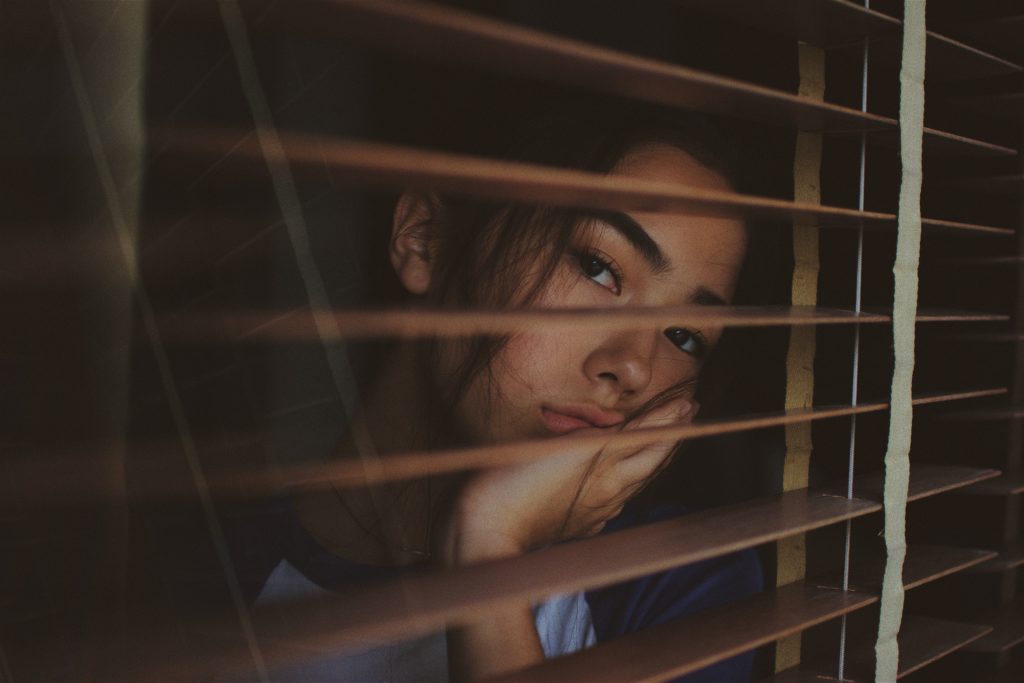
Photo by Joshua Rawson-Harris on Unsplash
All content on this site ©2017
Jennifer Rose
except where otherwise noted