by Jenny Rose | Nov 8, 2018 | A Flourishing Woman, Body
The pool where I work is part of a rehabilitation center, which is part of a local hospital. There are actually two pools. One is a lap pool of about 84 degrees. The other is a large therapy pool, nearly as big as the 4-lane lap pool. The therapy pool is about 94 degrees. The pool patrons are a mix of the public, hospital staff and rehab patients.
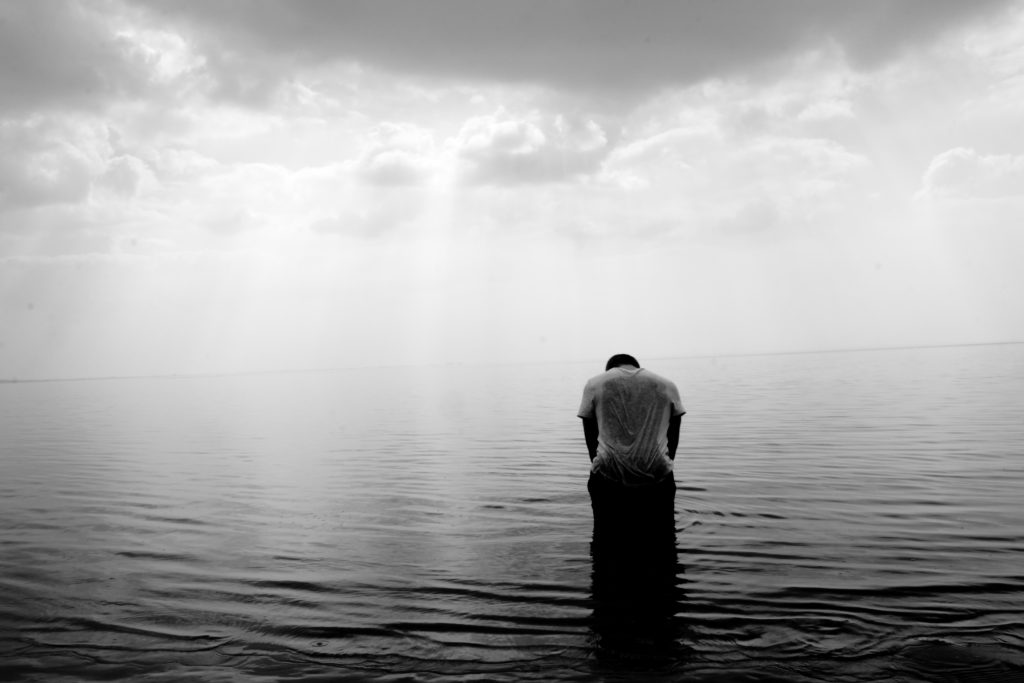
As a lifeguard, I spend hours in an elevated chair watching people in the water and moving around on the deck. It delights me to be paid for doing what I naturally do in the world, which is to people watch. In an environment with a consistent air temperature over 80 degrees with more than 50% humidity, all of us — staff, patrons and patients — are necessarily without our usual armor of clothing, make-up and jewelry. We are physically revealed to one another to an unusual degree in a public place.
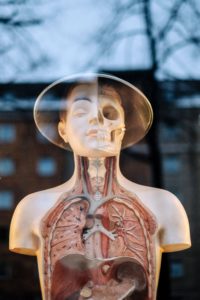
I’m struck every day by the humility of flesh, the wonder and complexity of our physical being; the almost painful innocence of small children with their rounded, unselfconscious forms; the incredible and paradoxical endurance, resilience and fragility of the human body, and the inexorable truths our unconcealed bodies reveal.
I’m touched by the everyday, patient, humble courage of people whose bodies are ill, injured and aging. I watch people participate in classes: Water walking, water aerobics, arthritis and fibromyalgia in the therapy pool, and swim lessons. I watch couples and families, caregivers and their charges, school groups and special needs groups. People come to lose weight, to rehabilitate after a stroke or cardiac event, to increase their strength and endurance, to recover from surgery or injury. People also come to socialize, to play, and to be inspired and motivated by staff, classes, music and one another.

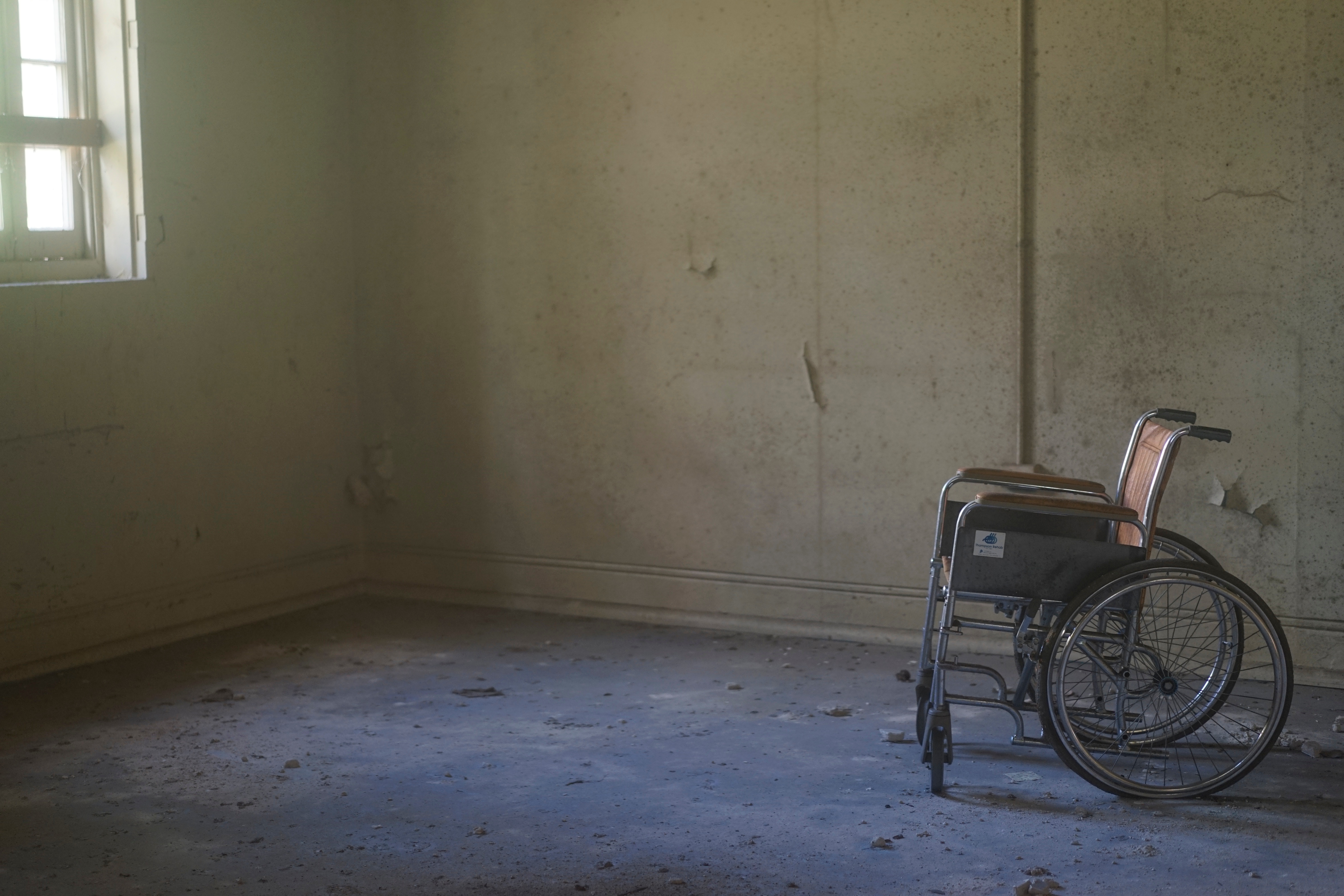
Photo by Doug Maloney on Unsplash
Some folks swim laps. Others water walk and go through exercise routines with buoys, kickboards and weights. They come out of the locker rooms with walkers, canes and wheelchairs. Some need help getting in and out of the pool, or even down to the pool from the parking lot.
For the most part, people who make use of the facility are patient, pleasant and good-natured. Watching them, I wonder at their resilience. What must it be like to be so bent one can only see the floor? How does one cope when the only ambulation possible is to creep along with a walker? The joy and laughter of a wheel-chair bound young person with contorted and twisted limbs like sticks when she’s carried into the therapy pool make me weep.
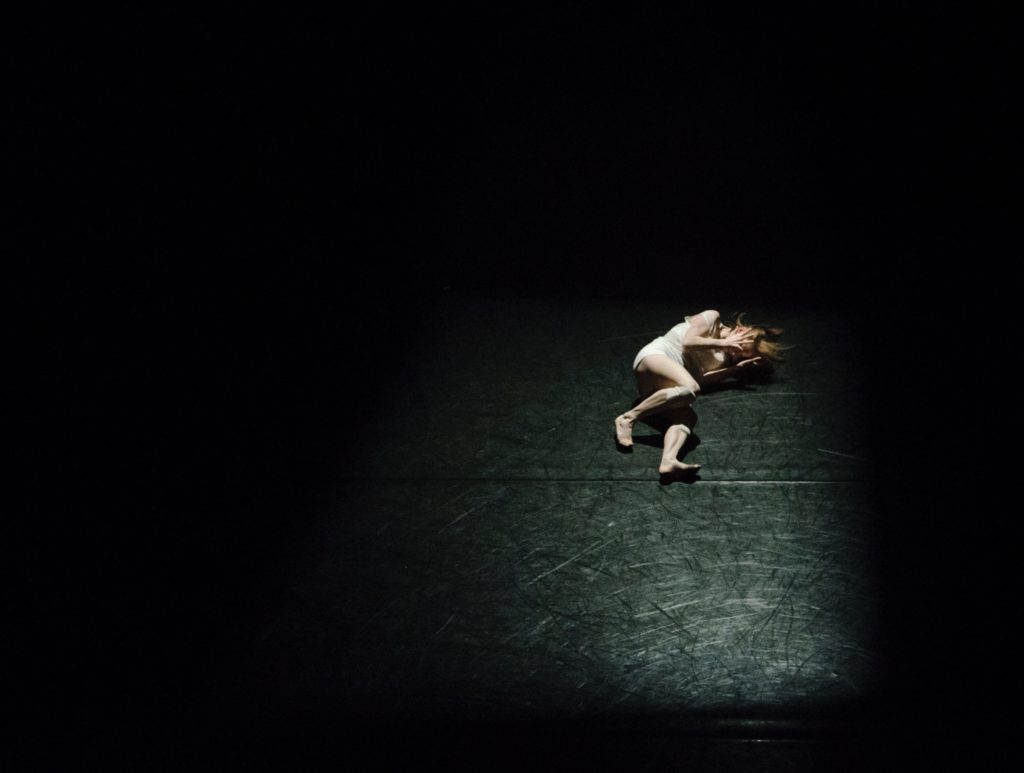
There’s really no place to hide in the world, at least from ourselves. We all live in a body, and many of us struggle with loving them, including me. We spend an amazing amount of time, money, anguish and effort in disguising our perceived physical defects from the eyes of the world. We tell ourselves nobody can see our shame. No one can see how unlovely or imperfect we really are. No one will ever know.
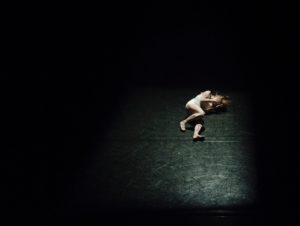
Photo by Hailey Kean on Unsplash
But we know, and our shame and self-loathing poison our lives.
I wonder, as I sit in the chair, what is it about the people who use the pool that enables them to risk physical authenticity? Do they love and accept themselves as they are? If so, how have they developed that ability? Are they unconcerned with what others think of them? Are they like me, and simply resigned to their physical reality, feeling the benefits of using the pool are more important than hiding their appearance, but privately ashamed and embarrassed?
In thinking about this, I realize my own relationship with my body is complicated. On the one hand, I feel affection, loyalty and gratitude. I’ve never aspired to beauty, whatever beauty is. On the other hand, I cringe every time I see a picture of myself, which is not often, as I hate having my picture taken and avoid it whenever possible. I think I cringe because I wish I could protect that vulnerable woman from the eyes and criticism of others. I cringe because my deepest and most private shame is that my physical envelope contains some hidden foulness that makes me unworthy of physical affection and contact. I’m not talking about sex. Sexual attraction and desire are a whole different conversation. I’ve been good enough for sex, but not good enough for consistent loving, nurturing touch. Not good enough to hold.
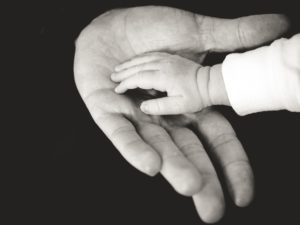
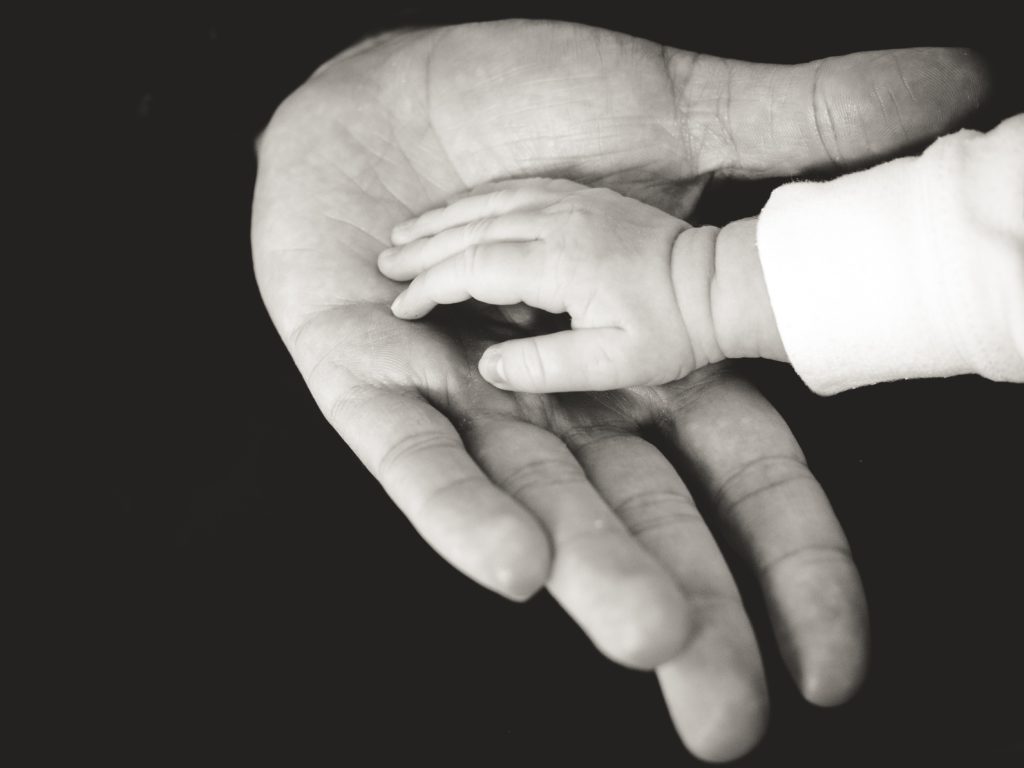
Photo by Liane Metzler on Unsplash
In fact, one of the biggest reasons why I love the water so much is that it touches me.
The shame I feel around this is corrosive and chronic. It’s my intention that it also remain entirely invisible to any onlooker. The pain of this hidden vulnerability of mine enlarges the way I observe others in their bodies. It seems to me we must all have some degree of skin hunger that’s more or less satisfied, depending on our situation. We must all feel some degree of physical isolation and alienation at some point in our lives. Surely every body I see is worthy of care, of love, of touch and nurture, in spite of skin tags, scars, cellulite, bulges and sags, hair distribution or absence, aging, injury and disability, too many or too few pounds.
As I sit on the lifeguard stand, counting heads and scanning the pools, I keep coming back to courage. Courage and humility. The willingness to be seen without the comfort and concealment of clothing. The willingness to be physically authentic and vulnerable. Not a story of courage that will ever be made into a movie, but a kind of daily, humble heroism that touches and inspires me.
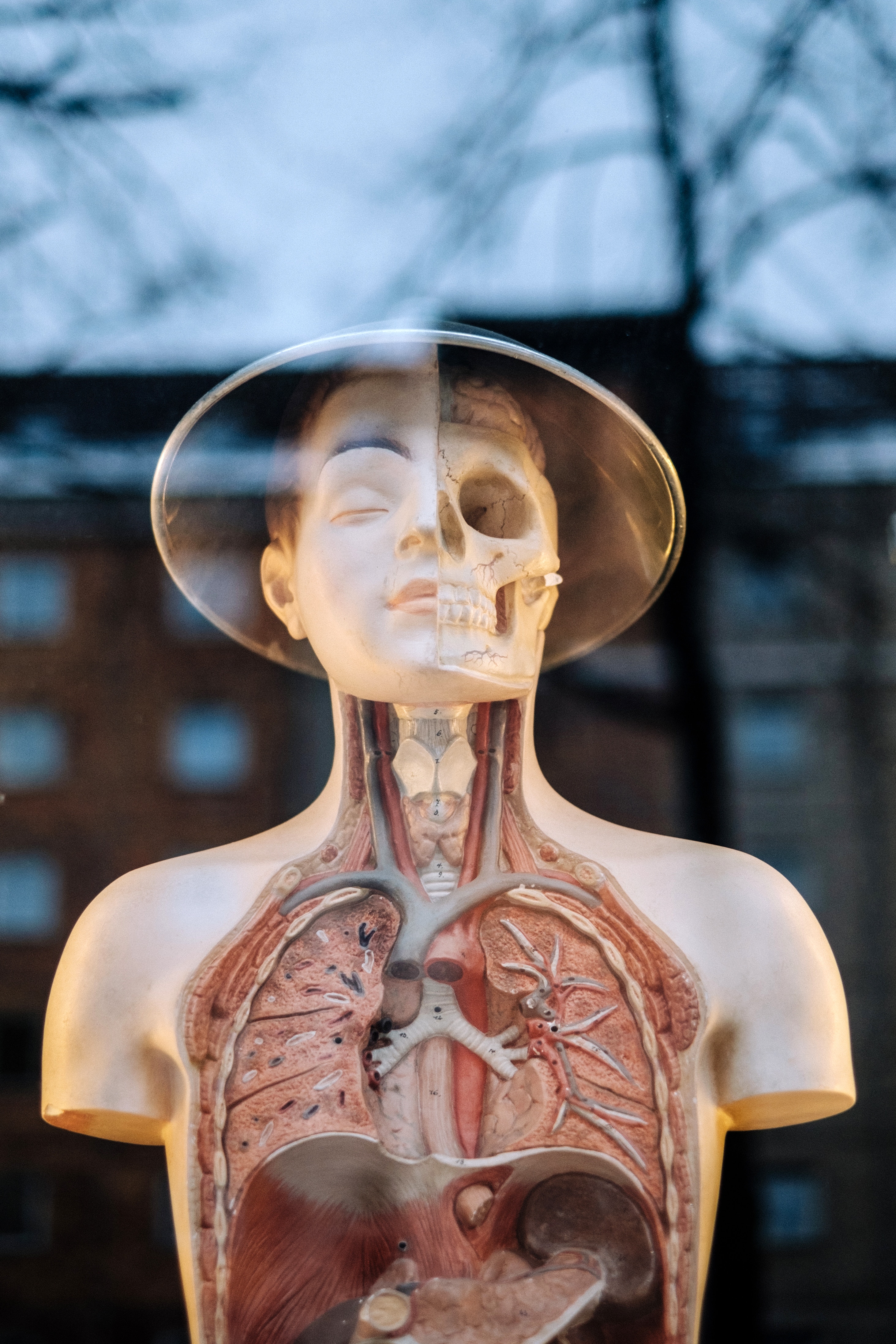
Samuel Zeller on Unsplash
As an observer, it’s effortful to discard childish judgements like “ugly” and “beautiful.” It’s hard not to apply an internalized rating system. I’m tainted by Hollywood, by digitally altered images and by my own private romantic fantasies. Somewhere underneath all the limitations imposed by that conditioning and brainwashing, I glimpse a vast compassionate wisdom encompassing all of us. Life, after all, is beautiful and miraculous. Doing what we can to care for and accept the body we have is an act of courage and strength. Allowing ourselves to be seen and vulnerable takes humility and heroism.
I wonder, somewhat uneasily, if we are no longer able to grasp the beauty inherent in our physical forms. We seem determined to approach the planet’s body, our own and the bodies of others as commodities and resources to plunder, manipulate and then discard when they become boring, worn-out, ill or (at least to our eyes) ugly. Perhaps we’ve lost the ability to appreciate and value everybody in every unique, individual body. Maybe our culture is so injured all we can do now is hate, judge and criticize not only ourselves but others.
Perhaps we’re determined to tear ourselves apart and nothing will stop us.
In the meantime, however, I live in a body, just as you do, and we all have a deeply private and largely invisible relationship with our structure of flesh, blood and bone. My choice is to remain present with the wonder and complexity of the human body, yours, mine and theirs. My choice is to enlarge my compassion and observation until I touch that edge of wisdom that acknowledges beauty and worth in all of physical life, be it human, tree or creature.

Photo by Khoa Pham on Unsplash
All content on this site ©2018
Jennifer Rose
except where otherwise noted
by Jenny Rose | Oct 4, 2018 | A Flourishing Woman, The Journey
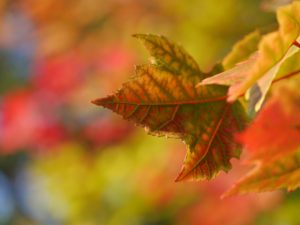
Photo by Aaron Burden on Unsplash
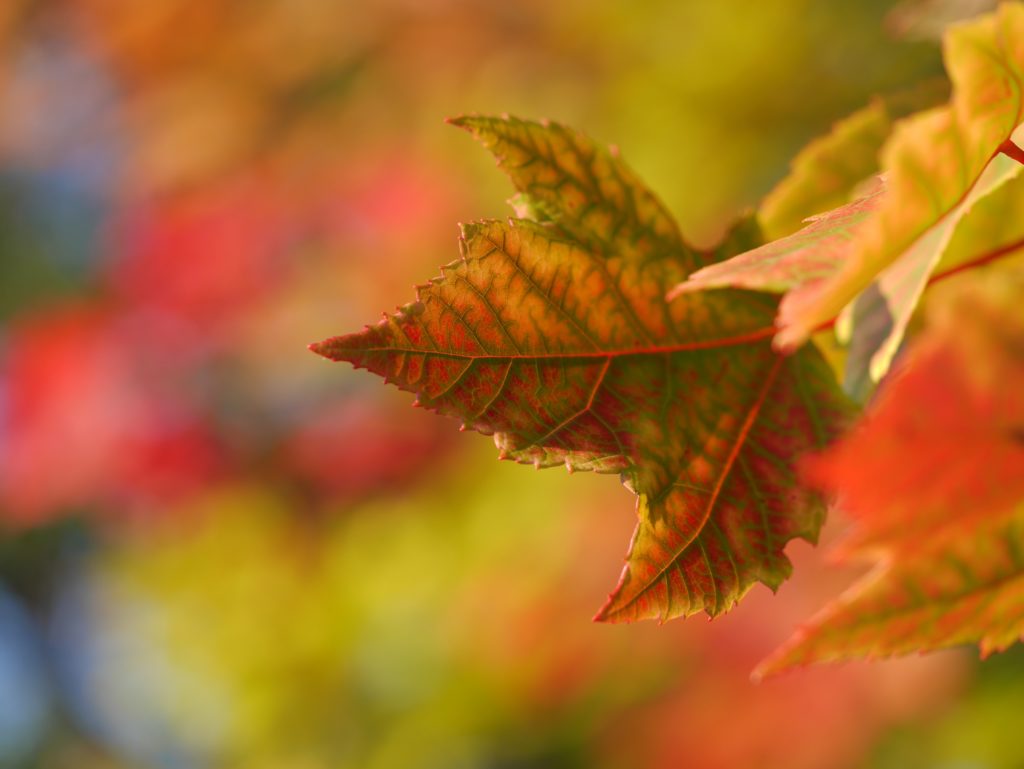
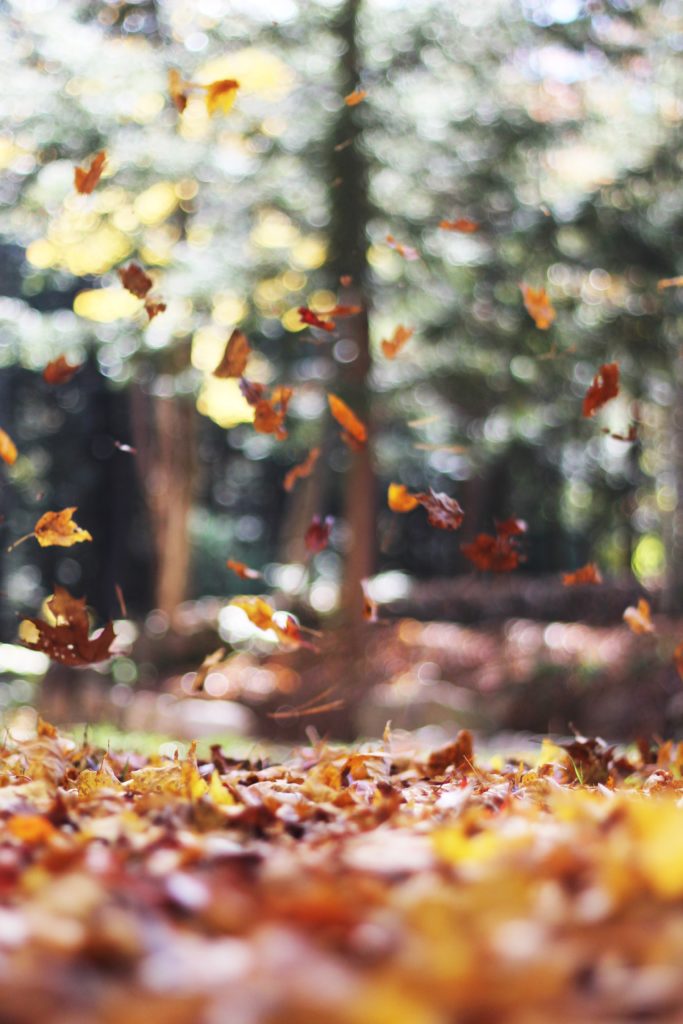
It’s autumn in central Maine, and the leaves are falling. Sometimes they flutter in the arms of a sly little wind under a crisp blue sky, skittering across the road in front of the car, turning me into a more cautious driver than usual because they look so much like a squirrel or chipmunk. Other days they’re torn from the trees by rain and heavy, tropical air under low grey clouds, misty at their trailing hems.
So many leaves in so many shades of copper, bronze, orange, red and yellow. A sodden chaos of leaves underfoot in the rain and an airy whirlwind of them on dry, bright days. It’s as though the trees have been holding their breath all summer and now they relax and exhale, releasing the tension of production, growth and photosynthesis, easing themselves from yesterday’s clothing and burdens, shaking and stretching in naked freedom and settling down with a sleepy grunt for winter.
Bits of the world, leaves, songs
scatter in painted light.
The days
break. –Carol Frost
The past hours, days, weeks and months litter the ground, trodden, damp and fading. Their stories, whispered to the wind, of nest and hollow; bird, insect and animal; stars and rain and dew and the secret underground life of root, soil and mycelium, are lost. From their bodies new stories for the next cycle and generation of life will green and grow.
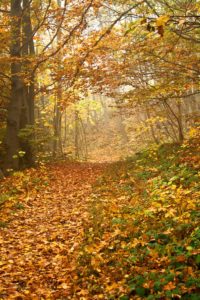
Photo by Vanessa von Wieding on Unsplash
I envy the trees their grace and patience. They know how to let go. They turn change into glory. They understand surrender to the fading light and changing tilt of the planet.
I, on the other hand, am not so graceful. Starting a part-time job, even doing something I love and am familiar with, has me wild-eyed and overwhelmed. My carefully constructed and comfortable routine is in pieces. I can’t turn the calendar page and fill in my accustomed schedule. Horrors! Now the days ahead are as naked as the bared trees, allowing me time to reconsider the true shape of things. I think of periods of change as bone time. I can’t see the bones of my life when the calendar is predictable and lists guide me through the day. Habit and routine are powerful, and after a time I stop noticing if I’m staying in balance, managing my time and taking care of my needs well. It’s only in these periods when all my schedules, lists and calendar pages are so many leaves of paper tossed onto the floor that I see the bones again.
To inventory our bones is to let go of possessions, distractions, noise, activity, thoughts, beliefs, habits and behaviors and ask ourselves what our true shape is. What are the deepest pieces of our body and soul? What is necessary in order to express our highest purpose? What destroys our time, energy and joy, and what liberates them?
Can we let go of what’s no longer useful? Can we give it to the wind, to the air, to the frost and rain and snow? Can we give it willingly, freely, with grace and beauty?
Yes, I can let things go.
But grace and beauty are noticeably absent just now!
Still, the trees in this season comfort me and show me the way. They’re not worried about next month, next week or tomorrow. They don’t seem to mind change. They release yesterday’s leaves with careless abandon and show their bones proudly to the sky. They know who they are and they take what they need without apology or shame. They rest in the security of the endlessly turning cycles and seasons.
I don’t think I’ll ever achieve their wisdom or serenity.
On the other hand, I know something about my own bones because life gives most of us more than one chance to begin again, and I’ve had lots of practice. I know shortly I’ll be back in a steady, effective, predictable routine that accommodates my new job as well as my current needs and priorities.
wind tugs leaves away
my hat begs to follow
guide me wind the way
you’re lost i’ll be lost — Kim Robert Stafford
Life is change, and change is life. Old conditions give way to new conditions, and the process is always happening, no matter how stuck or helpless we feel. Chaos comes, picks us up by the scruff of the neck, gives us a good shake, and we find ourselves flung into something new, which will in turn gradually fade away.
Leaves fall. Light wanes. We are lost, torn away from what’s familiar, and then the way ahead opens before us and we’re found again.
Photo by Brigitte Tohm on Unsplash
All content on this site ©2018
Jennifer Rose
except where otherwise noted
by Jenny Rose | Mar 29, 2018 | Connection & Community, Emotional Intelligence, Shadows
As an oral storyteller, I’m committed to gathering old tales from all over the world and retelling them because they contain blueprints for life. Each story is a teacher, a small piece of code, a seed, a fragment of wisdom, a snippet of DNA. Stories speak to us about who we are, who we have been and who we might yet be. They speak in the voices of place, people, history and culture.

Photo by Alan Chen on Unsplash
Story does not exist without storytellers. Literacy is not necessary, as long as people remain connected enough to pass story on orally. A culture which unravels and frays in its ability to form healthy connections and bonds and at the same time stifles the acquisition and sharing of knowledge is in grave danger of losing stories, and when old stories are lost much of the collective wisdom of our ancestors is lost with them. We become crippled and impoverished. We lose our way in the world and we have to spend time and energy reinventing wheels we learned how to make hundreds of years ago.
As a storyteller, then, I come to you this fine spring week when the snow is ebbing in Maine, leaving behind rich, greasy mud, with the old story of the wolf in sheep’s clothing.
Every old story is in fact many stories. A piece of oral tradition is like a many-limbed tree. As it grows and matures it branches out over and over. Every teller who passes on the tale adds or takes away a piece of it, reshaping it according to the teller’s context in history and place. Still, the skeleton of the story remains recognizable, because the bones contain the wisdom, the old truth, the regenerative pieces reanimated over and over by those of us who share them.
The essential truth contained in the idiom “a wolf in sheep’s clothing” has appeared in many times and places. According to my research, the first time was in the Bible, in the Gospel of Matthew, as a warning against false prophets. The sermon goes on to suggest actions speak louder than words. Thereafter, the phrase was repeated in other Christian religious writing and from there entered into European vernacular. A Latin proverb arose: “Under a sheep’s skin often hides a wolfish mind.”
A 12th century Greek wrote a fable about a wolf who changed his appearance in order to get access to ample food. He put on a sheepskin and mingled with a flock of sheep, fooling the shepherd. The disguised wolf was shut up with the sheep for the night. The shepherd decided he wanted mutton for his supper, so he took his knife and killed the deceitful wolf, mistaking it for a sheep. Here is a branch in the story tree. The Gospel reference warns against deceitful teachers. The Greek fable warns evil-doing carries a penalty. The bones of the story — the consequences of a wolf disguising itself as a sheep — are the same. The story is now two-dimensional. Such pretense is dangerous for both wolf and sheep.
Another iteration occurs three centuries later in the writing of a 15th century Italian professor. A wolf dresses himself in a sheepskin and every day kills one of the flock. The shepherd catches on and hangs the wolf, still wearing the sheepskin, from a tree. When the other shepherds ask why he hung a sheep in a tree, the shepherd replies that the skin was of a sheep, but the actions were of a wolf. There it is again: Actions speak louder than words.
Aesop wrote two fables having to do with wolves gaining the trust of a shepherd and killing sheep, but the wolf is undisguised in these cases. Even so, the common theme is clear. A wolf is a wolf, and cannot be trusted with sheep.
In the 16th, 17th and 18th centuries, Italian, French and English writers adopted versions similar to the early 15th century Italian tale, in which the wolf pretends he is not a threat to the sheep.
Most of us know the tale of Little Red Riding Hood, whose origins can be traced back to 10th century European folk and fairy tales. In the familiar modern version, a wolf disguises itself as Red Riding Hood’s grandmother and the innocent too-sweet maiden is fooled and subsequently eaten.
My favorite story of wolves and, in this case, goats, comes from my own childhood, the tale of the wolf and the seven kids (young goats). The mother goat must leave the house and warns her seven children about the wily wolf who might try to gobble them up. She says they will recognize her by her sweet voice and white feet, and they mustn’t open the door to anyone else. I was mightily amused by the wolf’s machinations in trying to fool the kids: Swallowing honey to make his rough voice sweet, whitening his black feet with flour. Of course, he does fool the kids and they are eaten, but, much like Little Red Riding Hood, the kids are saved from the wolf’s stomach in the end.
As an adult, this tale doesn’t seem nearly so amusing.
Lastly, modern zoology makes use of the term “aggressive mimicry,” which describes a method of deception by an animal so it appears to either predator or prey as something else.
I’m deeply troubled by what I see going on around me in the world. It appears many millions of people are no longer able to discern the difference between wolves and sheep, and this is creating dire consequences for all life on Planet Earth.
How did this happen? Why did this happen? When did this happen? How are we producing college graduates who don’t recognize wolves in sheep’s clothing? What kind of a so-called educational system, public or private, produces such myopia? For two thousand years we’ve understood the dangers of failing to clearly see the difference between sheep and wolves. Such a failure of judgement is bad for the wolves as well as the sheep. Tracing this old tale through time (when most of the world’s population was largely illiterate and uneducated), clearly shows us this is a learned skill. Little Red Riding Hood, the seven kids and several confused shepherds, all innocent, naïve, and inexperienced, had to learn to recognize a wolf when they saw one, or starve or be eaten. Critical thinking is not an innate skill. Parents, teachers and leaders must actively teach it.
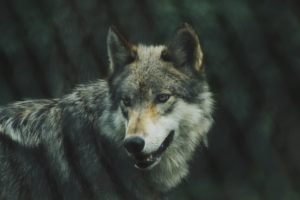
Photo by Michael LaRosa on Unsplash
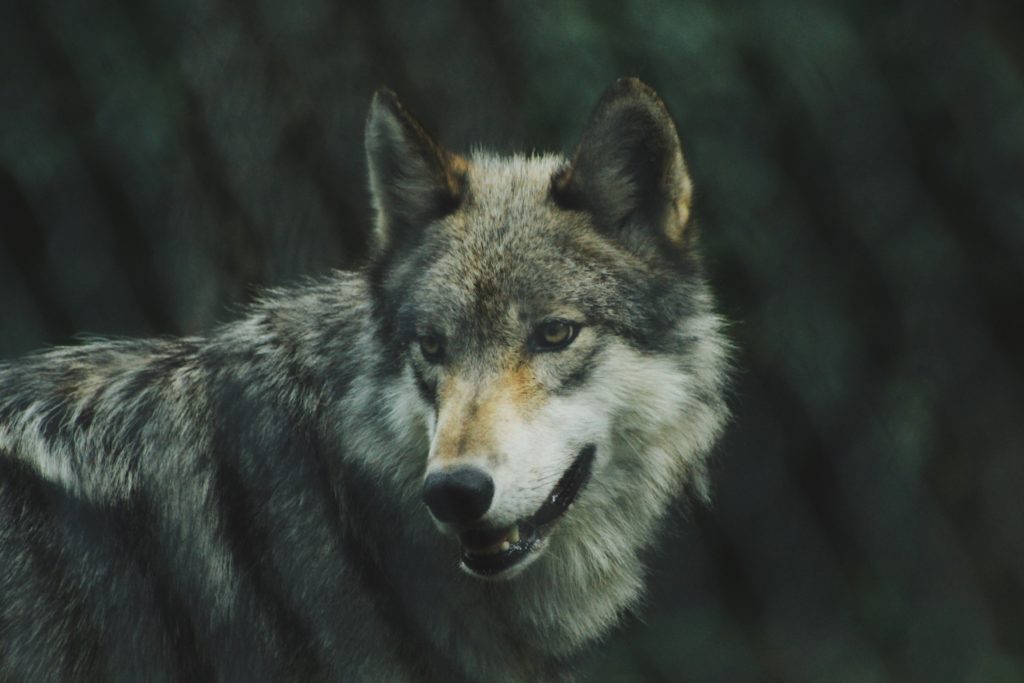
Here is a wolf. It’s an apex predator; intelligent, flexible and canny. The wolf is evolved to survive and pass on its DNA. It’s not confused about what it eats or the meaning of its life. Its job is to do whatever is necessary to survive and successfully reproduce. As a predator, wolves are an essential part of the complex system we call life. A healthy population of wolves benefits both the land and prey animals.
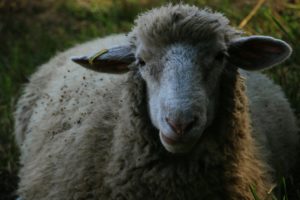
Photo by Jamie Morris on Unsplash
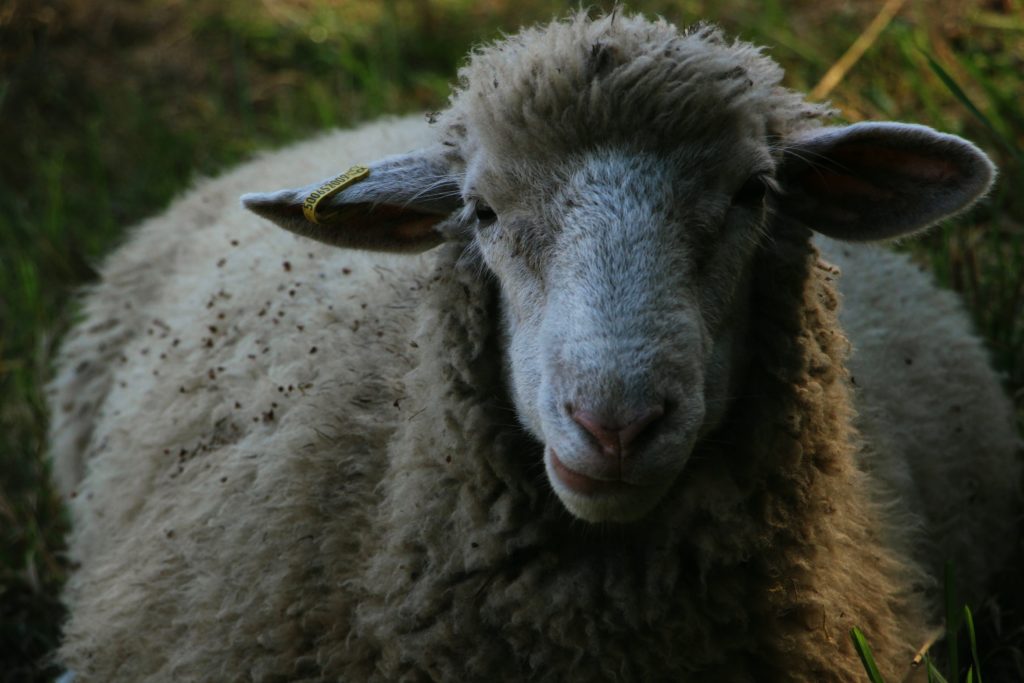
Here is a sheep. It’s an herbivore, a prey animal. It’s evolved to produce milk, meat and wool, survive and pass on its DNA. It eats grass. It too is an essential part of the web of predator (including humans), prey and plants. Its presence, properly managed, benefits the land and predators.
One can certainly throw a wolfskin over a sheep and say it’s a wolf, but that doesn’t make it so. Now we have a sheep in the throes of a nervous breakdown, but the animal is still a sheep. It still needs to eat grass. We cannot change a sheep into a wolf.
Likewise, a wolf wearing a sheepskin does not begin to crop grass. Wolves eat meat, no matter what kind of a skin they’re wearing. A simple shepherd might be fooled by a single glance in the dusk if the disguised wolf mills among the sheep, but five minutes of observation will quickly reveal the truth. Sheep do not tear out one another’s throats. A wolf cannot be changed into a sheep.
The wolves of the world, those who prey on others, naturally have a large inventory of successful speeches and manipulations. They study their prey and learn quickly how to take advantage of it. They are everywhere, in politics, religious organizations, schools and cults. They’re athletic coaches and businessmen, people of influence and power. They’re shadows behind conspiracy theories and cults like QAnon. They disguise themselves with projection and gaslighting, mingle freely with their prey and pick them off, one by one.
In the natural world, an overpopulation of wolves eventually runs out of prey animals. At that point, the wolf population goes down dramatically while prey animal populations recover. Nature seeks a balance of life, and if we create endless flocks of fat, stupid, blindfolded sheep, the grass will run out, wolves will increase, and slaughter will commence as the sheep begin to starve for want of food.
That’s a lot of destroyed land, dead sheep, fat and happy wolves and then, in the next generation, a lot of young wolves starving to death and, (one hopes) a few smarter and wiser sheep and shepherds.
People say we’re a superior species to wolves and sheep. I don’t see much evidence of that recently. We can’t seem to remember what we once knew well. We teach our children how to press buttons, look at a screen, and pass a standardized state test, but they can’t tell a wolf from a sheep, and neither can we. The wolves are not confused, but the sheep are milling around aimlessly like … well, like sheep, ripe and ready for slaughter. We’ve allowed ourselves to be brainwashed into believing our true nature is expressed by appearance, words and socioeconomics. Actions don’t count, and neither does DNA. Off we skip to the slaughterhouse, following honey-tongued wolves dusted with flour, who praise us for our compassion, compliance, inclusivity and political correctness while drooling at the prospect of all that food. Meanwhile, our planet degrades so no one else is properly fed and natural checks and balances are destroyed. Even the noncompliant, troublemaking sheep who manage to escape slaughter will starve. So will the wolves, eventually, after they’ve devoured everyone else.
Maybe then the complex system of life can begin to heal. I hope so.
In the meantime, I’ll be separating wolves from sheep and telling stories.
All content on this site ©2018
Jennifer Rose
except where otherwise noted
by Jenny Rose | Oct 12, 2017 | A Flourishing Woman, The Journey
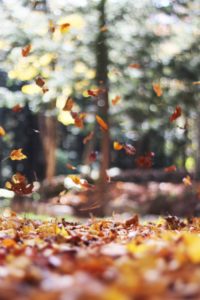
Photo by Autumn Mott on Unsplash
I love autumn, and autumn in New England is particularly poignantly beautiful. The leaves, oh the leaves! It’s as though the trees release their passion in one final gasp of ecstasy before their long sleep. The colors stun the senses with their beauty; it’s almost too much to absorb. Yet the trees’ splendor is fleeting. Inexorably, the leaves fall like golden tears, like blazing sparks, and as they fall the greatest power of all is revealed: The true shape of things.
The green and fiery sea of the forest and fields recedes. Lichen-covered rocks bare themselves. Trees stand or lean in bony beauty, gnarled and hollow, smooth and upright, each species clad in its own color and texture, but now the colors are russet and ivory, shades of brown and grey touched with black. Thorns and stems become semi-transparent cover for winter-colored birds and animals.
The bare forest is everything it is and nothing it is not.
I, too, am becoming reduced to my essential self. Confusion, guilt and shame are loosening their hold on me and drifting away, and I make a resting place for them in my writing. I look back in my memory and, for the first time, begin to see the true shape of things. All the words that weighed me down and kept me small, all the gaslighting and controlling, all the lies and distortions, are responding to some miraculous internal seasonal shift and slant of light. I am bursting into triumphant understanding, and then letting go, letting all that does not serve me fall away. My true shape emerges, and it’s strong and clear-seeing and wise. It always was.
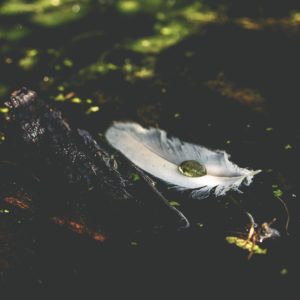
Photo by Erik Stine on Unsplash
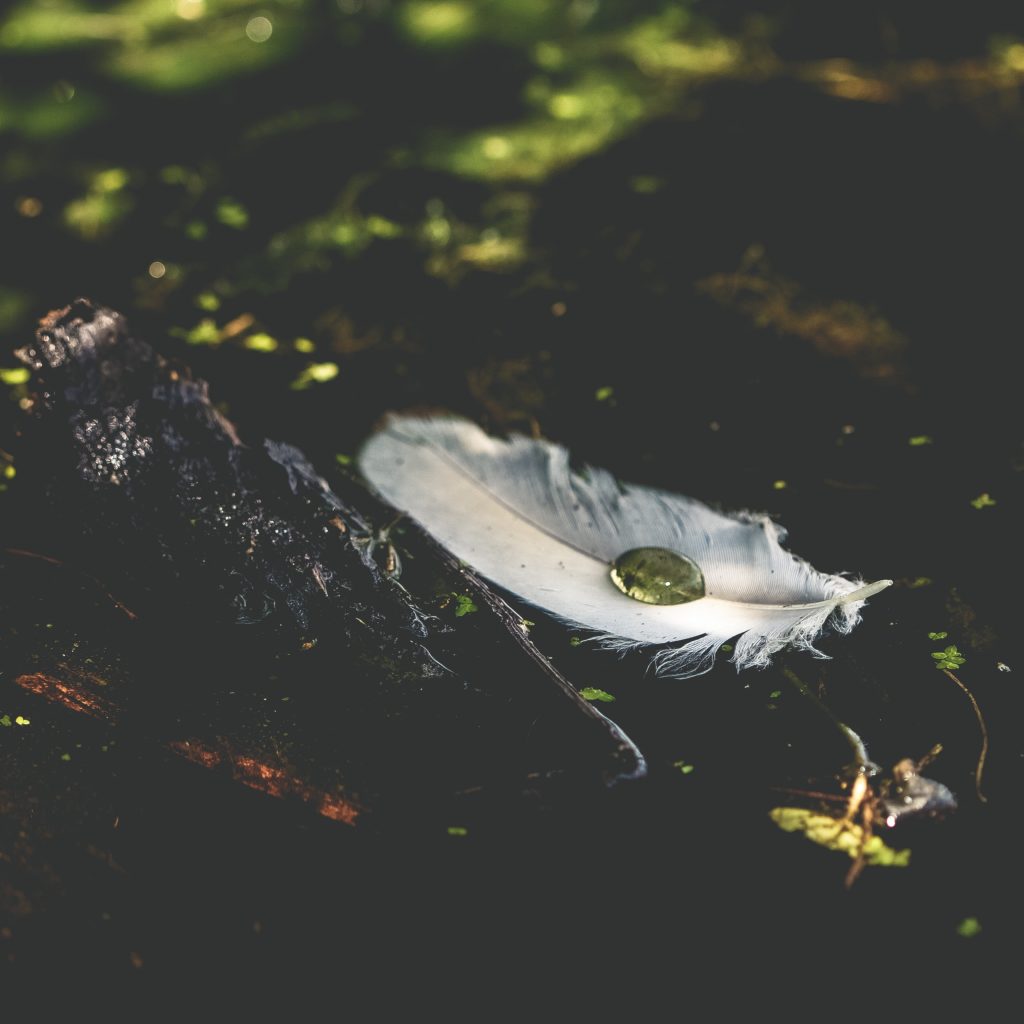
Now I begin to see the true shape of things. Now begins a season without pretense, unencumbered by expectations. Now the lineaments of my feelings lie bare. The landscape of my life becomes stark and uncomplicated, a walk through winter woods where a feather is a feather, a quill a quill and a swatch of fur on a thorn exactly what it is, not more, not less, not something else entirely. I reclaim the dignity of my own perception, intuition and experience.
It does not surprise me that traditionally this is the time of year when the veil between the worlds thins, ghosts walk, legends come to life, ancestors are honored, and we acknowledge that which haunts us. I do not fear my ghosts. Indeed, they’re old friends and companions. My bogeymen were flesh and blood concealed beneath dazzling costumes of false power, fearful only as long as their true shape was hidden from me.
Some fear the fading light, endings and truth. Some prefer the riot of distraction and confusion. Some refuse to see or know the true shape of things. My own courage is not strengthened by distraction, no matter how beautiful or seductive. My courage is a thing of unadorned simplicity, spare and clean as bone.
The leaves fall, ravishing, rapturous. At last, the true shape of things emerges from the blaze, pure and indestructible, and I embrace it like a lover.
Photo by Vanessa von Wieding on Unsplash
All content on this site ©2017
Jennifer Rose
except where otherwise noted
by Jenny Rose | Aug 17, 2017 | Connection & Community, Emotional Intelligence, Shadows
A good thing happened recently. I declined to take poisoned bait.
The bait arrived in the form of a terse email from an individual with whom I’ve recently done business. I’ve never met them in person. I approached our business transaction with a willingness to negotiate, share power, cooperate and communicate directly, thoroughly and clearly. I saved all documents, contracts and emails regarding our business, and upon successfully (in my view) concluding our interaction, I moved on with a sense of gratitude, satisfaction and relief.
More than a month later, I had an email expressing frustration and blame.
It felt like a slap in the face, unexpected and hurtful.
My immediate impulse was to strike back, followed quickly by the thought that I hadn’t communicated well and I could fix things by explaining myself (again). Obviously, I had been misunderstood.
Then I decided to pause for a day or so and think carefully about this.
The fact is, I have a longstanding deeply-rooted pattern of believing I’ve been misunderstood due to my inept communication. This belief keeps me firmly locked in escalating attempts to explain and be heard and understood. What I’ve failed to perceive, over and over again through the years, is that I’ve frequently been in relationships with people who had no interest in explanations. They were deliberately fostering misunderstanding, drama and conflict because it fed them in some way.
This, by the way, is a very common strategy of narcissists, psychopaths and borderline personality disordered people. I’ve written previously about projection and gaslighting , two tools frequently used to control others.
Deliberately keeping another in confusion and on the defensive, constantly changing the goalposts and passive aggressive tactics like the silent treatment are all baited hooks I’ve eagerly swallowed and writhed on for years. Words can’t convey the anguish and erosion of self that occurs in the context of this kind of long-term abuse. I’ve crept away from relationships like this as nothing more than a cracked shell of woman, my sexuality and femininity withered, my emotions torn to shreds, my body impoverished and barren, and firmly convinced of my own worthlessness, ugliness and inadequacy.
Photo by Hailey Kean on Unsplash
A perfect set-up to fall for it all over again.
And again.
And again.
But not this time!
This time I had hard evidence. Over and over, I checked the timing of contract and closing, emails sent and received, all the fine print. It was all right there, the date my responsibility ended and the date after that of a sudden dissatisfaction I was expected to fix.
I concluded I’d done nothing wrong. On the contrary, I’d consistently demonstrated the kind of integrity I aspire to in every interaction. I went above and beyond. I provided explanation, suggestions for resolution and alternate options, along with names and numbers of possible local resources.
That email was bait.
So, a couple of days later I took a deep breath, opened my email and replied with sincere wishes for happiness and success. One sentence. Then I signed off and hit “send.”
This happened about three weeks ago, and I’ve been thinking about it ever since. It’s a small thing, but it reveals to me how very far I’ve come in healing, growth and wisdom. I now know that I have the power to decline an invitation to struggle. I recognize poisoned bait for what it is. I know it conceals a hook, and that hook no longer tempts me. I don’t need to waste any energy in defense or repeated explanations. I don’t choose to revisit old bones of contention and chaos. I accept that people think what they think, make up and believe the stories they make up and believe, carry the assumptions they carry, and none of it has anything to do with me.
Misunderstanding certainly occurs, but it’s not that difficult to clear up, given two adults who intend to. The trick is to identify as quickly and accurately as possible if the person I’m interacting with is an adult who to intends to clear up misunderstanding. In the case of my email, that person was only peripherally in my life and we’ll probably never interact again, so I didn’t bother. However, we all have people in our lives with whom we have ongoing connection. In those cases, I use a single question to clarify “misunderstanding.”
“Is there anything I can say or do to clear this up and repair our relationship?”
This direct, simple question seems to encourage surprisingly honest answers, albeit answers I haven’t wanted to accept or believe. However, if the answer is some variation of “no,” then everything immediately becomes blessedly clear. I want to repair. They don’t. Continuing to engage is a waste of our mutual time and energy, and if any kind of a hook remains dangling, I know it’s a manipulation. They’ve made up their mind, and I have no power there.

Photo by Joshua Earle on Unsplash
The words on the screen fail to convey the annihilating heartbreak attendant on understanding that someone you care about and even love doesn’t value your relationship enough to make repairs, but arguing with what is has never worked for me, and I think we owe it to ourselves and others to pay attention when people tell us who they are, no matter how devastated we might feel or how much we want to deny what we hear.
I don’t think of this as too-sweet maiden, politically correct, starry-eyed liberal ideology. Neither is it a religious thing for me, or some kind of higher moral ground tactic. It’s not about making nice and giving others the benefit of a doubt, turning the other cheek, or making excuses for why people do the things they do. It’s also not a blanket rejection. I’m perfectly prepared to turn aside into another conversation, activity, or form of connection. I’m also perfectly prepared to walk away.
No. This is about dignity. It’s about wisdom. It’s about self-defense and self-care. Explaining oneself once, apologizing if warranted, taking responsibility if appropriate, is healthy, adult behavior. Distortions, refusing to hear or accept explanations, verbal or physical threats or violence, scenes, emotional meltdowns and shame and blame games are signs and symptoms of dangerously abusive relationships, and I’m no longer available for those.
I’ve changed my diet and I don’t take that poisoned bait anymore.
I’ve had a bellyful of it already.
My daily crime.
All content on this site ©2017
Jennifer Rose
except where otherwise noted