by Jenny Rose | Apr 2, 2022 | A Flourishing Woman, The Journey
Unless the sky falls (again), we will be moving in less than a week. It’s hard to believe. In fact, it’s impossible to believe, but that’s okay. Today is real, and I know what I need to do right now. The future can take care of itself.
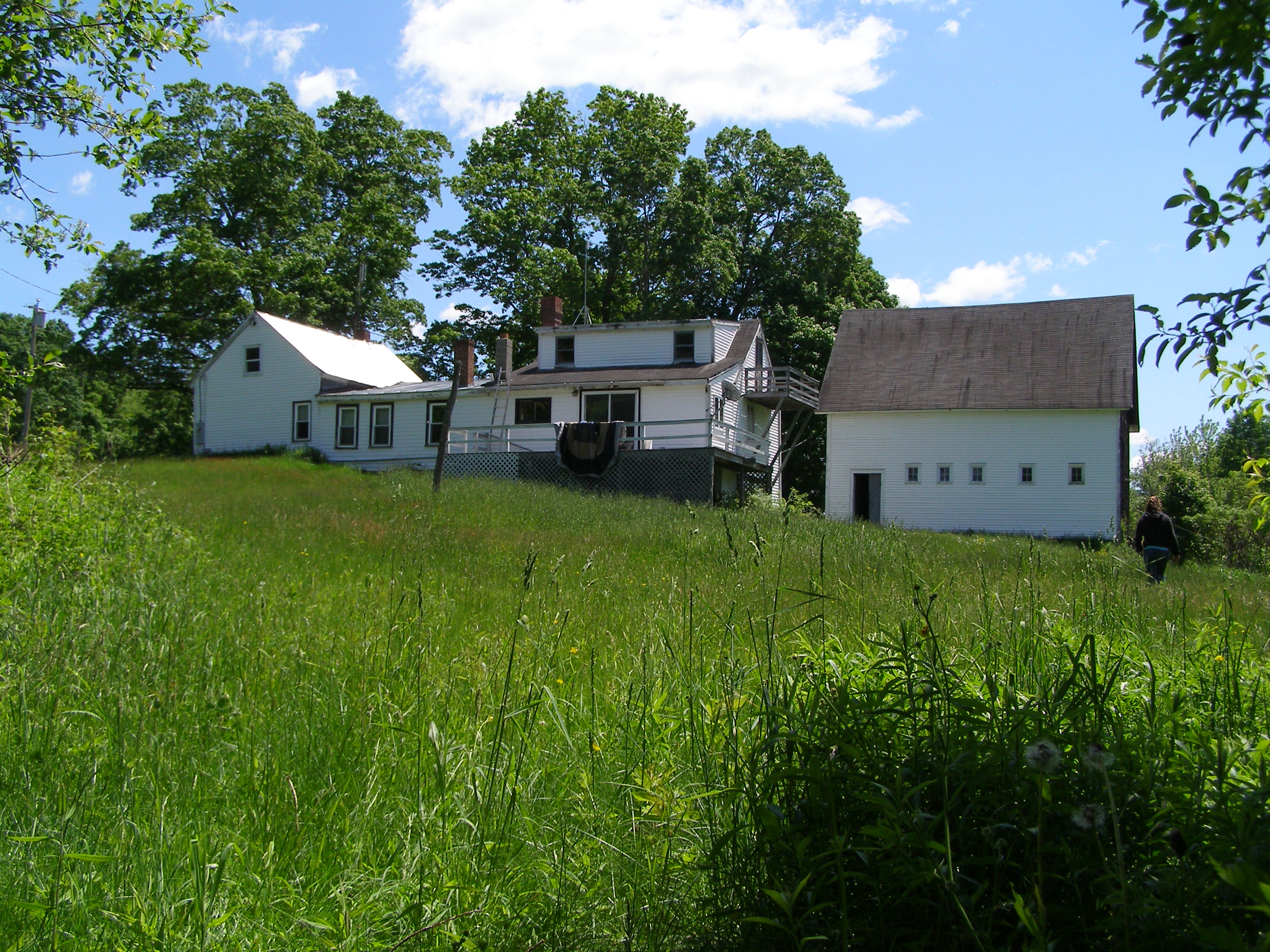
As I moved around the kitchen early this morning, feeding (and tripping over) the cats, making breakfast, heating water for tea, watching the sky lighten, it occurred to me the last seven years in this old farmhouse have taught me a magnificent lesson.
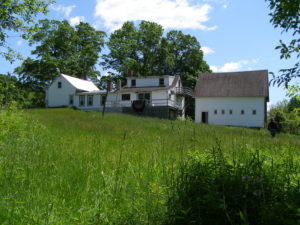
Maine Farmhouse and Barn
When I moved to Maine, I had a solid idea about what I was moving into, a whole set of expectations and dreams, none of which turned out to be real.
The loss of my fantasies was heartbreaking and took me years to process. During that time, I started this blog and later remodeled it, finished my first book, wrote my second, and began my third, started publishing my fiction serially on Substack, put everything I’ve learned about emotional intelligence into action, grew deep roots in my community, found a great job I love, and became part of a second family.
At the same time, I experienced disempowerment in terms of my living space and physical surroundings. Never before have I lived in a place where I had so little power to respond to my needs and preferences, and never have I been so overwhelmed with maintenance tasks I could not take care of.
Because of my emotional intelligence training, my disempowerment was visible to me, and I was able to turn towards what I did have power over, again and again, until it became second nature. It didn’t feel good, but it was invaluable practice in managing my own power, at recognizing my own power.
Always before in my life, I’ve had plans and projects, things I wanted to buy, walls I wanted to paint, the ability to rearrange furniture, make repairs, have new shelves built, and discard what was no longer useful. Such activity gave me a great deal of pleasure and was thoroughly distracting. It was never finished, so I stayed firmly focused on externals.
In this house, that distraction has been unavailable. To stand in my own power has been to stand still with myself, to work internally, to feel my feelings, create, stretch, grow, learn, explore. It’s been lonely. It’s been uncomfortable. It’s been transformative. It’s been internal, invisible, and has nothing to do with a shiny presentation.

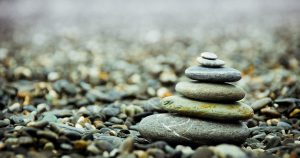
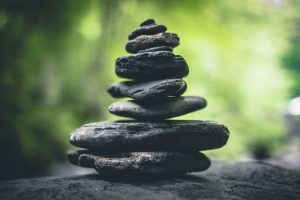
Photo by Alex Iby on Unsplash
Most of us would acknowledge real change and healing come from the inside, not from the surface. But understanding that intellectually is not the same as spending years living it. I would never have voluntarily given up the power to manage my surroundings. When I realized it was happening I had a choice to make, and I chose to explore this new, unexpected territory.
That choice is one of the best I’ve ever made.
I have learned a dream home, a dream wardrobe, a dream body, a dream library, is not a life. What others see of me and my possessions and home is not me. My presentation has nothing to do with my state of health, presence, and groundedness.
Our new home is old, though not as old as this farm, and it needs some work. Sure, it needs new exterior paint and other cosmetic help, but that’s not where I’ll start. Those changes are fun and everyone can see and appreciate them, but the invisible, internal issues like plumbing, wiring, and insulation are what will really make a difference to my experience living there.
The looks of the new house are not what matters. It’s the life we create inside it that matters.
The color of my hair doesn’t matter. It’s what’s inside my head that matters.
The clothes I wear don’t matter. It’s the health and peace in my body that matter.
Attaining perfection (and perfect control) of my space is not what matters. It’s the ability to manage my thoughts and feelings, maintain integrity, and live well that matter.
In these last few days of packing, sorting, and endless tasks and details, at every step I’m thinking about what I learned and how grateful I am for the lesson. I didn’t choose to learn it. I wouldn’t have volunteered to learn it. I was forced into it, tricked into it, even.
But that’s not important. My life has consistently taken me exactly where I need to go, in spite of how much I whine and complain about some of the places I’ve been. Now, just ahead, is a whole new chapter.
I wonder what I will learn.
(Next weekend we’re moving, so you won’t see a post here from me. I’ll be back in two weeks!)

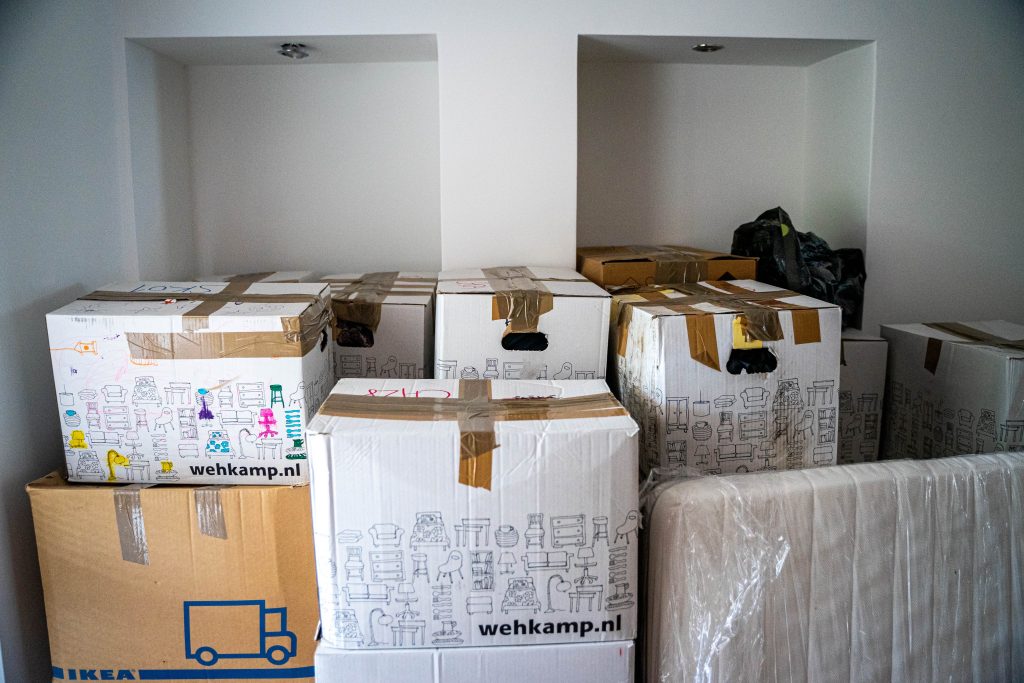
Photo by Michal Balog on Unsplash
by Jenny Rose | Mar 26, 2022 | Emotional Intelligence, Feelings
Courtney Carver from Be More With Less suggests the feeling we call guilt may in fact be discomfort.
What an interesting distinction. I was immediately intrigued.
Guilt is defined as feeling responsible or regretful for a real or perceived offense.
A real or perceived offense.

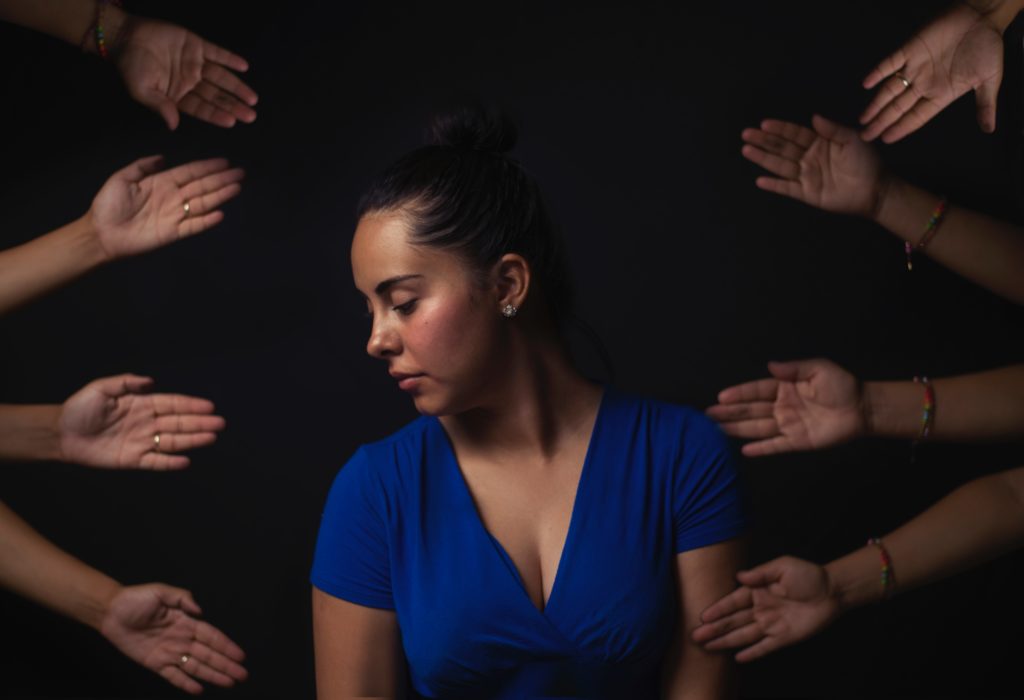
Photo by Cristian Newman on Unsplash
If you’re someone like me, you feel almost everything you do and say is some kind of a breach of conduct, especially things like saying no, meeting your own needs, and setting boundaries. This feeling is based on past unhappy/critical/invalidating reactions of others to my actions. If I’ve Failed To Please, I feel guilty. I feel guilty even when I know I’ve done the right thing for myself.
So what if that feeling isn’t guilt at all? What if it’s discomfort?
Changing habits is uncomfortable, no doubt about that. Habits are effortless, especially mental and emotional habits. They feel like our friends. They’ve been with us a long time. We’re attached to them because they’re easy and familiar. Whether or not they’re effective or useful is not the point. How they affect others is of no interest.
They’re easy, and they’re ours.
The thing is, our habits don’t belong to us so much as we belong to them. We can stop them any time, we tell ourselves and everyone else. If we wanted to. But we don’t want to.
So there.
Breaking habits takes intention, focus, and determination. Support helps, but sometimes it’s unavailable.
So, do we feel guilty because we’re making different choices than our habits dictate, or do we feel uncomfortable because we’re making different choices? Making different choices affects those around us, and when things start changing, people get uncomfortable, especially if the change wasn’t their idea. Most people are sure to tell us when we “make” them uncomfortable.
Then the guilt starts.
Maybe discomfort, theirs and/or ours, is a good sign, a sign we’re truly doing the work of change. Maybe the guiltier/more uncomfortable we feel, the more successful we are.
Maybe we shelve the guilt and welcome the discomfort.
Sometimes we all do something we know is wrong and guilt helps us learn and make amends for our choices. Sometimes. Not every day, all day.
Being alive, taking up space, growing, learning, and reclaiming our power and health are not worthy of guilt. Uncomfortable work, yes. An offense, a breach of conduct, a crime, no.
When I feel that old familiar guilt come knocking, I’m going to look at it more closely. Maybe it’s not guilt at all. Maybe it’s just discomfort.

Photo by Gary Bendig on Unsplash
by Jenny Rose | Mar 19, 2022 | Choice, Power
I subscribe to a Substack newsletter for writers by Lani Diane Rich. A few weeks ago, she wrote about being bad. On purpose. It made me laugh.

Photo by 小胖 车 on Unsplash
I’m one of those people who has a recording angel at my shoulder, busily writing down every single less-than-perfect thing I think, say, or do. It’s a full-time job.
The idea of being bad – on purpose! – caught my attention.
Well, maybe not on purpose. Maybe just living in such a way that “bad” and “good” don’t enter into … anything.
But then again, maybe on purpose. Maybe writing badly, acting badly, cleaning a dish badly, or eating a whole pizza and letting the grease run down my chin without regret or guilt on purpose.
My horror at the idea (not about the pizza, though) makes me giggle.
This writer makes a great point. Doing things badly, in general, will result in negative feedback of one kind or another. But so does doing things well. In fact, sometimes doing things well results in more negative feedback than doing them badly! Then there’s always the average middle ground: doing things well enough to get by, thereby avoiding attention for being really good or really bad.
Ugh. I’d rather be bad than fit myself into average if I can’t manage good.
How many times in my life have I thought or said, “I’m doing the best I can”?
Hundreds. Thousands. Hundreds of thousands.
Why is it my job to do the best I can?
It used to be my job because I had to justify my existence. However, I’ve outgrown that mindset now and I can’t take it very seriously. I don’t have to justify my existence anymore.
I also did it to stay safe and get loved.

Photo by Laercio Cavalcanti on Unsplash
It didn’t work.
I do it to make a deal with the Universe. I’ll do this thing as best I can if you’ll make sure I’m OK.
Hard to say if that’s effective. I’ve always been OK, but I might have been without killing myself trying to be good.
I do it to prepare for failure. I’ll try as hard as I can, and if (when) I fail, at least I’ll know I gave it my best.
Failure and success. I’ve redefined those. I haven’t always gotten the success I’ve wanted, but that doesn’t mean I’ve failed. In fact, some of my most stunning missteps and miscalculations have turned out to be life-changing gifts.
In the end, I have one good reason for being good, and that has to do with my own integrity. It’s important to me to know I’m doing the best I can in everything I do. I don’t expect praise or rewards. I’ve learned (sadly) it’s no guarantee my needs will be met. I know better than to expect reciprocity or appreciation.
It’s simply who I choose to be in the world.
But here’s a question: are “bad” and “good” mutually exclusive? Would I be more flexible, more creative, healthier, happier, and more whole if I could be bad as well as good? Is there unexplored territory in badness? Could the ability to choose to be bad be part of being good?
Huh.
Could I choose to be some degree of bad along with good?
Being skilled, productive, effective, useful, kind, reliable, honest, etc., etc. all the time takes a lot of energy.
A lot of energy.
When we’re kids, we’re taught good things come to people who are good.
It would be nice if life was that easy.
I can’t help but notice while I’m doing my best from dawn to dusk some other people are not. Other people are sloppy and lazy and careless and they’re not struck down dead by a celestial lightning bolt.
A little voice in my head says that’s all the more reason I have to be continually good, to pick up the slack the fuck-it-I-don’t-care people leave.
Bullshit. I’m not the Cosmic Miss Fix-It.
Maybe it’s okay to think about taking a break from the job of being “so goddamn excellent all the time,” in Lani’s words.
Everyone needs a day off now and then. A lunch break. A vacation. Maybe I’ve worked too much overtime being excellent. Maybe I’ve lost my work-life balance.
Maybe.
By Sean Stratton on Unsplash
by Jenny Rose | Mar 12, 2022 | A Flourishing Woman, The Journey
In the Tarot, there’s a card called The Tower. It’s traditionally illustrated with a tower falling. The meaning of the card is destruction, chaos, danger, crisis, and unforeseen change. And liberation.
Liberation.

By K Mitch Hodge on Unsplash
Some years ago, in the months before I moved from Colorado to Maine, my life unraveled in several painful ways. During those months, I pulled The Tower card from my Tarot deck (78 cards) time after time, though I always shuffle and cut the deck thoroughly before I draw cards. I couldn’t get away from it.
It didn’t tell me anything I didn’t already know. I felt for a time as though my life would never be anything else. I would never escape the falling tower. I didn’t think much about the liberation part, because when our lives are toppling we don’t think about anything except surviving the collapse.
I had a crate of odds and ends of wood from building a privacy fence and a deck. I pulled it out of my shed and built a tower on a table on the covered deck outside my front door. I hadn’t played with blocks since my children were young. The chunks of wood were in all kinds of odd shapes, and building the tallest tower possible was an absorbing task.
When my tower was finished, I left it standing for a few hours or a day or so, enjoying it as I went about my life and in and out of my little log cabin. Then, when the time was right and I needed an outlet for my fear and frustration, I would knock it down. Hard. Loudly. I would obliterate it, sending the pieces of wood flying, sweeping the tabletop clear. It was a practice of surrender. If the tower was inevitably going to fall, I wouldn’t try to prop it up. I’d create a glorious, earth-shaking, no-holds-barred collapse. I wouldn’t look away or pretend it wasn’t happening or try to escape or soften the situation. I would face my fear.
After a while I built it again.
And again.
And again.
I did that for months. I built and knocked down more than 100 towers while I pulled the card over and over again.
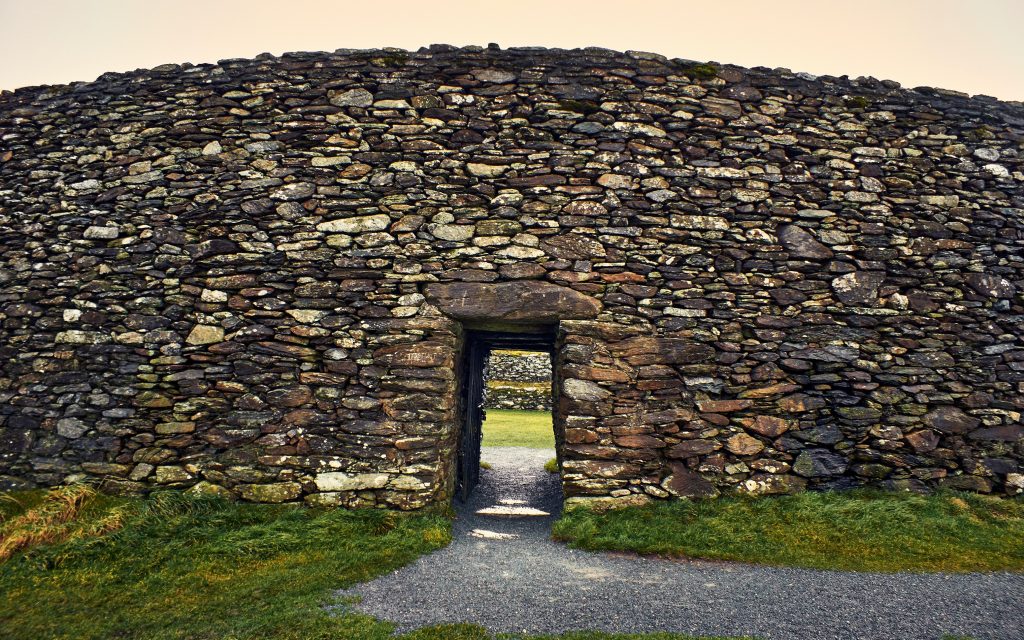
I had a dream a couple of weeks ago about wandering through a field of rubble from a fallen tower. In spite of the destruction, it was a peaceful, sunny, summer landscape. I felt no sense of dread or doom. There had obviously been a violent and frightening collapse, but it was over now, and all was serene. I found some scattered objects amongst the stone rubble. Some things were intact, but others were smashed to pieces. I was thinking about sorting through the wreckage and salvaging material for a new tower and a new life.
I wasn’t scared. I was peaceful.
I was starting again. I’ve done that before. The fear and anxiety, the feeling of oncoming disaster, were past. The worst had happened and now I was on the other side of it.
I was excited about piecing together a new tower.
When I woke, I thought, “That damn tower!” and smiled to myself.
We are now working with a fifth contract for the sale of this property. That’s right. Number 5. Gas has more than doubled from last year’s price. The cat food shortage goes on and on. Prices for everything are skyrocketing. I just received our power bill, which has doubled from last month, though our usage is slightly less. We are on the edge of war, thanks to Russia.
I remember this feeling of the tower falling.

Photo by Dan Gold on Unsplash
But I also remember the liberation on the other side. I remember starting afresh. I remember taking a long journey into health and healing, into creativity, into an entirely new life. In some ways, for the last seven years I’ve been working in a field of rubble, carefully salvaging and sorting the usable from the discards. I’ve thought long and hard about the kind of life I want to build now, and about my needs and resources.
I’m not on the other side yet. One of these days I will be, and I feel that day coming closer, though I don’t know how or when. I lie awake on windy nights and wonder if, metaphorically speaking, the wind will knock down the tower. Or will the rain take it down in the end? Or a spring ice storm? Or a completely unlooked-for earthquake, fire, or flood?
Or will it gently collapse, stone by stone, falling quietly into ruin around me?
Whatever happens, there will be debris and rubble. Some material will be salvageable.
I will start, as I have before, with what I have, with what remains, with myself.
When my last tower fell, I learned two important things. One is that a home, no matter how beloved, is not a life. It cannot keep me safe, happy, and secure for the rest of my days. It cannot substitute for my connections, contribution, or self-love. The place I live does not define me.
The second is that I am not my things. My security, identity, memories, strength, courage, and creativity do not reside in objects around me, the clothes I wear, the furniture I use, or the dishes I eat off of.
Many people new to the Tarot fear The Tower card. Few of us welcome destruction, chaos, danger, crisis and unforeseen change. However, change does come. Towers do fall. And once the terror and tumult have passed, we find ourselves in a new world with a chance to make a fresh start.
We might not have wanted to be liberated from anything. Or, on the other hand, we may have longed for liberation. In any case, we are suddenly dropped into a different life. The tower fell. We take some time for recovery.
Then it’s time to rebuild.

By K Mitch Hodge on Unsplash
by Jenny Rose | Mar 5, 2022 | Connection & Community, Emotional Intelligence
Courtney Carver from Be More With Less dropped this little spring blossom in my Inbox recently. I’m not on Instagram but she passed this on from @sierranwells from @theshineapp.
Paraphrasing, giving our all leaves us empty. It’s unregulated and indicates questionable boundaries. A better choice is to give our best.
Don’t give your all. Give your best.
What an amazing distinction! When I say that to myself, I feel as though a mountain has been lifted from my shoulders.
Photo by Toa Heftiba on Unsplash
I don’t have to give everything and everyone my all. I can choose instead to give certain people, situations, and efforts my best. My best financial donation. My best support. My best effort. My best investment. My best love.
My all is reserved for me and my writing.
The filter between my all and my best immediately clarifies life and choices. It frees me to recognize when I’ve done enough. I’ve given my best. I can stop now. I don’t have to give and give and give until I have nothing left, not even enough to crawl away. I have the power. I make the choices. I decide where the boundaries are. I make an offering of my best, and if it’s not wanted or useful, I move on.
After all, if my best hasn’t been good enough, likely my all won’t be, either. I know that intellectually, but I’ve lived my whole life with the firm conviction that my best is inadequate and withholding. What’s required of me is to give my all, every last penny, every last bit of my time, energy, patience, and love. Everything. No boundaries. No reserves. No personal needs. Boundaries, reserves, and needs are selfish.
Wait, says a little voice inside me. Doesn’t unconditional love mean giving it all continuously, no matter what?
Does it? Is that what unconditional love means?
Unconditional love means love without strings attached.
I don’t know if human love is limitless. I don’t know if mine is. I’ve loved several people with everything in me before, but today I don’t feel as though any of those loved ones found my love useful or even noticed it for what it was. Perhaps it was lost in translation.
Perhaps they never wanted it or needed it in the first place.
I still love some of those people, because they are woven into my flesh and bone, but we are not actively connected and for the most part my love is mute and suffering. I have not found an acceptable way to give it, which is to say I have not found a way to feel it’s recognized, valuable, received or even welcome. It’s unconditional, but it’s unwanted.
Yet I do know one person who longs for my best and my all – all my unconditional love, all my compassion and empathy, all my strength and wisdom, all my creativity and courage.

Photo by freestocks.org on Unsplash
Me.
As I approach my 60s, I spend less and less time thinking about how to give my all and waiting for scraps and crumbs to come back to me. Now I’m focused on how to connect with and unconditionally love myself. Because I deserve it. And it’s my turn. And I want me. I need me.
The people (and cats) in my life get my best. Sometimes that seems regrettably inadequate, but I’m intentional about giving my best to those I interact with, work with, and live with. I give my best to what I do in life, from cleaning the bathroom to teaching a child to swim. My best love, care, and effort are no mean contributions to my loved ones and my community.
But I don’t owe my all to anyone. Not at this point in my life. I’ve never yet given my all without subsequent emotional bankruptcy it took me years to recover from. I’ve never yet felt my all was reciprocated. Perhaps that’s as it should be.
I thought I had to give my all. I thought that’s what love was. I thought one proves love, commitment, loyalty, what have you, with an investment of one’s all. I thought that investment was guaranteed to provide rich returns.
So far, I’ve failed to reap rewards from that strategy. I’m rethinking my investment plan. Might it be that giving my all to me increases the quality of my best to others? Could it be that giving my best to others will prove a better investment than giving my all? Is this a case of working smarter, not harder?
Maybe our all is only useful when we give it to ourselves. Maybe it doesn’t work elsewhere because it’s not supposed to. Maybe our best is better for the people around us.
In any case, I feel lighter, freer, and healthier, both in myself and in my relationships, when I endeavor to do my best within healthy boundaries and reserve my all for myself and my writing.