A frequent conversation among my coworkers at our rehab pool facility, as well as our mostly middle-aged and older patrons and patients, has to do with the unexpected places life takes us. How did we get here from there?
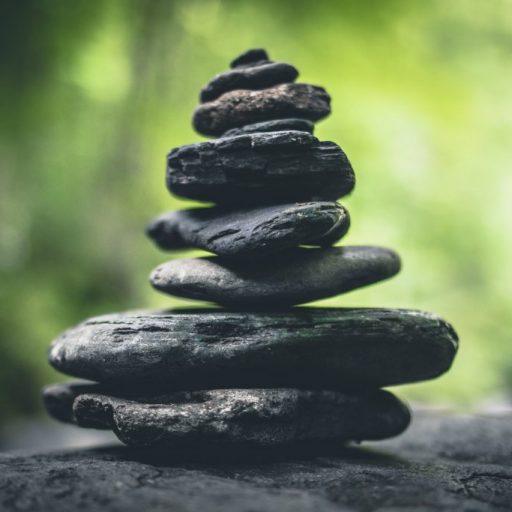
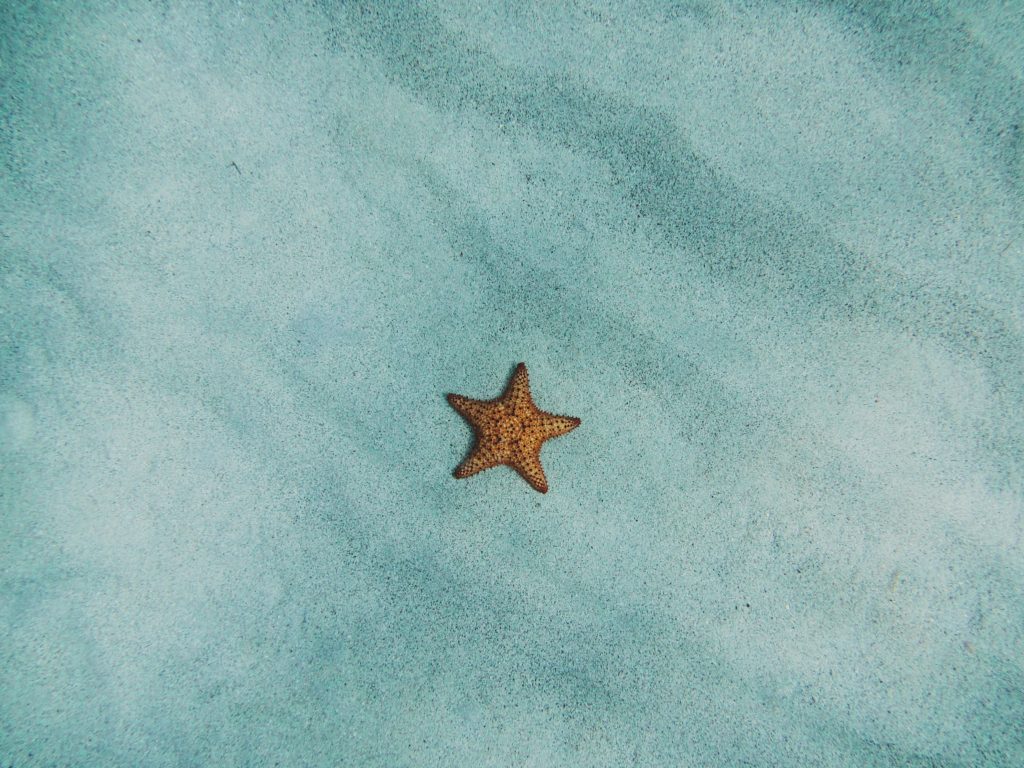
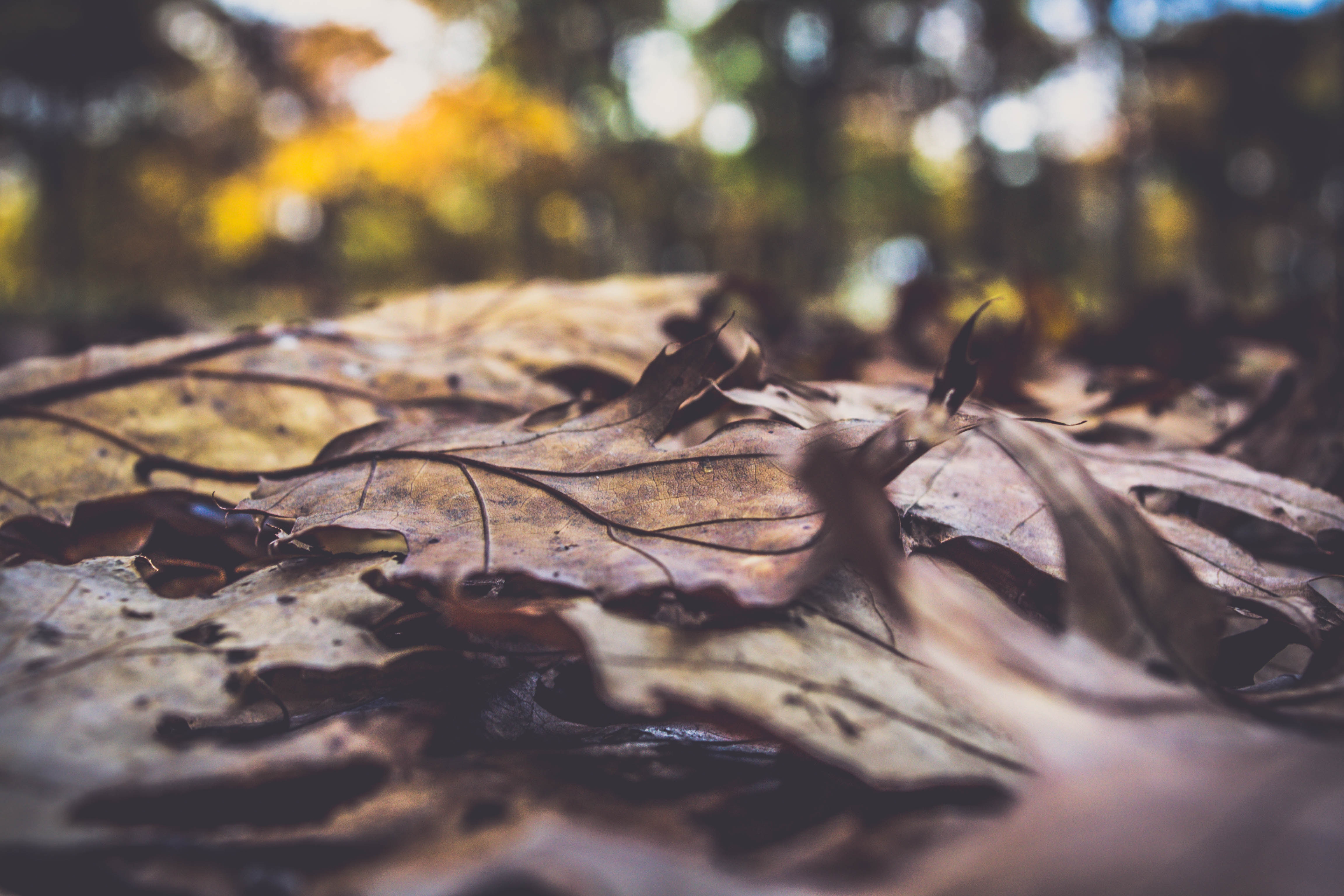
Photo by yatharth roy vibhakar on Unsplash
For some this is a bittersweet question, for others an amusing one, and for others a bewildered or even despairing one. Whatever our current reality is, none of us could have foreseen or imagined it when we were young adults.
We can all talk about dreams we’ve had, intentions, hopes, and choices we’ve made in pursuit of the life we imagined we wanted, but life itself is always a wild card. It picks us up by the scruff of our neck, sweeps us away, and casts us onto strange shores.
As I age and practice minimalism, I realize keeping my dreams flexible has never been more important. My dreams, along with everything else, change. What I longed for as a young woman is not what I want now. What I needed in midlife is not what I want as I approach my 60s. Some things I’ve thought of as merely desirable are now essential, and other things I thought I needed no longer seem important.
In some ways I like dancing with change, my own as well as external circumstances. It feels dynamic and healthy. Resilience and adaptation are strong life skills.
In other ways it’s hard, the way my needs and I change. Often, I feel my own natural change and growth are hurtful to others. I try to hold them back. I try to stop myself, make myself quiet and small so no one will be upset, including me!
In the end, though, there’s something in me that’s wild, and sure, and deeply rooted in the rightness of change. It can’t be silenced or stifled, and there’s no peace for me until I begin living true to myself once again, no matter the cost.
The costs are very high. The personal costs of living authentically have been catastrophic for me. Sometimes I feel I’ve paid with everything I ever valued.
And yet the power of living authentically, the peace of it, the satisfaction of shaping a life that really works and makes me happy … How much is too much to sacrifice for that?
For a long time, I’ve thought about balance. Financial balance. Work-life balance, which is a term so nonspecific as to be useless. Balancing time. Balancing socialization and solitude. Balancing sitting and writing with physical activity. The complex balance of give and take in relationships. Balancing needs and power.
Minimalism is about balance. Achieving a simple life demands balance, something hard to find in an overcrowded life. Practicing simplicity and working toward balance take mindfulness, which is a difficult skill to hone in our loud, distracting, manipulative and addictive consumer culture. There’s a lot of social pressure to want more and bigger, to hang on tightly to our things.
But I want less. I want less stuff, less expense, less noise (visual and otherwise), less maintenance, less complication. I want less because I want more. I want more peace, more beauty, more sustainability, more time for loved ones and the activities that are most important to me. Gardening. Animals. Walking. Writing. Playing. Spiritual practice.
I don’t want more than I need. I don’t need more than I can use, enjoy, take care of, or pay for.
I do want to accommodate change, my own, and changing circumstances around me. The simpler and easier my life is, the more space I have to welcome my own aging and wherever my life journey takes me next. I don’t make myself crazy trying to anticipate all the future possibilities, but I want to know I can live well with the resource I have and build reserves for whatever the future brings.
Ironically, it often takes resource to go from more to less. Financial resource. Time and energy resource. It takes sacrifice, in the sense of being willing to give up things valued for the sake of things even more valuable and worthy. In its own way, moving in the direction of living simply is as much work and emotional cost as the endless treadmill of more. It does have an end point, though, whereas more is never satisfied.
Last week I read a post from Joel Tefft titled ‘Abandon, Embrace‘. He suggests daily journaling (which I also highly recommend) using the writing prompts: Today I abandon ___ and today I embrace ___. This is balance in action. What is not helping? What is most important? Abandon something in order to make space for something better.
Deciding what kind of a life we want to live and working to create it is a difficult process of choice. It’s difficult because it can be so hard to tell the truth about our needs and feelings. Sometimes we have to give up on cherished dreams and hopes, come to terms with our current limitations. Our choices can affect others in hurtful ways. Sacrifice is not easy. Managing our feelings is not easy.
Choosing, as I’ve said before, involves consequences we can’t always control.
But to make choices, especially difficult ones, is to be standing in our power, as is creating an authentic life that allows us to grow deep roots and be the best and happiest we can be, for ourselves, for our loved ones, and for the world.
I have, of course, been thinking about her. She was a friend from my past, a part of my past. I had not seen her or even spoken with her in some time, but she remained in my memory as part of the place I called my home before I came here to Maine.
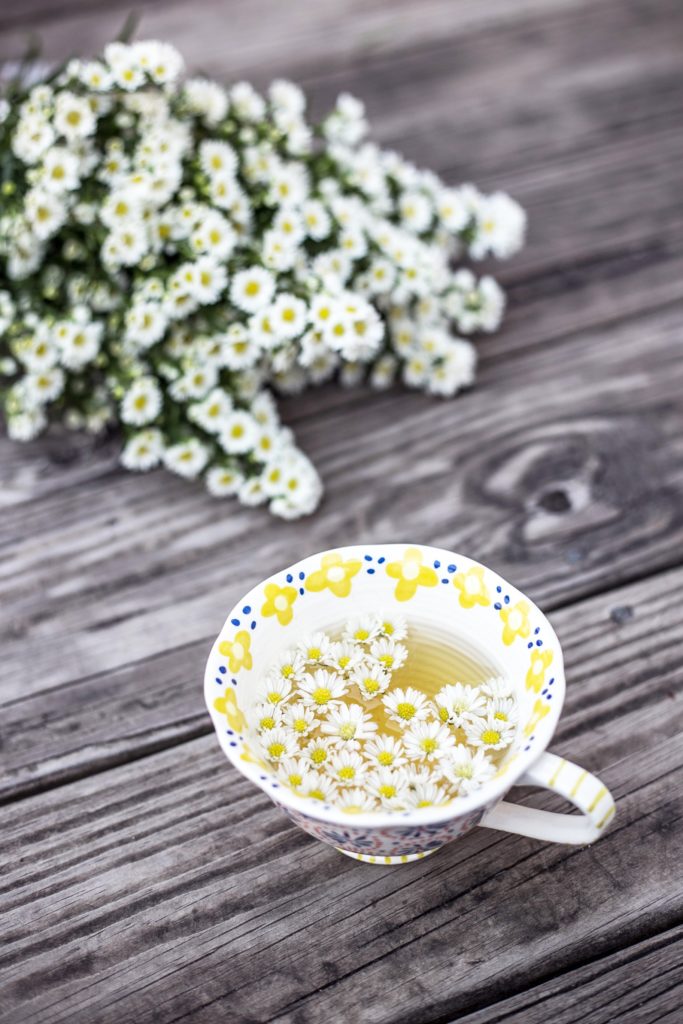
Photo by Andrew Montgomery on Unsplash
Death. The axis around which our lives pivot, and yet what can we say, or think, or even react with that isn’t entirely banal?
Starting, beginning, changing our surroundings and jobs, meeting friends and lovers, having children, reaching milestones, are all obvious, and loud, and exciting. We look ahead to such experiences, strive and work for them.
We forget that all these involve parting, too. Parting can be so quiet, like a canoe sliding from the land into the early mist on the lake. Hardly a ripple. No fanfare. Just floating soundlessly away into the unknown, while we stand on the shore, watching it disappear.
Sometimes we lie asleep in our beds during the moment of parting, oblivious. We rise, and brush our teeth, and make breakfast, watching the mist burn off the water through our kitchen window, and we realize suddenly someone or something has left us. They’re gone. We didn’t know this was the morning. We didn’t say goodbye. The inescapable moment of parting came and went without us.
Then again, parting can be so subtle we don’t recognize it’s begun. Our gaze is ahead, on the next task, the next goal. But behind us, or off to the side, out of our awareness, the time of parting, long or short, is upon us. The flow of connection has turned to an ebb, and, inexorably, we drift apart from what once moored us.
Someone put my friend on PostHope, an online place for people to schedule visits, write messages, and update on a loved one’s condition. She was unable to communicate herself, but PostHope gave us a place to send our love and support to her and follow her progress.
This was a great gift to me, so far away. I snail mailed a card she will never receive. I posted a message. I read all the updates as they came in, and there was reason for optimism, a possibility for at least partial recovery.
Then, in an idle moment I checked my email and found a message that she had died. I felt all the things we do feel in such moments. Disbelief and denial. Grief. A little later, a sorrowful peacefulness, because she would have been unable to live independently after her illness, and she was a fiercely independent woman.
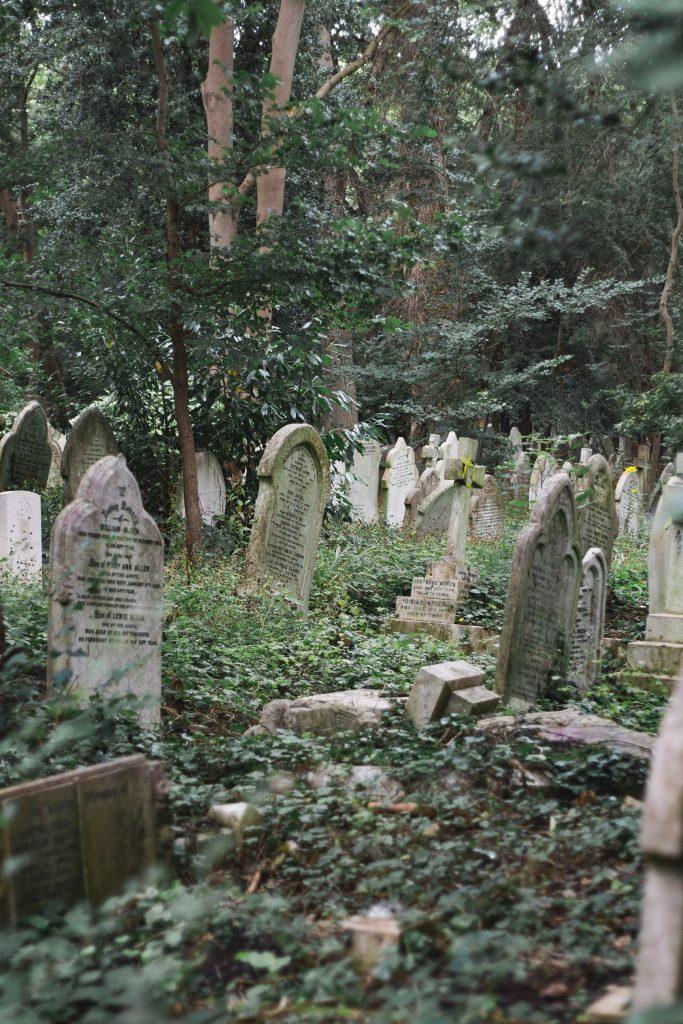
By Vladimir Gladkov on Unsplash
What do we leave behind when we are gone? We talk about legacies, and children, and brilliant achievements of art or science or service, but what do ordinary people leave? My friend had no money. She had no children or close family. She lived alone. She was not famous.
In the days after her death, many posted words of sorrow and comfort on PostHope. I did not. Her place is no longer my place, and I am a different woman than the one who left. Many of her friends were strangers to me, or nothing more than names I remember from my time there. My heart is too full, and I was not ready.
I do not want to talk about her. I want to know she is still there, teaching art to children, taking a spin class, working in the art gallery, painting, dancing, and caring for the homeless cats who came far and wide for food, shelter, and love. I want to know she’s giving massages, making her herbal salves, wildcrafting sage for smudge sticks, and cooking.
But she’s gone now. Her house, which was the house in which I raised my sons before she bought it from me, is empty. She’ll never paint another picture or make another jar of salve.
I did not know, the last time I saw her and said good-bye, that it was forever. I still have a picture of that evening, but it’s color on a flat sheet of paper, and unsatisfying.
My memories are better. I still smile when I remember how we danced together, whooping and laughing, and how she tore off her shirt and danced in her sports bra as we gave ourselves to the music and our blood ran swift and hot.
I remember, too, how fascinated I was with her authenticity. She liked to talk. She was loud, and opinionated, and without tact. Her blunt honesty made people around her squirm sometimes. As a lifelong people pleaser, peacemaker, and soft-spoken fawner, she appalled me frequently, but she also amused and amazed me. How could anyone risk being so real? She taught me about living unapologetically true to oneself.
My friend had a big, soft, generous heart. She was a woman who loved and worked tirelessly for the community. That community will be less vital, less challenging, less interesting, and quieter without her.
Death is banal. But life isn’t. Hers was a beautiful life. She gave what she had to give without counting the cost. She loved. She lived without holding anything back. Now we have parted. She’s gone into the mist, beyond my sight.
On Monday my new site, harvestingstones.com, went live. I had my first post ready and I gleefully published it, anticipating my subscribers landing on the new site this week. I checked with a subscriber to make sure the post notification email went through and linked properly to Harvesting Stones.
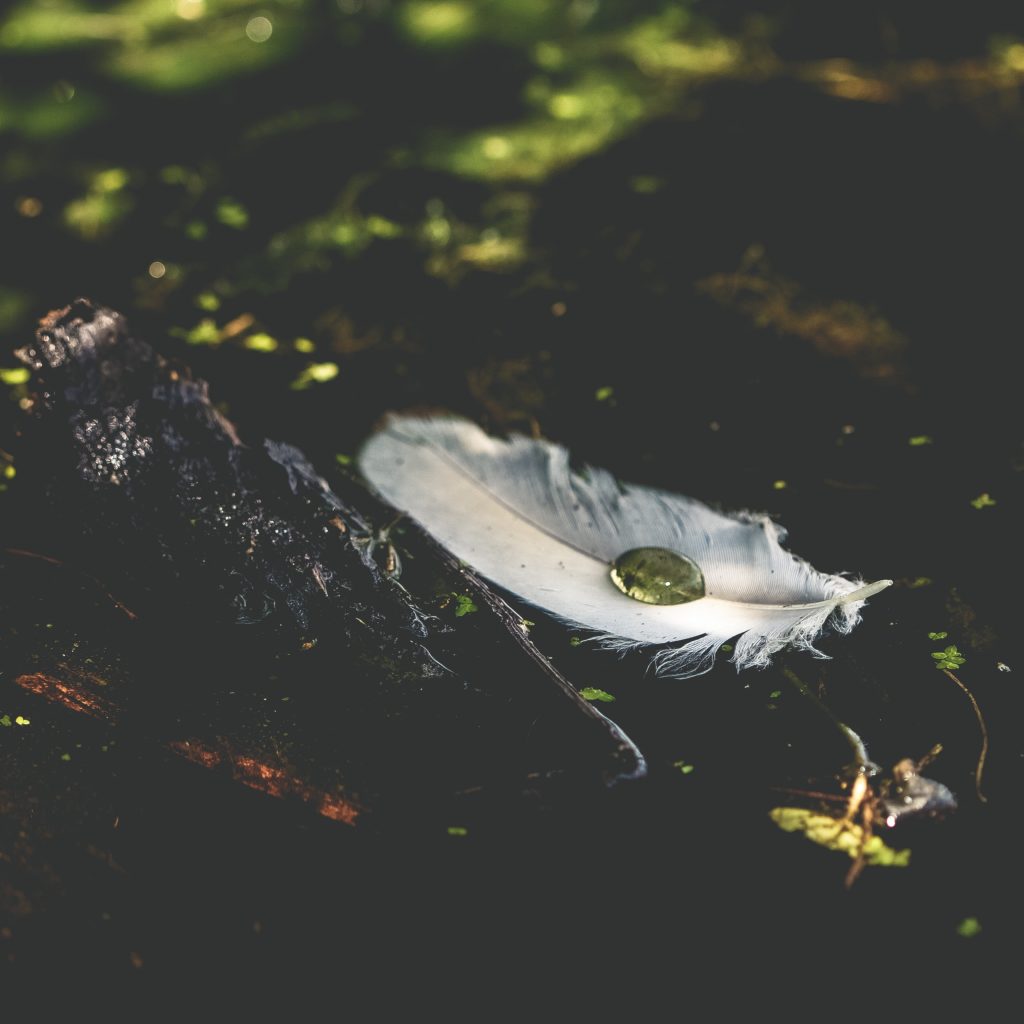
Photo by freddie marriage on Unsplash
No email.
Uh-oh.
Then my partner started exploring the menus and submenus, which I had checked in great detail well before the site went live, and they weren’t working properly, either.
Then I saw I had no subscribers. The subscriber list hadn’t transferred over from Our Daily Crime.
Shit!
I took a deep breath, told myself not to panic, and started figuring out what went wrong with the help of my web designer.
I discovered that somewhere in the transition some of my work on the new site had been lost, and that’s why the menus weren’t linking properly. I finished redoing that work yesterday. In the meantime, my web designer, who is far more tech savvy than I am, began troubleshooting the subscriber list issue.
When I went to bed last night, I still had no subscribers.
When I got up this morning, I had subscribers again, along with an email from WordPress tech support saying the problem was fixed.
It seems too good to be true.
As none of my subscribers were notified when my Monday post explaining why Our Daily Crime has become Harvesting Stones was published, I’m posting again. For more about the why behind this transition, read my previous post. Also, please note I’m going to begin posting on the weekends rather than midweek now.
Transition and change are hard, have you noticed? Messy and stressful and scary.
My hope is that, if you’re reading this post and you’re a subscriber, you were notified as usual via email that I published it and any links involved work as intended. If not, I’ll figure out what needs to be done and do it, and we’ll have a take 3!
Please bear with me.
Also, remind me not to move to a new domain again in future! I’m very glad I did it, but I don’t want to do it again.
None of this would have been possible without Kathy Allen at Greenlight Websites.
I’ll leave you with advice from an old tree:
Grow deep roots and welcome the wind in your branches.
It’s time. Harvesting Stones is now live, after six months of hard work. I hope you enjoy the new site as much as I do!
Why harvesting stones? We can’t plant pebbles and grow big stones. Why would we want to?
Stones are hard and heavy. Aside from gemstones or the pebble in our shoe, we don’t think about them much. Stone, after all, is everywhere. Healthy soil is the child of stone, plants and animals. Stone is literally the foundation of our world. It’s the raw material we live on, build and decorate with. Stone shapes the land. We break our backs and tools on stone.
We also, especially as children, marvel at the colors and shapes of stones. We pick them up, finger them, carry them in our pockets, take them home and set them on a shelf or table.
Stone is elemental. It contains a record of the planet’s history, and our history as a species. It contains the future, for every stone eventually wears away. It’s what remains when all else has perished, like bone, like seed. Stone endures.
Stone is resilient. It weathers. Water shapes it. Plants split it. Lichen breaks it down. Volcanic heat melts it. It can be chiseled and carved, and then time blunts and wears away the chiseling and carving. Given enough exposure and time, stone becomes sand and soil. It’s never lost. It’s always becoming.
Stone is uncompromising in its simplicity. It will bruise us, scrape our skin off, cling stubbornly to the field where it’s not wanted, make us ache with its weight. It doesn’t pretend to be something it’s not. It’s authentic.
Harvesting Stones is about presence. It’s about appreciating the stones we trip over, the stones we carry in our hearts and bellies and pockets. It’s about coming to terms with discomfort and looking past our narrow focus on monetary value and popular beauty. It’s about power.
I lately came across an exercise in The Enchanted Life by Sharon Blackie. She asks the reader: If you could be any place in the landscape, what would you be?
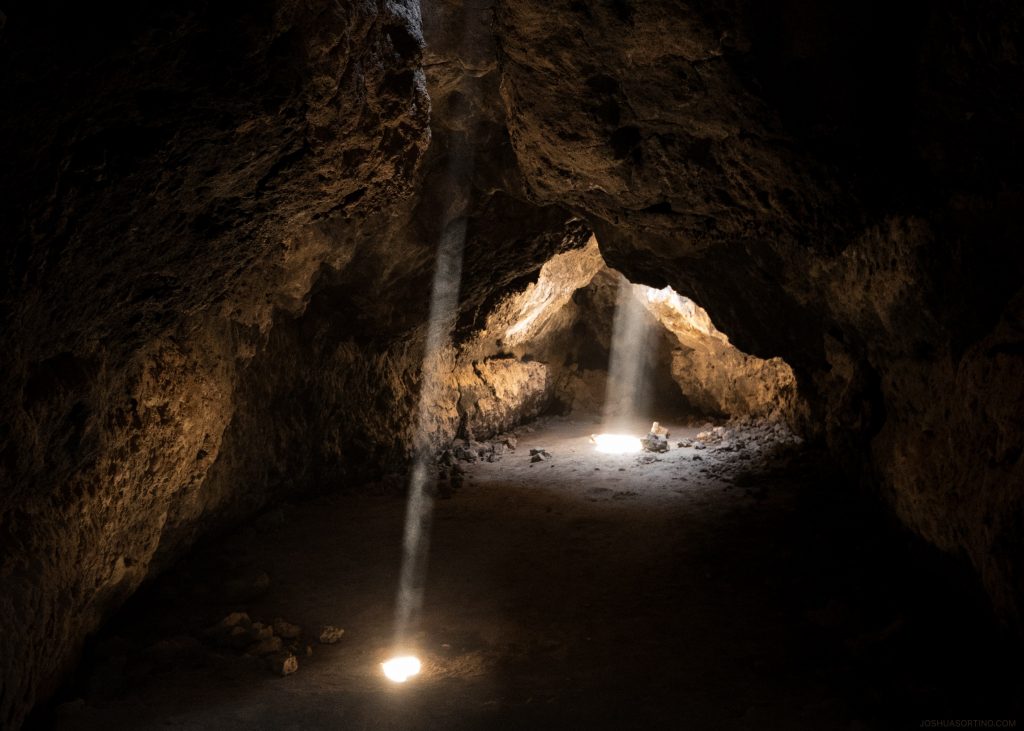
By Joshua Sortino on Unplash
I would be a cave. A hidden place, a haven. A cozy cave from which I could hear and see and taste the outside world. I’d be a cave with a spring falling into a stone basin, a cave with ledges and shelves, a cave with, perhaps, a bat colony in some part of it, or a hibernating bear, or a new animal mother and her young. A womb of stone.
Not surprisingly, caves show up everywhere in my reading and writing.
Creating Our Daily Crime was an extraordinary experience. I could never have imagined how many stones I would turn over, how much I would grow and learn, what I would discover, what I would let go. I was unprepared for how powerful it would be. Powerfully healing. Powerfully connecting.
Now I want to do more with that power. I wanted something more creative, more authentic, and more accessible for readers, browsers, and searchers. I wanted to create a digital space to share more poetry, more resources, more stories, and my books.
“Peace cannot be created – it is already there beneath the chaos.”
The truth of this struck me at once. We don’t construct peace. We uncover it.
Photo by Nicole Mason on Unsplash
The practice of minimalism, for me, is the practice of letting go, of letting things fall away. I don’t do that to make my life empty. I do it to uncover the life I want.
If I want peace in my environment, I need to remove everything obscuring it.
If I want peace in my relationships, I need to clear away whatever obstructs it.
If I want internal peace, I need to peel away whatever destroys it.
It’s such a simple idea, and so monumentally difficult to put into action.
How do we figure out what’s strangling our peace?
Likely, at least some of what’s killing our peace are habits of action and thought we’re deeply invested in or frankly addicted to. Things we don’t want to give up or feel unable to give up. Sometimes we’re so attached to certain habits or possessions we feel life is not possible if we can’t have them or engage with them. Our survival depends on them, and peace takes a back seat to survival.
Except maybe it doesn’t. Maybe, in the long run, we can’t survive without a certain amount of peace.
If we undertake the work of identifying what’s between us and peace, we’re going to find feelings. Lots of feelings. Feelings we don’t want to feel. Feelings we don’t know what to do with. Feelings we’re afraid to express. Feelings we’re ashamed of. Feelings that are tearing us apart.
Until and unless we find appropriate, effective ways of managing and processing our feelings, we’ll never uncover the peace buried beneath them.
What if there’s nothing to make and nothing to buy? What if there’s no app to use or post to make?
What if what we have to do is discard everything concealing the peace, love, health, time, self, or authentic life we want?
We can’t discard our feelings, but we can learn how to manage and integrate them. We can discard toxic pieces of identity. We can discard thoughts, beliefs, patterns of behavior, and addictions. We can discard digital and real-life clutter. We can discard time-wasting and destructive habits. We can discard toxic relationships and toxic relationship dynamics.
It’s easier to buy something. It’s easier to get on Facebook or a dating app. It’s easier to have a drink, or turn on Netflix, or get high, or get numb. It’s easier to eat a box of donuts.
Easier, but all those choices layer a further crust of chaos over the magnificent life we long for.
Websites store cookies to enhance functionality and personalise your experience. You can manage your preferences, but blocking some cookies may impact site performance and services.
Essential cookies enable basic functions and are necessary for the proper function of the website.
Name
Description
Duration
Cookie Preferences
This cookie is used to store the user's cookie consent preferences.
30 days
These cookies are needed for adding comments on this website.
Name
Description
Duration
comment_author
Used to track the user across multiple sessions.
Session
comment_author_email
Used to track the user across multiple sessions.
Session
comment_author_url
Used to track the user across multiple sessions.
Session
Statistics cookies collect information anonymously. This information helps us understand how visitors use our website.
Google Analytics is a powerful tool that tracks and analyzes website traffic for informed marketing decisions.
ID used to identify users for 24 hours after last activity
24 hours
_gat
Used to monitor number of Google Analytics server requests when using Google Tag Manager
1 minute
_gac_
Contains information related to marketing campaigns of the user. These are shared with Google AdWords / Google Ads when the Google Ads and Google Analytics accounts are linked together.
90 days
__utma
ID used to identify users and sessions
2 years after last activity
__utmt
Used to monitor number of Google Analytics server requests
10 minutes
__utmb
Used to distinguish new sessions and visits. This cookie is set when the GA.js javascript library is loaded and there is no existing __utmb cookie. The cookie is updated every time data is sent to the Google Analytics server.
30 minutes after last activity
__utmc
Used only with old Urchin versions of Google Analytics and not with GA.js. Was used to distinguish between new sessions and visits at the end of a session.
End of session (browser)
__utmz
Contains information about the traffic source or campaign that directed user to the website. The cookie is set when the GA.js javascript is loaded and updated when data is sent to the Google Anaytics server
6 months after last activity
__utmv
Contains custom information set by the web developer via the _setCustomVar method in Google Analytics. This cookie is updated every time new data is sent to the Google Analytics server.
2 years after last activity
__utmx
Used to determine whether a user is included in an A / B or Multivariate test.
18 months
_ga
ID used to identify users
2 years
_gali
Used by Google Analytics to determine which links on a page are being clicked