by Jenny Rose | Jul 12, 2018 | Emotional Intelligence, Feelings
I’ve been thinking about loyalty recently. Loyalty is one of my bigger rabbit holes. I most often use the term when I’m beating myself up. A nasty little internal voice frequently hisses “Disloyal!” in my ear. This happens so constantly, in fact, that I’m bored. I’ve decided to unpack the concept of loyalty, spread it out, let the cat sniff at it, and either own my own disloyalty without shame or permanently silence that particular internal accusation.
The first thing I notice is I want to be loyal. Loyalty is a virtue. Good, loving people are loyal. I certainly want to be a loyal family member, friend and partner. Loyalty has always been an important part of my identity, which is why it’s such an effective lash for me. What’s more shameful and ugly than disloyalty?
I don’t want to be shameful and ugly. If I am shameful and ugly, I certainly don’t want anyone to find out.
Loyalty, then, is something that depends on what onlookers think about my behavior and choices.
Before I’ve even crawled into the mouth of the rabbit hole I’ve moved out of my power. Interesting.

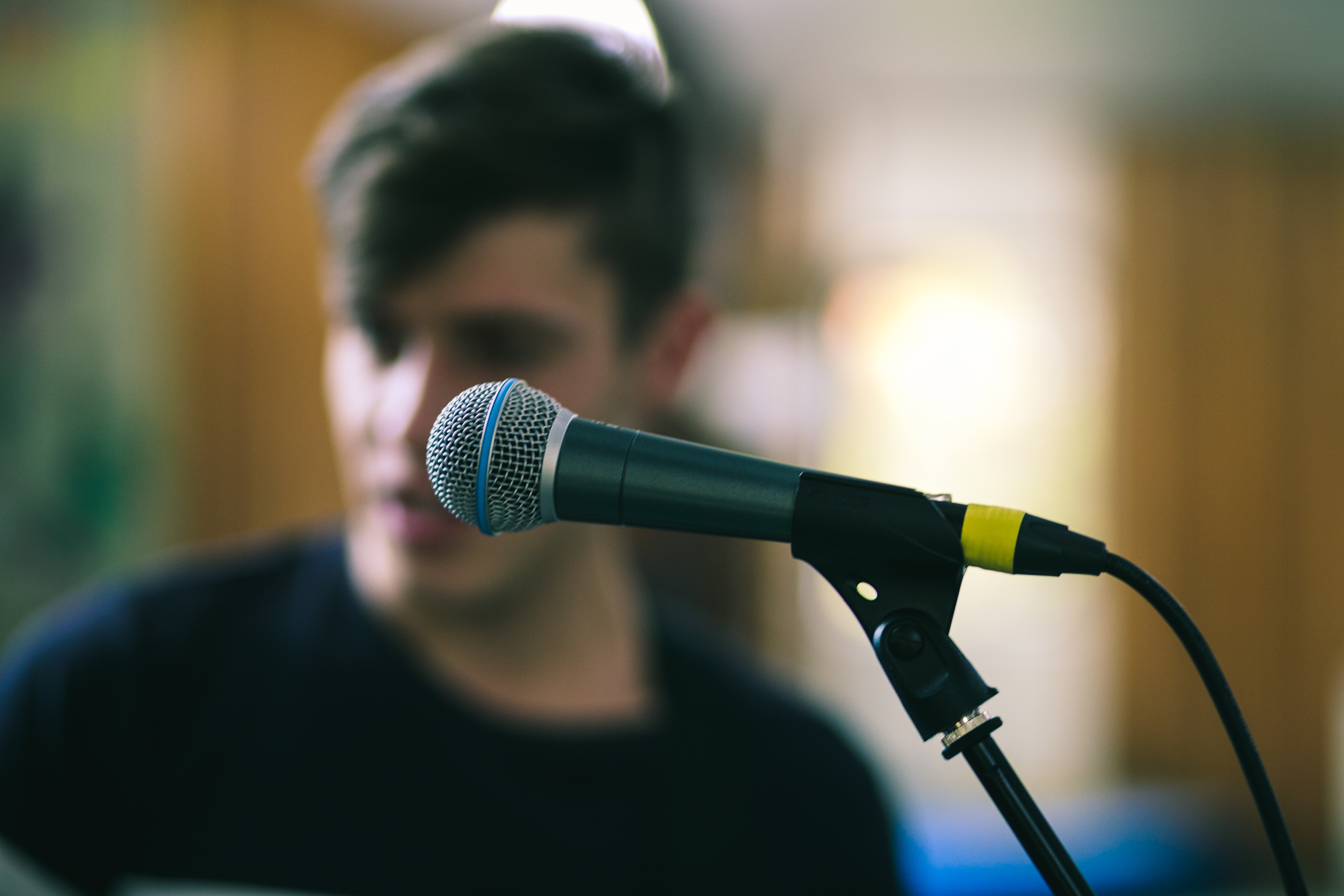
Photo by Kevin Quezada on Unsplash
Recently, I took my morning cup of tea and spent two hours with dictionary, thesaurus and my laptop looking at poetry, quotes, memes, definitions and articles. I read about families, patriotism and dogs. I discovered 80% of results returned for a search on loyalty have to do with manipulating customer and product loyalty. Of course. What a world.
At the end of that two hours, I felt no wiser. I had some notes, but I still didn’t have a clear idea of what loyalty really is, what it looks like, what it feels like to give or receive it, and how it overlaps with trust, authenticity, truth, enabling, coercion and control. I can point to people in my life I feel loyalty for, and I can point to people who I feel are loyal to me, but the truth is I don’t trust myself on this issue. Maybe my confusion means I am, in fact, shamefully disloyal. A humbling and humiliating thought.
At the same time, would I feel so torn apart by family and personal social dynamics if I was thoroughly disloyal? My sense of loyalty to others has given me much anguish over the years. Surely if it was absent in me I wouldn’t struggle so hard with it.
Simply defined, loyalty is a strong feeling of support or allegiance. That definition leaves me even more clueless than I was before. It has to be more complicated than that, doesn’t it?
Well, doesn’t it?
Is it just me, or does the cultural definition of loyalty consist of a much more convoluted hairball of expectations, assumptions and false equivalencies?
I often use back doors when I feel stuck. My two hours of research did give me some ideas about what loyalty is not, at least in my mind. But already I can see others might disagree. Still, that’s why we have dictionaries and definitions.
Loyalty cannot be slavery or prostitution. If I have to compromise my integrity in order to fulfill someone else’s expectation of loyalty, it’s no longer a virtue, but an abuse and manipulation. True loyalty must be freely and heartfully given. Authentic loyalty can’t be bought, sold, stolen or owed. It’s not demonstrated by obedience or compliance. If it’s not free and spontaneous, it’s only a sham, an empty word that sounds great but has no substance. Loyalty is not a weapon. It’s a gift.
Said another way, from a perspective of power (and you know how much I think about power!), loyalty is a tool of power-with, not a weapon of power-over.
Photo by Seth Macey on Unsplash
Loyalty is not blind. Part of its value is its clarity. We prize it so highly because seeing and being seen clearly, warts and all, and demonstrating or receiving loyalty in spite of it is an act of strength and love. In that case, compassion, tolerance and respect are all involved in loyalty. It follows, then, that loyalty does not require agreement. I can feel entirely loyal to a loved one while disagreeing with some of their choices and beliefs.
Loyalty does not imply denial, arguing with what is or colluding in rewriting history in order to sanitize it. Loyalty is not a right or an obligation.
In fact, the thesaurus suggests the word “trueness” as a synonym for loyalty. Interesting. Isn’t trueness the same as authenticity? I count on those who are loyal to me to tell me the truth of their experience with me and of me. I count on them to trust me with their thoughts, feelings, concerns and observations. I count on them to ask me questions about my choices, and to forgive me when I’m less than perfect. I hold myself to the same standards. This can mean a hard conversation now and then, and uncomfortable vulnerability and risk, but real loyalty is not cheap.
The thesaurus also supplies the word “constancy” as a synonym for loyalty. Constancy is an old-fashioned word these days, but it leapt out at me because consistency is very important to me. I’ve had some experience with Jekyll-and-Hyde abuse patterns in which the goalposts and rules constantly change without notice, keeping me nicely trapped in trying to please people who have no intention of ever being pleased no matter what I do. Loyalty is present one day and absent the next, then present again, then unavailable. That kind of “loyalty” is an abuse tactic.
As always, the construct of loyalty is two-sided. There’s the loyalty that extends between me and another, and then there’s the loyalty I extend to myself. This circles back around to slavery, prostitution and silence. If I have to betray my own needs or make myself small in order to earn or retain someone’s loyalty, something’s very wrong. If I’m called disloyal for saying no, having appropriate boundaries or telling the truth of my experience, then we are not in agreement about the definition of loyalty or I’m being manipulated (again). How loyal can I be to others if I fail to be faithful to myself?
True loyalty will never require me to make a choice between myself and another. Loyalty is strong enough to compromise and collaborate.
Loyalty becomes weaponized when we demand or command absolute agreement, devotion and unquestioning support. Then the concept becomes very black and white. This is demonstrated all over social media and media in general. One unwanted question or view leads to unmerciful deplatforming, silencing and a torrent of threats and abuse. Our loyalty is questioned and tested at every turn. We allow bullies, tyrants and personality-disordered people to achieve and maintain control, terrified of tribal shaming, being unpatriotic or being cast out of our social groups and communities.
The label of disloyalty is extremely powerful, but when I strip away all my confusions and distortions around loyalty and return to the simple definition, it’s not complicated at all. I certainly feel a strong allegiance and support for many individual people, for my community, for my country, for women, for writers, for this piece of land I live on, and for myself.
I suspect many others would like me to wear the label of disloyalty, but I can’t do a thing about their distortions except hand them a dictionary. Very elitist behavior, I’m sure you will agree. Not to mention the disloyalty of refusing to collude in my own shaming.
Being called disloyal doesn’t make it so.
That voice in my head has to do better, find a new slur. I’m willing to own being disloyal if I am, but my conclusion after this investigation is mostly I’m not, and when I am, my greatest trespass is against myself. That I can do something about.
Loyalty. Setting down the weapon. Picking up the tool.

Photo by David Beale on Unsplash
All content on this site ©2018
Jennifer Rose
except where otherwise noted
by Jenny Rose | Jul 5, 2018 | Power
“Always forgive your enemies; nothing annoys them so much.”
― Oscar Wilde
It’s been a chaotic week for me of fear, memories, fire, grief, a couple of new friends and unfinished emotional business resulting in a foul snarl of neglected feelings. Also, in common with millions of others, we are sweltering under a heavy blanket of heat and humidity and I feel about as attractive as a slime mold.
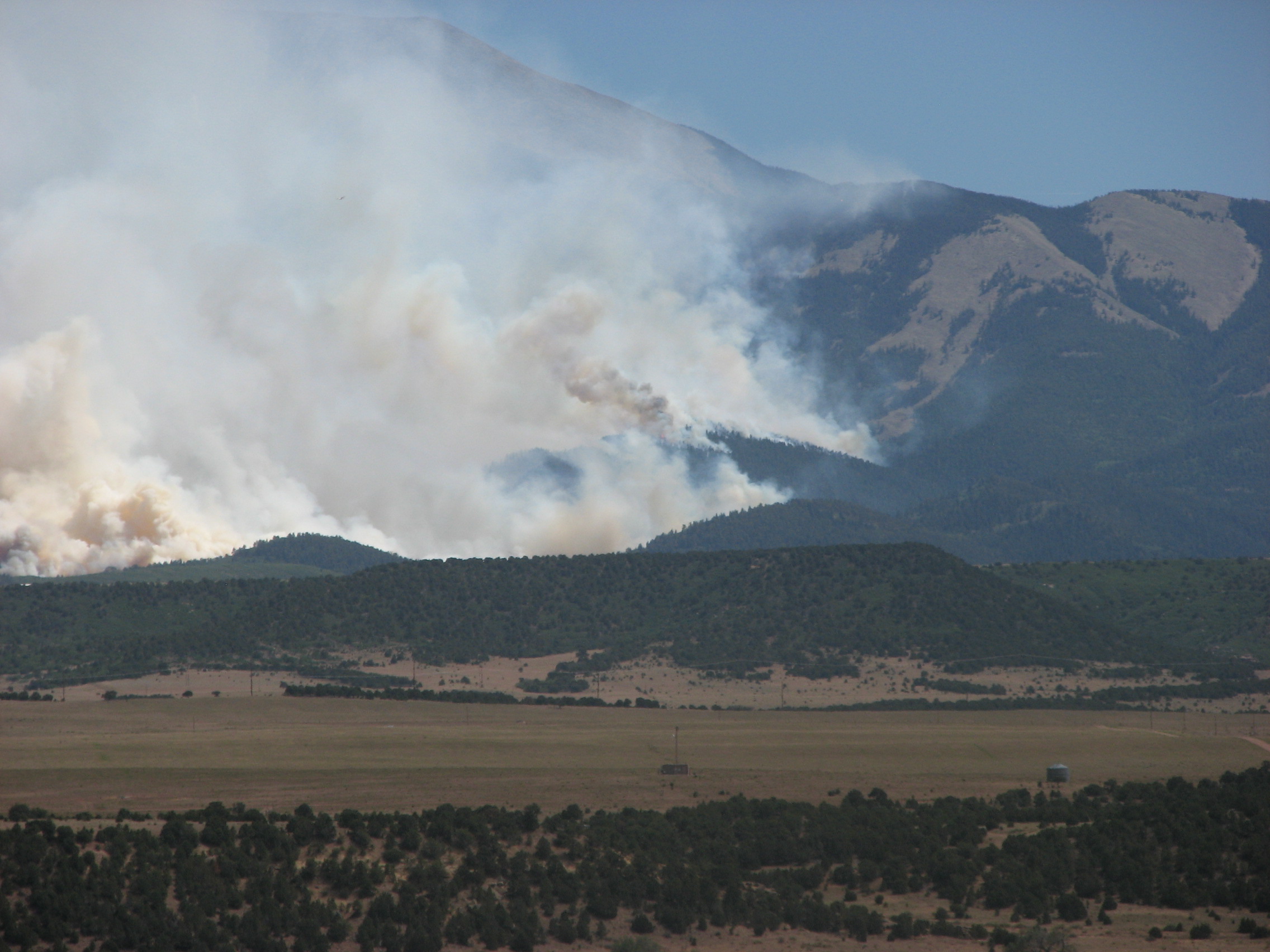
My old home place, my old community in Colorado, is burning. I’m not there. I’m glad I’m not there.
I should be there. I hate myself for not being there.
I’ve written before about blessing the ground between us. Now my mind is filled with the ground I once lived on, and all I can see are the horrifying images of flames, smoke, and the ashy remains of structures and scorched land. I spend hours every day searching the web for updates from local command and incident centers, the local papers, TV and radio and residents who post pictures and videos. I watch interviews with old friends and weep. I see video clips of my town and it’s like a ghost town, the streets empty and everything looking sere and dry because of drought. Towers of smoke loom and the air is an eerie sullen color. This should be the height of the tourist season there, the streets busy, flowers growing, and shade trees green and cool.

Photo by Matt Howard on Unsplash
Now there are tens of thousands of scorched acres between me and my memories of that place. I bless the ground between us. Given time and water, it will renew, but I think water is no longer a certainty and my lifetime will have run its course before the land recovers and the forests regrow. In a strange sort of way, the desolation of all that scorched earth echoes the desolation I feel as I watch nations, communities, and people become more divisive and competitive. It seems we’re getting more and more skilled all the time at scorching the ground between us, soaking it in blood and then sowing it with salt. We do not forgive differences. We carry hatred between peoples from one generation to the next, and many are at work in the world to increase the divisions by fanning the flames with rhetoric and disinformation, and pouring gasoline onto the fire in the form of resentment, ignorance, and fear.
We do not forgive. We are not forgiven.
Never have despair, powerlessness and fear seemed so darkly seductive to me as they do in these times. My experience is only an infinitesimal part of what’s happening now on Planet Earth, and I’m quite sure we have not yet descended as far as we’re going to. At times, it’s only by deliberately stoking my stubbornness and will and refusing to take my gaze away from where my power is that I continue to cling to faith in some kind of a cosmic balance and plan in spite of fear.
I’ve been spending a lot of time recently thinking about my family and dealing with some of the aforementioned unfinished business. I’ve written letters, both to the dead and to the living, some that have been sent and others that never will be. As I make new friends, I listen to what we talk about, watch how we get to know one another and feel the flowing give and take of compassion and support healthy female friendships create.
“I wondered if that was how forgiveness budded; not with the fanfare of epiphany, but with pain gathering its things, packing up, and slipping away unannounced in the middle of the night.”
― Khaled Hosseini, The Kite Runner
Over and over again, in all these places in my life, I stumble upon the theme forgiveness: The power of it; the terrible, helpless pain of feeling unforgiven; the weapon we make of it; the fear we will not be — cannot be — forgiven for whatever our particular stain or shame is. I have lately asked myself and others: Am I unforgivable? Can that be true? Can love be true without forgiveness? How do I continue to demonstrate love and connection in the face of obdurate unforgiveness? When others told me I was unforgivable, did they mean it, or am I still bleeding over something they have, in fact, forgiven?
It struck me this morning, as I lay in bed at 6:00 a.m. with the rattling roar of the window air conditioner in my ears and the damp sheet over my sweaty body, I’ve once again lost my way, been seduced by the false comfort of victimhood. I’ve been lost in the tangled maze of all those messy feelings and forgotten, temporarily, the point is not what anyone else does about forgiveness. The point is, and the power resides in, what I do with it. Furthermore, the biggest question of all is the one I haven’t been asking.
Can I, do I, will I forgive myself?
That’s where my power is.
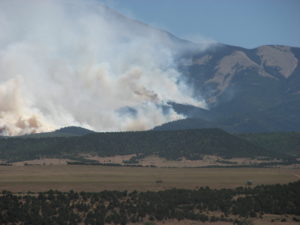
East Peak Fire, Huerfano County, CO 2013
Can I forgive myself for living in this lovely green, lush, landscape where we do still have water? Can I forgive myself for reading the signs of what was to come in the long, unending drought and fires in my old place and leaving before I was forced out by climate change and fire? Can I forgive myself for the mother, daughter and sister I was and am? Can I forgive myself for loving, trusting, hoping, believing, trying, accommodating, pleasing and failing? Can I forgive myself for all the years of neglect, silencing and abuse I colluded with and perpetrated toward myself? Can I forgive myself for now recognizing and responding to my own feelings and needs first? Can I forgive myself for writing or speaking the simple truth?
Forgiveness is a slippery concept, like tolerance. I don’t think of forgiving as forgetting. I’d be foolish to forget what I’ve learned as I interact with others. I’ll cripple myself if I don’t forgive. For me, forgiveness is an integral part of loving. Forgetting is not. Nor do I equate forgiveness with trust. Trust can be lost and rebuilt, but it takes time. Trust depends on forgiveness, but forgiveness doesn’t necessarily include trust.
I’m not at all sure we can create a better world together without forgiveness. I’m quite sure we won’t forgive one another if we’re unable to forgive ourselves. As resources shrink, we’re going to be forced onto a more level playing field in terms of our standard of living. Some of us have a lot more to lose than others. The have-nots are filled with rage. The haves are filled with fear.
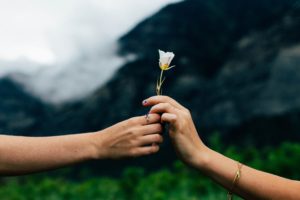
Photo by Evan Kirby on Unsplash
There will be a lot to learn in the years ahead. I might as well start now to work with forgiveness, to befriend it, to embrace it, and to talk about it. Forgiving and letting go are both easier for me to do externally than internally, but internal work is the one place where we all have equal power. That’s where it must begin. We’re going to need our power, and we’re going to need to manage it well in order to survive. When our houses, businesses, cars and stuff disappear in fire, storm and flood, when our arable land becomes too hot to grow food, when no water comes from the tap and when money no longer allows us to pretend it’s not all happening, then we will rediscover what true power is, and then perhaps we can begin to bless the ground between us, forgive what has come before, and find new ways to collaborate and cooperate with the living system we call Earth.
In the meantime, I think I’ll stop begging others for forgiveness and concentrate on the places where I have power. Others may think of me as unforgivable, but I needn’t agree, and no one can prevent me from forgiving another.
“The weak can never forgive. Forgiveness is the attribute of the strong.”
― Mahatma Gandhi, All Men are Brothers: Autobiographical Reflections
My road to self-forgiveness may be long. It’s hard to take back the power of forgiveness, because now I have to be responsible for granting or withholding it. In some ways, it’s easier to beg others for it. If it’s not forthcoming from others, well, it’s not my fault. The path of self-forgiveness, though, is all up to me. It will be interesting to discover what sort of shame, guilt and self-loathing lurk in my internal terrain. It will be interesting to challenge the power of what others think and navigate by my own stars and compass. It will be interesting to put out fires on my side and observe whether others are invested in keeping them smoldering or assist in quenching them so the ground between us can heal.
Here’s a poem by Wendell Berry mapping the journey of self-forgiveness. It’s a good map. I’m taking it with me.
Do Not Be Ashamed
You will be walking some night
in the comfortable dark of your yard
and suddenly a great light will shine
round about you, and behind you
will be a wall you never saw before.
It will be clear to you suddenly
that you were about to escape,
and that you are guilty: you misread
the complex instructions, you are not
a member, you lost your card
or never had one. And you will know
that they have been there all along,
their eyes on your letters and books,
their hands in your pockets,
their ears wired to your bed.
Though you have done nothing shameful,
they will want you to be ashamed.
They will want you to kneel and weep
and say you should have been like them.
And once you say you are ashamed,
reading the page they hold out to you,
then such light as you have made
in your history will leave you.
They will no longer need to pursue you.
You will pursue them, begging forgiveness.
They will not forgive you.
There is no power against them.
It is only candor that is aloof from them,
only an inward clarity, unashamed,
that they cannot reach. Be ready.
When their light has picked you out
and their questions are asked, say to them:
“I am not ashamed.” A sure horizon
will come around you. The heron will begin
his evening flight from the hilltop.

Photo by Yuan Yue on Unsplash
All content on this site ©2018
Jennifer Rose
except where otherwise noted
by Jenny Rose | Jun 28, 2018 | A Flourishing Woman, Body
After years of interest, last autumn I finally found a Tai Chi teacher. I approached learning Tai Chi with hopes and expectations about the benefits it could provide, but I was unprepared for the power of the practice and how important it would become in my life.
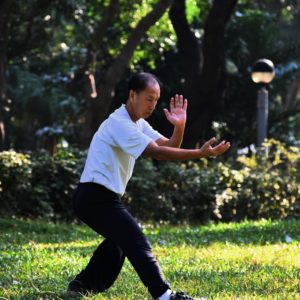
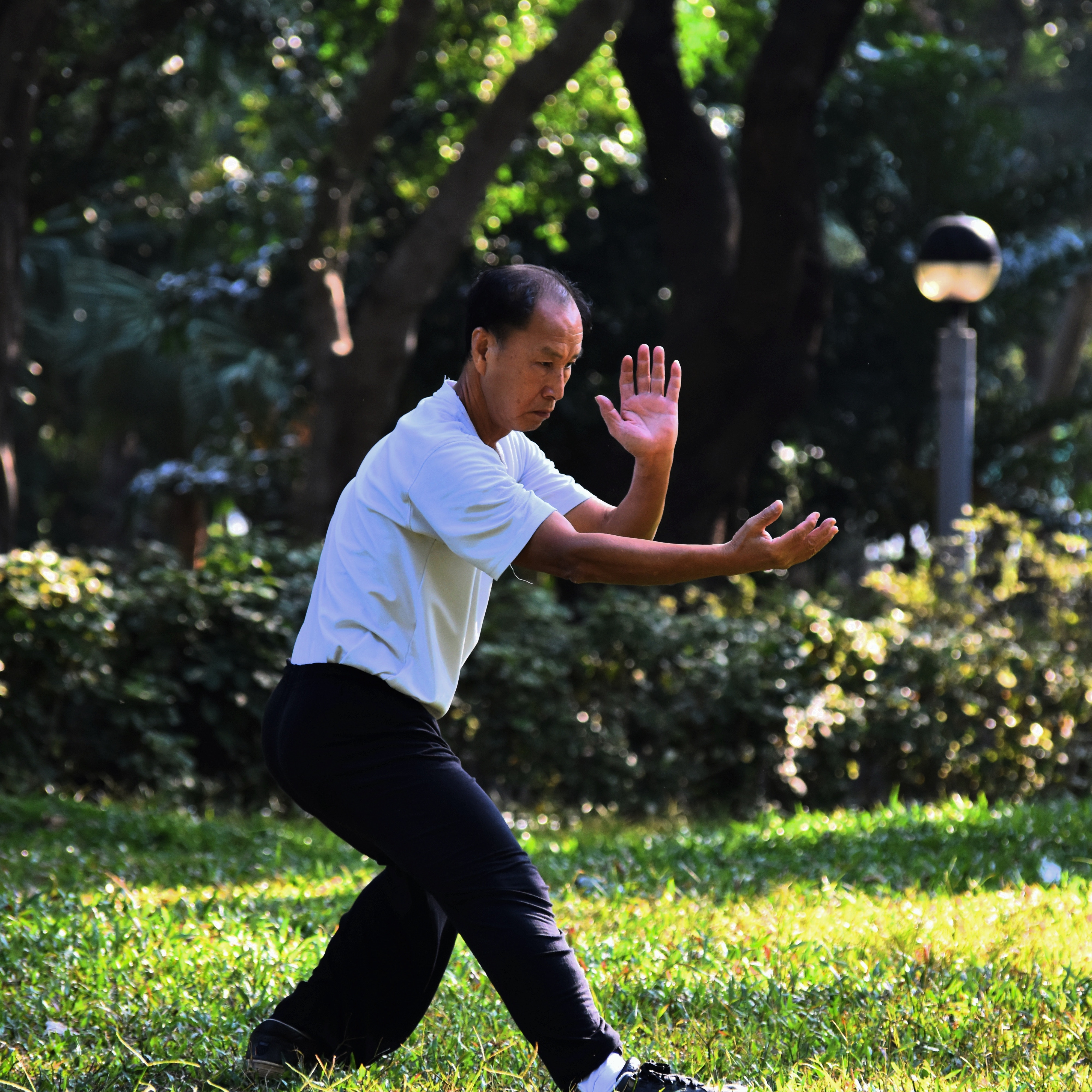
Photo by Mark So on Unsplash
Tai Chi is a form of Chinese martial art intended to teach defense and support health. It’s a multilayered practice, elegantly complex. Learning the gross motor movements is only the first baby step. One layer is connected to and leads to the next. Tai Chi is not a linear activity to learn from beginner to master, but a dynamic, fluid practice best approached with humility every time. It’s constantly challenging in new ways, depending on what my state of mind, body and spirit is on any given day.
The Tai Chi I practice is called 24 forms, all of which gradually blend into one smooth, flowing whole with practice. The forms have delightful, poetic names like The Crane, Windmills and Clouds.
Tai Chi is about finding one’s center, physically and emotionally, and building on the strength and balance residing there. In order to facilitate this, one crouches slightly with bent knees throughout the whole routine. This is obviously quite challenging, and for some people impossible. However, with proper foot position, body dynamics and a crouched stance, we can immediately feel the solid, stable center at the core of every Tai Chi form. Crouching for long periods of time immediately informs us about the strength of our ankles, knees, hips, hamstrings and quadriceps, information we might not otherwise receive as we move upright through the world.
Crouching assists with balance because it lowers the center of gravity. Many people take up Tai Chi to support balance issues, in fact. Several forms require balancing on one foot or another with the supporting knee bent. This, too, can be unexpectedly challenging. Once again, our body has a story to tell we might not otherwise hear as we move normally. I’ve always been aware I have sloppy posture, but I’ve been habitually lazy about doing much about it. Tai Chi demands I stack my bones on top of one another and tuck in my tailbone. If I don’t do that, I can’t balance. I notice I now move through the rest of my life standing tall, with more grace and confidence and better posture. I don’t slump, crowding my lungs and abdominal organs. I don’t tilt or lean. I know where my pelvis is and I stay over it. My back is happier. I feel better.
Every movement counts in this practice. Each foot is placed just so in order to support a fully centered crouched stance. Shoulders, wrists and elbows stay in line with several of the forms, which necessitates holding arms straight out from the shoulder. My arms ached for months as I built strength, and I’m a strong swimmer who works out in the pool once a week. One form requires placing toes down and heel up, and another the heel down. At times we turn on our heel, and at other times our toe. In one form we turn one foot on the heel and the other on the toe at the same time. Everything about Tai Chi leads me inward on a spiraling journey of deeper focus and mindfulness.

Photo by Ludde Lorentz on Unsplash
It’s amazing to practice over time and begin to feel the forms smoothing out into a cohesive routine with some kind of elegance and grace. Such fun and so rewarding. Then, however, the instructor started to talk to us about our eyes. It turns out every form requires a very specific eye gaze, often on our hand movements. I was doing well with balance, but when I took my gaze off the middle distance and looked at my hand in front of my face, I lost my balance. This was advanced balance. I added in the appropriate eye gaze and started all over again with balance.
Then, the teacher began to talk about breathing. Crap. I hadn’t even thought about my breathing! Breathing is connected to energy, and Tai Chi was originally a practice for working with energy as well as defense. All the forms have to do with pushing, pulling, deflecting or defending. Now that we had some mastery of the physical challenges, we began to work on feeling our field of energy and moving it with our bodies and breath. A push is an exhalation. A pull is an inhalation.
Breathing then leads to pace and rhythm. We practice Tai Chi to meditation music — very slow. Balancing on one leg is not so hard when you do it for two or three seconds. Balancing for sustained periods of time, especially with a bent knee, requires a lot more strength and, well, balance! Every movement takes far more concentration when slowed down. This is one of the few activities I’ve ever done where the goal is to slow down. We seem to be running faster all the time, overstimulated, overscheduled, multitasking, trying to earn more money, perpetually on call via technology. We’re all in pursuit of … something. What? Does anyone ever find it? Is it worth the cost of the chase?
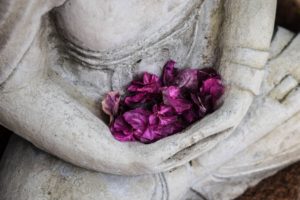
Photo by Chris Ensey on Unsplash
Tai Chi demands we slow down. In that slowness we discover our fatigue, our aches and pains, our half-healed injuries, our distractions and our distress and unmanaged feelings. We remember our center. We recover our balance. We make time to breathe.
Some people call Tai Chi a moving meditation, and I now understand why. When I’m practicing Tai Chi, I’m not doing anything else. When I’m walking or swimming my mind goes right on with whatever it’s busy with. Those activities are good for creative inspiration, prayer and processing feelings. Tai Chi, though, takes me to a deep, restful, quiet place of no thought, focus and present mindfulness, so rich and so empty. It opens the door for awareness, too, of the degree to which I’m captive to distraction. The instant I’m distracted by a sound or a stray thought, I lose my balance and center, I lose my breath, I lose the flow and I don’t know where I am in the forms. I think of myself as fairly focused, but I’m just as susceptible to distraction as anyone else, and I don’t want my life to become an uncontrolled blur of noise and stimulation in which I forget there’s anything but distraction. Tai Chi brings a precious and necessary balance into my days.
All these layers have brought health and healing into my life, but the greatest grace Tai Chi brings me is the opportunity to be in the body. I’m saddened by the ever-more strident body politics in our culture. I don’t remember a time in my life when it seemed so many people were locked in self-hatred and hatred of others based on some kind of physical characteristic. It reflects in our suicide and addiction rates, and it touches each one of us. We no longer honor the sacred feminine and masculine, we have few invitations to fully inhabit ourselves physically, and no one encourages us to honor and respect our physical form as it is.
Just like dance, Tai Chi calls us home to ourselves. My home is not nipped, tucked, plucked, lipo-suctioned, dyed, shaved, made-up, compressed, surgically reconstructed or uplifted. My home is my oldest friend, my most loyal companion, the loyal record keeper and diary of childbirth, breast-feeding, menopause, a lifetime of Colorado sun, slipped kitchen knives and barbed wire fence. My home is lines and wrinkles, lumpy thighs, softened breasts, grey hairs and thinning skin. This amazing, adaptable, resilient, hard-working body is the shelter and haven for my spirit.
I often move a chair aside, open the windows, take up the sheepskin rugs lying on the wide plank floor in my attic space, shut the door at the bottom of the stairs, turn on music and take off my clothes to practice Tai Chi. I like to look down at my bare toes and toe ring on the sloping grey-painted floorboards. I like to glance at my strong knees and make sure they’re in line with my heavy ankles. I like the gentle slope of my belly, cross-hatched with silver stretch marks, under which two children grew into life. I like to stack my bones carefully, tuck in my tailbone and feel the subtle realignment that opens up my center and my balance. I like the clench, pull, stretch and relaxation of my muscles. I like the combination of strength and loosening skin and flesh as I move my arms. I’m grateful for the ability to breath deeply, and the ability to sweat. I relish the air coming in the windows and touching my bared breasts.
We started with a large Tai Chi class, and over the weeks and months people dropped out, one by one. I suppose for some it wasn’t a good fit. For others it wasn’t a priority. Still others were discouraged by their physical limitations, in spite of the fact that the instructor was and is eager to modify the practice to accommodate anyone. One lady had trouble with balance but was unwilling to stand next to a chair for safety and support. Others were ashamed of their weight, their muscle weakness and/or learning a new thing in public. It made me sad. I think many would have benefitted if they could have moved past their shame and self-consciousness, and if they’d been willing to work with their physical reality instead of resenting and arguing with it.
Our Tai Chi group is small now, but we’re good friends. We laugh a lot. We learn from one another. We greet and part with hugs and affection. We enjoy the music; share our distractions, worries, aches and pains and support one another in centering, grounding, calming and mindfulness.
I’m entirely grateful.
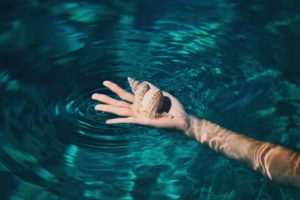
Photo by Biel Morro on Unsplash
All content on this site ©2018
Jennifer Rose
except where otherwise noted
by Jenny Rose | Jun 21, 2018 | Emotional Intelligence, Feelings, Love
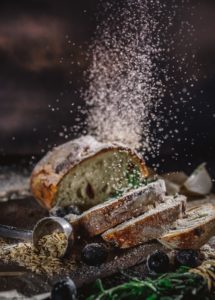
Photo by Helena Yankovska on Unsplash
In the farmer’s market on Saturday morning, we stood in line to buy bread. We did not stand in line to buy a peach raspberry pie and bread, but that’s another story (with a happy ending. The pie was worth it.) Next to the baker’s display was a booth set up by a local businesswoman who specializes in unique homemade dog treats. As my mother is owned by a dear border collie and I’m always on the lookout for something they might like, I idly checked out the booth while my partner waited in line (to buy bread, not pie.)
I found rows of attractively-packaged, carefully labeled, very expensive bags of dog goodies, most of which were vegetable-based and proudly labeled as containing “no animal biproducts.”
Sometimes I feel pretty despairing about the world. I’m sure this businesswoman is a well-meaning and hard-working person trying to earn a living in central Maine who cares about dogs. However, it would be good to avoid spelling errors on her labels and dogs are not vegetarians or vegans.
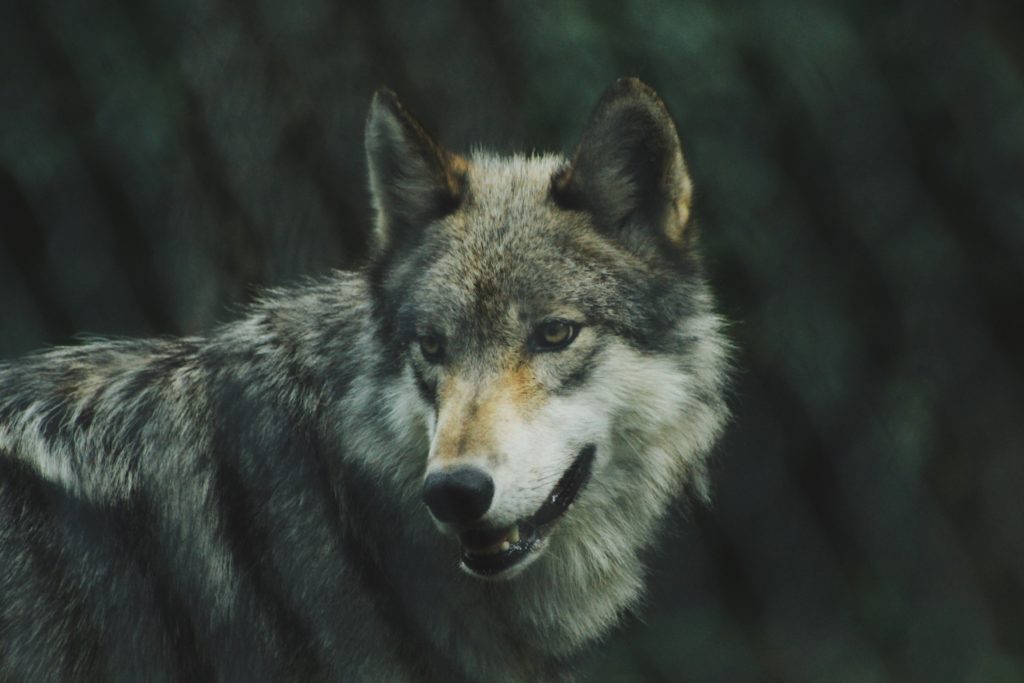
There is, in fact, debate among veterinarians and scientists about whether dogs are omnivores or carnivores, but recent research based on physiology suggests dogs are indeed carnivores. Many wild canines are apex predators. Many perform the vital function of carrion eaters and scavengers. Dogs are not vegetarians.
There are a lot of dark monsters walking the streets right now. Rampant narcissists, greedy capitalists and fanatical ideologists are slowly consuming the world. There’s another ogre abroad, though, one bathed in blue light and wearing angel wings, and that is our willful ignorance and denial of the physical and biological realities we live and die with, our inability to work elegantly with complexity and shades of grey and the cult we’ve made out of love and peace.

Photo by Michael LaRosa on Unsplash
One of my favorite writers on Medium, Kay Bolden, recently wrote a piece entitled Love is a Warrior, Not a Saint. She is absolutely correct. Love is not a saint. Love sees things clearly. Restricting our dogs to a vegetarian diet is not love. It’s animal abuse. If we love our dogs, we appreciate them for the magnificent companions and colleagues they are, and dogs are not vegetarians. If we love our dogs, we give them a nice raw, bloody, meaty bone now and then and we do not force them to struggle on a grain or vegetable-based diet and handfuls of supplements in order to address their nutritional needs. Wild canines form packs and hunt. They kill birds, rodents, rabbits and even larger animals, tear them apart with their teeth and eat them raw. That’s what a dog’s ancestry is. Refusing to accept that is not love.
Dogs have evolved with humans for thousands of years and have adapted to scavenge and forage amongst people. Most dog owners know that their pets will, if able, routinely eat all kinds of rubbish and frequently suffer digestive consequences. If humans are wiped out overnight in some kind of a plague, our dogs will consume our dead bodies, form packs, and begin hunting.
I despise what human beings have done to animals. Animal testing, the terrible practices of factory farming, our idiotic greed for things like rhino and elephant horns and furs, and our irresponsibility, cruelty, stupidity and malice have done no end of harm to the entire animal kingdom. We seem bent on destroying every habitat on the planet (often so people can feel self-righteous about how peaceful and loving they are as vegans and vegetarians, never mind that Big Ag wipes out hundreds of thousands of organisms and poisons the soil in every field it monocrops, not part of the natural process of life and death) as quickly as possible, leaving nothing but sterile wastes behind us. We do this. People. Homo Sapiens.
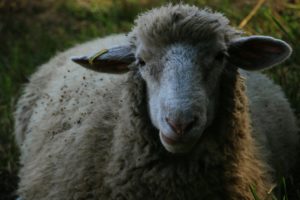
Photo by Jamie Morris on Unsplash
Bleating about love and peace and refusing to recognize carnivores, herbivores, the extraordinary complex system of Planet Earth and the necessity and function of all parts of it is just as bad as clearcutting the rainforest. Mother Nature is about prey and predator. When it’s healthy, the natural system is a complicated, dynamic dance of life and death involving countless organisms. Carnivores hunting and eating meat is not an act of violence or hate. Predators hunting prey is the natural order of things. Life on earth depends on it.
Somewhere along the way we seem to have lost our innate wisdom and connection to life. The modern age is all about arrested development. We’re like small children in sunny nurseries having a tea party with our stuffed animals and dolls. We’ve distorted love and peace into something prim and sweet, entirely artificial and entirely one-dimensional. Peace and violence are mutually exclusive. Love is entirely peaceful. Death is entirely hateful and violent. Love and peace are pretty. Love and peace are nice. They’re tolerant. They contain no animal “biproducts.”

Photo by David Hofmann on Unsplash
What dangerous, infantile lies. Love is the face of the Divine, and the face of the Divine looks upon fire and flood, thunder and lightning, sand and ice and sea. The face of the Divine looks upon the musky violence of reproduction, the grinding bones and tearing tissue of birth, the vast cycles of predators and prey that encompass each layer of life from the smallest microbes to the largest animals. The face of the Divine orchestrates the checks and balances ensuring population control, which is often driven by disease, famine and drought. The Divine dances a passionate, sensual, joyful dance, knee-deep in blood, semen, bone, flesh, fat, hair, scales, feathers, rot, vomit and excrement.

Photo by Hermes Rivera on Unsplash
In the midst of this beautiful, intricate world it’s we alone who have the fantastic hubris to refuse to participate. It’s we who deny the very ground of our being, the substance and structure of flesh and bone and biology. We rant about inclusivity and equality while we steadily eradicate life on earth, self-destruct, and allow ourselves to be divided from one another, never pausing long enough in our fatal greed and grotesque need to win and be right to understand life and death already are inclusive and equal. We all must eat and drink, successfully procreate if our genetic material is to survive, and die. We’re all part of the magnificent turning wheel of life, whether we like it or admit it or not. We’ve allowed our contemptible ideologies, our fears, our ignorance and our absurd desire for the higher moral ground to weaken us and we’ve become the most dangerous form of life on the planet, not only to ourselves but to every living thing around us. Then we project our madness onto the animals who depend upon us, reward the criminals who market vegetarian dog food and call that love. We call that being peaceful.
No. That’s not my love. My love and compassion are bigger and wider than that. I love the glorious cycle of life and death, even if it means I dip my hands in blood and endure the stench of decaying flesh. I muster the humility to learn about interconnectedness and how to participate elegantly in life and death. I love myself and others for what genetics, evolution and biology make us. I work for peace. I can wield the tool of violence if necessary. I respect and welcome death, recognizing it as a sacred consort to life.
I will give a dog a bone.
Photo by Kevin Quezada on Unsplash
All content on this site ©2018
Jennifer Rose
except where otherwise noted
by Jenny Rose | Jun 14, 2018 | Connection & Community, Emotional Intelligence

Photo by James Coleman on Unsplash
Saturday night I attended a monthly open mic event called The Coffeehouse. It took place in the basement of a local church, which is also where our Tai Chi group meets. People came from far and wide to participate. I was there to tell stories for the first time since I came to Maine.
My partner came with me, and I knew two other people there from Tai Chi. Otherwise, everyone was a stranger. I sat quietly in a corner and watched the place gradually fill up. I could see many of these folks were old friends. In fact, during the course of the evening I learned that The Coffeehouse has been happening for more than 20 years in that very basement, hosted by the same man since the beginning. I heard stories, both on mic and off, of cancer, divorces, moves, jobs, remarriage and grandchildren.
Cases were opened and out came guitars of every description. Musicians sat together, teaching one another chords and fingering, and playing together. Ragged sheet music, song lyrics and notes lay on every table. In front of the mic, I heard about being a cafe musician, playing music for weddings, and stories from a couple who composes, writes and performs music together, splitting their time between Arizona and Maine.
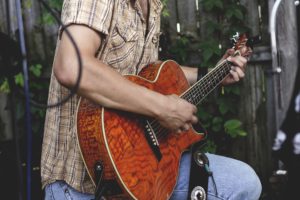
Photo by Brandon Wilson on Unsplash
One man stood up and read a short story he’d written. Another gave a hilarious rendition of a Shel Silverstein poem I used to read aloud myself as an elementary school librarian. Yet another read one of his own poems in between playing his guitar. A woman performed on her autoharp.
Many of the performers expressed nervousness, but each was volubly supported by the audience. Jokes were cracked, stories exchanged. Everyone was applauded warmly, including me.
When it was my turn, I stood before them, my heart throbbing uncomfortably in my chest, looking out at a roomful of faces I’d never seen before. I introduced myself briefly and told a short peace tale from China, followed by a longer story from Jane Yolen. The audience was generous, attentive. The poignant memory of other, more familiar audiences in my old place caught at my throat. As I wove the stories, I looked from face to face, speaking directly to each one as though we were alone. Their expressions softened as they entered into the stories with me, seeing what I was seeing and feeling what I was feeling. I know my own face wore exactly that expression as I listened to their music and songs.
Each performer took his or her fifteen minutes or so to share their art. It was a long night. In fact, it started about the same time I like to be heading for bed. Yet that evening fed something in me that’s been starving for three years. I had a strange sense of coming home, of belonging and kinship.

Photo by Andrew Loke on Unsplash
My partner and I talk a lot about community, how essential it is, how to create it, how to join it and how to support it. I believe, as humans, we must find some kind of community to meet our connection needs if we want to live well. We’re social animals, and I think we’re beginning to see the high cost of isolation and disconnection play out in suicide rates, violence and addiction.
The Coffeehouse clarified for me an aspect of community I haven’t really discerned before. Right now, the world is chaotic and increasingly complex. We’re faced with serious issues and changes we’re ill-equipped to deal with. I’ve been thinking about the local food movement, grassroots politics, permaculture, and alternative energy and housing through the lens of community. All of those issues are vitally important, and becoming more so by the day, but I’ve been skipping over the most important thing community can give us, the aspect that must be present, supported and nurtured before any kind of problem solving or effective organization can happen.
The Coffeehouse is, essentially, an adult playgroup. I heard nothing about diet, gun control, immigration, politics or climate change. I heard nothing about social justice or gender politics. We all shared the same bathroom, the same coffee and snacks. We all put a voluntary donation in the basket. Instruments were shared. We shared time, microphones, personal stories and creativity. There was no talk of cultural appropriation.
We laughed together.
We played together.
We were kind and generous with each other.
We took turns.
As I sat there watching it unfold, it occurred to me to wonder how we’re ever going to manage to address all the pressing problems in the world today if we can’t come together as human beings and play with one another first. How do we find our way to collaboration and cooperation unless we build trust and respect and are able to just have fun together? The Coffeehouse showed me humans at their best. Heck, I was at my best. In such a warm and supportive atmosphere, my social anxiety was not disabling. People talked to me, welcomed me, expressed appreciation for the stories and received my appreciation for their contribution in return. I recognized several who performed were more nervous than I was. None of us were hiding behind technological screens. There was no escaping a forgotten lyric, the wrong chord or symptoms of performance anxiety. One of the musicians talked ruefully about a new tremor in his hands that impeded his playing. We could all see it. He played anyway.
In the days since The Coffeehouse, I know I’ve found something I’ve been looking for since I came to Maine. I thought I just wanted a place to share stories again, and I do, but this gathering is about something much bigger than that. This is about mutual authenticity, creativity, contribution and play. It’s about friends. It’s about celebration and connection in the midst of a dark and stormy time.
I can hardly wait for the next one.

Photo by rawpixel.com on Unsplash
All content on this site ©2018
Jennifer Rose
except where otherwise noted