by Jenny Rose | Apr 19, 2018 | Aging, Connection & Community, Emotional Intelligence
It’s strange to be aging, isn’t it? It doesn’t matter if you’re in your 20s or 60s, getting older is a remarkable experience. As I move through my 50s, I see more and more of my life when I look over my shoulder and I no longer have the feeling of limitless horizons in front of me. Whatever is ahead, it’s not limitless.
I have a friend who looks at a tape measure and finds the number of inches corresponding to his age. He takes in the distance between the end of the tape and his place at 70 something. Then he puts his finger at another 10 years, another 15 years. The visual on this exercise is startling. What happened to all those years of our life, and when did we move so close to our last day?
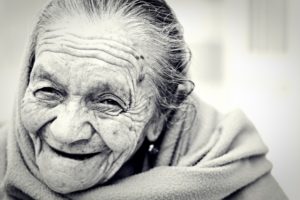
Photo by Cristian Newman on Unsplash
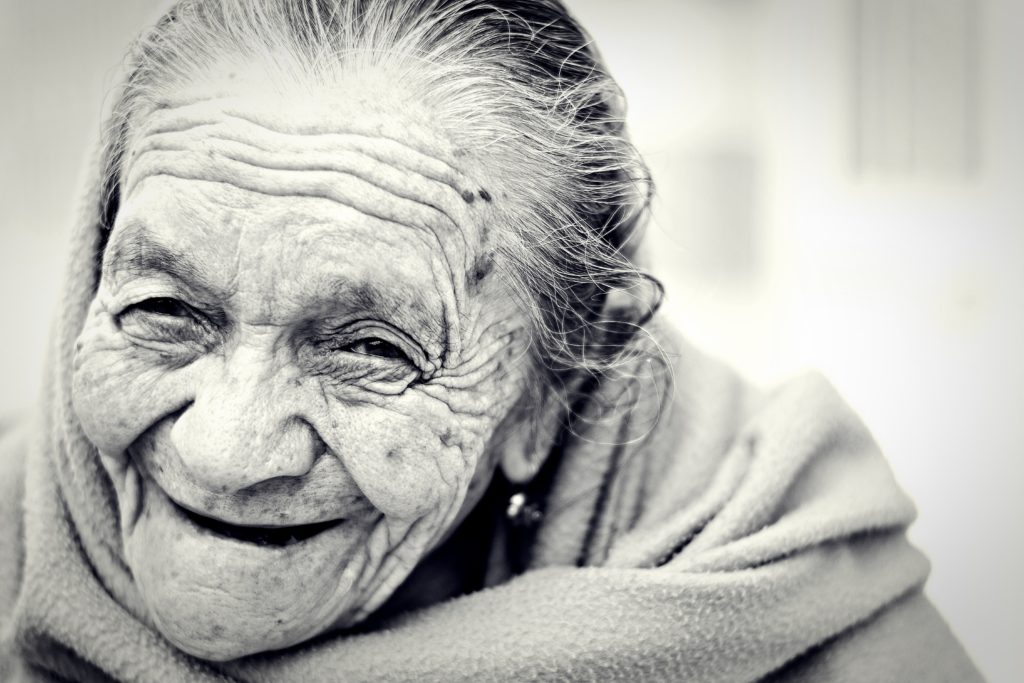
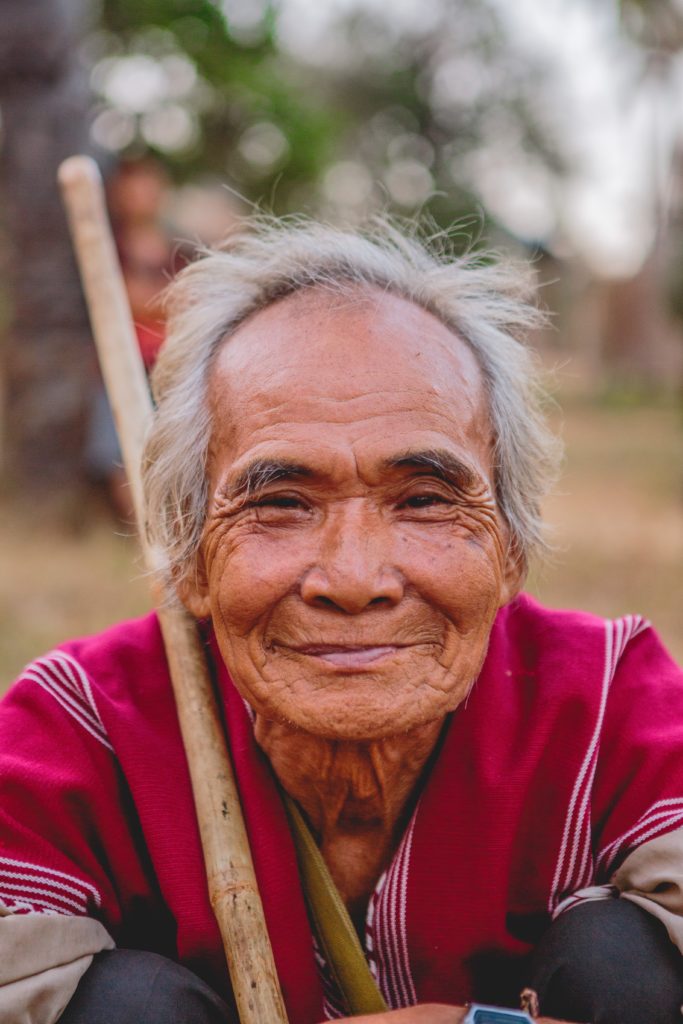
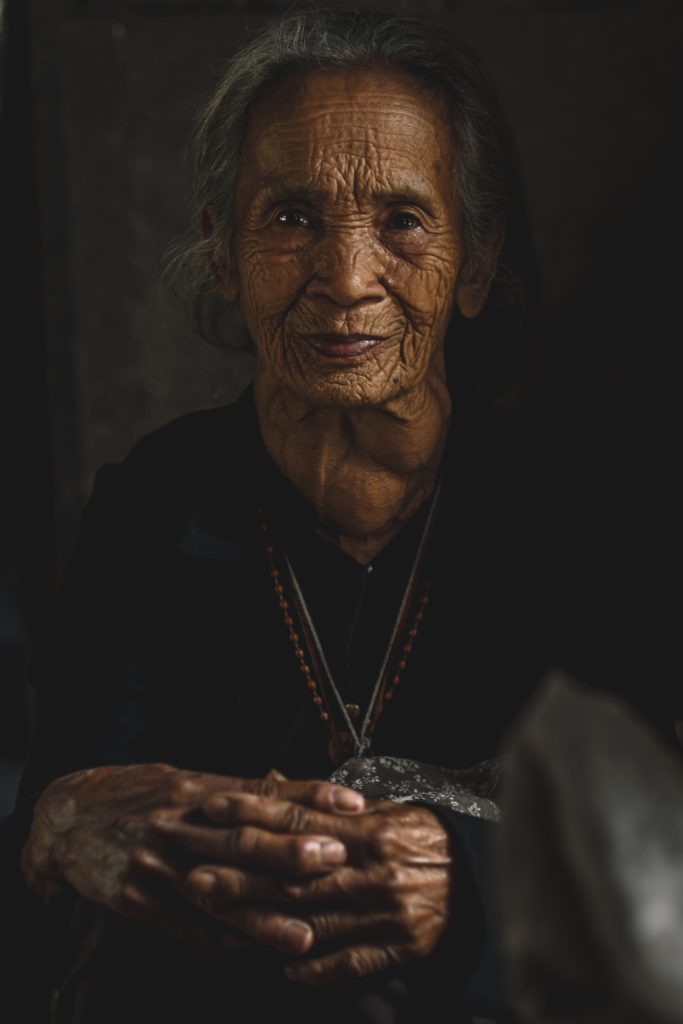
For at least a decade now I’ve been watching my elders and trying to figure out how to age gracefully. Every now and then I meet a remarkable elder. They have a twinkle in their eye, they laugh a lot, they’re curious and interested and they’re wonderfully authentic. I want to grow up to be just like that.
I’m convinced the great keys to aging gracefully are staying in intimate connection with ourselves every single day, no matter how old we are, and embracing change like a lover. Without consent and resilience, aging becomes a bitter battle to the end.
So many of us, as we age, live increasingly in the past. It’s understandable. We’ve been, done and seen a lot. The problem is as the years roll over us we don’t update our software. We hang on to what we were, what our bodies could do, how it all was during a time we remember as the best time (or at least a better time than now). We continue to define ourselves by outdated habits and routines. I’m not sure if this is a function of nostalgia or weariness or just plain laziness, but somewhere along the way we cross some invisible finish line, stop paying attention to embracing how things are right now and start waiting to die.
As our software gets more and more out of date, incompatibilities arise between how we show up in the world and our stories and memories. We lose credibility and effectiveness.
It seems to me the day we stop being curious about what we might learn, do or be next is the day our lives really end. People who age gracefully still have plans. They still dream. Their thinking remains flexible, even if their bodies don’t. They find some magical balance between letting go and moving forward. Change becomes a beloved friend rather than a feared enemy.
It’s not hard to see this in small external ways. We hang on to clothing, for example, that no longer fits, or was fashionable for a fleeting moment fifteen years ago. We hang on to books or movies or music we once loved and couldn’t do without, but now have outgrown. I don’t suggest there’s anything wrong with such nostalgia, but I do think all that stuff can pile up around us and block a clear view of what is now, or what might be ahead. Too often, the externals mirror our internal habits.
I notice many people my age still describe themselves by a job or position they no longer have. Some folks seem almost apologetic about being retired, as though they’ve lost personhood in the world, have become nobody. Others tell you all about some beloved skill or activity, how they practiced it, the ways it enhanced their life, their mastery, but never mention it was all long ago and right now, today, that activity is no longer part of their lives. Their lives have changed, but they haven’t updated their sense of identity. They’re stuck in their past and missing their present. They dangle in the empty gap between who they were and the stranger they are now.
I think some people feel angry about aging. We want our bodies to look, feel and perform the way they used to. We refuse to adjust to our present physical realities because they don’t match what we used to be able to do. We’re ashamed of our changing bodies rather than comfortable in them. We fear the changes the years bring and try to hide them or resist them.
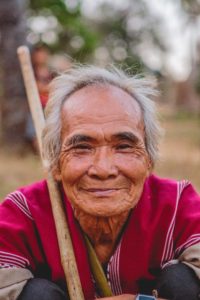
Photo by Capturing the human heart. on Unsplash
Then there are people, amazing people, who know the trick of beginning over and over again throughout their lives. They spend their professional years as a lawyer and then retire and become an artist. A woman marries, works, raises a family and then, divorced and in her 60s, begins traveling all over the world. People in their 50s and 60s go back to school and acquire a new skill or a degree. They live in the day they’re in, in right now, and they’re focused on the present and future rather than the past. They accommodate their physical needs, feel at home in their skin and are constantly updating their identity, intentions, connections and contributions.
Defining ourselves by our pasts is a sad business. I know aging can feel limiting, but I think the real limiting factor in aging is refusing to participate in it! Defining ourselves by what we can’t do, don’t do or once did (but no longer) is a terrible way to live at any age, but in old age it becomes a pernicious habit indeed. After all, anyone may have physical limitations at any age. Those limitations needn’t define us unless we invite them to.
Considering what is possible, what we can do, what we’d like to do and what we’ve always wanted to do — now, there’s a set of questions for living a full, rich life, today and tomorrow. An elder who draws wisdom from years of experience and has a well-exercised sense of humor, curiosity and the ability to learn is indomitable, irrepressible and irresistible.
Life brings many things, including devastating loss, injury and illness. Every day we live we’re aging, and every day is a new gift we might choose to receive, or we might turn away and look only at the old gifts, the old days, all that came before when we were younger, better looking, stronger, more hopeful, more innocent.
I know what’s behind me. Some of it was grand and some very painful indeed, but it’s all over, good and bad. Many of the clothes I wore, the thoughts and beliefs I held firmly onto, the meaningful routines and rituals in my life, are like so many dropped leaves, fluttering in the wind of my passing. I have no idea how much time I have left or what’s in front of me, but there’s so much I still want to do! Still, I cling to the past in some ways. I tell myself such-and-such (a lovely, longed-for thing) will never happen again. I say I can’t do XYZ instead of I’ve never done it before and will you teach me how? I feel frustrated and old when I wrestle with a 40-lb bag of bird seed and my back hurts for three days. I can be just as lazy, sulky, resistant and weary as anyone else.
Yet I’m convinced enormous grace lies in aging, if we can find it. I believe aging is full of invisible gifts, insight and strength. I want that grace. I don’t want to miss the last part of my life because I’m refusing to be present with it. I want to take the time to close all my programs and apps and let my psyche and body update and reboot regularly.
Aging with grace is a work in progress. Some days are more graceful than others.
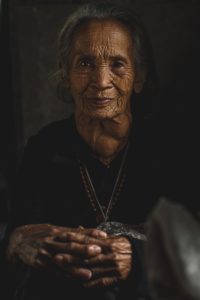
Photo by ivan Torres on Unsplash
All content on this site ©2018
Jennifer Rose
except where otherwise noted
by Jenny Rose | Mar 15, 2018 | Power

Photo by Vladislav M on Unsplash
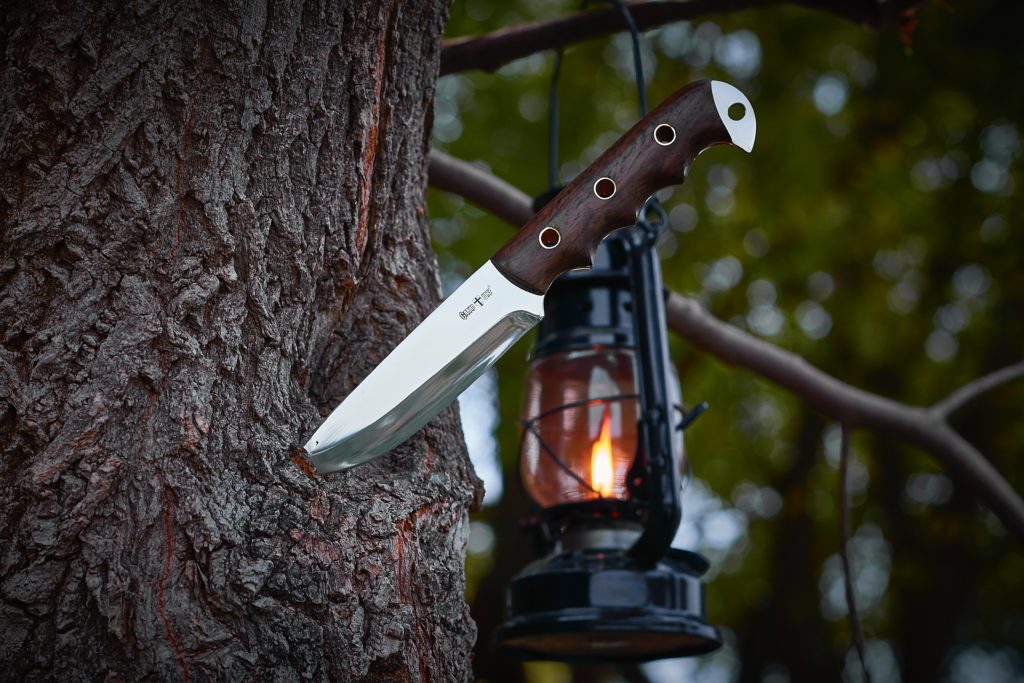
I’ve always been fascinated by the psychology of survival. I observe that we as a culture are obsessed with heroes and rebels and the endless struggle between archetypal good and evil. Survival kits are becoming a thing in marketing. Preppers write blogs and have TV shows.
Interestingly, our social and cultural world actively inhibits our ability to survive in all kinds of ways. Public school education might be said to be a long indoctrination in anti-survival. We spend hours with our mouths open in front of screens in dark rooms, enchanted by movies and games. Congregations of fans share reverence for comic book characters and the happenings in galaxies far, far away. We debate, criticize and celebrate the way these carefully constructed heroes dress, speak, look, act and collaborate with special effects. We have high expectations of our heroes. We imbue them with nostalgia. We expect our heroes to be just, compassionate, intelligent, interesting, attractive, moral, humorous, strong and poised.
Meanwhile, dangerous events take place in our families; in our workplaces, subways, airports and schools; in our world.
We wait for someone to neutralize the danger, clean it all up, drain the swamp, and make it all fair. We wait for rescue. We turn a blind eye. We do whatever it takes to distract ourselves from uncertainty, fear and our own powerlessness. We watch the beast lumber toward us and deny its presence, deny its existence until we find ourselves in its belly, and then we still refuse to believe.
I’ve been reading author Laurence Gonzales. He’s written several books (see my Bookshelves page). We have Deep Survival and Everyday Survival in our personal collection. Gonzales has made the subject of survival his life’s work. He’s traveled extensively, synthesized studies and research and spent hundreds of hours interviewing people involved with all kinds of catastrophes, both natural and man-made. His books are thoughtful, well-written, extraordinarily well researched and utterly absorbing.
Gonzales uncovers the astounding complexity of human psychology and physiology as he explores why we survive, and why we don’t. He’s discovered some profound and surprising truths.
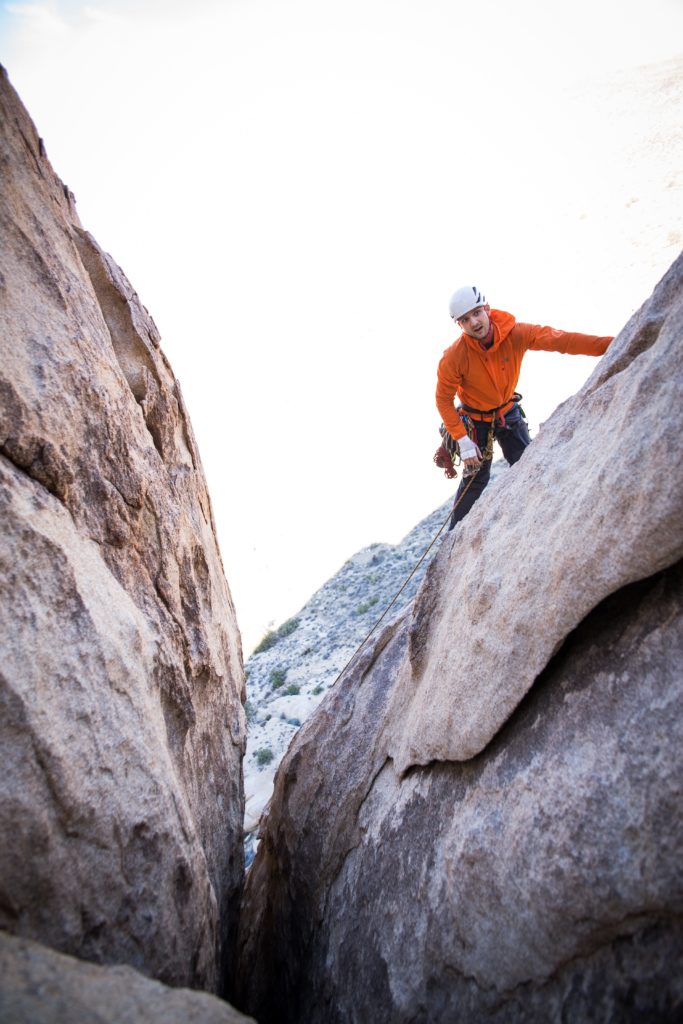
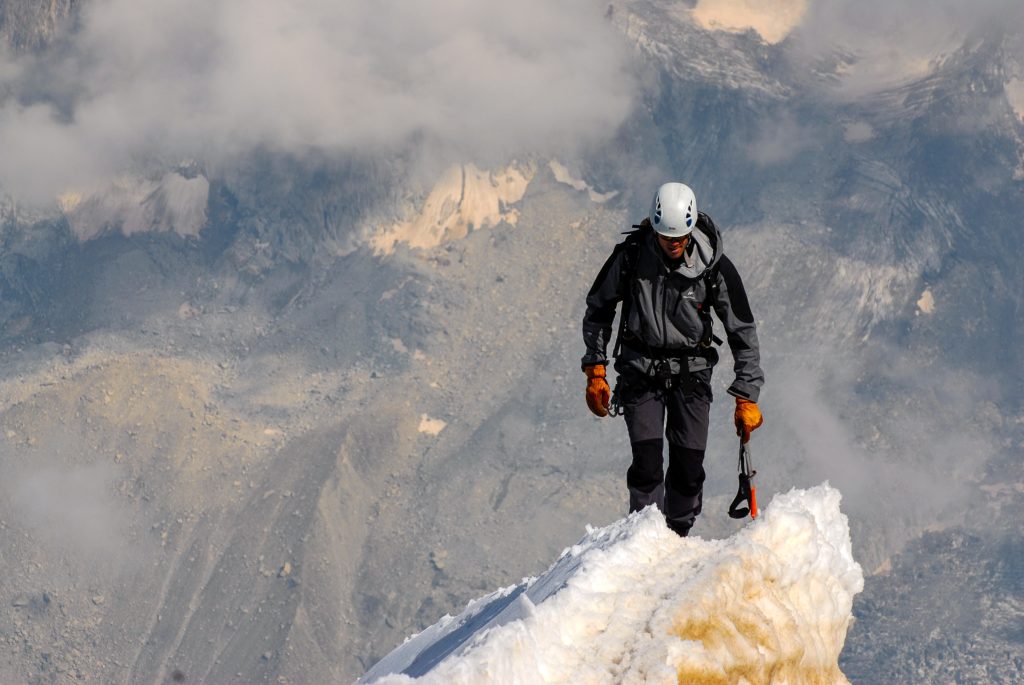
The best trained, most experienced, best equipped people frequently do not survive things like avalanches, climbing accidents, accidents at sea and being lost in the wilderness. Sometimes the youngest, weakest female has been the sole survivor in scenarios like this. It turns out some of the most important keys to survival appear to be intrinsic to our personalities and functioning, not extrinsic.
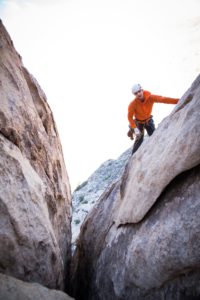
Photo by Tommy Lisbin on Unsplash
Gonzales does not suggest, and nor do I, that training, equipment and experience don’t count, just that they’re not a guarantee. In some cases, our experience and training work against us in a survival situation, because we assume a predictable and familiar outcome in whatever our activity is. We’ve made the climb, hike, journey before, and we did just fine. We’ve mastered the terrain and the necessary skills.
Mt. Saint Helen’s had never erupted before. Therefore, all those people who stood on its flanks and watched in wonder failed to grasp that something new and unprecedented was happening. Their inability to respond appropriately to a rapidly changing context killed them. The same thing happens during tsunamis. People are awed and transfixed. They have no direct experience of a tsunami bearing down on them as the water rolls back to expose the sea bed. They don’t react in time.
There’s a model called the OODA loop. The acronym stands for Observe, Orient, Decide, Act. Our ability to move quickly through the OODA loop is directly linked to our ability to survive.
Observation, the ability to be here now, the ability to recognize what is, is something everybody can practice all the time. No special equipment or training needed. What is needed, though, is the emotional and cognitive willingness (consent, if you will) to set aside our distractions, addictions, rigid preconceptions and expectations (often invisible to us, making them even more deadly) and dependence on stimulation. It also requires a mind set of self-responsibility. It turns out movie theatres, schools, concert venues and many other places are not safe. We can debate, deny and argue; protest and rally; scapegoat and write new laws. We are and we will. In the meantime, the reality is we are increasingly unsafe in many public places, and no one has the power to wave a wand and take care of that for us.
It’s up to us to take care of ourselves. That starts with observation.
In my post on self-defense I mentioned situational awareness. Our instructor emphasized that skill as being more important than any other move or weapon. If we see or sense something dangerous in our vicinity, it’s up to us to orient and move to a safer location.
That brings up another very important survival skill: instinct. At this point science cannot measure instinct, but Gonzales’s instinct about getting on a certain plane saved his life once, and many of us have similar stories. As far as I’m concerned, instinct is part of observation. What do we observe? How do we feel about what we observe?
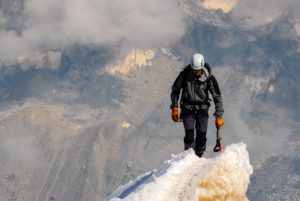
Photo by Wynand van Poortvliet on Unsplash
Our instinct is blunted in all kinds of ways. It’s mixed up with political correctness, including racial profiling. Few of us want to demonstrate discomfort around others for any reason these days. I invariably feel guilty when I react to someone negatively, even if my reaction is entirely private. It’s bad and wrong to judge, to cross the street to avoid somebody. It’s ugly and hateful.
Additionally, I’m a woman and I’m highly sensitive, which makes me particularly attuned to body language, voice inflection and all the clanging (to me) subtext of communication beneath whatever words are spoken. I can’t prove my intuition. I can’t demonstrate it logically. I have no wish to diminish or disempower others. I’m not a bigot. All people have energy and sometimes it’s foul. I reserve the right to move away from it. If that makes me hateful, woo, dramatic or hysterical, so be it. I’m accomplished in the art of noncompliance, but many are not.
If we only see what we expect to see, we aren’t observing. If we fail to see what we’re looking at, we’re not observing. If we can’t take in the whole picture, we’re not observing. If we look for something instead of at everything, we’re not observing. We’ve already broken the OODA loop.
Observing and orienting mean coming to terms with what we see. The plane is down. Our ankle is broken. We’re lost in a whiteout blizzard off the trail. We can’t decide how we’re going to survive if we’re unable to accept and orient to what is.
As a young woman, I did fire and rescue work. I was an IV-certified EMT, and I learned in those days that panic, fear and despair are killers. They’re also highly contagious. People who survive lock those feelings away to deal with after they’re safe again. Gonzales found, amazingly, some people will sit down and die, though they have a tent, food and water in the pack on their back. They just give up.
I also learned that the hysterical victims are not the ones most likely to die in a multiple trauma event. They demand the most attention, certainly, but it’s the quiet ones who are more likely to have life-threatening injury and slip away into death. The screamers and the drunks, the ones blaming, excusing and justifying, are frequently the cause of the accident and retard rather than assist in the survival of themselves and those around them.
On the other hand, strength, determination and calm are also contagious. If just one or two people in a group keep their heads and take the lead, chances for survival begin to increase for everyone.
When I was trained as a lifeguard and swimming teacher, I learned something that’s always stayed with me.
You can’t save some people. It’s possible to find yourself in a situation where, in spite of your training and best efforts, the victim is so combative or uncooperative, or the circumstances so impossible that the choice is between one death or two. This fact touches on my greatest impediment to survival, which, ironically, is also one of my greatest strengths.
My compassion and empathy mean I frequently put the needs of others before my own. I do it willingly, gladly, generously and out of love. It’s one of my favorite things about myself, and it’s also one of my most dangerous behaviors.
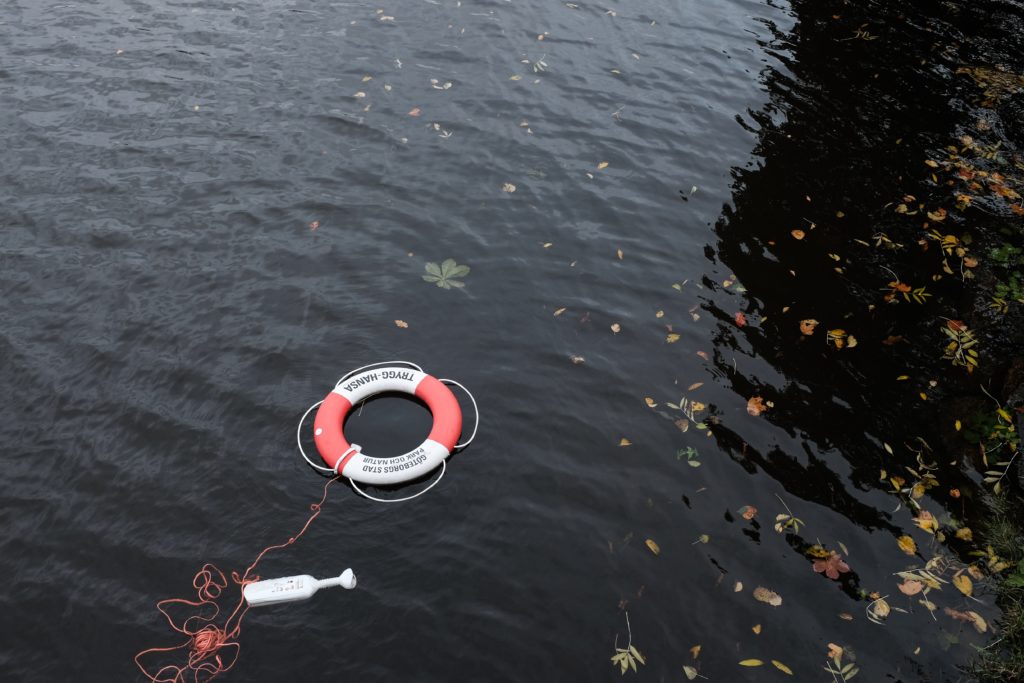
Consider a scene many of us are metaphorically familiar with. Someone nearby is drowning. They’re screaming and thrashing, weeping, begging to be saved. We throw them a rope so we can pull them out. They push it away and go on drowning because the rope is the wrong color. Okay, we say, anxious to get it right and stop this terrible tragedy (not to mention the stress-inducing howling). We throw another rope, but this one is the wrong thickness. It, too, is rejected, and the victim, who is remarkably vocal for a drowning victim, continues to scream for help.
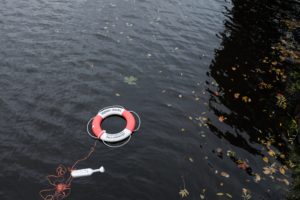
Photo by Lukas Juhas on Unsplash
On it goes, until the rescuer is exhausted, desperate, deafened and feeling more and more like a failure. Meanwhile, the “victim” goes on drowning, loudly, surrounded by various ropes and other lifesaving tools. We, as rescuer, are doing every single thing we can think of, and none of it is acceptable or adequate. In our frantic desire to effect a rescue at the cost of even our own lives, we’ve ceased to observe and orient. We’re not thinking coolly and calmly. We’re completely overwhelmed by our emotional response to someone who claims to want help.
The survivor in this picture, my friends, is not the rescuer. The so-called victim is the one who will survive. If they do grudgingly accept a rope and are successfully pulled out of the water, they immediately jump back in.
The will to survive is an intrinsic thing, and I can’t give or lend mine to someone else. People who can’t contribute to their own survival, and we all know people like that, are certainly not going to contribute to mine, and some will actively and intentionally pull me down with them, just because they can.
I don’t have to let that happen, but in order to avoid it I need to be willing to see clearly, accept what I see, cut my losses and act in my own behalf. Real life is not Hollywood, a comic book or virtual reality. It’s not my responsibility to be a savior, financially, emotionally, sexually or in any other way. The word survivor does not and cannot apply to everyone.
It’s a harsh reality that doesn’t have much to do with being politically correct or approval and popularity, and most people have trouble facing it, which will inhibit their survival if they ever find themselves in an emergency situation.
Gonzales covers this at some length in Deep Survival, and he rightfully points out that compassion and cool or even cold logic are not mutually exclusive. People in extreme situations sometimes have to make dreadful decisions in order to live, and they do. A compassionate nature that does what must be done may buy survival at the cost of life-long trauma. Ask any combat veteran. This is the side of the story the Marvel Universe doesn’t talk about. Survival can be primitive, dirty and gut wrenching. Sending blue light and thoughts and prayers are not the stuff of survival.
Clear orientation leads to options and choices. Evaluating available resources and concentrating on the basics of survival: water, food, shelter, warmth, rest and first aid are essential. Thinking coolly and logically about what must be done and breaking the task into small steps can save people against all odds.
Sometimes, death comes. Eventually, we all reach our last day. In that case, there’s no more to be said. Yet the mysterious terrain on the threshold between life and death is remarkably defining. I wonder if perhaps it’s the place where we learn the most about ourselves.
Photo by Andrew Neel on Unsplash
I’ve known people who stockpile weapons and ammo, bury gold in bunkers, build off-grid compounds and obsess about survival equipment and bug-out bags. Many wilderness schools teach basic and advanced survival techniques. Some folks put all their financial resources into prepping for catastrophe and collapse. I’m nervous about the state of the world on many levels myself, so I understand, but I can’t help thinking that investing in a story about living in a guarded, fully-equipped compound is not much better than investing in a story that water will continue to run from faucets, a wall socket will deliver electricity and grocery shelves will hold food, forever and ever, amen.
After reading Gonzales, I’m considering maybe simply living life is the best preparation for survival. Trusting my instinct; learning to manage my power and feelings; being aware of the limitations of my experience, expectations and beliefs are all investments in survival. Simply practicing observation is a powerful advantage. I don’t have money to spend on gear and goodies I might or might not be able to save, salvage or retain if things fall apart. The kind of investment that will keep me alive is learning new skills, staying flexible and adaptive, developing emotional intelligence and nurturing my creativity. No one can take those tools away from me and I can use them in any scenario.
We’re born with nothing but our physical envelope. Ultimately, perhaps the greatest survival tool of all is simply ourselves, our wits and our will.
All content on this site ©2018
Jennifer Rose
except where otherwise noted
by Jenny Rose | Jan 25, 2018 | Power
Arguing with what is.
Possibly the most fruitless endeavor in the world.
Yet many of us consistently argue with how we are, how others are, and how the world is.
Arguing with what is is like living in an unending war. Clinging to a story inconsistent with what is requires constant vigilance. Our lives begin to revolve around the fear that the truth we refuse to acknowledge will escape or be exposed.
Photo by Ian Espinosa on Unsplash
We cannot allow that to happen, so we put all our energy into convincing ourselves that what is isn’t. Then we start trying to persuade others to validate our particular reality because God speaks to us, or we’re especially victimized, marginalized, enlightened, rich or powerful. If we can’t persuade others, we try to create and enforce rules requiring them to fall into line, to agree, at least tacitly, with our point of view and belief system. We scorn critical thinking, science and evidence-based data. We discourage questioning, careful definitions and nuances. We create jargon, acronyms, blacklists and smear campaigns. We enlist the sympathy, empathy, kindness and compassion of well-meaning but naïve people. We set up zero sum games, use gaslighting, violence, abuse, projection, deflection, sweeping and inaccurate generalizations and distortions. We hurt ourselves, and we hurt others.
Arguing with what is is a full-time job.
My particular version of arguing with what is takes place mostly in my head. For example:
I don’t feel loved.
What? How can you say that? Remember that one kiss at the beginning, the most passionate kiss of your life? You know you want that again! Think of how funny he can be, how charming, how much fun! If you don’t feel loved it’s because you’re not trying hard enough. You’re ungrateful. You’re disloyal. You’re a bad partner. You don’t deserve him. You want too much. You’re needy and demanding. Of course he loves you, he’s just not comfortable saying it! You are happy and loved. Get a grip!
I don’t feel happy or loved.
I had this ding-dong conversation with myself for years. I desperately and repeatedly tried to convince myself I was both happy and loved, but I could never quite silence that deep internal voice that went right on saying, “I don’t feel loved.” It wouldn’t shut up. After years of this nonsense, I finally got so exhausted I stopped arguing with my true feelings and ended the relationship. Then, one day I came across narcsite dot com and immediately recognized the narcissist-empath dynamic.
You know what? I was right. I didn’t feel loved because I wasn’t, in fact, loved.

Photo by Travis Bozeman on Unsplash
Arguing with what is means fear and self-doubt are my constant companions.
So what’s the other side of the coin? What’s the fix for arguing with what is?
This magical phrase: However this needs to be, it’s okay with me.
Say it aloud: However this needs to be, it’s okay with me. Is it a lie? It usually is a lie for me when I first apply it to any given situation. I want things to be predictable, controlled and adhere to my expectations and standards. I expect that of myself, of others and of the world.
I haven’t had great luck with that expectation. The rebellious world is chaotic, unpredictable and unexpected. I’m not in charge of anyone but myself, and my feelings (along with the rest of me) are disobedient and refuse to be controlled.
My need for control and predictability are rooted in fear and lack of trust in myself. If, at any moment in any day, however things need to be is not okay with me, I know I’m dealing with fear or lack of self-trust, and those are both places where I have all the power. That instant refocus from avoiding, denying or refusing an inconvenient or unexpected truth or reality over which I have no power to the very center of my power clears away anxiety, confusion and fear. What happens in me, in a day, or in the world is not really the problem. The problem is in the way I manage my power and my choices. Addressing my own power and choices allows me to say, with perfect truth, that however this needs to be, it’s okay with me.
Being okay with the ways things are doesn’t mean endless love, light and turning the other cheek. It doesn’t mean I accept boundary violations, bullying, coercion, violence or any other kind of power-over games. It doesn’t mean I tip-toe through life pleasing others, following rules and keeping silent. It doesn’t mean toadying to the political correctness police. It doesn’t mean I feel no frustration or disappointment, or that the status quo should remain unchallenged and unchanged. It means clarity about where my power is.
Nobody wants a flat tire, herpes, an unwanted pregnancy, a cancer diagnosis, mental illness, the flu or to lose a loved one. We don’t want superstorms that wipe out our homes, the uncertainties and anxiety of climate change or food and water shortages. Nobody voted for lead in their drinking water, or to experience genocide. Nobody wants to be silenced, attacked, abused, marginalized, shot or scapegoated.
Yet all these things are. They’re real, along with many magical, wonderful things, and I can’t change the way things are.
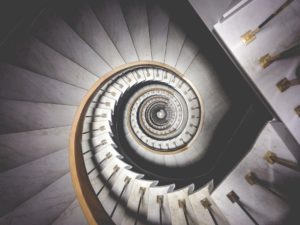
Photo by Ludde Lorentz on Unsplash
I can only change the way I am. I can decide when and how to speak. I can decide how I interact with others. I can listen, learn, research, ask questions, think critically and decide where I stand on important issues. I can speak up for those without voices. I can pay attention to my own integrity and operate within it. I can disengage, refuse to pick up poisoned bait, move away from where the blow is going to land (sometimes) and learn self-defense.
I can say no.
I can learn to trust my own courage, willingness to love, intelligence, feelings and ability to adjust and adapt to whatever happens. I can choose confidence and curiosity as companions.
I can make sure that however I need to be, it’s okay with me.
I can surrender to others in all their strengths and imperfections. Each one of us is however we need to be, sick or well, destroyer or hero, weak or strong, power-over or power-with. People in the world are okay with me, and I choose who I engage and connect with, who I support or hinder, who I share power with, who I collaborate and cooperate with and who I allow in my life.
However this minute, this hour, this day needs to be, it’s okay with me. If I catch the flu, it’s okay with me (Ugh). If I can’t get out of the icy driveway to go swimming, it’s okay with me (Rats!). If I reread the rough draft of this post and decide it needs to be rewritten before tomorrow when I post, it’s okay with me (what a pain in the neck!)
I can accept what is, deal with it, and go on.
Or I can argue with what is.
It’s a chocolate-or-vanilla choice, and we make it a hundred times a day.
Whatever you choose, it’s okay with me.
And So

Photo by freestocks.org on Unsplash
And so, after all, it was no use,
That desperate determination to please.
In the end a hidden, untamed thing
Always looked out of my eyes,
Beseeching for freedom,
And none of us could beat it down.
Now all the rigid outlines of my life
Have fallen around my feet in graceful folds.
I’ve counted silver threads and lines
And granted freedom.
If there’s no lover for what I am
I can kiss my own shoulders.
All content on this site ©2018
Jennifer Rose
except where otherwise noted
by Jenny Rose | Dec 28, 2017 | Connection & Community, Emotional Intelligence
Character: The mental and moral qualities distinctive to an individual; a person in a novel, play or movie.

Photo by Nick Grappone on Unsplash
I’m fascinated with the places between. All the places between. Threshold places. Edge-of-chaos places. Here-there-be-dragons places off the edges of maps. It’s in the gaps, fissures, cracks and edges that I mine for the characters that inhabit my writing. It’s in the between places my own character is shaped, and I gain the clearest understanding of the characters around me.
I’ve written about labels before. Discovering characters is not about labels. Labels aren’t people. We’ve had a lot of reminders recently that talent, success, money and power fail to fully define character. Ours is a culture of texts and tweets, acronyms and jargon like “neoliberal” and “postmodernism.” We’ve become skilled at reducing ourselves and others to one-dimensional paper dolls with the application of a label. It’s an all-or-nothing kind of culture. We’ve no time or interest to invest in understanding complexity.
But what lies between the enormously talented actor and his serial sexually abusive behavior? What is the untold story of the “perfect” mother who drives into a lake with her kids in an act of murder and self-destruction? How do we think about the extraordinarily gifted writer who is also homophobic, or a child abuser? Who are we in the gap between what we believe ourselves to be, what we define ourselves to be, what we want ourselves to be, what we’re afraid we are, and how we actually show up in the world in the experience of others?
In that space between lies real character. That’s where I’m at work, listening, taking notes, asking questions and observing. As a writer, I must know my characters. What are they afraid of? What’s their worst memory? What’s their ideal vacation? What motivates them? What does their sock drawer look like? What’s in their car? What’s on their desk? How do they treat a service person? How many unopened emails squat in their inbox? Where do they want to be in five years? In ten years?
Defining ourselves or others by a single characteristic, choice or ideology doesn’t build connection, understanding or empathy. We can spend hours online, commenting, facebooking, blogging and interacting with others about every issue from sexual politics to diet, but none of it defines our character as honestly as how we treat a real live co-worker who identifies as transgender, or what kind of food we actually have in our refrigerator.
Those tantalizing, fertile, often concealed places between! Interestingly, words obscure the places between. Words are capable of seductive lies, but action, especially action taken in the stress of an unexpected moment, points unfailingly to true character.
Another problem with labels is their inflexibility. We each perform hundreds and hundreds of actions a day, and some are notable for how well they don’t work out. Labels imply we don’t change, we don’t grow, we don’t adapt and adjust and learn, when in fact the opposite is true.
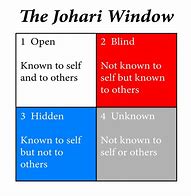 The Johari Window is a concept created by a couple of psychologists in the 1950s to help people understand their relationships with themselves and others. The window suggests that we cannot see ourselves or others entirely; there is always a space of possibility to discover. Fully defining character becomes a community project. Even so, the unknown or hidden parts of character can and do appear suddenly and overwhelmingly, often resulting in some kind of heinous act and leaving us struggling with what we missed, what we didn’t know or what we didn’t want to admit.
It’s so fatally easy to misunderstand and underestimate others, especially when we can’t observe, talk and interact face-to-face with someone and compare their actions with their words over the long term. Complexity takes time. Making judgements based on labels does not.
As a writer, I’ve learned to look at myself and others with a more interested and less judgmental eye. I’ve learned to set up camp in the places between, look and listen carefully, observe keenly and ask a lot of questions. I’ve concluded that people who toss labels around are often in too much of a hurry to achieve power over others and silence challenge or dissent to engage in thoughtful dialog or discussion. Label users reveal far more about themselves than whoever they’re labeling. It’s a diversionary tactic.
Who is that character hiding behind all the labels they’re slinging left, right and center? What’s really going on with them? What kind of fear, uncertainty, insecurity, pain or lust for power motivates them? Who taught them to use labels so carelessly and unhelpfully? What needs are they trying to meet?
Photo by Quino Al on Unsplash
An engaging character is one who defies labels, one who challenges preconceptions, one we empathize with and even care about in spite of the abhorrent choices they make. A well-written character is complex and dynamic.
This week is one of those between places. We’re swinging between Christmas and the New Year, between 2017 and 2018. The holiday season has stirred up our memories, our family situations, our grief, gratitude, and financial fears. We’ve traveled, abandoned our usual diet and routines, gotten worn out and indulged in sugar and alcohol. The flu is abroad. The package was stolen off the porch. The dog bit Santa when he came down the chimney.
Here, my friends, is the between place of authentic character. Not who we wish to be. Not who we say we are. Not who we present ourselves as on Facebook or pretend to be for our families and coworkers or resolve to become in the New Year, but who we are today, with our blind spots, our secrets, our fears, our greasy oven, our favorite coffee cup, indigestion, bills to pay, snow to shovel, our comfy sagging chair and what we choose to do with this in-between time.
Powerful characters. May we create them. May we discover, foster and celebrate them in others. May we honor our own.
All content on this site ©2017
Jennifer Rose
except where otherwise noted
by Jenny Rose | Dec 21, 2017 | A Flourishing Woman, The Journey
Yule, the winter solstice, is upon us once again. This year, here in the deeps of darkness, I’m thinking about The Fool’s journey.
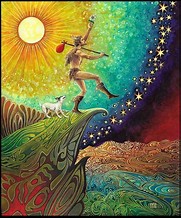
The Fool, by Emily Balivet
The Fool is an archetype, a recurrent symbol in mythology, folklore and story. Jack of Jack and the Beanstalk is a Fool. The Fool shows up as a simpleton, an innocent, one who is ignorant, inexperienced and silly. Archetypes have two sides, shadow and light. In modern culture The Fool has been reduced to its shadow, its most negative attributes, an insult, a curse and a contemptuous label.
But the old tales hint at a deeper, older meaning of the archetype. In fairy tales, The Fool is often the youngest sibling, the least able and powerful character, who nevertheless becomes the only one to successfully complete the task or quest. Often, The Fool has a good heart, or some extraordinary purity of character that allows him/her to be successful. The Fool has faith in magic, in talking birds and beasts, in the advice of old women, in objects given by peddlers at crossroads. To be a fool is to be held in a circle containing everything and nothing, to be without judgement, rules, expectations, cynicism or fear. The Fool is an archetype of youthful energy, bright, glowing and optimistic, filled with hopes and dreams.
Characters of this archetype set out, sometimes exiled or driven from their home, sometimes volunteering to go, with nothing but their shining confidence, intuition and willingness to do a task or find a solution. They rarely have external resource, but carry a great wealth of internal assets, including, interestingly, a kind of innocent cleverness that arises from authenticity and the simplicity of great integrity. The Fool has everything she or he needs in the form of untapped, chaotic potential.
It seems to me we’ve lost sight of the sacred role of The Fool. We kill foolish behavior with punishment, restriction, control, mocking and tribal shaming. We teach our children to avoid playing The Fool by making “good” choices. We avoid looking or feeling like fools. Foolishness is equated with immaturity, irresponsibility and naiveté. We resist being wrong or admitting we made a mistake. Playfulness is no longer a priority.
I see The Fool as an essential first step in The Hero’s journey. It’s where we all start as we undertake any new experience or endeavor. All Heroes start out as Fools, and perhaps all Fools are also Heroes. The Fool archetype creates space in which we learn resilience, strength, courage and creative problem solving. In the gap between The Fool’s happy hopes and dreams and reality is the place where Self is shaped, and the more fully we embrace this archetype, the more of our own potential we realize.
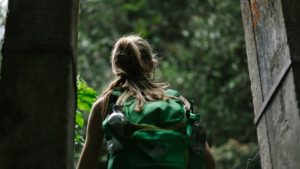
Photo by Dan Gold on Unsplash
That’s what I believe, when I think carefully about it, but that’s not how I show up in the world.
I hate to feel like a fool. Humiliation is one of the most uncomfortable emotions I experience. I dread appearing irresponsible or naïve. I’ve bought into the cultural definition of foolishness equaling stupidity, and I don’t want to be perceived as stupid. I’ve been warned at the beginning of every Fool’s journey I’ve embarked upon with head shaking, patronizing smiles and dire, ominous warnings: “You have no idea how hard marriage is.” “Boy, is your life going to change!” “You’re going to hate it!” “You’ll find out I was right!” “It won’t last.” “Nothing will ever be the same.”
As a parent, I shook my own head, smiled patronizingly and issued warnings. I wanted to protect my sons from “bad” choices, from danger, from illness and injury and from the pain of disillusionment and disappointment, the very things that help us figure out who we are.
The Fool is an archetype precisely because it’s so persistent and present in our lives. It’s our nature to go into the world and explore, seek, complete tasks and engage in quests. I wonder what it would be like if we all framed The Fool’s journey as sacred space, as a necessary and beautiful rite of passage, filled with potential and promise. In that case, revisiting this archetype throughout our lives at any age could be viewed as a chance to refresh our willingness, consent and curiosity about ourselves and what might be possible, a chance to apply the skills we’ve learned in our previous cycles as The Fool rather than stay frozen in bitterness, shame, regret and fear.
It’s true that every new journey is a risk. None of us could have imagined what it would be like to be an adult, to fall in love, to get married, to have children, to move across the country, to get the perfect job, to battle illness or injury, to age. Dire warnings and ominous predictions are pointless and useless as we navigate in our lives. Sincere and simple congratulations from others; faith in our own intuition, intelligence and strength and the experience of unconditional love and belief in our abilities from friends and family is what we need as we push forward in search of new horizons.
Yule signals the return of the light and new beginnings. We all embark on a new cycle, and none of us knows what it will bring. The Fool is tying together a bundle of food and setting out, following a new road into an unknown place, exploring, perhaps searching for something. Interested, curious, fearless and confident, The Fool walks into the future as the light strengthens once more.

Photo by yatharth roy vibhakar on Unsplash
All content on this site ©2017
Jennifer Rose
except where otherwise noted