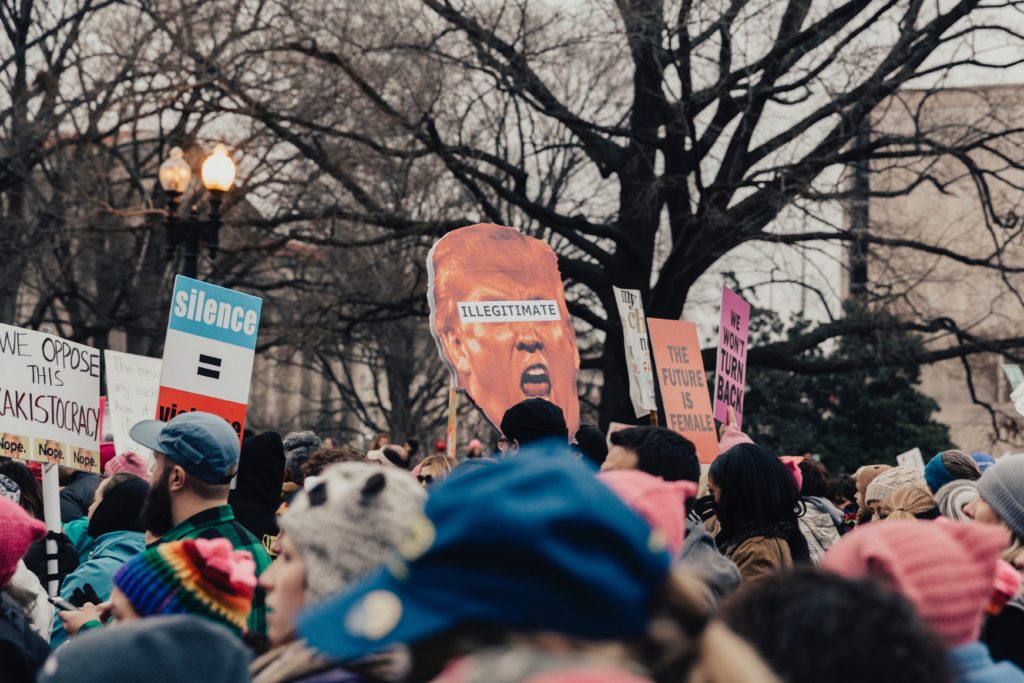
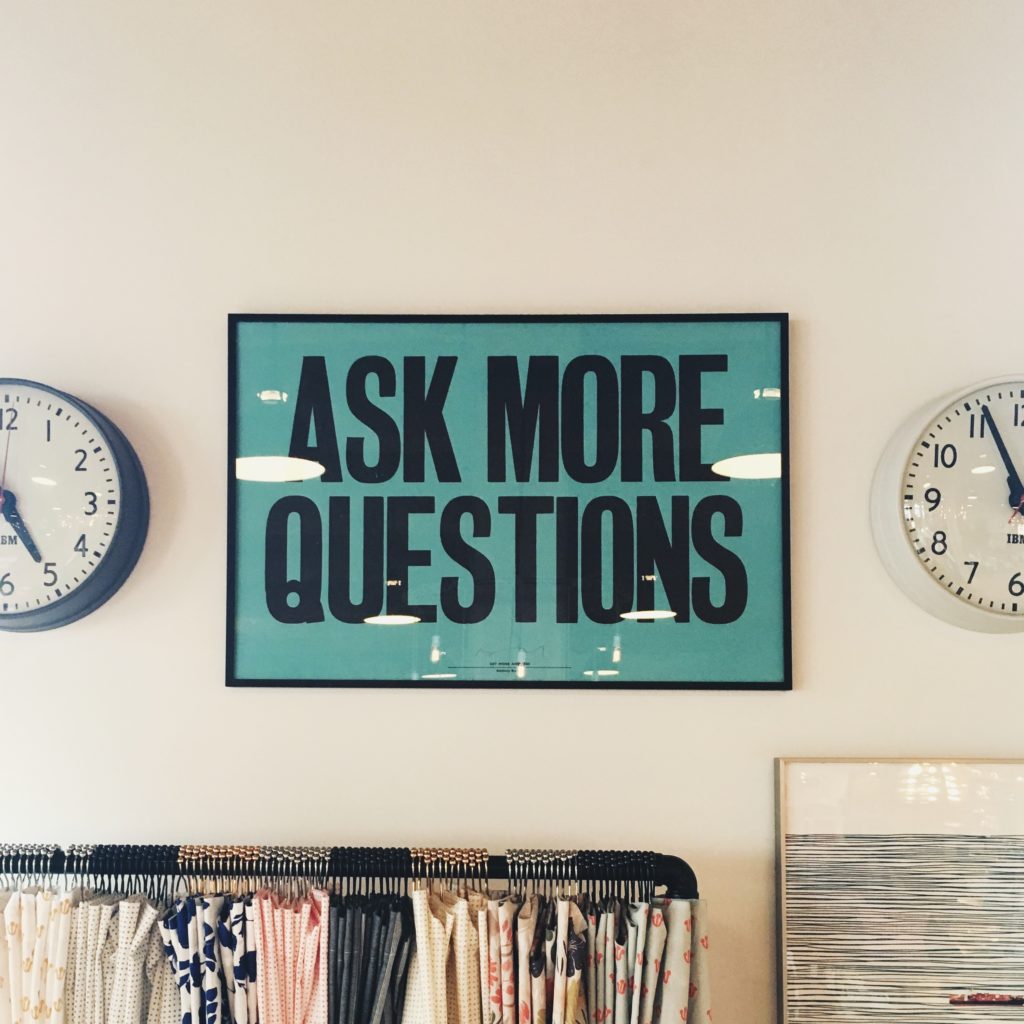
Food for thought from Seth Godin: Productivity is not measured in drama.
Photo by roya ann miller on Unsplash
Sometimes life seems to me like a giant factory. The owners are busy manufacturing fear and drama day and night, making money hand over fist. We the people sit in little cubicles, brainwashed and manipulated by the factory owners, responding to fear and drama stimuli for all we’re worth (and much more than we’re worth, monetarily speaking) and providing a gigantic, endless river of profit to the few at the top. After a few months in the factory, we’re promoted; we’ve learned to create fear and drama all by ourselves! Now we can model good business practice for the newbies.
Fear and drama. Two top money-makers. Naturally, a capitalist culture would be constructed to relentlessly promote them, and any vehicle for increasing fear and drama would have enormous lucrative potential. Hence, staggering financial power and influence in the form of social media, conspiracy theory centers and advertising.
Information (facts) and critical thinking mitigate fear, so let’s demonize them and weaken public education so such heretical things are not taught.
Breaking our addiction to stuff and stimulation, instant gratification and validation, might allow us to realize how hollow and expensive those addictions are, so let’s not give people a single second in which to be tranquil and quiet.
Changing our belief that having and doing are more important than being, that doing more faster will lead to greater productivity and thus more money (with which we can buy more) will hurt the economy. Let’s make that unpatriotic, unpopular, and offensive.
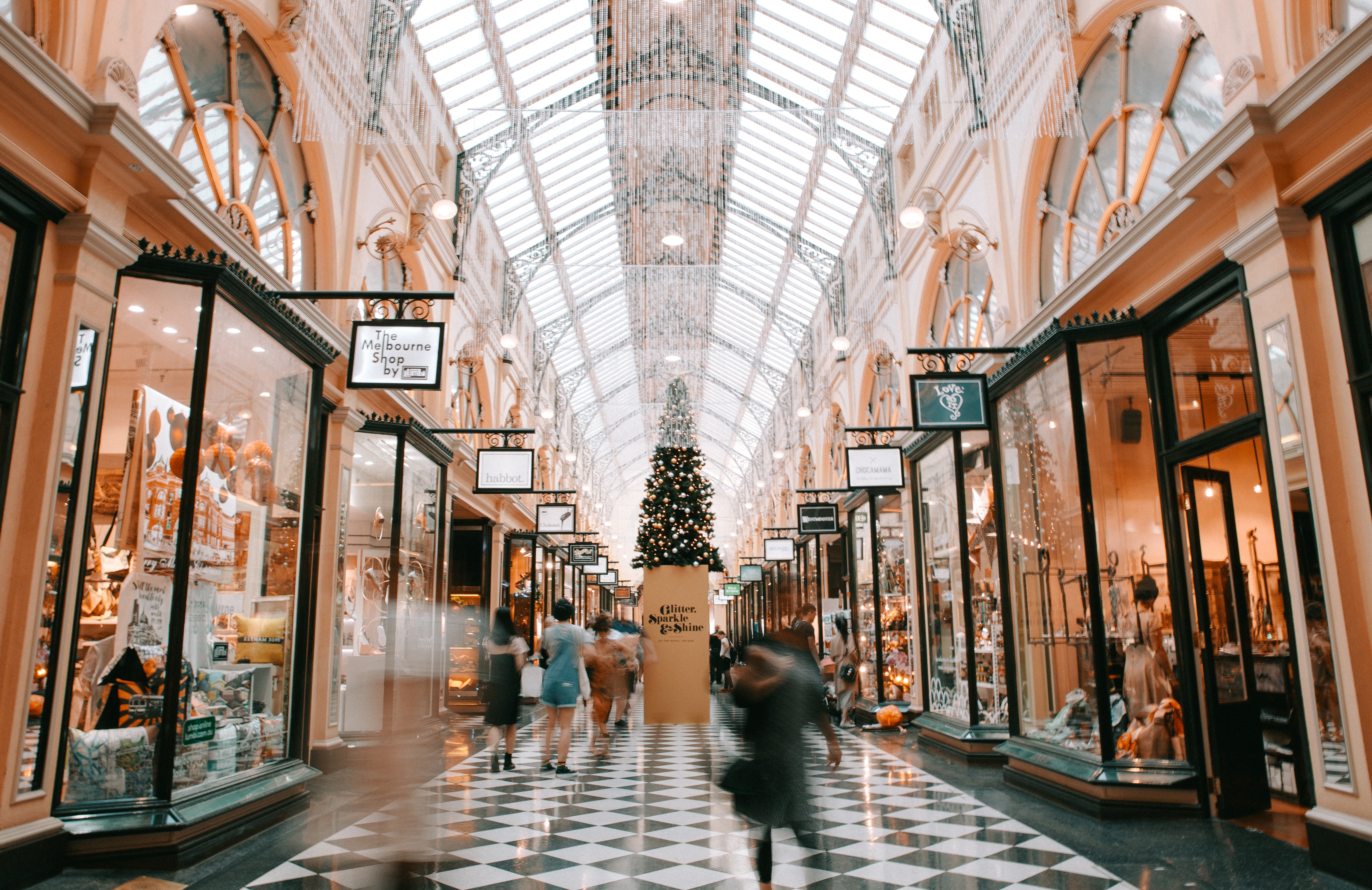
Photo by Heidi Sandstrom. on Unsplash
Let’s emphasize and support division, outrage, hatred, bigotry, procrastination, ignorance, catastrophizing, gaslighting, urgency, “alternative facts”, and disempowerment. Let’s prioritize making a profit.
Let’s train the culture to demand drama, and richly reward those who disseminate the most drama to the public. Let’s give those people power, authority, awards, and our money. Let’s give them our time and attention, our applause, loyalty, and praise. They entertain us. They tell us what we want to hear. They will be our saviors in a terrifying world. Without them, we’ll lose everything. (Starting with our guns.)
Manufactured drama. Manufactured fear. As though life doesn’t have enough organically grown drama and fear.
But one can never have enough money, right? And fear and drama are sound investments. Better than blue chip stocks, because they perform best in the worst of times.
At some point, we hitched drama onto productivity and conflated them. Godin reminds us productivity and drama are not the same or even related, unless it’s an inverse relationship.
We don’t have to choose crisis. We can build slack into our lives, quiet, unplugged time, time away from a screen. We don’t have to feed drama or get involved with it. We certainly don’t have to pass it on. We don’t have to attach to fear. We can unhook from fearful media, take our time and attention away from it.
Fear and drama don’t help us effectively manage our lives or make positive contributions. They don’t make us more humane or better problem solvers. They don’t help us find true love or good health. They’re neither creative nor connecting. Urgency is not high-quality fuel for life, and it doesn’t help us make empowered choices.
If we want to be productive, we need to disengage from fear and drama.
In the Tarot, there’s a card called The Tower. It’s traditionally illustrated with a tower falling. The meaning of the card is destruction, chaos, danger, crisis, and unforeseen change. And liberation.
Liberation.
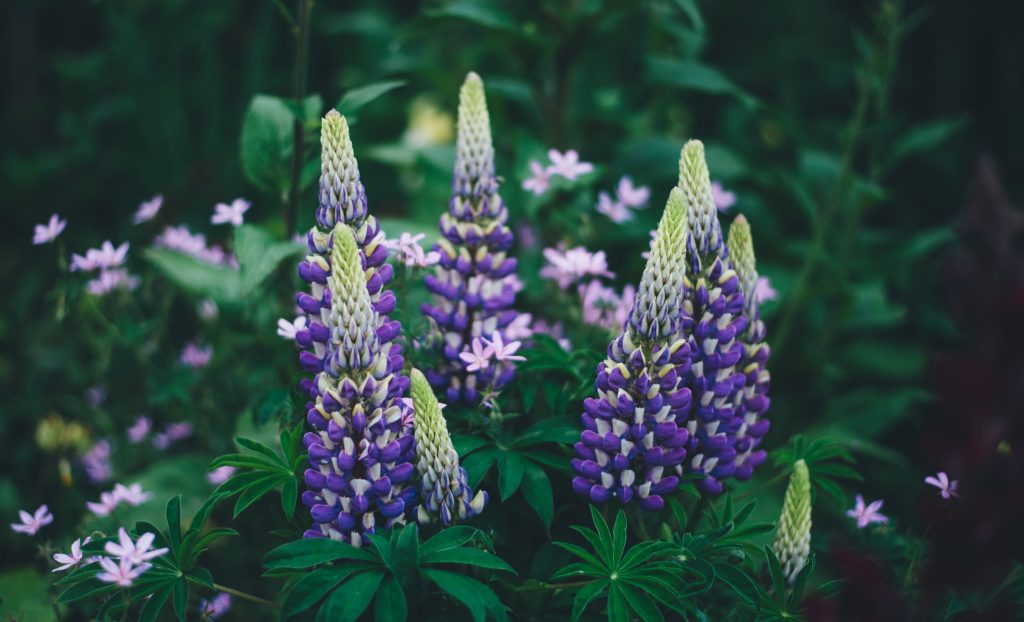
By K Mitch Hodge on Unsplash
Some years ago, in the months before I moved from Colorado to Maine, my life unraveled in several painful ways. During those months, I pulled The Tower card from my Tarot deck (78 cards) time after time, though I always shuffle and cut the deck thoroughly before I draw cards. I couldn’t get away from it.
It didn’t tell me anything I didn’t already know. I felt for a time as though my life would never be anything else. I would never escape the falling tower. I didn’t think much about the liberation part, because when our lives are toppling we don’t think about anything except surviving the collapse.
I had a crate of odds and ends of wood from building a privacy fence and a deck. I pulled it out of my shed and built a tower on a table on the covered deck outside my front door. I hadn’t played with blocks since my children were young. The chunks of wood were in all kinds of odd shapes, and building the tallest tower possible was an absorbing task.
When my tower was finished, I left it standing for a few hours or a day or so, enjoying it as I went about my life and in and out of my little log cabin. Then, when the time was right and I needed an outlet for my fear and frustration, I would knock it down. Hard. Loudly. I would obliterate it, sending the pieces of wood flying, sweeping the tabletop clear. It was a practice of surrender. If the tower was inevitably going to fall, I wouldn’t try to prop it up. I’d create a glorious, earth-shaking, no-holds-barred collapse. I wouldn’t look away or pretend it wasn’t happening or try to escape or soften the situation. I would face my fear.
After a while I built it again.
And again.
And again.
I did that for months. I built and knocked down more than 100 towers while I pulled the card over and over again.
I had a dream a couple of weeks ago about wandering through a field of rubble from a fallen tower. In spite of the destruction, it was a peaceful, sunny, summer landscape. I felt no sense of dread or doom. There had obviously been a violent and frightening collapse, but it was over now, and all was serene. I found some scattered objects amongst the stone rubble. Some things were intact, but others were smashed to pieces. I was thinking about sorting through the wreckage and salvaging material for a new tower and a new life.
I wasn’t scared. I was peaceful.
I was starting again. I’ve done that before. The fear and anxiety, the feeling of oncoming disaster, were past. The worst had happened and now I was on the other side of it.
I was excited about piecing together a new tower.
When I woke, I thought, “That damn tower!” and smiled to myself.
We are now working with a fifth contract for the sale of this property. That’s right. Number 5. Gas has more than doubled from last year’s price. The cat food shortage goes on and on. Prices for everything are skyrocketing. I just received our power bill, which has doubled from last month, though our usage is slightly less. We are on the edge of war, thanks to Russia.
I remember this feeling of the tower falling.
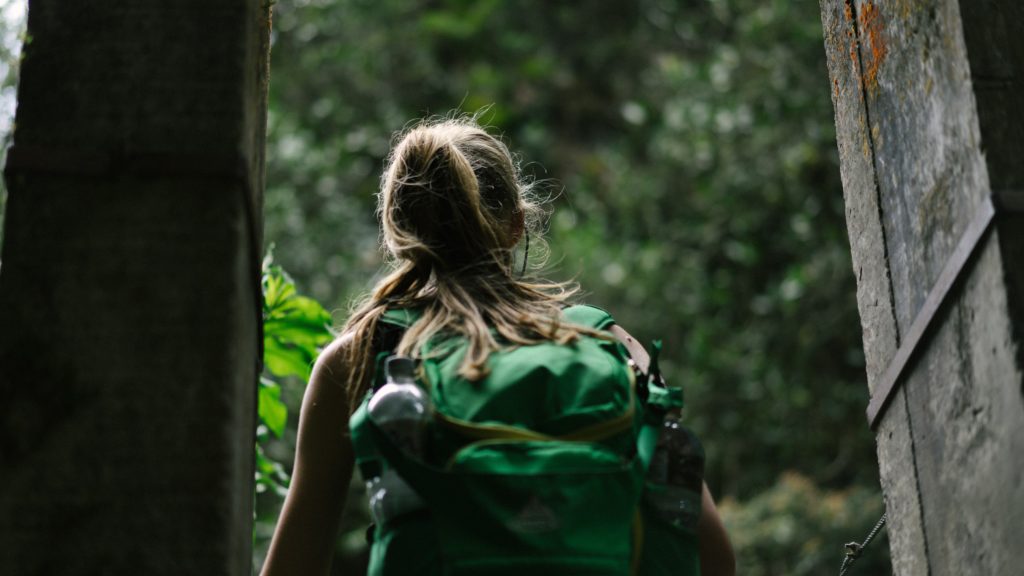
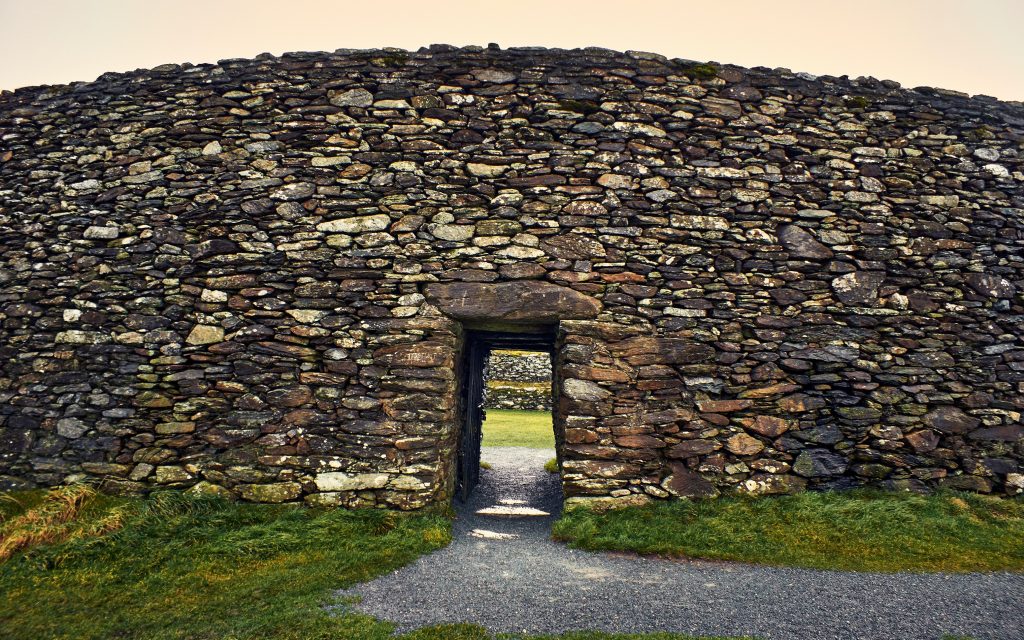
Photo by Dan Gold on Unsplash
But I also remember the liberation on the other side. I remember starting afresh. I remember taking a long journey into health and healing, into creativity, into an entirely new life. In some ways, for the last seven years I’ve been working in a field of rubble, carefully salvaging and sorting the usable from the discards. I’ve thought long and hard about the kind of life I want to build now, and about my needs and resources.
I’m not on the other side yet. One of these days I will be, and I feel that day coming closer, though I don’t know how or when. I lie awake on windy nights and wonder if, metaphorically speaking, the wind will knock down the tower. Or will the rain take it down in the end? Or a spring ice storm? Or a completely unlooked-for earthquake, fire, or flood?
Or will it gently collapse, stone by stone, falling quietly into ruin around me?
Whatever happens, there will be debris and rubble. Some material will be salvageable.
I will start, as I have before, with what I have, with what remains, with myself.
When my last tower fell, I learned two important things. One is that a home, no matter how beloved, is not a life. It cannot keep me safe, happy, and secure for the rest of my days. It cannot substitute for my connections, contribution, or self-love. The place I live does not define me.
The second is that I am not my things. My security, identity, memories, strength, courage, and creativity do not reside in objects around me, the clothes I wear, the furniture I use, or the dishes I eat off of.
Many people new to the Tarot fear The Tower card. Few of us welcome destruction, chaos, danger, crisis and unforeseen change. However, change does come. Towers do fall. And once the terror and tumult have passed, we find ourselves in a new world with a chance to make a fresh start.
We might not have wanted to be liberated from anything. Or, on the other hand, we may have longed for liberation. In any case, we are suddenly dropped into a different life. The tower fell. We take some time for recovery.
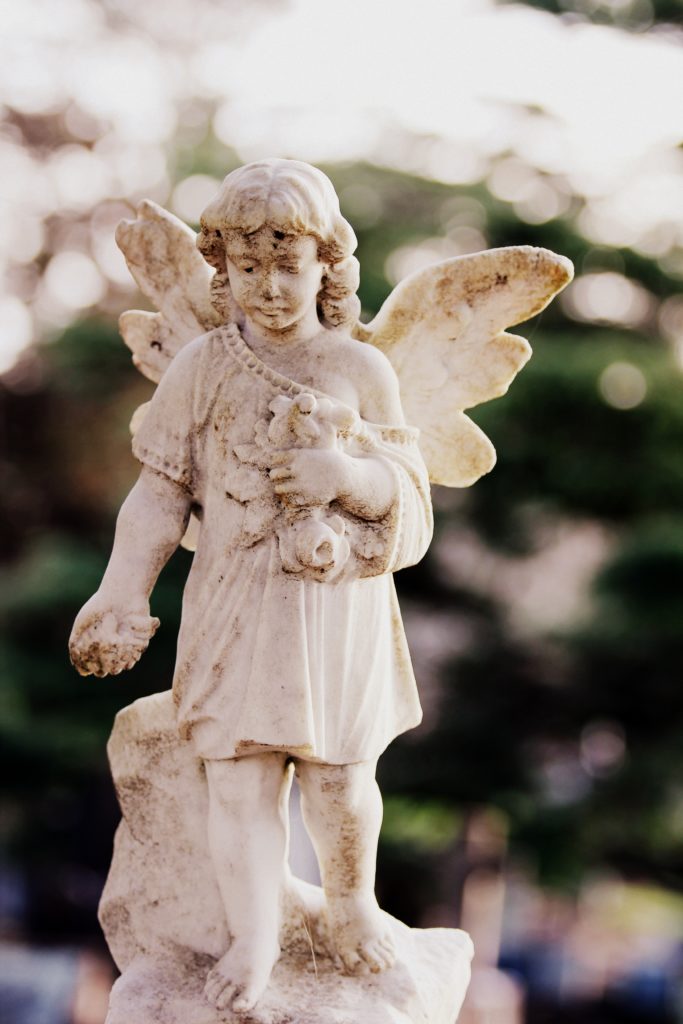
Or perhaps not becoming, but emerging. I’m reminded of Michelangelo’s quote: “I saw the angel in the marble and carved until I set him free.”
I’m emerging as someone I was always meant to be.
This emergence began (I know you’ll be shocked) with a book by Pete Walker titled Complex PTSD: From Surviving to Thriving. In the pages of this book I found the self I’ve always known and the private experiences I’ve hidden out of guilt, fear, and shame.
I also found a map to a new person.
Although the catalyst was the book, which by its nature is intellectual, the process itself is almost entirely felt. I can’t think myself into a new sense of self and my life; I must feel my way.
This makes it hard to write about here.
As so often happens, a poem came along that perfectly describes what I feel in the subtle, intuitive, symbolic language of poetry rather than carefully crafted, concrete prose.
The Return by Leanne O’Sullivan
I walk through paw-prints the frost has dug, among the moist grasses, my silver hair flowing like a cat’s deep stretch. This is my season. Again and again I die under the blossom of leaves and count my lives by the sapped rings of trees. No one will know me, none but the wood growth, its hug of frost its scent of moss its naked shadow and I, standing at the end of an embered wood where once a light passed through me and passes again, before I remember how I appeared or how I ended, folding myself into my arms — the seed, the root, the blossom, the stone shining with all my running juices.
From Cailleach: The Hag of Beara (Bloodaxe Books, 2009)
Emergence, I discover, is a kind of death, like the transformation of a caterpillar into a butterfly or moth. It’s a process of uncovering, of freeing something hidden inside, somehow familiar but never before seen. The soul and spirit I was meant to be were covered with a stony crust, originally formed for protection, but long ago becoming a prison. A crust of coping mechanisms and beliefs. A crust covering feelings too painful and overwhelming to acknowledge or face when first felt.
As I scrape away that crust, the feelings it covered swell into life, and they do not want my intellect or to be pinned down into a blog post.
They want to be felt.
Photo by Chinh Le Duc on Unsplash
And, having been felt, they dissipate like incense smoke, leaving behind a coating of scented ash that scatters with a single breath and reveals someone I’ve never known or been before.
In the meantime, external life goes on around my internal experience. My car is in the shop. It’s a heavy work week. We are stifling in high humidity. I have just finished editing my second manuscript and am rolling up my sleeves to begin writing the third. I’m working on my new website.
As I live the days, I recognize triggers I wasn’t aware of before, triggers to old feelings and reactions, and I apply new tools, habits, compassion, and understanding to them. I’m grateful for the foundations I’ve already built of mindfulness, creativity, and emotional intelligence. I didn’t know they would become the foundations of a new self.
I am changing. I am emerging. I am learning and growing. I am wondering where I’m going.
Wherever I’m going, it’s better than where I’ve been.
My first post on this blog was about pleasing people. It surprised me, how easy it was to break that habit, once I made up my mind. I still slip into the old pattern of pleasing when I’m not paying attention, but I can even smile now (sometimes) when people express outrage because I Failed To Please. It’s not my job to live up to any expectations but my own.
Photo by Volkan Olmez on Unsplash
Ah, there’s the rub. My own expectations, internalized from years of external expectations, can be crippling.
Along with the rest of the country, we are sweltering here in Maine, with heat indices over 100 degrees and the big three H’s: haze, heat, and humidity. Relief is on the way, but right now the only sensible thing to do is hole up with my window AC unit rattling and clunking, shut the blinds, and stay quiet.
Impossible to sleep without AC in my attic, with the temperature and humidity running neck-in-neck. I’m grateful for the cooling unit, and it’s noisy. I learned when I moved to Maine from Colorado the combination of cooled air and high humidity confuse the body. I need a sheet to protect myself from the blowing cool air. But the instant I pull up the sheet, I start gently steaming in my damp bed. Sheet on. Sheet off. Sheet on. Sheet off. Whirr … clunk … whirr … roar … clunk … whirr … goes the cycling air conditioner.
I lay awake during the night, tossing and turning and thinking about all the things I needed to do today, all the things I didn’t do yesterday, and how, and why, and how quickly, and in what order. I thought about carrying dishwater to the garden and prepping for this week’s swim lessons. I thought about the books I’m writing, my new website, this week’s blog post, and housework. I thought about the gardening I’m not finding time to do, switching from 5-lb to 3-lb hand weights and doing more reps, and the challenges my friends face in their private lives.
I felt fear, and I thought fearful thoughts.
Photo by Hailey Kean on Unsplash
I know much of what drives me is fear. It occurred to me my response to fear feels exactly like my cringing, cowering, I’ll-show-you-my-belly-and-be-a-good-dog-if-you’ll-only-love-me people pleasing.
I’ve never noticed that before.
Much of my behavior is unconsciously driven by a desire to propitiate fear. Speeding, perfectionism, toxic positivity, trying well past the point I should have turned away, finishing tasks quickly rather than well, judging my worth in terms of doing rather than being, the list goes on. Some part of me believes if I do it right, find a way to work harder or be a better person, fear will go away and I’ll be secure, happy, beloved.
I recognize the taste and smell of that belief. It’s the same one I thought I’d discarded when I wrote my first blog post.
I’m still pleasing, but now I’m pleasing fear rather than people.
Maybe the desperate people pleasing I’ve engaged in has really been about fear all along. If I don’t please you, you won’t love me. If I don’t please you, you won’t take care of me. If I don’t please you, you won’t be proud of me. If I don’t please you, you’ll leave me.
What I absolutely know about trying to please is it doesn’t work. People pleasing increased my fear and insecurity rather than diminishing it. It kept me squarely where the blows landed … and landed … and landed.
Photo by Travis Bozeman on Unsplash
Pleasing fear. Not gonna happen. No matter what I do, no matter how hard I try, no matter how much I “succeed,” it will want more, or different. Fear will never be satisfied. Ever.
Fear. Danger. Pain. Threat. The specifics of our fear are unimportant. What keeps me awake Monday night might be a different list than what keeps me awake Friday night. It all boils down to danger, pain, threat. What I fear now, in my 50s, is different than the nameless fears of my childhood.
But the fear itself is the same, the same feeling, the same texture, the same merciless driver.
I need to find a different way to manage it than trying to please.
Psychology has identified four responses to trauma: freeze, flee, fawn (show excessive compliance), or fight.
I can’t hide under the bed and freeze or flee from internalized fear. Fawning is people pleasing. What’s left? Fight.
Here’s something I can do!
The first step in fighting is to know one’s adversary, and emotional intelligence has taught me fear can be an advantage, a friend. I don’t want to eradicate my ability to feel fear. My fear, though, has grown into a monster, distorted, invasive, choking.
All that gardening I can’t get to? Maybe I need to do some internal weeding, pruning, and clearing this summer.
Is fear going to continue to use me, or am I going to master it?
I recently read a thought-provoking piece by Patrick Rhone about faith, fear, and facts. I’ve written before about my bewilderment concerning people who don’t want to know. This writer suggests fear is the root of such behavior.
Photo by Ian Espinosa on Unsplash
Fear. It’s so mundane. It’s so extremely powerful. It’s such an extraordinary tool for manipulation.
Rhone asserts faith is frequently more powerful than facts. I might have doubted this once, but after the last four and a half years I agree. We continue to play out the conflict between those who are fact- and science-based and those who are not, especially in social media, steadily becoming more divided and disconnected as each side polarizes further.
We are evolved to experience feelings, and fear in particular is an important evolutionary advantage.
I think of faith as a spiritual connection, and we’re evolved, as social, conscious beings, to connect. Connection is a primary human need.
It seems to me a balance of faith, fear, and facts is optimal for navigating through life.
Where does the balance go wrong?
It goes wrong when we deify a misinformed or dishonest person. When we misplace our faith, in other words. We accept someone’s version of reality, their ideology, their beliefs, without question. Sometimes we do it because we believe they have power we need. Sometimes we do it out of fear. Sometimes we do it because we have no self-confidence; we feel powerless to think and learn for ourselves. Sometimes we do it out of misguided compassion.
The balance goes wrong if we fear our fear and are unable to manage it. Fear becomes so consuming we’ll do anything for relief, including refuse to deal with facts that scare us.
So we develop faith in something – anything – that makes us feel better and relieves our fear.
Photo by Talles Alves on Unsplash
Perhaps our problem is not literacy, or education, or access to resource, or discerning fact from fantasy, but simply our inability to cope with fear.
Fear is a feeling. Managing feelings effectively and appropriately is emotional intelligence.
During my lifetime, I’ve watched our culture become increasingly inauthentic as we consumers demand more and better ways to live in a fantasy world. Role playing games, superhero movies, digital image manipulation, porn, virtual reality tech and special effects allow us to sink into illusion.
Over Memorial Day weekend I did an experiment. I installed a free hidden objects game on my laptop to see what it was like.
It was a big file and took several minutes to download. When I opened it, it covered my whole screen, corner to corner. I couldn’t see my task bar or clock. There was no obvious way to exit; I used the Escape button. The graphics were colorful, animated, attractive, and interesting. A pop-up suggested I use headphones to fully experience the sound. Constant pop-ups urged me to join social media communities playing the game. Constant pop-ups advertised other games (paid) I could play, or pressured me to purchase tools and tokens that would make me a better, faster, more successful player in the “free” game I downloaded.
Free, yes. Want to compete successfully? Want to win? Now you have to buy things!
By the way, if you play every day you get extra points!
The game was cluttered. It provided constant validation and reinforcement. The characters were good-looking, well-dressed and Caucasian. Beautiful food and drink, jewels, and true love were heavily emphasized. One collects points and objects and advances in levels. You don’t have to search for what you need, though, if you’re feeling fatigued. You can simply buy what you need.
The puzzles were timed, of course, which made them a lot less fun for me. Although one plays alone, the competitive aspects were continually reinforced.
The reviews of the game say things like “Beautiful!” and “Addictive!”
Because, you know, addiction is a good thing.
Photo by Patrick Brinksma on Unsplash
I played for a couple of hours. During those hours I didn’t invest in health, happiness, resource , resilience, or my own power. I wasn’t present in the real world.
I also didn’t think about climate change, politics, my job, or getting the car into the shop for brake work.
My feelings were numbed. I wasn’t afraid, but I wasn’t anything else, either.
When I exited the software, I felt as though I’d eaten a bag of jelly beans. I uninstalled the game Tuesday morning.
Have we become a culture that favors illusion over real life? Do we prefer fantasy, as long as it makes us feel “good,” entertains us, or distracts us? Do we prefer being led and manipulated to thinking for ourselves and forging our own paths?
I feel sad and scared after this experiment. If we don’t choose to live in the real world and deal with facts, we have no hope of solving the challenges and problems facing us, from maintaining our cars to managing climate change.
Fear helps us survive. The feeling tells us we must take action. If we refuse to feel fear, or respond to it, we will be deselected.
Facts can be inconvenient and unpleasant, but refusing to deal with them is like refusing to deal with fear. They don’t disappear if we deny them. Nothing can be solved or learned if we refuse to acknowledge facts.
Reality endures. Truth and clarity are powerful. Illusion lies. It might be seductive for a time. Illusion might pretend to be power. In the end, however, it’s empty. It only takes and weakens. It enslaves us, confuses us, and steals our power. It increases our fear while pretending to relieve it.
Faith is a choice about where we put our trust and confidence.
Websites store cookies to enhance functionality and personalise your experience. You can manage your preferences, but blocking some cookies may impact site performance and services.
Essential cookies enable basic functions and are necessary for the proper function of the website.
Name
Description
Duration
Cookie Preferences
This cookie is used to store the user's cookie consent preferences.
30 days
These cookies are needed for adding comments on this website.
Name
Description
Duration
comment_author
Used to track the user across multiple sessions.
Session
comment_author_email
Used to track the user across multiple sessions.
Session
comment_author_url
Used to track the user across multiple sessions.
Session
Statistics cookies collect information anonymously. This information helps us understand how visitors use our website.
Google Analytics is a powerful tool that tracks and analyzes website traffic for informed marketing decisions.
ID used to identify users for 24 hours after last activity
24 hours
_gat
Used to monitor number of Google Analytics server requests when using Google Tag Manager
1 minute
_gac_
Contains information related to marketing campaigns of the user. These are shared with Google AdWords / Google Ads when the Google Ads and Google Analytics accounts are linked together.
90 days
__utma
ID used to identify users and sessions
2 years after last activity
__utmt
Used to monitor number of Google Analytics server requests
10 minutes
__utmb
Used to distinguish new sessions and visits. This cookie is set when the GA.js javascript library is loaded and there is no existing __utmb cookie. The cookie is updated every time data is sent to the Google Analytics server.
30 minutes after last activity
__utmc
Used only with old Urchin versions of Google Analytics and not with GA.js. Was used to distinguish between new sessions and visits at the end of a session.
End of session (browser)
__utmz
Contains information about the traffic source or campaign that directed user to the website. The cookie is set when the GA.js javascript is loaded and updated when data is sent to the Google Anaytics server
6 months after last activity
__utmv
Contains custom information set by the web developer via the _setCustomVar method in Google Analytics. This cookie is updated every time new data is sent to the Google Analytics server.
2 years after last activity
__utmx
Used to determine whether a user is included in an A / B or Multivariate test.
18 months
_ga
ID used to identify users
2 years
_gali
Used by Google Analytics to determine which links on a page are being clicked