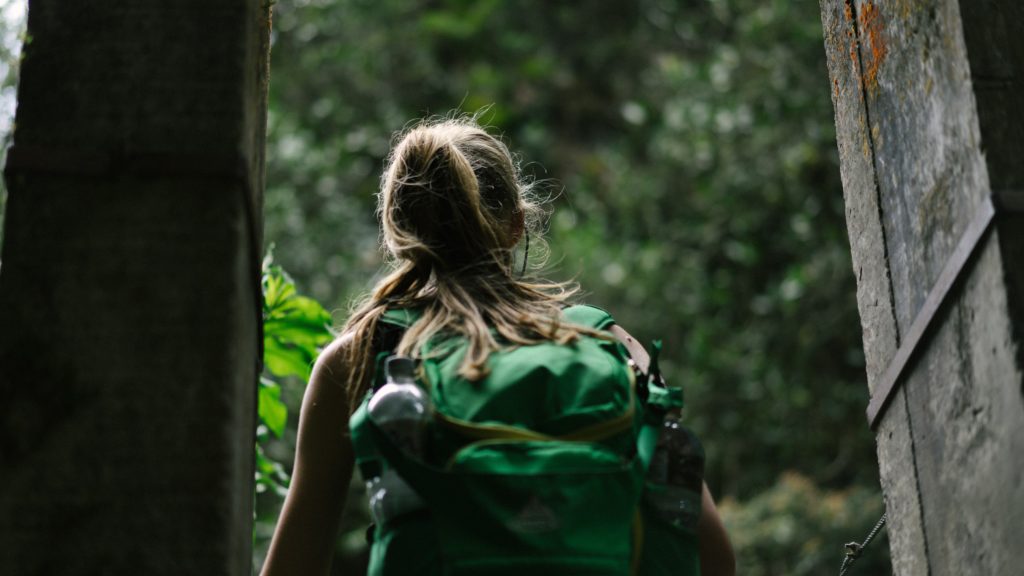
I’m currently reading The Intuitive Way by Penney Peirce. Various notes and bookmarks remind me I’ve started it before, but I didn’t finish it. I picked it up again because I’m also reading The Gift of Fear by Gavin de Becker (for the second time), and he talks about how important intuition is in our ability to avoid danger.
I’ve always been interested in intuition. What is it? How does it work? I know from personal experience it’s a real kind of perception or knowing, but I also know many people view it as “woo” and scientifically unprovable. I’ve frequently been met with fury and denial when I voiced an intuition about someone’s state of mind or behavior. Certainly I might be wrong, but then why all the fuss?
As I began writing this post I explored Peirce’s website for a few minutes. I listened to an interview and read a couple of her posts. Yes, it looks rather New Age and “woo” to me.
On the other hand, that doesn’t mean she’s wrong!
As a matter of fact, science is catching up to what we call intuition. Scientists and researchers like Paul Ekman, who recognized how important fleeting micro expressions and body language are, have begun to assemble the neurological pieces of the process of intuition. Experts in their own fields like de Becker are revisiting the importance of intuition to our resilience and survival.
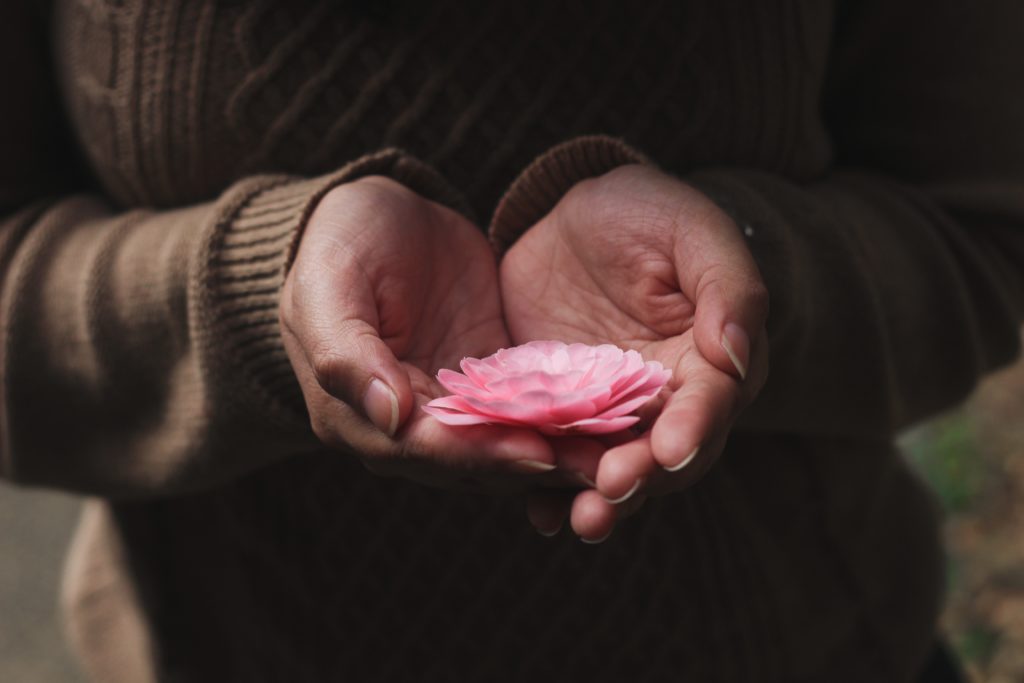
Photo by João Silas on Unsplash
In any event, I picked up The Intuitive Way again to see if it was something I wanted to work with and explore or pass on to the library for donation. I’m glad I did. I’m uninterested in debating whether intuition is real or a worthy subject for study, but I’m very much interested in any tools which might assist me in healing and living a more joyful life and/or shaping my creativity. The book is filled with provocative writing exercises. I remember now it takes me ten minutes to read a chapter and ten days to play with all the exercises.
When I learned emotional intelligence I was introduced to the work of Byron Katie. Her great question is: Who are you without your story? Peirce’s book asks the same question in a slightly different way, providing exercises challenging the reader to replace fearful, limiting beliefs with those that are loving and life-enhancing.
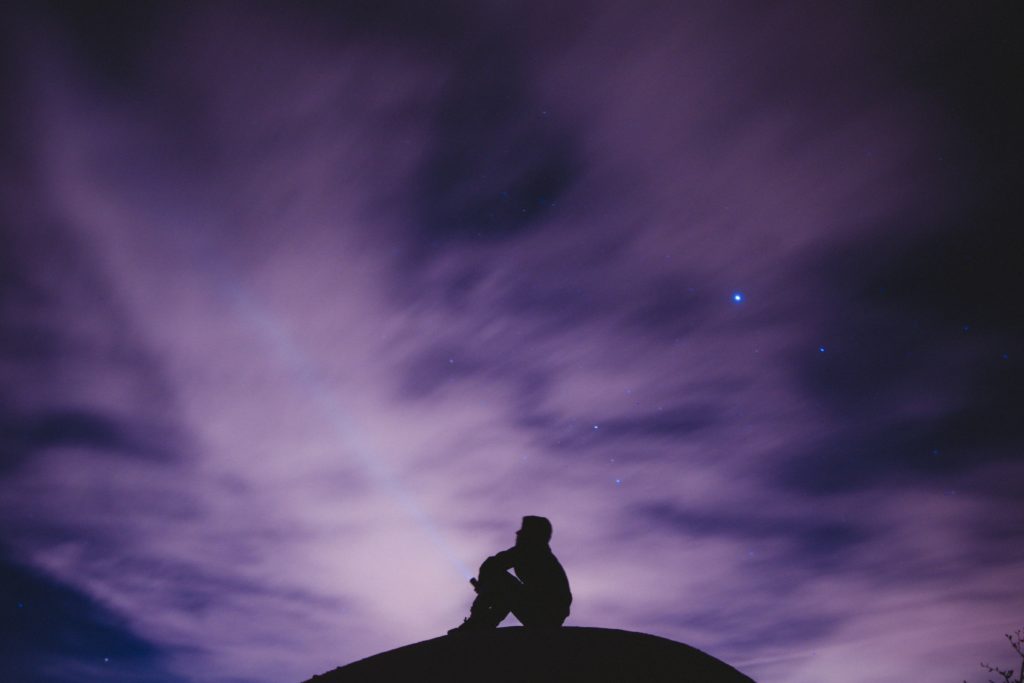
Photo by Stefano Pollio on Unsplash
Who am I without my story? What a wonderful, important question. What a game changer. It’s like asking ourselves who we are if we stand bodiless in some infinite but undefined space with no memories, no objects around us, and no other context. If we’re not a name; an age; a family member; a job; an ethnicity and tribe; a set of beliefs, experiences, memories and stories, then who the hell are we?
My mind boggles, and the artist in me salivates. So much of my self-identity is bound up with stories about my life and experience, and many of those stories are small, hard, stony things about breaking, severing, smashing, exile and futility.
I have fantasies about who I’d like to be and how I’d like to feel, of course. They’re fantasies, though, not the real story. I know the difference.
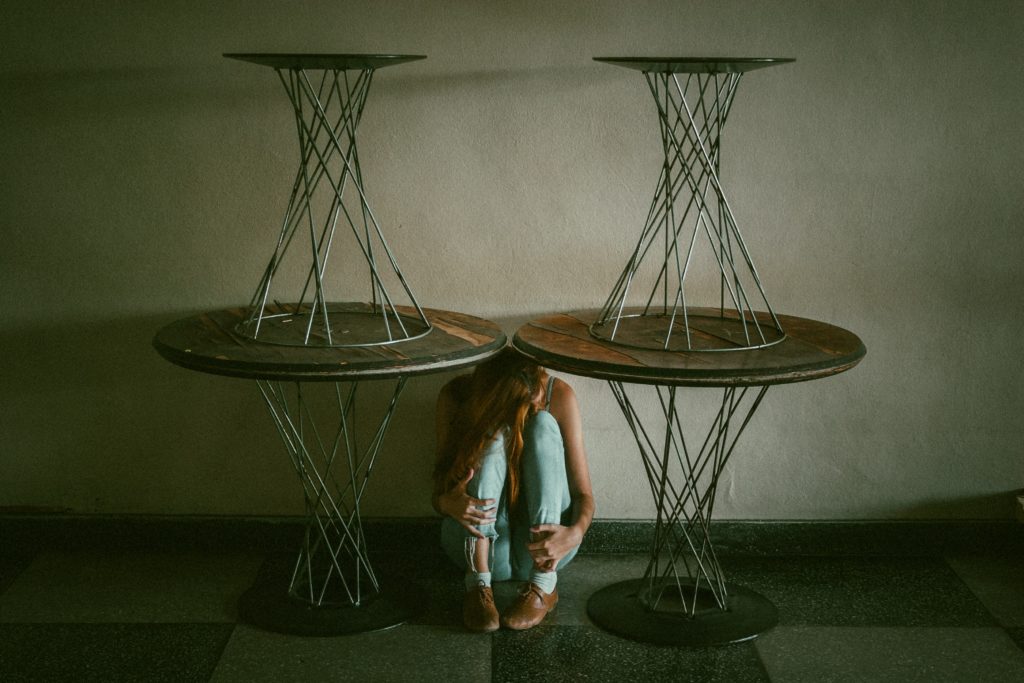
Photo by Nyana Stoica on Unsplash
But do I?
We write our stories from our feelings and experiences, many of which occurred in childhood. Do children necessarily see a wide picture? Are they able to understand all the behavior and choices of the adults around them? Are they able to process their feelings and separate them from their thoughts about their feelings?
I doubt it. I certainly wasn’t able to.
As we grow up, we have opportunities to compare our stories with those of our siblings, or others who inhabited our childish world, and we notice our stories aren’t the only ones in the mix. Everyone has a story, and they aren’t the same one. A word or event burned in my brain might be something no one else even remembers.
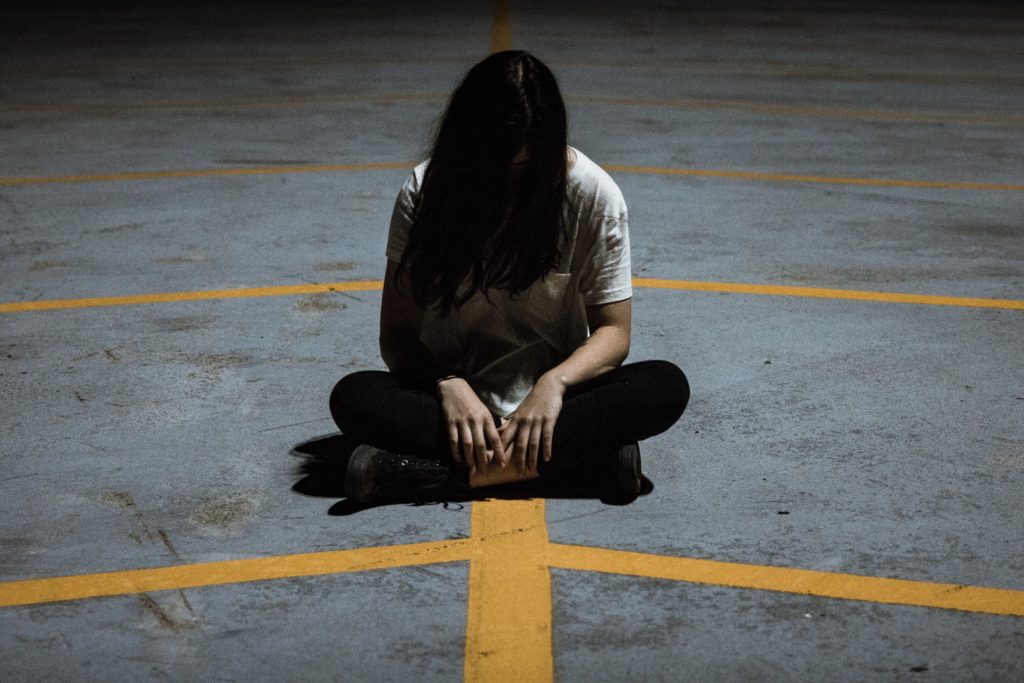
Photo by Cristina Gottardi on Unsplash
Stories are slippery things, powerful as an anaconda and just as hard to pin down.
All that being so, how would it be to simply erase the limiting parts of my story ,to find the file, open it, hit “delete” and then empty the trash of all the feelings, conclusions and thoughts my story carried? No more story. Just a clean space …
… In which to write a new story!
As a storyteller, I’m fascinated by all the creation stories from around the globe. As a writer, I’ve even written a couple of my own. I’ve never considered writing a story about my own creation before, though. After all, I already know all about the story of my first ten years. I’ve been telling it to myself for decades. It’s shaped me profoundly.
But would a different story have shaped me differently?
Would a different story shape me differently now?
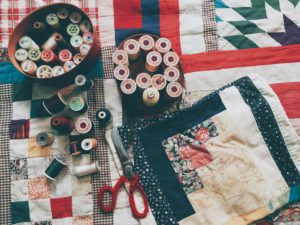
I don’t suggest we deny or bury our feelings and memories. I’ve never found that particularly useful. I think of my story as an old-fashioned quilt, carefully pieced together out of all kinds of scraps of feelings, memories and experiences from which I formed conclusions and beliefs over my lifetime.
Photo by Dinh Pham on Unsplash
I can lift that quilt out of the cedar chest of my psyche, unfold it, hang it on a clothesline in the sun and spring breeze and examine it. Which pieces make me feel stained, frayed, torn or damaged? Which pieces are vibrant, vivid, gorgeously colored and textured?
After the quilt has aired, I can unpick stitches and remove the pieces that hurt, distort or limit me, replacing them with scraps that make me feel happy, confident and loving. I can rewrite some of those childhood monsters and villains, understanding now people are complex and we don’t always know their motives or secrets. I can consider painful pieces of my story from the view of another character in it instead of from my own narrow perspective. As I unpick stitches and loosen up my old story quilt, I can think about forgiveness, gratitude and being wrong, and revel in stitching new patterns and colors into it.
Rewriting our story, like reworking a quilt, takes time. Writing our original story took time. Events happened in our lives. We had feelings and experiences. We had thoughts about our feelings and experiences. We came to certain conclusions about who we are, who others are and how life works. We wove a story and told it to ourselves over and over again, until we believed it completely and it became unconscious. We carry our story with us into the world and it influences every choice and action.
The thing about story is it’s limited and limiting. It can never catch all of reality, even in a single moment. If we understand this and work to bring our personal stories back into consciousness, we become aware of all the ways our stories hurt and/or help us. They can limit and paralyze us or inspire us with courage and confidence. It’s all up to us, because we are the authors of our own stories. We have the power to rewrite.
Many cling to their stories as though they were a matter of life and death, not to mention identity. I’ve noticed some people with miserable stories cling the hardest. I can only conclude for some, even the most wretched and harrowing story provides some kind of a payoff for the one holding it. Such a person doesn’t want to rewrite their story, in spite of how ineffective or painful it may seem to be.
I choose not to be run by my story. I can do, be and contribute more than parts of my old story say I can. I don’t want to validate and reinforce outdated conclusions that made me fearful and small. I don’t want to continually irritate and open up old wounds.
I refuse to be a victim, especially not a victim of myself!
So I’m rewriting and revising my own creation story from before the beginning, when two cells joined and created the miracle of my life. From those two cells came the complex human being I am, and a complex human being contains and creates many different kinds of stories with many different feelings, experiences and thoughts.
Once I lived with an avid outdoorsman who fished and hunted. He frequently spent his weekends camping during spring, summer and fall. I knew how much pleasure he took in this time away from the rest of his life, and always saw him off with some variation of “Have a great time.”
It never failed to make him mad.
He said it “put pressure” on him when people wished him well.
I felt both dumbfounded and amused by his attitude. I couldn’t imagine feeling insulted because someone who loves you wishes you a great time.
I’ve been remembering that man this week because I’ve been thinking about giving and receiving blessings.
Photo by Chris Ensey on Unsplash
Traditionally a blessing was an important social exchange. If one was lucky enough to meet an incognito god or goddess on the flanks of Mount Olympus or in some other lonely place and received their blessing, they were broken open to receive it fully, their deepest and most private hopes, fears and pain exposed. It took courage, strength and humility to receive such a gift.
The poet David Whyte suggests we must make ourselves large for the exchange of blessings. To give such a favor is an act of generosity. To receive it is an act of growth. In the last several days I’ve thought a lot about making oneself big enough for blessings. I’ve remembered specific words and ways in which I’ve blessed others, including the simple blessing of my love.
Sometimes I’ve felt the love I gave another in words and actions was recognized, appreciated and fully received. Other times I have not, and I’ve always made that about me. My love was unwelcome and had no value. Now I wonder, though. Perhaps it wasn’t me at all. Perhaps they were not big enough in that moment to accept my blessing.
That thought leads me inexorably to wondering how many times I have not been big enough to receive a blessing from someone else. I’m forced to admit there have been plenty of times; probably many more than I’m aware of.
Am I big enough to be loved hugely, or receive a large sum of money or have my creative hopes realized?
Photo by Joshua Earle on Unsplash
I’m not sure I am. I’m big enough to be loved moderately, but hugely? No, that feels like too much. I can feel myself tensing, rounding, drawing my knees up and wrapping my arms around my body as I imagine someone trying to give me huge love. I’m not worth that. I’ll be sure to disappoint. They’ve mistaken me for someone else.
I’m too small for such abundance. I choose to be too small. I’m afraid to stand up straight, open my arms and heart wide, and accept huge love. I choose to limit what comes in. I’m afraid of the pain of being broken open. I can make myself bigger in spite of my fear, but I usually don’t in order to accommodate a blessing.
Therefore, I impoverish myself. I have people around me who love me. Perhaps they love me as deeply as I love, and they long for me to receive it as I long for my love to be received, but my own inability to be large enough to allow their blessing into my life makes the energy of their love impotent and weakens our connection. My fear and choice to be small, hard and rigid, like a rolled-up porcupine, not only limit me; they limit others as well.
My most frequent prayer on behalf of others is that they might experience the greatest good. I use that specific language because I know I don’t know what the greatest good is for any of us. Sometimes what we want the most in life is not in our best interests. Sometimes the hardest experiences are the most useful to us. Sometimes what we long for is what we most need. I don’t know. I’m not big enough to know. I can’t see far enough down the road to judge the value in any experience. All I can say, along with everyone else, is what feels pleasant and what feels uncomfortable to me in the moment.
Oxford online dictionary defines blessing as “a beneficial thing for which one is grateful; something that brings well-being; a person’s sanction or support.” We all can make a list of crises in our lives that later turned out to be blessings in disguise. Maybe it’s all a blessing – each breath, each heartbeat, each tear, each drop of blood and sweat, each moment, each life and death. Gratitude is a practice encompassing all our experience.
Photo by Ester Marie Doysabas on Unsplash
To receive a blessing is to allow an expression of support, affection and maybe even love touch us. It’s an act of trust in the intention of the one who blesses us, as well as faith in our own worth. We need one another in this life, and healthy reciprocity makes connections stronger. It’s not enough to be the strong one who maintains safety by extending love and support while accepting none; we must also be willing to be down and out, to be lost and confused, and to receive help and encouragement in our turn.
Last weekend two friends and my partner helped me empty out my flooded storage unit, chip ice, sweep water, put down pallets (transported in my friends’ truck), and put everything back again. We were ankle-deep in mud, slipped and slid on ice and splashed around in water as we worked. It needed to be done and I wanted to do it. I know I needed help. Yet from the beginning I was blocking the support and caring around me. I fussed about my friends using their Saturday to undertake such a messy job. I felt bad about using their truck. I was worried somebody would hurt their back heaving my wet mattress and box springs around. At the same time, I was deeply touched and uncomfortable because I could feel their caring and concern and I didn’t know how to take it gracefully. I wanted to be big enough to accept friendship and love from these dear ones, but it was really hard. I know, however, I’m not good at receiving and I want to be better. I also know, had our positions been reversed, I would have greatly enjoyed helping out a friend on a windy spring Saturday morning.
I endured my discomfort. Now that it’s done, what I will remember is not what was damaged and lost, or even the mess. What I’ll remember is the four of us tackled a necessary job, worked together and had a good time doing it.
Photo by Juan Pablo Rodriguez on Unsplash
It was a blessing. I stretched as wide as I could to receive it.
I need more practice.
When I tell someone I love them, or wish them a great day, or the greatest good, I mean it. It’s not just words. My heart is in it. When I light a candle and reach out with all I am to a loved one who is far away, I’m offering the best I am as a blessing, a candle in dark times, a comfort in distress. I want the gift of my love and support to be received and used.
Probably the best place to start is to learn to receive with more grace myself, to expand, and to humbly accept whatever blessings come my way, whether plainly visible or in disguise.
Have a great day, readers. Greatest good to you. Blessings.
I think of myself as a goal-oriented, disciplined person. Most of the time I know what I want (at least I think I do). Some of the time I’m intentional and present with my choices. I like routine and can be both dogged and stubborn.
Outcomes have always been important to me. I set my sights on what I want to happen and started trying hard to achieve that desired outcome.
I don’t remember ever being taught creating certain outcomes is the way to live successfully and happily, but I structured my choices and behavior around that belief. A desired outcome was success, and therefore good. An outcome I didn’t want was failure, and therefore bad.
I didn’t consciously notice for much of my life that trying to create just the right outcome never worked well for me.
When I came to Maine and learned emotional intelligence, I started thinking about personal power and I finally really looked at how strongly desired outcomes motivated me. I was furious when I first came across the idea of letting go of outcomes. What I heard was invalidation and rejection of my ability to make long-term goals and plans and steadily, a step at a time, work toward them. I also thought I was hearing it was inappropriate to have dreams and desires. How could one navigate through life without caring about outcomes?
Photo by Jeremy Bishop on Unsplash
It took time, a lot of exposure and a couple of difficult and painful events, but eventually I understood investment in outcomes was the problematic piece, not having needs and desires or the degree to which we are disciplined and can tolerate delayed gratification.
We do not have complete power in the way things work out because our goals and plans inevitably include others.
By others I mean other people (the job, college or mate we want), whatever our conception of the Divine might be, and influences like the weather, the stock market, the tax return we counted on, the housing market, the weather, our state of health, and a thousand other variables.
Outcomes are as unpredictable as a loose cannon on a rolling deck, yet I based my happiness and sense of worth on them for most of my life.
For the most part I was unhappy, anxious and felt like a failure.
Then, somewhere I read or heard this little phrase: “However it needs to be, it’s okay with me.”
When I first came across it, I felt angry. It was a blatant lie. I was reluctant to think it, let alone say it. On the contrary, I was deeply invested in outcomes.
But I kept noticing it didn’t work well to live that way.
For some time I watched myself using all my energy in the tension of trying to create specific outcomes that eluded me.
Photo by Talles Alves on Unsplash
In my usual buttheaded fashion, I hung on grimly. If I wasn’t seeing the outcomes I intended and wanted, it was because I didn’t deserve them. Or I didn’t work hard enough. Or I was so broken and stupid nothing would ever work for me. Or the world was against me.
It was much easier to hate myself, an old habit, than consider the possibility none of us can really control outcomes. It was easier to blame others than change myself.
What we can control – the only place our personal power resides – is what we do with ourselves in terms of our beliefs, choices and behaviors.
Deciding how to think about outcomes is part of our personal power.
I formed a conscious intention of experimenting with letting go of outcomes. One of my very first explorations into that was this blog.
One of the biggest problems with attachment to outcomes for me is the outcome looms so large it overshadows the hundreds of small pleasures in life, as well as my delight and curiosity in the journey I take through each day. I’m too busy trying to get to an outcome to notice or appreciate anything else. Attachment to outcomes means there’s only one very specific way I can feel successful or happy, and in order for that to happen all the stars must align just right and everyone and everything around me must behave exactly as I want them to. Otherwise I’ll be resentful, depressed, discouraged, hurt, or some other kind of miserable.
Photo by Alex Iby on Unsplash
Attachment to outcomes is also a relationship killer. Whatever it is we want our children, parents, spouses, colleagues, bosses and friends to do or be (or not do or be), the fact is they are not pawns on our chess board. They are not paper dolls. They are not (hopefully) ours to control.
If we cannot accept our loved ones (or ourselves, for that matter) for who they are, we will lose them.
Attachment to outcomes comes with a heavy burden of fear and anxiety. As long as an outcome is “good” or “bad’ in our minds, both hope and fear attach to it. We invest energy in trying to avoid certain events and foster others. We try to figure out how to manipulate and influence the situation so it turns out the way we want.
We lose sight of the others around us very quickly. If we have our hearts set on a job, for example, even though we’re not well qualified for it, we do whatever it takes to get hired, never considering someone else might be a better fit. Someone else might be more desperate than we are for the job. The organization might need a specific set of skills and talents we do not possess. Another job opening we’re not yet aware of might be the place we’re most needed and will be most happy.
Attachment to outcomes can make us small and rigid, selfish and resentful.
So what does it look like to let go of outcomes?
Change and the unexpected are no longer fearful, but interesting. We make space for them. We have increased room for others because we’re not trying to control them. We take life less personally. We are confident and clear in our own power.
To let go of outcomes is to let go of distractions. It frees up space and energy to consider our own integrity, expression and needs. If we want to give a gift, we do it without worrying about how it will be received, if it will be reciprocated or how it will be judged. We give because it makes us happy and gives us pleasure to do so.
If we are artists, we create because it gives us joy, because it’s what we were born for. We don’t use our talent as a tool to leverage fame and riches. That doesn’t mean fame and riches won’t come or our art is not worth getting paid for, it just means that’s not an outcome that drives us.
Letting go of outcomes means letting go of feeling victimized, resentful and betrayed. We don’t take disappointment personally. Life is not all about us.
Photo by rawpixel.com on Unsplash
Letting go of outcomes makes room for cooperation and collaboration. We see others more clearly, lovingly and respectfully. We’re a more elegant team player. We enjoy working with others without the need for competition or power and control. We look for ways to share and nurture power. We give up the blame and shame game.
Letting go of outcomes means letting go of regrets. We make space instead for all outcomes, whether intended or not, comfortable or uncomfortable. We go forward with our best, most honest and heartfelt effort and have fun, letting the rest take care of itself. We use our time and energy to cultivate curiosity, wonder and gratitude for whatever happens.
Letting go of outcomes starves our anxiety, depression and insomnia. If we can position ourselves in life with confidence, surrender and acceptance, we build resilience and joy.
Let me hasten to say releasing outcomes is hard work. I find, somewhat to my chagrin, at times I’m invested in my resentment over the way things work out and my sense of betrayal. I don’t want to be soothed, comforted, or challenged to consider my experience from a different perspective. I want to be left alone to suck my thumb and pout, my version of a tantrum. Managing my expectations and attachment to outcomes is a work in progress.
I also do not deprive myself of the pleasure of making and achieving personal goals having to do with exercise, building skills, playing, relaxing or learning new habits. Those kinds of outcomes are well within my power to pursue.
When I feel frustrated and as though nothing ever works out for me, I’ve developed the habit of saying aloud to myself: “How ever this needs to be, it’s okay with me.” If it feels like a lie in my mouth, I start poking at the situation and asking myself why I’m attached to a particular outcome. I put my energy into taking a step back and reevaluating the situation until I really am okay with whatever outcome occurs. I summon my curiosity, warm up my gratitude, invite my sense of humor to awaken and go forward.
It’s the difference between rolling out of bed and telling the day how it must be in order for me to be happy or rolling out of bed wondering what the day will bring and choosing to enjoy whatever that is in advance.
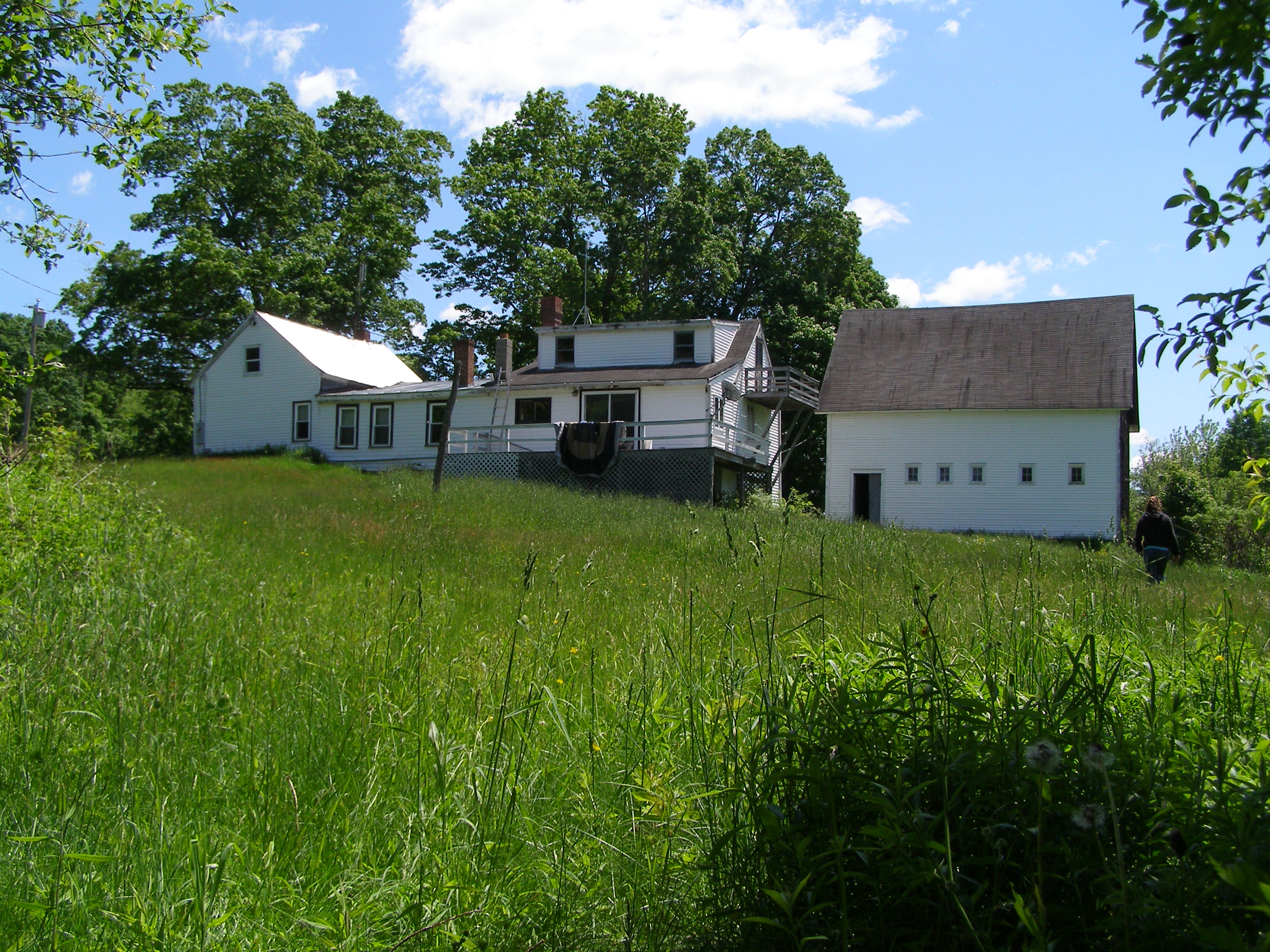
I moved to Maine with a U-Haul packed with things from my old life. I was moving from a small, tight, energy-efficient home where I lived alone to a slouching, leaking farmhouse with a cracked foundation and a peeling roof. I didn’t trust my cherished possessions to the dubious protection of the house or the barn, also dilapidated and leaking.
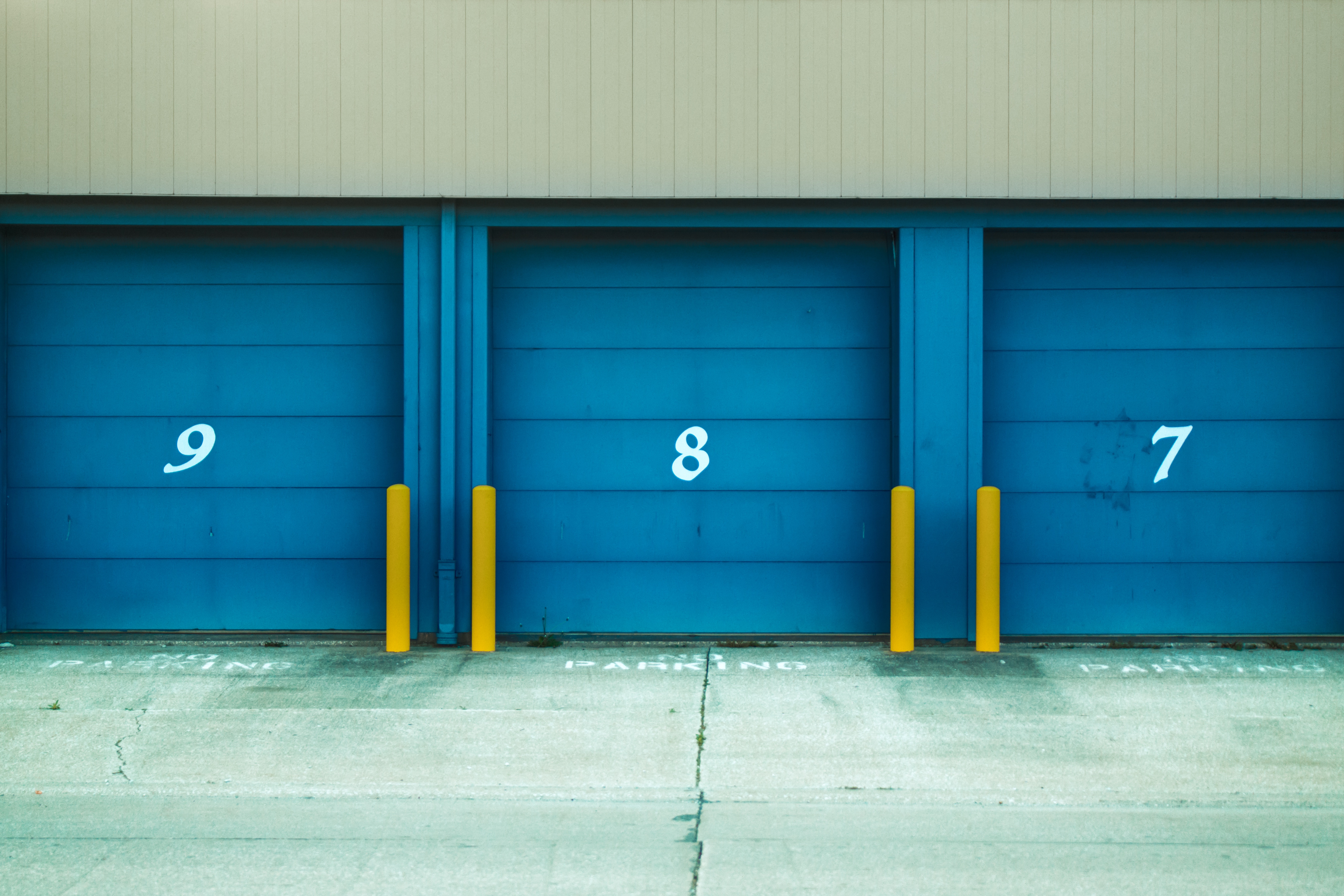
So I rented a storage unit.
Now it’s four years later and I’ve been reading and thinking about minimalism. Minimalism appeals to me because it creates space and simplicity in our lives. I’m gradually coming to understand even my most cherished possessions are not important to my quality of life. In some ways they even block my view and obscure thresholds and openings.
That’s not to say I don’t frequently miss my just-the-right-firmness double mattress and box spring in storage, or my comfy couch and matching chair. I do miss them, but they don’t fit into my life anymore and they don’t fit into the house. Literally. I don’t think we could get my modern overstuffed couch in the old front door.
My bed and furniture, along with a few boxes, have languished in subzero temperatures in the winter, and heat and humidity in the summer, and I’ve faithfully paid the monthly rent all this time.
A couple of weeks ago we had a call from the owners/operators of the storage unit to say there was flooding on the property.
Here in Maine, we have yet to experience a snowstorm this season that wasn’t mixed with freezing rain. What this means is layers of ice have built up on the frozen ground and clogged culverts and drains. As temperatures see-saw between normal below-freezing and subzero and much warmer air that turns falling snow to rain, the rain has nowhere to go.
The storm that caused the problem at the storage unit dumped several inches of snow and then three inches of rain. Cellars and basements that had never flooded before got wet. Intersections and streets flooded in town. It was a mess. At the storage unit, all that water couldn’t drain away from the buildings, so it crept along the ground and washed through them.
When we unlocked the door and pushed it open, we found ice covering the floor of the unit. The floor slopes a little, so the ice thickness varies from half an inch to two inches or possibly more in places I couldn’t see well. Everything on the floor is absolutely frozen solid to the cement.
Photo by Tom Barrett on Unsplash
For now, there’s nothing much I can do. After the initial look, I went back with a friend for moral support on another day. As I pushed up the overhead door, I had the usual pang of nostalgia and loss at the sight of the pieces from my old life, unused and abandoned. Added to that is the bitter cold and solid ice locking everything into place as though it will never let go.
The irony is inescapable. I was trying to keep those things safe from water and fire while I waited for a life they would fit into again. Keeping them safe felt like keeping me safe, or at least parts of me. Memories. History.
It’s all an illusion, though. How safe is any object? Objects get lost, broken or stolen. They get damaged. We have to manage them, care for them, protect them, carry them from place to place.
A couple of inches of ice have forced me to confront my thoughts and feelings about my stuff. Embracing minimalism is all about de-owning and decluttering, but as I go through my possessions in the house I’m in control. I can choose what to discard and what to keep. Now an act of nature has taken away some of my choice.
My cherished bed, for example, is nothing more than a mattress and box springs leaning against the wall in the back of a storage unit that got wet and are now firmly anchored in ice. When I am able to remove them and take them to the dump, all I’ve lost is the objects themselves. I’ll still remember with pleasure my wonderful bed and using all the bedding that goes with it. I’ll still remember my cat, gone now, with love and gratitude, and treasure the happy hours we spent together on that bed.
Photo by silviannnm on Unsplash
I’ve lost nothing but the necessity to store the bed for the sake of my memories and/or future possibilities. The truth is I have no use for a double bed in the life I’m living right now.
Why do we save things? Why are our lives full of things we wouldn’t buy today for the life we live now? Why do we save things “just in case?” Just in case of what? Does just in case ever come or is it merely a scary or hopeful story we tell ourselves? Do the things around us speak of who we are right now, or of who we once were or who we wish we were? Are we frozen in the past or in our fantasies?
The poet David Whyte says that most of us are at least three to four years behind our own growth and change. That struck a chord with me. My storage unit is filled with things from a life I left four years ago, a life I couldn’t go back to even if I wanted – and I don’t. I have moved on and out and up. As precious and sweet as some aspects of my old life were, they’re gone.
Except that I’ve been holding on, which has cost money and now created a situation requiring me to cut my losses and clean up. Maybe, if we took the front door off its hinges and even removed the door frame, we could have gotten my couch into the house, replaced the broken-down one we presently use, and been enjoying it all this time.
(Except the TV is always on in the living room. I hate the TV. The couch is mine. It used to be my reading place, but I can’t read in our disaster of a living room with the TV on. I don’t want it here if I can’t ever enjoy it! It’s mine. And the cat will sharpen her claws on it. And what if the house burns down?)
There is no moral to this story, aside from having learned it really is a good idea to put pallets down in a storage unit! It will be some weeks before the ice softens enough to chip off the floor and sweep out or melt. I have gone in and salvaged what I could, discarded some things, assessed some of the damage. Everything will have to come out while I dry the floor. Then I’ll need to discard whatever is ruined, buy and transport pallets and re-pack the unit.
Or maybe not. Maybe it’s time to reconsider the number of objects I’m carrying through my life. For far less than I’ve already spent on the storage unit we could have tightened up at least two of the outbuildings right here on the property for storage. How badly do I need anything I haven’t used in four years?
I’m inclined to be grateful for the flooding of my unit. It forced me to ask some important and provocative questions. It forced me to consider what’s truly important for my happiness. It challenged me to let go of things that no longer serve me without fear or regret.
When I left Colorado, I told friends I was coming to Maine because I thought I had a life here waiting for me. It’s taken me some time to find it, but I was right about that. I chose not to remain frozen in place, and that’s still my choice. Perhaps it’s time now to free my things from that old life as well.
I’ve lately been revisiting David Whyte’s work, including one of his audiobooks titled What to Remember When Waking. He suggests having faith in things falling away.
It caught my attention because usually we speak of faith in what we judge to be positive: Courage, kindness and the sun coming out tomorrow. Having faith in the shadow side of life suggests a deeper wisdom.
This coincides with my current personal focus on shame, which I discover (to my chagrin and sorrow) is a burden I carry every day and can’t remember being without. I knew it was there, in the roots of me, but generally speaking I try to hide it and look the other way. I’ve never had any idea how to eliminate it or transform it into something less painful and more effective, so it’s become firmly and almost invisibly established.
Whyte, a magnificent poet, prompted me to think differently about feelings and experiences we typically cast as negatives and try to avoid, ignore, hide or minimize. Have faith in things falling away.
What kind of things fall away?
Leaves in autumn, innocence, comets, people, memories, time, feelings, others beloved by us, and our own lives. Flowers drop their petals. Snakes shed their skins. Seconds and years fall away, one by one. The sea ebbs from the land and then returns. What we can see of the moon wanes and falls away to nothing before it waxes once more. A fertile woman watches each month’s possibility of new life fall away when she is not pregnant. The dark falls away before the light, and the light before the dark. Cell by cell, lash by lash, hair by hair, our bodies fall away during our lifetimes.
Sometimes we fall away from others, or tear ourselves away from jobs, relationships or places.
Some things we are glad to let go and leave behind us. Other losses are so terrible we feel permanently maimed.
Then there are things like shame that are forced upon us by others, that cripple our joy and our ability to love ourselves. We long to be free of such burdens, to let them fall away, but we don’t know how to do it. Even if we find a way to loosen their grip upon us, we are sometimes unwilling to cast them completely aside, because then we would become strangers to ourselves, strangers in our own lives, and we fear that change more than our familiar suffering.
Photo by fancycrave on Unsplash
Faith in things falling away. Trust and confidence, in other words, in both loss (things we don’t want to lose) and relief (things we do want to shed).
Could it be that the way through shame, longing, fear, anguish and the like is to turn toward it, embrace it, kiss it on the mouth? Is that what must happen before it can fall away? I wonder.
Can we trust in the approaching storm as much as we trust in the sun coming out tomorrow? Can we trust in the unraveling, the fraying, the slow decline, the darkest shadows of our hearts and actions, as well as healing, vigorous new life, and our kindness and compassion?
I suppose what I’m really asking is if we can trust in all of our experience and feeling, whether comfortable or agonizing, in any given moment. Can we trust in change and suspend our judgement about whether it’s good or bad? If our world is burning around us and everything we know or have is falling away to ash, can we have faith in the purification of that terrible loss?
Taking it further, am I willing to have faith in my own frustration, anguish, scars and shame? Am I willing to explore these things, talk with them, allow them to teach me, even love them, and then let them go or transform? Do I possess the courage to let an outdated version of myself fall away while I enlarge my soul?
Inevitably, inexorably, things change and fall away. As human beings, how do we choose to live with that fact? Faith or resistance?
Tonight I will sleep with my worries through dreams dark with soil and the heaving cataclysm of the spade turning earth round me not speaking of air or light fused with greenness but of darkness and the first leaves like hands in prayer clasped inside the seed.
Websites store cookies to enhance functionality and personalise your experience. You can manage your preferences, but blocking some cookies may impact site performance and services.
Essential cookies enable basic functions and are necessary for the proper function of the website.
Name
Description
Duration
Cookie Preferences
This cookie is used to store the user's cookie consent preferences.
30 days
These cookies are needed for adding comments on this website.
Name
Description
Duration
comment_author
Used to track the user across multiple sessions.
Session
comment_author_email
Used to track the user across multiple sessions.
Session
comment_author_url
Used to track the user across multiple sessions.
Session
Statistics cookies collect information anonymously. This information helps us understand how visitors use our website.
Google Analytics is a powerful tool that tracks and analyzes website traffic for informed marketing decisions.
ID used to identify users for 24 hours after last activity
24 hours
_gat
Used to monitor number of Google Analytics server requests when using Google Tag Manager
1 minute
_gac_
Contains information related to marketing campaigns of the user. These are shared with Google AdWords / Google Ads when the Google Ads and Google Analytics accounts are linked together.
90 days
__utma
ID used to identify users and sessions
2 years after last activity
__utmt
Used to monitor number of Google Analytics server requests
10 minutes
__utmb
Used to distinguish new sessions and visits. This cookie is set when the GA.js javascript library is loaded and there is no existing __utmb cookie. The cookie is updated every time data is sent to the Google Analytics server.
30 minutes after last activity
__utmc
Used only with old Urchin versions of Google Analytics and not with GA.js. Was used to distinguish between new sessions and visits at the end of a session.
End of session (browser)
__utmz
Contains information about the traffic source or campaign that directed user to the website. The cookie is set when the GA.js javascript is loaded and updated when data is sent to the Google Anaytics server
6 months after last activity
__utmv
Contains custom information set by the web developer via the _setCustomVar method in Google Analytics. This cookie is updated every time new data is sent to the Google Analytics server.
2 years after last activity
__utmx
Used to determine whether a user is included in an A / B or Multivariate test.
18 months
_ga
ID used to identify users
2 years
_gali
Used by Google Analytics to determine which links on a page are being clicked