by Jenny Rose | Nov 15, 2018 | Connection & Community, Emotional Intelligence
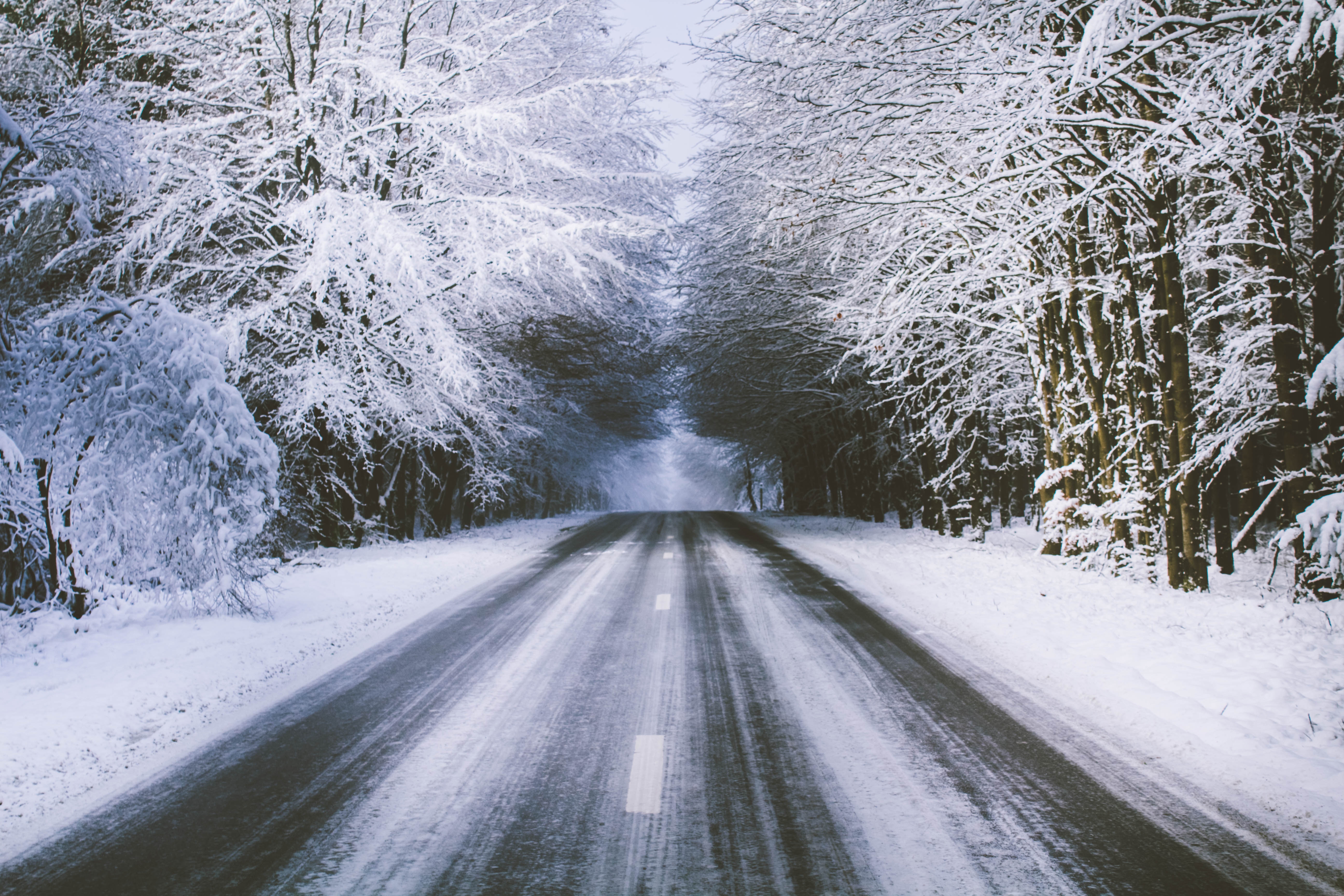
 We woke to a snowstorm this morning in central Maine. I could hardly wait to get out in it and walk. It was snowing hard and accumulating fast, coming down in heavy, wet flakes. I headed to work midmorning, maneuvering out of the driveway with some difficulty. The ground was already well saturated before this storm.
Getting out of the driveway is the hardest part of winter driving here. I’ve been amazed at how well the roads are taken care of in Maine, much better than the rural roads and streets in Colorado. Still, winter driving is winter driving, and I gave myself plenty of time.
I quickly discovered the paved road was every bit as treacherous and without traction as the driveway. There was a heavy coating of slush and no sign of sanding or plowing. If I went over 30 miles an hour I lost traction and I almost couldn’t climb the steepest hill on the way into town. I turned on my audiobook, sipped my travel mug of tea, and settled down for a slow and careful commute, wondering why the road crews seemed to be ignoring the dangerous conditions.
 I started down a gently sloping hill with a shallow curve. One minute I was driving and the next I was floating. I was alone on the road. Nothing happened. I hadn’t accelerated or braked or jerked the wheel. I just started slipping across a thin layer of slush between the tires and the pavement, and I knew I wasn’t going to make the curve. I kept my feet off the pedals and tried to steer into the skid, but the tires might as well have been glass slippers, for all the traction they had.
I was very lucky. The side of the road was thickly edged with woody shrubs like alder and willow. I didn’t hit a pole, tree or fence, and I wasn’t going fast. I also didn’t land in water, a real danger here in Maine. I recognized the weightless feeling in the pit of my stomach and knew I was helpless, a victim of momentum. All I could do was sit tight and wait for the car to stop. I wasn’t at all scared. I had a seatbelt on and I was only coasting.
I’m going to be late for work, I thought, resigned.
The brush and bushes caught me neatly. I turned off the audiobook and engine, turned on the hazard lights, gathered up my keys, wallet and travel mug of tea — not a drop had spilled — and set out for the nearest house.
I was greeted by the baying of several dogs, the alarm calls of a pair of geese and a woman about my own age with very blue eyes. I explained, said I didn’t have a cell phone, and asked if I could call for help.
She was extremely kind. The dogs were contained somewhere while I waited. The geese eyed me balefully. When I stepped inside, the house was warm and a stove glowing. It was a typical farmhouse kitchen, cluttered, friendly, comfortable, filled with plants. She handed me her cell phone, introduced herself as Sarah, and asked if I was hurt. I reassured her I was perfectly unharmed, called my partner and called work. I was about to call AAA when she offered to pull me out with her tractor.
I dithered. I have a horror of being a burden or needing help. Why should this woman leave her cozy kitchen and go out into the snow and slush to pull a stranger out of the ditch? She told me to stop apologizing and pointed out that AAA would likely take a long time to respond, given the local conditions. We both wore heavy mud/snow/rain boots. She flung on an old yellow slicker and fired up the tractor.
The tractor couldn’t get any traction, either. It churned up mounds of mud and grass, but the chain wasn’t long enough to allow it to pull from the pavement, and she came close to sliding sideways into the ditch, just as I had done.
At this point we’d both been lying on the slushy, muddy ground hooking up chains, the snow was coming down in wet clots, and the narrow rural road we were on was extremely hazardous. Sarah took the tractor back and returned with “Tank.” Tank is an old-fashioned heavy farm truck, painted in camo and looking indestructible.
Tank couldn’t pull me out, either.
 During all this, everyone who went by stopped to ask if we needed help.
The snow turned to heavy rain.
We went back to the house and I called AAA.
I wanted to wait for the tow truck in the car, but Sarah wouldn’t hear of it. We could see the car from her kitchen window. We were both wet and muddy to the skin. We sat at the kitchen table and talked about our sons (her two and my two) and what we’d done with our lives so far. Every car that went by mine either slowed or stopped. We were so worried someone else would go off the road or my mishap would cause another accident, we put a note on the car window saying Nobody hurt. Waiting for tow truck.
About an hour later a big tow truck pulled up. I thanked Sarah from the bottom of my heart, put my sodden coat back on and went out into the pouring rain. There were two young guys in the truck. They considered the problem, walking around the car in their heavy boots and the bulky waterproof gear all the working men seem to wear here. They decided the only way to get me out was to pull me sideways back onto the road. I was shivering by that time. I got in the driver’s seat, rolled down the window (I could hardly have been wetter), and prepared to follow directions.
While they were working the road was effectively blocked. A big pickup truck came along, pulled into the center of the road behind the tow truck, and turned on his hazards.
They pulled this way and that. I went from neutral to park and back again. I braked when they told me to. The rain ran down my face and neck and under my coat and other clothing. Branches scraped across the car. The winch whined. Mud and slush churned. A few vehicles waited patiently. We finally got two tires on the road. They got behind me and told me to accelerate nice and slow. I did so, they pushed, and the tires found the pavement again.
I thanked them wholeheartedly. I waved to the kind and patient human being who blocked traffic and kept us all safe.
This morning in Maine there have been many, many accidents, including a flipped-over school bus, snowplows off the road, jackknifed trucks and people like me sliding into ditches, power poles and other cars. There have been cancellations, delays and detours. We are warned of flooding. This afternoon and tonight we expect freezing rain. The storm is not over, but my adventures for the day are. I crept back home three hours after I left it, shivering, wet and exhausted, and promptly got stuck in the driveway.
How do we thank the strangers who brush against our lives and lend a helping hand? I’ve never known. A simple thank you seems so wholly inadequate. Still, what else can I say? What about all those anonymous strangers who help in ways we never know about, or come and go so quickly we don’t even see their faces? As an old first responder, I know how essential traffic control is, but I don’t know if the driver who shielded us and stopped traffic was a man or woman. I suspect everyone’s plans were disrupted this morning, but people slowed and stopped to make sure the driver of the car in the ditch was not injured or needing help. Treacherous roads, blinding snow and then rain, a dark November day, and ordinary men and women willing to assist in spite of it, willing to leave their warm firesides and kitchens, willing to climb out of their dry, cozy vehicles, willing to do what they could for a stranger.
These are the darkest times I’ve seen in America in my lifetime, but this morning my faith in humanity was renewed. A series of strangers helped me when I was in need, and because of them I’m back home, safe, dry and warm. I’m grateful. I also know that all over the world people are practicing small acts of kindness all the time, ordinary people going about their business in neighborhoods, communities and at work. This post is for them.
Thank you for checking to make sure a stranded driver is okay. Thank you for answering a stranger’s knock at your door. Thank you for offering a cell phone or other means of communication to someone who is stuck without the ability to call for help. Thank you for helping direct or block traffic so further accidents don’t occur. Thank you for being patient when an accident holds you up. Thank you to all those first responders, tow truck drivers, utility company workers and the other hundreds of thousands who are there with tow chains, chainsaws, shovels and tractors when the unexpected happens. You might be doing your job, but thank you anyway for your smiles, your kindness, your expertise, your willingness to contribute, your difficult and often risky work, and your humanity.
My hope lies in all of us who do what we can in our little corner of the world. The simple, humble kindness of strangers may, in the end, save us.
Photo by David Monje on Unsplash
All content on this site ©2018
Jennifer Rose
except where otherwise noted
by Jenny Rose | Jun 28, 2018 | A Flourishing Woman, Body
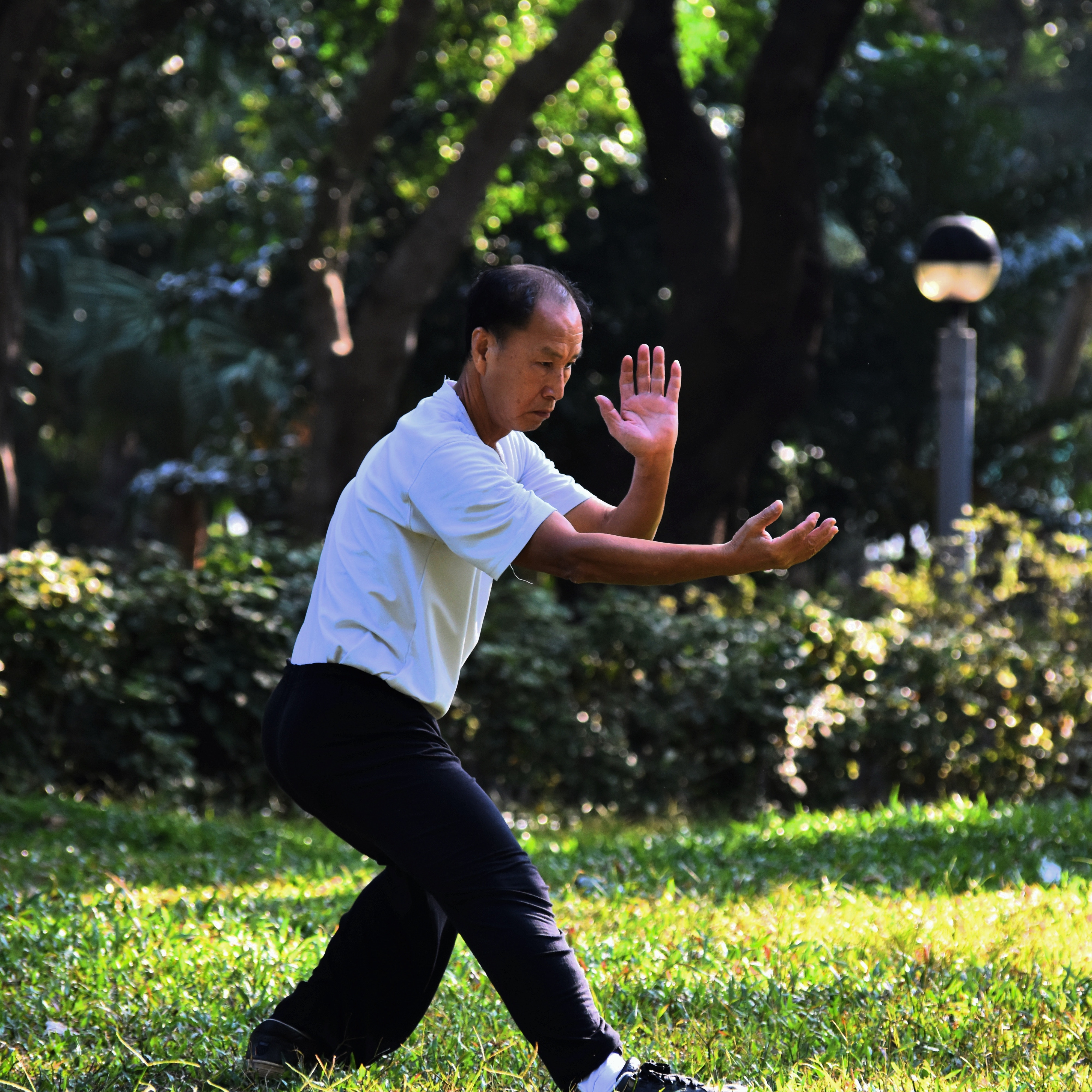
After years of interest, last autumn I finally found a Tai Chi teacher. I approached learning Tai Chi with hopes and expectations about the benefits it could provide, but I was unprepared for the power of the practice and how important it would become in my life.
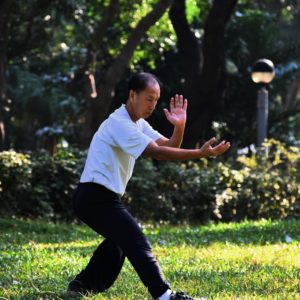
Photo by Mark So on Unsplash
Tai Chi is a form of Chinese martial art intended to teach defense and support health. It’s a multilayered practice, elegantly complex. Learning the gross motor movements is only the first baby step. One layer is connected to and leads to the next. Tai Chi is not a linear activity to learn from beginner to master, but a dynamic, fluid practice best approached with humility every time. It’s constantly challenging in new ways, depending on what my state of mind, body and spirit is on any given day.
The Tai Chi I practice is called 24 forms, all of which gradually blend into one smooth, flowing whole with practice. The forms have delightful, poetic names like The Crane, Windmills and Clouds.
Tai Chi is about finding one’s center, physically and emotionally, and building on the strength and balance residing there. In order to facilitate this, one crouches slightly with bent knees throughout the whole routine. This is obviously quite challenging, and for some people impossible. However, with proper foot position, body dynamics and a crouched stance, we can immediately feel the solid, stable center at the core of every Tai Chi form. Crouching for long periods of time immediately informs us about the strength of our ankles, knees, hips, hamstrings and quadriceps, information we might not otherwise receive as we move upright through the world.
Crouching assists with balance because it lowers the center of gravity. Many people take up Tai Chi to support balance issues, in fact. Several forms require balancing on one foot or another with the supporting knee bent. This, too, can be unexpectedly challenging. Once again, our body has a story to tell we might not otherwise hear as we move normally. I’ve always been aware I have sloppy posture, but I’ve been habitually lazy about doing much about it. Tai Chi demands I stack my bones on top of one another and tuck in my tailbone. If I don’t do that, I can’t balance. I notice I now move through the rest of my life standing tall, with more grace and confidence and better posture. I don’t slump, crowding my lungs and abdominal organs. I don’t tilt or lean. I know where my pelvis is and I stay over it. My back is happier. I feel better.
Every movement counts in this practice. Each foot is placed just so in order to support a fully centered crouched stance. Shoulders, wrists and elbows stay in line with several of the forms, which necessitates holding arms straight out from the shoulder. My arms ached for months as I built strength, and I’m a strong swimmer who works out in the pool once a week. One form requires placing toes down and heel up, and another the heel down. At times we turn on our heel, and at other times our toe. In one form we turn one foot on the heel and the other on the toe at the same time. Everything about Tai Chi leads me inward on a spiraling journey of deeper focus and mindfulness.
Photo by Ludde Lorentz on Unsplash
It’s amazing to practice over time and begin to feel the forms smoothing out into a cohesive routine with some kind of elegance and grace. Such fun and so rewarding. Then, however, the instructor started to talk to us about our eyes. It turns out every form requires a very specific eye gaze, often on our hand movements. I was doing well with balance, but when I took my gaze off the middle distance and looked at my hand in front of my face, I lost my balance. This was advanced balance. I added in the appropriate eye gaze and started all over again with balance.
Then, the teacher began to talk about breathing. Crap. I hadn’t even thought about my breathing! Breathing is connected to energy, and Tai Chi was originally a practice for working with energy as well as defense. All the forms have to do with pushing, pulling, deflecting or defending. Now that we had some mastery of the physical challenges, we began to work on feeling our field of energy and moving it with our bodies and breath. A push is an exhalation. A pull is an inhalation.
Breathing then leads to pace and rhythm. We practice Tai Chi to meditation music — very slow. Balancing on one leg is not so hard when you do it for two or three seconds. Balancing for sustained periods of time, especially with a bent knee, requires a lot more strength and, well, balance! Every movement takes far more concentration when slowed down. This is one of the few activities I’ve ever done where the goal is to slow down. We seem to be running faster all the time, overstimulated, overscheduled, multitasking, trying to earn more money, perpetually on call via technology. We’re all in pursuit of … something. What? Does anyone ever find it? Is it worth the cost of the chase?
Photo by Chris Ensey on Unsplash
Tai Chi demands we slow down. In that slowness we discover our fatigue, our aches and pains, our half-healed injuries, our distractions and our distress and unmanaged feelings. We remember our center. We recover our balance. We make time to breathe.
Some people call Tai Chi a moving meditation, and I now understand why. When I’m practicing Tai Chi, I’m not doing anything else. When I’m walking or swimming my mind goes right on with whatever it’s busy with. Those activities are good for creative inspiration, prayer and processing feelings. Tai Chi, though, takes me to a deep, restful, quiet place of no thought, focus and present mindfulness, so rich and so empty. It opens the door for awareness, too, of the degree to which I’m captive to distraction. The instant I’m distracted by a sound or a stray thought, I lose my balance and center, I lose my breath, I lose the flow and I don’t know where I am in the forms. I think of myself as fairly focused, but I’m just as susceptible to distraction as anyone else, and I don’t want my life to become an uncontrolled blur of noise and stimulation in which I forget there’s anything but distraction. Tai Chi brings a precious and necessary balance into my days.
All these layers have brought health and healing into my life, but the greatest grace Tai Chi brings me is the opportunity to be in the body. I’m saddened by the ever-more strident body politics in our culture. I don’t remember a time in my life when it seemed so many people were locked in self-hatred and hatred of others based on some kind of physical characteristic. It reflects in our suicide and addiction rates, and it touches each one of us. We no longer honor the sacred feminine and masculine, we have few invitations to fully inhabit ourselves physically, and no one encourages us to honor and respect our physical form as it is.
Just like dance, Tai Chi calls us home to ourselves. My home is not nipped, tucked, plucked, lipo-suctioned, dyed, shaved, made-up, compressed, surgically reconstructed or uplifted. My home is my oldest friend, my most loyal companion, the loyal record keeper and diary of childbirth, breast-feeding, menopause, a lifetime of Colorado sun, slipped kitchen knives and barbed wire fence. My home is lines and wrinkles, lumpy thighs, softened breasts, grey hairs and thinning skin. This amazing, adaptable, resilient, hard-working body is the shelter and haven for my spirit.
I often move a chair aside, open the windows, take up the sheepskin rugs lying on the wide plank floor in my attic space, shut the door at the bottom of the stairs, turn on music and take off my clothes to practice Tai Chi. I like to look down at my bare toes and toe ring on the sloping grey-painted floorboards. I like to glance at my strong knees and make sure they’re in line with my heavy ankles. I like the gentle slope of my belly, cross-hatched with silver stretch marks, under which two children grew into life. I like to stack my bones carefully, tuck in my tailbone and feel the subtle realignment that opens up my center and my balance. I like the clench, pull, stretch and relaxation of my muscles. I like the combination of strength and loosening skin and flesh as I move my arms. I’m grateful for the ability to breath deeply, and the ability to sweat. I relish the air coming in the windows and touching my bared breasts.
We started with a large Tai Chi class, and over the weeks and months people dropped out, one by one. I suppose for some it wasn’t a good fit. For others it wasn’t a priority. Still others were discouraged by their physical limitations, in spite of the fact that the instructor was and is eager to modify the practice to accommodate anyone. One lady had trouble with balance but was unwilling to stand next to a chair for safety and support. Others were ashamed of their weight, their muscle weakness and/or learning a new thing in public. It made me sad. I think many would have benefitted if they could have moved past their shame and self-consciousness, and if they’d been willing to work with their physical reality instead of resenting and arguing with it.
Our Tai Chi group is small now, but we’re good friends. We laugh a lot. We learn from one another. We greet and part with hugs and affection. We enjoy the music; share our distractions, worries, aches and pains and support one another in centering, grounding, calming and mindfulness.
I’m entirely grateful.
Photo by Biel Morro on Unsplash
All content on this site ©2018
Jennifer Rose
except where otherwise noted
by Jenny Rose | May 17, 2018 | Contribution, Emotional Intelligence
The seed for this post was a podcast by Pat McCabe, also known as Woman Stands Shining, who is a Diné (Navajo) mother, grandmother, activist, artist, writer, ceremonial leader and international speaker. In the podcast, she speaks about the idea of making an offering as part of our spiritual work.
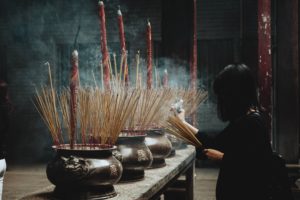
Photo by Chinh Le Duc on Unsplash
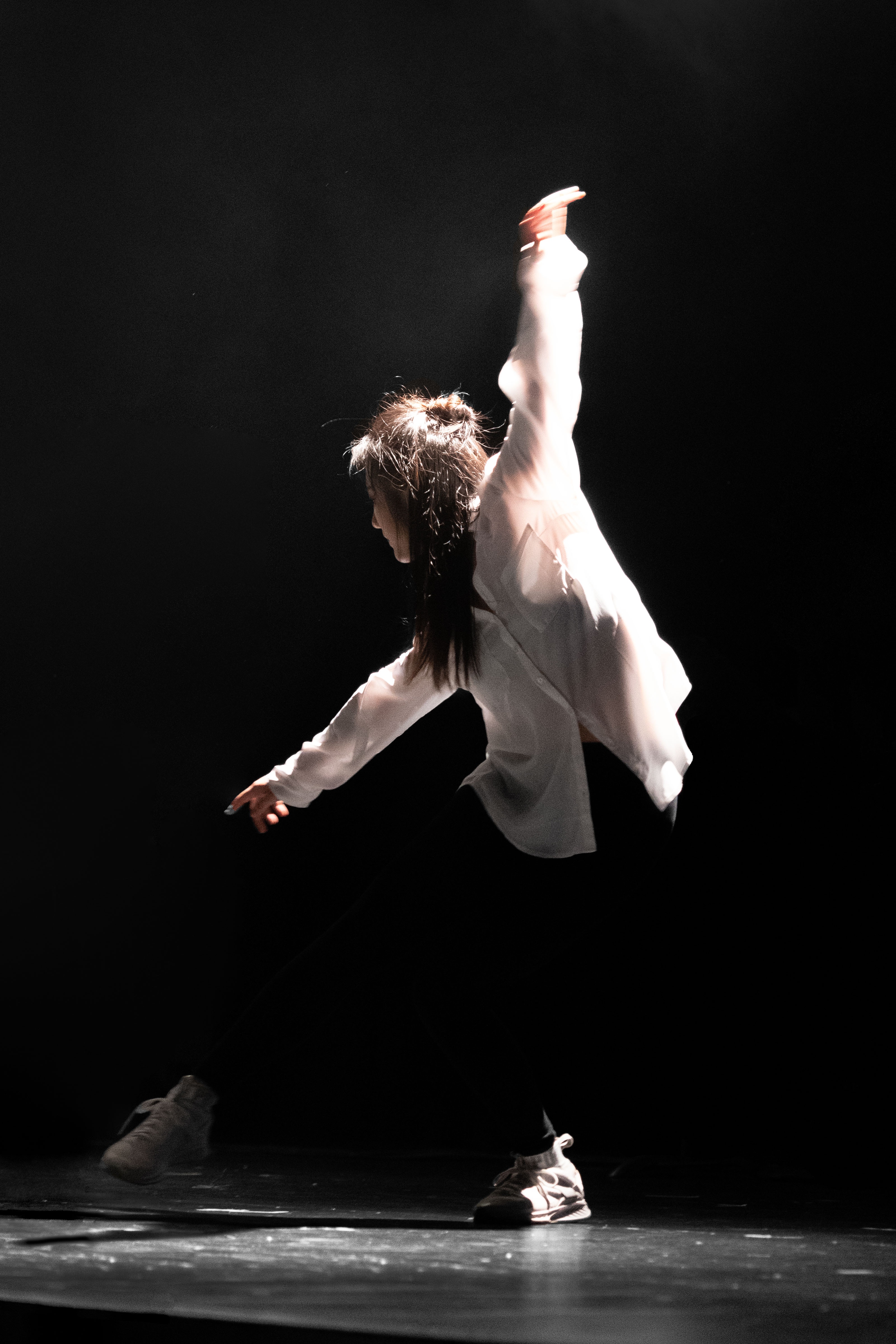
That idea started me thinking about offerings, what it means to make one, to whom we make them, and why. Spiritual and sacred practices are a strong theme in my Webbd Wheel series. Mother’s Day has come and gone and Father’s Day is ahead. Many of us mark these days with offerings of some kind. For Earth Day, I joined a small neighborhood group and picked up trash, and I framed that activity as an offering. Yesterday I cleaned up my summer-only dance space and danced there for the first time this season. As so often happens, during that hour of dance this week’s post crystallized.
An offering is “a thing offered as a gift or a contribution” according to a quick Internet search. A gift is “a thing given willingly to someone without payment.”
The act of making an offering is ancient, a practice we began long before we could go out and buy a gift. Various cultures have historically engaged in ritual sacrifice (an act of slaughtering an animal or person or surrendering a possession as an offering to God or to a divine or supernatural figure), an altogether different degree of gift from a cute coffee mug.
I’ve long struggled personally with gift giving. There’s something in me that resents and resists the cultural mandates we’ve created to give gifts of a particular kind on certain occasions or days of the year. It seems to me modern-day gift giving has moved away from making an offering and into a demonstration of possessing money and spending it on some new piece of something, just for the look of the thing. We may feel real love, or gratitude, or whatever, but the only way we know how to express it is by buying a card (never mind the trees) and some kind of a gift.
I know that’s how we do things, but what does it accomplish, aside from contributing to our capitalist economy? Is that what we most want from the people in our lives — more stuff — or is that what we take because we can’t get what we really want? Is a coffee mug all we think we have to offer? Is a coffee mug all we think the other will accept? Are we unable to recognize and cherish an offering unless it comes gift-wrapped?
Photo by Chris Ensey on Unsplash
I’m thinking a lot about Pele, the Hawaiian volcano goddess, because I’m writing about her in my second book. Traditional offerings to Pele included tobacco, brandy, silk, crystals, tropical flowers and food. Offerings to Pele and other divine figures around the world involved ritual, prayer, music, song, dance and sometimes a sacrifice. Things, yes, although many were consumables or objects from the natural world, but also time. Presence. Creative, sensual and/or erotic expression. Community celebration, guided by spiritual leaders. Reverence. Appreciation. Gratitude. Acknowledgement of the Divine’s connection to the people and the natural world they inhabited.
Making an offering on this level is a demonstration of commitment and willingness to participate in the complex web of connection between people and nature. It’s a practice, not a one-time event. It’s flexible and not limited to the calendar or the clock. If there’s a community or individual need to speak to the Divine, time is set aside to do so. No money or commerce need be involved, because the offering is of self.
The offering of self, however, is often invisible, especially to our nearest and dearest. It’s so fatally easy to take one another for granted. The very act of feeding those we love is an offering we’ve been making and accepting since humans began. The acts of growing, harvesting, gathering, hunting, sharing and preparing food, absolutely necessary for survival, are almost obscured now by money and time constraints, ecological concerns, health issues, ideology and who does the dishes. Whether we recognize it or not, feeding another person is an offering of life. Parents know making that single offering to just one child, let alone other family members, is a colossal, exhausting, unending task. Yet it’s so often completely invisible, and who has time to enjoy the act of offering food to another (or ourselves, for that matter), or incorporate ritual, play or creativity into our eating? It’s just another chore in our busy days.
So, if our offering is invisible, unrecognized, unappreciated or even rejected in favor of something like a coffee mug, does it mean we’re worth nothing, we are nothing?
Of course not, but it feels that way sometimes, doesn’t it?
Making an offering means letting it go into the world and having faith in its worth. An offering is a gift, and a gift is a thing given willingly, without payment, remember? There isn’t a scorecard. It’s the practice of offering that enriches our spirit, not the outcome. Unfortunately, everything about our modern culture trains us to depend on immediate reinforcement. We’re hooked on likes, claps and our stats. We gloat over the number of our friends, subscribers, comments and shares. Deadliest of all, we compare our popularity and performance with the popularity and performance of others.
What others think about us and how the world perceives us is becoming more important than our own integrity and the authenticity and quality of our offerings. We’re forgetting how to trust and have faith in silence, in invisibility and in not knowing. We’re forgetting our worth is not defined by others.
What about the offerings we make to ourselves? What about our ability to meet our own needs, spiritual, physical, creative and emotional? Do we have any self to give ourselves? Do we tell ourselves there’s no time, no money and no point? Do we tell ourselves whatever our self-expression is, it’s not worth anything, meaning we can’t sell it to someone or no one will approve of it?
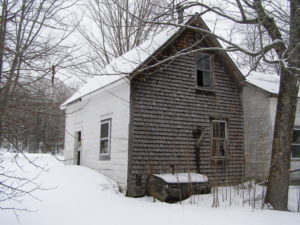
Woodshed
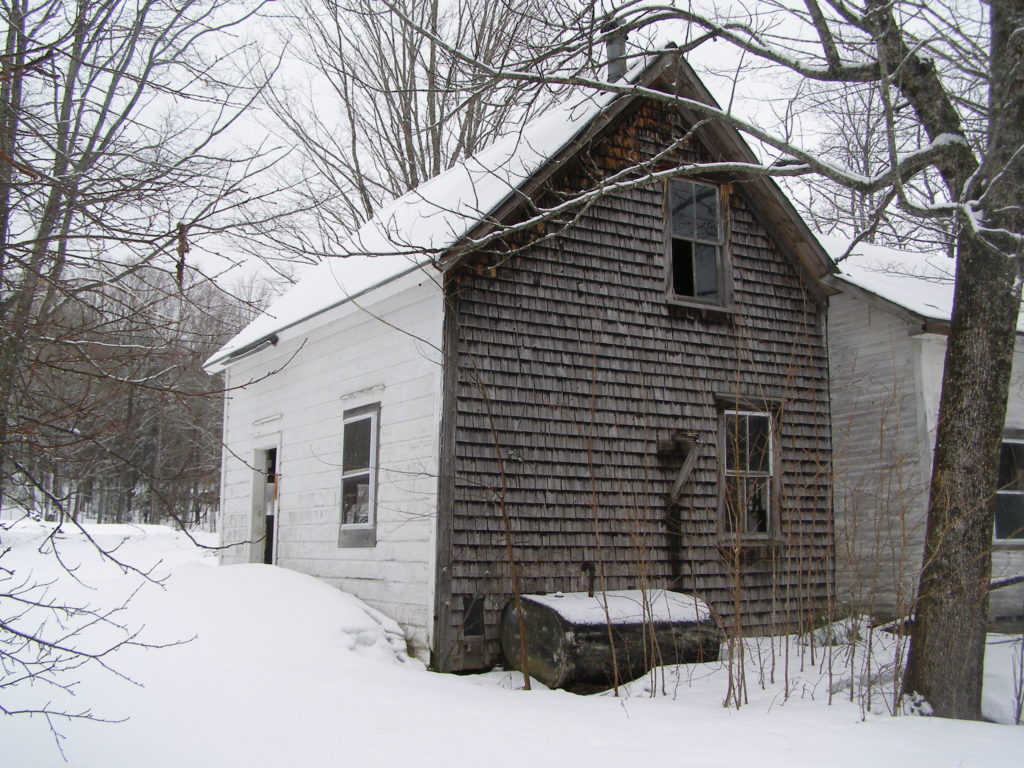
I danced yesterday in an old woodshed that was attached to a local one-room schoolhouse more than 100 years ago. It leans and tilts. The roof leaks. The windows and doors aren’t square and the wind blows through gaps. I swept out the winter’s accumulation of mouse and bat droppings, leaves and dirt. It was a warm, sunny day and as I danced I gradually peeled off my clothes until I was naked. The sun came in the west window and made a square on the floor.
I thought of trees and stones offering their bodies to moss and lichen, the earth offering itself to plants, and blossoms offering themselves to sunlight and insects.
I thought of smiling into a stranger’s eyes and complimenting a cashier on the color of her blouse.
I thought of the creators of the music I was dancing to making an offering of their talent, enabling me to offer my dance.
I thought of homes, rooms and gardens I’ve created that are long erased. I thought of people I’ve loved with my whole heart and volunteer work I’ve done. I thought of my partner, who was running an errand in town so I could eat bacon the next morning. I thought of picking up trash on Earth Day and the new trash that’s been thrown out car windows since then, and how futile that makes me feel.
I thought about words, all these words, all these stories and ideas and thoughts in my head that are here and in my books. I thought about all the words written by others I read each day and appreciate and share.
I thought about procreation, the red tide and the milky seed our bodies offer to life, to hope, to continuance. I thought about offerings of tears, of blood, of pain, of rage and of surrender.
Photo by Leon Liu on Unsplash
Offering is a circle. Life offers itself to us, and we can choose to offer ourselves to Life. What better offering can we make than our fully engaged participation and presence with ourselves, our experience and others? Such a gift can’t be bought or sold. It might not feed our fame, popularity or bank account. We probably won’t get validated by statistics or Twitter. Some people may never recognize or value it.
But our self-esteem will bloom. Our joy will increase. Our words and choices will add to the positive energy in the world. We will become self-empowered and spiritually strong and resilient.
I smiled and laughed and shouted as I danced, whirled and stamped and clapped. I offered up my white, winter-tender skin to the sun and air. A mosquito bit me on a knee; a blood offering. No one saw me, except maybe an astonished spider or two. No one cared. It was an offering of self to self, a private thing. It gave me joy. It gave my body a chance to move and be grateful. It fed my creative well.
It was nothing.
It was everything.
It was my offering.
All content on this site ©2018
Jennifer Rose
except where otherwise noted
by Jenny Rose | Jan 11, 2018 | Connection & Community, Emotional Intelligence
In life coaching, I was introduced to the idea that human beings have three primary needs: Connection, contribution and authenticity. I have yet to discover a need that doesn’t fall into one of these categories, so at this point it’s still a frame that works for me.
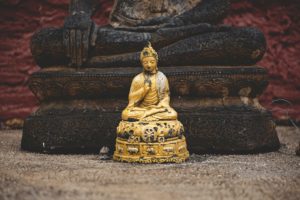
Photo by Peter Hershey on Unsplash
For me, any discussion of connection must include spiritual connection, and to talk about that clearly I need to define terms.
Spirit: The nonphysical part of a person that is the seat of emotions and character; the soul.
Religion: The belief in and worship of a superhuman controlling power, especially a personal God or gods.
Faith: Strong belief in God or in the doctrines of a religion, based on spiritual apprehension rather than proof.
Ideology: The ideas and manner of thinking characteristic of a group, social class, or individual.
Sacred: Connected with God (or the gods) or dedicated to a religious purpose and so deserving veneration.
(All definitions from Bing search.)
Spirituality: Spirituality may refer to almost any kind of meaningful activity, especially a “search for the sacred.” It may also refer to personal growth, blissful experience, or an encounter with one’s own “inner dimension.” (Wikipedia)
The archeological record tells us we have sought to understand ourselves as part of a greater whole from the infancy of mankind. Long before written records were made, there was cave art, pottery and carving thought to represent sacred beings, including, in many cases, animals. When we began to write, myth, story and legend wove a rich tapestry of religion and other spiritual frameworks all over the world.
Our powerful need for spiritual connection has historically been a significant motivator geopolitically, economically and creatively. Our search for understanding who we are and what our place in life is, individually, culturally, politically and socially, firmly anchored in our conception of spirit.
How do we create a spiritual connection? How do we choose from such a bewildering array of beliefs and ideologies? How do we cope with tribal shaming if we don’t accept the spiritual beliefs of our family or tribe? How do we think about the “nonphysical part” of ourselves, and what, if anything, does that part of us need?
It’s taken me more than 50 years to even begin to answer these questions. The two biggest obstacles I had to overcome were disconnection from my own feelings, and denying having any needs. Disconnection and denial are both disempowering, and healthy spiritual practice, at its heart, is a practice of self-empowerment.
Some people approach formal, organized religion as a way to share power. Others are quick to use it to assure power over others, and at that point it no longer fits my definition of a healthy spiritual practice. Discovering and nurturing the shape of our own spirit is an act of dignity, privacy and self-respect. It has nothing to do with what anyone else thinks or believes. We decide where we stand on the continuum between science and faith, and we define what is sacred in our lives. We have the power, and we have the responsibility. No mystic, guru, psychic, yogi, mentor, sponsor or other spiritual or religious leader or authority knows what we need better than we do. We owe nobody an explanation, justification or apology for our spiritual practice, as long as that practice doesn’t seek to harm or control others.
That’s not to say the guidance, teachings and wisdom of scholars, practitioners, philosophers, masters and thinkers are without value or interest. Yoga, martial arts, meditation, mandalas, drumming, dance, sacred traditional music and countless other rituals and traditions may be part of a spiritual practice, but none of these are essential. The real strength of spiritual practice doesn’t lie in appearance, embellishments, publicity or visibility and has nothing to do with economic or social condition.
A spiritual practice is an activity in which we are wholly present with ourselves in a nonjudgmental fashion and after which we feel empowered, anchored, refreshed and renewed. A healthy spiritual practice is a haven, a refuge, a place of solace and joy. It connects us to ourselves, to others, and to something larger than we are. It doesn’t matter if we name that something God, Allah, Spirit, Divine, Goddess or even Gaia, it all boils down to the basic human need for some kind of spiritual connection.
A few weeks ago I wrote about living a seamless life. My spiritual practices are frequently invisibly embedded throughout my every day life, requiring nothing more than my presence and intention.
Here’s an example: After a long day the kitchen is full of dirty dishes. I slather my hands with the most luxurious lotion/cream in the house and don rubber gloves. I turn off lights, tech and the TV. I light a couple of candles. I might play some music, or just soak up silence. I look out the window over the sink. I breathe. I relax. I’m present. I’m consciously grateful for a kitchen, dishes, a sink, running hot water, the ability to stand and use my hands, and food that creates dirty dishes. I take time to feel what I feel, check in with myself, daydream and drift.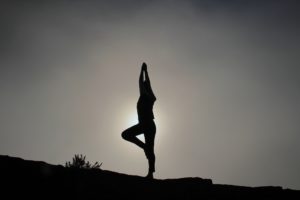
I approach exercise as a spiritual practice. I’m not worried about my weight or health, but I do notice I feel better, sleep better and function better if I stay active, so my daily goal is to show up at some point with myself to move. Sometimes I dance. Once a week I swim, then soak in a therapy pool, then take a long hot shower. I walk, both by myself and with my partner. This winter I’m going to begin snowshoeing. I do Tai Chi. With the exception of walking with my partner, all of these activities are opportunities to have time with myself, quiet, undistracted time in which to be in my body, remember what a beautiful world I live in, practice gratitude, allow feelings, pray, chant, sing, work creatively, stretch and breathe. When I’m finished I feel relaxed, empowered, centered and grounded.
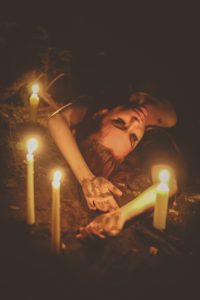
Photo by Miranda Wipperfurth on Unsplash
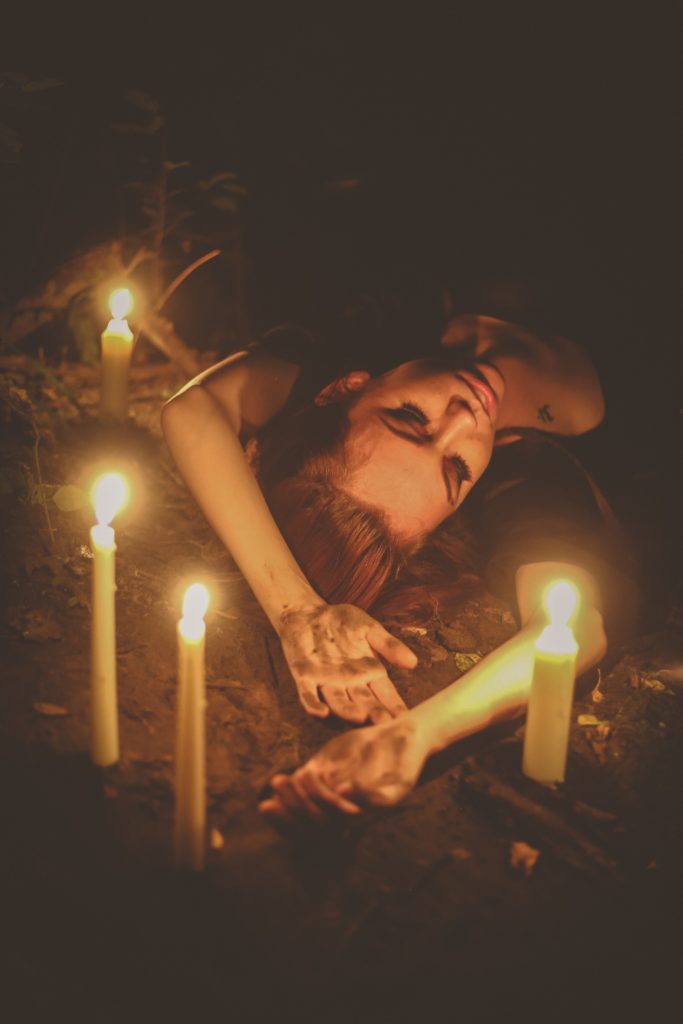
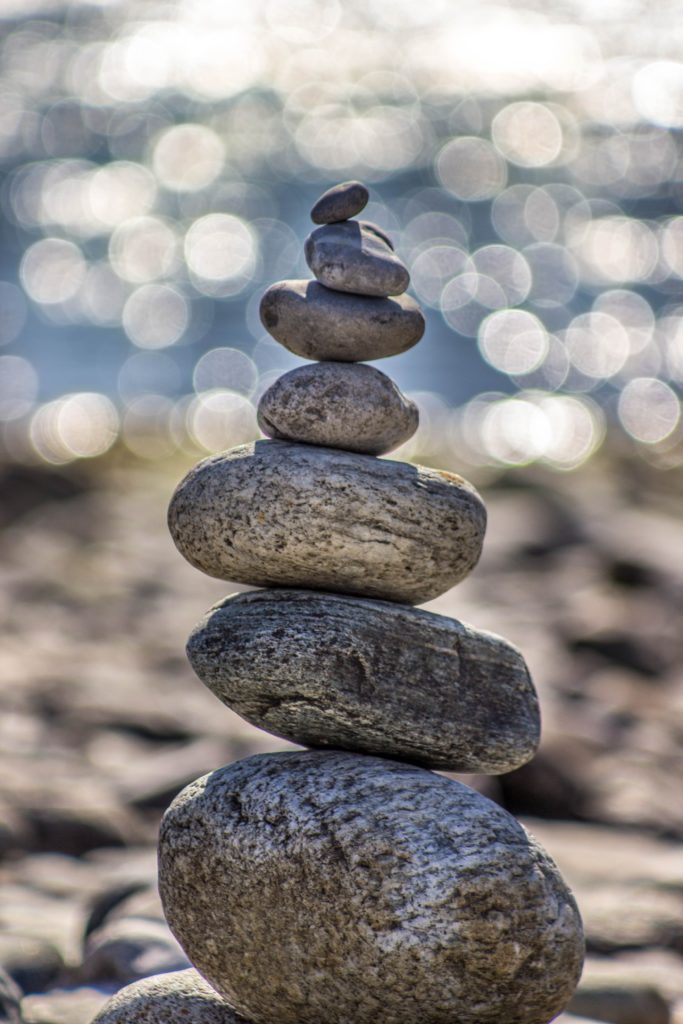
A spiritual practice may be as simple as a special tree, rock, crystal, cushion and/or candle. It might be a secret altar or shrine, a string of beads or a stick of incense. It can take place anytime, anywhere, solo or in a group. It can be a five-minute pause or a long weekend of ritual at a hot spring, but it always makes us bigger. Anything that diminishes, restricts, confines, limits, shames, invalidates or disempowers us is not a healthy spiritual practice, no matter what anyone says. It’s merely an ideology of control.
Many of us naturally find our way into spiritual practice without realizing what we’re doing, impelled by this often unconscious but powerful human need. Recognizing the need for spiritual connection, giving it language, honoring and allowing it, allows us to take back our power to define and protect sacred space in our lives, free from distraction, interruption, multitasking, pressure, hurry and the constant noisy static of media and entertainment. If our spiritual life is tainted by criticism and judgement, our own or others’, it won’t sustain us and our spirit will sicken and starve. We’ll begin to look outside ourselves for spiritual nourishment and become vulnerable to addiction, perfectionism, pleasing others and people who steal power.
The care and feeding of the spirit is the least talked about aspect of the need for connection, but it may be the most important. In the absence of spiritual connection, all our other connections suffer. True spiritual power transcends physical strength, youth and beauty, and it cannot be coerced or stolen. Our greatest strength may lie in our ability to create spiritual connection for ourselves and support others in theirs.
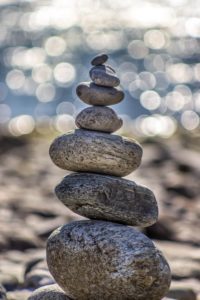
Photo by Deniz Altindas on Unsplash
All content on this site ©2018
Jennifer Rose
except where otherwise noted
by Jenny Rose | Jun 22, 2017 | A Flourishing Woman, Self-Love
Recently I went back to the little mountain town in the Southern Colorado Rockies I called home for twenty years, and wrapped up the sale of my house. It was an important trip for me, one which I’ve been anticipating ever since I arrived in Maine two and a half years ago. My partner and I drove out and drove back. I didn’t try to blog or write on the road, but I made a lot of notes and I discovered a persistent theme.
Reclamation, according to a quickie internet search, means “the process of claiming something back or of reasserting a right” or “the cultivation of waste land or land formerly under water.” It strikes me there’s an interesting and subtle possibility of conflict in those two definitions. What exactly is waste land, and who has the power to define it? Also, what does cultivation mean? Big Ag? Monocropping? Pesticides and Roundup? Or cultivation by plants, animals and wind?
In any event, I’ve been carrying the word reclamation for some years now like a talisman. It’s a cord linking events and choices of the last years of my life together.

Photo by Tanja Heffner on Unsplash
I remember exactly when it started. I was sitting in a chair in the salon where a friend cut my hair for years. In the mirror, I could see my hair falling over my shoulders and down my back, thick and wavy and beginning to be streaked with grey. I was desolate because of a broken relationship, and I saw a woman who was unwanted in that mirror. I didn’t want to be her anymore. I wanted to be someone else. My friend asked me what I wanted to do and I told her to cut it all off. “Reclamation,” I said. I couldn’t say more because I didn’t want to break into sobs, but she knew exactly what I meant, and she tied a smock around my neck and started cutting.
My ex-boyfriend had loved my hair. I loved it, too. It made me feel sexy and beautiful and feminine. Cutting it was the first step I took on the road leading me to this attic space in central Maine, where I sit this summer morning (with short hair) writing with the windows open and the sound of crickets, frogs and birds flowing in.
I held onto that word, reclamation. It became a boat to sail away in, and then a lifeboat, and then a raft and then a spar of wood in a fathomless sea of floating debris that kept me alive until current and waves took me back to shore.

Photo by Edewaa Foster on Unsplash
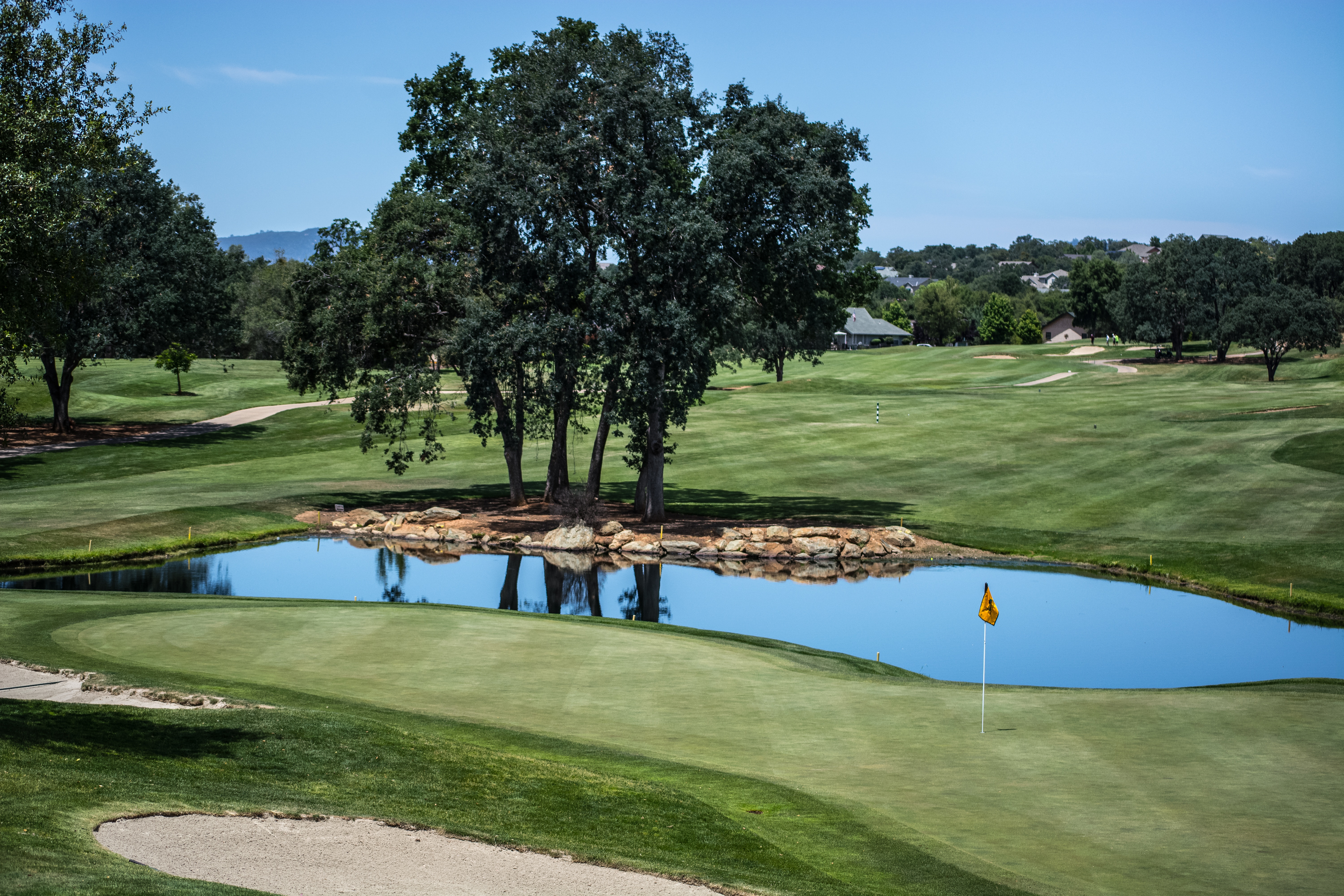
The little town I lived in had no claim to fame or big dollar tourism except for a golf course. When I moved there the course was renowned for being one of the most beautiful in the country, and visitors came from all over during the summer to play there, filling the inns and RV parks. Then drought struck that part of Colorado, the golf course was sold to an absentee owner who immediately got crosswise with the town, and gradually, due to a mixture of water problems, politics and general assholery on the part of the owner, the golf course went downhill, people lost jobs, the greens became unkempt and the tourists stopped coming. Then, just about the time I left town, the golf course closed.
I don’t play golf and my living fortunately didn’t depend on the tourist trade, but every morning, just before dawn, I walked on the golf course.
I didn’t do it for exercise or as a discipline. It was my lifeline. It was the one place where I never failed. I was guaranteed solitude and peace. Nobody knew where I was. I knew the course so well I could disappear into it, be absorbed. I had several routes, one for ordinary days, one for days of grief, one for days of rage and the longest one for days of despair. I used some of the cart paths, but mostly I followed the contours and edges of the greens and walked along the river, which was generally only a trickle, if not entirely dry. I often heard owls going to roost as meadowlarks began their morning chorus. I saw bears, foxes, skunks, deer and geese.
In the days of relative plenty, maintenance men worked as early as I was walking, but I was a familiar local figure and we ignored each other. I avoided them and they only saw me at a distance. There was an elaborate sprinkler system, of course, that worked all night every night and made the whole place fresh and green and cool, a stark contrast to my daily reality of hauling or pumping grey water out to my garden because of drought and watering restrictions. I lived a five-minute walk away.
During our recent trip we only spent one night in that little town, but I woke early, slid into my clothes and walked to the golf course. I knew it had been closed altogether for some time. This year the drought momentarily broke in the valley with record amounts of snow and rain, and the river that so often dried up flooded, both on the course and through the town. As I slipped through the gates and passed the “no trespassing” signs in the dark of early dawn, I could hear the river, an amazing, miraculous sound. The scent and chill kiss in the air of running water was very different from the mechanical chik, chik, chik of an automatic sprinkler.
The cart path was rutted, muddy and overgrown. Large tree limbs had fallen and nobody cleared them away. The river actually broke out of its banks and spread across a former green. I’d seen pictures in the local paper, but I still couldn’t believe my eyes. The town sent in machinery to make barriers out of heaped-up debris and mud. Whole trees had toppled, their root balls pathetically exposed to the sky.
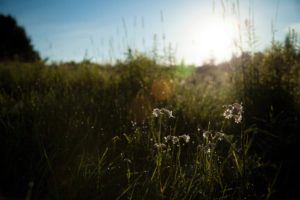
Photo by Alejandro Escamilla on Unsplash
Once, I could have walked several paths on the golf course blindfolded. I often was there in the dark. Now my footing was uncertain. The grass grew up to my waist and I kept tripping over hidden windfall branches. Weeds filled the sand traps. The greens were, of course, gone. The groomed contours that once marked my route had vanished, forcing me to slow down and move more cautiously. I strained my eyes to discover familiar slopes and hollows in the dim light.
As I moved deeper into the old course, I thought of all the hundreds of mornings I’ve spent there, praying, weeping, raging, pressing myself against nature in every mood and season. I took my joy there, my hope, my dreams, and my gratitude practice. The golf course was a place of creative inspiration, a place of guidance and comfort, a place in which to staunch wounds enough to carry on another day. I was real there. I didn’t try to hide from myself.
That highly-groomed, herbicide-gagged, shaved, enslaved, money-making piece of land (a waste land) is going wild again. It was captured, bought, and pimped by a businessman in order to create a profit. Now, Mother Nature reclaims her own. The land begins to remember itself. As I walked and the light increased, showing me myriad signs of healing, I felt akin to the land. What is happening there is happening to me. I had a pimp, too — myself. I sold myself for what I thought I was worth in order to get what I needed. Now the land and I reclaim ourselves from a bleak and limited culture that relies on chemicals, profit and power-over rather than natural cycles and cooperation.
Reclamation is not a controlled, civilized process. It’s wild, sometimes catastrophic. The river made a scar where it broke its banks and uprooted trees, but it carved out a new bed for itself. The old bed will fill in. New growth will cover all that exposed earth. The downed limbs and trees will rot and feed the soil and mycelium while native plants and grasses return. Is this what we mean by waste land? Forest fire, flood and storm are acts of nature that reshape the land and environment. Life dies and renews, one act leading to the other. We often experience reclamation as terrifying and tragic. Human beings, for the most part, don’t welcome change unless we control it.
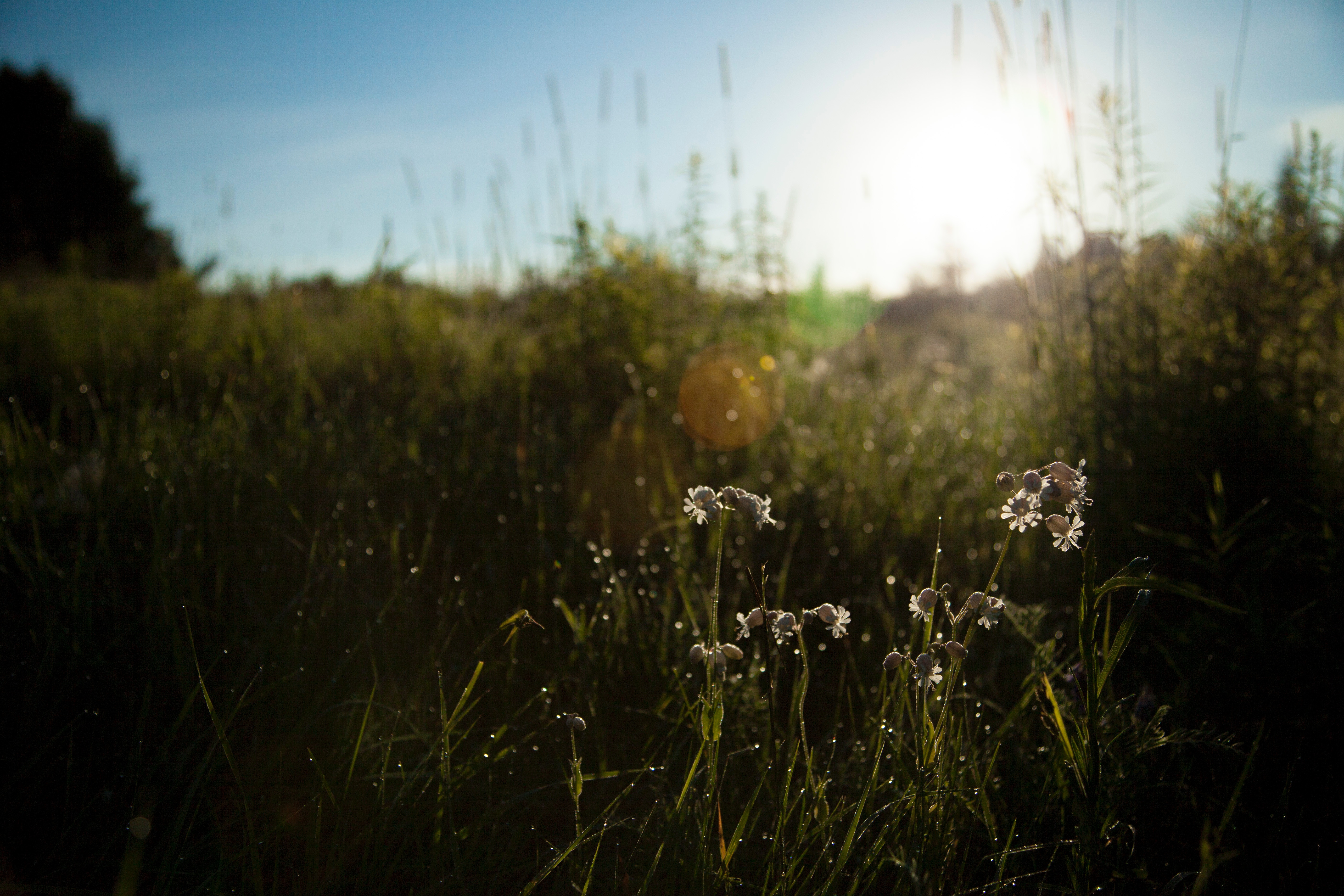
Yet we do change. The world changes. The weather changes. Those around us change. We can neither stop nor control it in any significant way, and I’m entirely grateful for that. The golf course and I are messy. Our hair is disheveled. Our trim, neat lines are blurred. The high unmown grass through which I waded brushed against the hair on my bare legs. The water feeding the land and the water of feeling that feeds me have carved a new, wider path. Bridges and trees sag and unravel, not trash but compost for the next thing. Paths and fences fall into disrepair. Grass and saplings mingle freely, each reaching toward the other at the edges.
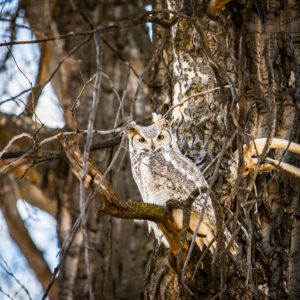
Photo by Laterjay Photography on Unsplash
Snakes, rabbits and insects live again in the shelter of the grasses. Does can leave their fawns safely concealed while they browse, and their presence will bring the mountain lions down from the foothills. Owls will find abundant mice, voles and other rodents in what was a carpet of sterile green velvet. The beaver and raccoons will no longer be trapped or shot, lest they disturb the regulated beauty of the water features or annoy the tourists. Over all this complex, creative system, the meadowlark still sings, that king of the high fields and plains, and his song still brings tears to my eyes and an ache to my throat.
That land will always be home to the woman I was. I was glad to return for a brief hour and realize my beloved place has moved on, just as I have. The land and I were both over-civilized into waste land, but now we’re reclaiming ourselves. The golf course and I reassert our right to be what we are. We surrender to change, to mess, and to the transformative edge of chaos.
All content on this site ©2017
Jennifer Rose
except where otherwise noted
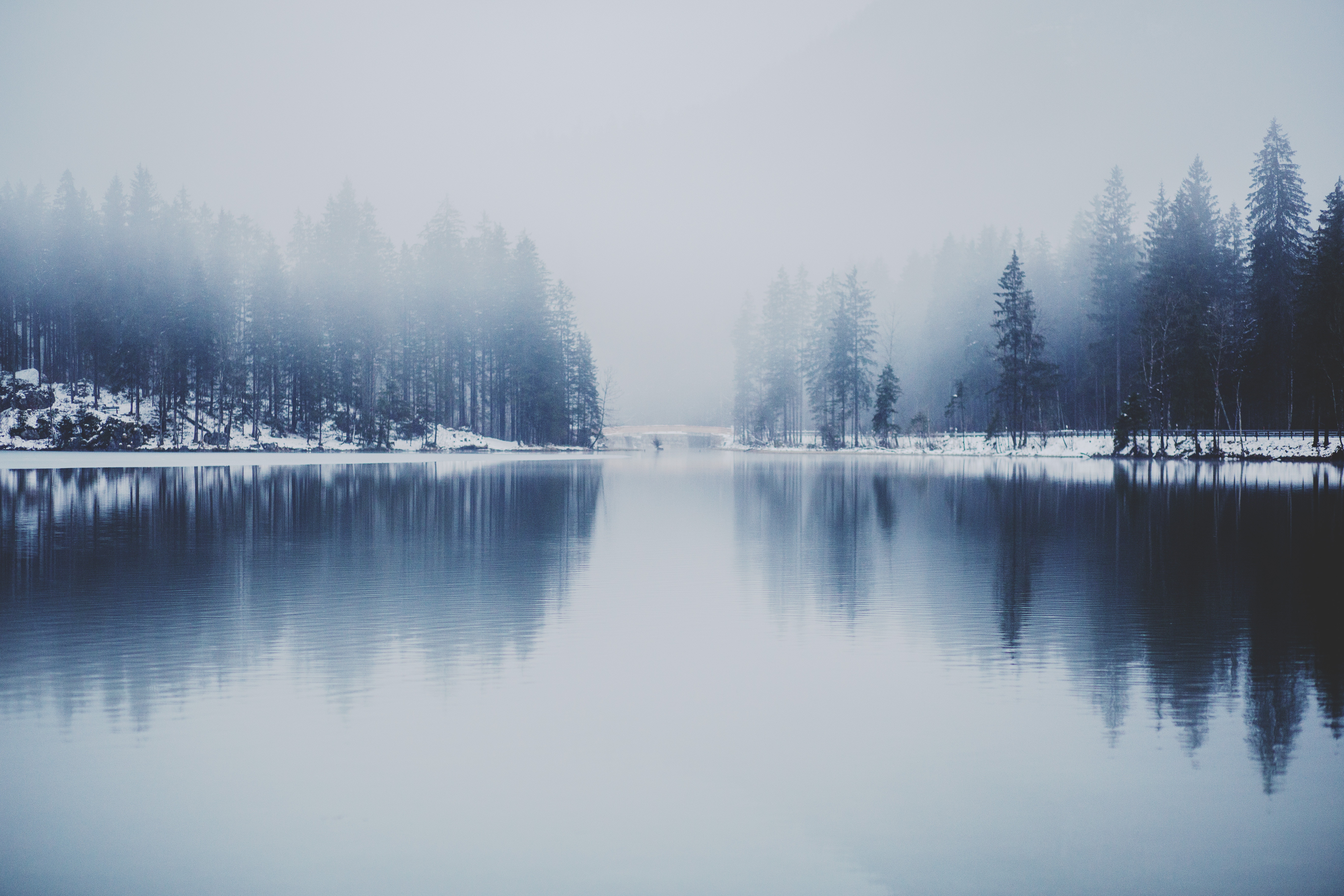 We woke to a snowstorm this morning in central Maine. I could hardly wait to get out in it and walk. It was snowing hard and accumulating fast, coming down in heavy, wet flakes. I headed to work midmorning, maneuvering out of the driveway with some difficulty. The ground was already well saturated before this storm.
 I started down a gently sloping hill with a shallow curve. One minute I was driving and the next I was floating. I was alone on the road. Nothing happened. I hadn’t accelerated or braked or jerked the wheel. I just started slipping across a thin layer of slush between the tires and the pavement, and I knew I wasn’t going to make the curve. I kept my feet off the pedals and tried to steer into the skid, but the tires might as well have been glass slippers, for all the traction they had.
 During all this, everyone who went by stopped to ask if we needed help.