by Jenny Rose | Jun 21, 2018 | Emotional Intelligence, Feelings, Love
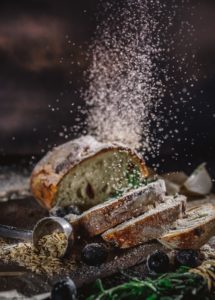
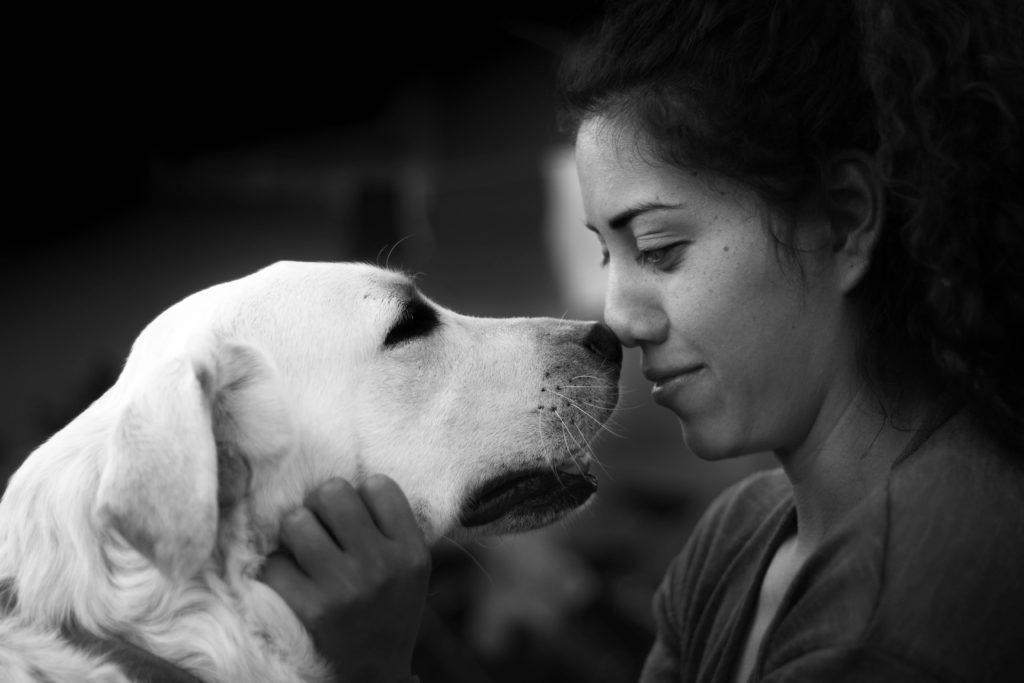
Photo by Helena Yankovska on Unsplash
In the farmer’s market on Saturday morning, we stood in line to buy bread. We did not stand in line to buy a peach raspberry pie and bread, but that’s another story (with a happy ending. The pie was worth it.) Next to the baker’s display was a booth set up by a local businesswoman who specializes in unique homemade dog treats. As my mother is owned by a dear border collie and I’m always on the lookout for something they might like, I idly checked out the booth while my partner waited in line (to buy bread, not pie.)
I found rows of attractively-packaged, carefully labeled, very expensive bags of dog goodies, most of which were vegetable-based and proudly labeled as containing “no animal biproducts.”
Sometimes I feel pretty despairing about the world. I’m sure this businesswoman is a well-meaning and hard-working person trying to earn a living in central Maine who cares about dogs. However, it would be good to avoid spelling errors on her labels and dogs are not vegetarians or vegans.
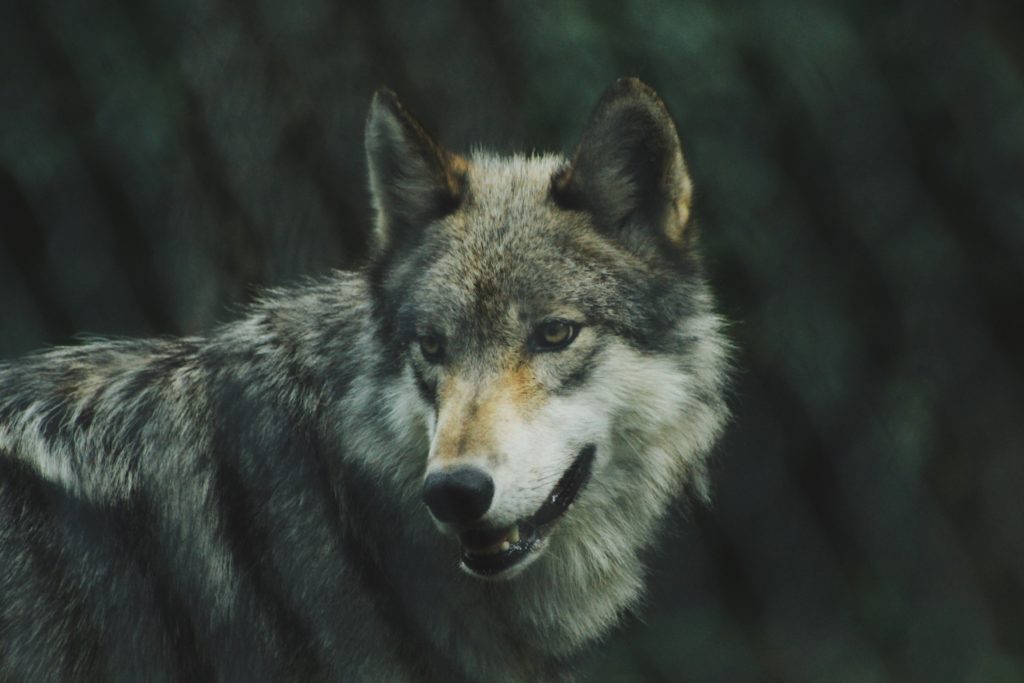
There is, in fact, debate among veterinarians and scientists about whether dogs are omnivores or carnivores, but recent research based on physiology suggests dogs are indeed carnivores. Many wild canines are apex predators. Many perform the vital function of carrion eaters and scavengers. Dogs are not vegetarians.
There are a lot of dark monsters walking the streets right now. Rampant narcissists, greedy capitalists and fanatical ideologists are slowly consuming the world. There’s another ogre abroad, though, one bathed in blue light and wearing angel wings, and that is our willful ignorance and denial of the physical and biological realities we live and die with, our inability to work elegantly with complexity and shades of grey and the cult we’ve made out of love and peace.
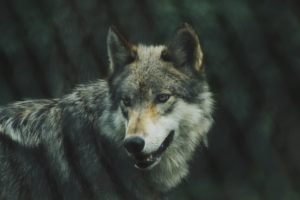
Photo by Michael LaRosa on Unsplash
One of my favorite writers on Medium, Kay Bolden, recently wrote a piece entitled Love is a Warrior, Not a Saint. She is absolutely correct. Love is not a saint. Love sees things clearly. Restricting our dogs to a vegetarian diet is not love. It’s animal abuse. If we love our dogs, we appreciate them for the magnificent companions and colleagues they are, and dogs are not vegetarians. If we love our dogs, we give them a nice raw, bloody, meaty bone now and then and we do not force them to struggle on a grain or vegetable-based diet and handfuls of supplements in order to address their nutritional needs. Wild canines form packs and hunt. They kill birds, rodents, rabbits and even larger animals, tear them apart with their teeth and eat them raw. That’s what a dog’s ancestry is. Refusing to accept that is not love.
Dogs have evolved with humans for thousands of years and have adapted to scavenge and forage amongst people. Most dog owners know that their pets will, if able, routinely eat all kinds of rubbish and frequently suffer digestive consequences. If humans are wiped out overnight in some kind of a plague, our dogs will consume our dead bodies, form packs, and begin hunting.
I despise what human beings have done to animals. Animal testing, the terrible practices of factory farming, our idiotic greed for things like rhino and elephant horns and furs, and our irresponsibility, cruelty, stupidity and malice have done no end of harm to the entire animal kingdom. We seem bent on destroying every habitat on the planet (often so people can feel self-righteous about how peaceful and loving they are as vegans and vegetarians, never mind that Big Ag wipes out hundreds of thousands of organisms and poisons the soil in every field it monocrops, not part of the natural process of life and death) as quickly as possible, leaving nothing but sterile wastes behind us. We do this. People. Homo Sapiens.
Photo by Jamie Morris on Unsplash
Bleating about love and peace and refusing to recognize carnivores, herbivores, the extraordinary complex system of Planet Earth and the necessity and function of all parts of it is just as bad as clearcutting the rainforest. Mother Nature is about prey and predator. When it’s healthy, the natural system is a complicated, dynamic dance of life and death involving countless organisms. Carnivores hunting and eating meat is not an act of violence or hate. Predators hunting prey is the natural order of things. Life on earth depends on it.
Somewhere along the way we seem to have lost our innate wisdom and connection to life. The modern age is all about arrested development. We’re like small children in sunny nurseries having a tea party with our stuffed animals and dolls. We’ve distorted love and peace into something prim and sweet, entirely artificial and entirely one-dimensional. Peace and violence are mutually exclusive. Love is entirely peaceful. Death is entirely hateful and violent. Love and peace are pretty. Love and peace are nice. They’re tolerant. They contain no animal “biproducts.”
Photo by David Hofmann on Unsplash
What dangerous, infantile lies. Love is the face of the Divine, and the face of the Divine looks upon fire and flood, thunder and lightning, sand and ice and sea. The face of the Divine looks upon the musky violence of reproduction, the grinding bones and tearing tissue of birth, the vast cycles of predators and prey that encompass each layer of life from the smallest microbes to the largest animals. The face of the Divine orchestrates the checks and balances ensuring population control, which is often driven by disease, famine and drought. The Divine dances a passionate, sensual, joyful dance, knee-deep in blood, semen, bone, flesh, fat, hair, scales, feathers, rot, vomit and excrement.
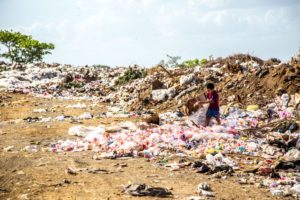
Photo by Hermes Rivera on Unsplash
In the midst of this beautiful, intricate world it’s we alone who have the fantastic hubris to refuse to participate. It’s we who deny the very ground of our being, the substance and structure of flesh and bone and biology. We rant about inclusivity and equality while we steadily eradicate life on earth, self-destruct, and allow ourselves to be divided from one another, never pausing long enough in our fatal greed and grotesque need to win and be right to understand life and death already are inclusive and equal. We all must eat and drink, successfully procreate if our genetic material is to survive, and die. We’re all part of the magnificent turning wheel of life, whether we like it or admit it or not. We’ve allowed our contemptible ideologies, our fears, our ignorance and our absurd desire for the higher moral ground to weaken us and we’ve become the most dangerous form of life on the planet, not only to ourselves but to every living thing around us. Then we project our madness onto the animals who depend upon us, reward the criminals who market vegetarian dog food and call that love. We call that being peaceful.
No. That’s not my love. My love and compassion are bigger and wider than that. I love the glorious cycle of life and death, even if it means I dip my hands in blood and endure the stench of decaying flesh. I muster the humility to learn about interconnectedness and how to participate elegantly in life and death. I love myself and others for what genetics, evolution and biology make us. I work for peace. I can wield the tool of violence if necessary. I respect and welcome death, recognizing it as a sacred consort to life.
I will give a dog a bone.
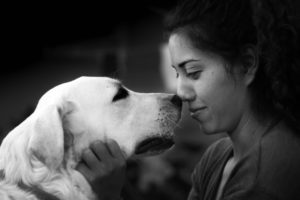
Photo by Kevin Quezada on Unsplash
All content on this site ©2018
Jennifer Rose
except where otherwise noted
by Jenny Rose | May 17, 2018 | Contribution, Emotional Intelligence
The seed for this post was a podcast by Pat McCabe, also known as Woman Stands Shining, who is a Diné (Navajo) mother, grandmother, activist, artist, writer, ceremonial leader and international speaker. In the podcast, she speaks about the idea of making an offering as part of our spiritual work.
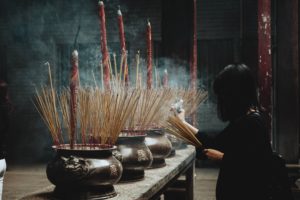
Photo by Chinh Le Duc on Unsplash
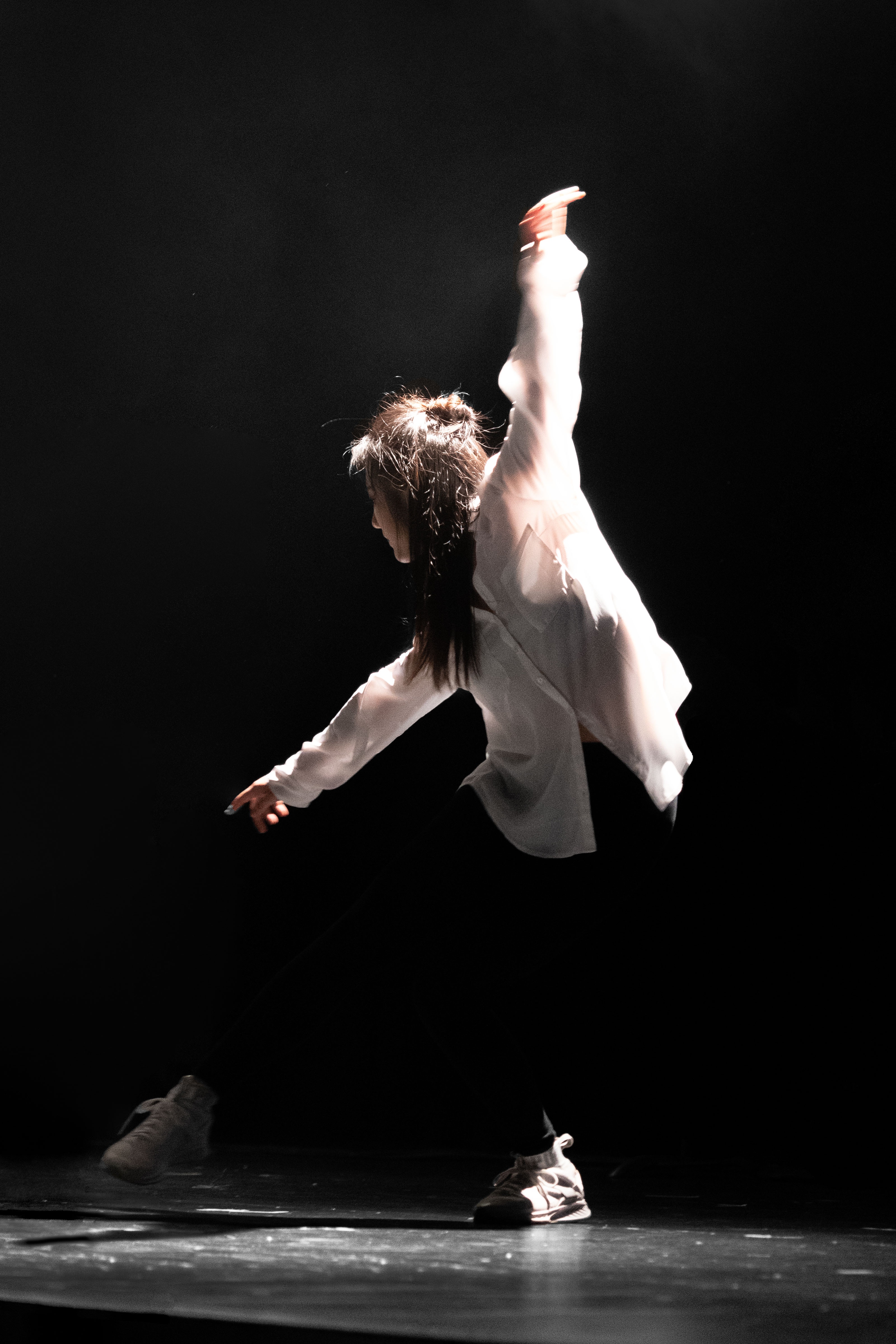
That idea started me thinking about offerings, what it means to make one, to whom we make them, and why. Spiritual and sacred practices are a strong theme in my Webbd Wheel series. Mother’s Day has come and gone and Father’s Day is ahead. Many of us mark these days with offerings of some kind. For Earth Day, I joined a small neighborhood group and picked up trash, and I framed that activity as an offering. Yesterday I cleaned up my summer-only dance space and danced there for the first time this season. As so often happens, during that hour of dance this week’s post crystallized.
An offering is “a thing offered as a gift or a contribution” according to a quick Internet search. A gift is “a thing given willingly to someone without payment.”
The act of making an offering is ancient, a practice we began long before we could go out and buy a gift. Various cultures have historically engaged in ritual sacrifice (an act of slaughtering an animal or person or surrendering a possession as an offering to God or to a divine or supernatural figure), an altogether different degree of gift from a cute coffee mug.
I’ve long struggled personally with gift giving. There’s something in me that resents and resists the cultural mandates we’ve created to give gifts of a particular kind on certain occasions or days of the year. It seems to me modern-day gift giving has moved away from making an offering and into a demonstration of possessing money and spending it on some new piece of something, just for the look of the thing. We may feel real love, or gratitude, or whatever, but the only way we know how to express it is by buying a card (never mind the trees) and some kind of a gift.
I know that’s how we do things, but what does it accomplish, aside from contributing to our capitalist economy? Is that what we most want from the people in our lives — more stuff — or is that what we take because we can’t get what we really want? Is a coffee mug all we think we have to offer? Is a coffee mug all we think the other will accept? Are we unable to recognize and cherish an offering unless it comes gift-wrapped?
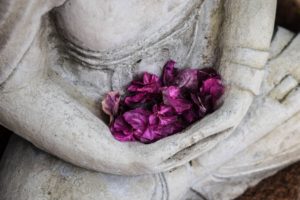
Photo by Chris Ensey on Unsplash
I’m thinking a lot about Pele, the Hawaiian volcano goddess, because I’m writing about her in my second book. Traditional offerings to Pele included tobacco, brandy, silk, crystals, tropical flowers and food. Offerings to Pele and other divine figures around the world involved ritual, prayer, music, song, dance and sometimes a sacrifice. Things, yes, although many were consumables or objects from the natural world, but also time. Presence. Creative, sensual and/or erotic expression. Community celebration, guided by spiritual leaders. Reverence. Appreciation. Gratitude. Acknowledgement of the Divine’s connection to the people and the natural world they inhabited.
Making an offering on this level is a demonstration of commitment and willingness to participate in the complex web of connection between people and nature. It’s a practice, not a one-time event. It’s flexible and not limited to the calendar or the clock. If there’s a community or individual need to speak to the Divine, time is set aside to do so. No money or commerce need be involved, because the offering is of self.
The offering of self, however, is often invisible, especially to our nearest and dearest. It’s so fatally easy to take one another for granted. The very act of feeding those we love is an offering we’ve been making and accepting since humans began. The acts of growing, harvesting, gathering, hunting, sharing and preparing food, absolutely necessary for survival, are almost obscured now by money and time constraints, ecological concerns, health issues, ideology and who does the dishes. Whether we recognize it or not, feeding another person is an offering of life. Parents know making that single offering to just one child, let alone other family members, is a colossal, exhausting, unending task. Yet it’s so often completely invisible, and who has time to enjoy the act of offering food to another (or ourselves, for that matter), or incorporate ritual, play or creativity into our eating? It’s just another chore in our busy days.
So, if our offering is invisible, unrecognized, unappreciated or even rejected in favor of something like a coffee mug, does it mean we’re worth nothing, we are nothing?
Of course not, but it feels that way sometimes, doesn’t it?
Making an offering means letting it go into the world and having faith in its worth. An offering is a gift, and a gift is a thing given willingly, without payment, remember? There isn’t a scorecard. It’s the practice of offering that enriches our spirit, not the outcome. Unfortunately, everything about our modern culture trains us to depend on immediate reinforcement. We’re hooked on likes, claps and our stats. We gloat over the number of our friends, subscribers, comments and shares. Deadliest of all, we compare our popularity and performance with the popularity and performance of others.
What others think about us and how the world perceives us is becoming more important than our own integrity and the authenticity and quality of our offerings. We’re forgetting how to trust and have faith in silence, in invisibility and in not knowing. We’re forgetting our worth is not defined by others.
What about the offerings we make to ourselves? What about our ability to meet our own needs, spiritual, physical, creative and emotional? Do we have any self to give ourselves? Do we tell ourselves there’s no time, no money and no point? Do we tell ourselves whatever our self-expression is, it’s not worth anything, meaning we can’t sell it to someone or no one will approve of it?
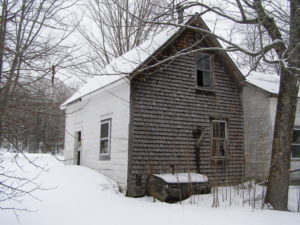
Woodshed
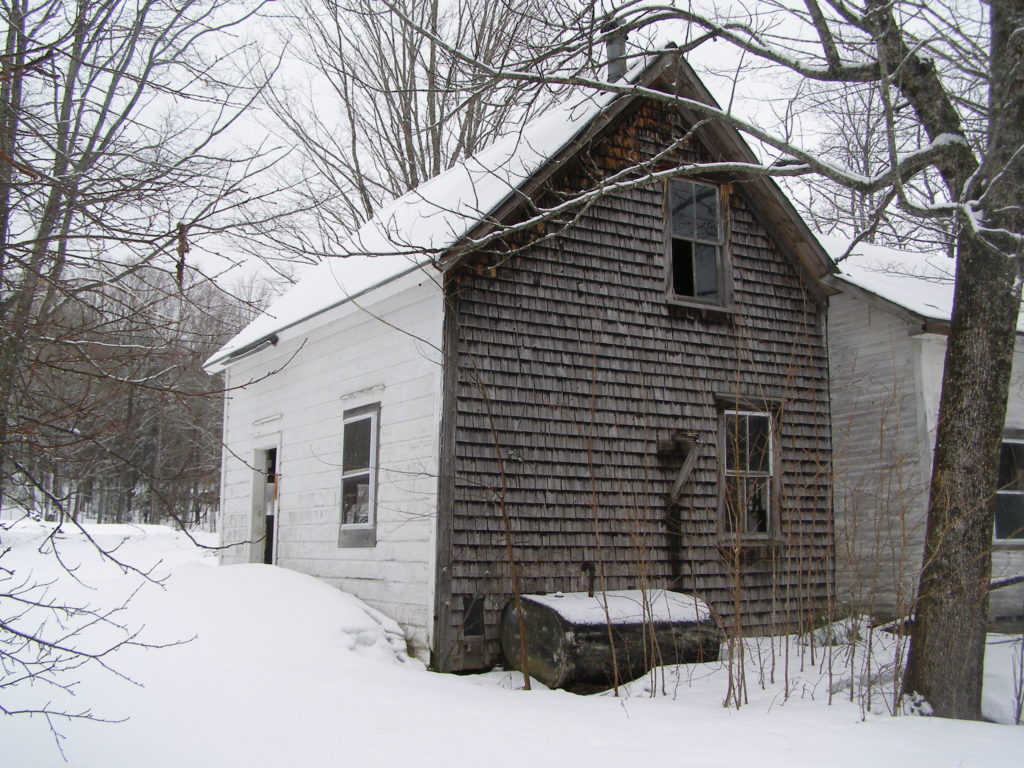
I danced yesterday in an old woodshed that was attached to a local one-room schoolhouse more than 100 years ago. It leans and tilts. The roof leaks. The windows and doors aren’t square and the wind blows through gaps. I swept out the winter’s accumulation of mouse and bat droppings, leaves and dirt. It was a warm, sunny day and as I danced I gradually peeled off my clothes until I was naked. The sun came in the west window and made a square on the floor.
I thought of trees and stones offering their bodies to moss and lichen, the earth offering itself to plants, and blossoms offering themselves to sunlight and insects.
I thought of smiling into a stranger’s eyes and complimenting a cashier on the color of her blouse.
I thought of the creators of the music I was dancing to making an offering of their talent, enabling me to offer my dance.
I thought of homes, rooms and gardens I’ve created that are long erased. I thought of people I’ve loved with my whole heart and volunteer work I’ve done. I thought of my partner, who was running an errand in town so I could eat bacon the next morning. I thought of picking up trash on Earth Day and the new trash that’s been thrown out car windows since then, and how futile that makes me feel.
I thought about words, all these words, all these stories and ideas and thoughts in my head that are here and in my books. I thought about all the words written by others I read each day and appreciate and share.
I thought about procreation, the red tide and the milky seed our bodies offer to life, to hope, to continuance. I thought about offerings of tears, of blood, of pain, of rage and of surrender.
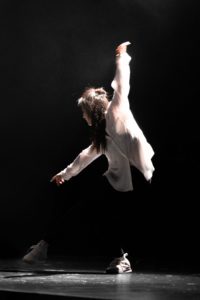
Photo by Leon Liu on Unsplash
Offering is a circle. Life offers itself to us, and we can choose to offer ourselves to Life. What better offering can we make than our fully engaged participation and presence with ourselves, our experience and others? Such a gift can’t be bought or sold. It might not feed our fame, popularity or bank account. We probably won’t get validated by statistics or Twitter. Some people may never recognize or value it.
But our self-esteem will bloom. Our joy will increase. Our words and choices will add to the positive energy in the world. We will become self-empowered and spiritually strong and resilient.
I smiled and laughed and shouted as I danced, whirled and stamped and clapped. I offered up my white, winter-tender skin to the sun and air. A mosquito bit me on a knee; a blood offering. No one saw me, except maybe an astonished spider or two. No one cared. It was an offering of self to self, a private thing. It gave me joy. It gave my body a chance to move and be grateful. It fed my creative well.
It was nothing.
It was everything.
It was my offering.
All content on this site ©2018
Jennifer Rose
except where otherwise noted
by Jenny Rose | Mar 15, 2018 | Power

Photo by Vladislav M on Unsplash
I’ve always been fascinated by the psychology of survival. I observe that we as a culture are obsessed with heroes and rebels and the endless struggle between archetypal good and evil. Survival kits are becoming a thing in marketing. Preppers write blogs and have TV shows.
Interestingly, our social and cultural world actively inhibits our ability to survive in all kinds of ways. Public school education might be said to be a long indoctrination in anti-survival. We spend hours with our mouths open in front of screens in dark rooms, enchanted by movies and games. Congregations of fans share reverence for comic book characters and the happenings in galaxies far, far away. We debate, criticize and celebrate the way these carefully constructed heroes dress, speak, look, act and collaborate with special effects. We have high expectations of our heroes. We imbue them with nostalgia. We expect our heroes to be just, compassionate, intelligent, interesting, attractive, moral, humorous, strong and poised.
Meanwhile, dangerous events take place in our families; in our workplaces, subways, airports and schools; in our world.
We wait for someone to neutralize the danger, clean it all up, drain the swamp, and make it all fair. We wait for rescue. We turn a blind eye. We do whatever it takes to distract ourselves from uncertainty, fear and our own powerlessness. We watch the beast lumber toward us and deny its presence, deny its existence until we find ourselves in its belly, and then we still refuse to believe.
I’ve been reading author Laurence Gonzales. He’s written several books (see my Bookshelves page). We have Deep Survival and Everyday Survival in our personal collection. Gonzales has made the subject of survival his life’s work. He’s traveled extensively, synthesized studies and research and spent hundreds of hours interviewing people involved with all kinds of catastrophes, both natural and man-made. His books are thoughtful, well-written, extraordinarily well researched and utterly absorbing.
Gonzales uncovers the astounding complexity of human psychology and physiology as he explores why we survive, and why we don’t. He’s discovered some profound and surprising truths.
The best trained, most experienced, best equipped people frequently do not survive things like avalanches, climbing accidents, accidents at sea and being lost in the wilderness. Sometimes the youngest, weakest female has been the sole survivor in scenarios like this. It turns out some of the most important keys to survival appear to be intrinsic to our personalities and functioning, not extrinsic.
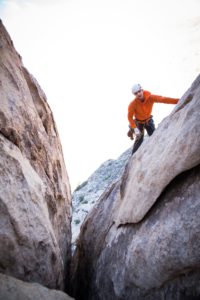
Photo by Tommy Lisbin on Unsplash
Gonzales does not suggest, and nor do I, that training, equipment and experience don’t count, just that they’re not a guarantee. In some cases, our experience and training work against us in a survival situation, because we assume a predictable and familiar outcome in whatever our activity is. We’ve made the climb, hike, journey before, and we did just fine. We’ve mastered the terrain and the necessary skills.
Mt. Saint Helen’s had never erupted before. Therefore, all those people who stood on its flanks and watched in wonder failed to grasp that something new and unprecedented was happening. Their inability to respond appropriately to a rapidly changing context killed them. The same thing happens during tsunamis. People are awed and transfixed. They have no direct experience of a tsunami bearing down on them as the water rolls back to expose the sea bed. They don’t react in time.
There’s a model called the OODA loop. The acronym stands for Observe, Orient, Decide, Act. Our ability to move quickly through the OODA loop is directly linked to our ability to survive.
Observation, the ability to be here now, the ability to recognize what is, is something everybody can practice all the time. No special equipment or training needed. What is needed, though, is the emotional and cognitive willingness (consent, if you will) to set aside our distractions, addictions, rigid preconceptions and expectations (often invisible to us, making them even more deadly) and dependence on stimulation. It also requires a mind set of self-responsibility. It turns out movie theatres, schools, concert venues and many other places are not safe. We can debate, deny and argue; protest and rally; scapegoat and write new laws. We are and we will. In the meantime, the reality is we are increasingly unsafe in many public places, and no one has the power to wave a wand and take care of that for us.
It’s up to us to take care of ourselves. That starts with observation.
In my post on self-defense I mentioned situational awareness. Our instructor emphasized that skill as being more important than any other move or weapon. If we see or sense something dangerous in our vicinity, it’s up to us to orient and move to a safer location.
That brings up another very important survival skill: instinct. At this point science cannot measure instinct, but Gonzales’s instinct about getting on a certain plane saved his life once, and many of us have similar stories. As far as I’m concerned, instinct is part of observation. What do we observe? How do we feel about what we observe?
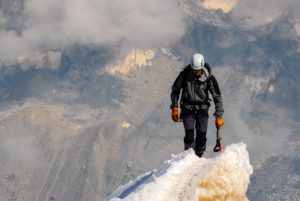
Photo by Wynand van Poortvliet on Unsplash
Our instinct is blunted in all kinds of ways. It’s mixed up with political correctness, including racial profiling. Few of us want to demonstrate discomfort around others for any reason these days. I invariably feel guilty when I react to someone negatively, even if my reaction is entirely private. It’s bad and wrong to judge, to cross the street to avoid somebody. It’s ugly and hateful.
Additionally, I’m a woman and I’m highly sensitive, which makes me particularly attuned to body language, voice inflection and all the clanging (to me) subtext of communication beneath whatever words are spoken. I can’t prove my intuition. I can’t demonstrate it logically. I have no wish to diminish or disempower others. I’m not a bigot. All people have energy and sometimes it’s foul. I reserve the right to move away from it. If that makes me hateful, woo, dramatic or hysterical, so be it. I’m accomplished in the art of noncompliance, but many are not.
If we only see what we expect to see, we aren’t observing. If we fail to see what we’re looking at, we’re not observing. If we can’t take in the whole picture, we’re not observing. If we look for something instead of at everything, we’re not observing. We’ve already broken the OODA loop.
Observing and orienting mean coming to terms with what we see. The plane is down. Our ankle is broken. We’re lost in a whiteout blizzard off the trail. We can’t decide how we’re going to survive if we’re unable to accept and orient to what is.
As a young woman, I did fire and rescue work. I was an IV-certified EMT, and I learned in those days that panic, fear and despair are killers. They’re also highly contagious. People who survive lock those feelings away to deal with after they’re safe again. Gonzales found, amazingly, some people will sit down and die, though they have a tent, food and water in the pack on their back. They just give up.
I also learned that the hysterical victims are not the ones most likely to die in a multiple trauma event. They demand the most attention, certainly, but it’s the quiet ones who are more likely to have life-threatening injury and slip away into death. The screamers and the drunks, the ones blaming, excusing and justifying, are frequently the cause of the accident and retard rather than assist in the survival of themselves and those around them.
On the other hand, strength, determination and calm are also contagious. If just one or two people in a group keep their heads and take the lead, chances for survival begin to increase for everyone.
When I was trained as a lifeguard and swimming teacher, I learned something that’s always stayed with me.
You can’t save some people. It’s possible to find yourself in a situation where, in spite of your training and best efforts, the victim is so combative or uncooperative, or the circumstances so impossible that the choice is between one death or two. This fact touches on my greatest impediment to survival, which, ironically, is also one of my greatest strengths.
My compassion and empathy mean I frequently put the needs of others before my own. I do it willingly, gladly, generously and out of love. It’s one of my favorite things about myself, and it’s also one of my most dangerous behaviors.
Consider a scene many of us are metaphorically familiar with. Someone nearby is drowning. They’re screaming and thrashing, weeping, begging to be saved. We throw them a rope so we can pull them out. They push it away and go on drowning because the rope is the wrong color. Okay, we say, anxious to get it right and stop this terrible tragedy (not to mention the stress-inducing howling). We throw another rope, but this one is the wrong thickness. It, too, is rejected, and the victim, who is remarkably vocal for a drowning victim, continues to scream for help.
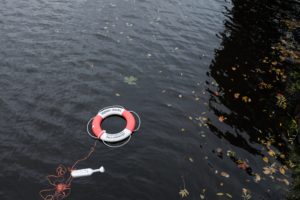
Photo by Lukas Juhas on Unsplash
On it goes, until the rescuer is exhausted, desperate, deafened and feeling more and more like a failure. Meanwhile, the “victim” goes on drowning, loudly, surrounded by various ropes and other lifesaving tools. We, as rescuer, are doing every single thing we can think of, and none of it is acceptable or adequate. In our frantic desire to effect a rescue at the cost of even our own lives, we’ve ceased to observe and orient. We’re not thinking coolly and calmly. We’re completely overwhelmed by our emotional response to someone who claims to want help.
The survivor in this picture, my friends, is not the rescuer. The so-called victim is the one who will survive. If they do grudgingly accept a rope and are successfully pulled out of the water, they immediately jump back in.
The will to survive is an intrinsic thing, and I can’t give or lend mine to someone else. People who can’t contribute to their own survival, and we all know people like that, are certainly not going to contribute to mine, and some will actively and intentionally pull me down with them, just because they can.
I don’t have to let that happen, but in order to avoid it I need to be willing to see clearly, accept what I see, cut my losses and act in my own behalf. Real life is not Hollywood, a comic book or virtual reality. It’s not my responsibility to be a savior, financially, emotionally, sexually or in any other way. The word survivor does not and cannot apply to everyone.
It’s a harsh reality that doesn’t have much to do with being politically correct or approval and popularity, and most people have trouble facing it, which will inhibit their survival if they ever find themselves in an emergency situation.
Gonzales covers this at some length in Deep Survival, and he rightfully points out that compassion and cool or even cold logic are not mutually exclusive. People in extreme situations sometimes have to make dreadful decisions in order to live, and they do. A compassionate nature that does what must be done may buy survival at the cost of life-long trauma. Ask any combat veteran. This is the side of the story the Marvel Universe doesn’t talk about. Survival can be primitive, dirty and gut wrenching. Sending blue light and thoughts and prayers are not the stuff of survival.
Clear orientation leads to options and choices. Evaluating available resources and concentrating on the basics of survival: water, food, shelter, warmth, rest and first aid are essential. Thinking coolly and logically about what must be done and breaking the task into small steps can save people against all odds.
Sometimes, death comes. Eventually, we all reach our last day. In that case, there’s no more to be said. Yet the mysterious terrain on the threshold between life and death is remarkably defining. I wonder if perhaps it’s the place where we learn the most about ourselves.
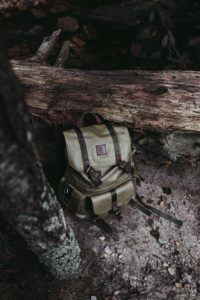
Photo by Andrew Neel on Unsplash
I’ve known people who stockpile weapons and ammo, bury gold in bunkers, build off-grid compounds and obsess about survival equipment and bug-out bags. Many wilderness schools teach basic and advanced survival techniques. Some folks put all their financial resources into prepping for catastrophe and collapse. I’m nervous about the state of the world on many levels myself, so I understand, but I can’t help thinking that investing in a story about living in a guarded, fully-equipped compound is not much better than investing in a story that water will continue to run from faucets, a wall socket will deliver electricity and grocery shelves will hold food, forever and ever, amen.
After reading Gonzales, I’m considering maybe simply living life is the best preparation for survival. Trusting my instinct; learning to manage my power and feelings; being aware of the limitations of my experience, expectations and beliefs are all investments in survival. Simply practicing observation is a powerful advantage. I don’t have money to spend on gear and goodies I might or might not be able to save, salvage or retain if things fall apart. The kind of investment that will keep me alive is learning new skills, staying flexible and adaptive, developing emotional intelligence and nurturing my creativity. No one can take those tools away from me and I can use them in any scenario.
We’re born with nothing but our physical envelope. Ultimately, perhaps the greatest survival tool of all is simply ourselves, our wits and our will.
All content on this site ©2018
Jennifer Rose
except where otherwise noted
by Jenny Rose | Mar 8, 2018 | Choice, Power
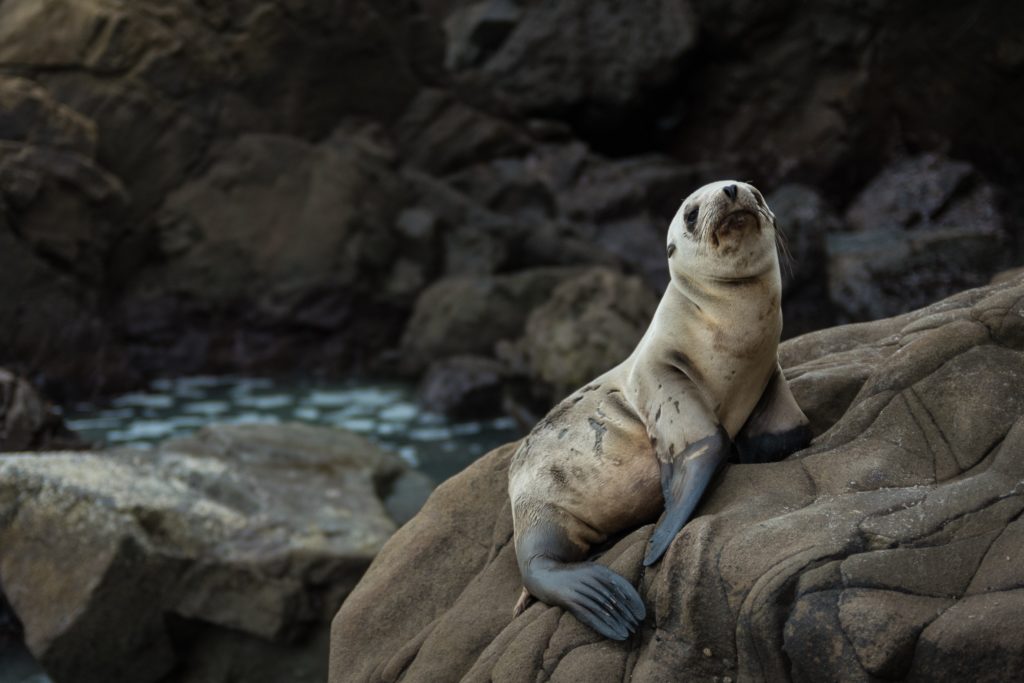
Selchie: A mystical creature who takes the form of a seal in the sea and a human on land.
I have a picture book from my childhood called Greyling, by Jane Yolen. It’s one of my favorite stories, by one of my favorite authors, and I’ve told it as an oral storyteller for many years. When I began doing storytelling, I sought out all the selchie stories I could find and incorporated them into my programs.
I rarely tell a selchie story without fighting back tears.
I’ve lately revisited this wonderful material for the second book in my Webbd Wheel series, and it occurred to me to explore why these stories touch me so painfully and deeply.
Selchie stories appear in the Hebrides, Iceland, Orkney, Scotland, Ireland and the Faroe and Shetland Islands. Like all lasting oral traditions, they contain blueprints for navigating loneliness, exile, love, loss, competition, compassion, trust and power. A good story has many facets.
A common thread in selchie stories is that a seal comes to land, takes off its skin, and becomes human, usually a beautiful young woman. Subsequently, the skin is stolen by a man and the woman entrapped. In many of the tales, she marries the man who has her skin (always a fisherman) and bears his children. Sometimes her husband promises after a certain number of years he’ll allow her access to her skin again, but he doesn’t follow through for fear of losing her. Inevitably, the skin is found, often by a child, and returned to the selchie, who must then face a choice between her life with her family and her life in the sea.
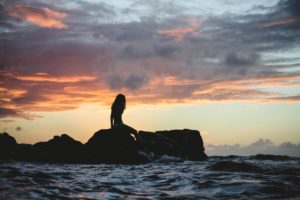
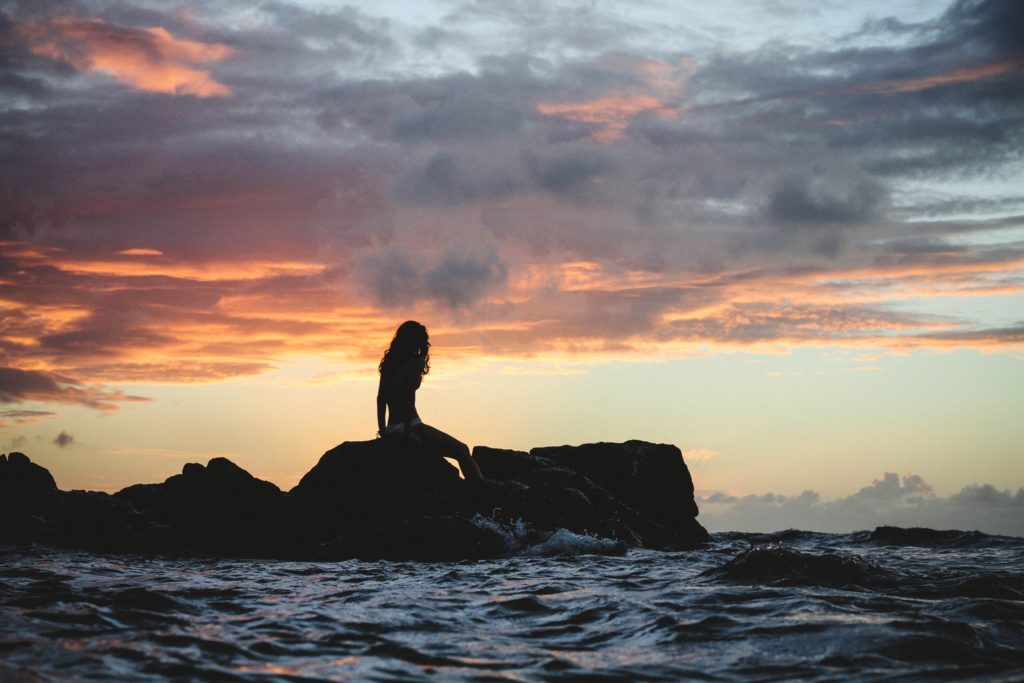
Photo by Jeremy Bishop on Unsplash
It is this choice that makes me weep. I know the agonized longing for what we are made of but can’t ever quite find.
As I observe the world and people around me, I think many of us feel in some way exiled from who we were born to be, from a place, from a tribal connection, from some integral expression of self. I believe this exile creates such an unbearable hunger we grasp at anything within our reach in order to appease it, becoming addicts, developing eating disorders and body dysmorphism, and struggling with anxiety and depression. We live in a culture of distraction and entertainment. We’re busy, noisy, exhausted, and inundated with information, stimulation, propaganda, manipulation and demands.

Photo by Anna Dziubinska on Unsplash
We want what we are made of, but how do we find what that is? Why is it taken away or withheld from us? Why are we so often forced to choose between one thing we’re made of and another? This all lies at the heart of selchie stories, for the selchie is a creature torn between two worlds and two tribes, and we instinctively recognize this conflict.
Choice is so often grief. If a selchie re-dons her skin and goes back to the sea, she cannot return, for she already knows the terrible cost of losing her skin, and though she may love her children and even have grown to love the fisherman she’s with, she cannot trust him. In returning to the sea, she is joyous, but now the grief of leaving her children and the life she made on the land replaces her longing for the sea.
I was with a man who avoided choice. He said he didn’t like to choose one thing in case something better came along. My experience of this was that he didn’t want to commit. It meant we couldn’t plan a date, a weekly ritual or even a walk. If we did, he frequently cancelled at the last minute. It was painful for me, and it frayed our connection considerably as I vacillated between hurt and anger. Eventually, I gave up and made my own plans. I told him that his maybe-I-will and maybe-I-won’t approach didn’t avoid a choice but was a choice. He refused to take responsibility for that, and he was bitter about the choices I made subsequent to his.
I’ve also been with partners who believe we can have it all. One man walked away from any situation in which he couldn’t have his cake and eat it too. It was a point of pride with him. He didn’t see why he shouldn’t have it all, and, as far as he was concerned, the world (and I) owed him that. Looking back, I see this as just another evasion of the heartbreak and consequences of having to make choices.
I think very few of us have the luxury of having it all. We come together and move apart, searching, fleeing and climbing ladders we hope end in success. Many of us feel rootless in terms of place and tribe. We don’t really feel we belong anywhere on a map, and we have no rightful place in a human circle. We do the best we can, a choice at a time, and over the years those choices and their consequences teach us who we are and turn us into adults.
What we’re made of is not necessarily what we’re born into. What we’re made of is not necessarily the place we live in, the people surrounding us, the job we have, the clothes we wear, the car we drive or the color we dye our hair. What we’re made of is not always who we want to be, who we insist we are or who we’re expected to be. Discovering what we’re made of is an excavation of our dreams, our souls and our joyous bodies. Many of us spend our whole lives finding one piece of ourselves at a time, stumbling, groping, picking up and discarding, searching blindly in the dark with nothing but our feelings to guide us.
On one particular day of no special consequence, my small toddling self, clothed in a yellow bathing suit with white trim, was lifted into a pool of water as big as the sea. From that day to this I’ve loved the water, and during occasional long, dry spells without access to swimming I dream of water and wake myself weeping with the anguish of my longing.
I’m a creature of water. It’s part of what I’m made of.
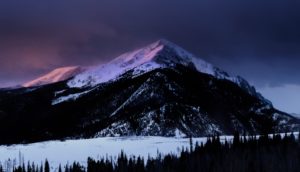
Photo by Nathan Anderson on Unsplash
For some years I lived in a city and laid awake at night watching headlights move across the ceiling and walls, straining to hear a precious moment of silence in between the sound of cars and sirens and too many restless people moving through the pale night. I dreamed of high, snow-covered mountains under starry skies and the peace of trees in unbroken darkness. Every day I died a little more, but I knew in my heart one day, one day I would leave the city and live in the shadow of the mountains I dreamed of. A thousand nights later I freed myself from the tentacles of that city, but I also left behind my marriage and the father of my children, my belief in happy-ever-after, the most lucrative job I ever had and the good wife and mother I wanted so much and tried so hard to be.
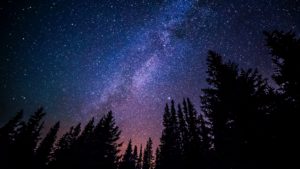
Photo by Ryan Hutton on Unsplash
At last, I slept in the shadow of snow-covered peaks in a small mountain town without pavement and street lamps and sirens. When I awoke at night, I heard the cry of the vixen, the rushing wind, the owls calling to one another, the sound of the bear eating apples from the tree outside my window, or the raccoons cavorting in the tops of the pear trees like furry pirates.
I did not have it all. I had another piece of what I’m made of. I chose it, and I paid for it. I’m still paying for it, twenty years and thousands of miles later, and whatever the cost, it’s worth it. I cannot live in the city.
By the time my life is over, will I know everything I’m made of? Will I have lived with enough courage to choose what I’m made of, come what may? Will living true to what I’m made of sustain me? Will I ever find my own sealskin wedged between rocks, or locked away in a chest, or hidden in the thatch?
Reclaiming what I’m made of, one choice at a time. My daily crime.
The selchie lives in a small cottage on the shingle beside the sea. She lives with a fisherman whose face is carved with a lifetime of loneliness that she has relieved. She and her children gather seaweed and driftwood, mend nets and dry fish and watch for the fisherman’s return, lighting a lamp and setting it in the window to welcome him home in the evenings. She lies with her man at night and listens to him sleep, and the waves come in, and the wind sighs through the beach grass, and she thinks of her sea kin and wonders how it is with them and if she’ll ever see them again.
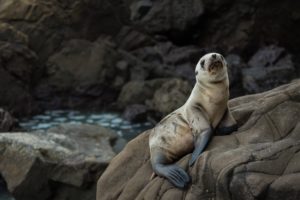
Photo by Kace Rodriguez on Unsplash
The selchie takes the folded sealskin from her child and holds it to her breast, weeping, smelling its fading perfume of fish and sea, rubbing its softness against her cheek. She tells her children she loves them, but she must leave, and they clutch at her hands and her skirts, crying, not understanding what is happening. She tells them they will see her again, but in a different form. She cannot stop to explain, lest the fisherman return and her chance for freedom is lost. She stumbles out of the house, casting aside her clothing as she goes, until she stands naked in the surf and steps into the skin. The children follow, stricken and wailing, pleading with her not to leave, but her need for what she is made of is even greater than her love for them, and the surf takes her gladly in its embrace and carries her out. She looks back one more time, her great, dark eyes full of tears, before she dives into the arms of what she is made of and disappears.
All content on this site ©2018
Jennifer Rose
except where otherwise noted
by Jenny Rose | Feb 22, 2018 | Choice, Power
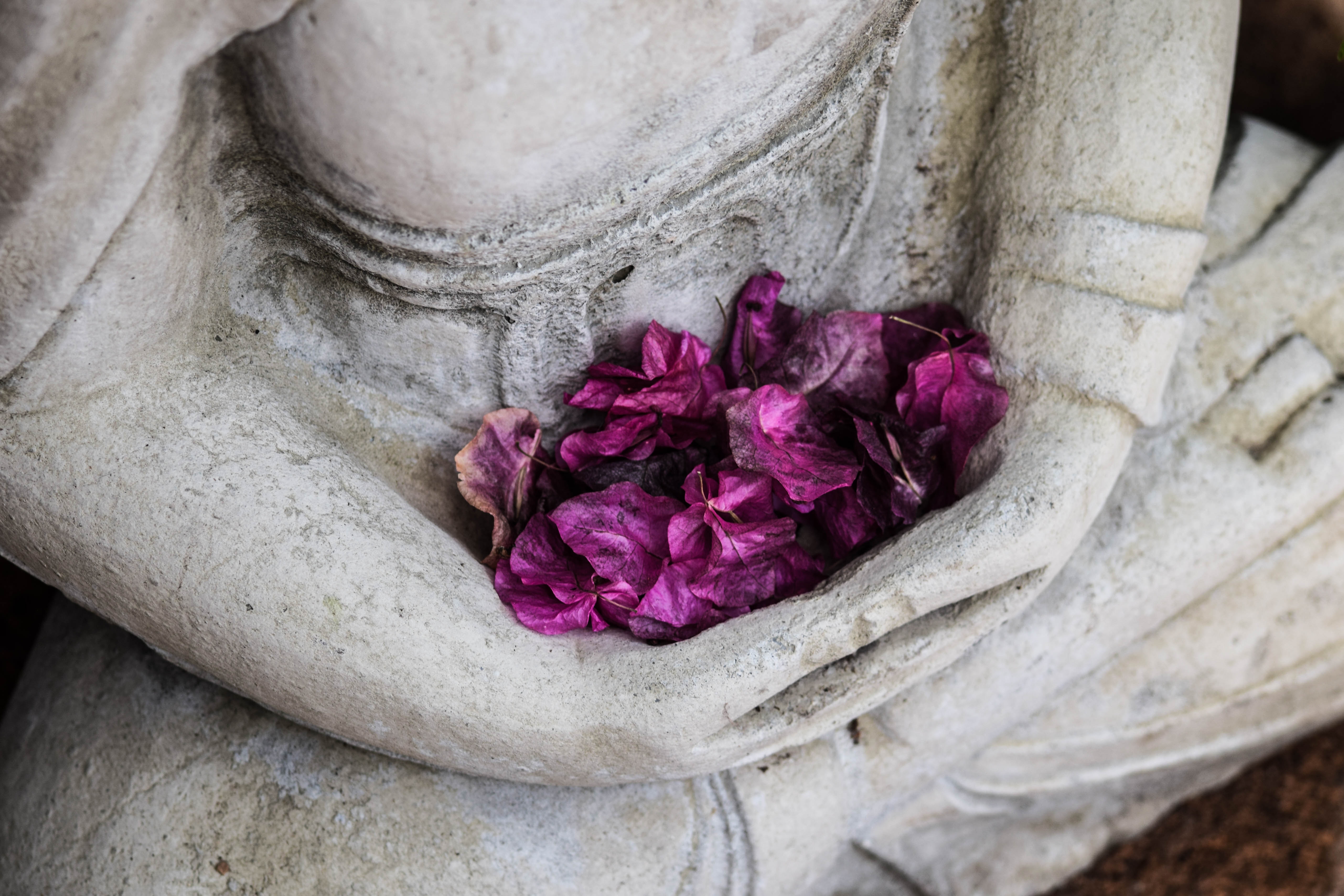
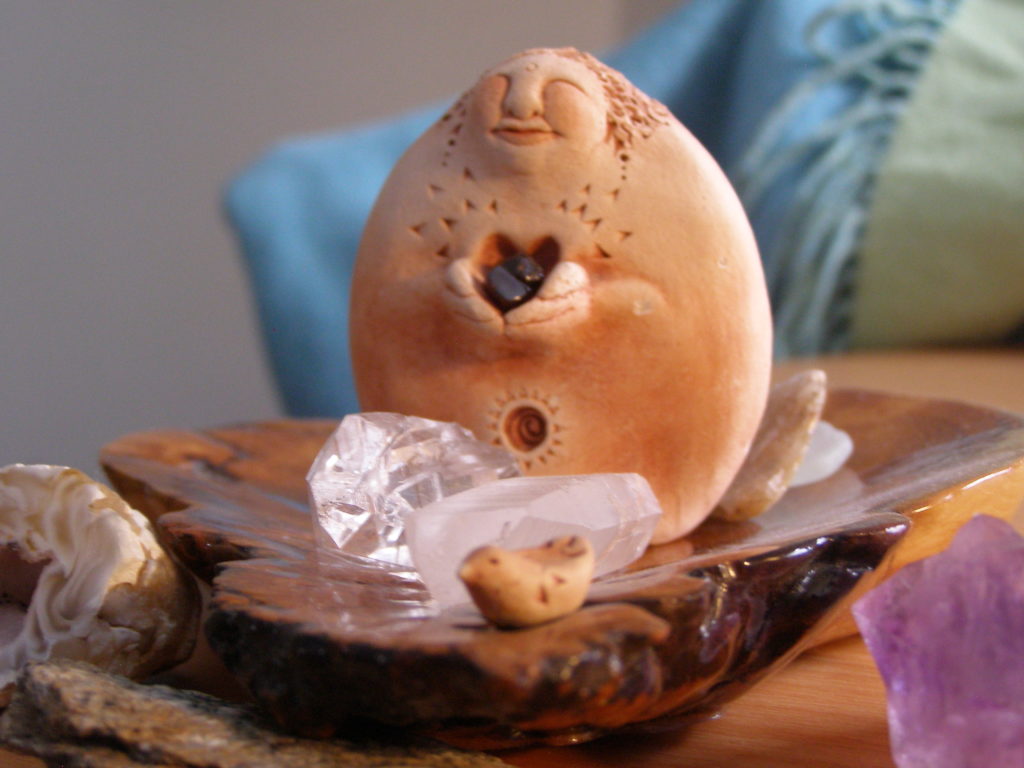
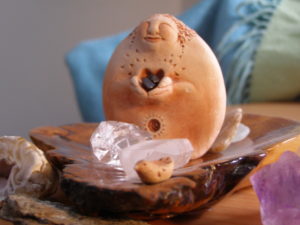
A small clay sculpture of a woman with her hands cupped in front of her chest sits on my desk. She holds a tiny clay bird and is surrounded by a couple of crystals, a piece of amethyst and a small geode. This little altar has been my daily companion for years. Wise and smiling, round and nurturing, the sculpture has comforted me through many losses, grief and rage. She’s one of my greatest treasures.
Letting Go
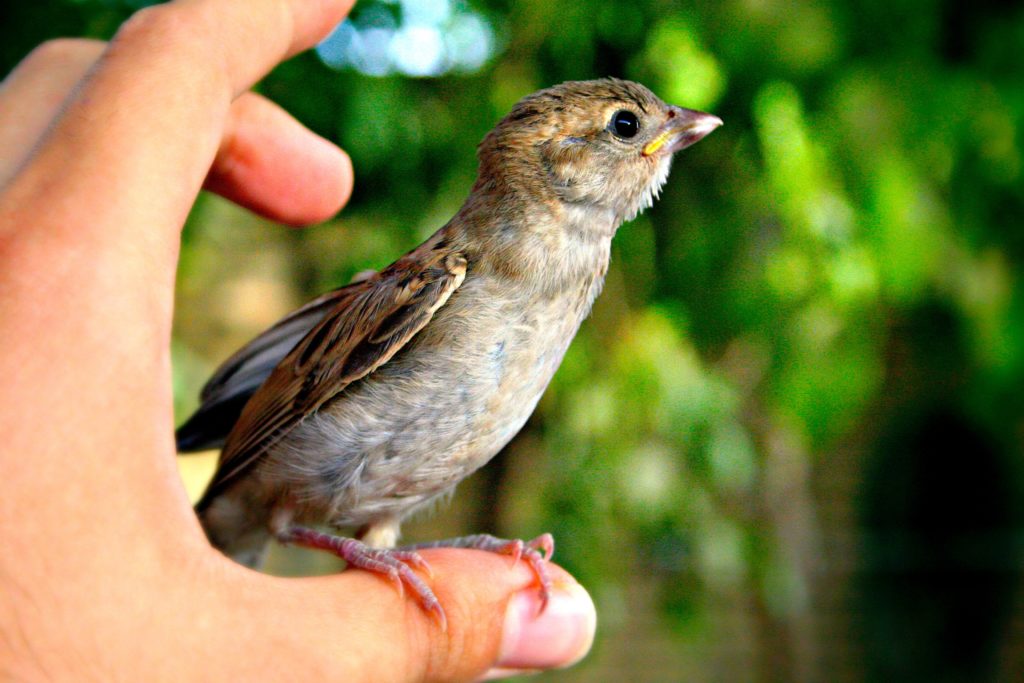
These days, the bird she holds is perched on the rim of the wooden dish she sits on, looking out at the room, at the world, at me. It can stay, or it can fly away. For now, it’s content to sit, watching and listening, as I live my life in these two small rooms at the top of our sagging farmhouse.
I have placed tiny polished garnets in the woman’s cupped hands where the bird once nestled.
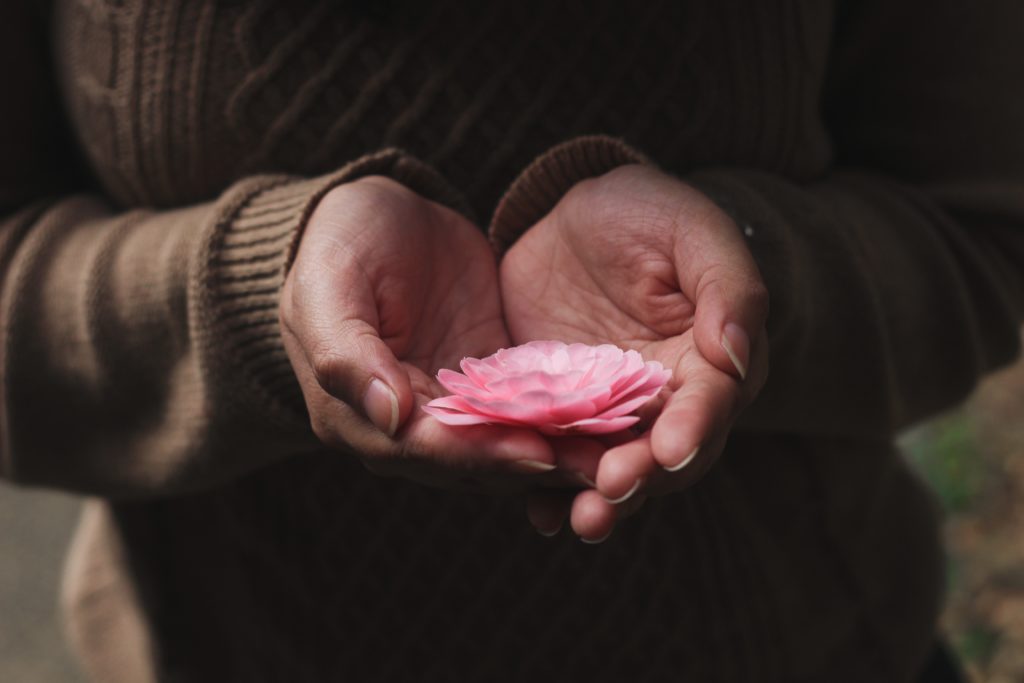
I had a friend, dear and wise, in my old place who once said to me if we open our hands and let something go, and keep our hands open, something new will come and fill them. As she spoke, I again saw the image of an open hand, generous, allowing freedom, and prepared to welcome and support the next thing, and the next.
Letting go is power. Letting go is serenity. Letting go is an authentic act of love toward self and others. The usefulness of letting go is not a secret. Almost any self-help book out there talks about it as an aspect of healthy functioning, but I think popular psychology doesn’t explore it deeply enough.
Letting go doesn’t mean we brush aside our feelings. Not at all. Unexpressed feelings cement us in place. We all know people who remain frozen in time because of a death or traumatic event. Years and decades pass, but they don’t heal. They don’t move on. Their emotional growth is arrested. This is what unfinished emotional business looks like. Unexpressed feelings can’t flow through us and dissipate so we can release them.
We know very little about appropriately expressing our feelings in this culture.
Feelings aren’t thoughts. They’re not stories, expectations, beliefs or ideology. They’re not labels or rules. Like it or not, admit it or not, we’re physiologically wired for feelings, and they give us good information about how things are with us. Our thoughts and beliefs, on the other hand, are frequently distorted, confused, misinformed, outdated or otherwise unreliable.
That’s where letting go comes in.
We’ve all had events in our life that left deep scars. We’ve all seen things we can’t unsee, heard things we can’t unhear and done things we can’t undo. We’ve all felt disempowered or victimized at one time or another. Death and disaster enter our lives with no warning and take those we love.
Some people move on from such events with more grace than others. I suspect part of that grace has to do with forgiveness. Not forgetfulness, but forgiveness of self and others. I suspect another part is the ability to fully experience and express the feelings attached to the event. That requires a certain kind of support, and many folks don’t have it. Some people simply don’t choose to move on or let go. They center their thoughts, feelings and energy in the event, whatever it was, and they hold it tight, cherishing it, feeding the fire of their pain, keeping their scars open with the razor blade of their attention and focus. It becomes part of their identity, part of their story, a grievance to cling to, a betrayal to treasure, a wound to worship.
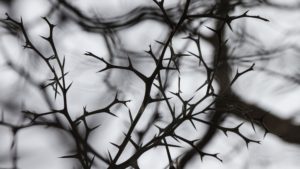
Photo by Andrey Grinkevich on Unsplash
I have a book called Clean Sweep, by Denny Sargent. It’s filled with rituals and instructions to help us let go of what no longer serves us. The author outlines a banishing exercise in which he suggests the reader visualize holding tightly to a thorny branch. In my own version, the branch is heavy, so heavy I can hardly hold it, which drives the thorns deeply into my flesh. The branch is a person, event, memory or belief that gives us emotional pain. We can make an easy choice and cling to it, cradle it, embrace it, let it tear our skin and make us bleed. We can make a harder choice and set it down, open our hands and let it fall. We can walk away from it. We can burn it or bury it.
In order to let go, we have to be willing to surrender control and endure loss. Letting go of a core piece of identity, a long-held belief or a painful memory is difficult work, even when that core piece, belief or memory gives us great pain. Letting go will leave a hole. Then what? Then who are we? How do we fill that hole? How do we understand ourselves and our place in the world? This is scary stuff.
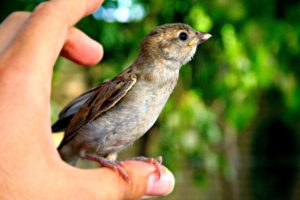
Photo by a-shuhani on Unsplash
Aristotle said nature abhors a vacuum. My friend was right. If we open our hand and release what we’re holding, something else will come, though we can’t predict or control what it might be. In fact, the thing released might return to us in another form. We can’t know. We’ll never know unless we release our need to control. We’ll never find out what might perch on our open hand if we’re not willing to walk through loss in order to reach gain.
I’m having a long and involved break up with my desire to control. Some days I go all day without thinking about it, and other days I want to micromanage everyone and everything in my life. Some days I feel light and free, a confident and lovely woman, and other days I feel like a grubby three-year-old hiding under the covers sucking my thumb because nothing and no one is the way I want them to be. I sulk and pout and snarl and I feel crushed by the thorny weight of my need to control.
Then, at some point, my eye falls on my little clay wise woman and her cupped hands and wide-open heart, and I say, “Oh, yeah. That’s right. Letting go.”
I feel annoyed when people tell me to “get over it.” First of all, I have a right to my feelings, and secondly, it’s not that easy. Letting go, for me, is a practice, and I need time to engage in it. Sometimes I go back and find my leaden armful of hawthorn or bramble or locust and hold it again for a while, opening up all the old wounds, exhausting myself, hurting myself, and, finally, opening my hands and letting it fall again. Sometimes I need to design a ritual for letting go, a prayer or a dance or some kind of purification rite. Sometimes I need to make a physical resting place, like a grave or a patch of garden or a newly-planted tree in order to let something go. For me, taking time to honor whatever it is I’m trying to release is helpful. Whatever it is that no longer serves, it was once a part of my life and experience. Laying things to rest in this way helps me release them fully and finally.
When it comes right down to it, this blog has been an exercise in letting go as much as anything else.
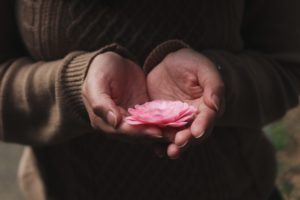
Photo by Ester Marie Doysabas on Unsplash
When we know how to let go, we increase our power, as well as the power of others. Often, what we desperately hold onto is people. This is a strong archetype in old stories; locking the beautiful maiden in the stone tower to “protect” her. Part of love, as any seasoned parent will tell you, is letting go. Imprisoning, disempowering and trying to control others isn’t love. Refusing to let go of someone isn’t love.
Releasing our grievances with others frees them as well as ourselves. Being willing to accept an apology, an explanation, and the imperfections of others allows us all to move forward with lighter loads. The stories and memories we hurt ourselves with are often ghosts, events involving people who are long dead and far in the past. We can choose to bless them and lay them to rest.
I don’t want to haul around painful memories, toxic garbage, the futility of trying to control life and ineffective behaviors and beliefs. I can’t swim with all that tied to my ankle. I can’t dance. I can’t embrace anything or anyone with an armful of brambles. I can’t create with a heart full of thorns.
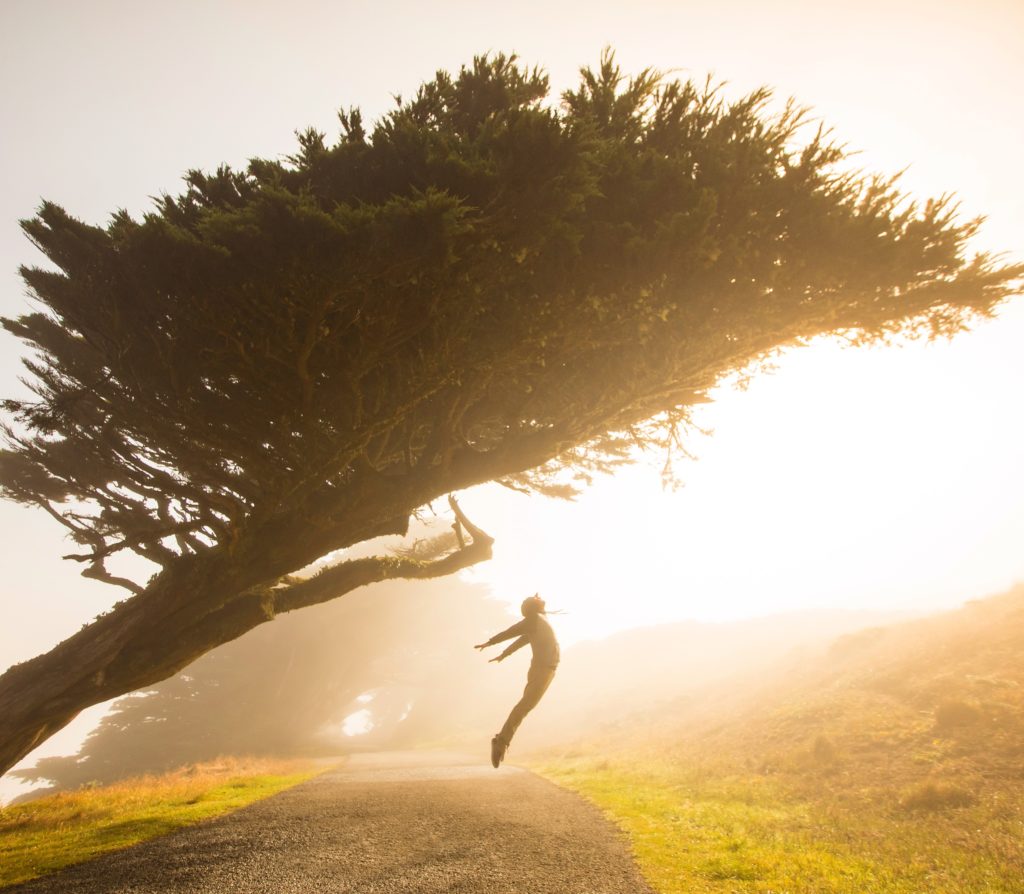
I want to be free.
I open my hands.
Photo by Stephen Leonardi on Unsplash
Make a Boat
Make a boat
out of who you are
not what you have.
If you don’t know who you are
(Search for the desert between the worlds.
Find Bone Mother.
Recollect.
Reassemble.
Bathe in soul.
Birth yourself.)
That is another journey.
Your boat will be small.
You can take no one.
You can take no thing.
Shape your boat with your truth.
Shape it with the joy in your hands
and the wisdom in the soles of your feet.
Make a chisel of rage and grief.
Sand with the grit of clarity.
Stain with blood.
Oil your boat with the moisture and musk of your sex.
Stitch the rags of your life into a sail.
Weave rope from your hair.
Take your time
And remember
Fear does not float.
When you know the boat is ready,
Sit in it.
Lay the backs of your hands on your knees.
Open your hands.
Let everything go.
Let everything go.
Keep your hands open
So that new things may come.
Without fear
Ask the one who stands just behind your shoulder
The one who shelters your life in the shadow of her wing
To come forward.
She will guide the boat.
Surrender yourself to your boat,
to the water,
to your guide.
Find your breath.
Stay there.
Find your heartbeat.
Stay there.
Keep your hands open.
Rest.
Don’t stand up in the boat!
Don’t throw yourself out of the boat!
Don’t you want to see where you are going?
Look. See how the feathers on her wing
trail in the water?
All content on this site ©2018
Jennifer Rose
except where otherwise noted