by Jenny Rose | Aug 31, 2017 | Connection & Community, Emotional Intelligence, Shadows
I’ve developed a practice of jotting down a list of events, conversations and observations at the end of every day, not only as a repository of creative prompts but also to identify patterns in my experience. During the last few weeks, perfectionism has appeared repeatedly in my daily lists, my own pursuit of it as well as my observation of it at work in others.
The first post I ever wrote was about people pleasing . As I draw word maps and play around with the idea of perfectionism, it’s impossible to separate it from people pleasing. They seem to be shackled together. When I think about that duality, it occurs to me perfectionism, like people pleasing, is a total abdication of power.
Trying to please others is always about someone else’s needs, and it’s always attached to a particular outcome I have no control over. Perfectionism feels the same way to me. It’s not about me. It’s not centered in my integrity or intention. I don’t even get to define what perfect is. It’s always about striving to meet the demands of others in order to obtain something I think I need from them.
Perfectionism is an old habit for me. I clearly remember trying to make beds perfectly, trying to sort laundry perfectly, trying to take care of my younger brother perfectly and trying to learn to tie my shoes perfectly. In fact, the entirety of my earliest memories are of struggling to be perfect in order to stay safe.
It didn’t work.
The problem with the concept of perfection is that it’s a chimera, something desperately hoped or wished for but impossible to achieve. Perfection is not static. It’s as elusive as a dust mote dancing in a shaft of light. The second we try to capture, control or define it, it vanishes.
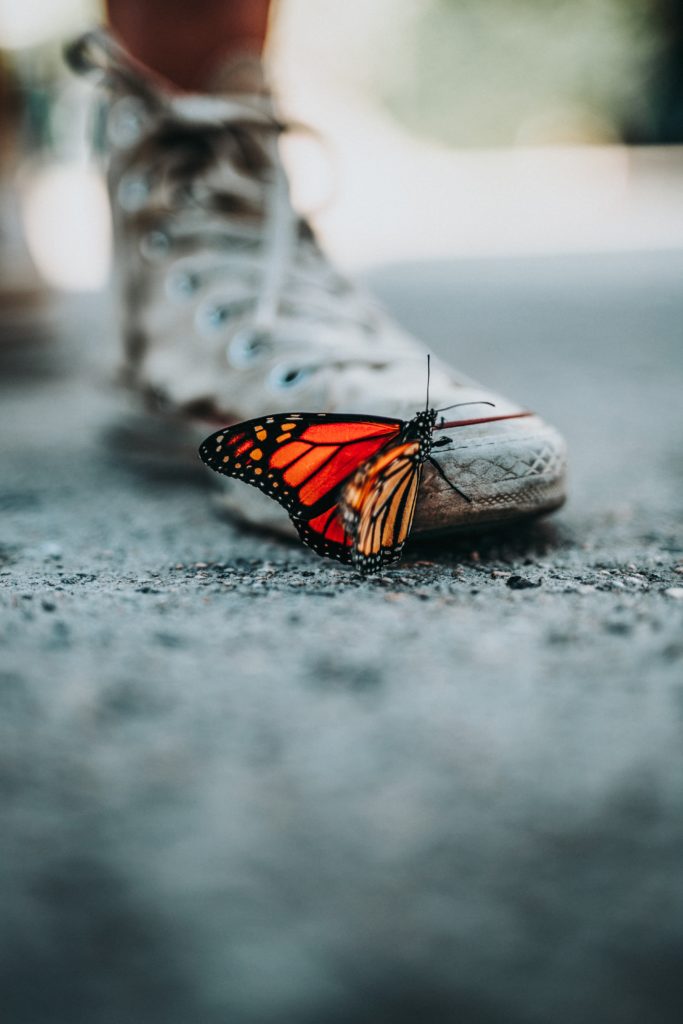
When I imagine a perfect lover, a perfect friend, a perfect house or a perfect day, what I’ve done is pin the butterfly of perfection into a velvet-lined case. In the effort to preserve it, I’ve killed it. To describe perfection as always winning, unchanging, uncomplicated or in any other terms is to limit it, and, diminished, it crumbles into dust.

Photo by Austin Ban on Unsplash
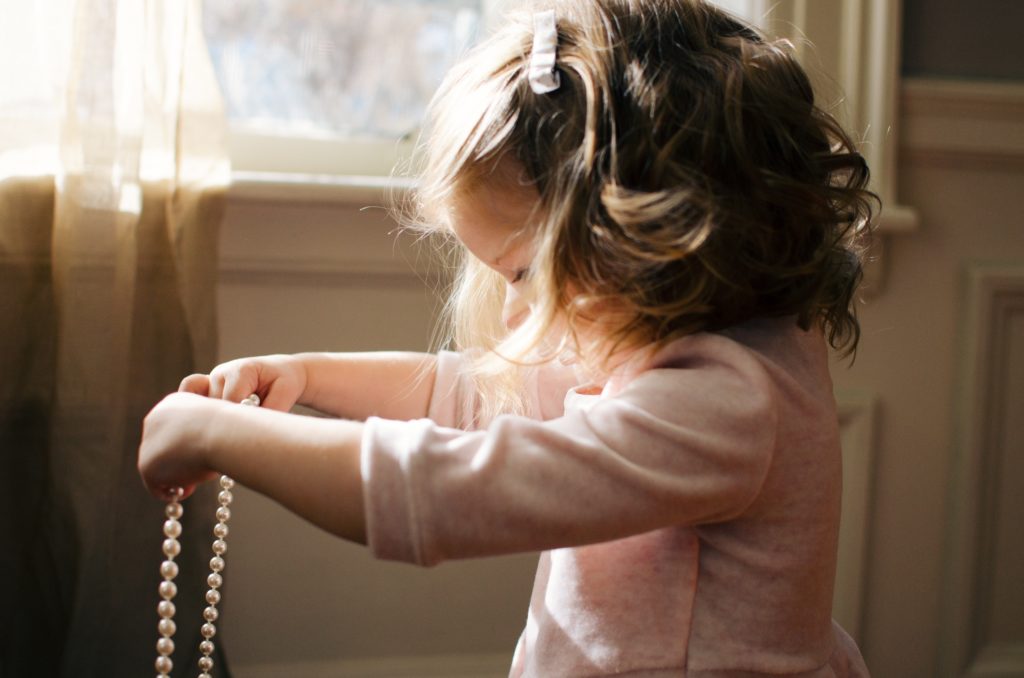
My best view of perfection is always over my shoulder. Perfection defies my expectation and agenda, but I glimpse it clearly as it passes by me and dances away in the distance. Whatever has been; that was perfect. Whatever is now is perfect. All the nows of my life, strung together like pearls on a silk thread, rippling behind me in the current of my passage, are perfect, including, and maybe especially, the knotted repairs, the frayed silk, and the variations in colors, shapes and sizes of the nows.
Perfection is nothing more than a frame. If perfection means without flaw, what is a flaw, exactly? That’s subjective, too. A flaw is just another frame. Either perfection or flaw can frame a moment, a day, a life.

Photo by Nathan Dumlao on Unsplash
I’m the only one with the power to define what perfect means in my life. I don’t have to buy in to anyone else’s interpretation. A perfect score, a perfect grade, a perfect 10, a perfect record, a perfect job, a perfect gift and all the rest are powered by competition and outcomes. Even if I win or achieve the outcome I desire most, that moment of perfection is fleeting, a brief second of shimmering wings, and then the butterfly of perfection has once again flown and the current of my life sweeps me into new territory.
Perfectionism, for me, is a compulsion and an addiction. It seduces me with promises of feeling valued and loved, but it never delivers. Practicing perfectionism is practicing self-hatred and fueling my internal critic until I’m paralyzed and beaten. Perfectionism renders me anxious and powerless. I still find myself in its grip occasionally, but I recognize the taste of it now. It’s the taste of futility, of exhaustion and unending effort. It’s empty and barren.
Those who hold us to their standards of perfection are not loving us. They’re controlling us, and people who control others do so because they cannot control themselves. Their expectations of perfection are about them, not us. There is no love there, no success, no safe harbor. Requiring perfection from ourselves murders our ability to live authentically, freely and fully.
My youngest son, wise beyond his years, used to say to me, “Mom, perfection is not a goal.” In those days, the pursuit of perfection still had me by the scruff of the neck and pleasing people was the only hope I had for earning love.
Now I’m older and feistier and I don’t want the pretense of love I have to earn. Perfection doesn’t interest me. I can do much more than achieve perfection. It’s not deep enough, not wide enough and not juicy enough. The false promise of perfection contains nothing I want or need. I want clouds of goldenrod and fields of butterflies and a long necklace of nows I collect, string and knot into place, one perfect pearl at a time.

Photo by Kelly Sikkema on Unsplash
All content on this site ©2017
Jennifer Rose
except where otherwise noted
by Jenny Rose | Aug 24, 2017 | A Flourishing Woman, Self-Love
My partner has trained in Aikido, and he relates hearing the above advice years ago from his teacher. Ever since he repeated it to me, I’ve been turning it over in my mind.
We lately found a Tai Chi teacher and joined a class. I’ve wanted to do Tai Chi for a long time, and it’s every bit as much fun as I always imagined it would be. I practice every day, and part of my practice is meditating on that wonderful piece of subtle Eastern wisdom: Don’t be where the blow lands.

Photo by Jason Blackeye on Unsplash
Tai Chi is a Chinese martial art focusing on energy manipulation, practiced for defense and health. Many of the people in the class we joined are there to address balance and strength. I’m happy to support both my balance and my strength, but I’m learning Tai Chi primarily as a grounding and centering tool.
We’re learning a series of specific slow, repetitive movements that flow into one another. Each movement is called a form, and each form has its own, often poetic name: The bow, the crane, windmills, the lute. Tai Chi emphasizes locating and moving from one’s center, and it’s interesting how difficult I find that.
Learning the forms and stringing them together is no problem for me. It takes a lot of repetition to get arms and legs coordinated and figure out proper positioning, but I like repetition and want to practice. What I notice, though, is how easily I lose my center. I reach or step too far. I find myself up on one toe or another when I’m not supposed to be. I put one foot directly in front of another, like a model on a catwalk, instead of maintaining a more stable, wider-based stance. My ankles are weak and unsteady. If I’m doing one form at a time in isolation, I can tighten my core and be solid, but Tai Chi is flowing movement, albeit slow, and after a few different forms my center is gone.
Losing my balance in this way is a perfect metaphor for the way I’ve lived my life until recently. My energy and attention were always directed outward. I had very little ability to support myself; I relied on external support and I didn’t distinguish toxic inputs from healthy ones. I was too hungry and had too many unmet needs; I took a lot of poisoned bait. Not only did I stand where blows landed and bullets sped, I made a camp there and called it home. I believed I needed those blows and bullets, that they meant love, that it was my responsibility to endure them, and that I deserved them.
We can’t avoid life. Harsh words, verbal attacks, physical violence and unexpected events like fire, flood, riots and sudden public violence are going to happen. Even so, there are ways in which to meet life’s blows with all the grace and elegance of Tai Chi, and as I practice the forms and movements, I think about the skills that allow me to absorb the blow, to flow with it, and to step away from where it landed before it can be repeated.
I’m a big proponent of self-defense and I always carry a knife. I’m not afraid to fight. One day soon I’m going to learn to shoot and buy myself a gun, which I will carry. That kind of self-defense is a separate thing from my practice of Tai Chi. Tai Chi is not about any kind of an aggressor lurking in an alley or a parking lot; it’s about emotional and energetic safety.

Photo by Deniz Altindas on Unsplash
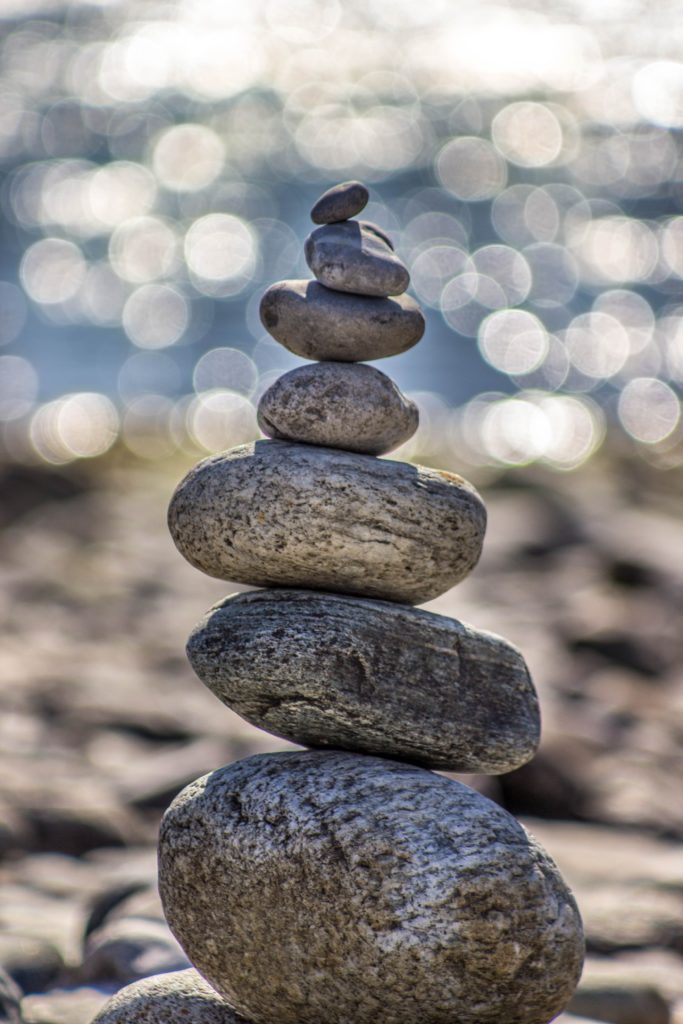
Tai Chi, along with swimming, dancing, ritual work, walking and writing, is a way to call myself home, back to the center, back to my bones and the source of myself. Maintaining my center absolutely requires my undivided presence. I can’t center properly if I refuse to know all of who I am. I can’t maintain balance if I refuse to love all of who I am. The minute I try to amputate bits and pieces of myself, deny my thoughts and feelings or start tearing myself down in any way, I’m standing (again) where blows are guaranteed to land. When I catch myself justifying; pleading; waiting for external validation; trying to please; choice-making out of fear, denial and self-doubt, I know I’m standing on the shooting range with a target pasted over my heart and head.
I’ve spent too much of my life staggering under loads of other people’s shit, carrying vampires and dragging chains. Confusion, fear, perfectionism, disempowerment and constipated unacknowledged feelings have all kept me standing where the blows land. Arguing with what is has cemented me in the path of bullets. Clarity, self-confidence, making friends with my feelings and reclaiming my power allow me to deflect, block or better absorb the blows that come my way.
I’m intentional about living with the wisdom of choosing not to be where the blow lands. Reclaiming my center and moving mindfully from danger, not only physically but creatively and emotionally, all but eliminates my fear and anxiety. Concentrating on grounding leaves no room for anything but strength and rootedness. The meaning of my life is not out there, in the noise and chaos of what others think, say and do. The meaning of my life is in here, centered within the container of my body, expressed by what I think, say and do.

Photo by Amy Humphries on Unsplash
Now, if you’ll excuse me, I have to go see if I can remember the windmills and the lute from yesterday’s class.
All content on this site ©2017
Jennifer Rose
except where otherwise noted
by Jenny Rose | May 4, 2017 | Choice, Power
Last Friday I resigned from my medical transcription job. Shortly after emailing my letter of resignation to my supervisor, she called me, wanting to know why.
I told her the truth. I don’t feel as though my contribution matters. I don’t like the company culture of perfectionism and high stress. I don’t feel valued as an employee, and my skills and talents are worth more than I’m receiving.

Photo by rawpixel.com on Unsplash
We parted in a friendly manner. She assured me I was eligible for re-hire any time and wished me well. I wished her and the rest of the team well. Cyber handshakes and smiles all around.
I’m in the middle of selling a property back in Colorado. I currently have wonderful renters in the house. They’ve been honest, cooperative, open and have done every single thing they’ve said they would do. They’ve become friends. I’m faxing paperwork, including the lease with these tenants, to Colorado and working with my Colorado real estate agent long distance. The agent expressed surprise that our rental agreement didn’t contain language about punitive consequences if the tenants suddenly decided to break the lease and leave.
It never entered my head to limit my tenants’ choice to leave if they were unhappy. Obviously, at least one property professional feels this is inappropriate business practice, but why would I want to force two people whom I respect and like to stay in a situation that wasn’t working for them?
Answer: I wouldn’t want to, I didn’t want to and I don’t want to.
Last evening I had a long conversation with one of my sons, and among the things we talked about was the idea of noticing how things are within ourselves and the choices we make about our own unhappiness and discomfort.
This morning, as I fried bacon and sausage and worked in the kitchen, I was thinking about this week’s post, trying to come up with something I wanted to write about from my current experience, and suddenly all these interactions lined up in my head (Clunk! Clunk! Clunk!) and I thought, well, there it is. I want to write about quitting.
What do you think of when you think of quitting?

Photo by Milada Vigerova on Unsplash
I think of the word “should,” as in should quit smoking, should quit drinking, should quit eating so much sugar, should quit fill-in-the-blank. These are the kind of circumstances under which quitting is supported and validated, but the “should” is an instrument of shame, guilt and fear, as well as a thoroughly ineffective motivator.
I was taught being a quitter or a dropper outer is a desperately mortifying thing. Quitting is associated with betrayal, abandonment, failure, letting others down and weakness.
Quitting is often an act of aggression. It’s what we do when we’ve hung on by our fingernails until they’ve torn out, one by one, and we have to let go or die. It’s hitting bottom. It’s burnout, breakdown and nothing left to lose, often accompanied by scenes, meltdowns and an exchange of insults.
Quitting is selfish and irresponsible. Choosing to be happy is an embarrassing thing to admit. We’re told If everyone did what made them happy, everything would unravel. Nobody would work. Important things wouldn’t get done. The economy would collapse.
There are cultural consequences for quitting. The label “quitter” impairs our ability to get hired, find stable relationships or make financial choices. A quitter is unreliable and untrustworthy at best. Someone who quits their marriage, family or children is so despicable as to be unforgiveable in some cases.
The word quit, according to a quick search, means to leave a place, resign from a job or stop or discontinue an activity. In short, it’s a word that defines a choice. Interestingly, one of its origins is Middle English, in which it means “set free.”
Set free sounds a lot more positive than quitting, doesn’t it?
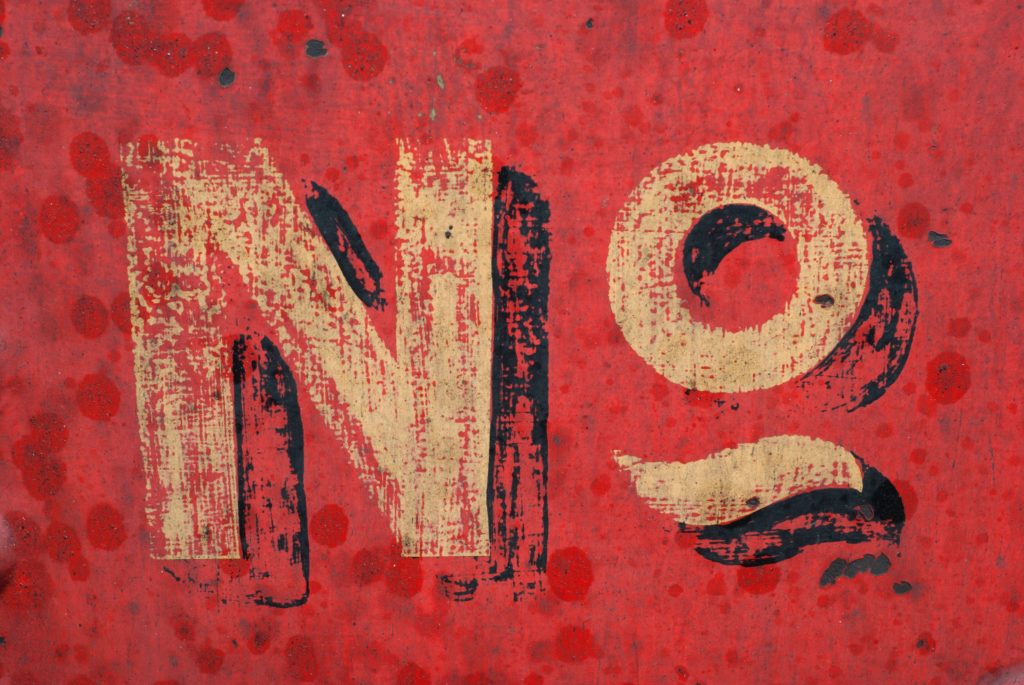
It occurs to me that the whole idea of quitting is rooted in power. To quit is to stop. How is it that the culture is so unfriendly and unsupportive, for the most part, of making a choice to stop? Why are we so consistently and pervasively discouraged from saying no, from quitting, from changing?
I’ve written before about the yes and the no. To be in our full power, both consent and dissent have to be available to us. We have to be able to make a real choice. The inability to freely choose points to a power-over situation, and it doesn’t matter if it’s work related, relationship related, addiction related or some internal limitation like fear. Something or someone is interfering with our power to freely choose if we can’t make a choice to quit.
Said a different way, the problem is not so much the addictive substance, the miserable job, the narcissistic family member or the abusive romantic relationship. The problem is we’ve been systematically amputated from our full power to choose.
Sadly, this is a consequence, at least in part, of our current educational system in the United States. It doesn’t work for a lot of kids. It didn’t work for me. It didn’t work for my kids. I told my sons the same thing I was taught when they complained. Education is important. Everyone has to go to school. It’s the law. We all have to do things we don’t want to. Being happy doesn’t matter.
Ugh. I wish I hadn’t believed that. I wish I hadn’t said it, and more than anything I wish I’d listened to their distress and taught them to respond to it appropriately by responding to it appropriately myself. At the time, all I had was what I’d been taught, and I’m absolutely certain my own mother taught me the only thing she knew as well.
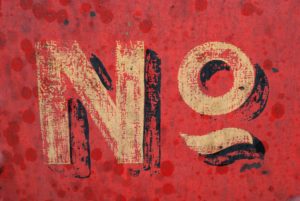
Photo by Gemma Evans on Unsplash
The point is few of us learn how to respond to our discomfort or unhappiness, either by expressing it appropriately or taking action to help ourselves. Public education certainly doesn’t teach it. The way we work in this country doesn’t support it. Patriarchy in general doesn’t validate self-reflection, honest communication, or simply saying, “No more. This isn’t working for me. I’m stopping. I’m quitting.”
On the other hand, we’re great at demanding and commanding, as in “You should … You will … You must … You have to …” However, living in a cage of internalized and externalized shoulds is more power-over. When the shoulds have our power, we’re not free to choose. I know, because that’s how I’ve lived most of my life.
One of the hallmarks of power-over is its resistance to change. Change threatens the status quo. Traditional marriage vows are forever, no matter what. Many jobs reward length of service. We’re encouraged to grow up, settle down, get a stable life. Loyalty, dependability, reliability and predictability are all rooted in not changing.
But we do change. Our bodies change. Our needs and desires change. We learn new information. The things that captivate and delight us change. The best of us learn, grow, question, seek new experience, dance elegantly with challenge and tension, and develop a healthy relationship with being wrong. The best of us spend a lifetime making friends with our changing selves, investigating our motivations, our patterns, our behaviors and beliefs, our weaknesses and strengths, and doing battle with our fears and demons.
A relationship, job, priority or place may be a perfect fit at some point in our lives, and then be outgrown. A coping mechanism or response may work very well, even save our lives at one time, and cripple us at another. Life is always changing. The ability to flow with change, to welcome it and play with it, responding with free choice after free choice, defines a well-lived, powerful, elegant life
Quitting, like boredom, has a bad reputation. I suspect this is mostly due to a cultural smear campaign. My son is in his 20s, and as he shared parts of his experience with me, I realized we’ve arrived at the same place, he’s just 30 years ahead of his late-blooming mother. He’s reclaiming his power to respond to his own discomfort and distress and choose what to do, based on prior choices and how they worked out. He’s not waiting until he can no longer bear his unhappiness. He’s not quitting in a blaze of hand grenades and gunfire. He’s not self-destructing. He’s allowing himself to stop, to change, to leave. He’s setting himself free of what doesn’t work for him, and he’s doing it without guilt or shame or the need for outside validation.
Quitting is an art. I can be done with respect, gratitude and dignity. It can be a gift of love and authenticity to self and others. The right person for a job, place or activity is not someone who hates the job, place or activity. The right job, place or activity for us is not the one that makes us unhappy. Commitment, responsibility and keeping our word are all important things, but not unto death. Not unto madness and broken-down health. We are allowed to set ourselves free. We are allowed to change. We are allowed to learn. We are allowed to try and fail and move on.
I began this project of blogging with a letter of resignation. This week I sent another letter of resignation. In both cases, I hung on long after I knew I was miserable because I was afraid to make a change. I have more work to do in building trust with myself, but I’ve made a start.
I quit. My daily crime.
All content on this site ©2017
Jennifer Rose
except where otherwise noted
by Jenny Rose | Apr 13, 2017 | Emotional Intelligence, Fear, Feelings
Last week I came down the steep stairs from my little attic aerie, sat in a chair in the living room and cried while I asked my partner if he thought I would ever have a less effortful experience of life.
It’s not that anything was really wrong. What I was feeling was an old, familiar feeling of trying to manage my life and myself as efficiently as possible and feeling worn out and unsuccessful.

Photo by Bradley Wentzel on Unsplash
Trying. Manage. Efficiently. What am I, a machine?
I was tired that evening, and worried about diminished workflow and subsequent diminished paycheck. I wasn’t seeing a way out of my work/income situation, which is a place I’ve been in for several years.
One of the things I did last week during a work shift devoid of work was join She Writes, an online community for, obviously, women writers. I’d been procrastinating about doing so for a long time.
For years, I’ve been trying to find a writing community, both locally and online. I’ve joined a professional local organization, but their programs are rarely offered up here in Central Maine, as Portland is their headquarters. I’ve tried, unsuccessfully, to find beta readers for my first book. I put up an invitation to start a writer’s group at the local library and didn’t get a single call. I tried a give and take partnership with another writer so we could read one another’s work and provide feedback, but my partner had other priorities and needed to drop out.
And, of course, I need to work for that paycheck, so my time and energy are largely gobbled up by my financial needs rather than the joyful work of my life. This produces a chronic background tension that grinds away at my soul.
Anyway, I decided the time had come and I was ready to join She Writes and see what possibilities might open up through that community. I had to apply to join.
I knew they wouldn’t take me.
They accepted me (probably some kind of mistake) and the day after I sat in the chair and cried, I had another shift with no work and began exploring She Writes. I came across a blog post titled “The Only Reason to do Anything is Love,” by Bella Mahaya Carter, and had an epiphany.
Engaging with life from a place of love rather than fear is not a new idea for me, or probably for anyone reading this. It’s the kind of thing we hear and read all the time. I would have said I do that. It’s always my intention to show up in the world with love, which is to say kindness, compassion and respect.
The wording of Carter’s post, however, indicates motivation, an internal thing, not external action. Make choices with love, not fear. Decide what to do based on love. Do nothing for fear.
Right, I thought. I treat others and myself well. Of course.
Why?
I treat others well because I think it’s effective and I’m afraid of violence, hatefulness, rejection and just plain crazy.
I treat myself well because I’m afraid to be unhealthy, unable to earn a living and/or unable to be independent.
Photo by Milada Vigerova on Unsplash
It’s all for fear. It’s not for love.
Furthermore, treating myself well doesn’t equal loving myself. I caretake my physical form like a good property manager takes care of a rental. I exercise, eat well, brush my teeth, wash my body and take care of injuries.
What I think about myself is that I disappointed my parents, drove my brother nuts (not literally!), failed two marriages and made unforgiveable mistakes as a parent. I think I’ve never made a successful career or had a good enough job. I think I’m ridiculously hard to live with. I think I eat too much, use too much hot water in the shower, like obnoxious music, try too hard and am too sensitive. I think I’m unattractive and few people want to hug or touch me. I think I’ve spent years writing a 300,000-word book that, for all I know, has less value in the world than a roll of cheap toilet paper. On sale.
Those are some of the things I’m conscious of. When I look at my fear-based choice making, it appears I also think if I don’t hold my own feet to the fire at all times I’ll become a lazy, irresponsible, selfish slacker; demanding, mean, dishonest and greedy.
Carter’s post made me realize I could hardly think of a choice, any choice, whether important or mundane, that I haven’t made based on some kind of fear. Ever. From earliest memory.
The greatest motivator in my life is and has always been fear.
Not only that, but I’ve created a whole pantheon of idols I obsessively and ceaselessly worship in order to avoid the vengeful, punitive God I’ve made out of fear. I make daily bloody and brutal sacrifices of time, energy and life to appease them, but insatiable fear just gets more and more powerful. Here are some of the idols:
I read that post on Friday. There and then I decided to start making choices based on loving and believing in myself rather than fear of consequences and see what happened.
Without leaving the chair, I asked myself what the hell I was doing messing around with a job that wasn’t meeting my needs and I was unhappy in.
On Saturday I applied and tested for a job as an independent contractor to do transcription for an online company.
On Sunday I applied and tested for a job as an independent contractor to do transcription for a second online company and was hired on the spot. I also wrote the publisher of She Writes Press and asked for help with the next step for my book manuscript.
On Monday, when I ran out of work, I began getting qualified (via testing) to do various kinds of transcription through my new job and looked up the resignation process from my current medical transcription job.
Yesterday the second online business hired me.
This morning She Writes Press wrote me back with support, suggestions, a recommended professional who might read the manuscript, and what it would cost.
The fear is not gone. In fact, it’s louder than ever because I’m challenging it on so many fronts at once. The difference is I’m not standing nose to nose with it right now. Playing with the new toy of making choices based on what’s loving for myself gives me another option, which means now I can make a real choice.
Fear is not a bad feeling. We need it to survive. It’s just that mine has grown bloated and swollen on all the power I’ve given it over the years. The bigger it gets, the more space it takes. At this point I’ve become its thing. It thinks it can do as it likes with me.
It’s wrong.
I’ve had a belly full of life based on doing things out of fear. It’s exhausting, demoralizing, joyless and hag-ridden. It doesn’t work well and I’m sick of it. When I think about it rationally, I know I don’t need to beat myself with a stick through every day for fear I’ll become lazy, selfish, etc., etc. If I was going to turn into any of those things I would have done it long ago.
How would it be if I used regard for myself as a motivator and refused to do or not do out of fear? What might a life based on doing things out of thinking well of myself look like? What if I stopped giving anything to fear?
The funny thing is life looks much the same. The difference is largely in the outwardly invisible motivation behind my choices. Am I going to relax with music or a video and stretch because that’s the right and responsible way to treat my tiresome physical needs after a long day sitting in which I earned inadequate money, or am I going to do it because I love the way it feels after a tiring day in which I worked hard, whether I earned money or not?
Life is crazy right now. Everything feels like it’s in transition. I hardly know what to concentrate on in any given moment, there’s so much on the table. Even so, now when I run out of energy in the afternoon I spend a few minutes writhing between making a choice between demanding more from myself out of fear or doing something pleasurable and relaxing. So far, every day I’ve managed to choose rest and relaxation after another wild day.
It appears I’ve begun a new practice. I didn’t know that evening I sat in the chair and cried I was standing on an important threshold. I didn’t know by the end of the week I’d have not one but two new jobs. I didn’t know I was going to finally get serious about putting my manuscript into a professional’s hands and risk failure and rejection. I didn’t know in just a couple of days I was going to begin making a habit out of rolling out of bed and stepping into the day’s embrace with curiosity and a resolve to think well of myself as I navigate, rather than wondering fearfully what would happen next and whether I would manage it adequately.
So far, so good.
Nothing more for fear.

Photo by Stephen Leonardi on Unsplash
All content on this site ©2017
Jennifer Rose
except where otherwise noted
by Jenny Rose | Dec 15, 2016 | Connection & Community, Emotional Intelligence
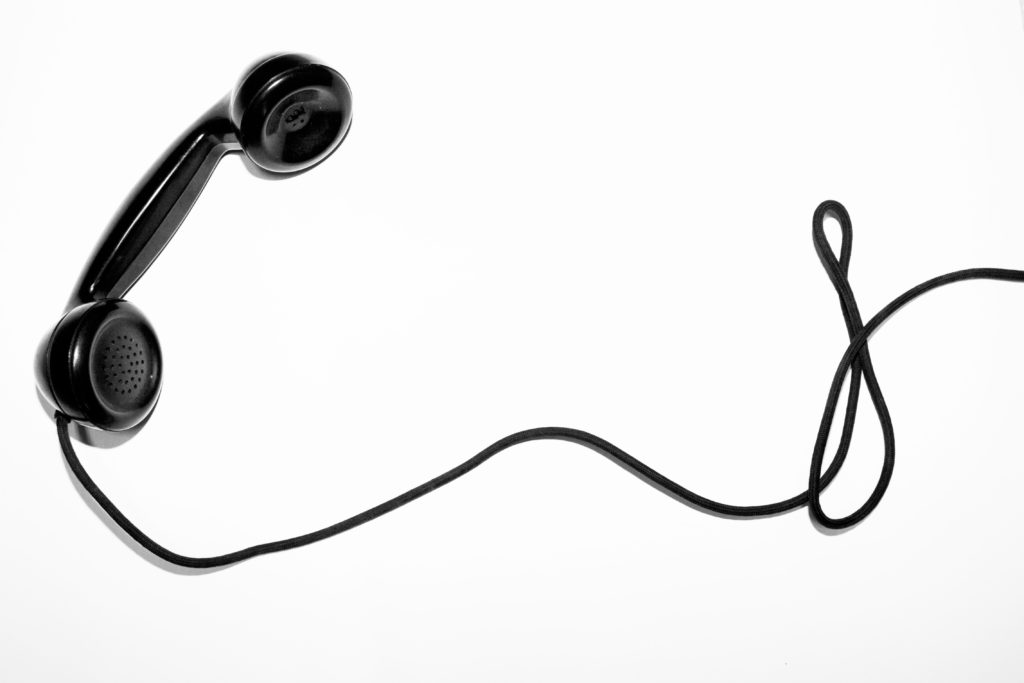
Last week, my partner and I went to the movies and saw Arrival. Without giving any spoilers, I found it a stunning story about communication, among other things. It was the communication piece that really grabbed my attention, though.

Photo by Jason Rosewell on Unsplash
Ever since then, I’ve been thinking in a newly focused and intentional way about communication — what it means, how it looks, where it breaks down and how to do it well.
The truth is, I don’t want to know how to do it well. I want to know how to do it perfectly.
Another truth is I’m always thinking about communication, because I’m always working on my book, on this blog or on relationships, and they all involve communication. My partner says there is no relationship without communication, and I think he’s right.
As regular readers know I am wont to do, I pulled out my Random House Collegiate Dictionary to give myself a starting place. Anyone who’s used a dictionary knows there are often multiple meanings for any given word, so I made a list of the definitions I liked, cut and pasted a little, and came up with this (emphasis is mine):
Communication:
- To give or interchange information to/with one another.
- To express one’s true thoughts, feelings and moods easily.
- To have or form a connecting passage.
Although I’m intellectually satisfied with this definition, it feels incomplete and inadequate. In fact, it makes me mad. If only effective communication was this easy and simple! Instead, it seems to be one of the most desperately difficult things we do, and we must communicate if we are to manage life in today’s world.

Photo by Bewakoof.com Official on Unsplash
How many ways does communication break down for us in a day? Are we even aware of all the ways it breaks down? How often are we communicating something completely unintentional?
At the same time, have we ever, in the history of humankind, had so many devices and forms of communication at our disposal? Have we ever had access to so much information and so many other people?
So why aren’t we happier, more authentic, more secure and sure of our worth? Why are so many of us starving for healthy, fulfilling connection? What’s missing?
If I knew, I would fix it in my relationships, but therein lies one of the problems.
This is the part that always sneaks up and bites me in the ass.

Photo by Toa Heftiba on Unsplash
Not everyone wants the level and quality of communication I do. Generally, I don’t take this cold little fact personally, but among my nearest and dearest it does feel personal, absolutely. I feel utterly and completely rejected and shut out, in fact.
Another problem is that not everyone is capable of the level and quality of communication I am. Many people carry terrible damage or experience disability that prevents them from being able to participate in touch, in sex, in eye contact and nonverbal cues, even in conversation. I can tell you from personal experience it can be very, very difficult to sort out those who want to and are unable to from those who simply don’t want to. In the end, it doesn’t matter, it all comes to the same thing. When communication is limited, relationship is limited.
Limitation frustrates me, whether it’s my own or imposed by others. I can do more. I want to do more.
A third issue is that communication is two-edged. It’s an enormously powerful skill and ability, both constructively and destructively. We all know people who use communication as a weapon, not a tool. Sometimes, a simple, ominous clearing of the throat can be far more terrifying and damaging than a blow. Both actions are communication. Even worse are people who deploy words saying one thing and demonstrate action that says another, like the abuser who says he loves you while he hits you. This is called gaslighting, and I’ll write about it in the future. It needs a post all its own.
A fourth point is we don’t have enough silence in the world. Silence is the cup that holds communication. It takes time to write, to create, to speak, to hug, to make love, to nurse an infant. It takes time to nurture a friendship, a lover, a child. Sitting with the ill or dying takes time and quiet. Listening takes time and presence. Our slavery to technology and stimulation has all but eliminated uninterrupted time for our relationships with ourselves, let alone with others.
And that brings up a fifth aspect. If we don’t, won’t or can’t communicate effectively and honestly about who we are, what we need and want and the truth of our thoughts and feelings, we can’t form a connecting passage, to quote the above definition. We’re not even connected to ourselves.
As though all those things didn’t make communication a big enough hairball, we have to remember who we are. We’re human, which is to say each one of us carries stories, beliefs, expectations, memories, scars and bleeding wounds that get in our way every time we communicate, even with (especially with) those we care deeply about. We all have painful triggers. We all get hijacked. We make assumptions. We misunderstand, deny, obfuscate, conceal. We filter through our particular history and experience. Few of us have any training in effective communication. We can tweet or text a sentence or two, but ask us to do more and we’re at a loss. For one thing, we don’t have time to deal with it.
We also have rules about communication, individual rules, tribal rules, cultural rules. We have rules about acceptable language, rules about keeping secrets, rules about being indirect, rules about protecting others, rules about loyalty and duty, rules about privacy, rules about what we’re willing to reveal to whom, rules about who we trust and don’t.
Even the words we choose can make or break communication. Here’s an example out of my own life I’m feeling particularly resentful about at the moment.
I’m a woman, a partner, a sister, a daughter and a mother. I love wholeheartedly and I’m very clear about how important healthy relationship is to me. I know the people I love well, and I try hard to accommodate their personalities, preferences and idiosyncrasies. I’m not Miss Fixit. I’ve no investment in protecting people, and the four men in the world who I love most are unbelievably capable and intelligent adults.
When I say, “What can I do to help? “Is there anything I can do to help?” or “Is there anything I can do for you today?” I’m not implying they can’t manage their lives, dammit! I’m giving a message of love. I’m saying, “I’m here. You matter to me. I’m glad to lend you support. I’d love to collaborate/cooperate/work with you.” I’m making a connection. I’m giving what I most want. Catch me being insulted if someone asks if they can help me figure out how to run the errands, take care of work and cook a meal!
My male partner says, with great patience, that I should use the word “assist” instead of help.
Seriously???? These four idiot men, who know me better than anyone else, need me to tippy-toe with my language in order to hear a message of love and support?
Never mind. I’m over it. Figure out your own damn life, and I’ll figure out mine.
Furthermore, catch me allowing any of them to help me, even though I know that’s connecting for them. They don’t need anything from me, I don’t need anything from them.
See how that breaks down?
And half of that is about me. I’ve been taught to be indirect in my language, I’m giving others what I want myself (this never works well, because the recipient rarely understands that’s what I’m doing), I’m coming across as relentlessly mumsy-wumsy and overprotective, and I’m assuming these four men are like me and won’t ask for help if they need it, but I’m the one who can’t ask for help, and now I’ve fastened myself more firmly in that position because they won’t cooperate with me and allow me to love them, so I’m not going to give them the satisfaction of…
And so on.
My conclusion about all this is that communication among human beings is a clusterfuck. It’s confusing. It’s messy. Most of us don’t know what the hell we’re doing and many of us are not that well intentioned in the first place. We have wildly varying degrees of ability with wildly varying aspects of communication. We try to hide, we misunderstand, we make mistakes, we don’t remember accurately and we’re often terrible at listening. We want to be right, we want to be validated and agreed with, and we want others to meet our needs quickly and perfectly so life feels simple and uncluttered, emotionally, at least.
I’m never going to do it perfectly, and neither is anyone else.
But hey, let me know if I can help you in any way!
Photo by Quino Al on Unsplash
All content on this site ©2016
Jennifer Rose
except where otherwise noted