by Jenny Rose | Mar 8, 2018 | Choice, Power
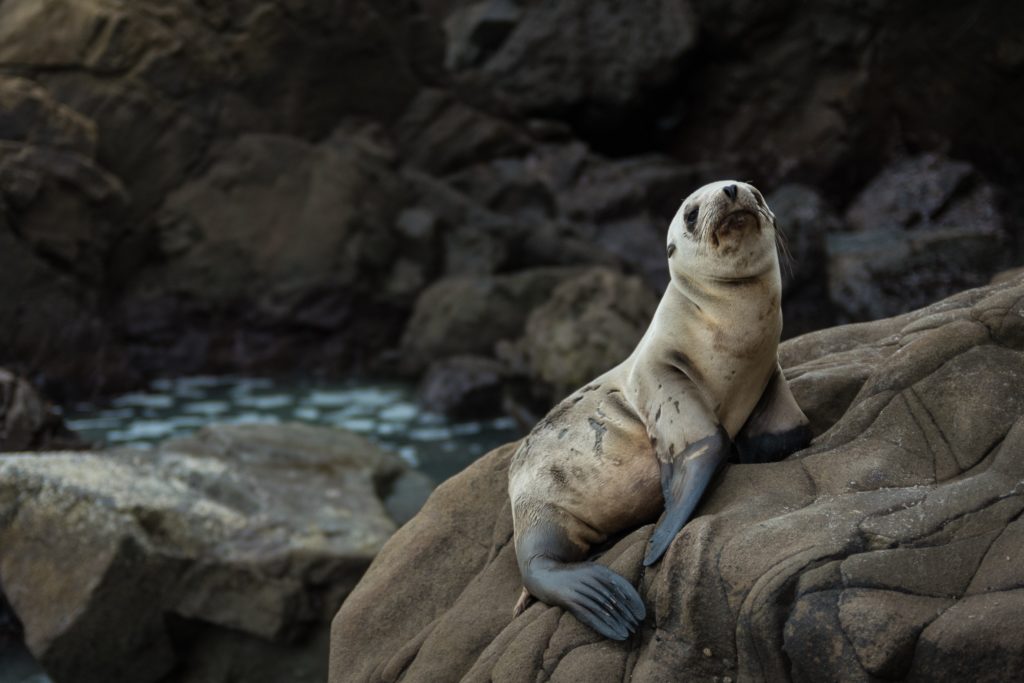
Selchie: A mystical creature who takes the form of a seal in the sea and a human on land.
I have a picture book from my childhood called Greyling, by Jane Yolen. It’s one of my favorite stories, by one of my favorite authors, and I’ve told it as an oral storyteller for many years. When I began doing storytelling, I sought out all the selchie stories I could find and incorporated them into my programs.
I rarely tell a selchie story without fighting back tears.
I’ve lately revisited this wonderful material for the second book in my Webbd Wheel series, and it occurred to me to explore why these stories touch me so painfully and deeply.
Selchie stories appear in the Hebrides, Iceland, Orkney, Scotland, Ireland and the Faroe and Shetland Islands. Like all lasting oral traditions, they contain blueprints for navigating loneliness, exile, love, loss, competition, compassion, trust and power. A good story has many facets.
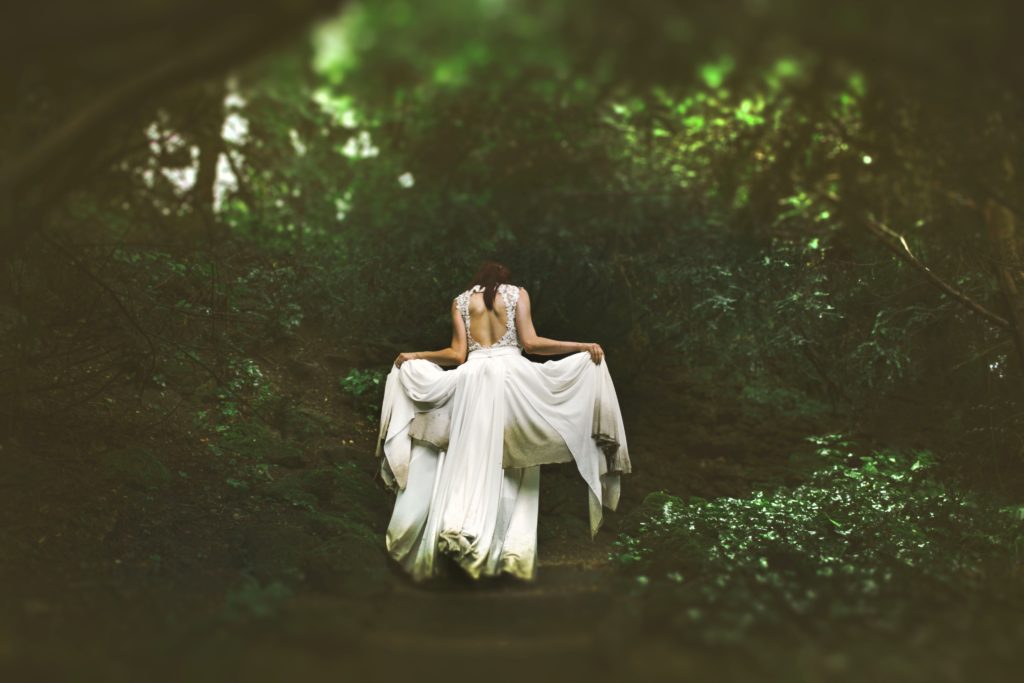
A common thread in selchie stories is that a seal comes to land, takes off its skin, and becomes human, usually a beautiful young woman. Subsequently, the skin is stolen by a man and the woman entrapped. In many of the tales, she marries the man who has her skin (always a fisherman) and bears his children. Sometimes her husband promises after a certain number of years he’ll allow her access to her skin again, but he doesn’t follow through for fear of losing her. Inevitably, the skin is found, often by a child, and returned to the selchie, who must then face a choice between her life with her family and her life in the sea.

Photo by Jeremy Bishop on Unsplash
It is this choice that makes me weep. I know the agonized longing for what we are made of but can’t ever quite find.
As I observe the world and people around me, I think many of us feel in some way exiled from who we were born to be, from a place, from a tribal connection, from some integral expression of self. I believe this exile creates such an unbearable hunger we grasp at anything within our reach in order to appease it, becoming addicts, developing eating disorders and body dysmorphism, and struggling with anxiety and depression. We live in a culture of distraction and entertainment. We’re busy, noisy, exhausted, and inundated with information, stimulation, propaganda, manipulation and demands.

Photo by Anna Dziubinska on Unsplash
We want what we are made of, but how do we find what that is? Why is it taken away or withheld from us? Why are we so often forced to choose between one thing we’re made of and another? This all lies at the heart of selchie stories, for the selchie is a creature torn between two worlds and two tribes, and we instinctively recognize this conflict.
Choice is so often grief. If a selchie re-dons her skin and goes back to the sea, she cannot return, for she already knows the terrible cost of losing her skin, and though she may love her children and even have grown to love the fisherman she’s with, she cannot trust him. In returning to the sea, she is joyous, but now the grief of leaving her children and the life she made on the land replaces her longing for the sea.
I was with a man who avoided choice. He said he didn’t like to choose one thing in case something better came along. My experience of this was that he didn’t want to commit. It meant we couldn’t plan a date, a weekly ritual or even a walk. If we did, he frequently cancelled at the last minute. It was painful for me, and it frayed our connection considerably as I vacillated between hurt and anger. Eventually, I gave up and made my own plans. I told him that his maybe-I-will and maybe-I-won’t approach didn’t avoid a choice but was a choice. He refused to take responsibility for that, and he was bitter about the choices I made subsequent to his.
I’ve also been with partners who believe we can have it all. One man walked away from any situation in which he couldn’t have his cake and eat it too. It was a point of pride with him. He didn’t see why he shouldn’t have it all, and, as far as he was concerned, the world (and I) owed him that. Looking back, I see this as just another evasion of the heartbreak and consequences of having to make choices.
I think very few of us have the luxury of having it all. We come together and move apart, searching, fleeing and climbing ladders we hope end in success. Many of us feel rootless in terms of place and tribe. We don’t really feel we belong anywhere on a map, and we have no rightful place in a human circle. We do the best we can, a choice at a time, and over the years those choices and their consequences teach us who we are and turn us into adults.
What we’re made of is not necessarily what we’re born into. What we’re made of is not necessarily the place we live in, the people surrounding us, the job we have, the clothes we wear, the car we drive or the color we dye our hair. What we’re made of is not always who we want to be, who we insist we are or who we’re expected to be. Discovering what we’re made of is an excavation of our dreams, our souls and our joyous bodies. Many of us spend our whole lives finding one piece of ourselves at a time, stumbling, groping, picking up and discarding, searching blindly in the dark with nothing but our feelings to guide us.
On one particular day of no special consequence, my small toddling self, clothed in a yellow bathing suit with white trim, was lifted into a pool of water as big as the sea. From that day to this I’ve loved the water, and during occasional long, dry spells without access to swimming I dream of water and wake myself weeping with the anguish of my longing.
I’m a creature of water. It’s part of what I’m made of.

Photo by Nathan Anderson on Unsplash
For some years I lived in a city and laid awake at night watching headlights move across the ceiling and walls, straining to hear a precious moment of silence in between the sound of cars and sirens and too many restless people moving through the pale night. I dreamed of high, snow-covered mountains under starry skies and the peace of trees in unbroken darkness. Every day I died a little more, but I knew in my heart one day, one day I would leave the city and live in the shadow of the mountains I dreamed of. A thousand nights later I freed myself from the tentacles of that city, but I also left behind my marriage and the father of my children, my belief in happy-ever-after, the most lucrative job I ever had and the good wife and mother I wanted so much and tried so hard to be.

Photo by Ryan Hutton on Unsplash
At last, I slept in the shadow of snow-covered peaks in a small mountain town without pavement and street lamps and sirens. When I awoke at night, I heard the cry of the vixen, the rushing wind, the owls calling to one another, the sound of the bear eating apples from the tree outside my window, or the raccoons cavorting in the tops of the pear trees like furry pirates.
I did not have it all. I had another piece of what I’m made of. I chose it, and I paid for it. I’m still paying for it, twenty years and thousands of miles later, and whatever the cost, it’s worth it. I cannot live in the city.
By the time my life is over, will I know everything I’m made of? Will I have lived with enough courage to choose what I’m made of, come what may? Will living true to what I’m made of sustain me? Will I ever find my own sealskin wedged between rocks, or locked away in a chest, or hidden in the thatch?
Reclaiming what I’m made of, one choice at a time. My daily crime.
The selchie lives in a small cottage on the shingle beside the sea. She lives with a fisherman whose face is carved with a lifetime of loneliness that she has relieved. She and her children gather seaweed and driftwood, mend nets and dry fish and watch for the fisherman’s return, lighting a lamp and setting it in the window to welcome him home in the evenings. She lies with her man at night and listens to him sleep, and the waves come in, and the wind sighs through the beach grass, and she thinks of her sea kin and wonders how it is with them and if she’ll ever see them again.

Photo by Kace Rodriguez on Unsplash
The selchie takes the folded sealskin from her child and holds it to her breast, weeping, smelling its fading perfume of fish and sea, rubbing its softness against her cheek. She tells her children she loves them, but she must leave, and they clutch at her hands and her skirts, crying, not understanding what is happening. She tells them they will see her again, but in a different form. She cannot stop to explain, lest the fisherman return and her chance for freedom is lost. She stumbles out of the house, casting aside her clothing as she goes, until she stands naked in the surf and steps into the skin. The children follow, stricken and wailing, pleading with her not to leave, but her need for what she is made of is even greater than her love for them, and the surf takes her gladly in its embrace and carries her out. She looks back one more time, her great, dark eyes full of tears, before she dives into the arms of what she is made of and disappears.
All content on this site ©2018
Jennifer Rose
except where otherwise noted
by Jenny Rose | Mar 1, 2018 | A Flourishing Woman, Creativity
Alchemy: A seemingly magical process of transformation, creation, or combination (online Oxford Dictionaries).
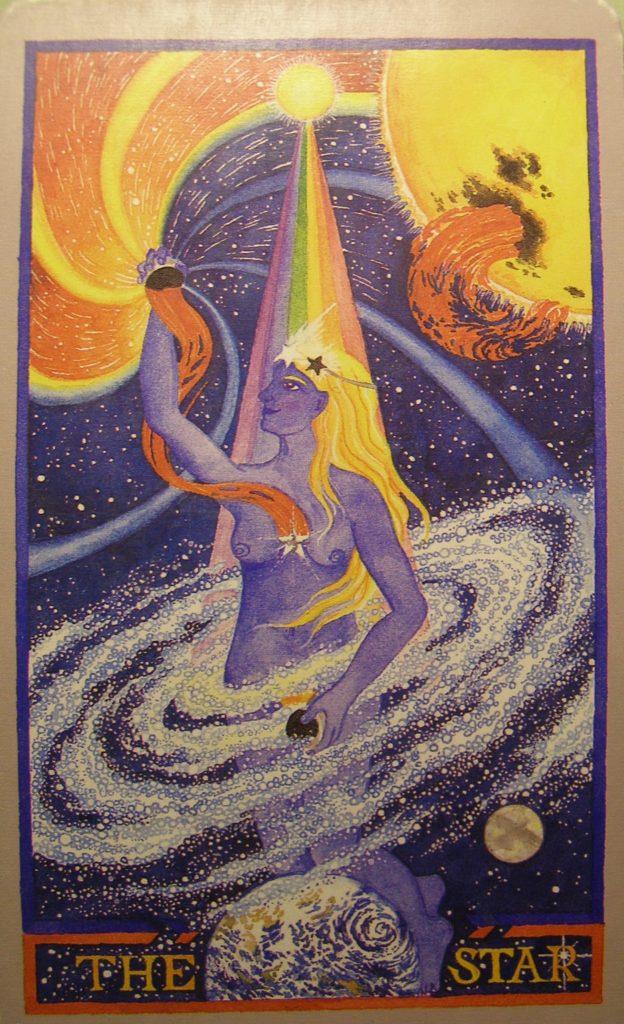
The Star
Emotional intelligence training opened my eyes to the power of needs in our human experience. Coming to terms with my own needs catapulted me into a new life. During the months in which I learned to navigate through my feelings, needs (click here for needs inventories), limiting beliefs and stories, I kept coming back around to the same question.
If I accept that all human beings have needs, and a right to have them met, what then do I do with my unmet needs, past and present?
We might all have a right to get our needs met, but that doesn’t mean we have a guarantee they will be met, or that we can hold anyone responsible for meeting them. We can meet some of our own needs, but not every one. Some needs require healthy connections with others, but not everyone has that. Some people don’t have a single healthy connection with another human being, let alone many, and one relationship can’t meet all our needs.
Unmet needs are devastating, make no mistake. They drive addiction, all kinds of violence and power-over behavior (like school shootings), mental and physical disease and illness, and suicide. A chronically unmet need is a nonhealing, stinking ulcer on the soul. We may hide it from others and even ourselves, but it never stops oozing blood and pus. Unmet needs can cripple and/or kill us. We can let go of some people, behavior and beliefs, but needs are intrinsic.
None of us can entirely meet another’s needs. We all have limitations of some kind, and finite resources of time and energy. Being unable to meet another’s needs is not necessarily because we’re unloving or uncaring. Most of our close relationships probably do meet some of our needs some of the time, and we meet some of their needs some of the time. It’s not black or white. It’s a continuum, a balance of reciprocity.
So, I ask again, what about our needs that just don’t get met because even our healthy connections are unable to fill them?
At that point we make choices. We can choose to:
- Act out in some desperate, destructive or deadly way that hurts ourselves or others.
- Blame the people around us for failing to meet our needs.
- Blame ourselves for having needs and feeling the pain of having them unmet.
- Deny that we need anything from anyone — ever (my personal favorite).
- Figure out how to neutralize the experience of unmet needs.
By neutralize, I mean accept and surrender to how painful it is to carry around a bone-deep, persistent longing for something that’s unavailable.
Acting out has never been my style. I’m also not much interested in blaming others for what goes wrong in my life. It feels like a cop-out and it disempowers me. Blaming myself — now that I’m very good at. I’ve spent years perfecting the art of self-loathing, but it’s never been helpful. Not even one time. Besides that, it hurts. I can’t pull off denial, at least not for long. I might refuse to admit certain things to someone else, but I don’t play games like that in the privacy of my own head. I have a file in my documents labeled ‘Denial File.’ Now and then I put something in that file and leave it there while I wrestle with my unwillingness to believe. When I’m ready to stop arguing with what is, I take it out and re-file it. Usually, the Denial File is empty, but I like knowing it’s there for the really tough information.
That brings me to the last choice, which leaves me standing squarely in my power. I don’t hurt myself, I don’t hurt anyone else and I get to think outside of the box — my favorite thing! What kind of alchemy transforms, creates or combines an unmet need into something beautiful?
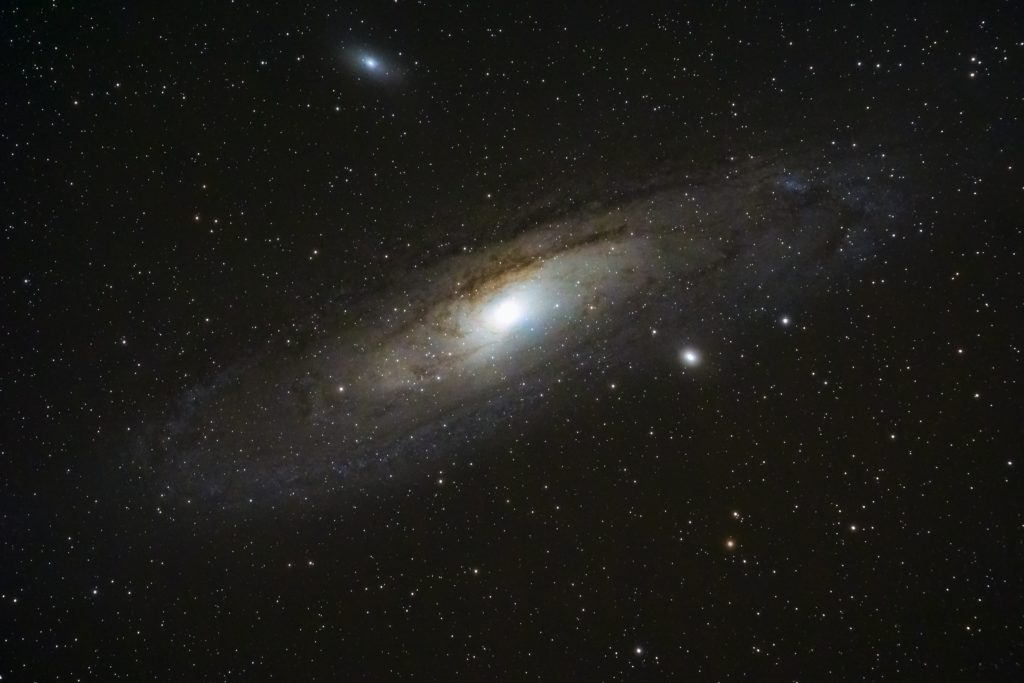
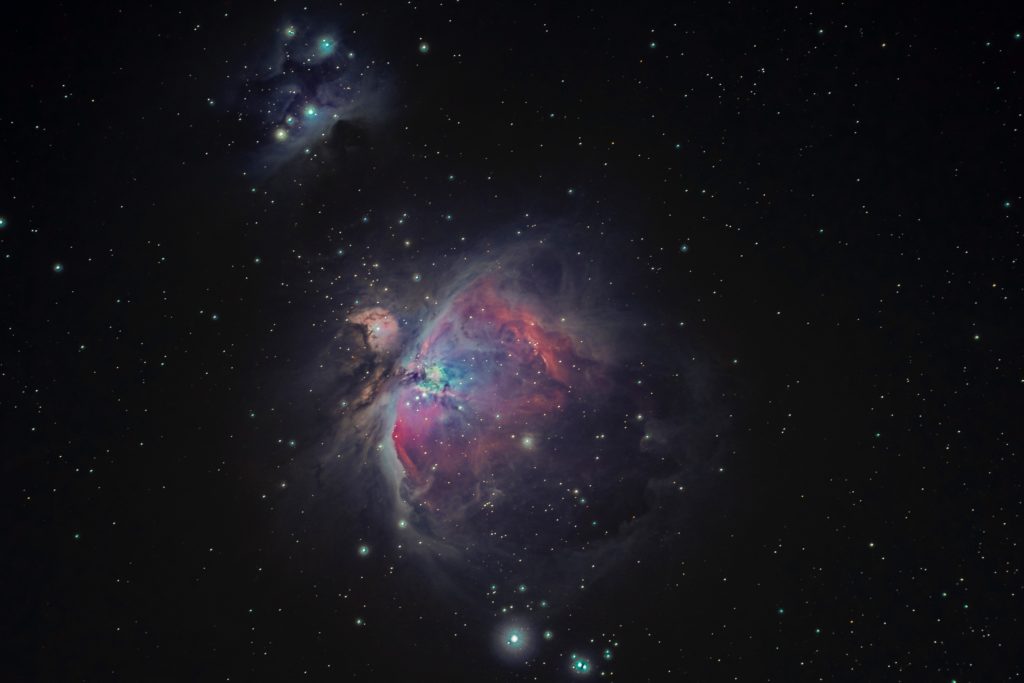
For several months I’ve been researching outer space for my second book. I’ve compiled lists of constellations and the mythology around them. I have definitions of meteors, comets and nebulae. I’ve spent hours looking at images from space. Astounding, mysterious, vast and lovely, the universe is infinitely larger than the largest playing field I can imagine. I gulp down science fiction books and I’ve watched hours and days and weeks of Star Trek, Stargate, Battlestar Galactica, Firefly and yes, yes, Star Wars!
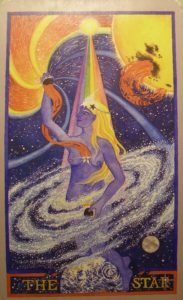
I also, fairly frequently, turn up The Star card when I work with my Tarot deck. The Star symbolizes creative powers, confidence and diversity.
So, what if I create a cosmos? Great word, cosmos. It means “the universe seen as a well-ordered whole” (online Oxford Dictionaries). I’m always in favor of well-ordered, especially when I get to define it. All the pieces of my experience, including unmet needs, are part of a whole. I prefer combination and integration to amputation.
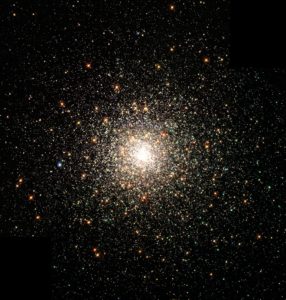
Photo by NASA on Unsplash
Here I am, with my unmet needs, my history, the people who have been significant in my life and a lot of passionate feelings to express and process. I’m an alchemist, a creator, and before me is a vast black nothingness.
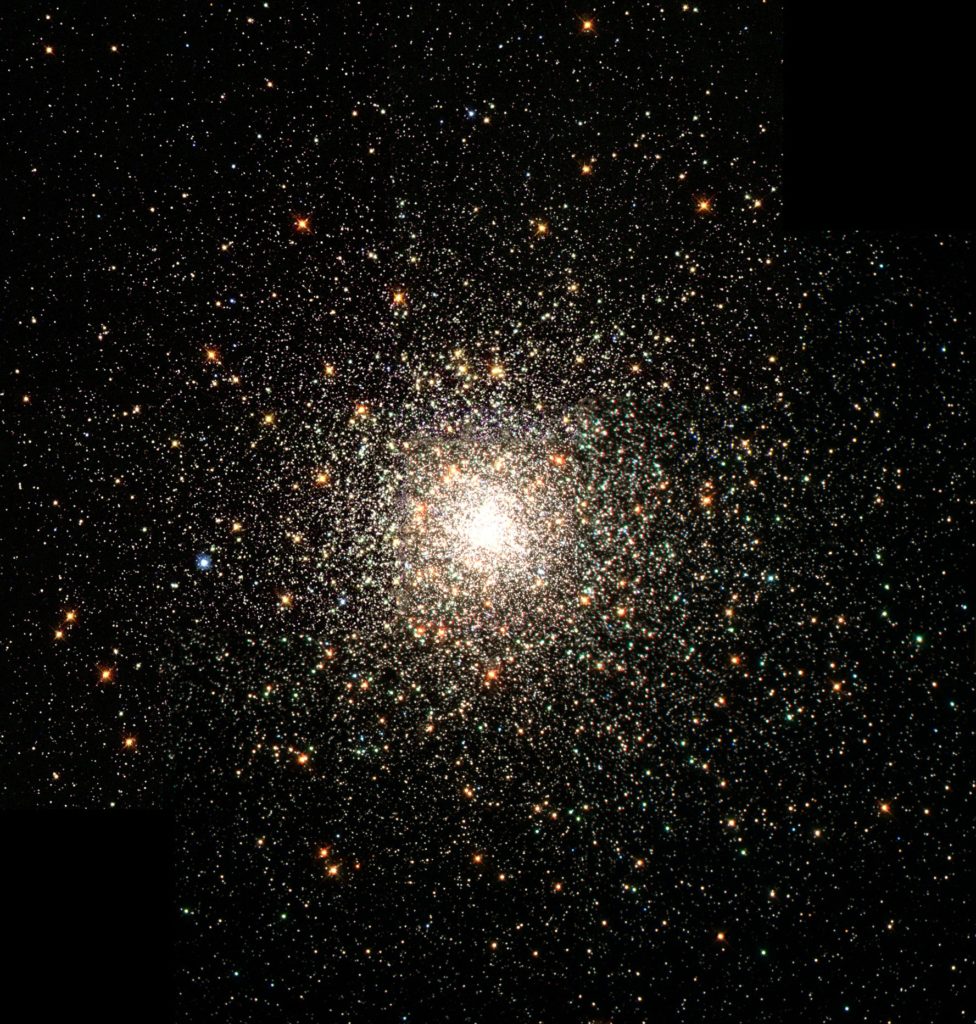
I want stars in my cosmos, so every tear I’ve ever cried becomes a star. I fling them far and wide, like handfuls of tiny crystals. My cosmos is so vast there’s always room for more.
I want planets in my cosmos. I hang them carefully, one by one. These are the people in my life, past and present, living and dead. Some are hot planets, sere and lifeless. Others are cool and green and blue. Every cosmos needs a bloviating, bullying gas giant with heavy gravity that sucks more than its fair share of, well, everything! Rings are decorative, and spots and alien seas and strangely-shaped continents. Also, sand dunes and storms, poisonous (to us) gases, radiation, erupting volcanoes, mountain ranges and glaciers.

Photo by NASA on Unsplash
How about moons? Cool and sterile or lush and verdant; I definitely want moons. I want constellations, too, and stories to go with them. Blazing meteors and trailing comets add movement. Nebulae add color and mystery. Galaxies swirl and spiral or spill like ribbons of milk against the darkness. Black holes suck. Suns supernova.
One by one, I use my unmet needs to decorate my cosmos. I turn them into color, texture, pattern, alien world, moon, star, sun, comet, meteor and nebula. I name them, animate them with feeling, polish them like jewels and set them in place. Maybe they stay in the farthest reaches of my cosmos, where I rarely visit them, or maybe I keep them closer. Perhaps my unmet needs appear from time to time in a meteor shower or a comet with a long tail, and I marvel at their beauty and mystery and remember again their taste and feel before they burn away to ash or disappear behind a planet.

Photo by Bryan Goff on Unsplash
My cosmos is my laboratory and my kitchen, illuminated by starlight. I stir and simmer over the heat of suns; chop and mix under waxing and waning moons; grind alien insects, rocks and roots for pigment and infuse gas and cosmic dust with color. I orbit, I dance from galaxy to galaxy in bare feet, combine a pinch of this with a handful of that until I float, weightless and free, in a cosmos of my own design and decoration.
Whenever the world is too much with me and I find myself staggering under burdens of unmet needs and other things I cannot release, I unlock a hidden door with the key I carry between my breasts and find star candles lit, suns asimmer, planets revolving and black holes lurking. Mortar and pestle, cauldron and crucible wait for my magical offerings as I combine, create and transform the material of my life into a complex and resplendent whole.
Alchemy. My daily crime.

Photo by Bryan Goff on Unsplash
All content on this site ©2018
Jennifer Rose
except where otherwise noted
by Jenny Rose | Feb 22, 2018 | Choice, Power
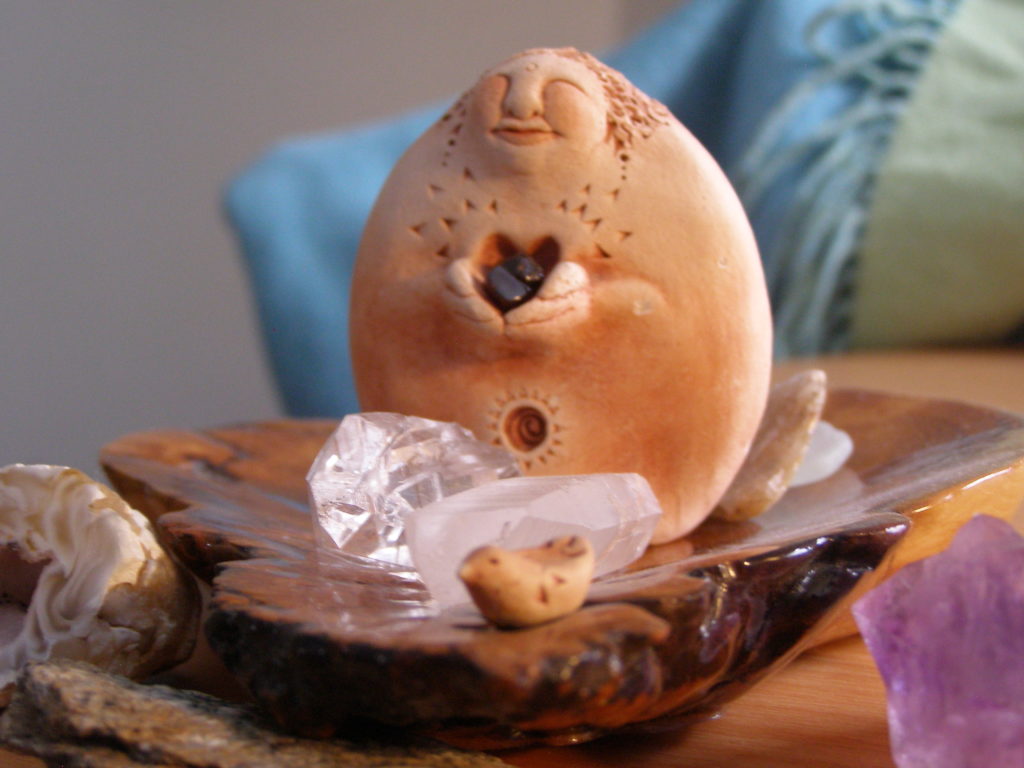
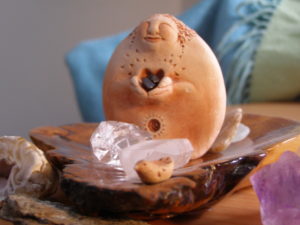
A small clay sculpture of a woman with her hands cupped in front of her chest sits on my desk. She holds a tiny clay bird and is surrounded by a couple of crystals, a piece of amethyst and a small geode. This little altar has been my daily companion for years. Wise and smiling, round and nurturing, the sculpture has comforted me through many losses, grief and rage. She’s one of my greatest treasures.
Letting Go
These days, the bird she holds is perched on the rim of the wooden dish she sits on, looking out at the room, at the world, at me. It can stay, or it can fly away. For now, it’s content to sit, watching and listening, as I live my life in these two small rooms at the top of our sagging farmhouse.
I have placed tiny polished garnets in the woman’s cupped hands where the bird once nestled.
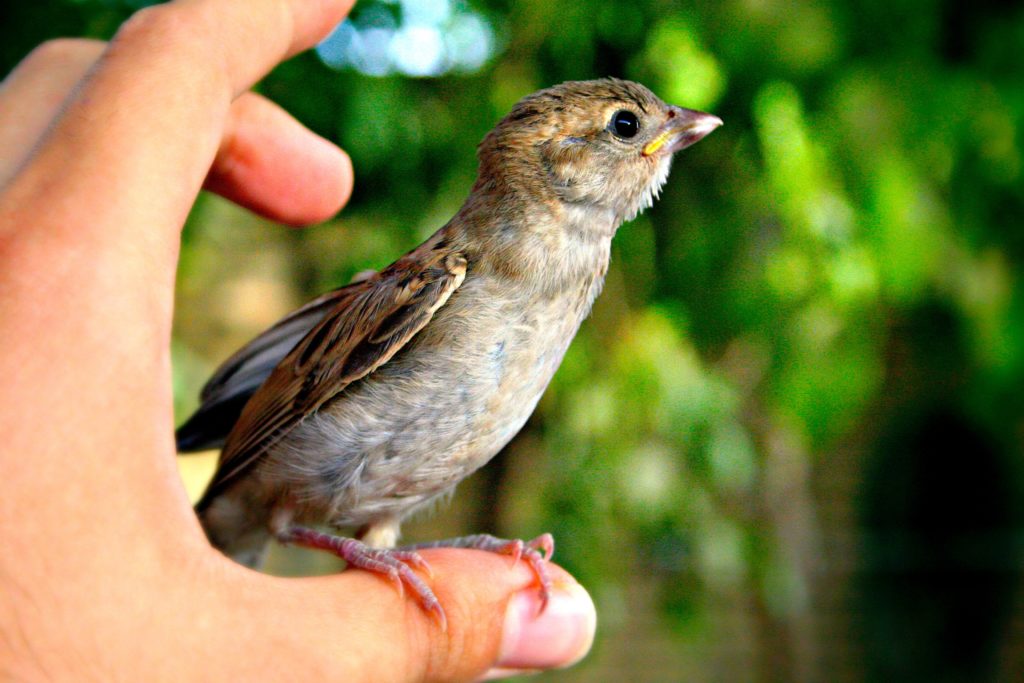
I had a friend, dear and wise, in my old place who once said to me if we open our hands and let something go, and keep our hands open, something new will come and fill them. As she spoke, I again saw the image of an open hand, generous, allowing freedom, and prepared to welcome and support the next thing, and the next.
Letting go is power. Letting go is serenity. Letting go is an authentic act of love toward self and others. The usefulness of letting go is not a secret. Almost any self-help book out there talks about it as an aspect of healthy functioning, but I think popular psychology doesn’t explore it deeply enough.
Letting go doesn’t mean we brush aside our feelings. Not at all. Unexpressed feelings cement us in place. We all know people who remain frozen in time because of a death or traumatic event. Years and decades pass, but they don’t heal. They don’t move on. Their emotional growth is arrested. This is what unfinished emotional business looks like. Unexpressed feelings can’t flow through us and dissipate so we can release them.
We know very little about appropriately expressing our feelings in this culture.
Feelings aren’t thoughts. They’re not stories, expectations, beliefs or ideology. They’re not labels or rules. Like it or not, admit it or not, we’re physiologically wired for feelings, and they give us good information about how things are with us. Our thoughts and beliefs, on the other hand, are frequently distorted, confused, misinformed, outdated or otherwise unreliable.
That’s where letting go comes in.
We’ve all had events in our life that left deep scars. We’ve all seen things we can’t unsee, heard things we can’t unhear and done things we can’t undo. We’ve all felt disempowered or victimized at one time or another. Death and disaster enter our lives with no warning and take those we love.
Some people move on from such events with more grace than others. I suspect part of that grace has to do with forgiveness. Not forgetfulness, but forgiveness of self and others. I suspect another part is the ability to fully experience and express the feelings attached to the event. That requires a certain kind of support, and many folks don’t have it. Some people simply don’t choose to move on or let go. They center their thoughts, feelings and energy in the event, whatever it was, and they hold it tight, cherishing it, feeding the fire of their pain, keeping their scars open with the razor blade of their attention and focus. It becomes part of their identity, part of their story, a grievance to cling to, a betrayal to treasure, a wound to worship.

Photo by Andrey Grinkevich on Unsplash
I have a book called Clean Sweep, by Denny Sargent. It’s filled with rituals and instructions to help us let go of what no longer serves us. The author outlines a banishing exercise in which he suggests the reader visualize holding tightly to a thorny branch. In my own version, the branch is heavy, so heavy I can hardly hold it, which drives the thorns deeply into my flesh. The branch is a person, event, memory or belief that gives us emotional pain. We can make an easy choice and cling to it, cradle it, embrace it, let it tear our skin and make us bleed. We can make a harder choice and set it down, open our hands and let it fall. We can walk away from it. We can burn it or bury it.
In order to let go, we have to be willing to surrender control and endure loss. Letting go of a core piece of identity, a long-held belief or a painful memory is difficult work, even when that core piece, belief or memory gives us great pain. Letting go will leave a hole. Then what? Then who are we? How do we fill that hole? How do we understand ourselves and our place in the world? This is scary stuff.

Photo by a-shuhani on Unsplash
Aristotle said nature abhors a vacuum. My friend was right. If we open our hand and release what we’re holding, something else will come, though we can’t predict or control what it might be. In fact, the thing released might return to us in another form. We can’t know. We’ll never know unless we release our need to control. We’ll never find out what might perch on our open hand if we’re not willing to walk through loss in order to reach gain.
I’m having a long and involved break up with my desire to control. Some days I go all day without thinking about it, and other days I want to micromanage everyone and everything in my life. Some days I feel light and free, a confident and lovely woman, and other days I feel like a grubby three-year-old hiding under the covers sucking my thumb because nothing and no one is the way I want them to be. I sulk and pout and snarl and I feel crushed by the thorny weight of my need to control.
Then, at some point, my eye falls on my little clay wise woman and her cupped hands and wide-open heart, and I say, “Oh, yeah. That’s right. Letting go.”
I feel annoyed when people tell me to “get over it.” First of all, I have a right to my feelings, and secondly, it’s not that easy. Letting go, for me, is a practice, and I need time to engage in it. Sometimes I go back and find my leaden armful of hawthorn or bramble or locust and hold it again for a while, opening up all the old wounds, exhausting myself, hurting myself, and, finally, opening my hands and letting it fall again. Sometimes I need to design a ritual for letting go, a prayer or a dance or some kind of purification rite. Sometimes I need to make a physical resting place, like a grave or a patch of garden or a newly-planted tree in order to let something go. For me, taking time to honor whatever it is I’m trying to release is helpful. Whatever it is that no longer serves, it was once a part of my life and experience. Laying things to rest in this way helps me release them fully and finally.
When it comes right down to it, this blog has been an exercise in letting go as much as anything else.
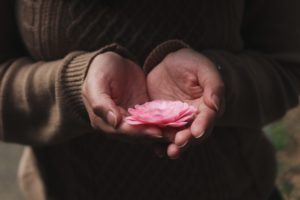
Photo by Ester Marie Doysabas on Unsplash
When we know how to let go, we increase our power, as well as the power of others. Often, what we desperately hold onto is people. This is a strong archetype in old stories; locking the beautiful maiden in the stone tower to “protect” her. Part of love, as any seasoned parent will tell you, is letting go. Imprisoning, disempowering and trying to control others isn’t love. Refusing to let go of someone isn’t love.
Releasing our grievances with others frees them as well as ourselves. Being willing to accept an apology, an explanation, and the imperfections of others allows us all to move forward with lighter loads. The stories and memories we hurt ourselves with are often ghosts, events involving people who are long dead and far in the past. We can choose to bless them and lay them to rest.
I don’t want to haul around painful memories, toxic garbage, the futility of trying to control life and ineffective behaviors and beliefs. I can’t swim with all that tied to my ankle. I can’t dance. I can’t embrace anything or anyone with an armful of brambles. I can’t create with a heart full of thorns.
I want to be free.
I open my hands.

Photo by Stephen Leonardi on Unsplash
Make a Boat
Make a boat
out of who you are
not what you have.
If you don’t know who you are
(Search for the desert between the worlds.
Find Bone Mother.
Recollect.
Reassemble.
Bathe in soul.
Birth yourself.)
That is another journey.
Your boat will be small.
You can take no one.
You can take no thing.
Shape your boat with your truth.
Shape it with the joy in your hands
and the wisdom in the soles of your feet.
Make a chisel of rage and grief.
Sand with the grit of clarity.
Stain with blood.
Oil your boat with the moisture and musk of your sex.
Stitch the rags of your life into a sail.
Weave rope from your hair.
Take your time
And remember
Fear does not float.
When you know the boat is ready,
Sit in it.
Lay the backs of your hands on your knees.
Open your hands.
Let everything go.
Let everything go.
Keep your hands open
So that new things may come.
Without fear
Ask the one who stands just behind your shoulder
The one who shelters your life in the shadow of her wing
To come forward.
She will guide the boat.
Surrender yourself to your boat,
to the water,
to your guide.
Find your breath.
Stay there.
Find your heartbeat.
Stay there.
Keep your hands open.
Rest.
Don’t stand up in the boat!
Don’t throw yourself out of the boat!
Don’t you want to see where you are going?
Look. See how the feathers on her wing
trail in the water?
All content on this site ©2018
Jennifer Rose
except where otherwise noted
by Jenny Rose | Feb 15, 2018 | Contribution, Emotional Intelligence
I’ve been trying to frame a post around generosity for several months. Interestingly and unexpectedly, the idea of generosity has remained a Gordian knot in spite of word webs, notes and lengthy simmering in the back of my mind. Since I began chewing on the idea of generosity, I’ve discovered Unsplash, a site offering free use of photographs for things like this blog, and now I finally feel I’m getting a grip on the subject.
Unsplash features more than 300,000 photos from more than 50,000 contributors. It’s free to use and free to join. Users may upload photographs for whatever they want as frequently as they want.
If generosity is unconditional readiness or liberality in giving, Unsplash is surely a fine illustration of the concept. The Internet is filled with people practicing their art. Some are trying to make a living. Many, like me, provide free content. Others start out contributing freely and then uplevel in order to earn a little bit of money with advertising, an Amazon affiliate program, a subscription fee, etc. In my view, some of the content out there is worth paying for, and other content is not.
Unsplash is worth paying for. Many of the photographers who contribute are professionals with content to sell, yet they continue to share some of their work freely with others.
Up to this point, I haven’t made a dime on this blog. It wasn’t about the money, but exercising my voice, my writing skills and my courage. I had no idea where it would go or what would happen with it. I had no idea if anyone would read what I wanted to write or how much I would grow to value the weekly practice of posting and maintaining a blog. I do want, however, to publish and sell my books in the future.
I think part of my struggle to get my head around generosity has been my own damaged sense of value. Those of us who feel we’re worthless assume we’ve nothing to give. I can’t tell you how many times I’ve declined attending a pot luck, a fundraiser, a party or even a funeral. I tell myself I have nothing to contribute, I was invited out of obligation or kindness, and nobody will even notice my absence.

Photo by photo-nic.co.uk nic on Unsplash
I am not Cinderella, and I do not possess a fairy godmother who will make me socially acceptable or worthy.
I wonder, looking back, if others have experienced me as being ungenerous or mean because of my lack of social contribution, when what was really at work was introversion, social anxiety and an abysmal sense of self-worth. I have no way of knowing.
On the other hand, I’ve volunteered my whole life. I’ve spent years working with children as a librarian, tutor, child development clinician, teacher’s aide, swim teacher and parent. I’ve participated in fire and rescue work as a volunteer EMT, as well as with animal rescue organizations. I’ve volunteered in libraries and as an oral storyteller, and I’ve volunteered as a dancer. I’ve worked in hospitals, nursing homes, public schools and libraries.
See? Nothing to contribute.
I earned a paycheck for some of that work, but one doesn’t get rich doing the kind of jobs I love to do, and the paycheck was never my motivation. I just loved the work. I felt as though I was making a difference in every one of those roles.
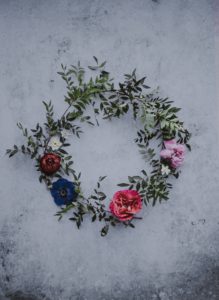
Photo by Annie Spratt on Unsplash
I’ve always limited the idea of generosity to financial resource. Part of my shame about my poverty is that I’m unable to be financially generous, which I’ve believed automatically makes me stingy and uncharitable. If my generosity is measured by what I spend, it’s so small as to be negligible. I’m a rotten capitalist consumer.
In thinking deeply about generosity, I can see how my beliefs have distorted my view. I wrote some time ago about the failure of money, and that peeled away some of my limiting beliefs, but only the first layer or two. If I make generosity about money, I can never be generous, and I block the financial generosity of others toward me because I can’t reciprocate in kind. My desire to give is greater than my desire to receive. I desperately want to make a contribution. I feel disempowered when I can’t reciprocate someone’s generosity in a way that feels equal, and then I disconnect.
Unhooking generosity from money changes the way I look at it. Developing some trust in my own value also changes the way I think about generosity. Now I wonder if money is perhaps the least reliable indicator of generosity, not the most. Money is very visible and obvious in the world, but that doesn’t make it the most useful contribution. There have been times in my life when I’ve been in desperate need of money, but many, many more times when I’ve been in significantly more desperate need of someone to hold me, someone to believe in me, encourage me and simply love me. Money is easier to come by, believe me, than love and acceptance. Writing a check, donating a few dollars to the organization of our choice or buying a gift is easier, for many of us, than effectively communicating our love and appreciation for those around us in words or actions.
Some people give only to receive. On the face of it, it looks like generosity, but it’s not. My understanding of true generosity is it has no hidden agenda. Conditional generosity is like conditional love; control and manipulation pretending to be something else. Behavior seeking power over others, or freighted with unacknowledged expectations, is the reverse of generosity.
Another way in which people use generosity to mask control is to force a “gift” onto another. In this case, someone informs us about what we need and we understand we’d better damn well accept it and be grateful. Refusal is out of the question because of an unequal power dynamic. Acceptance of the “gift” also perpetuates an unequal power dynamic, because we’re expected to demonstrate appropriate gratitude (as defined by the gift giver) for something we didn’t want or need in the first place. We’re not allowed to express or receive what we really need, only submit to what someone else needs to give in order to get something for themselves.
A good litmus test for discerning authentic generosity is whether it occurs in anonymity. People giving to receive will never do it quietly. There’s always a camera, a video, a witness or a headline. There’s always a score card, a quid pro quo. There’s always a distorted power dynamic. Such people give to reward and withhold to punish.
You want to star in my production? Meet me on the casting couch and maybe I’ll put in a word for you.
At the end of all this excavation, I’ve finally begun to make friends with generosity. I am capable of being truly generous, and I have generous people in my life. I can discern the difference now between the real thing and a ploy to maintain or grab power. I may not have money, but I can appreciate, marvel and share. I can say thank you. I can give anonymously. I can exercise a generous compassion towards myself and others for our weaknesses and mistakes. I can recognize my desire for reciprocity and power-with as important pieces of my own integrity and freely disconnect from people and situations that don’t support what I need.
This takes me back to Unsplash. I know in this day and age it’s hard to think past the money, but as a creative person on line with free content I can assure you no amount of money outweighs the gratification of knowing I’ve made a connection, that something I write resonates with someone else. Money is important, and I wish I had more of it. If I can uplevel the blog in small ways to earn a little bit of money, I’ll do it. The real reward, though, is when someone reaches out to me and says, “Yes! Me, too! Your words made a difference in my day.” It just doesn’t get better than that.
Because of that, I’ve developed a habit of contacting a couple of photographers every week whose work appears in this blog. Behind each photograph is someone living a life, struggling with the things we all struggle with, sharing their unique vision and eye with the world just because. Unconditionally. I go to their website, if they have one. I explore their pictures and read about who they are. I contact them and briefly introduce myself. I thank them for their collaboration with me, a collaboration invisible to them unless I reach out. I express my appreciation for their contribution. It doesn’t take very long. It’s not as fast as writing a check or reciting a credit card number, but it’s a lot more fun.
So far, every single one has responded to say thank you. Thank you for acknowledging my unique creativity. Thank you for taking the time to remember the person behind the camera. Thank you for collaborating with me so we enhance one another’s contribution.

Photo by Jeremy Bishop on Unsplash
There is no exchange of money in this generosity, only of humanity. They give freely. I accept the gift and add it to my own, paying it both forward and backward.
Generosity: Unconditional readiness or liberality in giving.
Please take a moment and meet photographers Jeremy Bishop and Annie Spratt.
All content on this site ©2018
Jennifer Rose
except where otherwise noted
by Jenny Rose | Feb 1, 2018 | Connection & Community, Emotional Intelligence
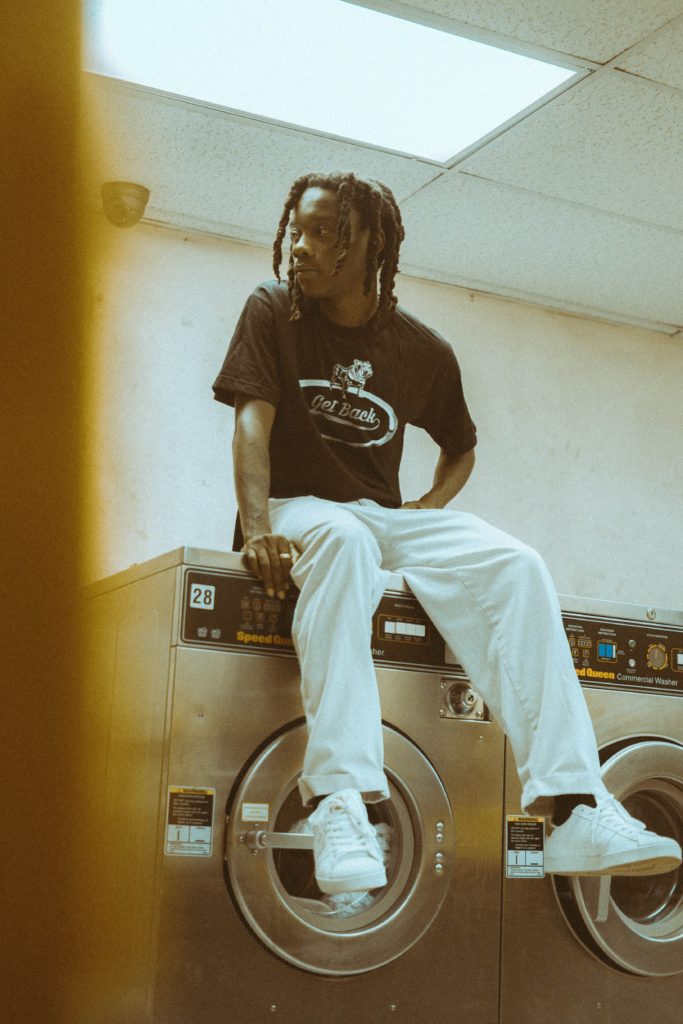
Today is laundry day, and I’m sitting in the laundromat writing this week’s post.
I’ve always liked doing laundry. Turning a bundle of dirty clothes, sheets and towels into neat, fresh-smelling folded piles gives me a warm feeling of satisfaction and accomplishment.
At present, we don’t have a usable washer at home, so part of our routine is to hit the laundromat every couple of weeks. We know it’s time when my partner runs out of socks and I run out of underwear. At that point we collect dish and bath towels, sheets and clothing, and our stash of quarters and head into town.
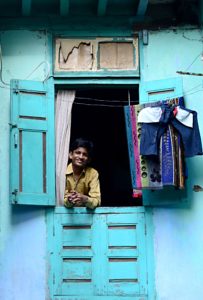
Photo by Pop & Zebra on Unsplash
Sitting here, I watch a man open the mouth of a bulging cloth laundry bag and empty it into the machine. I see scrunched up socks, some more hole than sock; inside-out pant legs, whites, colors, sleeves and bandanas all tangled and mixed up together. He feeds in quarters, adds soap and sets the temperature to hot before heading back out, either to sit in his truck in the parking lot or otherwise kill time until the load is done.
I get a lot of pleasure out of the laundromat. Watching people deal with their laundry is every bit as entertaining as looking at someone’s bookshelves. Dirty laundry is a great social leveler. We all have it, and if we don’t deal with ours directly, someone else does. Our dirty laundry records the story of our lives. Our scent is imprinted on it. The presence of our pets decorates it. It remembers the day we spilled our coffee in the car, the morning the hot grease spattered and the nosebleed we had in bed. It gives away our cigarette habit and the acrid, sweaty smell of our secret copious alcohol consumption.
Two middle-aged women come in with stuffed pillowcases, a couple of plastic laundry baskets, a heavy green garbage bag and a couple of drawstring laundry bags, and commandeer a whole row of machines. They work well together, efficient and brisk. Obviously, they’ve done this before. They sort lights from darks, taking care to untangle and unscrunch as they load the machines. They check pockets. One of them goes from machine to machine with soap and the other with quarters. They choose hot water for the whites and warm for the colors. I wonder if they are friends, family members or from an organization like a shelter or a boarding house. Perhaps they’re church ladies dealing with donated clothes for charity. The washing machines take 39 minutes, and then the women load up a bank of dryers. As the dryers finish, they work together to fold bedding, mate socks, and put shirts on hangers. I see no children’s clothing, only adult size. One of them says to the other they’ve spent over a hundred dollars, and I wonder how often they do this. It takes them three trips to load up a battered van with all the clean clothes, and off they go.

Photo by frank cordoba on Unsplash
Dirty laundry is a cultural artifact. Back in rural Colorado, Wranglers, snap button shirts and lots of bicycling, hiking and yoga gear slosh in the machines. Here in central rural Maine everyone wears Carhartts, long underwear and thick socks. This is a blue collar community, where farmers, heavy equipment operators, sawyers and mill workers wear the same lined heavy canvas and flannel working clothes all winter.
A worn-out looking young women with a little girl comes in. Mom loads up the washer while the little girl helps by handing her things. I see no men’s clothes in this load. They sit down at a round table, the little girl with a grubby board book she found in a basket of children’s toys in the waiting area. Mom, after checking her cell phone briefly, sits idly, now and then glancing at a TV screen on the wall where a movie I’ve never seen is playing with the sound muted.
When I came to Maine, my partner had a routine. Everything went in the same machine. Socks were permanently turned inside out, because he can’t tolerate the feel of the seams against his toes. It all got OxiClean, soap and hot water. He likes things machine dried so they’re soft.
I quailed. Half of my clothes were cold water wash. I always separated colors. I much preferred to line dry.
Negotiating The Right Way To Do Laundry is one of the many hidden landmines in every living-together relationship that no one ever talks about.
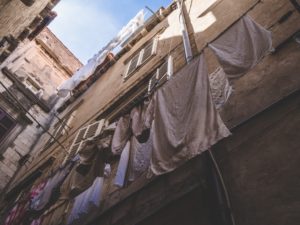
Photo by Jonas Tebbe on Unsplash
Being old and wise about choosing our battles, we adjusted to one another. I stopped trying to turn his socks right-side-out. I learned to keep my cold water wash separate. I decided life was possible if I didn’t separate whites from colors and he decided clothes were still wearable if washed in warm water instead of hot. I line dry my things and machine dry his. I don’t waste time folding his clothes, because he prefers to keep them stacked neatly in a laundry basket that lives on the floor next to his side of the bed. I fold and roll my clothes, just as I always have, for my sock drawer, my underwear drawer, my tee shirt drawer and the closet shelf where my jeans live. We happily share the expense and the work.
A woman my age with a thick Maine accent and hair an improbable rich brown with no grey comes in with a load. She’s very short, and can’t reach the top of the big commercial washer to put in detergent. She goes to the counter and gets a step stool from the attendant. Her load is comparatively small and consists of a couple of violently flowered towels, jeans, shirts, socks and underwear, all looking as though they belong to her.
I love to sit and watch the contents of the washer go around through the porthole window. The gush of water, the frothy bubbles of soap and the rotating clothes give me a feeling of all’s-right-with-the-world comfort. In a crazy world, stained by so much hate, bloodshed and tragedy, here’s something within my power. I can do the laundry.
Watching the clothes whirl is like watching the inside of my head. Amongst a jumble of ideas, thoughts, feelings and memories, bits and pieces show themselves or claim my attention for seconds or minutes or hours or days, only to disappear as other colors and patterns come to the forefront of my mind. Now I catch a glimpse of my favorite pair of underwear, purple with turquoise spots. That’s like the brilliant scene, passionate and gripping, I want to write today as I work on my second book. Then a heavy brown sock shows itself, one of the pair I wore on the day I did Tai Chi in the church basement, sock-footed on the cold floor, reminding me that after this I’ll swim, and tomorrow is another Tai Chi day. White socks tumble by too quickly to tell if they’re mine (right-side-out) or my partner’s (inside-out). We need to run to the store. My partner did this chore last time. It’s my turn, but I don’t want to do it today. Tomorrow after Tai Chi? What’s on the grocery list? The sleeve of a plaid flannel shirt plasters itself momentarily against the window and is pushed away by the leg of a pair of heavy canvas Carhartts. Why are men’s Carhartt canvas pants size 32 x 30 a perfect fit, but the same size in denim is too big? The red cloth napkins we’ve been using flutter past.
The expression ‘airing your dirty laundry’ makes me smile. Oh, the shame of admitting feelings, anxieties, mistakes and less-than-perfection! Those unsightly yellow sweat stains under the arms of our shirts must be hidden from the eyes of the world at all costs, along with our humble granny panties, our favorite tattered and torn ancient tee shirt and the old towel the cat lies on. Whatever happens, we mustn’t confess the tangled smelly jumble we occasionally make out of our lives, or uncover our wounds and scars. We must never reveal neglected, malodorous piles of stained laundry in which our hope, innocence or self-esteem are buried.
Some people think admitting to dirty laundry is simply not nice. It lacks class. It’s impolite, and breaks the code of maintaining appearances at all costs. The Emperor is certainly wearing clothes, and they’re never dirty.
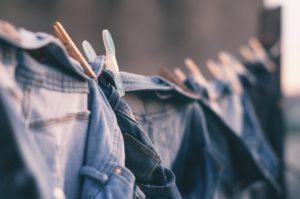
Photo by Bruno Nascimento on Unsplash
I challenge that. Cleansing is a sacred act of courage and wisdom. If we can’t clean out our infected wounds and cleanse our spirits, our homes and yes, our laundry, our lives won’t work well. Beating, shaking, washing and airing our laundry in the sun and fresh air is an act of healing and renewal. Allowing the world to see our dirty laundry is the beginning of cleansing and repairing, the beginning of uncreasing, unscrunching and untangling the things that disempower us. Doing laundry is a spiritual practice, a reminder that we are just like everyone else, an offering to others of our authenticity and humanity.
All content on this site ©2018
Jennifer Rose
except where otherwise noted