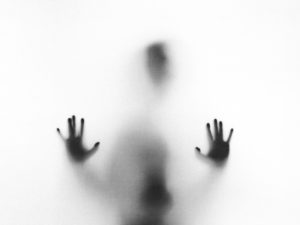
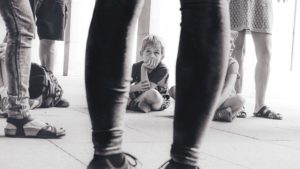
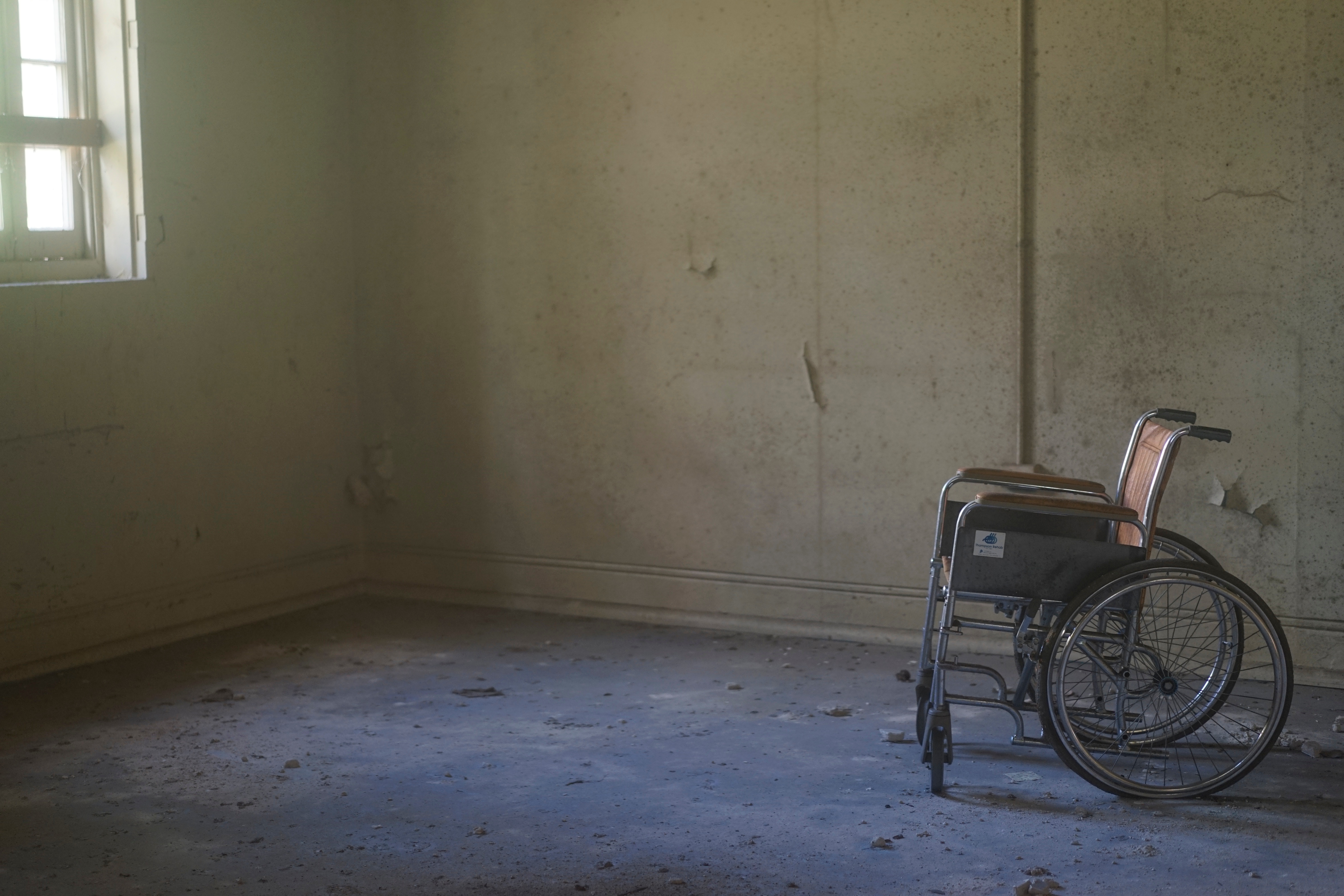
Jiddu Krishnamurti said, “It is no measure of health to be well-adjusted to a profoundly sick society.”
I first heard that quote five years ago. It gave me comfort, because it allowed the possibility that my feeling of isolation and alienation at the time was a normal response. The problem, I find, with taking too much responsibility is one stops excavating interpersonal challenges. Instead, we assume it’s all our fault because we know we’re broken. This attitude effectively blocks further inquiry into what the people around us are up to. If we can be taught or manipulated into believing we’re the core of the problem in social interaction, our shame and guilt give those around us a free pass to behave however they like and treat us however they wish. No matter what happens, they can count on us to blame ourselves.
A friend of mine recently pointed out a lot of social media buzz about normalizing obesity. As I am not on social media, I did some research into memes and articles about this issue, and everything I saw made me think of the Krishnamurti quote.
Here again I see sloppy language. Almost every source agrees carrying too much weight on our frame is unhealthy. Unhealthy, as in bad for one’s health. Not ugly, stupid, lazy, lacking self-control, or a whole host of other slurs, taunts and unkind criticisms many overweight people have endured their whole lives.
Obesity is unhealthy. The fact that we have so many people struggling with obesity in this country doesn’t change unhealthy to healthy because it’s so common. A growing population of obese people signals a profoundly unhealthy society. Normal, as in usual, typical or expected, does not imply useful, healthy, functional or positive.
Is normal a goal, or is it merely a cop-out? Is normal something we aspire to because it makes us bigger, or is it something we have to make ourselves smaller in order to fit into? Who gets to decide what is usual, typical or expected? What are the consequences of choosing not to be usual, typical or expected?
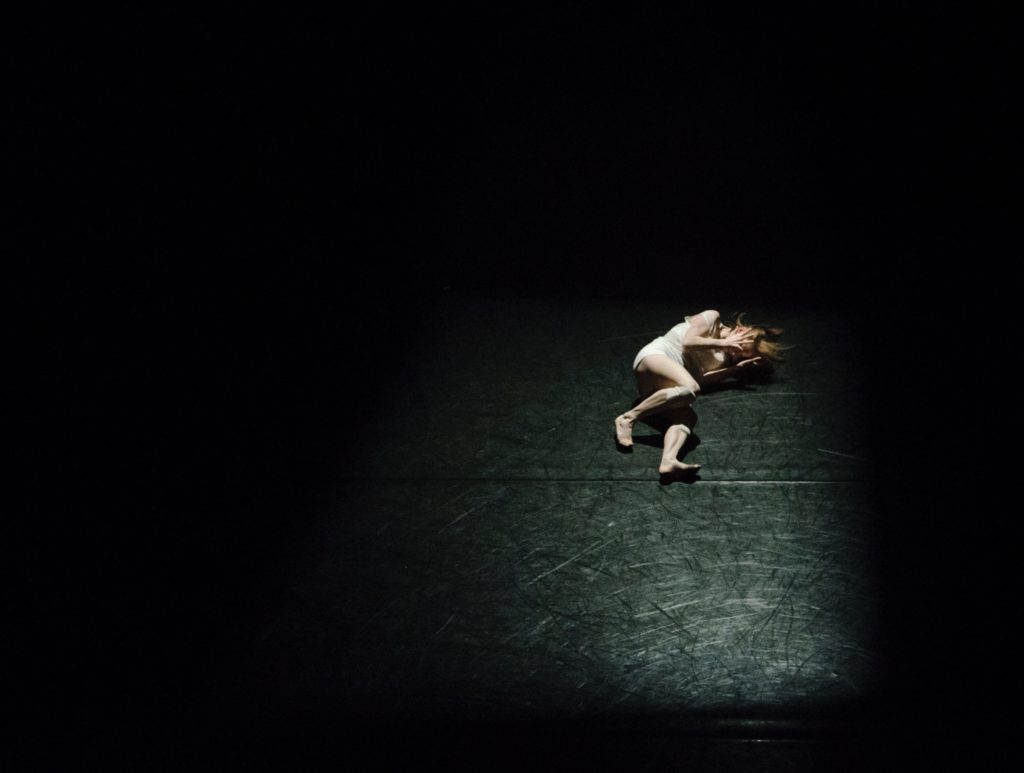
Photo by whoislimos on Unsplash
I can answer that one. Consequences include tribal shaming, deplatforming, silencing and other violent, destructive and coercive responses.
Normal is one of those words we define ourselves. Normal describes something not aberrant or abnormal. Abnormal is the absence of normal. That distinction can be useful, but in a limited way. Conflating normality with Good and abnormality or different with Bad (or vice versa) is mindless, black-and-white groupthink, the kind of ideology driving genocide, religious persecution and racism.
Our culture and context help us define normal, but if our society is profoundly sick, to be well-adjusted and “normal” within it is to be profoundly sick.
This is particularly true when I look at money. I’m noticing an ever-widening gap between money and value in my own life and in the lives around me. Until recently, I thought of all resource as money, and a life without some magical amount of money I never defined and could never access would be a safe, successful life.
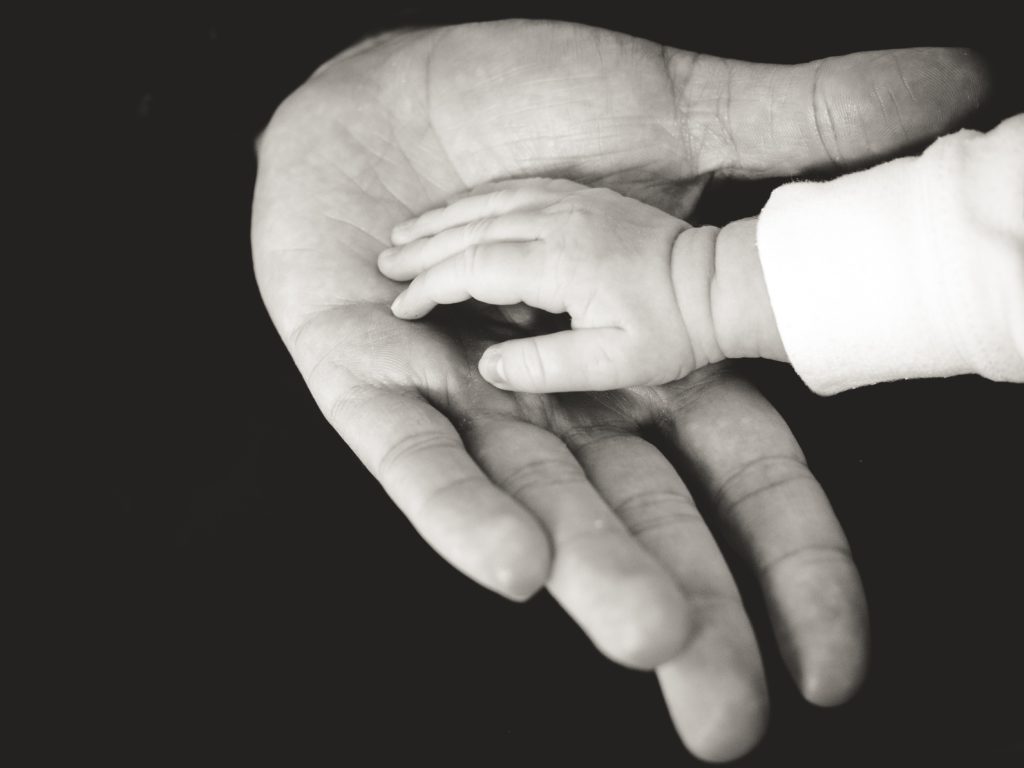
Photo by Evan Kirby on Unsplash
But money is only one kind of resource, and for me it’s the weakest kind. This thinking is definitely not normal by our cultural standards, but I believe it’s becoming more common. Minimalism is a growing trend, and those of us who explore and practice it are very clear about the relative value of money, time, contribution, experience, relationships, creativity, relaxation and joy. If earning money burns up all our other resources, we can’t replace them. Money won’t buy them back for us. A tree, an afternoon in the sun, a lap full of a child, the arms of a friend, the ability to lend someone a helping hand, are all beyond the power of money.
I don’t say money is bad or useless. I am dismayed, however, at what a God we’ve made out of it in this culture. During my lifetime the middle class has disappeared and the chasm between those very few who have significant financial resource and the billions of us who don’t seems likely to tear the planet apart.
A lot of sad people out there think money is power. It’s not. Our power is in our intelligence, our hearts, and our souls, not in our bank accounts. We have to make ourselves increasingly small and, ironically, impoverished, in order to adjust well to our deteriorating and unsustainable capitalist consumer culture.
In this house, we’re frequently in need of money to pay bills, buy groceries, keep up with car costs, buy a new pair of swim goggles, and buy a new fan for the furnace (our old one is beginning to sound like an airplane falling out of the sky when it kicks on). Most of the time, we don’t have money when we want it, but we manage to have what we need when it’s essential.
I used to feel terrified, ashamed, and like a failure because of my lack of financial resource. My relationship with money ruled my life. My hunger for more was never satisfied. When I had more I caught up with all my expenses and then I was broke again. It was a game I could never win.
I see now it’s a gameno one ever wins, yet we all go on compulsively playing it, chasing the lie that enough money will provide us with love, success, healing, healthy relationships, confidence, power, and a sense of purpose and meaning. We’re so busy playing the game we have no time to recognize or welcome into our lives the things that do have the power to give us what we want.
Ultimately, accumulating money for its own sake is an expression of impotence. What’s more sterile and pointless than a lot of digits sitting in an account? The tool of money is useless unless we put it to work. If (when) the economy crashes, a piece of paper with our account information on it will be of less use than toilet paper.
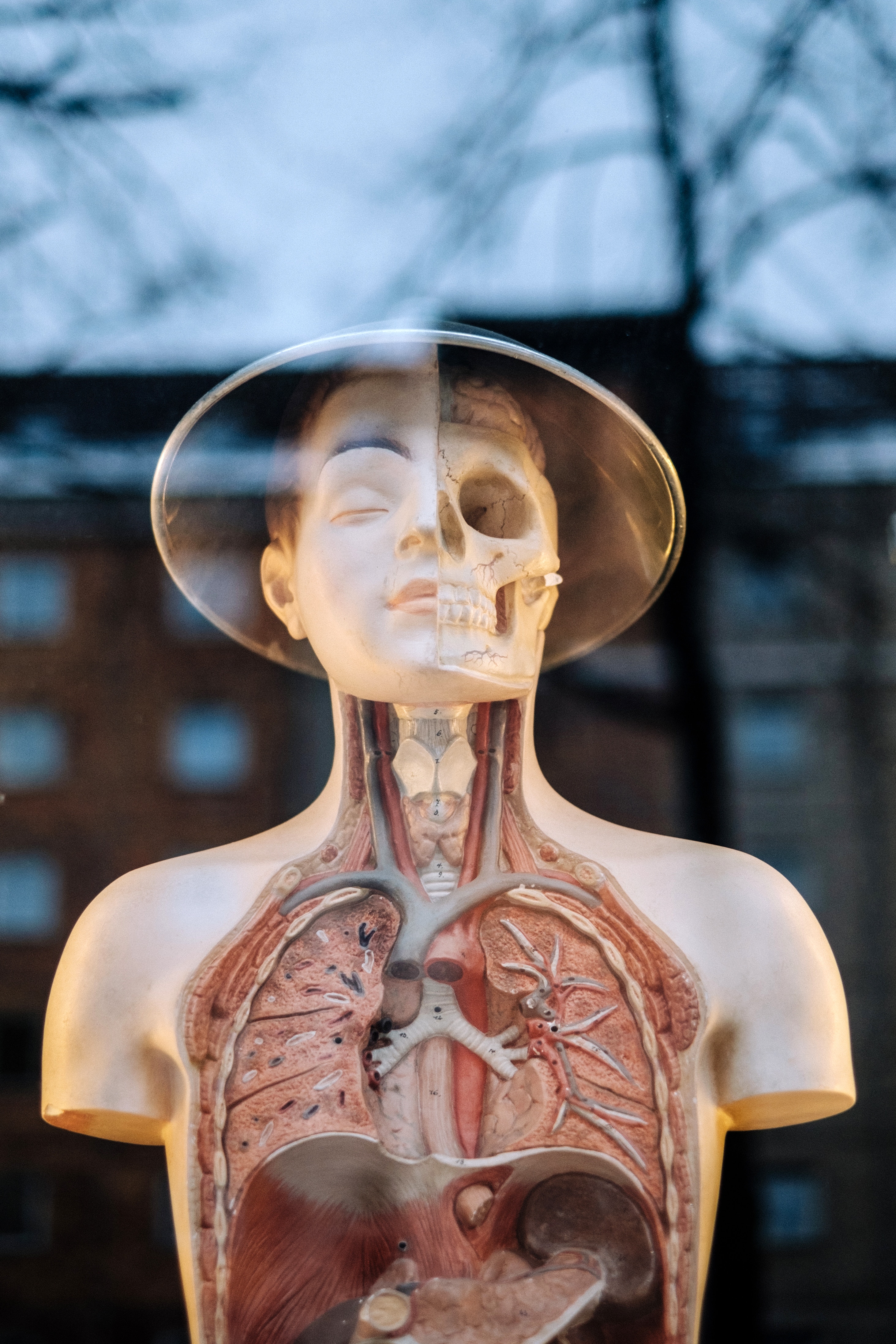
Photo by Gabriel Jimenez on Unsplash
What will matter is our ability to form loving, compassionate connections with others and our willingness to collaborate sustainably with Planet Earth. Our ability to both teach and learn will be important. Our skills and integrity will be important. Our laughter and creativity will be essential. If we can translate whatever financial resource we have into these things, we’ve made good use of our money. We’ve invested in sustainability and resilience, real resource for real life.
Frequent readers know how much I enjoy playing with frames. If we feel rebellious, noncompliant, alienated and crazy, perhaps the problem is not us at all. Perhaps the problem is we’re trying to fit into a profoundly sick society, and the fact that we can’t means we’re retaining some measure of health, even in the face of tremendous social pressure.
Those rebellious, noncompliant, alienated and I-feel-crazy ones are the people I’m writing for. Those are my people. Their courage, compassion and generosity are the wind beneath my wings. Our shared truths, tears, scars, love and broken places shape a womb where a healthier life for all can be nurtured.
I ran into a great question a few weeks ago: “What gives you courage?” I’ve been thinking about it ever since.
Courage, the ability to do something frightening or having strength in spite of pain or grief, is not the absence of fear. If we have no fear we have no need of courage.
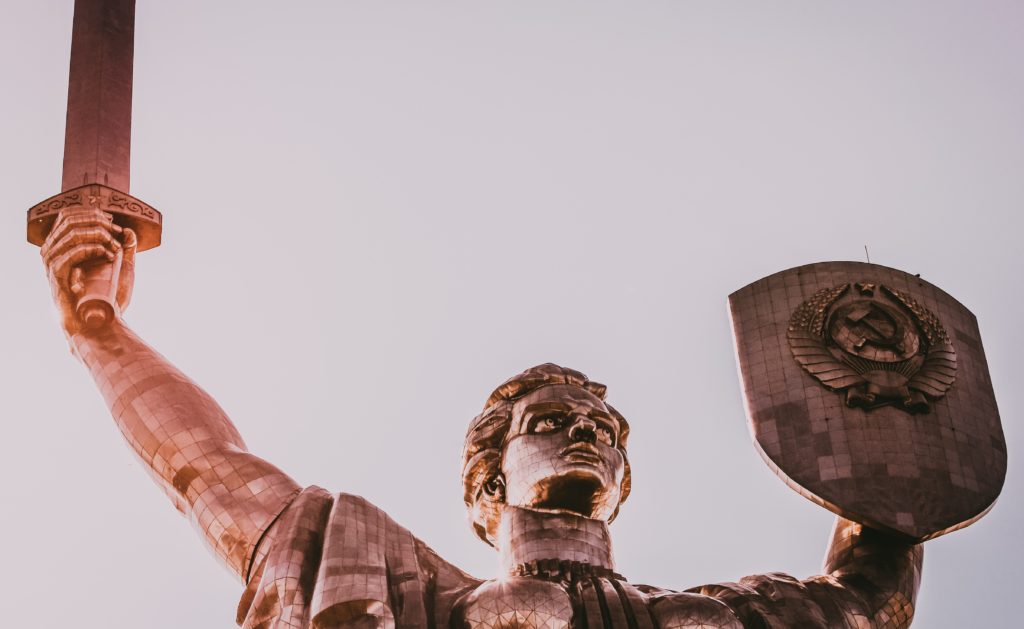
Photo by Stefano Pollio on Unsplash
Fear, in my experience, is multifaceted. My most private fears are about my own wholeness and worth. Then, there’s the fear of external forces, like a coward with a gun in the supermarket; the judgement or criticism of a loved one; or a personal loss, injury or illness.
Yet another kind of fear is one I suspect many of us feel right now, a sort of ill-defined psychic shadow, a general feeling of insecurity about the state of our world and the future. I try not to give it too much attention, but it’s always there, like a thin cloud between me and the sun. I know the only place I have power is right here, right now, in this moment, and I’m glad I’m typing at the keyboard rather than staring out the window and wondering what tragedy or catastrophe will be brought to my attention next and where it will all end.
Photo by NASA on Unsplash
Is that a kind of courage, staying intentional in the moment and managing our own power?
Perhaps.
So, what keeps us going in times like these, in spite of our fear?
Oddly, the first thing I thought of was a poem I read as a teenager. All these years I’ve kept it and thought about the wagon wheel that did not break, the faithful dog, the innocent child. I’ve long forgotten where I came across it and I don’t know who wrote it.
Journal Note Long Ago
Crossing the wilderness or the sea I take with me nobody who is afraid nor do I want with me the memory of a man or woman who is afraid.
I am afraid enough myself now—there are shadows and ghosts enough now—in the meshes of my corpuscles—and so I must not ask others to go.
I keep the memory of a dog who was never afraid, a wagon whose wheels lasted, a child who had not lived long enough to know the meaning of the words Yesterday and Tomorrow.
The second thing that comes to mind about the source of my own courage also seems peculiar, but on second thought it might be a way of talking about faith. If and when I am able to identify The Right Thing To Do in any circumstance, fear ceases to have any power over me. I certainly feel it, and sometimes it seems I’ll be ground into oblivion by it, but as long as I’ve breath and a pulse I will do what I believe is right, come what may.
This is a trait fanatics and zealots of every stripe share with me, a fact which makes me pause and shudder. There is a difference, though, between a suicide bomber or the aforesaid coward with a gun and me. I don’t pretend to know what’s right for others, only myself. I’m not interested in having power over other people, forcing my ideology on those around me or taking out my frustrations on others.
My sense of The Right Thing To Do always involves my integrity and intuition, and is not weakened by the judgements and criticisms of those around me. My integrity and intuition are my own. Only I can maintain them. Without them, I am nothing.
When people talk about faith, I generally think of religion, which can be a staunch support for courage as well as a powerful motivator. However, most religions I’m familiar with require submission to a so-called higher authority, either human and/or sacred text (the author of which is frequently unclear and the original of which was written in a language and context I’m unfamiliar with). Many good people build their lives on a bedrock of religious faith and are sustained by it. That is not my way. I will not sacrifice my personal power to an external authority.
Photo by Lilly Rum on Unsplash
Information and learning give me courage. Literacy and curiosity are gateways to understanding, compassion and revelation. The beauty and complexity of our world and our universe, the remarkable experience of being human, the persistence of life, the perspective of history, the indomitable creativity of the human spirit — all these inspire me and give me courage.
My study and practice of minimalism has given me courage. The more objects and distractions I peel away from my space, time and energy, the stronger and more peaceful I become. Serenity, it turns out, has everything to do with living with less stuff, needing less money and concentrating on the undistracted and undiluted abundance of each moment. I don’t need nearly as much as I thought I did. Peace, joy, clarity and courage immediately flower in the space freed from stuff. I have what I need. I am what I need.
Photo by Nick Grappone on Unsplash
And that brings me to the last big ingredient in my particular recipe for courage. Learning to know, love and trust myself has given me courage. Part of this has to do with the gifts of aging. I’ve done a lot, seen a lot, made a lot of mistakes and collected a lot of scars. Every day I learn a little more and heal a little more. I have allowed my experience in life to expand my compassion, empathy, intuition, wisdom and ability to love. I’m a resilient, adaptable survivor, and I know, no matter what happens, I’ll do my best to my last breath.
A poem. The Right Thing To Do. Information and learning. Minimalism. Self-regard. Mix well.
I’m currently reading The Intuitive Way by Penney Peirce. Various notes and bookmarks remind me I’ve started it before, but I didn’t finish it. I picked it up again because I’m also reading The Gift of Fear by Gavin de Becker (for the second time), and he talks about how important intuition is in our ability to avoid danger.
I’ve always been interested in intuition. What is it? How does it work? I know from personal experience it’s a real kind of perception or knowing, but I also know many people view it as “woo” and scientifically unprovable. I’ve frequently been met with fury and denial when I voiced an intuition about someone’s state of mind or behavior. Certainly I might be wrong, but then why all the fuss?
As I began writing this post I explored Peirce’s website for a few minutes. I listened to an interview and read a couple of her posts. Yes, it looks rather New Age and “woo” to me.
On the other hand, that doesn’t mean she’s wrong!
As a matter of fact, science is catching up to what we call intuition. Scientists and researchers like Paul Ekman, who recognized how important fleeting micro expressions and body language are, have begun to assemble the neurological pieces of the process of intuition. Experts in their own fields like de Becker are revisiting the importance of intuition to our resilience and survival.
Photo by João Silas on Unsplash
In any event, I picked up The Intuitive Way again to see if it was something I wanted to work with and explore or pass on to the library for donation. I’m glad I did. I’m uninterested in debating whether intuition is real or a worthy subject for study, but I’m very much interested in any tools which might assist me in healing and living a more joyful life and/or shaping my creativity. The book is filled with provocative writing exercises. I remember now it takes me ten minutes to read a chapter and ten days to play with all the exercises.
When I learned emotional intelligence I was introduced to the work of Byron Katie. Her great question is: Who are you without your story? Peirce’s book asks the same question in a slightly different way, providing exercises challenging the reader to replace fearful, limiting beliefs with those that are loving and life-enhancing.
Photo by Stefano Pollio on Unsplash
Who am I without my story? What a wonderful, important question. What a game changer. It’s like asking ourselves who we are if we stand bodiless in some infinite but undefined space with no memories, no objects around us, and no other context. If we’re not a name; an age; a family member; a job; an ethnicity and tribe; a set of beliefs, experiences, memories and stories, then who the hell are we?
My mind boggles, and the artist in me salivates. So much of my self-identity is bound up with stories about my life and experience, and many of those stories are small, hard, stony things about breaking, severing, smashing, exile and futility.
I have fantasies about who I’d like to be and how I’d like to feel, of course. They’re fantasies, though, not the real story. I know the difference.
Photo by Nyana Stoica on Unsplash
But do I?
We write our stories from our feelings and experiences, many of which occurred in childhood. Do children necessarily see a wide picture? Are they able to understand all the behavior and choices of the adults around them? Are they able to process their feelings and separate them from their thoughts about their feelings?
I doubt it. I certainly wasn’t able to.
As we grow up, we have opportunities to compare our stories with those of our siblings, or others who inhabited our childish world, and we notice our stories aren’t the only ones in the mix. Everyone has a story, and they aren’t the same one. A word or event burned in my brain might be something no one else even remembers.
Photo by Cristina Gottardi on Unsplash
Stories are slippery things, powerful as an anaconda and just as hard to pin down.
All that being so, how would it be to simply erase the limiting parts of my story ,to find the file, open it, hit “delete” and then empty the trash of all the feelings, conclusions and thoughts my story carried? No more story. Just a clean space …
… In which to write a new story!
As a storyteller, I’m fascinated by all the creation stories from around the globe. As a writer, I’ve even written a couple of my own. I’ve never considered writing a story about my own creation before, though. After all, I already know all about the story of my first ten years. I’ve been telling it to myself for decades. It’s shaped me profoundly.
But would a different story have shaped me differently?
Would a different story shape me differently now?
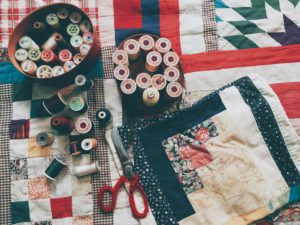
I don’t suggest we deny or bury our feelings and memories. I’ve never found that particularly useful. I think of my story as an old-fashioned quilt, carefully pieced together out of all kinds of scraps of feelings, memories and experiences from which I formed conclusions and beliefs over my lifetime.
Photo by Dinh Pham on Unsplash
I can lift that quilt out of the cedar chest of my psyche, unfold it, hang it on a clothesline in the sun and spring breeze and examine it. Which pieces make me feel stained, frayed, torn or damaged? Which pieces are vibrant, vivid, gorgeously colored and textured?
After the quilt has aired, I can unpick stitches and remove the pieces that hurt, distort or limit me, replacing them with scraps that make me feel happy, confident and loving. I can rewrite some of those childhood monsters and villains, understanding now people are complex and we don’t always know their motives or secrets. I can consider painful pieces of my story from the view of another character in it instead of from my own narrow perspective. As I unpick stitches and loosen up my old story quilt, I can think about forgiveness, gratitude and being wrong, and revel in stitching new patterns and colors into it.
Rewriting our story, like reworking a quilt, takes time. Writing our original story took time. Events happened in our lives. We had feelings and experiences. We had thoughts about our feelings and experiences. We came to certain conclusions about who we are, who others are and how life works. We wove a story and told it to ourselves over and over again, until we believed it completely and it became unconscious. We carry our story with us into the world and it influences every choice and action.
The thing about story is it’s limited and limiting. It can never catch all of reality, even in a single moment. If we understand this and work to bring our personal stories back into consciousness, we become aware of all the ways our stories hurt and/or help us. They can limit and paralyze us or inspire us with courage and confidence. It’s all up to us, because we are the authors of our own stories. We have the power to rewrite.
Many cling to their stories as though they were a matter of life and death, not to mention identity. I’ve noticed some people with miserable stories cling the hardest. I can only conclude for some, even the most wretched and harrowing story provides some kind of a payoff for the one holding it. Such a person doesn’t want to rewrite their story, in spite of how ineffective or painful it may seem to be.
I choose not to be run by my story. I can do, be and contribute more than parts of my old story say I can. I don’t want to validate and reinforce outdated conclusions that made me fearful and small. I don’t want to continually irritate and open up old wounds.
I refuse to be a victim, especially not a victim of myself!
So I’m rewriting and revising my own creation story from before the beginning, when two cells joined and created the miracle of my life. From those two cells came the complex human being I am, and a complex human being contains and creates many different kinds of stories with many different feelings, experiences and thoughts.
The pool where I work is part of a rehabilitation center, which is part of a local hospital. There are actually two pools. One is a lap pool of about 84 degrees. The other is a large therapy pool, nearly as big as the 4-lane lap pool. The therapy pool is about 94 degrees. The pool patrons are a mix of the public, hospital staff and rehab patients.
As a lifeguard, I spend hours in an elevated chair watching people in the water and moving around on the deck. It delights me to be paid for doing what I naturally do in the world, which is to people watch. In an environment with a consistent air temperature over 80 degrees with more than 50% humidity, all of us — staff, patrons and patients — are necessarily without our usual armor of clothing, make-up and jewelry. We are physically revealed to one another to an unusual degree in a public place.
I’m struck every day by the humility of flesh, the wonder and complexity of our physical being; the almost painful innocence of small children with their rounded, unselfconscious forms; the incredible and paradoxical endurance, resilience and fragility of the human body, and the inexorable truths our unconcealed bodies reveal.
I’m touched by the everyday, patient, humble courage of people whose bodies are ill, injured and aging. I watch people participate in classes: Water walking, water aerobics, arthritis and fibromyalgia in the therapy pool, and swim lessons. I watch couples and families, caregivers and their charges, school groups and special needs groups. People come to lose weight, to rehabilitate after a stroke or cardiac event, to increase their strength and endurance, to recover from surgery or injury. People also come to socialize, to play, and to be inspired and motivated by staff, classes, music and one another.
Photo by Doug Maloney on Unsplash
Some folks swim laps. Others water walk and go through exercise routines with buoys, kickboards and weights. They come out of the locker rooms with walkers, canes and wheelchairs. Some need help getting in and out of the pool, or even down to the pool from the parking lot.
For the most part, people who make use of the facility are patient, pleasant and good-natured. Watching them, I wonder at their resilience. What must it be like to be so bent one can only see the floor? How does one cope when the only ambulation possible is to creep along with a walker? The joy and laughter of a wheel-chair bound young person with contorted and twisted limbs like sticks when she’s carried into the therapy pool make me weep.
There’s really no place to hide in the world, at least from ourselves. We all live in a body, and many of us struggle with loving them, including me. We spend an amazing amount of time, money, anguish and effort in disguising our perceived physical defects from the eyes of the world. We tell ourselves nobody can see our shame. No one can see how unlovely or imperfect we really are. No one will ever know.
Photo by Hailey Kean on Unsplash
But we know, and our shame and self-loathing poison our lives.
I wonder, as I sit in the chair, what is it about the people who use the pool that enables them to risk physical authenticity? Do they love and accept themselves as they are? If so, how have they developed that ability? Are they unconcerned with what others think of them? Are they like me, and simply resigned to their physical reality, feeling the benefits of using the pool are more important than hiding their appearance, but privately ashamed and embarrassed?
In thinking about this, I realize my own relationship with my body is complicated. On the one hand, I feel affection, loyalty and gratitude. I’ve never aspired to beauty, whatever beauty is. On the other hand, I cringe every time I see a picture of myself, which is not often, as I hate having my picture taken and avoid it whenever possible. I think I cringe because I wish I could protect that vulnerable woman from the eyes and criticism of others. I cringe because my deepest and most private shame is that my physical envelope contains some hidden foulness that makes me unworthy of physical affection and contact. I’m not talking about sex. Sexual attraction and desire are a whole different conversation. I’ve been good enough for sex, but not good enough for consistent loving, nurturing touch. Not good enough to hold.
Photo by Liane Metzler on Unsplash
In fact, one of the biggest reasons why I love the water so much is that it touches me.
The shame I feel around this is corrosive and chronic. It’s my intention that it also remain entirely invisible to any onlooker. The pain of this hidden vulnerability of mine enlarges the way I observe others in their bodies. It seems to me we must all have some degree of skin hunger that’s more or less satisfied, depending on our situation. We must all feel some degree of physical isolation and alienation at some point in our lives. Surely every body I see is worthy of care, of love, of touch and nurture, in spite of skin tags, scars, cellulite, bulges and sags, hair distribution or absence, aging, injury and disability, too many or too few pounds.
As I sit on the lifeguard stand, counting heads and scanning the pools, I keep coming back to courage. Courage and humility. The willingness to be seen without the comfort and concealment of clothing. The willingness to be physically authentic and vulnerable. Not a story of courage that will ever be made into a movie, but a kind of daily, humble heroism that touches and inspires me.
Samuel Zeller on Unsplash
As an observer, it’s effortful to discard childish judgements like “ugly” and “beautiful.” It’s hard not to apply an internalized rating system. I’m tainted by Hollywood, by digitally altered images and by my own private romantic fantasies. Somewhere underneath all the limitations imposed by that conditioning and brainwashing, I glimpse a vast compassionate wisdom encompassing all of us. Life, after all, is beautiful and miraculous. Doing what we can to care for and accept the body we have is an act of courage and strength. Allowing ourselves to be seen and vulnerable takes humility and heroism.
I wonder, somewhat uneasily, if we are no longer able to grasp the beauty inherent in our physical forms. We seem determined to approach the planet’s body, our own and the bodies of others as commodities and resources to plunder, manipulate and then discard when they become boring, worn-out, ill or (at least to our eyes) ugly. Perhaps we’ve lost the ability to appreciate and value everybody in every unique, individual body. Maybe our culture is so injured all we can do now is hate, judge and criticize not only ourselves but others.
Perhaps we’re determined to tear ourselves apart and nothing will stop us.
In the meantime, however, I live in a body, just as you do, and we all have a deeply private and largely invisible relationship with our structure of flesh, blood and bone. My choice is to remain present with the wonder and complexity of the human body, yours, mine and theirs. My choice is to enlarge my compassion and observation until I touch that edge of wisdom that acknowledges beauty and worth in all of physical life, be it human, tree or creature.
Four years ago someone said to me “women and children should be behind the shield.” The impact of that statement was like a kick in the gut. I was shocked by the way the words made me feel; a tidal wave of fury, grief and despair. It was so overwhelming I didn’t poke at it right away, but ever since then I’ve been playing around with the idea of shields, my version of circling around a potentially dangerous object with twitching tail and ears pricked, curious but wary.
Photo by Bogdan Kupriets on Unsplash
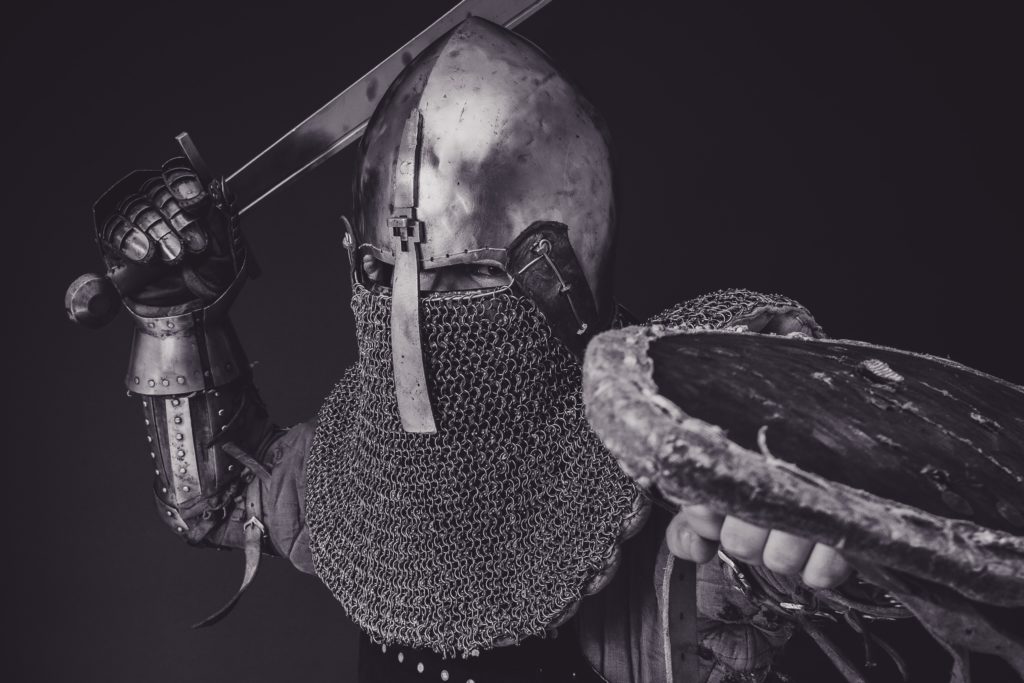
A shield is a piece of personal armor used to actively intercept specific attacks. Traditionally, shields varied in size, shape and thickness and were made of wood, animal hide, woven reeds or wicker. Shields have probably been around as long as we have.
A shield implies protection.
I think my initial reaction to the phrase “behind the shield” was painful because of my fierce, primitive longing for the kind of protection and safety that image implies to me. I’ve always been hypervigilant and concerned with identifying safe places. I know where the exits are, physical and emotional. I maintain bolt holes, if-the-sky-falls plans and a high degree of independence and self-sufficiency.
Because my own anxiety and fear have been such sources of private and mostly hidden anguish, I’m extremely sensitive to others who suffer in the same ways, either specifically or generally. In the days when I was doing volunteer fire and rescue work, I frequently took the role of lying on the highway in the glass, spilled gas and ruins of a vehicle calming and reassuring a trapped victim, monitoring a pulse if I could get to a pulse point, explaining what was happening as we tried to extricate, establishing responsiveness and orientation and taking a history while the fire department deconstructed the car around us and the EMTs and paramedics passed me pressure bandages, a blanket or anything else that was needed and we had room to use.
Photo by Jordan Whitt on Unsplash
In short, I give others, animals and human, the kind of calm reassurance and protection I’ve always craved myself.
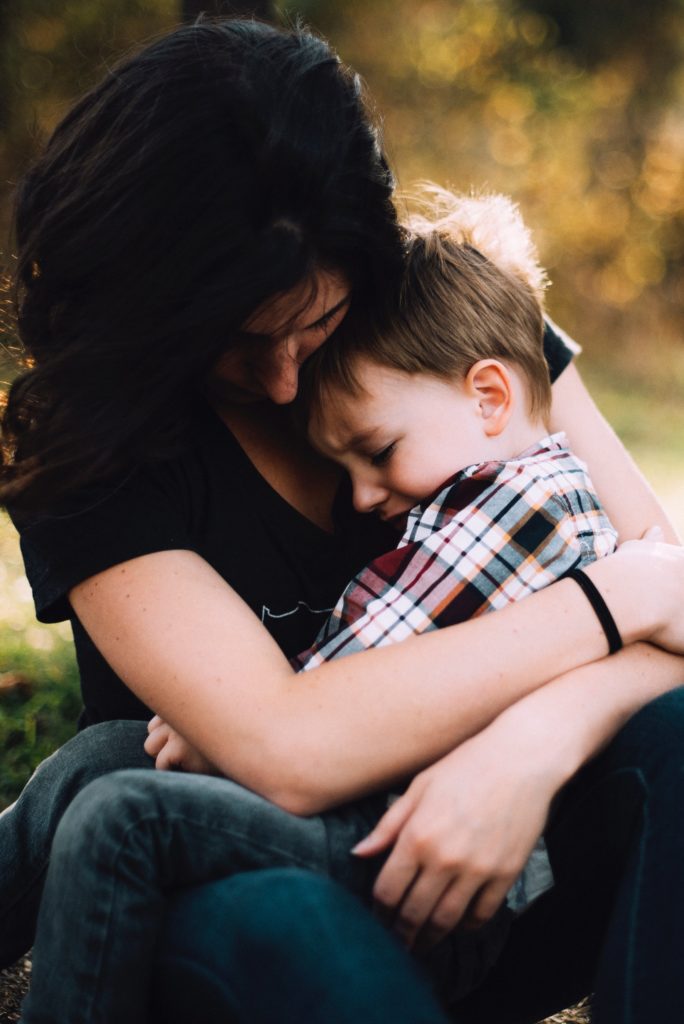
It might be this longing is buried within all of us, a kind of deep and primitive desire to return to the ultimate safety of the womb or a longing for the in-arms experience every baby needs and has a right to receive. Except that the womb is not always safe, and many of us do not get sufficient in-arms experience as babies. It might be that I’m uniquely broken in this, but I doubt it. I suspect much of our irrational and destructive behavior has to do with trying to feel safe, sheltered and loved, including sexual and behavioral acting out and addiction.
In any event, my desperation to be shielded motivated me to become a willing shield for others. This adaptation was greatly assisted by being female and then further strengthened when I became a mother.
Photo by James Pond on Unsplash
I never thought of myself as a shield. It never occurred to me such a role was a choice. I defined myself as a protector, a nurterer, a figure of maternal and female strength, a life-giver and a peace maker. I thought of myself as a good woman. I automatically placed myself between the harsh edges of the world and those I loved. I protected my husbands and partners from the necessity to deal with anyone else’s needs (including my own) and threats to their egos (including me). I protected my sons from the immaturity and selfishness of my husbands and partners. I tried to protect people from their mental and physical pain, from the consequences of their choices, from their own feelings and from any other irritation, hurt or harm.
Shields were originally made to protect from specific kinds of attack, but I tried to shield others from all kinds of danger: blade, arrow, blunt weapon, words, pain, consequences, inconvenience, feelings and worry. I was determined to be a perfect shield for all my loved ones.
Predictably, I failed, and nobody likes a shield that fails. I regularly heard about my inadequacy.
No one ever suggested to me that I protect myself, and no one invited me behind their shield, even for a rest. I approached every relationship with a craving to be taken care of, to be held, to be loved. I believed in romance and part of romance certainly included being taken behind the shield of some kind, competent man. If you’re thinking this was needy and dangerous behavior, you’re right. Somehow, I always ended up with one more person in my life I needed to shield, instead of the other way around.
The inability to trust and the craving to be protected and cared for can tear a woman apart. I’m certain there have been people in my life over the years who wanted to give me safety and security, but I refused to let anyone get that close. I don’t want to rely on anyone. I’ll go to great lengths to avoid asking for help. At the same time, I’ve spent much of my life working happily with children, animals, in hospice and as a first responder.
For a long time I thought if I could get a good enough job and earn or save enough money I’d be safe, but I was wrong about that. We live well below the poverty line, but I feel safer now than during any other time in my life. I’m also less concerned about money than I’ve ever been before. Money is not safety. I also thought if I could just find the right home I’d be safe. I found the right home and discovered that wasn’t the solution, either. Wrong again.
Since I came to Maine, everything has changed. Now I live in a situation that does not require constant emotional labor. I live with an adult who does not need or expect me to protect him. I have found reciprocal relationships.
This morning, as I went about my daily breakfast routine, it occurred to me that I’m no longer looking for a shield to crawl behind. The need for safety doesn’t drive me now. I’m not even sure I know what I mean by safety. What is the threat I’m trying to protect myself from? Aging? Poverty? Being unloved? Abuse? Getting my feelings hurt? A blow to my pride? Abandonment? Betrayal? Internet trolls? Loneliness? Crazy people with guns? Illness? Death?
Yes. All these and more. And most of these have already happened, some more than once, or are happening right now.
In spite of that, I’m okay. I’m better than okay. I’m great. I’m resilient. I believe in my ability to survive and thrive. I don’t mind aging and I’m not afraid of death. I’m emotionally intelligent and I understand power dynamics. I’m as safe as anyone, and a lot safer than millions.
Photo by Miranda Wipperfurth on Unsplash
I have my own shield now. I made it (without knowing what I was doing) out of dragonfly wings, cobwebs, stardust and the sound of bats flitting around my head in the dusky barn on their way out to hunt. I made it out of integrity, passion, dance, laughter, creativity, ritual and spirit. There’s room behind my shield for others to rest, breathe and make shields for themselves, but I’m not spending my days searching for those in need of such a shelter. I can’t make a shield for you or even my most beloved to carry. I can’t keep everyone or anyone safe. I can’t shelter the world.
The only person in charge of my safety is me. The only person I have a responsibility to keep safe is me.
I am not a shield. I don’t have to take the blows or go to war. I don’t have to buffer, neutralize or ameliorate the experience of life for others. I don’t have to prostitute and beg in order to be dragged behind someone else’s shield. I made exactly what I need for myself, and no one can take it away from me.
Knowing I have what I need, I’m no longer approaching interactions with others from such desperation to be cared for. I still don’t like to ask for help, but I’m practicing doing it anyway. I’m much better at taking care of myself and no longer put the needs of others before my own. I’ve developed useful coping mechanisms that help me feel safe.
Photo by Robert Zunikoff on Unsplash
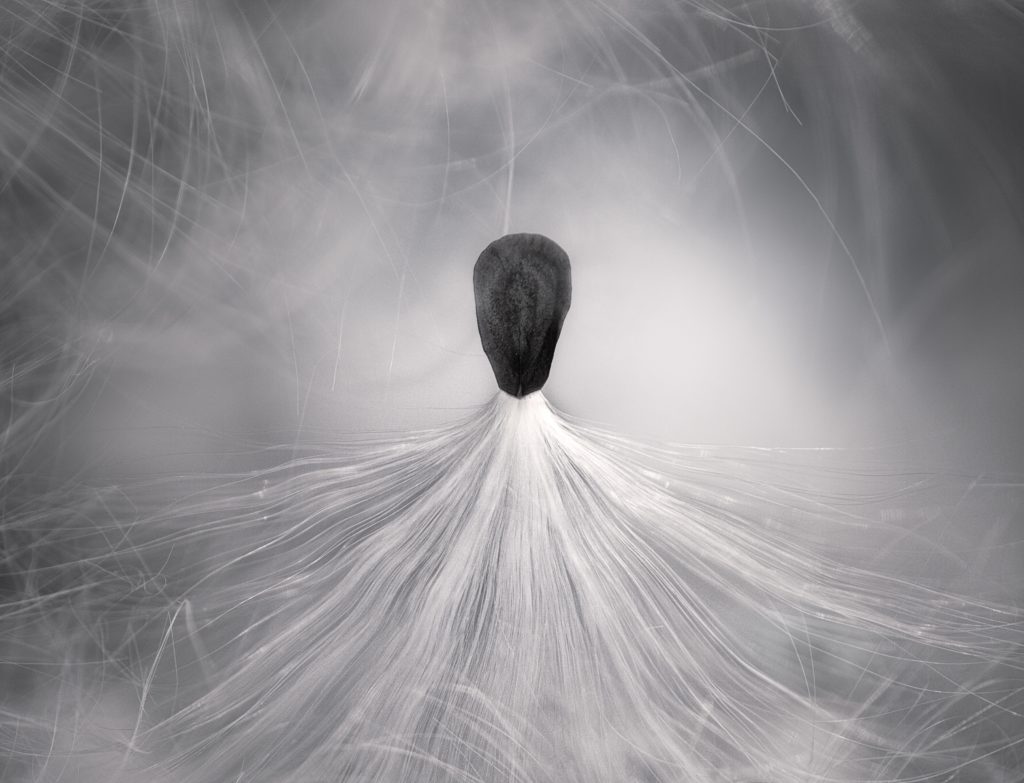
We all construct shields emotionally, intellectually, behaviorally and with our choices. None of them really protect us from our fears or the experience of life. There is no way to shield against generalized fear and anxiety. It’s counterintuitive, but the best path I’ve found to feeling safer and more secure is to drop my armor and open my arms to my fears. I don’t know why that works, but it does. Monsters are ten times larger when I’m running away from them. When I run toward them they shrink before my eyes, and sometimes they even run away from me. That’s why I build my shield from things like iridescent hummingbird feathers and milkweed fluff. It won’t stop a harsh word or a bullet, but I carry with me joy, wonder, awe, mystery and beauty. My shield is a story of love and a story about what makes life worth living. It reminds me to stand tall and unafraid, looking life in the eye, confident in my ability to endure, heal, laugh and learn.
Websites store cookies to enhance functionality and personalise your experience. You can manage your preferences, but blocking some cookies may impact site performance and services.
Essential cookies enable basic functions and are necessary for the proper function of the website.
Name
Description
Duration
Cookie Preferences
This cookie is used to store the user's cookie consent preferences.
30 days
These cookies are needed for adding comments on this website.
Name
Description
Duration
comment_author
Used to track the user across multiple sessions.
Session
comment_author_email
Used to track the user across multiple sessions.
Session
comment_author_url
Used to track the user across multiple sessions.
Session
Statistics cookies collect information anonymously. This information helps us understand how visitors use our website.
Google Analytics is a powerful tool that tracks and analyzes website traffic for informed marketing decisions.
ID used to identify users for 24 hours after last activity
24 hours
_gat
Used to monitor number of Google Analytics server requests when using Google Tag Manager
1 minute
_gac_
Contains information related to marketing campaigns of the user. These are shared with Google AdWords / Google Ads when the Google Ads and Google Analytics accounts are linked together.
90 days
__utma
ID used to identify users and sessions
2 years after last activity
__utmt
Used to monitor number of Google Analytics server requests
10 minutes
__utmb
Used to distinguish new sessions and visits. This cookie is set when the GA.js javascript library is loaded and there is no existing __utmb cookie. The cookie is updated every time data is sent to the Google Analytics server.
30 minutes after last activity
__utmc
Used only with old Urchin versions of Google Analytics and not with GA.js. Was used to distinguish between new sessions and visits at the end of a session.
End of session (browser)
__utmz
Contains information about the traffic source or campaign that directed user to the website. The cookie is set when the GA.js javascript is loaded and updated when data is sent to the Google Anaytics server
6 months after last activity
__utmv
Contains custom information set by the web developer via the _setCustomVar method in Google Analytics. This cookie is updated every time new data is sent to the Google Analytics server.
2 years after last activity
__utmx
Used to determine whether a user is included in an A / B or Multivariate test.
18 months
_ga
ID used to identify users
2 years
_gali
Used by Google Analytics to determine which links on a page are being clicked