by Jenny Rose | Sep 20, 2018 | A Flourishing Woman, Body

Photo by Anna Dziubinska on Unsplash
I hate to shop. I hate the seductive manipulation inherent in the activity. I’m frustrated by the variation in sizes and disgusted by the ridiculous fashions and prices and the terrible quality. My idea of a great shopping experience is to go to Goodwill and find men’s button-down cotton shirts or buy multiples of Carhartt jeans and shorts on sale. Whenever possible, I shop online, concentrating on sales, outlets and brands that emphasize durability, comfort and easy care rather than shoddy glamour.
One of the drawbacks to shopping online is getting the size right in unfamiliar brands. Regular swimmers know swimming suits don’t last. Sun and pool water take a toll quickly. Suits become thin and transparent and loss their elasticity. The fabric breaks down.
Swimming suits are expensive, and they have to fit well or they’re miserable to wear and impossible to swim seriously in. Teeny-weeny bikinis might look great on the right body poolside, but every woman knows actually swimming in them is another matter, and forget about diving. Men’s comfy jeans cover a multitude of body imperfections, but women’s swimsuits are a different story.
Photo by Todd Quackenbush on Unsplash
All my life I’ve needed a long torso suit, which means fewer choices and more money. When tankinis came out I was delighted because they allow me to wear a regular size, but they’re just as expensive, if not more so, as a standard tank suit. I buy from a big online retailer specializing in all things swimming, and they had a huge Labor Day sale. I was ready. My old suit was beginning to bag, sag and break down.
I shopped for a week, watching prices come down and considering my needs. I finally took the plunge (so to speak) and bought what I wanted. The tankini tops were easy. I’ve worn a 10 in every brand since I was a teenager. No problem. I chose tops that would coordinate with black and got black board shorts for kayaking and black bottoms for swimming. The swim bottoms, however, were an unfamiliar brand. Great price, but unfamiliar brand.
There was a size chart, which I looked at — impatiently. I wanted to make the order and be done with the whole miserable chore. I was pleased to be saving so much money, but I was sick of thinking about swimming suits. I have a sewing tape measure somewhere, but I don’t know exactly where. I had a little construction tape measure in my desk drawer, so I dropped drawers and measured my waist and hips with that. No mirror. Wrong kind of tape measure. Impatient and irritated. According to the size chart, I needed an XL in the swim bottoms. That seemed ridiculous. My ass isn’t that big!
Is it?
Well, I thought, maybe it is. Or maybe the brand I was buying ran really small. My favorite cotton bikini underwear is made in such a way that size 10 is large, not medium. I needed a new suit. I was sick of shopping. I didn’t want the hassle of returning a wrong size, and I didn’t want to refuse to acknowledge the true dimensions of my body out of shame or pride.
So I placed the order and a few days later it arrived. When I unpacked the swim bottoms, they looked huge. I tried them on, over underwear. You couldn’t call them tight, but I thought I could make them work. Everything else was great. I threw away the packing and receipt, discarded my old suit and put my new suit in my swim bag.

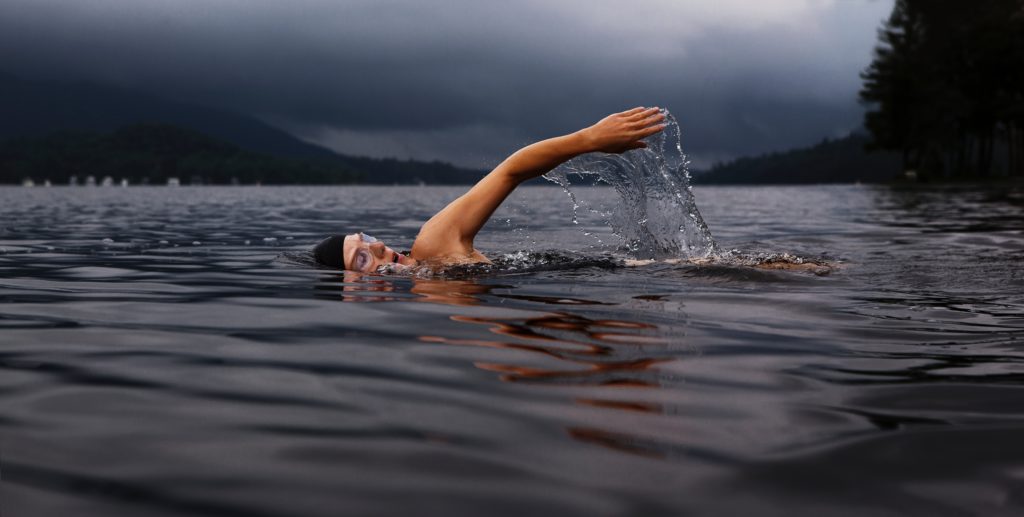
Photo by Jeremy Bishop on Unsplash
Getting into a new swimsuit is like trying to stuff yourself into a spandex straight jacket. Getting out of a new suit that’s wet is even worse. I always wind up giggling and feeling as though I’m wrestling with an anaconda. I suited up, showered and got in the pool, feeling spiffy in my new cobalt blue and black swim gear. I put my goggles on and pushed off the wall. My waistband floated up off my waist, the swim bottoms filled up with water and began to slide gently and elegantly off my ass and down my legs. Whoops!
I stood up, took my goggles off, and yanked the bottoms back up. The pool was not busy. Nobody was paying any attention. I was torn between hilarity and frustration. I really wanted to work out, and I hadn’t brought a spare suit. Dammit, I was going to make these work! Maybe if I didn’t push off the wall with my usual vigor it would help. I put my goggles back on, made sure no one was looking, and pushed off the bottom, gently.
The waistband floated off my waist, the swim bottoms filled with water and started to slide off my ass. I kept going, just to see what would happen. I was swimming freestyle, and the bottoms couldn’t quite slide all the way down my legs. Maybe, I thought, I’m not as exposed as it feels like I am. Maybe from above no one can tell how loose they are. Except that I could feel a big bubble of air trapped between me and the fabric. Bubble butt.
Shit!
I tried tucking the hem of the tankini into the bottoms. No dice. The tankini fit just fine, but it’s not long enough to do more than meet the waistband of the bottoms, especially on me.
I was irresistibly reminded of my youngest son, lifted out of his crib in the morning and toddling down the hallway with his usual sunny-natured glee and his sodden diaper hanging to his knees.
Except his diaper had been white and mine was black.
Shit! Shit! Shit!
I longed to tear the stupid bottoms off and throw them on the deck. I’d rather swim naked any day of the week anyway. Seeing as how I was trying to get hired at this particular pool, I thought that might not create a favorable impression.
I climbed out of the pool via the stairs, holding onto the waistband of my bottoms as unobtrusively as possible, and asked a staff member for a safety pin. Surely they had a safety pin, or even a diaper pin somewhere. Things like safety pins, paperclips and rubber bands are in every desk drawer in the world, aren’t they?
Snorting with laughter, because every woman knows the drill of a sudden broken elastic in a waistband or a bra strap, a broken heel or strap on a shoe, a hem that lets go or a stocking that runs at the worst possible time, the lifeguard searched the desk. No pins.
Another lifeguard suggested a rubber band. Good idea!
No rubber bands.
The second lifeguard reached in her pocket and handed me a covered hair elastic. It was even black!
I pulled in the fabric at the waistband, pinched it together as hard as I could and fastened it with the hair elastic. Now the bottoms were much tighter and I had a thick pigtail of fabric poking out at the waistband. It would be invisible in the water.
I returned to the pool, went through the goggle thing and pushed cautiously off the wall.
Hooray! It worked. There was still a little too much slack in the waistband, but they stayed on and didn’t bubble up.

Photo by Chris Kristiansen on Unsplash
In the end, I had a great workout. I returned the hair elastic with thanks when I was finished and then stood in the shower and took several minutes to extricate myself from the tankini top, banging my elbows, writhing, wriggling and squirming. By the time I was free of it, my swim bottoms were around my ankles. No effort required.
Fortunately I have a friend who has a sewing machine. I can sew on a button, mend a simple tear and patch (sort of), but you couldn’t call me a skilled seamstress. I swim again today, and there’s a great big pin in the waistband of my bottoms and a rubber band in my bag, just in case. I also went back to the sale and ordered another pair of bottoms in a smaller size. They were even cheaper.
Here’s what I learned:
- I hate to shop.
- When taking your own measurements, do it with a cloth tape in front of a mirror. Better yet, have someone else do it for the sake of a reality check.
- Don’t throw away packing and receipts until you’ve worn the stupid thing!
- Always carry a couple of safety pins and rubber bands in your swim bag. Consider also Liquid Nails, Super Glue, waterproof duct tape and a staple gun.
- Always carry a spare suit.
- One of the most important keys to life is a sense of humor.
Have I mentioned I loathe shopping?
By the way, I got the job!
All content on this site ©2018
Jennifer Rose
except where otherwise noted
by Jenny Rose | Sep 13, 2018 | A Flourishing Woman, The Journey
Clarissa Pinkola Estes introduced me, years ago, to the idea of descansos in Women Who Run With the Wolves, one of the most important books I’ve ever read. Descansos is a Spanish word meaning resting places. A descanso might be a grave in an ordinary graveyard, but Estes suggests creating descansos as a spiritual practice; a method for letting go and/or acknowledging a loss; a place to put rage, fear and other feelings or destructive thoughts to rest so we don’t walk forward burdened by unresolved pain and experience.
We know grief has its own timetable. The Celts set aside a year and a day for the proper discharge of grief. Many other cultures have formal mourning periods and practices, during which people are not expected to fully participate in social responsibilities and activities. Many of us try to move away from the anguish of grief as quickly as possible, but there is no shortcut for the grieving process. Sooner or later, we must feel it and walk through it if we are to heal.

Photo by Madison Grooms on Unsplash
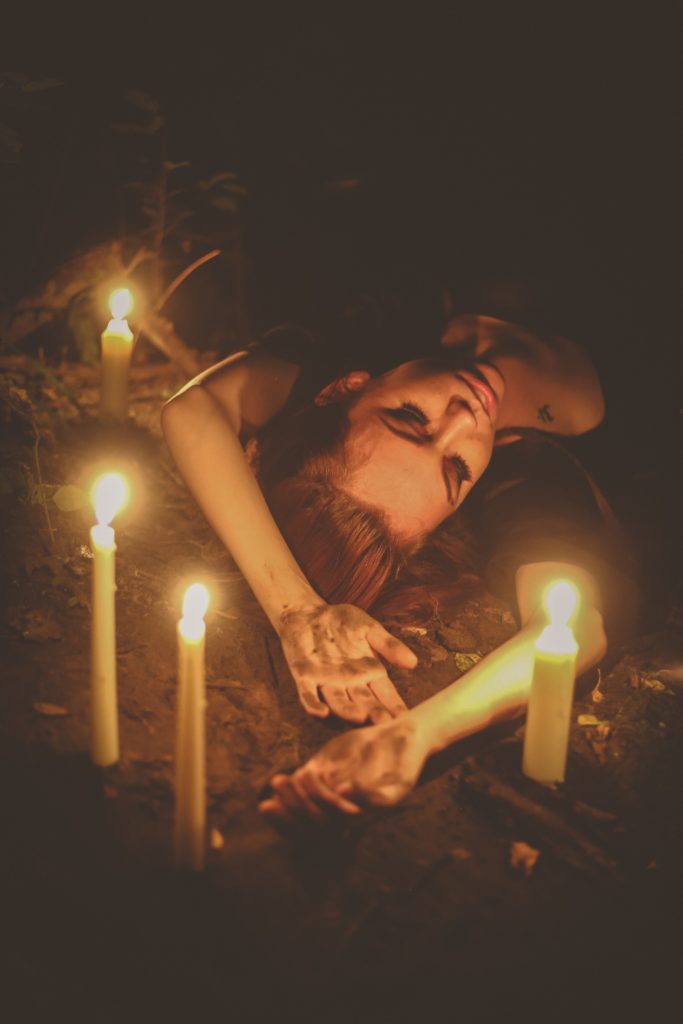
Loss is not just about the death of a loved one. As we journey through life we encounter many losses, including the loss of our innocence, which might take many forms; the loss of dreams; the loss of health; the loss of a job, a home, a relationship or some piece of identity. For all of these, we might make a descanso, a place where we have knelt and prayed, wept, planted flowers or a tree and marked with a cairn, a stone, a cross, or some other symbol that has meaning for us. A descanso is a quiet, private place apart from the rest of our lives, a place we can visit when autumn leaves begin to fall and the cooling air crisps with the scent of windfall apples, damp leaves and browning ferns. We pay homage to what has been, to that which we’ve blessed, released and laid to rest. We invite memory and take time to empty our cup of rage, pain or tears again.
I recently wrote about identity. This fall, it occurs to me to spread out all the pieces of my identity, past and present, try them on, one at a time, and notice how they feel. I will make descansos for those aspects of identity that no longer fit me or serve my intention going forward. I want an identity update; to replace the old versions with an identity compatible with my present life and experience, much like going through a clothes closet and culling.
In fact, that is a task I’m undertaking right now as well; going through my clothes. Perhaps that’s why I feel nostalgic and am thinking about descansos. Autumn awakens in me the desire to clean out and lighten up, literally and metaphorically. I discover my difficulty in letting go of clothing I haven’t worn in years and which no longer fits is about the memories of who I was and what I was doing while wearing it rather than the clothing itself.

Photo by eddie howell on Unsplash
Memories can be a heavy burden. Some are precious and we never want to lose them. Other memories haunt us and keep our wounds fresh and bleeding. The remedy for all those imprisoning beliefs, pieces of negative identity, unresolved feelings and painful memories is the practice of descansos, which is to say the practice of grieving and then moving on. That order is essential. We must grieve fully and willingly, and then move on. A graveyard is not a place to pitch a tent and live the rest of our lives. It’s a place to create, visit, honor, care for and meet ourselves when old parts and pieces of our lives enter our dreams and tug at our hearts.
Making descansos is a gentle practice. It is not denial, avoidance or rejection, but rather an open-armed welcome to all our experience, followed by honest assessment and choice-making. Like clothing, identity and memories wear out, no longer fit or become too uncomfortable and outdated to be useful. Making a resting place is an intentional practice, without violence, frenzy or horror. We are not tearing ourselves apart with self-hatred, but allowing change and growth, the same way the trees are beginning to let go of their leaves and a snake sheds its skin. The practice of descansos allows us to clean up, clean out, and create space for new growth and experience. It’s an opportunity to create a place of sacred memory so we do not have to stagger under a jumbled-up load of the past.
Creating descansos is uniquely individual. Some might draw a map of their life’s journey, marking descansos along the way. Artists might paint, make music, write, create, sculpt or dance. Others might seek out a sacred place in nature for ritual, prayer and making a grave or graves.

Photo by Sandy Millar on Unsplash
When I make descansos, I think of putting a baby to bed in a dim nursery, bathed and fed, sleepy and smelling of milk, with a clean blanket and a stuffed toy. Perhaps our most brutal memories and experiences are the ones needing the tenderest descansos we can create. As we would nurture, reassure and protect an infant, we nurture, reassure and protect ourselves with the practice of descansos. We allow ourselves to suffer, release our suffering and move on, honoring the way our experience shapes and enriches us.
It’s autumn in central Maine, a good time to make new descansos and visit old ones. A good time to remember. A good time to walk under the trees and absorb the wisdom of cycles and seasons, growth and change, life and death.
A good time to allow ourselves to rest in peace.
All content on this site ©2018
Jennifer Rose
except where otherwise noted
by Jenny Rose | Sep 6, 2018 | A Flourishing Woman, Self-Love
Four years ago someone said to me “women and children should be behind the shield.” The impact of that statement was like a kick in the gut. I was shocked by the way the words made me feel; a tidal wave of fury, grief and despair. It was so overwhelming I didn’t poke at it right away, but ever since then I’ve been playing around with the idea of shields, my version of circling around a potentially dangerous object with twitching tail and ears pricked, curious but wary.

Photo by Bogdan Kupriets on Unsplash
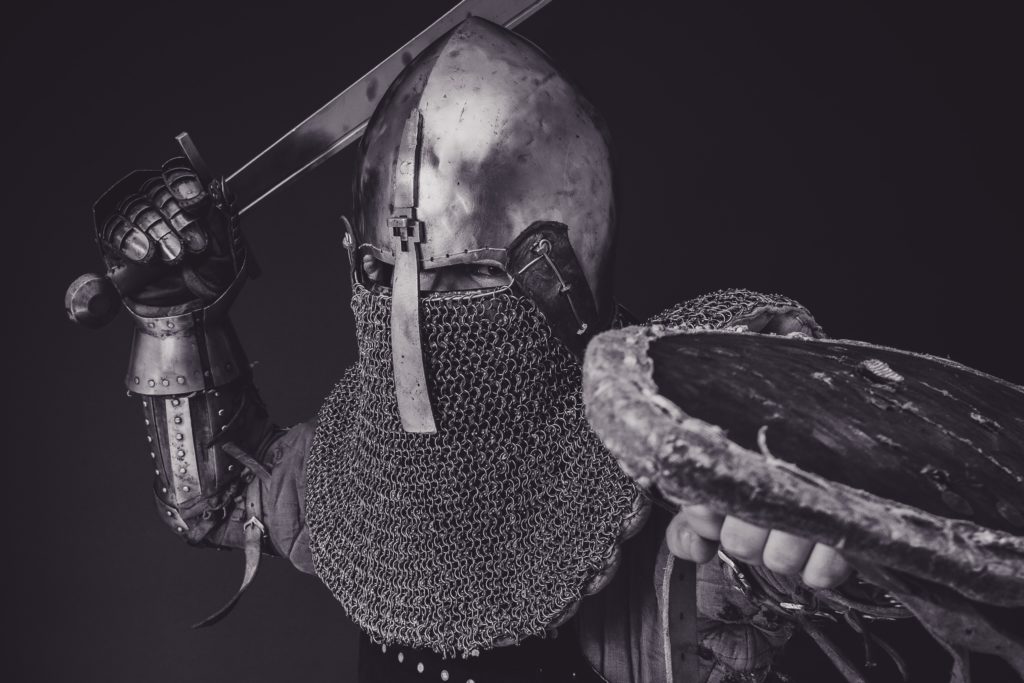
A shield is a piece of personal armor used to actively intercept specific attacks. Traditionally, shields varied in size, shape and thickness and were made of wood, animal hide, woven reeds or wicker. Shields have probably been around as long as we have.
A shield implies protection.
I think my initial reaction to the phrase “behind the shield” was painful because of my fierce, primitive longing for the kind of protection and safety that image implies to me. I’ve always been hypervigilant and concerned with identifying safe places. I know where the exits are, physical and emotional. I maintain bolt holes, if-the-sky-falls plans and a high degree of independence and self-sufficiency.
Because my own anxiety and fear have been such sources of private and mostly hidden anguish, I’m extremely sensitive to others who suffer in the same ways, either specifically or generally. In the days when I was doing volunteer fire and rescue work, I frequently took the role of lying on the highway in the glass, spilled gas and ruins of a vehicle calming and reassuring a trapped victim, monitoring a pulse if I could get to a pulse point, explaining what was happening as we tried to extricate, establishing responsiveness and orientation and taking a history while the fire department deconstructed the car around us and the EMTs and paramedics passed me pressure bandages, a blanket or anything else that was needed and we had room to use.
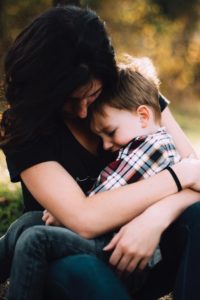
Photo by Jordan Whitt on Unsplash
In short, I give others, animals and human, the kind of calm reassurance and protection I’ve always craved myself.
It might be this longing is buried within all of us, a kind of deep and primitive desire to return to the ultimate safety of the womb or a longing for the in-arms experience every baby needs and has a right to receive. Except that the womb is not always safe, and many of us do not get sufficient in-arms experience as babies. It might be that I’m uniquely broken in this, but I doubt it. I suspect much of our irrational and destructive behavior has to do with trying to feel safe, sheltered and loved, including sexual and behavioral acting out and addiction.
In any event, my desperation to be shielded motivated me to become a willing shield for others. This adaptation was greatly assisted by being female and then further strengthened when I became a mother.
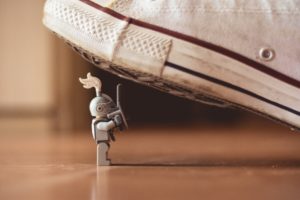
Photo by James Pond on Unsplash
I never thought of myself as a shield. It never occurred to me such a role was a choice. I defined myself as a protector, a nurterer, a figure of maternal and female strength, a life-giver and a peace maker. I thought of myself as a good woman. I automatically placed myself between the harsh edges of the world and those I loved. I protected my husbands and partners from the necessity to deal with anyone else’s needs (including my own) and threats to their egos (including me). I protected my sons from the immaturity and selfishness of my husbands and partners. I tried to protect people from their mental and physical pain, from the consequences of their choices, from their own feelings and from any other irritation, hurt or harm.
Shields were originally made to protect from specific kinds of attack, but I tried to shield others from all kinds of danger: blade, arrow, blunt weapon, words, pain, consequences, inconvenience, feelings and worry. I was determined to be a perfect shield for all my loved ones.
Predictably, I failed, and nobody likes a shield that fails. I regularly heard about my inadequacy.
No one ever suggested to me that I protect myself, and no one invited me behind their shield, even for a rest. I approached every relationship with a craving to be taken care of, to be held, to be loved. I believed in romance and part of romance certainly included being taken behind the shield of some kind, competent man. If you’re thinking this was needy and dangerous behavior, you’re right. Somehow, I always ended up with one more person in my life I needed to shield, instead of the other way around.
The inability to trust and the craving to be protected and cared for can tear a woman apart. I’m certain there have been people in my life over the years who wanted to give me safety and security, but I refused to let anyone get that close. I don’t want to rely on anyone. I’ll go to great lengths to avoid asking for help. At the same time, I’ve spent much of my life working happily with children, animals, in hospice and as a first responder.
For a long time I thought if I could get a good enough job and earn or save enough money I’d be safe, but I was wrong about that. We live well below the poverty line, but I feel safer now than during any other time in my life. I’m also less concerned about money than I’ve ever been before. Money is not safety. I also thought if I could just find the right home I’d be safe. I found the right home and discovered that wasn’t the solution, either. Wrong again.
Since I came to Maine, everything has changed. Now I live in a situation that does not require constant emotional labor. I live with an adult who does not need or expect me to protect him. I have found reciprocal relationships.
This morning, as I went about my daily breakfast routine, it occurred to me that I’m no longer looking for a shield to crawl behind. The need for safety doesn’t drive me now. I’m not even sure I know what I mean by safety. What is the threat I’m trying to protect myself from? Aging? Poverty? Being unloved? Abuse? Getting my feelings hurt? A blow to my pride? Abandonment? Betrayal? Internet trolls? Loneliness? Crazy people with guns? Illness? Death?
Yes. All these and more. And most of these have already happened, some more than once, or are happening right now.
In spite of that, I’m okay. I’m better than okay. I’m great. I’m resilient. I believe in my ability to survive and thrive. I don’t mind aging and I’m not afraid of death. I’m emotionally intelligent and I understand power dynamics. I’m as safe as anyone, and a lot safer than millions.

Photo by Miranda Wipperfurth on Unsplash
I have my own shield now. I made it (without knowing what I was doing) out of dragonfly wings, cobwebs, stardust and the sound of bats flitting around my head in the dusky barn on their way out to hunt. I made it out of integrity, passion, dance, laughter, creativity, ritual and spirit. There’s room behind my shield for others to rest, breathe and make shields for themselves, but I’m not spending my days searching for those in need of such a shelter. I can’t make a shield for you or even my most beloved to carry. I can’t keep everyone or anyone safe. I can’t shelter the world.
The only person in charge of my safety is me. The only person I have a responsibility to keep safe is me.
I am not a shield. I don’t have to take the blows or go to war. I don’t have to buffer, neutralize or ameliorate the experience of life for others. I don’t have to prostitute and beg in order to be dragged behind someone else’s shield. I made exactly what I need for myself, and no one can take it away from me.
Knowing I have what I need, I’m no longer approaching interactions with others from such desperation to be cared for. I still don’t like to ask for help, but I’m practicing doing it anyway. I’m much better at taking care of myself and no longer put the needs of others before my own. I’ve developed useful coping mechanisms that help me feel safe.
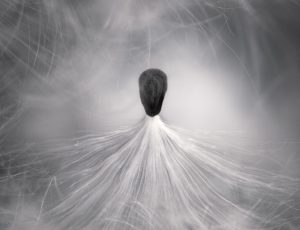
Photo by Robert Zunikoff on Unsplash
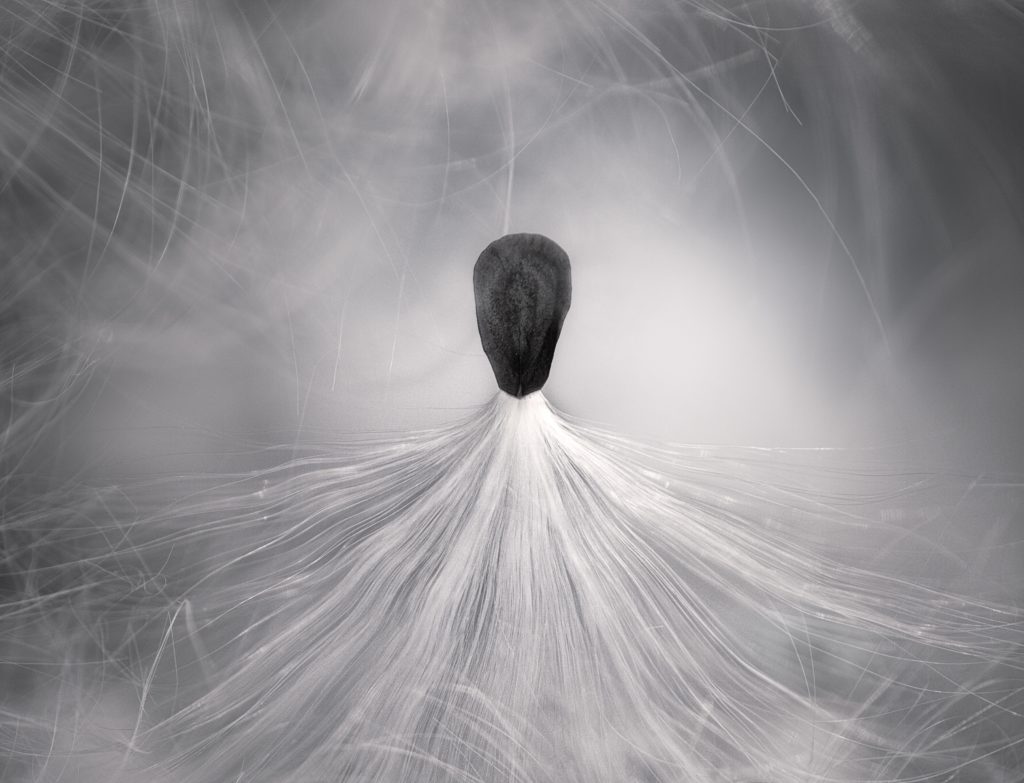
We all construct shields emotionally, intellectually, behaviorally and with our choices. None of them really protect us from our fears or the experience of life. There is no way to shield against generalized fear and anxiety. It’s counterintuitive, but the best path I’ve found to feeling safer and more secure is to drop my armor and open my arms to my fears. I don’t know why that works, but it does. Monsters are ten times larger when I’m running away from them. When I run toward them they shrink before my eyes, and sometimes they even run away from me. That’s why I build my shield from things like iridescent hummingbird feathers and milkweed fluff. It won’t stop a harsh word or a bullet, but I carry with me joy, wonder, awe, mystery and beauty. My shield is a story of love and a story about what makes life worth living. It reminds me to stand tall and unafraid, looking life in the eye, confident in my ability to endure, heal, laugh and learn.
From behind the shield: My daily crime.

Photo by Henry Hustava on Unsplash
All content on this site ©2018
Jennifer Rose
except where otherwise noted
by Jenny Rose | Aug 30, 2018 | A Flourishing Woman, Creativity
It’s been a busy week. I haven’t done a lot of writing. Some weeks are about notes, research, sudden creative inspirations, edits and days with a foot in two worlds, the world of the auto shop I’m sitting in this minute with a rattling air conditioner in the window to combat the 100 degree heat index outside while mechanics do surgery on the inside of my old Hyundai to fix the air conditioning, and the world of my imagination.
Other weeks are just about life — activity, interaction with others, appointments, friends and unexpected opportunities, along with the small stories of household and routine, like the AC in the car suddenly ceasing to breathe chill and becoming as thickly humid and overheated as the land’s late August exhalations here in Maine.

Photo by NeONBRAND on Unsplash
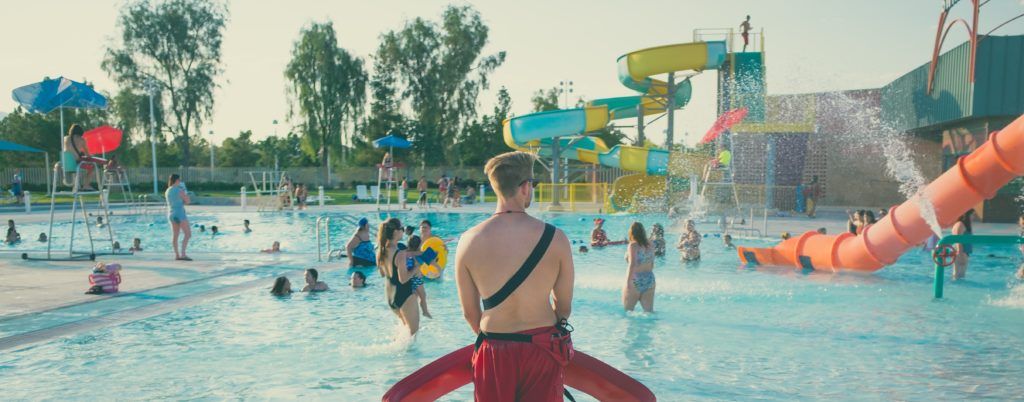
A long time ago, when I was a teenager, I got my first job as a summer lifeguard at the local outdoor pool. I loved it. I got trained as a water safety instructor, which means a swim teacher. I was also an IV-certified EMT doing volunteer fire and rescue work.
I’ve never lost my love of water and swimming, and I visit the pool once a week here in Maine. As a regular, I’m familiar with the staff and the facility. A couple of weeks ago one of the pool staff mentioned a part-time position was opening up. Before I left that day I applied for the job and was set up to re-certify as a lifeguard, more than 30 years after the first time. Thirty years. How did that happen?
Now, of course, the process for getting certified is all online. There’s a book, a big, brightly illustrated textbook filled with pictures and graphics, but all the material in the book is also online. The first time around, I learned out of a small paperback manual with black-and-white line-drawn illustrations. The online course is about seven hours of audio, video, multiple-choice questions and written material. At the end, there’s a test. A few hours at the pool in order to practice skills (the most important part) completes the re-certification process.
I’m a good student and confident of my skills, but I unconsciously expected much the same learning experience I had the first time around. However, lifeguarding techniques have changed. The emphasis used to be on personal safety, as drowning people often panic and become dangerous to their rescuers. I spent a lot of practice time in the diving well with a huge college kid built like a tank while he pretended to drown and then tried to drown me as I tried to save him.
Now, there’s great new equipment and gear that make water rescue considerably safer, and the techniques have changed accordingly. Also changed is the way one approaches CPR. When I learned and performed ventilations as a first responder, it was, literally, mouth-to-mouth. Now, lifeguards are equipped with fanny packs in which they carry plastic ventilation masks and Nitrile gloves as protection from body fluids and possible pathogens. Everything, practice included, is done with the mask as a barrier between victim and rescuer.
Photo by Chris Kristiansen on Unsplash
It’s a strange feeling to revisit this information. Lots of memories. I don’t know if I’ll get the job, but even if I don’t I’m pleased about the chance to review. I think everyone should take basic first aid and CPR, and it’s been a long time since I had a refresher. The first time around, I was the youngest lifeguard on the team. This time, if hired, I’ll be one of the oldest. What an interesting circle.
My partner and I love cats. For several years I’ve been uncomfortable with the problem of cat litter disposal. I’ve tried some of the more organic litter, but never found anything both the cat and I liked. The clumping litter is convenient, but I collected it in plastic grocery bags and never found a way to compost it. We’re trying to reduce our use of plastic and our non-compostable waste, and dealing with cat litter has become more and more of a problem ethically. My partner recently came across the idea of using wood stove pellets as cat litter, so we tried it.
I’ve never had a pellet wood stove. It turns out the pellets are small and made of compressed wood scrap, a little bit like animal feed to look at. They’re cheap to buy, especially if you buy a pallet at a time. Cat litter costs three times as much. When they get wet, the pellets dissolve into sawdust. Cleaning the box is like cleaning an animal stall bedded in shavings. I scoop out the damp sawdust and solid waste and throw in a new scoop of pellets. There’s absolutely no smell and less mess outside the box. If our old cat does get pellets between her toes and tracks them outside the box, they’re easy to pick up.
Best of all, we can compost now, and I can stop throwing away any kind of plastic shopping bags. We can switch entirely to canvas bags. Less to haul off to the dump.
My partner has a fleecy polyester blanket in deep, rich colors of brown, black and green that has been a bed for multiple cats for years. We recently cleaned out the little niche it was lying in. I went over both sides with a stiff dry scrubbing brush trying to remove grey and black hair belonging to long-dead cats and then we washed it, but it was still coated with cat hair. I had a lint brush, but that didn’t work at all. I also tried a damp sponge, which is what I’ve always used on upholstery and cloth to remove cat hair. A damp sponge works well if you do it once a week, but this blanket had no attention for years.
So, I googled it. As you can imagine, this is a common problem.
My favorite solution was to obtain a paint roller, wrap the roller in duct tape, sticky side out, and store it, along with a roll of tape, in a closet, bathroom or with cleaning supplies. What a great idea! Fast, easy and cheap. However, I wasn’t sure we had a clean paint roller, so in the end I found a clean plastic dish glove, hung the blanket over the back porch railing, and rubbed it with my gloved hand. I didn’t have much hope, but it worked like a charm. Who knew? Cat hair came away in clumps and clots and floated down onto the grass, as well as adhering to my sweaty face. Too bad it’s not nesting season. I wore out my arm and the blanket looked a lot better, but there was still plenty of hair adhered to it. When I’d rubbed away all I could, I put it in the dryer with a fabric softener sheet on the air setting. A half hour later the dryer trap was filled with cat hair and the blanket was like new.

Photo by Viktor Jakovlev on Unsplash
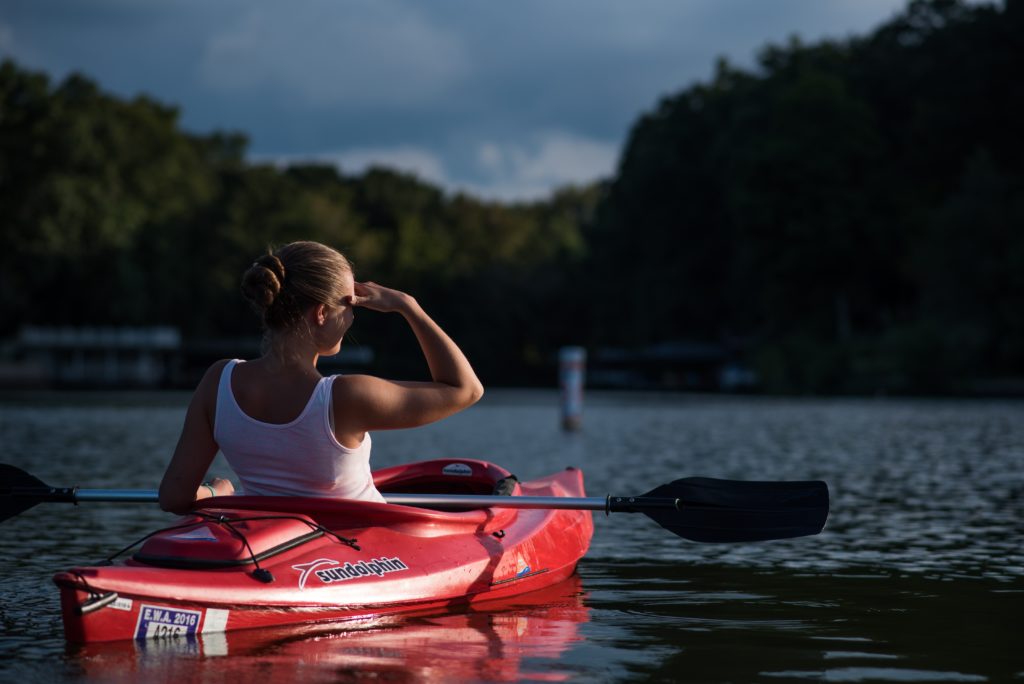
I also spent part of a day kayaking with a friend on a lake. Too bad I’m not as graceful with paddling as I am swimming. Too bad my arms are about as strong as spaghetti noodles. Too bad I’m so inept the paddles clunk against the side of the kayak with every stroke. Too bad I can’t get the hang of using the paddles without having water run down them and into my lap, or inadvertently bumping my long-suffering friend in the head.
I had a fantastic time.
Then we spent a hot afternoon with an old friend of my partner’s shooting at round metal targets with various firearms and varying degrees of accuracy while I asked a thousand and one questions and continued my education on handling guns safely and developing confidence and skill in using them.
So that, friends, is what I have been doing instead of working on the sort of post I usually write. In the pause from writing, I’ve been refilling the well of creativity with everything, and with nothing. With what it’s like to be alive in the world. With sore shoulders from paddling, remembering old rescue skills and long days on a lifeguard stand in the sun, the challenges and joys of living with cats and the smell of cordite. With spending a morning working in my friend’s farm store chatting to locals, enjoying the animals and studying my lifeguarding manual. With heaving boxes around and shelving books during my volunteer hours in the used bookstore. All of this will somehow, some way, someday recycle into my writing, because everything does.
My car is ready. I’m off to pick up my partner’s laptop at the computer shop in air-conditioned comfort. Then I’ll go home and give this draft another look; decide either to delete the whole thing and start over or get it ready to publish in the morning. I wish you all a good week and a safe Labor Day.
Photo by Karina Vorozheeva on Unsplash
All content on this site ©2018
Jennifer Rose
except where otherwise noted
by Jenny Rose | Aug 23, 2018 | Authenticity, Emotional Intelligence
Identity is everywhere. Identity theft, identity politics, job applications, and social media profiles confront us at every turn. We are constantly being commanded to prove our identity, not only formally, as in logging on to our bank accounts, but socially, in order to justify our existence, our beliefs and our values.
Technology has created new challenges in the way we talk about, understand and shape our identity. AI is no longer a piece of science fiction, and evidence grows regarding websites, social media trolls and other online entities that successfully manipulate, divide and interfere with social discourse, information and opinion.
We are woefully easy targets.

Photo by Roderico Y. Díaz on Unsplash
Merriam-Webster online defines identity as “sameness in all that constitutes the objective reality of a thing; the distinguishing character or personality of an individual.” The online Free Dictionary says identity is “the set of characteristics by which a person or thing is definitively recognizable or known; the awareness that an individual or group has of being a distinct, persisting entity.”
Objective reality. The term objective means “(of a person or their judgment) not influenced by personal feelings or opinions in considering and representing facts.” (Oxford Dictionary; emphasis mine.) This means a purple-polka-dotted snake cannot claim the identity of a green-striped zebra, no matter how indignantly and vociferously it insists it feels like one. Personality disorders are recognized as such because those who suffer from them are not always dealing with objective reality. A purple-polka-dotted snake who wants to be a green-striped zebra is divided tragically from itself and others, not only other purple-polka-dotted snakes, but all others, because it persists in trying to behave and be accepted as something it’s not, ultimately self-destructing.
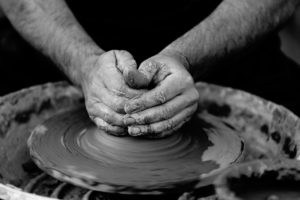
Photo by Quino Al on Unsplash”
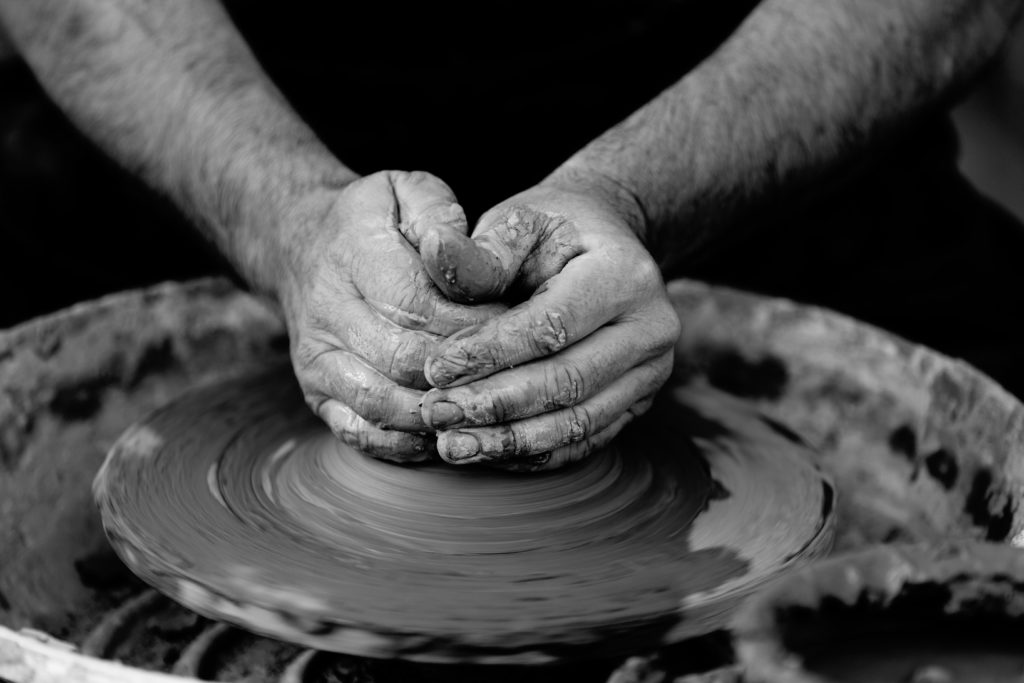
I’ve written before about labels, denial, arguing with what is and pseudo self, all of which ideas intersect with identity. Have you watched a potter at work with clay on a wheel? As they shape a vessel, one hand works inside and one outside. Identity is like that. The tribe we’re born into gives us our earliest sense of identity, and we take our cues from them. If our tribe is critical and we feel unaccepted and unloved, we internalize those voices and viewpoints and give them power in our psyche to mold our identity. At the same time, we go out into the world and our schools, jobs, communities, places of worship and other organizations identify us from the outside.
Years ago I worked with a group of gifted and talented middle and high school students as a school librarian. None of them fit in terribly well with their classmates. A young man I was very fond of was quite lonely, as well as being brilliant, and he said one day he was nothing but the “fat boy.” He was sixteen years old, and seemed resigned to carrying the identity of “fat boy” to the end of his life. I told him, entirely sincerely, that I never thought of him as the “fat boy.” He was obese. Obviously, I noticed. But to me he was a funny, interesting, curious, compassionate, vulnerable human being. His weight concerned me because of the social stigma and quality of his health, but I never thought of him as the “fat boy.”
He could see that I was telling him the truth. I haven’t any idea what happened to him or what he’s been doing all these years, but I’ve always hoped he remembered there was an adult in his life who saw beyond the limitations of “fat boy” and recognized other pieces of his identity and potential. I hope he learned at some point that he didn’t have to settle for a life defined by his weight.
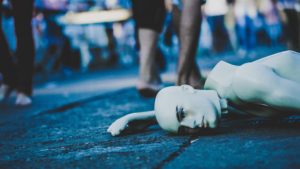
Photo by Edu Lauton on Unsplash
Over the years of my lifetime, more and more people seem to never mature past teenage identity. We build websites, profiles and a social media presence, desperately trying to sell a successful identity for attention, true love, power or money. We are so compulsive about taking selfies that we die doing it. There’s an explosion of people seeking plastic surgery in order to match their digitally-altered pictures. We have the technology to alter hair color, eye color and physical characteristics, and we’re saturated with digitally-altered images on media that keep us firmly convinced we’re unattractive and imperfect as we are. At the same time, we socially reinforce and perpetuate ridiculous gender, racial and ethnic roles, limitations and expectations.
Perfect strangers insist on imposing labels on us, or try to bully us into choosing one label over another. It’s an either-or black-and-white world, and new labels proliferate like maggots in road kill, creating ever-increasing lines of division and arenas for conflict.
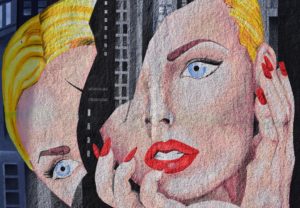
Photo by Chris Barbalis on Unsplash
We are in such a hurry, we’re so overstimulated and anxious to not be left behind and to be validated, we’ve forgotten the simplicity of identity, and we’ve forgotten we don’t owe the world a public explanation or justification of our identity. Having a Facebook or Tinder profile does not constitute an identity. Having feelings and opinions about who we are is not an identity. Our carefully constructed pseudo self is not an identity. Our identity is not maintained and created by what others think, feel or say about us. Identity is not an endpoint, but a journey. Healthy identity is flexible. It adapts and changes as we live our lives. We are not who we wish we were, who we are afraid we are or necessarily who we think we are. We are not exactly who we were yesterday or who we’ll be tomorrow. We’re certainly not necessarily what others tell us we are, or must be, although objective reality always trumps our internal fantasies.
Our identity, like our power, is ours alone. We need not sell it or give it away, and it cannot be stolen from us. On the other hand, we must take responsibility for our own self-sabotage and mental disorders if we seek a healthy identity.
Healthy identity is complex and multi-dimensional. I’ve been daughter, sister, wife and mother, and I’m much more than any of those single roles. I’ve worked several jobs over my lifetime, but I’m more than any of those jobs. I have a physical identity in terms of vital statistics, Caucasian skin, blue eyes and female biology, but none of those markers identify me as completely as the fact that I’m a human being. A healthy identity also accommodates shadows, scars, less-than-useful coping mechanisms and behavior patterns.
My wish simply is to live my life as fully as I can. In both our work and our leisure, I think, we should be so employed. And in our time this means that we must save ourselves from the products that we are asked to buy in order, ultimately, to replace ourselves.”
Wendell Berry, The Art of the Commonplace: The Agrarian Essays
Tech allows us to create superficial fantasies of bright colors and pleasurable images, but those worlds are empty and brittle, like an enticing piece of candy that melts in a minute on our tongue and leaves nothing but the taste of sugar and artificial flavor. We cannot judge identity by houses, gardens, cars, vacations, pets, children, selfies, clothing, jobs or partners. Our possessions, our pictures and our memorabilia are not our identity. Somewhere, under all that stuff, behind all those pictures of success and happiness, apart from our fear and unwillingness to come to terms with our objective reality and our denial, lies the powerful, complex, fascinating, valuable person we really are, and that person longs to be identified and welcomed into life. That person longs to give and receive love, make a valued contribution and live authentically.
I’m interested in the way people self-define and introduce themselves. It always points to either what we ourselves feel is the largest part of our identity or what we think others will value or connect with most readily. This is what lies beneath every dating profile. What do we imagine prospective partners will be most attracted to? What’s the perfect thing to say which will limit unwanted matches and encourage those we imagine might provide whatever we’re looking for? How can we optimize the algorithm and make it work for us?
Sometimes I walk away from meeting a new person feeling overwhelmed and deafened by all the ways they labeled themselves but with no sense of the real human being I just interacted with. Instead of an easy, exploratory, getting-to-know-one-another conversation, I was bludgeoned with political jargon and identifiers, patronized and gratuitously instructed out of some kind of claimed expertise. It feels aggressive, weak and demanding. This is who I am and you will recognize my status, authority and identity! If you don’t apply one of my proud labels to yourself, you should. All the best people do. In any event, my labels are better than yours.
Our identity is not for others, but for ourselves. We’re the ones who need to know who we are, experience our feelings and monitor our thoughts. We’re the ones in charge of our dignity, our sexuality and our choices. We’re the ones responsible for our own integrity. As my hair greys and my fertility wanes, I become more and more physically invisible in the world. At the same time, I’ve never been as strong, as resilient, as wise and as compassionate as I am now. I’ve never loved so well. I’ve never felt so whole or comfortable in my own skin. I have no social media accounts and no cell phone. I don’t use any kind of apps, dating or otherwise. My identity is strong and dynamic, and it’s not for sale or on display. In fact, I’ve always felt being invisible is a great advantage. People who attract no attention are invariably underestimated and overlooked, especially aging female people.
At the end of the day, a life well lived is about being who we are, objective reality included, because everyone else is taken. Fantasy is fun, but real life is where all the juice is.
My daily crime.
“I look like vanilla pudding so nobody knows that on the inside I am spider soup.”
Andrea Portes, Anatomy of a Misfit
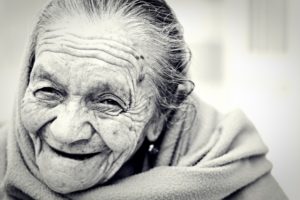
Photo by Cristian Newman on Unsplash
All content on this site ©2018
Jennifer Rose
except where otherwise noted