I recently read an essay about honoring our past from one of the minimalism blogs I follow. I moved on to other things without saving it, but it continued to echo in my mind and I realized it held a deeper meaning for me than I first recognized. Of course, now I can’t find it again! Still, the blog is well worth exploring.
As I embrace minimalism , I spend time every day consciously assessing not only my internal clutter but also the objects around me. I’ve moved things around, put things away to see how my space or life felt without them, and let go of many objects and ideas.
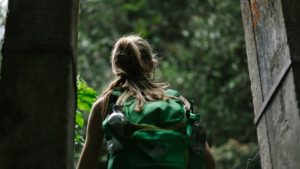
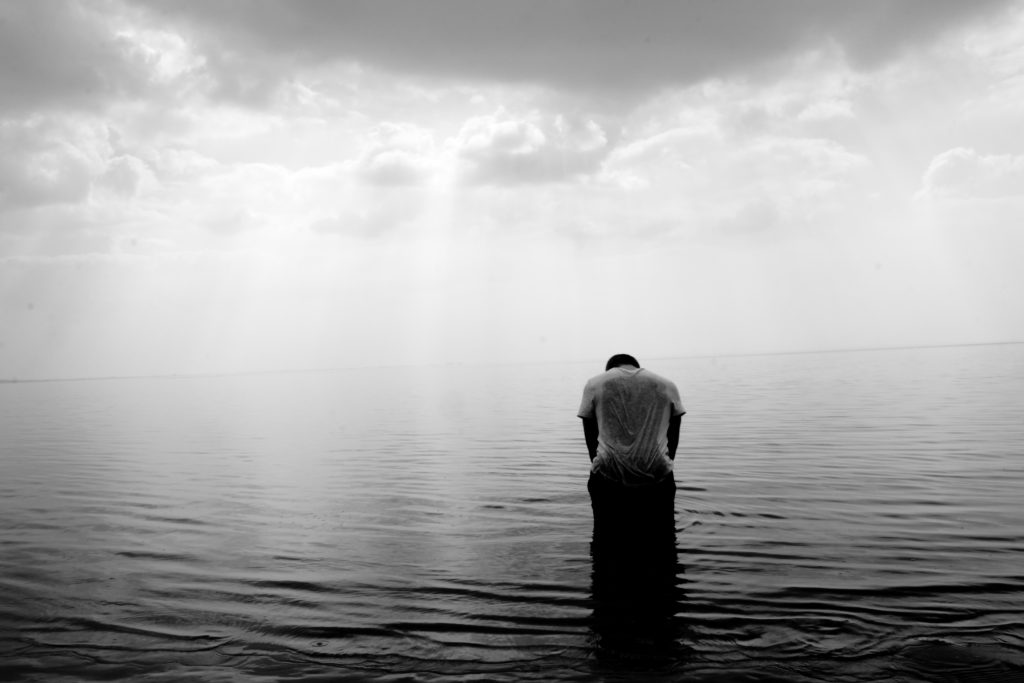
Photo by Dan Gold on Unsplash
We carry a lot of our past around with us. One belief I’ve carried all my life is that it’s disloyal and even hateful to change, to grow, to yearn for more or to leave jobs, relationships or places. That belief (Who taught me that? Why do I believe that? Is that true?) has caused a lot of pain in my life. It’s made me fearful, ashamed and inauthentic. It’s encouraged me to be much less than I am.
The essay I read proposes almost the opposite idea. The author expresses deep gratitude for her past experience and the people who influenced her, and she honors them by going forward into the future.
What a disconcerting idea! At the same time I recognize some kind of truth in it, a truth I don’t discern in my own beliefs about honoring the past.
As a mother, I want to see both my sons being bigger than I am. That doesn’t mean I want to see them with more to have and to do. I want them to have more to be.
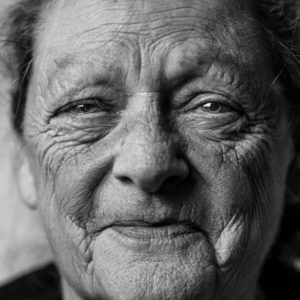
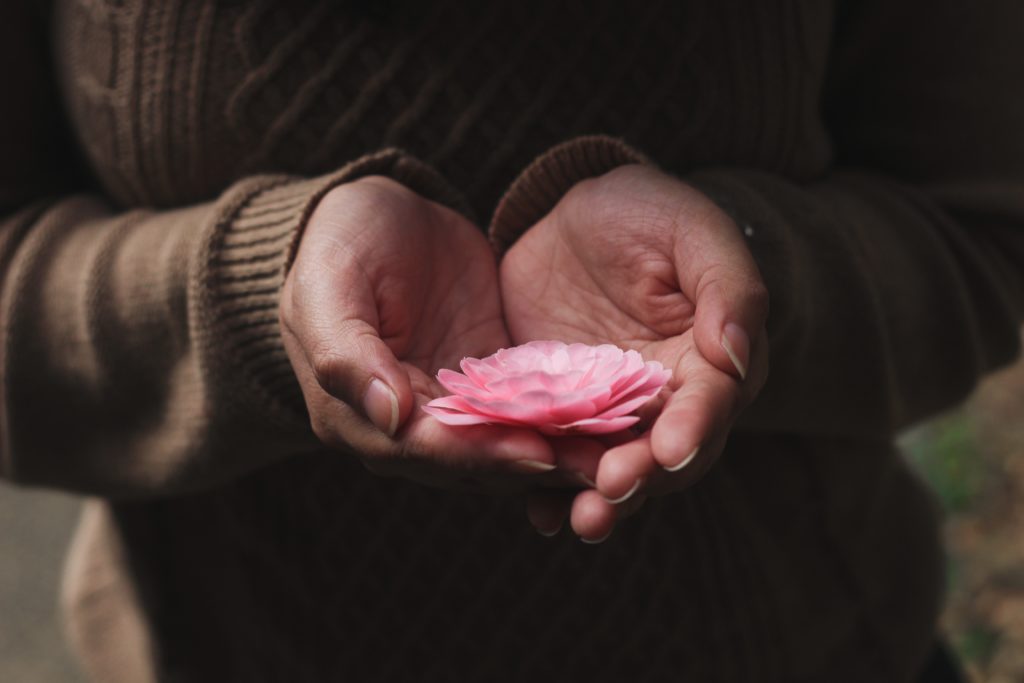
Photo by Bill Williams on Unsplash
I want them to fly free, the memory of our time together and the strength of my love and our connection the wind beneath their wings taking them onward and upward.
Yet I don’t give myself the same permission. I’m not sure I’ve ever taken a big step forward in my own growth, health and understanding without feeling it’s at the expense of someone else’s happiness and well-being. It always seems wrong — a betrayal, an abandonment or a rejection.
When it comes down to a choice between my own needs and the needs and demands of others. I never seem to be able to accommodate both myself and those around me. Until very recently, I’ve inevitably chosen to meet the needs of others rather than my own.
Today is built on all our yesterdays. If I lived in an empty room with nothing in it, my past would still have shaped today. I’d still remember my personal history, my family, my children, old friends and places, beloved animals, old activities and interests. Past loves and influences wouldn’t disappear from my life without my things. Forgotten or remembered, my past would still be with me and within me.
I can’t live in the past, though, any more than I can in the future. I can only live now.
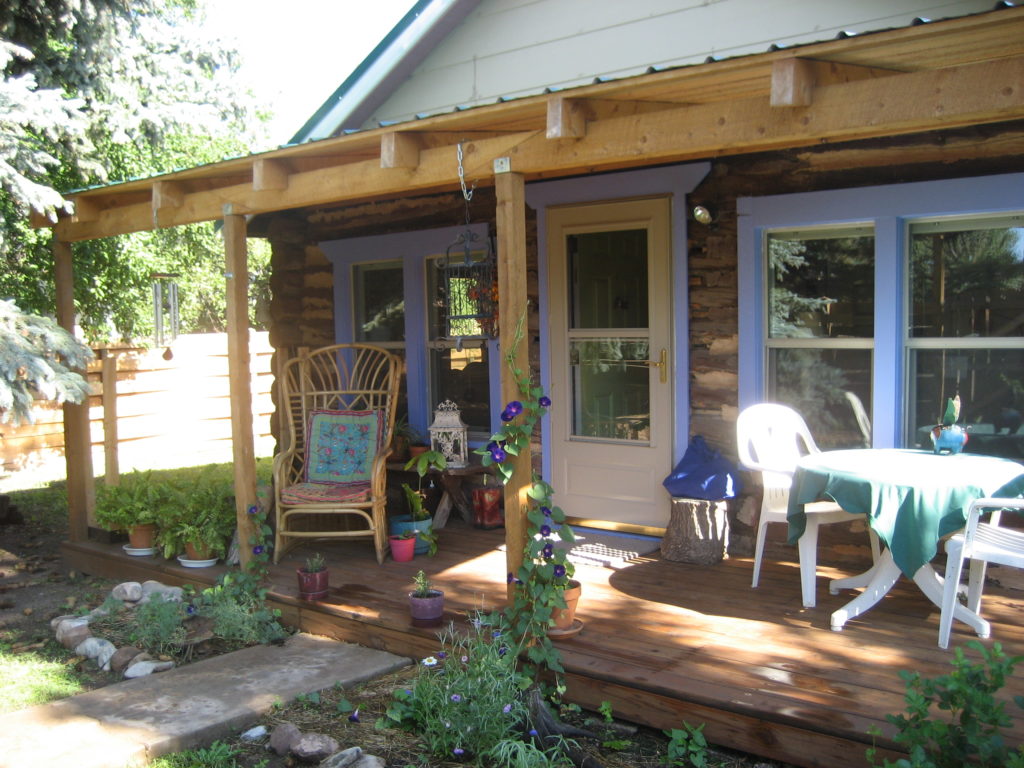
I love this attic workspace, but one day I’ll leave it, as I left my beloved little home in Colorado four and a half years ago. It’s not the lack of love, respect or gratitude moving me into the future. It’s the ebb and flow of my life, the call of possibility, the itch of curiosity. My future self calls out to me, holding out her hands in encouragement, and I must answer the call.
Maybe our cultural obsession with things is about fear, or greed, or numbness or nostalgia. Maybe it’s about all those and others, too. I don’t know. But the idea that the best way to honor the past is to be fully in the present and consent to move ahead into the future seems blessedly simple, uncomplicated and unencumbered.
I’ve always longed for security. I’ve longed for relationships that don’t change, love and tenderness I can count on, the ability to give and receive promises and vows that never break.
I’ve also longed to be wild and free, to live a life that feels real and true, to be with others who both give and receive unconditional love and don’t seek power over those around them.
Objects will give me neither security nor freedom. Today I have a few favorite things I wear, use or live with. Some are new favorites and some are old favorites, handed down from my family.
Everything else is just stuff that’s here. I don’t really notice it unless I think about it, but I don’t need all these things and they’re weighing me down. A year from now my current favorites might no longer serve and I’ll let them go in turn.
As I write about it, this process sounds healthy, normal and natural. As I do it, guilt and shame tear at me. It seems to me that even growing up was hurtful; a deliberate betrayal and abandonment of my family. The least I can do is hang on to all the objects inherited or gifted by earlier generations.
But why? Does hanging on to such things really demonstrate love, respect or gratitude? Would my great-great grandmother expect me to cherish and care for something that belonged to her but has no meaning for me? If she did expect it, are her expectations more important than my wants and desires? Would she want me to make my life a shrine to her memory or go forward into my own life and follow my own path? What honors the memory of our ancestors the best?
Honoring the past by moving toward the future. Could it be that clean and easy? Could it be that elegant? If I live a life of meaning and purpose that does not include reverence for every object, tradition and idea I was brought up with or exposed to, are the ghosts of my past pleased or will they turn away and disown me?
Maybe it doesn’t matter. I know what I need to do.
Once I lived with an avid outdoorsman who fished and hunted. He frequently spent his weekends camping during spring, summer and fall. I knew how much pleasure he took in this time away from the rest of his life, and always saw him off with some variation of “Have a great time.”
It never failed to make him mad.
He said it “put pressure” on him when people wished him well.
I felt both dumbfounded and amused by his attitude. I couldn’t imagine feeling insulted because someone who loves you wishes you a great time.
I’ve been remembering that man this week because I’ve been thinking about giving and receiving blessings.
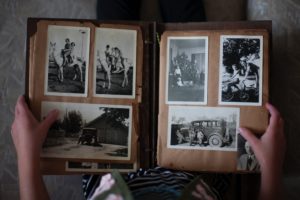
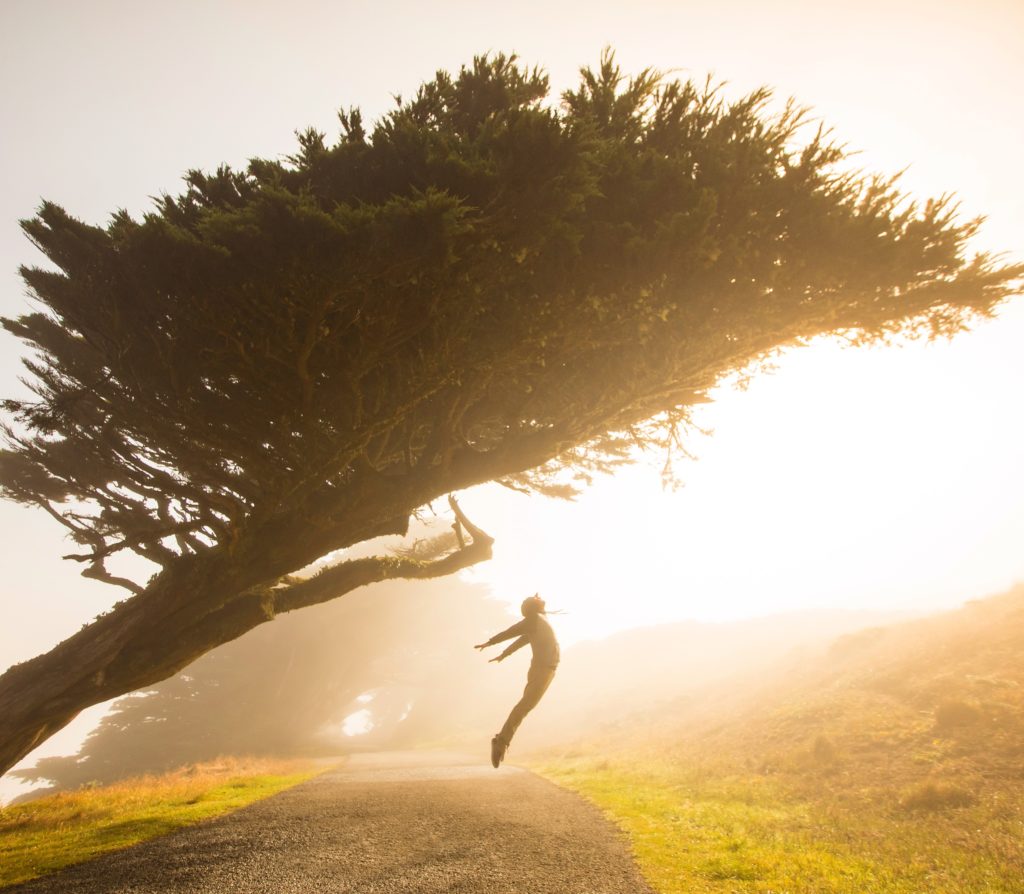
Photo by Chris Ensey on Unsplash
Traditionally a blessing was an important social exchange. If one was lucky enough to meet an incognito god or goddess on the flanks of Mount Olympus or in some other lonely place and received their blessing, they were broken open to receive it fully, their deepest and most private hopes, fears and pain exposed. It took courage, strength and humility to receive such a gift.
The poet David Whyte suggests we must make ourselves large for the exchange of blessings. To give such a favor is an act of generosity. To receive it is an act of growth. In the last several days I’ve thought a lot about making oneself big enough for blessings. I’ve remembered specific words and ways in which I’ve blessed others, including the simple blessing of my love.
Sometimes I’ve felt the love I gave another in words and actions was recognized, appreciated and fully received. Other times I have not, and I’ve always made that about me. My love was unwelcome and had no value. Now I wonder, though. Perhaps it wasn’t me at all. Perhaps they were not big enough in that moment to accept my blessing.
That thought leads me inexorably to wondering how many times I have not been big enough to receive a blessing from someone else. I’m forced to admit there have been plenty of times; probably many more than I’m aware of.
Am I big enough to be loved hugely, or receive a large sum of money or have my creative hopes realized?
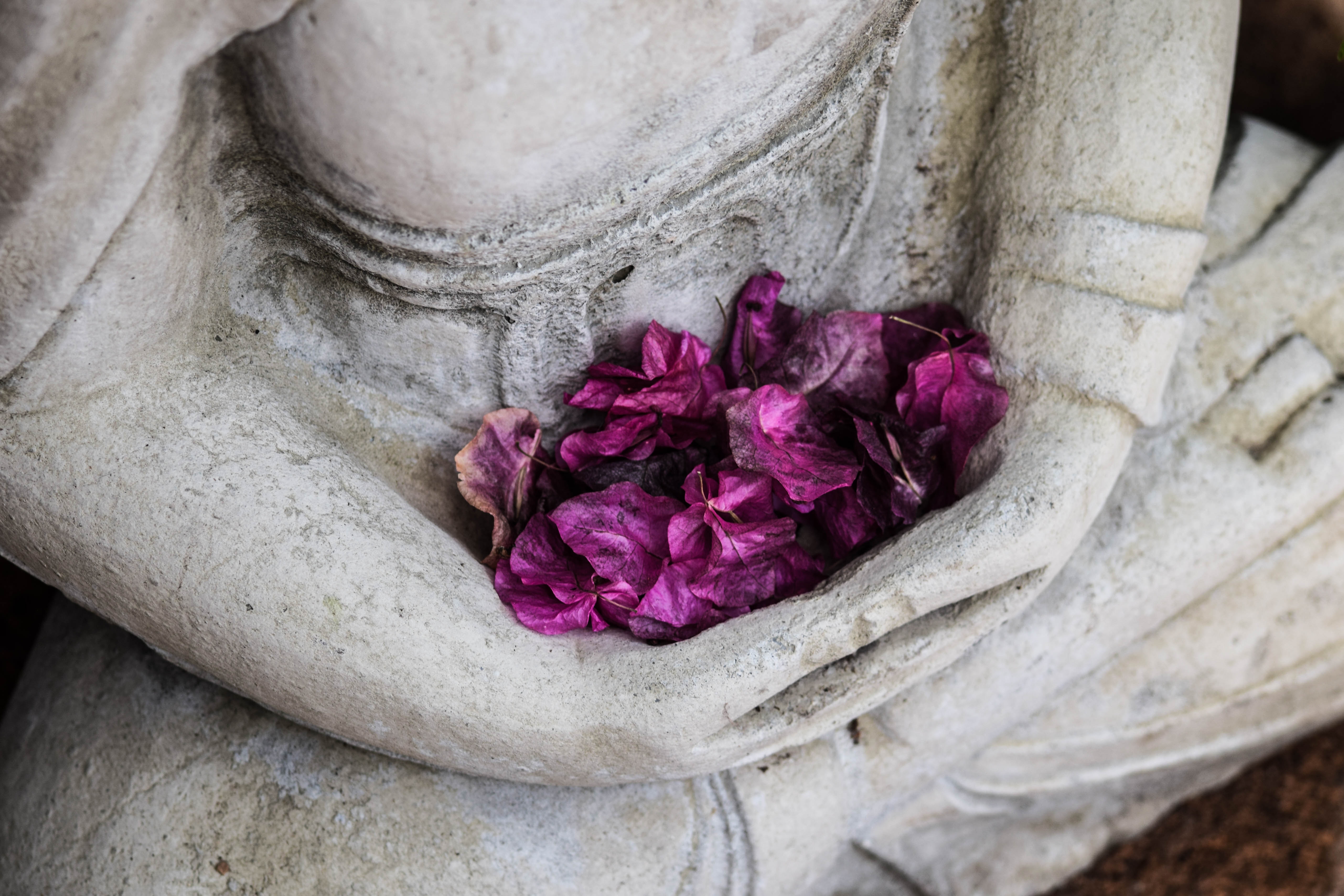
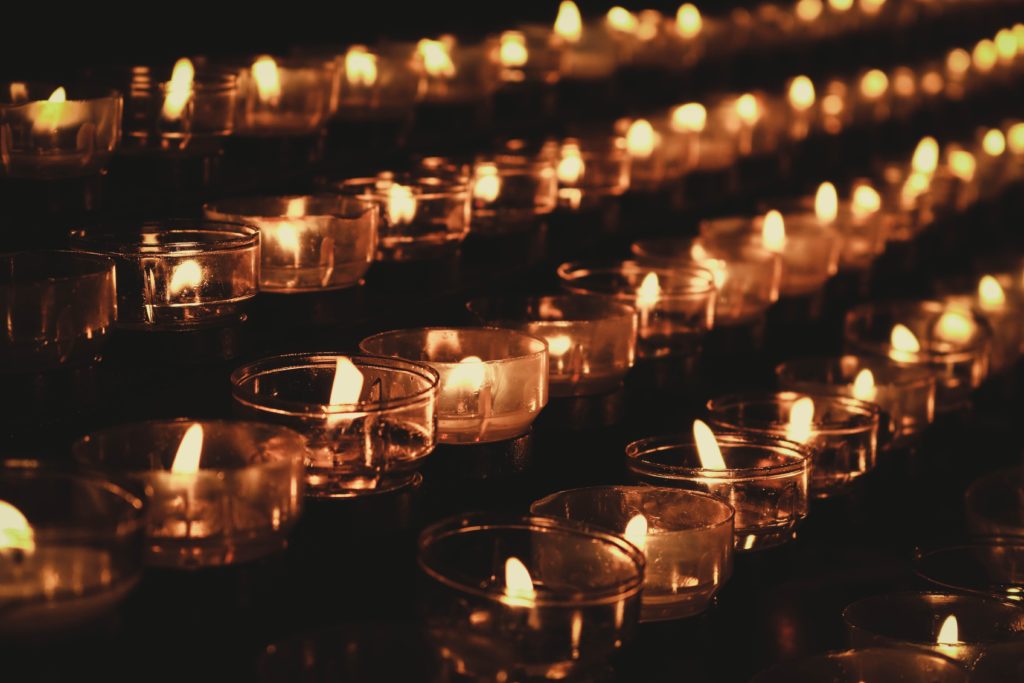
Photo by Joshua Earle on Unsplash
I’m not sure I am. I’m big enough to be loved moderately, but hugely? No, that feels like too much. I can feel myself tensing, rounding, drawing my knees up and wrapping my arms around my body as I imagine someone trying to give me huge love. I’m not worth that. I’ll be sure to disappoint. They’ve mistaken me for someone else.
I’m too small for such abundance. I choose to be too small. I’m afraid to stand up straight, open my arms and heart wide, and accept huge love. I choose to limit what comes in. I’m afraid of the pain of being broken open. I can make myself bigger in spite of my fear, but I usually don’t in order to accommodate a blessing.
Therefore, I impoverish myself. I have people around me who love me. Perhaps they love me as deeply as I love, and they long for me to receive it as I long for my love to be received, but my own inability to be large enough to allow their blessing into my life makes the energy of their love impotent and weakens our connection. My fear and choice to be small, hard and rigid, like a rolled-up porcupine, not only limit me; they limit others as well.
My most frequent prayer on behalf of others is that they might experience the greatest good. I use that specific language because I know I don’t know what the greatest good is for any of us. Sometimes what we want the most in life is not in our best interests. Sometimes the hardest experiences are the most useful to us. Sometimes what we long for is what we most need. I don’t know. I’m not big enough to know. I can’t see far enough down the road to judge the value in any experience. All I can say, along with everyone else, is what feels pleasant and what feels uncomfortable to me in the moment.
Oxford online dictionary defines blessing as “a beneficial thing for which one is grateful; something that brings well-being; a person’s sanction or support.” We all can make a list of crises in our lives that later turned out to be blessings in disguise. Maybe it’s all a blessing – each breath, each heartbeat, each tear, each drop of blood and sweat, each moment, each life and death. Gratitude is a practice encompassing all our experience.
Photo by Ester Marie Doysabas on Unsplash
To receive a blessing is to allow an expression of support, affection and maybe even love touch us. It’s an act of trust in the intention of the one who blesses us, as well as faith in our own worth. We need one another in this life, and healthy reciprocity makes connections stronger. It’s not enough to be the strong one who maintains safety by extending love and support while accepting none; we must also be willing to be down and out, to be lost and confused, and to receive help and encouragement in our turn.
Last weekend two friends and my partner helped me empty out my flooded storage unit, chip ice, sweep water, put down pallets (transported in my friends’ truck), and put everything back again. We were ankle-deep in mud, slipped and slid on ice and splashed around in water as we worked. It needed to be done and I wanted to do it. I know I needed help. Yet from the beginning I was blocking the support and caring around me. I fussed about my friends using their Saturday to undertake such a messy job. I felt bad about using their truck. I was worried somebody would hurt their back heaving my wet mattress and box springs around. At the same time, I was deeply touched and uncomfortable because I could feel their caring and concern and I didn’t know how to take it gracefully. I wanted to be big enough to accept friendship and love from these dear ones, but it was really hard. I know, however, I’m not good at receiving and I want to be better. I also know, had our positions been reversed, I would have greatly enjoyed helping out a friend on a windy spring Saturday morning.
I endured my discomfort. Now that it’s done, what I will remember is not what was damaged and lost, or even the mess. What I’ll remember is the four of us tackled a necessary job, worked together and had a good time doing it.
Photo by Juan Pablo Rodriguez on Unsplash
It was a blessing. I stretched as wide as I could to receive it.
I need more practice.
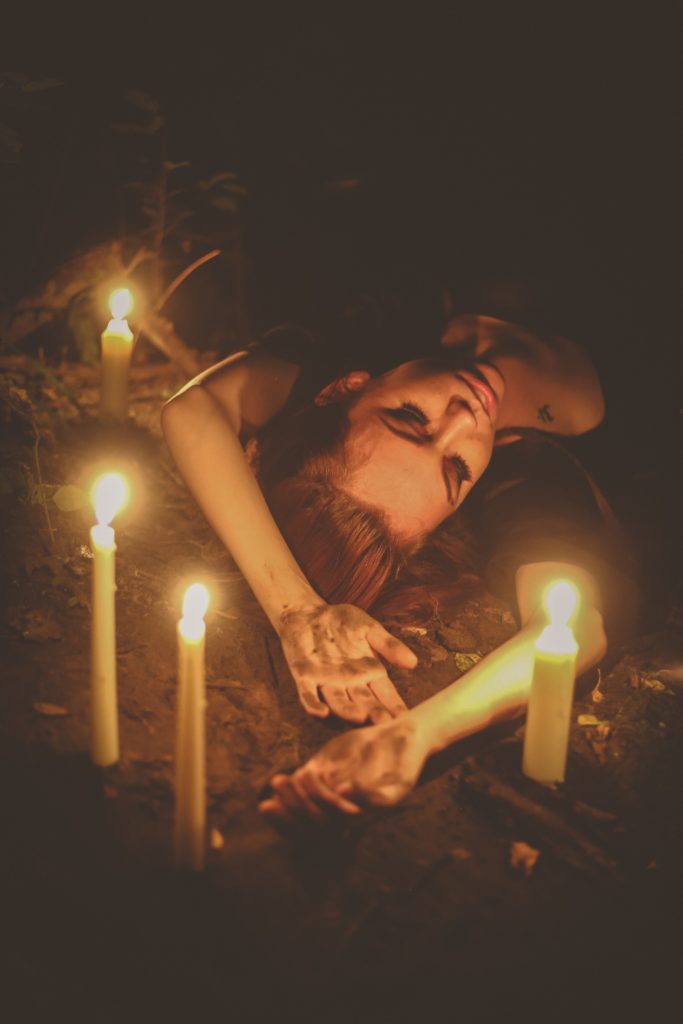
When I tell someone I love them, or wish them a great day, or the greatest good, I mean it. It’s not just words. My heart is in it. When I light a candle and reach out with all I am to a loved one who is far away, I’m offering the best I am as a blessing, a candle in dark times, a comfort in distress. I want the gift of my love and support to be received and used.
Probably the best place to start is to learn to receive with more grace myself, to expand, and to humbly accept whatever blessings come my way, whether plainly visible or in disguise.
Have a great day, readers. Greatest good to you. Blessings.
I came across a poem by Ursula K. LeGuin (see below) and found it beautiful and timely. The wheel of cycles and seasons has swung around to the resurrection of light once more, and we wish one another a happy new year, each of us with our own hopes and fears for the months ahead.
For much of my life, I equated love with protection. When I became a parent, the vulnerability of my sons added exponentially to my own. In common with many parents, I struggled fiercely to protect them through infancy, childhood and beyond. Naturally, we protect others from what we ourselves most fear. In my case these fears include pain, loss, addiction, abuse and abandonment. I tried to shield my children from those people and experiences that hurt me, lest they be hurt in the same ways.
Photo by Nicole Mason on Unsplash
Certainly, in the case of small children, animals and others who have no voice or are unable to use it, protection can be an act of love, but I’ve thought for some time now that we carry it too far, especially when we seek to “protect” our perfectly capable adult children, partners and friends. At some point our impulse to protect others becomes selfish. We do not want to bear witness to a loved one’s pain, let alone our own. We do not welcome the responsibility of telling the truth. Protection becomes a pathological means of disempowering others and binding them to us because we don’t want to be alone or the independence of our loved ones threatens us.
To be over-protected is to be without the freedom to develop confidence in our own good sense, strength and courage. We’re never allowed to stumble and fall and we don’t have to figure out how to comfort ourselves, clean our scraped knees and move forward. We over-protect out of fear or control, not love, and our constant vigilance of our loved one or loved ones teaches them fear as well. Fear makes our lives smaller, not bigger.
This new year, I don’t wish you photoshopped health, prosperity and happiness, and I don’t have a list of resolutions I hope will lead me to those things, either.
This year, I wish us each the ability to stand in our own power.
May we learn to love our bodies as they are. May we live joyfully in our skin. Let us teach our bodies new things and work with them to become as strong and healthy as we can. May we allow our bodies to be and to change.
This year, may we make mistakes. May we become lost and confused, and then find our way again. May we find out we’re wrong, and tell everyone. May we be vulnerable, get hurt and heal ourselves.
May we wander far from home without a map and walk a thousand miles, exploring new places and ideas. May we listen to a different kind of music and read a different kind of book. May we do something we’re afraid of.
Photo by yatharth roy vibhakar on Unsplash
Let the new year bring us laughter that makes our bellies ache and tears that fall like warm rain on our anguish. Let us fall head over heels in love with something or someone as though it’s the first time we’ve ever done it and we just know it will all be perfect. Let us make friends with our rage and give it something productive to do. Let us tell someone about our deepest shame.
May we know loneliness, boredom, disappointment and humiliation, and balance them with companionship, engagement, satisfaction and validation.
Photo by Miranda Wipperfurth on Unsplash
May we risk, dare and dream. May we learn to believe in ourselves. Let us burn our candle at both ends. Let us wear ourselves out with living. May we hear our lives whisper and speak our own truths. Let us learn and grow. Let us allow ourselves to be seen and rejected.
May we long for a home, find one, make one and lose it. May we make another and choose to walk away from it. May we learn how to come home to ourselves no matter where we are or who we’re with.
May we let go of our protection. Let us tear ourselves away from it. Let us outgrow it. May we feel what we feel with every cell of our body. May we make our thoughts, emotions, curiosity and creativity big and hold nothing back.
Go out into the sun flood of your life, my friends, my sons, my family, and know that I hold you in my heart. Know that I believe in you. Know that I neither ask for your protection nor seek to protect you, for none of us need it and love is bigger than that.
Go out from me into the new year, dear ones, and if you choose to return, please bring strange things.
Please bring strange things. Please come bringing new things. Let very old things come into your hands. Let what you do not know come into your eyes. Let desert sand harden your feet. Let the arch of your feet be the mountains. Let the paths of your fingertips be your maps and the ways you go be the lines on your palms. Let there be deep snow in your inbreathing and your outbreath be the shining of ice. May your mouth contain the shapes of strange words. May you smell food cooking you have not eaten. May the spring of a foreign river be your navel. May your soul be at home where there are no houses. Walk carefully, well loved one, walk mindfully, well loved one, walk fearlessly, well loved one. Return with us, return to us, be always coming home.
What does it mean to make a home? I wonder if it means something different to everyone, or if we have a common vision.
All my adult life homemaking has been a top priority, not so much for myself, but for others. Creating home has been my labor of love and one of my greatest contributions to relationship. Few things give me as much satisfaction as establishing a place of peace, beauty, security and clean, well-ordered efficiency in which to relax, play, share life and be intimate. In the past I didn’t count the cost in emotional labor, physical labor, time or energy. I didn’t expect reciprocity. I only wanted to be allowed to make the offering of a home.
It never occurred to me the enormous gift of creating a home would be largely invisible and mostly unappreciated.
My disillusionment was gradual. I realized one day cleaning the bathroom meant nothing to those I was sharing it with. It gave me a lot of satisfaction, but was rarely even noticed by others. That was the first time I grasped I wasn’t going to get thanked or validated for cleaning. If I wanted to clean, I needed to make sure I was doing it for myself and have no expectations that anyone else would pay attention.
I was on my own with the cleaning thing.
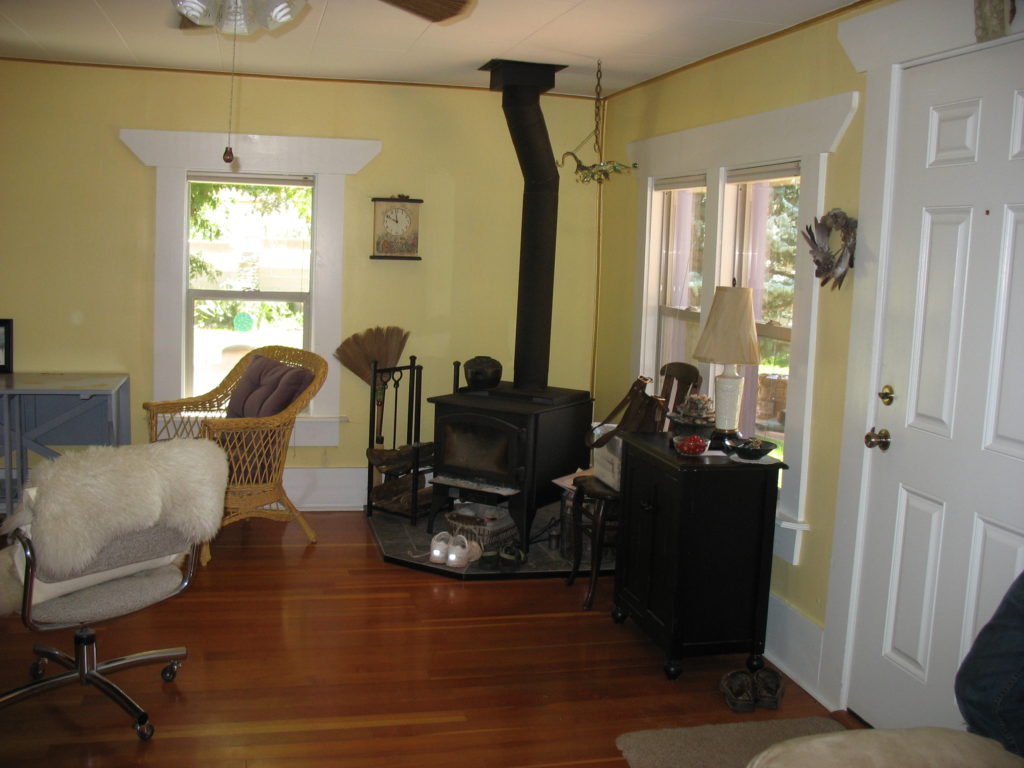
I was also on my own in evaluating a new home for ease of maintenance and housekeeping as well as suitability for pets and kids. I was the one who thought about clotheslines and their proximity to laundry facilities; flooring in entryways, bathrooms and kitchens; and outside and inside wood storage for the woodstove. I was the one who thought about how to deal with trash and recycling and where to put the litter box and store the dog food.
Not every woman is a natural homemaker. I think many perform as such because nobody else will and the culture expects it of them. I’ve always loved that kind of work, even knowing it’s unpaid and undervalued in the larger world. I assumed, in my innocence, that homemaking was an investment in a healthy and happy family, and that was the only payback I needed.
Photo by Mar Newhall on Unsplash
The thing about being young is we can’t imagine how decades of unappreciated and invisible work and support grind us down and polish a thick shell of cynicism. It turns out I did want some degree of appreciation and acknowledgement from my family for making a home. I couldn’t pull off the perfect wife/mother/housekeeping role with a clean white apron and endlessly abundant nurture, energy, patience, organization and efficiency with no return. I especially couldn’t do it while working outside the home, going to school and single parenting.
Fulfilling cultural expectations turned out not to be very fulfilling, after all.
Eventually I found myself alone. Children grown and gone, a file folder labeled ‘Divorce’, and freedom to make a home solely for myself at last. Complete and total control. Bliss! I had a wonderful time giving myself exactly the kind of home I’d always dreamed of. All my efforts were on my own behalf. I didn’t care what anyone else thought and I didn’t need anyone to appreciate the home I made for myself. Housekeeping was uncomplicated, easy and filled with joy.
I concluded homemaking wasn’t, after all, a gift, a talent or an adequate offering. It didn’t translate as a declaration of love, support and commitment. My loved ones didn’t value my contribution. It was a meaningless use of my time and energy and put me in the vulnerable position of looking for validation and appreciation from others.
I felt like a fool, and it made me bitter. I promised myself never again would I try to make a home for anyone but myself.
I never imagined, even as a teenager, anyone would make a home for me. I wasn’t that naïve!
Photo by Vanessa von Wieding on Unsplash
Here in the tarnished and somber season of late fall and lengthening nights an amazing thing has happened.
I noticed it when I began coming home in the dark after work. My partner leaves lights on for me so I can easily negotiate backing into the driveway and navigate the steep cellar stairs. When I open the door at the top of the steps and enter the kitchen, the dishes are done. The house is warm and the wood stove glowing in the living room. The cat is fed. The kitchen smells of beef stew, chicken soup or baking.
Home. My home, but this time not created solely by me for someone else. This home is a collaboration, and it’s incomplete without me. I’m not invisible. My presence has worth. After all these years, all the meals and baking, all the housework and candles and welcoming lights in windows, the clean clothes, the fresh beds, the cared-for animals, the countless cords of wood for various stoves, all that invisible and unnoticed love, I’m reaping a late harvest.
Someone makes a home for me now, and waits for me to return, not to maintain it but to be part of it.
At the end of my workday, I’m actually at the end of my workday. I don’t have to unload the car, fumble my way into a dark house, turn on lights, get the woodstove going, make a meal, take care of pets and/or kids and/or adults, shut curtains and lock doors. My partner doesn’t meet me at the door with roses, wine and sweet talk. He gives me far more enduring and authentic gifts of a place and relationship to come home to. I discover those offerings are every bit as worthy as I imagined when I was a newly-married 21-year-old. All my work over the years was real. It was valuable. It was loving and important. It was a beautiful contribution. The fact that no one noticed or appreciated the home I made for them did not, after all, define the value of my intention.
I suppose it’s just one of life’s little ironies that now, at this late date when I’ve completely given up expectations and fantasies that others will perceive homemaking as an expression of love worthy of acknowledgement, someone in my life finally gives back to me what I’ve given in such abundance to others.
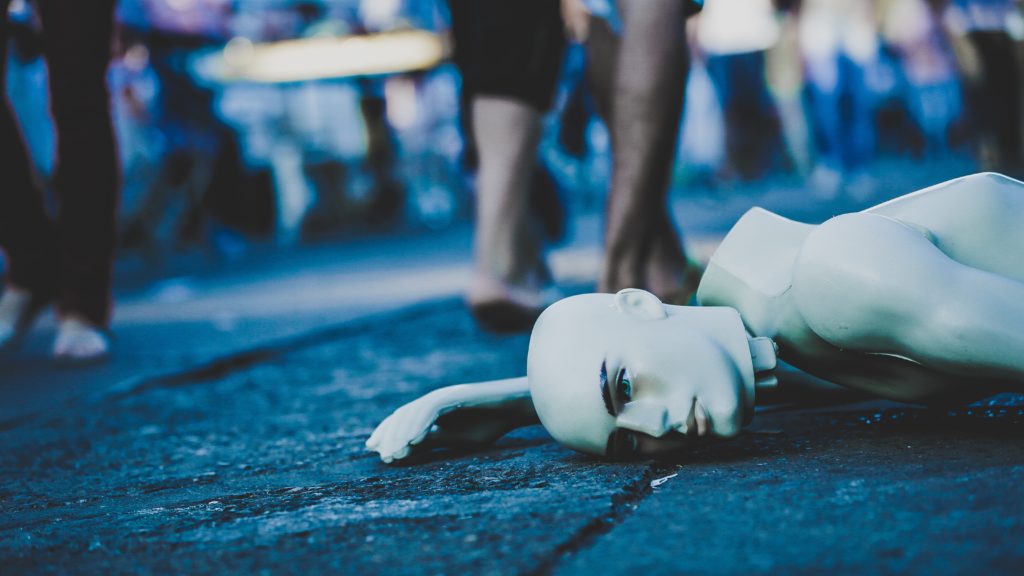
Identity is everywhere. Identity theft, identity politics, job applications, and social media profiles confront us at every turn. We are constantly being commanded to prove our identity, not only formally, as in logging on to our bank accounts, but socially, in order to justify our existence, our beliefs and our values.
Technology has created new challenges in the way we talk about, understand and shape our identity. AI is no longer a piece of science fiction, and evidence grows regarding websites, social media trolls and other online entities that successfully manipulate, divide and interfere with social discourse, information and opinion.
We are woefully easy targets.
Photo by Roderico Y. Díaz on Unsplash
Merriam-Webster online defines identity as “sameness in all that constitutes the objective reality of a thing; the distinguishing character or personality of an individual.” The online Free Dictionary says identity is “the set of characteristics by which a person or thing is definitively recognizable or known; the awareness that an individual or group has of being a distinct, persisting entity.”
Objective reality. The term objective means “(of a person or their judgment) not influenced by personal feelings or opinions in considering and representing facts.” (Oxford Dictionary; emphasis mine.) This means a purple-polka-dotted snake cannot claim the identity of a green-striped zebra, no matter how indignantly and vociferously it insists it feels like one. Personality disorders are recognized as such because those who suffer from them are not always dealing with objective reality. A purple-polka-dotted snake who wants to be a green-striped zebra is divided tragically from itself and others, not only other purple-polka-dotted snakes, but all others, because it persists in trying to behave and be accepted as something it’s not, ultimately self-destructing.
Photo by Quino Al on Unsplash”
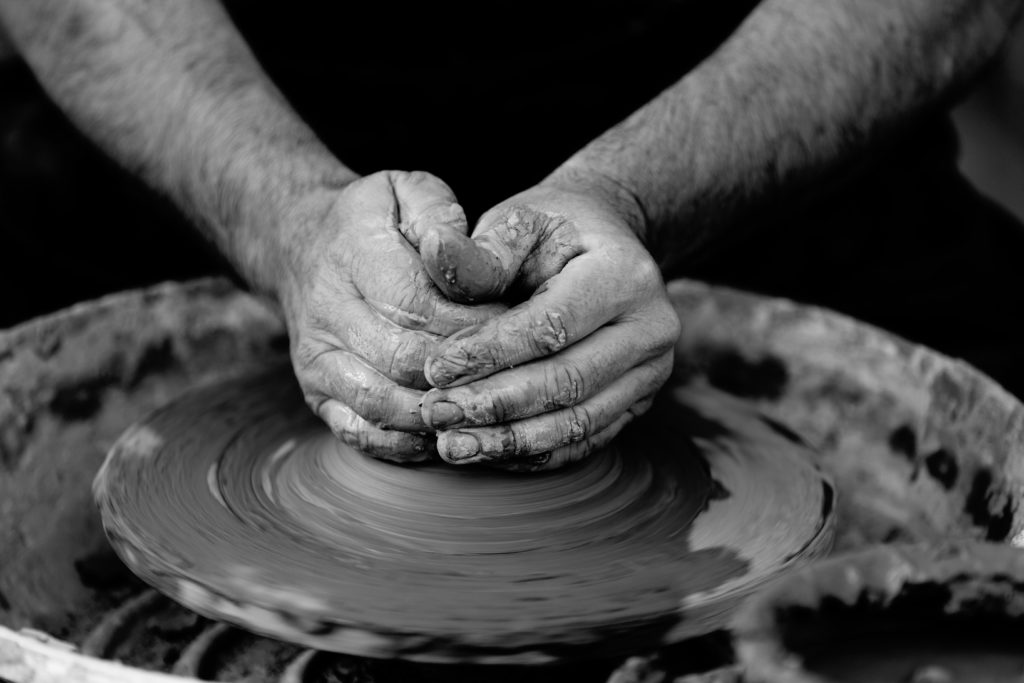
I’ve written before about labels, denial, arguing with what is and pseudo self, all of which ideas intersect with identity. Have you watched a potter at work with clay on a wheel? As they shape a vessel, one hand works inside and one outside. Identity is like that. The tribe we’re born into gives us our earliest sense of identity, and we take our cues from them. If our tribe is critical and we feel unaccepted and unloved, we internalize those voices and viewpoints and give them power in our psyche to mold our identity. At the same time, we go out into the world and our schools, jobs, communities, places of worship and other organizations identify us from the outside.
Years ago I worked with a group of gifted and talented middle and high school students as a school librarian. None of them fit in terribly well with their classmates. A young man I was very fond of was quite lonely, as well as being brilliant, and he said one day he was nothing but the “fat boy.” He was sixteen years old, and seemed resigned to carrying the identity of “fat boy” to the end of his life. I told him, entirely sincerely, that I never thought of him as the “fat boy.” He was obese. Obviously, I noticed. But to me he was a funny, interesting, curious, compassionate, vulnerable human being. His weight concerned me because of the social stigma and quality of his health, but I never thought of him as the “fat boy.”
He could see that I was telling him the truth. I haven’t any idea what happened to him or what he’s been doing all these years, but I’ve always hoped he remembered there was an adult in his life who saw beyond the limitations of “fat boy” and recognized other pieces of his identity and potential. I hope he learned at some point that he didn’t have to settle for a life defined by his weight.
Photo by Edu Lauton on Unsplash
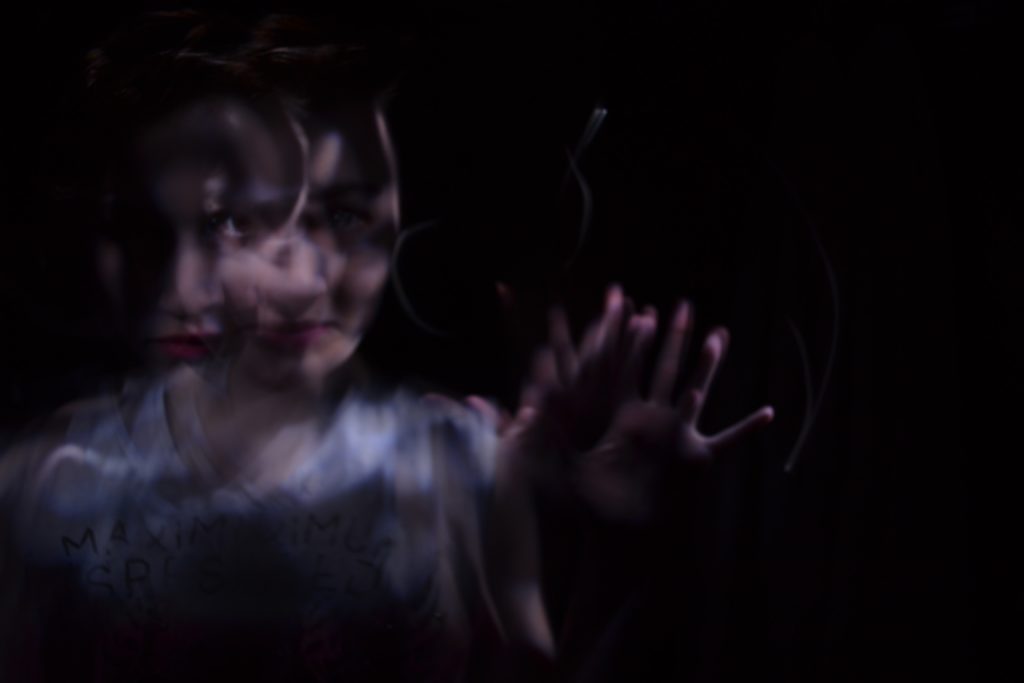
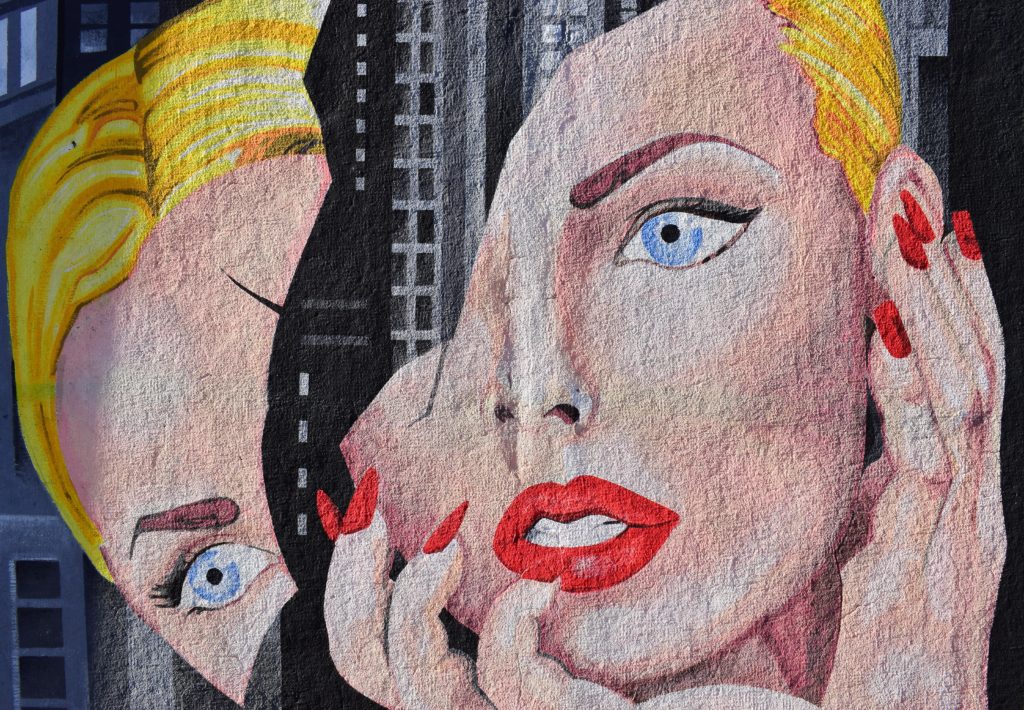
Over the years of my lifetime, more and more people seem to never mature past teenage identity. We build websites, profiles and a social media presence, desperately trying to sell a successful identity for attention, true love, power or money. We are so compulsive about taking selfies that we die doing it. There’s an explosion of people seeking plastic surgery in order to match their digitally-altered pictures. We have the technology to alter hair color, eye color and physical characteristics, and we’re saturated with digitally-altered images on media that keep us firmly convinced we’re unattractive and imperfect as we are. At the same time, we socially reinforce and perpetuate ridiculous gender, racial and ethnic roles, limitations and expectations.
Perfect strangers insist on imposing labels on us, or try to bully us into choosing one label over another. It’s an either-or black-and-white world, and new labels proliferate like maggots in road kill, creating ever-increasing lines of division and arenas for conflict.
Photo by Chris Barbalis on Unsplash
We are in such a hurry, we’re so overstimulated and anxious to not be left behind and to be validated, we’ve forgotten the simplicity of identity, and we’ve forgotten we don’t owe the world a public explanation or justification of our identity. Having a Facebook or Tinder profile does not constitute an identity. Having feelings and opinions about who we are is not an identity. Our carefully constructed pseudo self is not an identity. Our identity is not maintained and created by what others think, feel or say about us. Identity is not an endpoint, but a journey. Healthy identity is flexible. It adapts and changes as we live our lives. We are not who we wish we were, who we are afraid we are or necessarily who we think we are. We are not exactly who we were yesterday or who we’ll be tomorrow. We’re certainly not necessarily what others tell us we are, or must be, although objective reality always trumps our internal fantasies.
Our identity, like our power, is ours alone. We need not sell it or give it away, and it cannot be stolen from us. On the other hand, we must take responsibility for our own self-sabotage and mental disorders if we seek a healthy identity.
Healthy identity is complex and multi-dimensional. I’ve been daughter, sister, wife and mother, and I’m much more than any of those single roles. I’ve worked several jobs over my lifetime, but I’m more than any of those jobs. I have a physical identity in terms of vital statistics, Caucasian skin, blue eyes and female biology, but none of those markers identify me as completely as the fact that I’m a human being. A healthy identity also accommodates shadows, scars, less-than-useful coping mechanisms and behavior patterns.
My wish simply is to live my life as fully as I can. In both our work and our leisure, I think, we should be so employed. And in our time this means that we must save ourselves from the products that we are asked to buy in order, ultimately, to replace ourselves.” Wendell Berry, The Art of the Commonplace: The Agrarian Essays
Tech allows us to create superficial fantasies of bright colors and pleasurable images, but those worlds are empty and brittle, like an enticing piece of candy that melts in a minute on our tongue and leaves nothing but the taste of sugar and artificial flavor. We cannot judge identity by houses, gardens, cars, vacations, pets, children, selfies, clothing, jobs or partners. Our possessions, our pictures and our memorabilia are not our identity. Somewhere, under all that stuff, behind all those pictures of success and happiness, apart from our fear and unwillingness to come to terms with our objective reality and our denial, lies the powerful, complex, fascinating, valuable person we really are, and that person longs to be identified and welcomed into life. That person longs to give and receive love, make a valued contribution and live authentically.
I’m interested in the way people self-define and introduce themselves. It always points to either what we ourselves feel is the largest part of our identity or what we think others will value or connect with most readily. This is what lies beneath every dating profile. What do we imagine prospective partners will be most attracted to? What’s the perfect thing to say which will limit unwanted matches and encourage those we imagine might provide whatever we’re looking for? How can we optimize the algorithm and make it work for us?
Sometimes I walk away from meeting a new person feeling overwhelmed and deafened by all the ways they labeled themselves but with no sense of the real human being I just interacted with. Instead of an easy, exploratory, getting-to-know-one-another conversation, I was bludgeoned with political jargon and identifiers, patronized and gratuitously instructed out of some kind of claimed expertise. It feels aggressive, weak and demanding. This is who I am and you will recognize my status, authority and identity! If you don’t apply one of my proud labels to yourself, you should. All the best people do. In any event, my labels are better than yours.
Our identity is not for others, but for ourselves. We’re the ones who need to know who we are, experience our feelings and monitor our thoughts. We’re the ones in charge of our dignity, our sexuality and our choices. We’re the ones responsible for our own integrity. As my hair greys and my fertility wanes, I become more and more physically invisible in the world. At the same time, I’ve never been as strong, as resilient, as wise and as compassionate as I am now. I’ve never loved so well. I’ve never felt so whole or comfortable in my own skin. I have no social media accounts and no cell phone. I don’t use any kind of apps, dating or otherwise. My identity is strong and dynamic, and it’s not for sale or on display. In fact, I’ve always felt being invisible is a great advantage. People who attract no attention are invariably underestimated and overlooked, especially aging female people.
At the end of the day, a life well lived is about being who we are, objective reality included, because everyone else is taken. Fantasy is fun, but real life is where all the juice is.
My daily crime.
“I look like vanilla pudding so nobody knows that on the inside I am spider soup.” Andrea Portes, Anatomy of a Misfit
Websites store cookies to enhance functionality and personalise your experience. You can manage your preferences, but blocking some cookies may impact site performance and services.
Essential cookies enable basic functions and are necessary for the proper function of the website.
Name
Description
Duration
Cookie Preferences
This cookie is used to store the user's cookie consent preferences.
30 days
These cookies are needed for adding comments on this website.
Name
Description
Duration
comment_author
Used to track the user across multiple sessions.
Session
comment_author_email
Used to track the user across multiple sessions.
Session
comment_author_url
Used to track the user across multiple sessions.
Session
Statistics cookies collect information anonymously. This information helps us understand how visitors use our website.
Google Analytics is a powerful tool that tracks and analyzes website traffic for informed marketing decisions.
ID used to identify users for 24 hours after last activity
24 hours
_gat
Used to monitor number of Google Analytics server requests when using Google Tag Manager
1 minute
_gac_
Contains information related to marketing campaigns of the user. These are shared with Google AdWords / Google Ads when the Google Ads and Google Analytics accounts are linked together.
90 days
__utma
ID used to identify users and sessions
2 years after last activity
__utmt
Used to monitor number of Google Analytics server requests
10 minutes
__utmb
Used to distinguish new sessions and visits. This cookie is set when the GA.js javascript library is loaded and there is no existing __utmb cookie. The cookie is updated every time data is sent to the Google Analytics server.
30 minutes after last activity
__utmc
Used only with old Urchin versions of Google Analytics and not with GA.js. Was used to distinguish between new sessions and visits at the end of a session.
End of session (browser)
__utmz
Contains information about the traffic source or campaign that directed user to the website. The cookie is set when the GA.js javascript is loaded and updated when data is sent to the Google Anaytics server
6 months after last activity
__utmv
Contains custom information set by the web developer via the _setCustomVar method in Google Analytics. This cookie is updated every time new data is sent to the Google Analytics server.
2 years after last activity
__utmx
Used to determine whether a user is included in an A / B or Multivariate test.
18 months
_ga
ID used to identify users
2 years
_gali
Used by Google Analytics to determine which links on a page are being clicked