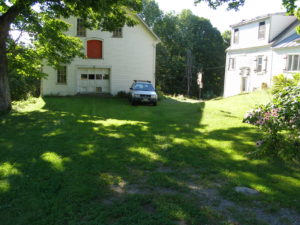
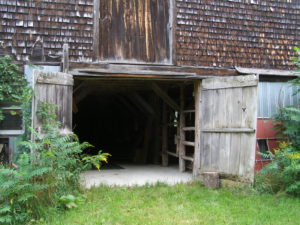
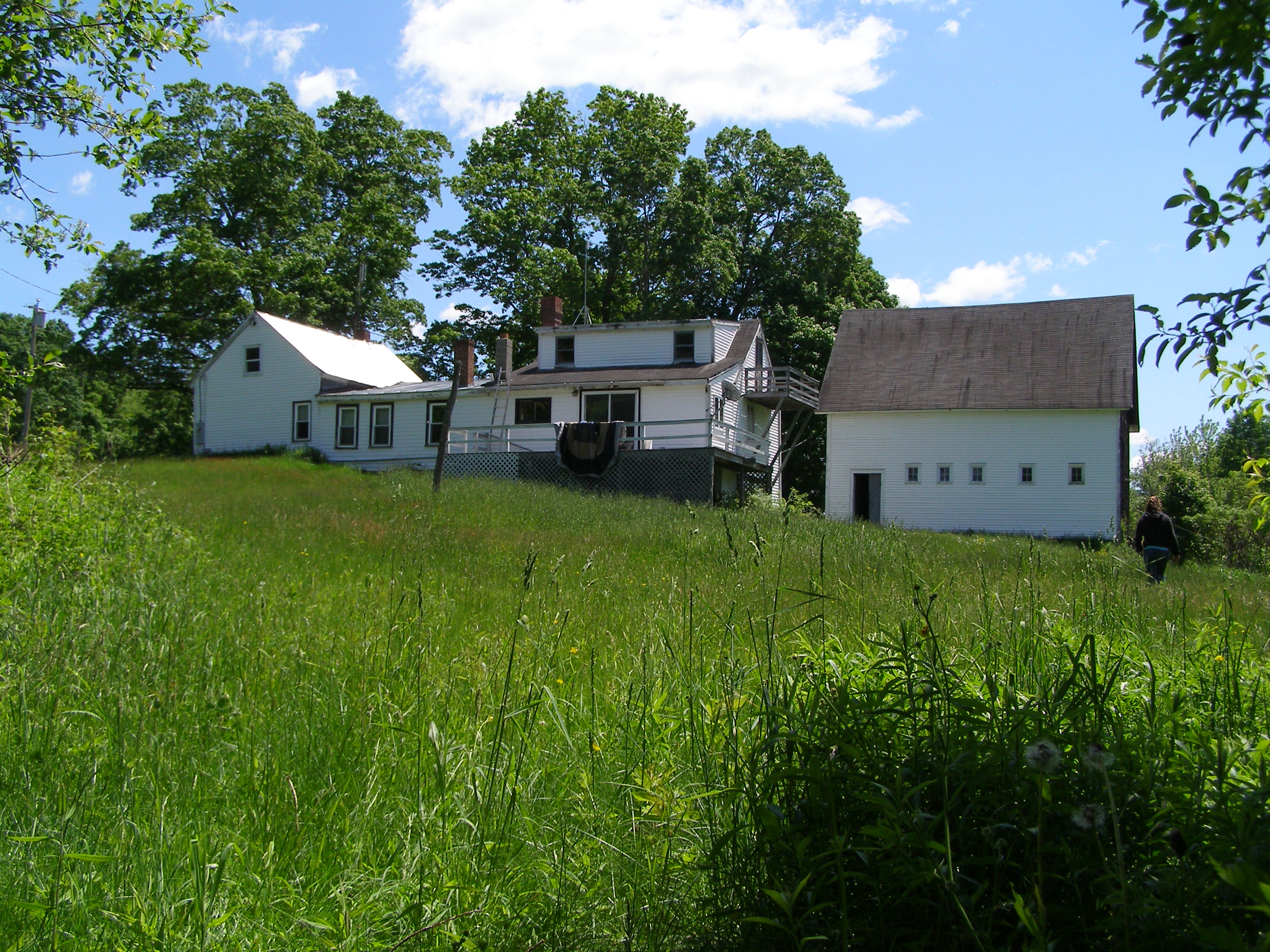
One of my favorite things about this land we live on is the old barn. Circa 1832 in the original part, it dwarfs the house and consists of four stories topped by an attic space under the roof. The cellar contains several rough animal stalls and is the occasional residence of a skunk, raccoon, woodchuck or grumpy porcupine. Phoebes nest every year in the cellar and first floor rafters. We store wood on the first floor. The second and third floors were an old hay mow and now are a repository for discarded furniture, miscellaneous remnants of wood, and old windows and doors. This is New England. These Yankees keep everything!
The barn is a tenement for rodents, bats, insects and birds, along with creatures like the aforesaid porcupine, who wander into the cellar in search of shelter.
Barn Cellar
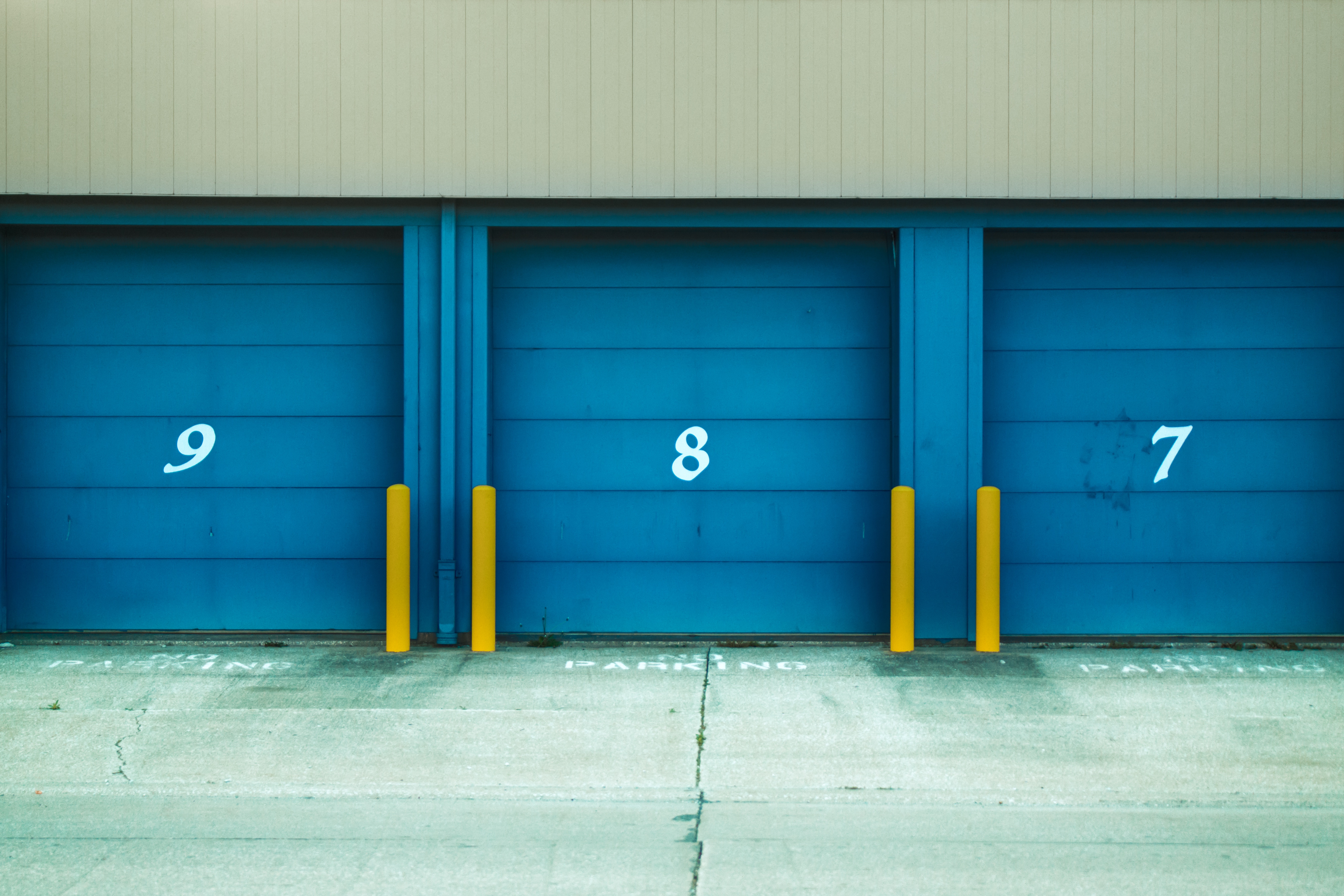
When I moved to Maine, I stored some of my things in the barn; things I didn’t have room for in the house but wanted more accessible than the storage unit. Now that I’ve moved out of the storage unit and everything is here on the property, I’m determined to go through each box and discard what is no longer useful.
I work in the second story of the barn. The south wall contains a row of windows, several of which are broken. The west wall also has a broken window, and plentiful bat guano on the floor under it tells us this is their favored access point.
My hours in that space are strange, almost otherworldly. I sit on an old round lidded metal bucket that once contained popcorn. My table is the lid of a large plastic storage bin. I unpack the boxes I taped and labeled more than four years ago in Colorado, in a different life and half a world away. The barn is alive with stirrings and fugitive drafts. The wood floor dips and sways, creaking underfoot and showing cracks between the planks. The scent of apple blossoms floats in through the windows, along with the sounds of insects and the sweet calls of the phoebes as they hunt those insects. Once I’ve settled down quietly to work, squirrels, mice and chipmunks forget my presence and begin to scurry overhead and in the walls around me. I know bats are clustered under the roof, a floor and a half above me. Light comes in through countless cracks and crevices in the walls. The roof leaks in many places.
The body of the barn is loosening and thinning, much like my own skin; as it does so it’s becoming rewoven into nature.
I’ve gone through boxes and boxes of beading material, sewing supplies, wreathmaking tools and elements, camping gear, seasonal decorations and kitchen items. The quiet barn fills with my memories as I review where I’ve been and recognize the steps bringing me to this place and this moment.
Photo by Anna Dziubinska on Unsplash
We love increase in this culture. The journey of childhood to adulthood. Increasing income in order to increase spending power. Upscaling, upgrading, updating, trading in. Increased choice, increased technological power and speed, increased likes and friends, increased access to “information” and entertainment. Bigger, better, newer, faster, more.
Now, suddenly I find myself strangely captured by the beauty of decrease. Perhaps what I’m feeling is a kind of surrender, a letting go. The barn lets go of its glass window panes, its nails, its roof shingles, the mortar in its foundations. As the fabric of its structure thins, life pours into it. The world inhabits it. The boundaries between the building and its setting are softening.
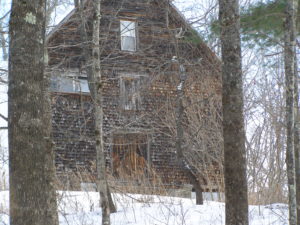
Winter barn
Observing this process of gradually increasing boundary ecstasy is breathtakingly, almost piercingly beautiful. My appreciation of its magic mingles with tears, memories and nostalgia as I unwrap and handle my things, once so beloved and important in my life, now boxed and stored.
As I load up the car and donate to our local charities, sell or give away what I no longer need, the storage space in the barn gradually empties. Sunlight fingers the floor where a stack of boxes stood. An errant breeze swirls dust into a brief glittering cloud.
Is empty space, or an empty moment, ever really empty? Can it be? Is a quiet afternoon without distraction or entertainment sterile and boring, or filled with peace and possibility we no longer recognize or welcome but starve for nonetheless?
Watching the reflection of moving leaves or water and sunlight on a bare wall feeds my creativity and joy in a way the finest piece of manmade art never could.
As I empty my life of so many objects, it becomes like the barn. I allow the cracks of long use, weathering and aging to show. I allow my memories and experience to mingle with the light, the moving air and the life outside my boundaries and barriers. I feel less isolated and more grateful, less anxious and more peaceful.
What is a life defined by the spaces between objects and tasks rather than the objects and tasks themselves? What is life in the spaces between our debts, bank balance and paychecks? What are the gifts hidden in decrease, in the slow passage of time, in loosening skin and softening bone? How much creativity and wisdom fill the spaces between our obligations, habits and addictions?
What hidden infinities lie in the spaces between each tick of the clock, each heartbeat and each breath? How much light can come into me as I widen the cracks in my physical envelope? More importantly, how much of my light can shine out into the darkness around me?
I moved to Maine with a U-Haul packed with things from my old life. I was moving from a small, tight, energy-efficient home where I lived alone to a slouching, leaking farmhouse with a cracked foundation and a peeling roof. I didn’t trust my cherished possessions to the dubious protection of the house or the barn, also dilapidated and leaking.
So I rented a storage unit.
Now it’s four years later and I’ve been reading and thinking about minimalism. Minimalism appeals to me because it creates space and simplicity in our lives. I’m gradually coming to understand even my most cherished possessions are not important to my quality of life. In some ways they even block my view and obscure thresholds and openings.
That’s not to say I don’t frequently miss my just-the-right-firmness double mattress and box spring in storage, or my comfy couch and matching chair. I do miss them, but they don’t fit into my life anymore and they don’t fit into the house. Literally. I don’t think we could get my modern overstuffed couch in the old front door.
My bed and furniture, along with a few boxes, have languished in subzero temperatures in the winter, and heat and humidity in the summer, and I’ve faithfully paid the monthly rent all this time.
A couple of weeks ago we had a call from the owners/operators of the storage unit to say there was flooding on the property.
Here in Maine, we have yet to experience a snowstorm this season that wasn’t mixed with freezing rain. What this means is layers of ice have built up on the frozen ground and clogged culverts and drains. As temperatures see-saw between normal below-freezing and subzero and much warmer air that turns falling snow to rain, the rain has nowhere to go.
The storm that caused the problem at the storage unit dumped several inches of snow and then three inches of rain. Cellars and basements that had never flooded before got wet. Intersections and streets flooded in town. It was a mess. At the storage unit, all that water couldn’t drain away from the buildings, so it crept along the ground and washed through them.
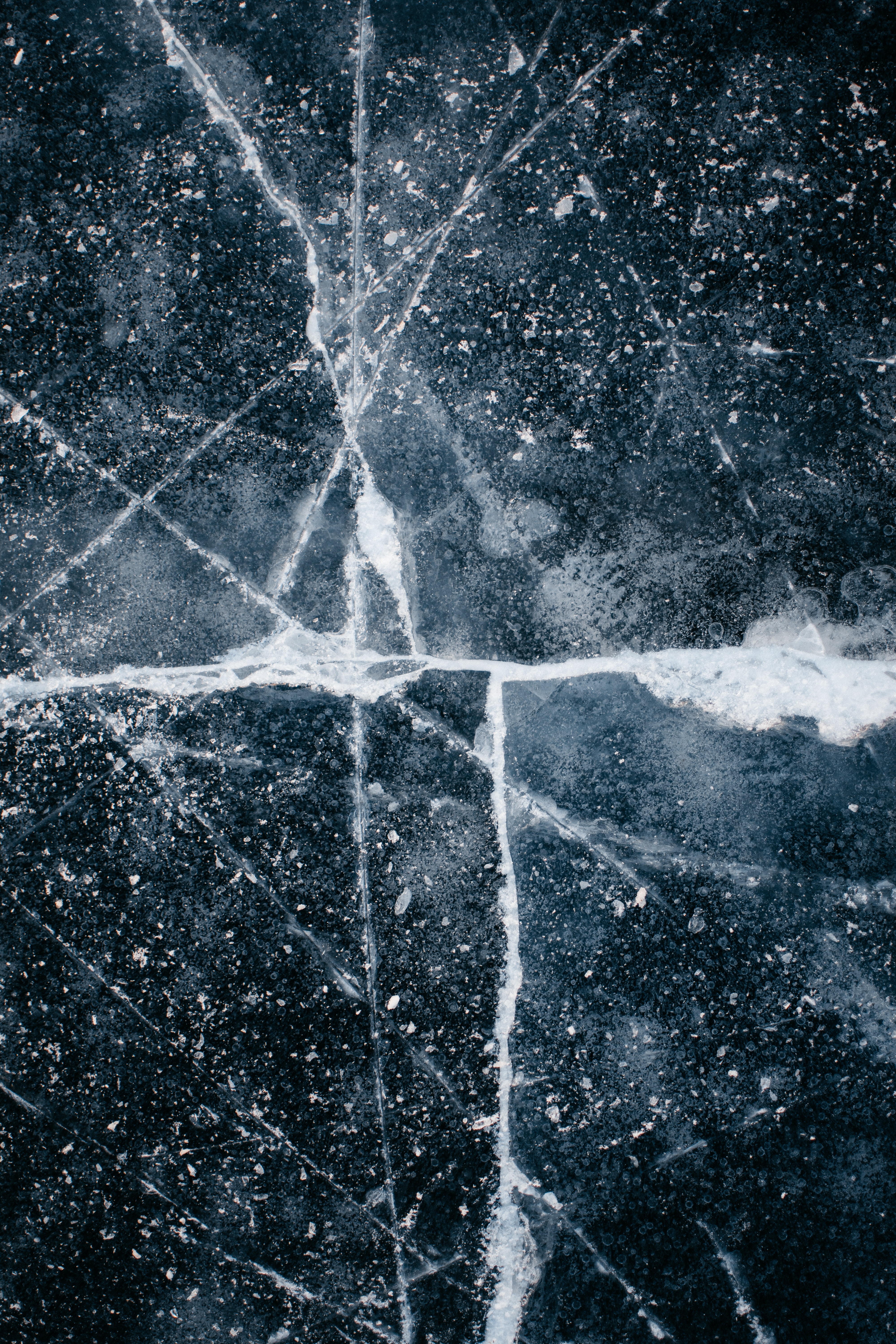
When we unlocked the door and pushed it open, we found ice covering the floor of the unit. The floor slopes a little, so the ice thickness varies from half an inch to two inches or possibly more in places I couldn’t see well. Everything on the floor is absolutely frozen solid to the cement.
Photo by Tom Barrett on Unsplash
For now, there’s nothing much I can do. After the initial look, I went back with a friend for moral support on another day. As I pushed up the overhead door, I had the usual pang of nostalgia and loss at the sight of the pieces from my old life, unused and abandoned. Added to that is the bitter cold and solid ice locking everything into place as though it will never let go.
The irony is inescapable. I was trying to keep those things safe from water and fire while I waited for a life they would fit into again. Keeping them safe felt like keeping me safe, or at least parts of me. Memories. History.
It’s all an illusion, though. How safe is any object? Objects get lost, broken or stolen. They get damaged. We have to manage them, care for them, protect them, carry them from place to place.
A couple of inches of ice have forced me to confront my thoughts and feelings about my stuff. Embracing minimalism is all about de-owning and decluttering, but as I go through my possessions in the house I’m in control. I can choose what to discard and what to keep. Now an act of nature has taken away some of my choice.
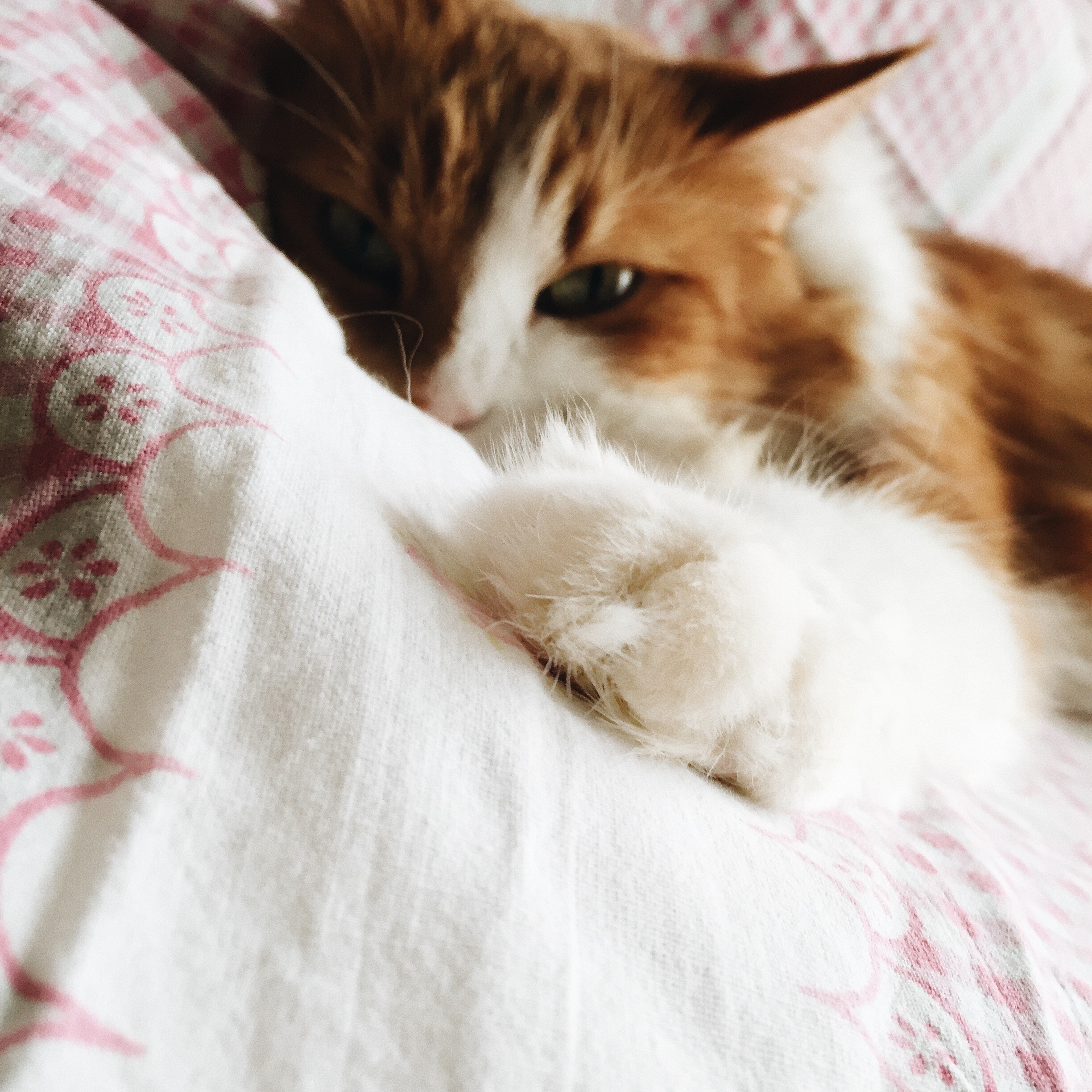
My cherished bed, for example, is nothing more than a mattress and box springs leaning against the wall in the back of a storage unit that got wet and are now firmly anchored in ice. When I am able to remove them and take them to the dump, all I’ve lost is the objects themselves. I’ll still remember with pleasure my wonderful bed and using all the bedding that goes with it. I’ll still remember my cat, gone now, with love and gratitude, and treasure the happy hours we spent together on that bed.
Photo by silviannnm on Unsplash
I’ve lost nothing but the necessity to store the bed for the sake of my memories and/or future possibilities. The truth is I have no use for a double bed in the life I’m living right now.
Why do we save things? Why are our lives full of things we wouldn’t buy today for the life we live now? Why do we save things “just in case?” Just in case of what? Does just in case ever come or is it merely a scary or hopeful story we tell ourselves? Do the things around us speak of who we are right now, or of who we once were or who we wish we were? Are we frozen in the past or in our fantasies?
The poet David Whyte says that most of us are at least three to four years behind our own growth and change. That struck a chord with me. My storage unit is filled with things from a life I left four years ago, a life I couldn’t go back to even if I wanted – and I don’t. I have moved on and out and up. As precious and sweet as some aspects of my old life were, they’re gone.
Except that I’ve been holding on, which has cost money and now created a situation requiring me to cut my losses and clean up. Maybe, if we took the front door off its hinges and even removed the door frame, we could have gotten my couch into the house, replaced the broken-down one we presently use, and been enjoying it all this time.
(Except the TV is always on in the living room. I hate the TV. The couch is mine. It used to be my reading place, but I can’t read in our disaster of a living room with the TV on. I don’t want it here if I can’t ever enjoy it! It’s mine. And the cat will sharpen her claws on it. And what if the house burns down?)
There is no moral to this story, aside from having learned it really is a good idea to put pallets down in a storage unit! It will be some weeks before the ice softens enough to chip off the floor and sweep out or melt. I have gone in and salvaged what I could, discarded some things, assessed some of the damage. Everything will have to come out while I dry the floor. Then I’ll need to discard whatever is ruined, buy and transport pallets and re-pack the unit.
Or maybe not. Maybe it’s time to reconsider the number of objects I’m carrying through my life. For far less than I’ve already spent on the storage unit we could have tightened up at least two of the outbuildings right here on the property for storage. How badly do I need anything I haven’t used in four years?
I’m inclined to be grateful for the flooding of my unit. It forced me to ask some important and provocative questions. It forced me to consider what’s truly important for my happiness. It challenged me to let go of things that no longer serve me without fear or regret.
When I left Colorado, I told friends I was coming to Maine because I thought I had a life here waiting for me. It’s taken me some time to find it, but I was right about that. I chose not to remain frozen in place, and that’s still my choice. Perhaps it’s time now to free my things from that old life as well.
I first heard about toxic mimics as I learned emotional intelligence. The term comes from radical environmentalist author and speaker Derrick Jensen. A toxic mimic is a destructive action, behavior or thing pretending to fill a primary human need. Rape is a toxic mimic for healthy, consensual sex. Sugar is a toxic mimic for food. Addiction is a toxic mimic for managing feelings. A job might be a toxic mimic for contribution. Pseudo self is a toxic mimic for authenticity. Some would argue that social media is a toxic mimic for connection.
I believe our modern culture here in the United States, at this moment, rests on an edifice of toxic mimics. People who create, design and sell toxic mimics have a simple agenda: Profit and power. We, the consumers and choice makers, the common people, if you will, happily hand over our power in exchange for the shiny; the new and improved; the seductive promise of success, wealth and love; and the popular. Toxic mimics give us the relief of distraction, instant gratification and the promise of an identity. They help us regulate our mood and feelings.
Toxic mimics have such power over us now that a majority of us (maybe) have voluntarily given management of our country to toxic mimics for human beings.
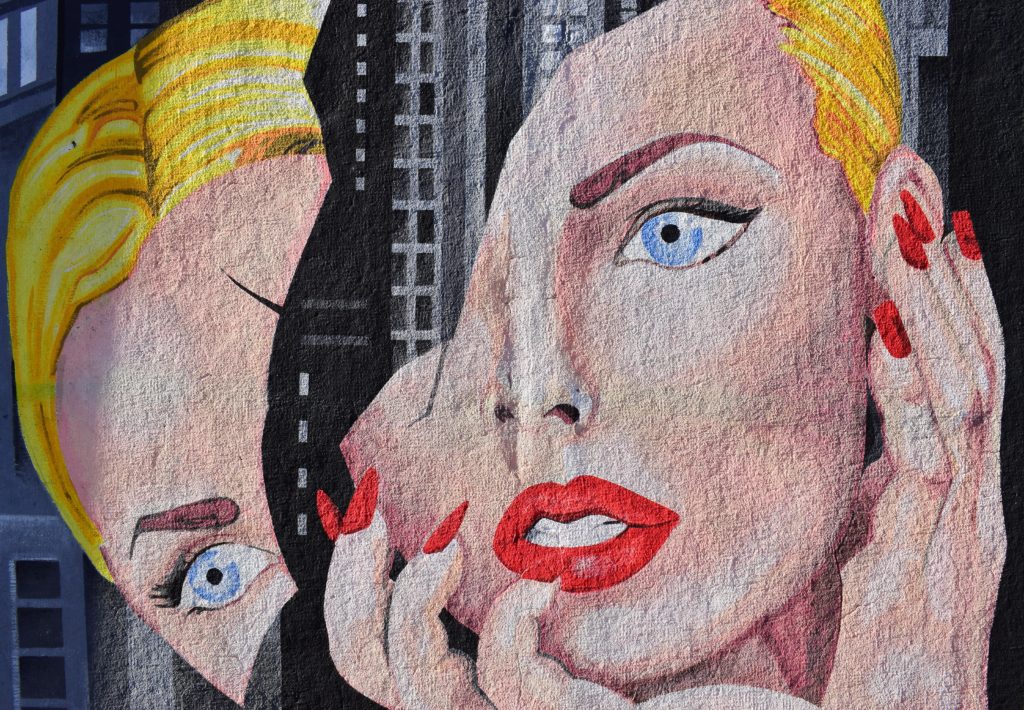
Photo by Patrick Brinksma on Unsplash
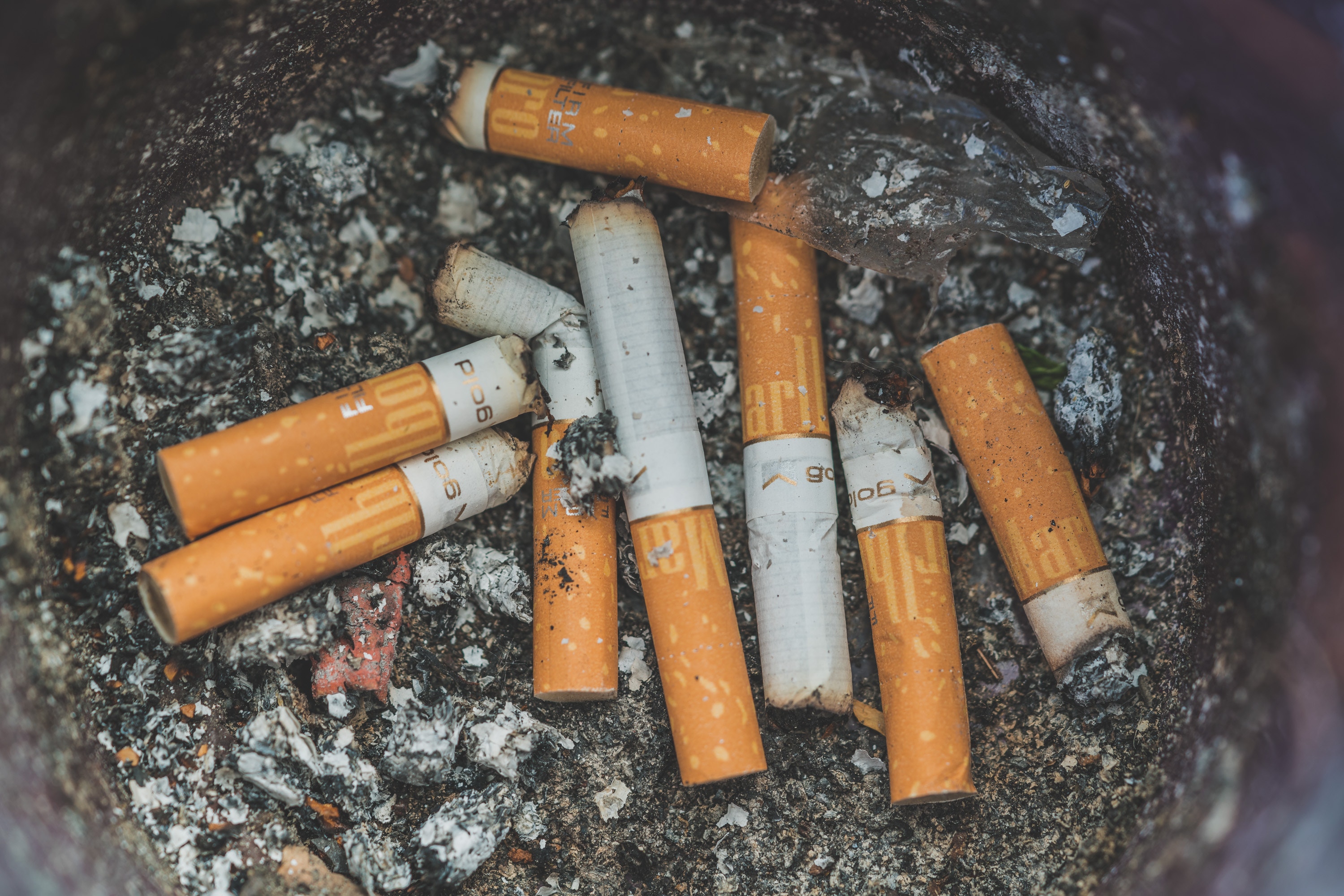
What are the strongest human motivators? Fear? Love? Hate? I could also make a case for denial, but that might be too inextricably bound up with fear to separate. Toxic mimics are deliberately designed and marketed to appeal to the things that drive us at our deepest levels. They are engineered to target our greatest vulnerabilities. They seek to hook us, permanently, helplessly and hopelessly, and they’re so powerful they kill many, many people. Witness the power of nicotine, for example. Toxic mimics promise to fill our lives with everything we want and provide us an identity, but when we employ them we feel emptier than ever. Because we are conditioned to believe buying a product or service will make us feel better, we buy as much as we can as fast as we can, which necessitates a continuous stream of money, a resource that has become one of the most powerful Gods we’ve ever worshipped. Money, one might say, is a toxic mimic for God, or Gods, or whatever word you like to use to communicate the divine.
The deepest irony in this situation is we are the ones who perpetuate the power of toxic mimics. We willfully and intentionally participate. We create demand and gobble up supply. We continue to support advertising, algorithms and the handful of powerful companies who monitor our lives and mine us for information in order to sell us yet more toxic mimics. We applaud and admire what we call “progress”, “growth” and a “healthy economy.”
Photo by Ev on Unsplash
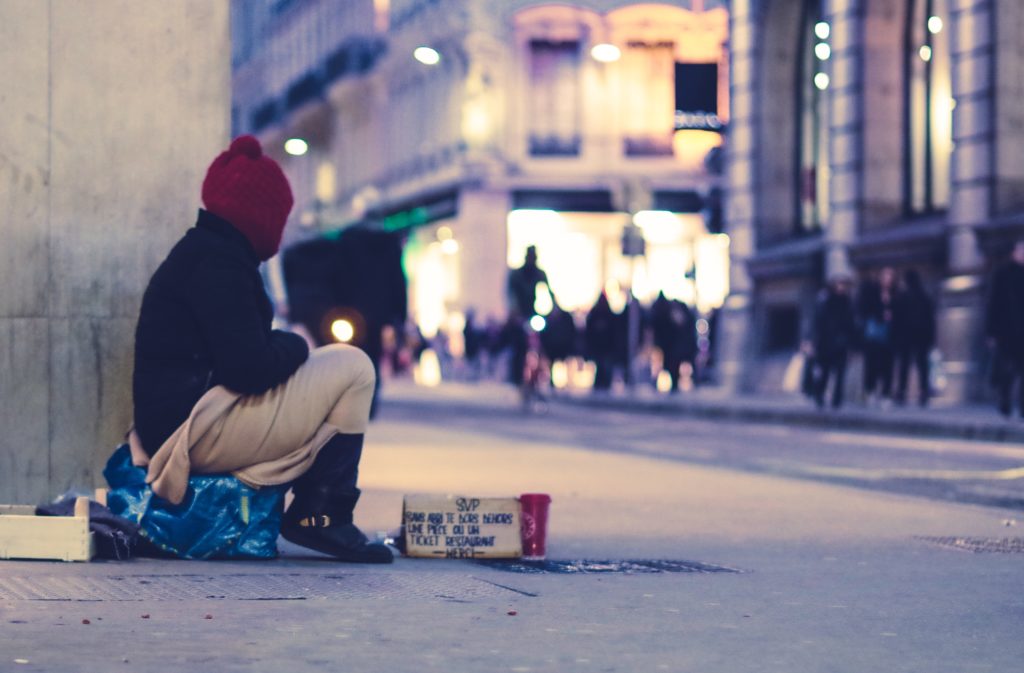
A healthy economy. Healthy for who, I wonder. Healthy for the global system? Healthy for those of us living paycheck to paycheck? Healthy for the children who are victims (yes, I mean victims) of anti-vaxxers? Healthy for people who have no financial resource and thus cannot participate in the latest technology? In a country filled with disbonded children and broken families; rising antibiotic-resistant organisms, including STDs; rising illnesses like typhus which are perfectly preventable with vaccination; astronomical housing costs forcing employed professionals to live out of their cars; broken healthcare and public education systems and a population of obese, metabolically disordered, pharma-dependent, addicted, lonely, suicidal people, we have a so-called healthy economy.
Oh, good. I’m so proud to be an American.
It’s a lie. There’s nothing healthy about what’s happening now, but we’re so stupefied, so numbed, so habituated, that we no longer recognize lies when we hear them. We can’t afford to, because to recognize one means to recognize others, and if the whole thing is based on lies, we’re too afraid to know it. Much easier to cash the insurance check and rebuild, for the third or fourth time, in the same place than take responsibility for facing the effects, long predicted, of climate change.
Of course, insurance companies are not going to continue to subsidize climate change because it destroys their profits, so that might catch our attention — eventually.
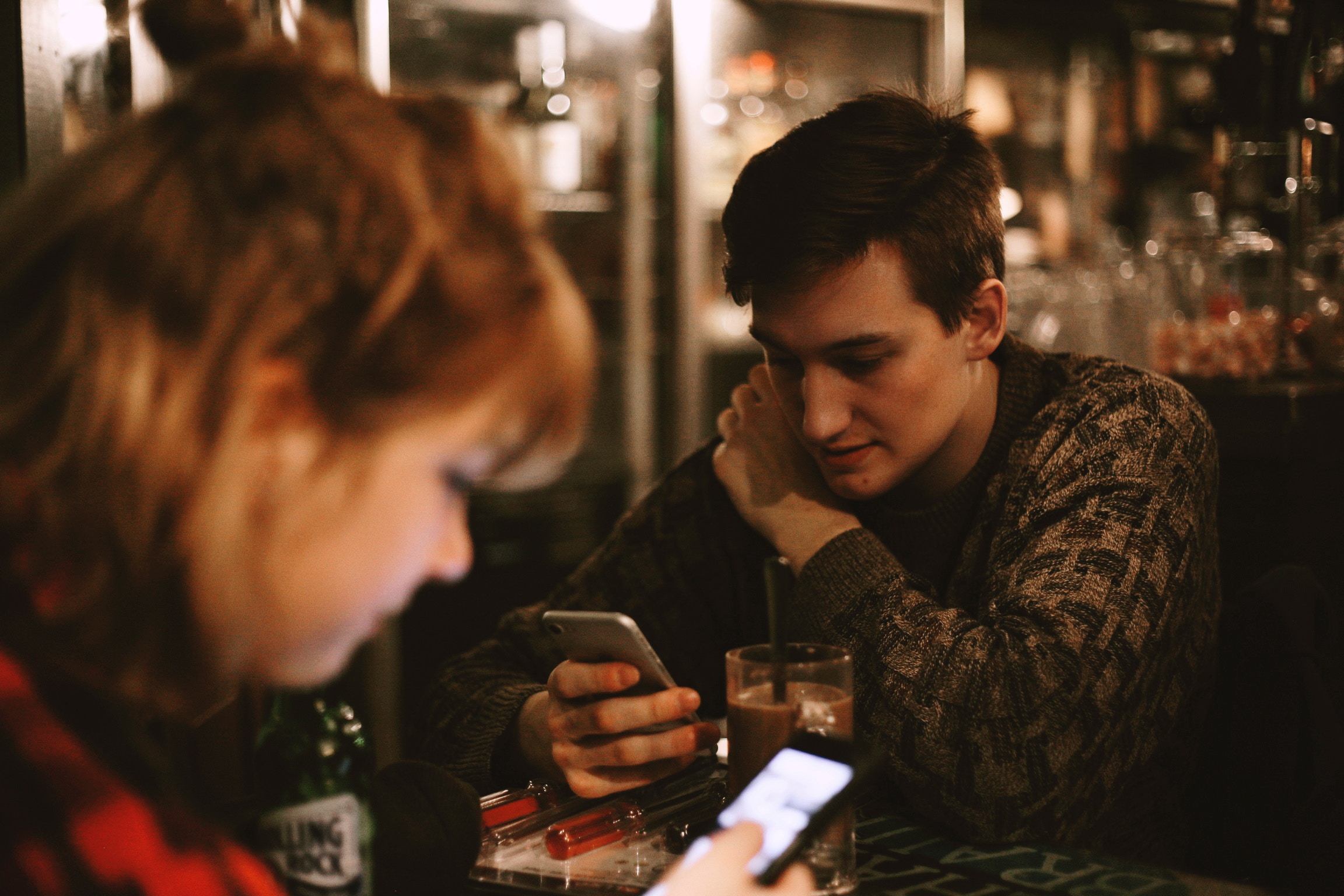
In the meantime, we bend our heads over our handheld, shiny, talking, distracting and instantly gratifying techno-screens or settle down in front of our larger screens and surround sound systems and let the advertising and brainwashing wash over us. We call this life. Isn’t it grand? Isn’t it beautiful? Aren’t you happy?
A toxic mimic is a promise that never delivers. Sometimes we do it to ourselves. Sometimes we allow others to convince us of the necessity, morality and rightness of our toxic mimics. We’re told they will make us safe. They will make us successful. They will make us healthy and popular, beautiful and beloved. We’re told we have a perfect right to have what we want. We long to believe it. We buy, and then we don’t feel successful or beautiful, so we buy some more. We start giving away our power. We begin to hide our unhappiness. After all, toxic mimics are working for everybody else, aren’t they? Everyone on our favorite social media platform is doing just fine. We conclude there’s something wrong, broken and irredeemably ugly about us. It’s too shameful to admit or talk about. We take even more smiling selfies and post them.
Meanwhile, we elevate and empower not the humanitarians, the natural leaders, the ecologists, the visionary scientists, the emotionally intelligent, the critical thinkers and those who understand complexity and systems, but those who have wealth. Money, that amoral symbol made of paper and metal, is the God we’ve agreed is the most powerful and the most admirable. It’s not so, of course, but we make it so with our belief and our participation. We are driven by our fear of losing economically. We’re evidently prepared to follow the promise of economic power straight to Hell.
Fear is the most powerful hallmark of a toxic mimic. Fear of losing power. Fear of being wrong. Fear of consequences, justice and having to take responsibility. Fear of experiencing our feelings. Fear makes our lives, intellect and hearts smaller, not larger. Toxic mimics don’t meet our needs. They momentarily satisfy, perhaps, our cravings and addictions, our need for stimulation and gratification and our desire for distraction. Ultimately, however, toxic mimics dehumanize us, stop our critical thinking, retard our judgement, destroy our health, disable us from healthy connections and encourage us to hide our authenticity. Toxic mimics feed our rigidity, our ideology, our fear and paranoia, and actively attack our physical and mental health.
Are your needs being met? If you don’t know what your needs are, here’s a needs inventory to look at.
If that question made you cry, or your heart shouted “NO!”, make a list of all your makeup, your clothes, your car(s), your tech, your toys and the other stuff you recognize as part of your identity. Don’t forget your accounts, subscriptions and financial assets.
Identity is everywhere. Identity theft, identity politics, job applications, and social media profiles confront us at every turn. We are constantly being commanded to prove our identity, not only formally, as in logging on to our bank accounts, but socially, in order to justify our existence, our beliefs and our values.
Technology has created new challenges in the way we talk about, understand and shape our identity. AI is no longer a piece of science fiction, and evidence grows regarding websites, social media trolls and other online entities that successfully manipulate, divide and interfere with social discourse, information and opinion.
We are woefully easy targets.
Photo by Roderico Y. Díaz on Unsplash
Merriam-Webster online defines identity as “sameness in all that constitutes the objective reality of a thing; the distinguishing character or personality of an individual.” The online Free Dictionary says identity is “the set of characteristics by which a person or thing is definitively recognizable or known; the awareness that an individual or group has of being a distinct, persisting entity.”
Objective reality. The term objective means “(of a person or their judgment) not influenced by personal feelings or opinions in considering and representing facts.” (Oxford Dictionary; emphasis mine.) This means a purple-polka-dotted snake cannot claim the identity of a green-striped zebra, no matter how indignantly and vociferously it insists it feels like one. Personality disorders are recognized as such because those who suffer from them are not always dealing with objective reality. A purple-polka-dotted snake who wants to be a green-striped zebra is divided tragically from itself and others, not only other purple-polka-dotted snakes, but all others, because it persists in trying to behave and be accepted as something it’s not, ultimately self-destructing.
Photo by Quino Al on Unsplash”
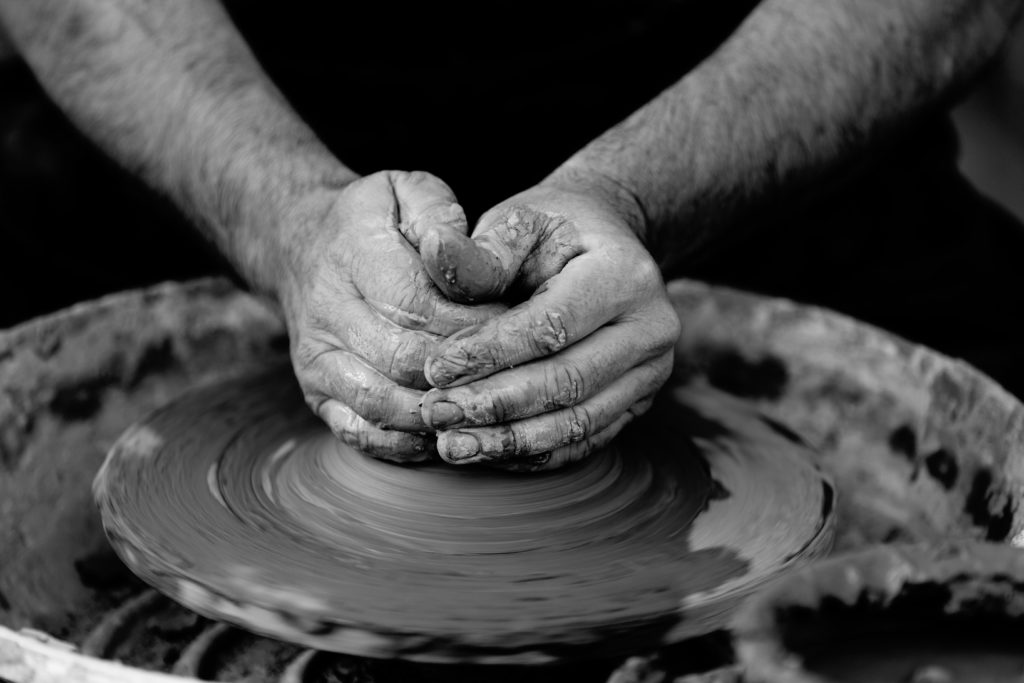
I’ve written before about labels, denial, arguing with what is and pseudo self, all of which ideas intersect with identity. Have you watched a potter at work with clay on a wheel? As they shape a vessel, one hand works inside and one outside. Identity is like that. The tribe we’re born into gives us our earliest sense of identity, and we take our cues from them. If our tribe is critical and we feel unaccepted and unloved, we internalize those voices and viewpoints and give them power in our psyche to mold our identity. At the same time, we go out into the world and our schools, jobs, communities, places of worship and other organizations identify us from the outside.
Years ago I worked with a group of gifted and talented middle and high school students as a school librarian. None of them fit in terribly well with their classmates. A young man I was very fond of was quite lonely, as well as being brilliant, and he said one day he was nothing but the “fat boy.” He was sixteen years old, and seemed resigned to carrying the identity of “fat boy” to the end of his life. I told him, entirely sincerely, that I never thought of him as the “fat boy.” He was obese. Obviously, I noticed. But to me he was a funny, interesting, curious, compassionate, vulnerable human being. His weight concerned me because of the social stigma and quality of his health, but I never thought of him as the “fat boy.”
He could see that I was telling him the truth. I haven’t any idea what happened to him or what he’s been doing all these years, but I’ve always hoped he remembered there was an adult in his life who saw beyond the limitations of “fat boy” and recognized other pieces of his identity and potential. I hope he learned at some point that he didn’t have to settle for a life defined by his weight.
Photo by Edu Lauton on Unsplash
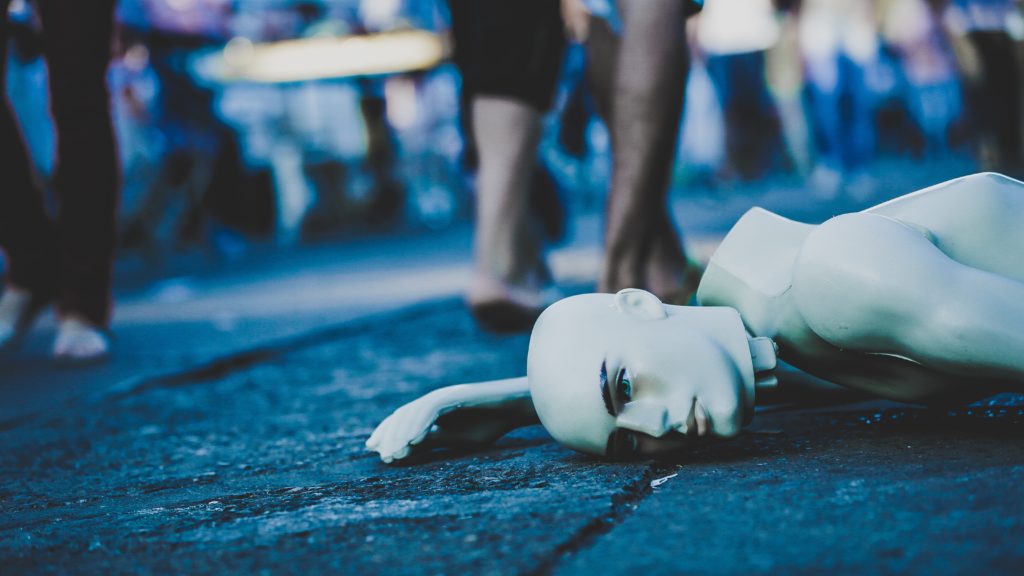
Over the years of my lifetime, more and more people seem to never mature past teenage identity. We build websites, profiles and a social media presence, desperately trying to sell a successful identity for attention, true love, power or money. We are so compulsive about taking selfies that we die doing it. There’s an explosion of people seeking plastic surgery in order to match their digitally-altered pictures. We have the technology to alter hair color, eye color and physical characteristics, and we’re saturated with digitally-altered images on media that keep us firmly convinced we’re unattractive and imperfect as we are. At the same time, we socially reinforce and perpetuate ridiculous gender, racial and ethnic roles, limitations and expectations.
Perfect strangers insist on imposing labels on us, or try to bully us into choosing one label over another. It’s an either-or black-and-white world, and new labels proliferate like maggots in road kill, creating ever-increasing lines of division and arenas for conflict.
Photo by Chris Barbalis on Unsplash
We are in such a hurry, we’re so overstimulated and anxious to not be left behind and to be validated, we’ve forgotten the simplicity of identity, and we’ve forgotten we don’t owe the world a public explanation or justification of our identity. Having a Facebook or Tinder profile does not constitute an identity. Having feelings and opinions about who we are is not an identity. Our carefully constructed pseudo self is not an identity. Our identity is not maintained and created by what others think, feel or say about us. Identity is not an endpoint, but a journey. Healthy identity is flexible. It adapts and changes as we live our lives. We are not who we wish we were, who we are afraid we are or necessarily who we think we are. We are not exactly who we were yesterday or who we’ll be tomorrow. We’re certainly not necessarily what others tell us we are, or must be, although objective reality always trumps our internal fantasies.
Our identity, like our power, is ours alone. We need not sell it or give it away, and it cannot be stolen from us. On the other hand, we must take responsibility for our own self-sabotage and mental disorders if we seek a healthy identity.
Healthy identity is complex and multi-dimensional. I’ve been daughter, sister, wife and mother, and I’m much more than any of those single roles. I’ve worked several jobs over my lifetime, but I’m more than any of those jobs. I have a physical identity in terms of vital statistics, Caucasian skin, blue eyes and female biology, but none of those markers identify me as completely as the fact that I’m a human being. A healthy identity also accommodates shadows, scars, less-than-useful coping mechanisms and behavior patterns.
My wish simply is to live my life as fully as I can. In both our work and our leisure, I think, we should be so employed. And in our time this means that we must save ourselves from the products that we are asked to buy in order, ultimately, to replace ourselves.” Wendell Berry, The Art of the Commonplace: The Agrarian Essays
Tech allows us to create superficial fantasies of bright colors and pleasurable images, but those worlds are empty and brittle, like an enticing piece of candy that melts in a minute on our tongue and leaves nothing but the taste of sugar and artificial flavor. We cannot judge identity by houses, gardens, cars, vacations, pets, children, selfies, clothing, jobs or partners. Our possessions, our pictures and our memorabilia are not our identity. Somewhere, under all that stuff, behind all those pictures of success and happiness, apart from our fear and unwillingness to come to terms with our objective reality and our denial, lies the powerful, complex, fascinating, valuable person we really are, and that person longs to be identified and welcomed into life. That person longs to give and receive love, make a valued contribution and live authentically.
I’m interested in the way people self-define and introduce themselves. It always points to either what we ourselves feel is the largest part of our identity or what we think others will value or connect with most readily. This is what lies beneath every dating profile. What do we imagine prospective partners will be most attracted to? What’s the perfect thing to say which will limit unwanted matches and encourage those we imagine might provide whatever we’re looking for? How can we optimize the algorithm and make it work for us?
Sometimes I walk away from meeting a new person feeling overwhelmed and deafened by all the ways they labeled themselves but with no sense of the real human being I just interacted with. Instead of an easy, exploratory, getting-to-know-one-another conversation, I was bludgeoned with political jargon and identifiers, patronized and gratuitously instructed out of some kind of claimed expertise. It feels aggressive, weak and demanding. This is who I am and you will recognize my status, authority and identity! If you don’t apply one of my proud labels to yourself, you should. All the best people do. In any event, my labels are better than yours.
Our identity is not for others, but for ourselves. We’re the ones who need to know who we are, experience our feelings and monitor our thoughts. We’re the ones in charge of our dignity, our sexuality and our choices. We’re the ones responsible for our own integrity. As my hair greys and my fertility wanes, I become more and more physically invisible in the world. At the same time, I’ve never been as strong, as resilient, as wise and as compassionate as I am now. I’ve never loved so well. I’ve never felt so whole or comfortable in my own skin. I have no social media accounts and no cell phone. I don’t use any kind of apps, dating or otherwise. My identity is strong and dynamic, and it’s not for sale or on display. In fact, I’ve always felt being invisible is a great advantage. People who attract no attention are invariably underestimated and overlooked, especially aging female people.
At the end of the day, a life well lived is about being who we are, objective reality included, because everyone else is taken. Fantasy is fun, but real life is where all the juice is.
My daily crime.
“I look like vanilla pudding so nobody knows that on the inside I am spider soup.” Andrea Portes, Anatomy of a Misfit
Have you ever had a dream of finding an undiscovered room in a familiar house? I have, several times. I like those dreams. A large piece of furniture moves aside, or I walk into a room I know well and find a new door in it.
Last weekend, my partner and I went to our small local theater and I saw Book Club while he went happily off to Deadpool. (Honestly, I’m so tired of comics, superheroes, space adventures, special effects and unending battles and chases. Whew. It felt good to say that.)
The movie was a relief. I didn’t have to spend most of it with my eyes shut trying to filter out the entirely overstimulating and, at the same time, boring hyperactivity, and it wasn’t excellent. It didn’t require anything from me except to sit back and relax.
No spoilers and this is not a movie review, but Jane Fonda tries way too hard. Instead of marveling at her artificial youthfulness, I felt rather sorry for her. There was also a lot of unnecessary drinking. It didn’t add anything to the story. Some of the humor was more of a wince than a chuckle, but there were some truly funny moments. The writing was a little inconsistent. It’s a movie about connection and being an aging woman.
Overall, I could relate to these four women and I found the movie oddly touching in an unexpected way. I’ve been thinking about it ever since, in fact, trying to understand why it made me feel so bittersweet.
It has to do with giving up. Well, not really. Not giving up, exactly, but settling. No, that’s not quite right, either.
It has to do with gradually forgetting to entertain possibility.
That’s better.
Photo by Joshua Rawson-Harris on Unsplash
We inhabit our lives like a house. It’s a finite space, and we’re intimately familiar with the floorplan, the closets, the windows and the doors. Our house is defined by ourselves and the way we live, and it’s also defined by the external world and people around us. Outside our house is a world where all kinds of potential physical and emotional harm crouches, waiting for us to take a risk and leave our shelter. Outside our house is a wilderness of Unknown.
When we’re young the house of our life is new and exciting. We experiment using the space in different ways. We begin to figure out what we like and don’t like, what works well in our lives and what doesn’t, who we can live with and who we can’t live with. We gradually accumulate furniture in the forms of memories, scar tissue, hand-me-downs, beliefs, and new stuff we find all by ourselves.
The years go by and we learn a lot (hopefully) about the way the world works and who we are. We notice an ever-enlarging population of people younger than we are.
Then, one day, we’re in our fifties. Then our sixties. Then our parents are old. Not older. Old. How did that happen? Then our kids are as old as we were when we had them. It’s entirely disconcerting. We begin to think of ourselves as middle-aged and secretly feel older than that a lot of the time. Then, if you’re a woman, comes menopause, which, just as the onset of menstruation changed everything in the beginning of our lives, remodels our house.
For one thing, we need to tear out the heating system and replace it with cooling and fans.
Photo by Ian Espinosa on Unsplash
By this point in my own life, I’ve made a lot of choices and taken notes on how they worked out. I’ve made decisions about what I will and won’t do, and about what I am and am not interested in. I’ve decided what dreams to discard and interests to drop, because I’m out of time, energy or both. I’ve decided I know exactly who I am, what I’m capable of and what I need and want. I have an entirely private (because it’s shameful) list of things I’ve given up on.
Book Club speaks to the ways in which we begin to limit possibility as we age. In my case, it has nothing to do with age, though. I’ve been slamming doors behind me my whole life. When I was 18, I turned my back on high school. When I was 20, I left residential college, never to return. When I was 21 and got married, I gave up on dating or looking for love. When I was 27 and had my first child, I stopped dreaming of freedom and adventure.
And so on.
Of course deciding we’re never going to do something ever again practically guarantees the Gods will throw it back to us sooner or later, giggling. Now when I hear myself say, “Never again…” I can smile.
An even darker aspect of refusing possibility has to do with the dreams and desires we’ve never fulfilled. I’ve always struggled with financial scarcity. I tell myself nearly every day I’ll never be financially successful, and it doesn’t matter, because I have a good life, I have what I need, I’d rather have my self-respect and integrity than be rich (note the belief one can’t have both), and it’s not a big deal. I say all those things to myself because I don’t see any possibility of financial security. If I haven’t found it following all the rules and working so hard, then maybe I don’t deserve it, or it’s just not something I can earn or have. I don’t want to live the rest of my life hoping for something that never happens.
The story I tell myself is I’d love to find a great job where I could contribute my talents, do meaningful work, be part of a team and get adequately paid. I’m always watching and listening for that job. But I know I’m too old, the things I love to do will never pay well, the kind of thing I’m looking for wouldn’t be here in rural Maine, and I’ll struggle to maintain adequate housing and feed myself forever.
If there’s no possibility, I can work on accepting what is and try to be peaceful.
Photo by Nathan Dumlao on Unsplash
Book Club was redemptive. It reminded me possibility still exists for me. I’ve done things in the last five years I never imagined doing in my wildest dreams. Why do I think it’s all over now? Why do I make so many iron-clad assumptions about the size and shape of my house? Why am I deliberately trying to ditch my dreams? Why do I think of myself as a food item on the pantry shelf with an expired sell-by date?
Am I too old and jaded to invite miracles? Am I too worn out to move a piece of furniture (a bookcase, what else?) and discover a door behind it I never saw before? I know I’ve yet to discover my highest potential.
Maybe I’m just not very brave. I don’t want to fail anymore. I don’t want to be disappointed or feel I’m a disappointment, ever again. I don’t want to be let down, or hurt, or stood up or rejected. I don’t want to look like a fool. (I don’t mind being a fool, but I don’t want to look like one.) I don’t want to be scared.
I don’t want to play power games with people.
Perhaps this is the crust of old age, this gradual accumulation of weariness, scar tissue, limiting beliefs, and physical changes that keeps us sitting in our familiar, safe house, where the edges and boundaries are well-defined and unchanging and we control the dangers of possibility.
Some people successfully shut out life, or shut themselves away from it. I’m never (there I go again) going to be able to pull that off, though. I’m too curious and too interested. An overheard remark, a movie, a conversation, a book or even a song lyric invariably comes along and kicks me back into motion when I’m threatening to lock myself permanently in the predictability and safety of my house. Then I begin to write, and the walls waver and shimmer, new doors and windows appear, a corner of the roof peels away to show me the sky, and I remember I’m still alive, still kicking, still wanting and needing and still, in spite of my best efforts, dreaming of possibilities.
Websites store cookies to enhance functionality and personalise your experience. You can manage your preferences, but blocking some cookies may impact site performance and services.
Essential cookies enable basic functions and are necessary for the proper function of the website.
Name
Description
Duration
Cookie Preferences
This cookie is used to store the user's cookie consent preferences.
30 days
These cookies are needed for adding comments on this website.
Name
Description
Duration
comment_author
Used to track the user across multiple sessions.
Session
comment_author_email
Used to track the user across multiple sessions.
Session
comment_author_url
Used to track the user across multiple sessions.
Session
Statistics cookies collect information anonymously. This information helps us understand how visitors use our website.
Google Analytics is a powerful tool that tracks and analyzes website traffic for informed marketing decisions.
ID used to identify users for 24 hours after last activity
24 hours
_gat
Used to monitor number of Google Analytics server requests when using Google Tag Manager
1 minute
_gac_
Contains information related to marketing campaigns of the user. These are shared with Google AdWords / Google Ads when the Google Ads and Google Analytics accounts are linked together.
90 days
__utma
ID used to identify users and sessions
2 years after last activity
__utmt
Used to monitor number of Google Analytics server requests
10 minutes
__utmb
Used to distinguish new sessions and visits. This cookie is set when the GA.js javascript library is loaded and there is no existing __utmb cookie. The cookie is updated every time data is sent to the Google Analytics server.
30 minutes after last activity
__utmc
Used only with old Urchin versions of Google Analytics and not with GA.js. Was used to distinguish between new sessions and visits at the end of a session.
End of session (browser)
__utmz
Contains information about the traffic source or campaign that directed user to the website. The cookie is set when the GA.js javascript is loaded and updated when data is sent to the Google Anaytics server
6 months after last activity
__utmv
Contains custom information set by the web developer via the _setCustomVar method in Google Analytics. This cookie is updated every time new data is sent to the Google Analytics server.
2 years after last activity
__utmx
Used to determine whether a user is included in an A / B or Multivariate test.
18 months
_ga
ID used to identify users
2 years
_gali
Used by Google Analytics to determine which links on a page are being clicked