In the last 24 hours I’ve had an Aha! moment representing one of the biggest breakthroughs of my life.
I’ve always defined myself as a failure. This morning, before 7:00 a.m., I became a success. Just like that, in one blinding moment of epiphany. I lay there giggling to myself like an idiot. I’ve been doing that all day, in fact.
Standing in the shower, I had another staggering revelation. I suddenly realized when and why I created the identity of being a failure in the first place. It happened when I was very young, before I had the language or ability to understand or explain what I was up to. All I had at that age was my heart, intuition and empathy.
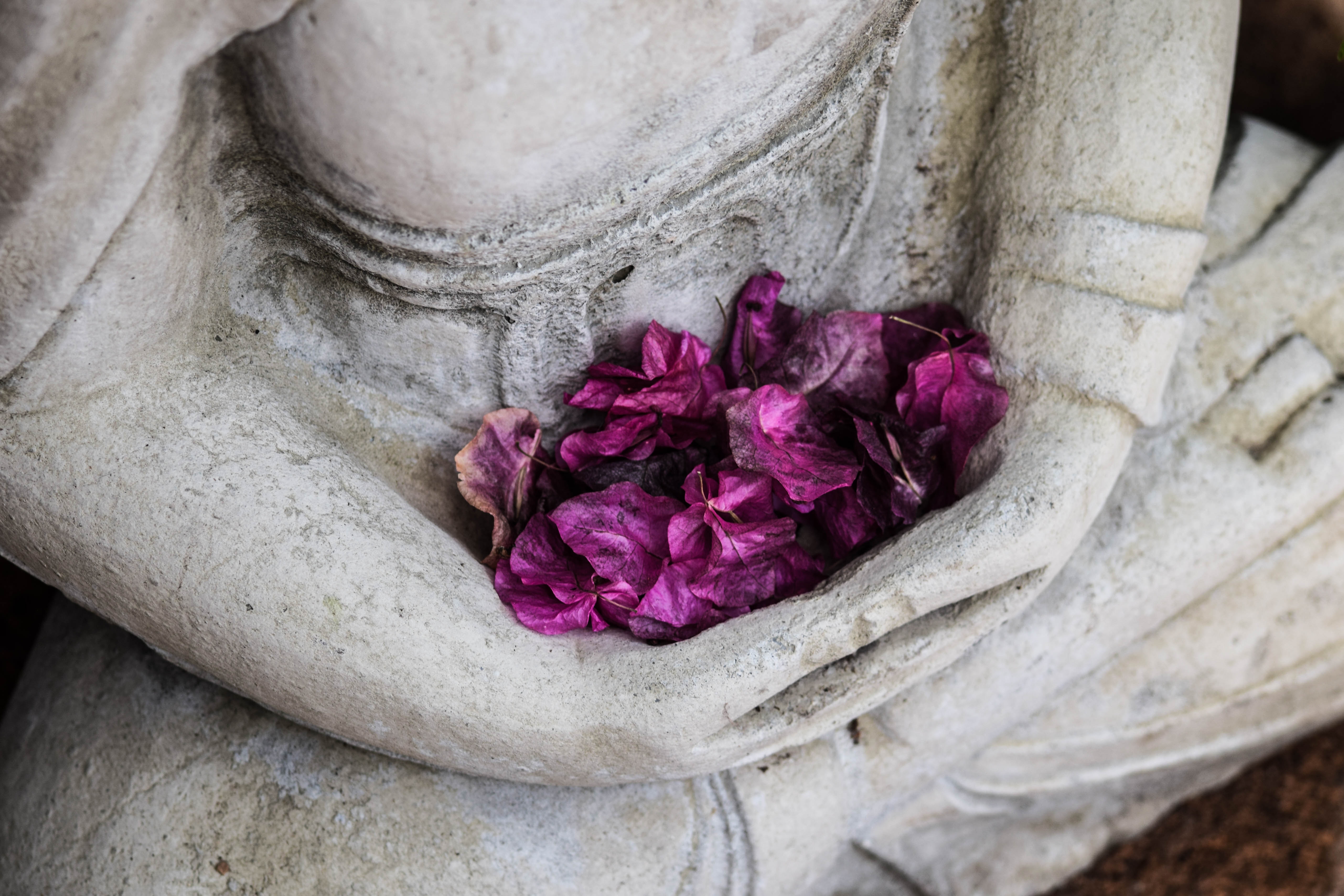
Photo by Mike Wilson on Unsplash
We had a troubled family system. Bad and scary things happened that I could not understand. My childish reasoning was failing to please was Bad. Pleasing was Good. If I chose failing to please, if I flaunted it, if I accepted it, I would be Bad and others could be Good, and therefore loved and safe.
Of course, I didn’t think of it in any kind of logical or adult sense. What I did have, however, was a great ability to love that even then was unconditional, deep and tender. I loved, do you understand? Only that. Just love and the willingness to do whatever it took to protect my loved ones.
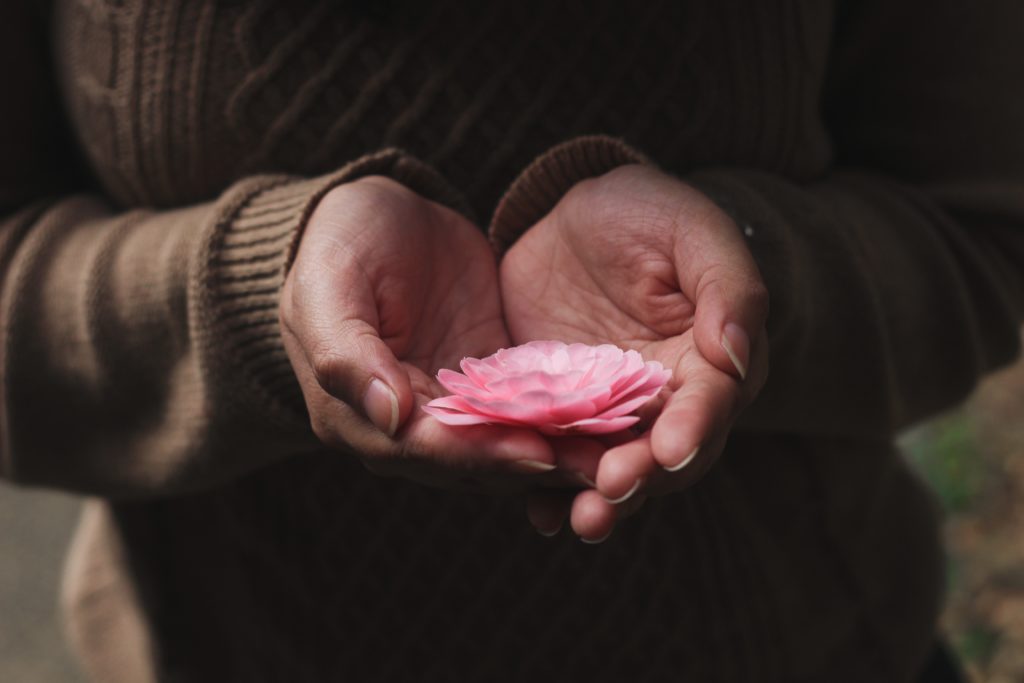
Photo by John Salvino on Unsplash
In those dim years of childhood I embraced being a failure and forged the bars that were to keep me in that prison for 50 years. Failing to please was Bad and terribly painful, but I was comforted by the abilities of others to please and therefore be loved. I believed becoming a lightning rod for displeasure shielded them.
As an adult, I had two children of my own and made exactly the same choice. I endeavored to shield and protect them from physical and psychological harm, no matter what it took. They could not understand, and I could not explain my choices to onlookers because I was protecting so many different people on different levels. I could not tell the truth. There was too much at risk and the truth was too damaging to all of us. I was afraid of the repercussions on those I was trying to shield.
My sense of failure was reinforced at every turn. I was told in words how disappointing and inadequate I was, but far more powerfully, I understood it from nonverbal communication and from the choices of those around me. Once again, I comforted myself with the knowledge I was doing the best thing for those I loved with my whole heart. I didn’t much care what happened to me if my loved ones could only be protected and happy. One day they would understand not only my choices, but the depth of my love.
The years rolled by. The children grew up and suddenly were adults. They expressed confusion and a sense of loss because of some of my parenting choices. I explained, confident of their understanding.
I realize now my explanations sounded ridiculous, but not because I failed.
I had a lifelong reputation for being dramatic and hypersensitive, which effectively erased my credibility within the family. I had no intention of burdening my sons with old family dynamics and problems existing long before they were born. I didn’t want to hurt or betray anyone. I didn’t want the boys to have torn loyalties or make them feel they had to choose sides.
Photo by Jason Rosewell on Unsplash
Anything I could say, calmly, neutrally and without emotion, wasn’t even loud enough to get their attention. Trying to convey the real truth of my experience would have sounded (I imagined) hysterical and unhinged or, even worse, made them feel they had to take care of me. Come what may, I was never going to ask my children to parent me.
They could intellectually understand my explanation about the choices I made as a parent, but they couldn’t emotionally understand, exactly the outcome I worked for all those years! To them, it just sounded like Mom, talking too much, being embarrassingly emotional and making a big deal about nothing. (She does that.)
Do you see the exquisite irony? My explanations sounded ridiculous because I had succeeded in shielding them so well they had no idea what I was talking about. That was the flip. I didn’t fail at all. I succeeded.
Can you hear the Gods laughing? I can.
When I realized the unintended consequences of my maternal protection, it certainly caught my attention, along with changing my relationship with my kids in deeply painful (for all of us), and, I fear, permanent ways. I have never known such grief, but privately I chalked it all up to another failure of mine and a grief I deserved.
My failure label stayed firmly in place, as solid a part of my identity as my blue eyes or wild hair. It never occurred to me I could take it off.
Until yesterday. Yesterday, another loved one I have protected made it clear to me how successful I’ve been in protecting him as well. My stoicism, my unrelenting commitment to healing and understanding, my fierce independence, and most of all my love and unwillingness to be disloyal or reveal unwelcome truths that might upset others have been so successful the truth of my experience sounds like hysterical, made-up, unkind, exaggerated nonsense.
It was the kids all over again.
This time, though, I finally got it. I finally understood I have succeeded, not failed, in everything I wanted to do out of love for others. Every single thing! I have failed to please, yes. I’ve failed the expectations of others. I’ve failed to be perfect. I’ve failed to keep the family glued together. I’ve failed in trying to force others to be happy and healthy. I’ve failed, most miserably of all, at protecting others from themselves. But none of those failures are real. None of those things were my job or within my power in the first place. They were impossibilities, not failures.
On the other hand, I have succeeded at failing! I did manage to attract negative attention so others were at less risk. I did carry and sometimes express the emotional burdens of those around me who couldn’t deal with their emotions. The role I chose as a scapegoat did, in a fucked-up kind of way, help keep the family functional enough that we all survived. My “failures” made others look more successful by contrast. My willingness to be the problem child, the dramatic one, helped keep my loved ones out of the line of fire, at least a little bit.
Photo by juan pablo rodriguez on Unsplash
As a parent, I succeeded. I raised two sons. They are not perfect. I made mistakes. They have baggage to unpack like all the rest of us. Their wounds, however, are different than mine. They were not hurt in the same ways I was. I successfully shielded them from the bombs and grenades that shattered me. I believe they know they are loved and worthy, and that I am proud of them.
What I’m most proud of is my success at loving. Just that. Loving myself and loving others. Nowhere along the way have I lost my ability and willingness to love, absolutely, completely and unconditionally. I love my family of origin. I love my children. I see now we don’t always get it back, the unconditional love, respect and loyalty we lavish on others. That’s okay. Invisible love, refused love, unrecognized love and unreciprocated love is still love. It’s The Right Thing To Do. It’s the only thing to do. It’s the best I have to give.
As for myself, I feel reborn. I am not a failure. I have never been a failure. I have succeeded in loving and doing my best against all odds. I accept others may not understand my actions and choices or believe in my love, but that’s their failure, not mine.
This day has revealed to me every ten minutes or so I call myself a failure, no matter what I’m doing. For the first time in my life, I’ve paused to examine all those so-called failures and discovered . . . nothing. My identity as a failure is nothing more than a mindless habit. It’s my automatic apologetic response when I cook the bacon too long, don’t properly anticipate my partner’s wishes, want to go to bed early, am standing in the way (nobody ever stands in my way — it’s always me in the wrong place!) or blow off doing an hour of exercise.
I have successfully mastered the art of failure. Bored now. I’m going to go be successful.
Sometimes the inside of my own head astonishes me. It’s amazing how much of our internal framework is undetected bullshit that runs our lives. For example, this is a belief I’ve always accepted without ever thinking about it:
I get what I deserve I deserve what I get
I have it, therefore I deserve it
I deserve it because I have it.
You have not got it therefore you do not deserve it
You do not deserve it because you have not got it
You have not got it because you do not deserve it
You do not deserve it therefore you have not got it. —R.D. Laing, Knots
This piece of nonsense masquerades as a Universal Law, and I believed it!
So, what does it mean to deserve something?
Interestingly, the word “deserve” comes from the Latin word “deservire,” meaning “serve well or zealously” (Oxford online dictionary). Serve as in servant? Serve as in slave?
Serve, as in somebody else has the power to judge the value of our service, regardless of how we evaluate it?
Now, there’s a slippery slope of disempowerment!
The more I mull this over, the clearer it is to me that being judged as deserving or undeserving is a human construct. It’s not real. It collapses when I try to examine it. Do we really believe we get exactly what we deserve? Children are starving because they deserve to? People die of cancer because they deserve it? One percent of the population has most of the financial resource because they deserve it and the rest of us don’t?
No. I don’t believe that.
Photo by Luca Bravo on Unsplash
My reading of current complex systems science (please see my Resources page) teaches me life is defined by living. Life wants to live, be it a bacterium, a fern, a woodpecker, or a human being. Life is persistent, adaptive, and depends on the passing on of genetic material and energy gradients. Life is solely occupied with meeting its needs for life, and most successful life teams up with other kinds of life in complex systems.
There is no deserve in all that. There is no implicit guarantee of rights or resource. Successful life often leads to population overshoot, at which point the successful species uses up its resource and predators of the overshoot population increase their population to take advantage of the abundant food and energy supply.
Photo by Manuel Barroso Parejo on Unsplash
I did nothing to deserve the circumstances of my birth as a white female in the United States. I’m no more or less deserving of life than a mycelium spore. If I die of some kind of drug-resistant organism, my death is nothing more or less than the inevitable consequence of my species being in overshoot.
We humans spend a lot of time fighting with one another, as any overcrowded population will. There’s current buzz about hate, oppression, immigration and white supremacy. My own view is that all those issues are not the root of the matter, but distractions. The real issue is our unconscious and false sense of ourselves as human supremacists, superior to the sacred cycles and processes of life and death. Most of us believe, behave, and act as though our needs are more important than the needs of other human beings, and certainly more important than the needs of all the other countless and magnificent forms of life with whom we inhabit this planet.
Photo by Seth Macey on Unsplash
We will discover — we are discovering — we cannot stand alone, however. In fact, most life on the planet can do much better without us than we can do without it.
Life and death are the context in which all our experience is embedded. We’ve only begun to identify some of the laws governing the way they work together. We’re only now realizing how interdependent all forms of life are, even as we actively destroy other species we depend upon for food and water.
As human beings, we have needs. If our needs don’t get met, we die. This is so for every form of life. We either live as part of a sustainable complex system or we die as a species. As individuals, we are born and live because of those who have died before us, and our inevitable death gives life to those who come after us. It’s really very simple. Debating whether we ourselves or any other form of life is deserving or not is an idiotic waste of time and energy.
The concept of deserving is one more piece of mental clutter, along with pleasing others and arguing with what is, I’m ready to let go. For years I’ve hurt myself with it; it’s limited me and been a heavy burden to carry. Without it I feel lighter, freer, and I notice an increased sense of reverence and gratitude for my life and all the life around me. I am not supreme. I’m a child, a student, and one small life among many others, all of which have equal value to my own and much to share and teach, if I can set my human arrogance aside long enough to listen.
As Loren Eisley writes in All the Strange Hours: “Life, life for the purposes of life, and is that then so small?”
We have books all over this house. The majority of them are neatly alphabetized in what we refer to as the “cat room,” because that’s where the litter box lives. There are also books in our bedroom, in my workspace, in the bathroom, in the kitchen, in the room where we eat, and in my partner’s small office, which is crowded and heaped and piled with extremely valuable and meaningful things (a.k.a. junk), liberally coated in dust. Just standing in the doorway makes me feel like tearing my hair out and bursting into tears.
But hey, we all deserve our own space, right? He doesn’t invade my space, and I don’t invade his. The peace treaty of tolerance in action.
Anyway. I digress. A few weeks ago he handed me a book, unearthed from his office, and told me I should read it. This is one of our favorite games —sharing books. I took it and put it in my to-read pile.
Yesterday I picked it up and fell in love.
Knots, written by R. D. Laing, was published in 1970 and cost $3.95. At first glance it looks like poetry rather than prose.
Here’s page one:
They are playing a game. They are playing at not playing a game. If I show them I see they are, I shall break the rules and they will punish me. I must play their game, of not seeing I see the game.
That’s all.
Photo by Ben White on Unsplash
I was sitting in the sun on the front porch. I set the book down and thought about this, feeling a smile on my face. Knots, indeed. I could feel the door this little paragraph opened up in my mind, and I wanted to find words to think about it, but my first reaction was pure amusement. That’s still my reaction, as I sit and type. Maybe there’s a lot I could say, but maybe Laing has already said everything worth saying. Maybe all I have to offer are some impressions.
Games, and the people who play them. Power and control games. Blame and shame games. Drama and trauma games. Triangle games. Have you ever noticed the most manipulative and malevolent game players never, ever admit they’re playing games? I’ve always wondered if that’s because they lack insight into their own behavior and motivation or they simply lie. Maybe it’s both.
I can’t imagine a world where everyone is just straight, saying what they mean and meaning what they say. It would be a world in which we all took responsibility for our choices and had the ability and willingness to be authentic. It would be a world where each one of us had integrity.
The human game, the social game, the money game, the professional game, the health game, the marketing and consumer game, the education game, the sex game, the family and/or parenting game, the significant other game. Our days and lives are filled with games, and we take them extremely seriously. Our identity and ideology, our hopes and dreams, our very lives seem to depend on how successfully we play our various games. Are all these games fun? Are any of these games fun? When I think about my life and watch the people close to me, I see despair, rage, fear, violence, a pathological need to win and be right at all costs, and grief. Fun? Not so much.
Do you remember the vain and not-terribly-bright Emperor who wore no clothes? His courtiers seduced him into believing he had on the finest clothes ever made and no one dared to say he was naked until he went out onto the street in a magnificent promenade. A child in the crowd said, “But he’s not wearing anything!” in the manner of small children who have not yet learned to play the game. The child was instantly hushed, but it was too late. That small arrow of truth could not be retrieved and the crowd roared with laughter.
Either everybody plays the game, or nobody does. No individual is allowed to call a game a game, however. No individual is allowed to challenge, ask certain questions, investigate and research independently, or have a different opinion. Such people are punished with tribal shaming, deplatforming, doxxing, threats and violence.
So we play the game, at least enough to escape notice. We try to stay camouflaged within the herd. We keep our heads down and our mouths shut. We pretend we think the game is real.
Some of us are better at that than others.
Some of us are born troublemakers and insist on thinking for ourselves, come what may.
Some of us are curious and play what we know is a game in order to find out what will happen.
Photo by Peter Forster on Unsplash
I was once with a bad boy man. He was magnetic and attractive. He was also filled with rage; collected gold, guns and ammo in an underground storage locker; grew illegal weed and mushrooms; and the local cops had a thick file on him. He said he’d met Jesus (while high). For various good reasons (trust me on this) I was with him for a few months during a bad time in my life. Everyone around me was appalled, which only added to my sense of reckless enjoyment.
I was sick and tired of being the good girl, the reliable one, the adult, the woman with no needs who always followed the rules and pleased everyone around her. I loathed my goody-goody, compliant self beyond words.
So, for a little while, I decided to be none of those things. One day he gave me a diamond ring, which I suspected had been stolen (you shouldn’t have!) while he was in another state a few years before. He asked me to marry him.
Now, not only did I have no intention whatsoever of marrying again, I knew he would never go through with it. I also knew this was not a man I would be in a long-term relationship with. He was meeting my need to be rebellious and reassure myself that I was still attractive enough, after two divorces, to fuck. Does that sound coarse? It was. But most women will understand what I mean. I didn’t go through a bad-boy phase as a young woman. I’ve always been a late bloomer. This was it. I needed it and I don’t regret it, in spite of some pretty severe consequences that made me a better and wiser woman.
The truth is I wanted to see what would happen. He was such a fruitcake. I wore the ring.
What happened was I got bored with the alcohol, the weed, and his insistence on dumping his pipe into the bathroom sink, which clogged the drain. I had to clean it out, naturally.
Also, guys who have a heavy alcohol and weed habit are not what you might call focused lovers.
So, ick. It was one of those things. Either you totally understand or your never will!
The point is I knew it was all a game. Did he? I don’t know. I didn’t ask. I doubt he would have told me if he knew, but I also doubt he did know. Chronic use of weed doesn’t make one smart. What was the point of the game? What was, if you’ll excuse the phrase, the endgame? How far was he willing to take it? I was mildly curious, but not curious enough (or invested enough) to stick around and find out.
I don’t think anyone in my life realized I was playing a game. They were far too busy disapproving, which gave me a lot of private amusement. Nobody asked me what I was thinking or feeling. In the atmosphere of criticism and judgment, I didn’t bother to explain or defend myself. The onlookers had already made up their minds about who I was and what I was doing. I didn’t feel I owed anyone an explanation. I was, after all, 40 years old.
If one person had sat down with me and said “WTF are you up to?” I would have told them the truth. Would they have believed me? That question makes me smile. All we do is play unacknowledged games in life on every side. If someone admits they’re playing a (temporary) game with a sexy bad boy man, do we believe them?
When I went through emotional intelligence training, I learned about three basic human needs: Contribution, connection and authenticity. If these primary needs are not adequately met, our lives don’t work well. I’ve written about my wary relationship with my own needs before. As I explore emotional intelligence, I’m struck by the simplicity of the three basic needs, the paradoxical complexity of each one, and the unique ways, often unconsciously, we each approach getting these needs met. I also notice the way these needs are inextricably woven into each other.
In these first couple of weeks of a new job, it’s been necessary to build a new schedule, which felt overwhelming until I remembered the three basic needs. I’m a creature of habit and I quickly stop assessing how I spend my time once I have a workable schedule. I engage with activities I’m accustomed to engage with and that’s that.
Photo by John Salvino on Unsplash
When I trained as a medical transcriptionist and started working from home, I was motivated by the necessity of earning a living and managing my then-teenage sons as a single mother. Medical transcription was a perfect solution. Gradually, without me really noticing, I allowed the job to become a prison. The boys grew up and moved out. I was promoted twice, but never earned a comfortable living. The job came with intense pressure that triggered my stress and perfectionism. It was isolating. It was difficult physically and keyboarding began to give me overuse injury.
I depended on my inadequate paycheck. It was the only income I had.
I was aware during the last couple of years I worked as a transcriptionist that the job was no longer meeting any of my needs, aside from the paycheck, but a paycheck is kind of essential. In fact, in my mind it was the essential priority in my life, and I labored away in spite of migraine headaches and increasing pain in my upper extremities and shoulders until the day came when I could no longer keyboard without sobbing and I developed a frozen shoulder. I couldn’t take off my shirt without feeling faint from pain.
Photo by freddie marriage on Unsplash
The hardest thing about that job was not the poor pay, but feeling my contribution didn’t matter. The medical professionals were dictating into a piece of equipment and rarely, if ever, considered the human being trying to transcribe their dictation, unless it was to complain and criticize errors. The company I worked for is a huge global conglomerate on the cutting edge of speech recognition technology and a whole host of other businesses. I was nameless and faceless. All training and in-services were done remotely. Management had a high turnover. Changes happened without notice, like getting transferred to a new book of business. Overtime, when needed, was mandatory. Transcriptionists were expected to work 24/7 and weekend shifts were required.
Many people can type quickly and accurately. It’s mostly a matter of practice. I was a pair of hands and ears racing the clock, along with hundreds of others like me, both here and overseas. The job wanted no authenticity from me or anyone else. It’s a job for robots.
Photo by Edu Lauton on Unsplash
I am not a robot.
I’ve been seeking a new job because I want to start earning income again, but this time I promised myself I wouldn’t take a job that didn’t feel meaningful to me, and I knew exactly what I meant by meaningful. A meaningful job is not about the paycheck. Yes, obviously, I need money in today’s world. Not a lot, but some. Enough to justify my time, travel and commitment. However, the work I do in exchange for a paycheck of any size is only meaningful if it makes a positive difference in the lives of others. I don’t want to be paid for being a robot impersonator. I want to be paid because I contribute something wanted or needed out of my own authenticity.
Working as a member of a team in order to keep people safe, assist patients in rehabilitation, and teaching swimming feels meaningful and allows me to work from the heart. In my little corner of the world I can be part of something healthy and healing for myself and others.
As an ex-people-pleaser, I endeavored for most of my life to make a positive difference in the lives of my family and immediate connections. I worked as hard as I could at it, and making a meaningful contribution was my top priority. In spite of all my efforts, I failed. In fact, it seemed the harder I tried the more obnoxious I was to those around me. Naturally, I concluded that I was nothing. I had nothing to offer that anyone wanted. It would be better for everyone if I disappeared and relieved them of the burden of my presence.
Two important things I’ve learned from those years are people pleasing doesn’t work, and some people are determined never to be pleased. I learned to define for myself what a “good” job is. I began to seek paid work I enjoyed as much as volunteer work and kept my focus on the feeling of making a positive contribution.
Photo by Cristian Newman on Unsplash
I see and hear a lot of discussion about the increasing problems of loneliness and depression, and I suspect many of those affected feel unable to make a meaningful, authentic contribution in their families and/or communities. Somewhere along the way we decided a paycheck is more important than the quality of our contribution, but ultimately, as human beings, no paycheck is an adequate substitute for feeling our contribution matters. Our culture does not necessarily reward authentic contribution. We like our infallible robots and good soldiers, those who do and say exactly what they’re programmed to do and say. Loose cannons like me are a problem nobody wants in the classroom or the boardroom.
I’m sorry I believed for so long I had nothing to contribute. It made me miserable and was the root of many destructive choices. Now I believe we all have a great deal to offer, and someone out there needs exactly what we can contribute. What would the world be like if every man, woman and child truly felt they had something unique to give that made a positive difference in just one other life? What if contributing and receiving contributions were not tied to money? What if we all woke up in the morning knowing the world is a better place because of our presence?
What would it take to make that a reality for everyone?
I’m fortunate to have found a way to make an authentic, meaningful contribution combined with a paycheck. Not everyone is able to do that. But everyone is able to do something. Plant a tree. Walk dogs living in animal shelters. Visit hospital patients. Assist in schools, day care facilities or retirement homes. Volunteer to answer a hotline. Buy a cup of coffee for a homeless person. Teach literacy.
Someone out there needs what we can give. Someone is waiting for us. All we have to do is go find them.
A couple of years ago my adult son and I had a heated exchange during which I asked him exactly what he wanted from me. It was a useful question. For a moment we stopped being adversaries while he thought about it. “Umm, I don’t know. What I’ve always had, unconditional love, I guess.”
Photo by Jordan Whitt on Unsplash
That moment has stayed with me, because as I asked the question I realized I really didn’t know, and I was both curious and interested. What does a fully emancipated twenty-something-year-old man honestly want from his mother? It was the first time it ever occurred to me to ask either of my sons what they wanted from me at any age or stage.
I never thought of anything except what I wanted to give them.
Emotional labor is the often invisible process of managing feelings and their expressions as part of a job or relationship. The idea often comes up as part of the ongoing discussion about gender roles and equality, but I’m thinking about it in a slightly different context.
Benign neglect is a term that originated out of city planning politics and now also describes an attitude of inaction regarding an unproductive situation one is commonly held to be responsible for.
I’ve written before about pleasing people, boundaries and reciprocity. Emotional labor is embedded in all of these, and it’s been a primary dysfunction in my relationships over the years, though I haven’t had any language or distinction about my experience of it until recently.
If you Google emotional labor you find definitions, descriptions, assertions about the disproportionate burden of emotional labor on women, and the powerful but invisible expectations regarding who is responsible for emotional labor in any given situation. What you don’t find is discussion about how to make visible and support the vital aspect of emotional labor in community, jobs and families. The discussion stops at equal rights.
Equal rights is an important discussion to have, but in the meantime we’re dealing with families, friends and jobs today and emotional labor is an inescapable need right now.
I think of emotional labor as glue. You don’t see it, but if it’s missing everything falls apart. If it’s applied carefully it holds things together. If we don’t keep a calendar and glance at a clock now and then, we can’t manage our lives. Either we learn to cope with appointments, deadlines, commitments, grocery lists and feelings ourselves or we rely on someone else to do it for us. Part of adulting is learning emotional labor.
Photo by freddie marriage on Unsplash
I’m a button sorter by nature, and I take a lot of pleasure in being organized. My life works better when I take the trouble to be effective and efficient, and it gives me pleasure to share with my loved ones the benefits of thinking and planning ahead and taking care of business. Remembering special dates, buying tickets, planning for bake sales and decorating for the holidays have all been offerings symbolizing my love and willingness to provide support to my family, along with the daily activity of simply showing up in my relationships.
I said that recently to my partner — “this is me showing up in the relationship.” He had no idea what I meant.
I was staggered. What do you mean, what do I mean? You know, asking if you slept well because you didn’t the night before. Or inquiring about the status of that headache you complained about yesterday. Or asking you what’s in your attention and what you’d like to do today. Listening. Sharing. Showing concern. Demonstrating I appreciate you enough to be present. Reminding you that we’re almost out of cat litter. Thanking you for patching the mousehole in the cupboard. Showing up in the relationship!
Photo by Ester Marie Doysabas on Unsplash
Yeah. Aka emotional labor.
He listened and shrugged. I didn’t describe anything he could relate to. He lives his life with me without showing up or not showing up. He just does what he does, says what he says, is interested in what he’s interested in. He doesn’t check in with himself every day to be sure he “showed up” in a way that reassures me of his ongoing affection and caring.
I do.
I’ve thought a lot about this since that conversation. I’ve been conscious of a huge annoyance and, underneath that, amusement.
All my emotional labor is completely unneeded. He never asked me to do it. It’s not useful. It’s invisible to him.
This made me wonder if that’s been true in all my other relationships as well, including with my kids, historically and presently.
That’s not right, though, because I’ve been with some real man-babies. My husband once called me at work because the baby had a soiled diaper. (Okay, it was a real blow-out, but still!) Then there was the guy who wanted a dog to fish with, but didn’t want to walk it, poop scoop after it or stay up all night on July Fourth holding its paw because it was terrified of firecrackers and invariably went into seizures (it had epilepsy).
And then there were the kids. There’s no question at all that raising kids takes a lot of emotional labor. It’s both needed and required.
Photo by Chris Barbalis on Unsplash
I guess I just got into the habit. Emotional labor has been my offering, my contribution, in every relationship. I’m good at it. Until very lately, I never considered reciprocity and I had no definition for emotional labor. I just thought of it as being a good woman.
When my son said he wanted what I’d always given, unconditional love, I had a moment of real satisfaction. I made so many mistakes, but at least I did that right. On the other hand, can those two simple words ever encompass the totality of heart, pain, frustration, energy, loyalty and years they represent? Unconditional love. That’s all.
Right.
I was with a man for a long time who had no interest in emotional labor. Once he had me hooked, he was never decisive, confident or clear again. He initiated no physical contact. He resisted making any plans. He made no effort to develop rituals, routines or regular check-ins. His job was stressful, he had some sleep and health issues, and his favorite excuse was “I forgot.” I gave and he withheld.
Eight years later (slow learner) burned-out, anguished and desperate, it occurred to me to wonder what would happen if I. Just. Stopped.
So I did. I stopped e-mailing. I stopped calling. I made plans without him. I let go of all my expectations and started trying to glue myself back together. I worked, took care of my own responsibilities, enjoyed time with friends and family and went on with my life. I set down all that emotional labor and walked away from it.
Guess what happened?
He floated away.
I’d essentially had an eight-year relationship with myself.
He did eventually (weeks) notice I wasn’t around any more and got in touch, mildly puzzled and reproachful. I was casual and said I’d been busy.
He told me he didn’t feel like he was getting the attention he needed from me. We were sitting in his car at the time. I’ll never forget it.
Until now, I’ve never put that experience in context with all my other relationships. After my recent conversation with my partner about showing up in the relationship, I changed my behavior. I stopped worrying about “showing up” every day. I’ve engaged with my own needs, daily tasks and schedule. I enjoy our time together, but I’ve stopped trying to make it happen. I switched my focus to making sure I show up for myself every day.
What I’ve learned from all this is emotional labor is real and largely unconscious. Many of us give our lives to it. I’ve also learned it’s a choice. When it remains invisible and undefined and we’re operating out of unspoken cultural expectations, we become unconscious of much of our decision-making and motivation. Our desire to be a “good” wife, mother, daughter, lover, sister, whatever, becomes all-powerful and we throw ourselves into it without ever thinking about whether that’s what others want and/or need from us. We don’t consider asking for help or professional support if we’re caregivers. In fact, we feel hurt when our emotional labor of worrying, for example, is not received with gratitude and appreciation! If whoever we’re connected with does want our emotional labor and provides none themselves, we don’t notice. We just work harder.
This is where benign neglect comes in. Benign neglect is an attitude of inaction regarding an unproductive situation one is commonly held to be responsible for, remember? The culture may hold us to be responsible for a lot of things, but that doesn’t make it true.
What if we challenged the “commonly held” belief that all emotional labor is our job in any given relationship? What if we decided it’s not our responsibility, in addition to not being useful, to worry, fuss, organize or manage the feelings of the people around us? What if we took back our power to choose?
Photo by Bruno Nascimento on Unsplash
If I had stopped worrying about doing laundry for my teenagers, or insisting on family mealtimes, or keeping track of their schedules, what then? The sad truth is I was afraid people would think I was a bad mother. I knew I would think I was a bad mother. The kids didn’t do those things for themselves, so I had to do it in order to demonstrate my love, commitment and competence. What kind of a mother lets her kids wear dirty socks?
I didn’t consider the difference between organizing schedules for toddlers and organizing two big, smart, capable boys who saw no reason to bother themselves with boring things like schedules, grocery lists and clean socks. I was so busy demonstrating my feelings, especially my love for them, I never stopped to wonder if they were learning to express their feelings. I didn’t ask.
It annoys me that only now am I seeing ways in which I could have been a much more effective parent, partner, daughter and sister.
At bottom, I don’t think emotional labor is about equal gender rights at all. I think it’s about choice, and choice is about power. We can’t choose if we don’t recognize there is a choice, we can only stumble forward blindly, doing our best with what we think the rules and expectations are, external and internal, until, overburdened, overwhelmed and exhausted, we fall down and don’t get up again. Meanwhile, the people we love, the ones we’re doing all this labor for, are not saved by our labor. Kids grow up, have car accidents and bad relationships, choose crappy diets, fall into addiction, catch an STD. Parents grow old, have health problems, and become dependent. Siblings, friends, lovers and mates are not assisted by our worry, our ability to manage their feelings or our “showing up” in the relationship. All our loved ones might be a great deal better off if we hadn’t taken on all the emotional labor ourselves, because when life happens, as it inevitably does, they lack the skills we never let them learn because we were so busy being good women.
Also, when was the last time you were thanked for all your emotional labor? (What do you mean, “showing up” in the relationship?)
You gotta love the irony of the whole thing.
What would my relationships look like if I kept my emotional labor in balance with the labor of those I’m connected to? What if I could be more like my partner and trust that my affection and love for him (and others) are communicated and understood without such deliberate emotional labor? He just naturally demonstrates his feelings for me in our day-to-day life without all this effort and trying. What if I relaxed and redefined what being a “good woman” means?
Websites store cookies to enhance functionality and personalise your experience. You can manage your preferences, but blocking some cookies may impact site performance and services.
Essential cookies enable basic functions and are necessary for the proper function of the website.
Name
Description
Duration
Cookie Preferences
This cookie is used to store the user's cookie consent preferences.
30 days
These cookies are needed for adding comments on this website.
Name
Description
Duration
comment_author
Used to track the user across multiple sessions.
Session
comment_author_email
Used to track the user across multiple sessions.
Session
comment_author_url
Used to track the user across multiple sessions.
Session
Statistics cookies collect information anonymously. This information helps us understand how visitors use our website.
Google Analytics is a powerful tool that tracks and analyzes website traffic for informed marketing decisions.
ID used to identify users for 24 hours after last activity
24 hours
_gat
Used to monitor number of Google Analytics server requests when using Google Tag Manager
1 minute
_gac_
Contains information related to marketing campaigns of the user. These are shared with Google AdWords / Google Ads when the Google Ads and Google Analytics accounts are linked together.
90 days
__utma
ID used to identify users and sessions
2 years after last activity
__utmt
Used to monitor number of Google Analytics server requests
10 minutes
__utmb
Used to distinguish new sessions and visits. This cookie is set when the GA.js javascript library is loaded and there is no existing __utmb cookie. The cookie is updated every time data is sent to the Google Analytics server.
30 minutes after last activity
__utmc
Used only with old Urchin versions of Google Analytics and not with GA.js. Was used to distinguish between new sessions and visits at the end of a session.
End of session (browser)
__utmz
Contains information about the traffic source or campaign that directed user to the website. The cookie is set when the GA.js javascript is loaded and updated when data is sent to the Google Anaytics server
6 months after last activity
__utmv
Contains custom information set by the web developer via the _setCustomVar method in Google Analytics. This cookie is updated every time new data is sent to the Google Analytics server.
2 years after last activity
__utmx
Used to determine whether a user is included in an A / B or Multivariate test.
18 months
_ga
ID used to identify users
2 years
_gali
Used by Google Analytics to determine which links on a page are being clicked