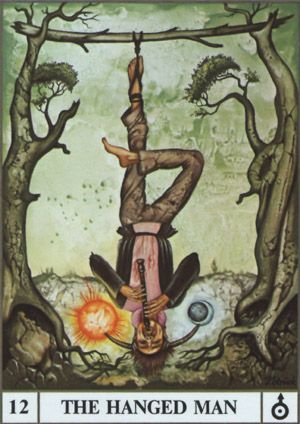
This week I’m contemplating The Hanged Man, a Major Arcana card in the Tarot deck. The traditional meaning of the card is “life in suspension.” Not coincidentally, The Hanged Man is the title of my first book.
The Hanged Man
The Tarot illustrates archetypes, and archetypes, like stories, have many rich facets and shades. The meaning of such symbols is never cut and dried, and archetypes can always be understood in layers and intuitive connections.
For many years I’ve worked with Tarot cards every six weeks, and at least half the time I pull The Hanged Man out of a deck of 78 cards, thoroughly shuffled and cut, for a 10-card spread. It’s obvious this particular card carries an important message for me.
Life in suspension. What does that mean?
First, I have to decide what “life” means.
Life: Doing, having, being.
For 50 years I believed I had to make up for the fact of my being by doing and having. It’s only recently I’ve begun to support and appreciate my need and desire to just be. Gradually, I’m changing my focus and attention from having and doing to being.
Thinking or talking about just being — feeling, playing, expressing, being in my body, following my interests and desires — seems either ridiculously shallow or criminal, I’m not sure which. Maybe both together.
On the other hand, having and doing can certainly be shallow in the long run, and provide only a brief period of comfort and pleasure, at best.
Life in suspension. Being in suspension? As in I’m too busy doing and having to be?
Photo by Ryan Moreno on Unsplash
That doesn’t sound good.
In my world, doing doesn’t count unless the doing is perfectly done. As perfection is a goal I never achieve, spending most of my time and energy doing seems like a bad investment.
As I explore and adopt minimalism, having is less and less important.
That brings us back to being.
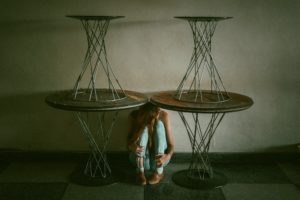
Life in suspension describes those times during which we feel stuck. We might be in a job that doesn’t challenge us, an unhealthy relationship, or an addiction. We might feel trapped in indecision, fear, grief or financial struggles. We can spend years, decades, lifetimes with pieces of our lives in suspension while we wrestle with our demons.
The entirety of our lives is generally not in suspension at the same time. We might be very pleased to have healed a health problem, yet still have struggles with money. We might be happy at work but stuck in our personal relationships, or vice versa. We might function for years with a hidden addiction, or wrestle chronically with our weight.
The thing about being stuck is it doesn’t feel competent, attractive, effective or like success.
It feels like failure.
On the heels of failure are the hounds of guilt, shame and isolation.
Photo by Elijah Hail on Unsplash
But during those messy periods when our lives are in suspension and our feelings painful, what sort of invisible, underground growth and change is happening? What is hidden in that suspended interval that is regenerative, creative and fertile?
The Hanged Man wears an enigmatic smile in many Tarot decks. He’s hanging from one leg from the branch of a tree. Why does he smile? Why isn’t he thrashing and cursing, trying to get loose? Why is he peaceful? How did he get there, and how long must he hang? What will happen to him after he’s unfettered? Who hung him there in the first place, and why?
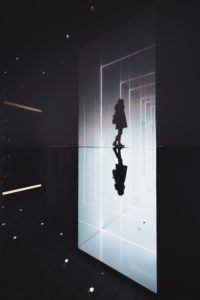
Life in suspension sounds like nothing is happening. Everything has stopped. Yet one of the things we can say about life with complete confidence is that it’s always changing.
I realize now my book, The Hanged Man, is at heart an examination of lives in suspension, or at least partly so. What happens to a mother who has murdered her children? That’s a life not so much in suspension as shattered, but what of her grief, her shame and her pain? How does one continue after such an event? What happens to a man who flees his home, his parents and his young wife, and is not able to stop running? What happens after we die? What’s happening while we’re waiting for spring, or for the baby to be born, or for a death?
Times of despair, illness, injury, grief, exile, and failure can make us feel stuck. We can’t seem to fix, change or get away from the tree in which we’re hanging upside down. Nothing seems to be happening and our discomfort goes on and on. Others fear us, or are repelled or uncomfortable because of our trouble. Failure of any sort is contagious. Nobody wants to be infected.
Photo by Talles Alves on Unsplash
Yet suspended intervals are common to us all. We might pretend they’re not happening and hide them from others, but who hasn’t been through a time of failure, either one catastrophic event or many smaller ones? Who hasn’t spent time mired in grief, rage, addiction or indecision? Who hasn’t lost themselves in confusion or been paralyzed by fear?
That’s why The Hanged Man is such a powerful archetype.
The suspended interval doesn’t seem like rich ground for stories at first glance, but I’ve always been more attracted to the less popular and less prized side of life. I like the blood, the sweat and the wet spot. I like the harsh realities of bone and ash.
Years ago I started creatively exploring lives in suspension without ever thinking about it in those terms. It was a careless kind of play, inspired by my storytelling material. What happened to the characters from the beautiful old traditional tales I was telling after — or even before — the story I knew? When Rapunzel escaped the tower, where did she go? What did she do? What became of the prince the little mermaid loved?
Why is that rascally hanged man smiling?
In the suspended interval, decades long, of hiding my writing because I felt it was a shameful, unproductive waste of time and it earned no money, I accidentally started writing a book. Or, I should say, a series of books.
It didn’t seem like much was happening while I was living those years, though. I was just hanging on, living my life.
Now that life I was experiencing while nothing much was happening has become nearly two thousand pages of creative work.
May was a tough month. I had a heavy work schedule and a certification and training class over 2 subsequent weekends that entailed classroom work as well as long, cold hours in a YMCA pool. My schedule left me with little time to write and no time to relax and catch up to myself.
Photo by Chris Kristiansen on Unsplash
I successfully passed the class and am now recertified to teach Red Cross swimming lessons, and I earned a couple of very helpful paychecks, but I’m exhausted and dissatisfied because I haven’t been writing much.
Work is an excellent distraction from my life. It always has been. I like to work. I like having concrete and specific expectations in a work setting. I like making a contribution to others. I like the social aspect of work, and I love being part of a team.
I also like the paychecks.
I could increase my hours to full time and enjoy the benefits and increased income. I could continue adding to my education and certifications and take on teaching more classes and aquatic programs. I’d enjoy it and I’m confident I’d do well.
I tell myself that’s what a normal, responsible, adult person would do.
I tell myself I should be grateful for work opportunities and take full advantage of them.
I tell myself I need the money.
But all the while there’s a voice in my head saying, “But what about writing?”
Photo by Angelina Litvin on Unsplash
What about the blog, the books, that query letter I need to write and that submission process I promised myself I would tackle this year? What about that activity guaranteeing no income, demanding all my passion and creativity, requiring long stretches of quiet solitude and combining my greatest joy with my most vivid hopes and fears?
Oh. That.
It’s time to fish or cut bait, shit or get off the pot. It’s time to reassess my time, energy and priorities and make conscious choices. It’s time for recommitment.
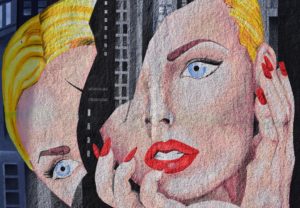
All my life I’ve worn efficiency and effectiveness like a suit of armor. People remark on my poise, my strength, my confidence and competence. All my life I’ve felt like a fraud and an imposter.
Photo by Chris Barbalis on Unsplash
I’m not motivated by the desire to compete or win applause. All I’m trying to do is stay safe. I hide my vulnerability behind my ability to be organized and willingness to take on responsibility.
A job is something I can do well and the world calls me successful.
A writer is something I am, and I must define my own success.
A job is a description, a list of competencies met and skills demonstrated, a time card, a schedule, policies and procedures.
Writing is intuitive, illogical, timeless, messy, infuriating, captivating and uncertain. It’s risky and vulnerable.
My job requires professionalism.
Writing requires absolute authenticity, sloppy, smelly and sticky.
I master a job.
Writing masters me.
I’d like to make an easy black-and-white decision here — live like a normal working person or find an old cabin in the woods and do nothing but write, but that’s ridiculous. Life consists of many threads woven together: Family, friends, home, our own self-care, community and work.
I can work and write too. I can’t take advantage of every opportunity at work, have a perfectly organized private life and be a perfect friend, family member and partner, all the while crouching behind my projections of competence, control and strength, and step into my full power as a writer.
Perfectionism will smother my life if I allow it to.
I may need to settle for being good enough, or even (God help us) average at work, at home and in my relationships. Maybe I don’t need to take advantage of every opportunity coming my way, whether at work or in the course of daily life. Maybe staying safe is not such a life-or-death matter as I’ve always thought.
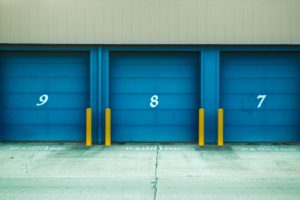
In the midst of all this rumination, Memorial Day weekend arrived. Saturday was the day we cleared out my storage unit after it flooded over the winter. We recruited some generous friends with a truck and trailer and made a date. At breakfast I wrote a short list of what to take. Then, instead of loading up the car, checking the list several times and getting ready hours in advance, I sat down and wrote a query letter and subscribed to an online site for locating publishers and agents who are currently accepting submissions.
Delighted and satisfied with my morning, my partner and I got in the car at the appointed time and headed to the storage facility.
I forgot to take the key to the padlock on the unit door. I also forgot the broom and the tape measure. I hadn’t taken time to check my list as we left.
Shit. Shit. Shit.
I left my partner there to wait for our friends and came back home.
For the first five minutes of the 20-minute drive I berated myself. Wasting gas, mileage and time. Worse — wasting my friends’ time! Rude, tardy, irresponsible, disorganized, incompetent …
Wait, I said to myself, hang on.
Isn’t this the choice I made, to settle for being less perfect in favor of writing? I failed to be properly organized in order to empty the storage unit, but I wrote a query letter, a project that’s been pending for seven months!
I had to smile at myself.
I slowed down and started enjoying the spring day. I stopped yelling at myself. I had been imperfect in front of God and everybody. My cover was blown and I felt uncomfortably exposed. I didn’t like it.
(My partner, as he reads this for the first time, informs me nobody else noticed or cared.)
So be it. The writing requires my unconditional best. The rest of my life can have whatever is left.
Normal, perfectionism and maybe even safety are overrated.
We got the storage unit emptied out and swept.
Then I came home and wrote this post.
(See poem below)
“Leave the dishes. Let the celery rot in the bottom drawer of the refrigerator and an earthen scum harden on the kitchen floor. Leave the black crumbs in the bottom of the toaster. Throw the cracked bowl out and don’t patch the cup. Don’t patch anything. Don’t mend. Buy safety pins. Don’t even sew on a button. Let the wind have its way, then the earth that invades as dust and then the dead foaming up in gray rolls underneath the couch. Talk to them. Tell them they are welcome. Don’t keep all the pieces of the puzzles or the doll’s tiny shoes in pairs, don’t worry who uses whose toothbrush or if anything matches, at all. Except one word to another. Or a thought. Pursue the authentic-decide first what is authentic, then go after it with all your heart. Your heart, that place you don’t even think of cleaning out. That closet stuffed with savage mementos. Don’t sort the paper clips from screws from saved baby teeth or worry if we’re all eating cereal for dinner again. Don’t answer the telephone, ever, or weep over anything at all that breaks. Pink molds will grow within those sealed cartons in the refrigerator. Accept new forms of life and talk to the dead who drift in through the screened windows, who collect patiently on the tops of food jars and books. Recycle the mail, don’t read it, don’t read anything except what destroys the insulation between yourself and your experience or what pulls down or what strikes at or what shatters this ruse you call necessity.”
When I went through emotional intelligence training, I learned about three basic human needs: Contribution, connection and authenticity. If these primary needs are not adequately met, our lives don’t work well. I’ve written about my wary relationship with my own needs before. As I explore emotional intelligence, I’m struck by the simplicity of the three basic needs, the paradoxical complexity of each one, and the unique ways, often unconsciously, we each approach getting these needs met. I also notice the way these needs are inextricably woven into each other.
In these first couple of weeks of a new job, it’s been necessary to build a new schedule, which felt overwhelming until I remembered the three basic needs. I’m a creature of habit and I quickly stop assessing how I spend my time once I have a workable schedule. I engage with activities I’m accustomed to engage with and that’s that.
Photo by John Salvino on Unsplash
When I trained as a medical transcriptionist and started working from home, I was motivated by the necessity of earning a living and managing my then-teenage sons as a single mother. Medical transcription was a perfect solution. Gradually, without me really noticing, I allowed the job to become a prison. The boys grew up and moved out. I was promoted twice, but never earned a comfortable living. The job came with intense pressure that triggered my stress and perfectionism. It was isolating. It was difficult physically and keyboarding began to give me overuse injury.
I depended on my inadequate paycheck. It was the only income I had.
I was aware during the last couple of years I worked as a transcriptionist that the job was no longer meeting any of my needs, aside from the paycheck, but a paycheck is kind of essential. In fact, in my mind it was the essential priority in my life, and I labored away in spite of migraine headaches and increasing pain in my upper extremities and shoulders until the day came when I could no longer keyboard without sobbing and I developed a frozen shoulder. I couldn’t take off my shirt without feeling faint from pain.
Photo by freddie marriage on Unsplash
The hardest thing about that job was not the poor pay, but feeling my contribution didn’t matter. The medical professionals were dictating into a piece of equipment and rarely, if ever, considered the human being trying to transcribe their dictation, unless it was to complain and criticize errors. The company I worked for is a huge global conglomerate on the cutting edge of speech recognition technology and a whole host of other businesses. I was nameless and faceless. All training and in-services were done remotely. Management had a high turnover. Changes happened without notice, like getting transferred to a new book of business. Overtime, when needed, was mandatory. Transcriptionists were expected to work 24/7 and weekend shifts were required.
Many people can type quickly and accurately. It’s mostly a matter of practice. I was a pair of hands and ears racing the clock, along with hundreds of others like me, both here and overseas. The job wanted no authenticity from me or anyone else. It’s a job for robots.
Photo by Edu Lauton on Unsplash
I am not a robot.
I’ve been seeking a new job because I want to start earning income again, but this time I promised myself I wouldn’t take a job that didn’t feel meaningful to me, and I knew exactly what I meant by meaningful. A meaningful job is not about the paycheck. Yes, obviously, I need money in today’s world. Not a lot, but some. Enough to justify my time, travel and commitment. However, the work I do in exchange for a paycheck of any size is only meaningful if it makes a positive difference in the lives of others. I don’t want to be paid for being a robot impersonator. I want to be paid because I contribute something wanted or needed out of my own authenticity.
Working as a member of a team in order to keep people safe, assist patients in rehabilitation, and teaching swimming feels meaningful and allows me to work from the heart. In my little corner of the world I can be part of something healthy and healing for myself and others.
As an ex-people-pleaser, I endeavored for most of my life to make a positive difference in the lives of my family and immediate connections. I worked as hard as I could at it, and making a meaningful contribution was my top priority. In spite of all my efforts, I failed. In fact, it seemed the harder I tried the more obnoxious I was to those around me. Naturally, I concluded that I was nothing. I had nothing to offer that anyone wanted. It would be better for everyone if I disappeared and relieved them of the burden of my presence.
Two important things I’ve learned from those years are people pleasing doesn’t work, and some people are determined never to be pleased. I learned to define for myself what a “good” job is. I began to seek paid work I enjoyed as much as volunteer work and kept my focus on the feeling of making a positive contribution.
Photo by Cristian Newman on Unsplash
I see and hear a lot of discussion about the increasing problems of loneliness and depression, and I suspect many of those affected feel unable to make a meaningful, authentic contribution in their families and/or communities. Somewhere along the way we decided a paycheck is more important than the quality of our contribution, but ultimately, as human beings, no paycheck is an adequate substitute for feeling our contribution matters. Our culture does not necessarily reward authentic contribution. We like our infallible robots and good soldiers, those who do and say exactly what they’re programmed to do and say. Loose cannons like me are a problem nobody wants in the classroom or the boardroom.
I’m sorry I believed for so long I had nothing to contribute. It made me miserable and was the root of many destructive choices. Now I believe we all have a great deal to offer, and someone out there needs exactly what we can contribute. What would the world be like if every man, woman and child truly felt they had something unique to give that made a positive difference in just one other life? What if contributing and receiving contributions were not tied to money? What if we all woke up in the morning knowing the world is a better place because of our presence?
What would it take to make that a reality for everyone?
I’m fortunate to have found a way to make an authentic, meaningful contribution combined with a paycheck. Not everyone is able to do that. But everyone is able to do something. Plant a tree. Walk dogs living in animal shelters. Visit hospital patients. Assist in schools, day care facilities or retirement homes. Volunteer to answer a hotline. Buy a cup of coffee for a homeless person. Teach literacy.
Someone out there needs what we can give. Someone is waiting for us. All we have to do is go find them.
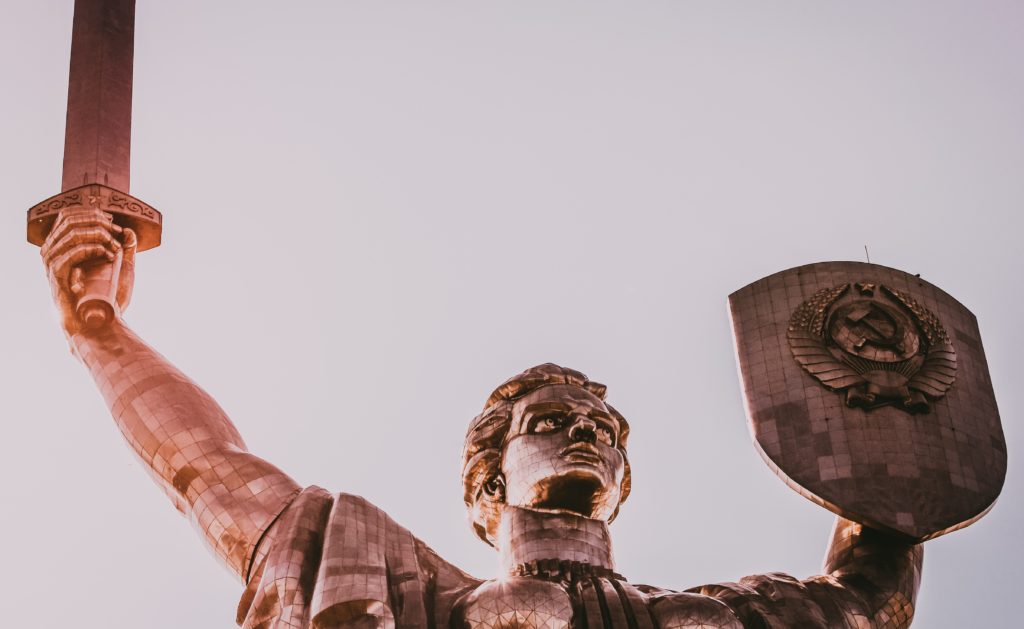
Four years ago someone said to me “women and children should be behind the shield.” The impact of that statement was like a kick in the gut. I was shocked by the way the words made me feel; a tidal wave of fury, grief and despair. It was so overwhelming I didn’t poke at it right away, but ever since then I’ve been playing around with the idea of shields, my version of circling around a potentially dangerous object with twitching tail and ears pricked, curious but wary.
Photo by Bogdan Kupriets on Unsplash
A shield is a piece of personal armor used to actively intercept specific attacks. Traditionally, shields varied in size, shape and thickness and were made of wood, animal hide, woven reeds or wicker. Shields have probably been around as long as we have.
A shield implies protection.
I think my initial reaction to the phrase “behind the shield” was painful because of my fierce, primitive longing for the kind of protection and safety that image implies to me. I’ve always been hypervigilant and concerned with identifying safe places. I know where the exits are, physical and emotional. I maintain bolt holes, if-the-sky-falls plans and a high degree of independence and self-sufficiency.
Because my own anxiety and fear have been such sources of private and mostly hidden anguish, I’m extremely sensitive to others who suffer in the same ways, either specifically or generally. In the days when I was doing volunteer fire and rescue work, I frequently took the role of lying on the highway in the glass, spilled gas and ruins of a vehicle calming and reassuring a trapped victim, monitoring a pulse if I could get to a pulse point, explaining what was happening as we tried to extricate, establishing responsiveness and orientation and taking a history while the fire department deconstructed the car around us and the EMTs and paramedics passed me pressure bandages, a blanket or anything else that was needed and we had room to use.
Photo by Jordan Whitt on Unsplash
In short, I give others, animals and human, the kind of calm reassurance and protection I’ve always craved myself.
It might be this longing is buried within all of us, a kind of deep and primitive desire to return to the ultimate safety of the womb or a longing for the in-arms experience every baby needs and has a right to receive. Except that the womb is not always safe, and many of us do not get sufficient in-arms experience as babies. It might be that I’m uniquely broken in this, but I doubt it. I suspect much of our irrational and destructive behavior has to do with trying to feel safe, sheltered and loved, including sexual and behavioral acting out and addiction.
In any event, my desperation to be shielded motivated me to become a willing shield for others. This adaptation was greatly assisted by being female and then further strengthened when I became a mother.
Photo by James Pond on Unsplash
I never thought of myself as a shield. It never occurred to me such a role was a choice. I defined myself as a protector, a nurterer, a figure of maternal and female strength, a life-giver and a peace maker. I thought of myself as a good woman. I automatically placed myself between the harsh edges of the world and those I loved. I protected my husbands and partners from the necessity to deal with anyone else’s needs (including my own) and threats to their egos (including me). I protected my sons from the immaturity and selfishness of my husbands and partners. I tried to protect people from their mental and physical pain, from the consequences of their choices, from their own feelings and from any other irritation, hurt or harm.
Shields were originally made to protect from specific kinds of attack, but I tried to shield others from all kinds of danger: blade, arrow, blunt weapon, words, pain, consequences, inconvenience, feelings and worry. I was determined to be a perfect shield for all my loved ones.
Predictably, I failed, and nobody likes a shield that fails. I regularly heard about my inadequacy.
No one ever suggested to me that I protect myself, and no one invited me behind their shield, even for a rest. I approached every relationship with a craving to be taken care of, to be held, to be loved. I believed in romance and part of romance certainly included being taken behind the shield of some kind, competent man. If you’re thinking this was needy and dangerous behavior, you’re right. Somehow, I always ended up with one more person in my life I needed to shield, instead of the other way around.
The inability to trust and the craving to be protected and cared for can tear a woman apart. I’m certain there have been people in my life over the years who wanted to give me safety and security, but I refused to let anyone get that close. I don’t want to rely on anyone. I’ll go to great lengths to avoid asking for help. At the same time, I’ve spent much of my life working happily with children, animals, in hospice and as a first responder.
For a long time I thought if I could get a good enough job and earn or save enough money I’d be safe, but I was wrong about that. We live well below the poverty line, but I feel safer now than during any other time in my life. I’m also less concerned about money than I’ve ever been before. Money is not safety. I also thought if I could just find the right home I’d be safe. I found the right home and discovered that wasn’t the solution, either. Wrong again.
Since I came to Maine, everything has changed. Now I live in a situation that does not require constant emotional labor. I live with an adult who does not need or expect me to protect him. I have found reciprocal relationships.
This morning, as I went about my daily breakfast routine, it occurred to me that I’m no longer looking for a shield to crawl behind. The need for safety doesn’t drive me now. I’m not even sure I know what I mean by safety. What is the threat I’m trying to protect myself from? Aging? Poverty? Being unloved? Abuse? Getting my feelings hurt? A blow to my pride? Abandonment? Betrayal? Internet trolls? Loneliness? Crazy people with guns? Illness? Death?
Yes. All these and more. And most of these have already happened, some more than once, or are happening right now.
In spite of that, I’m okay. I’m better than okay. I’m great. I’m resilient. I believe in my ability to survive and thrive. I don’t mind aging and I’m not afraid of death. I’m emotionally intelligent and I understand power dynamics. I’m as safe as anyone, and a lot safer than millions.
Photo by Miranda Wipperfurth on Unsplash
I have my own shield now. I made it (without knowing what I was doing) out of dragonfly wings, cobwebs, stardust and the sound of bats flitting around my head in the dusky barn on their way out to hunt. I made it out of integrity, passion, dance, laughter, creativity, ritual and spirit. There’s room behind my shield for others to rest, breathe and make shields for themselves, but I’m not spending my days searching for those in need of such a shelter. I can’t make a shield for you or even my most beloved to carry. I can’t keep everyone or anyone safe. I can’t shelter the world.
The only person in charge of my safety is me. The only person I have a responsibility to keep safe is me.
I am not a shield. I don’t have to take the blows or go to war. I don’t have to buffer, neutralize or ameliorate the experience of life for others. I don’t have to prostitute and beg in order to be dragged behind someone else’s shield. I made exactly what I need for myself, and no one can take it away from me.
Knowing I have what I need, I’m no longer approaching interactions with others from such desperation to be cared for. I still don’t like to ask for help, but I’m practicing doing it anyway. I’m much better at taking care of myself and no longer put the needs of others before my own. I’ve developed useful coping mechanisms that help me feel safe.
Photo by Robert Zunikoff on Unsplash
We all construct shields emotionally, intellectually, behaviorally and with our choices. None of them really protect us from our fears or the experience of life. There is no way to shield against generalized fear and anxiety. It’s counterintuitive, but the best path I’ve found to feeling safer and more secure is to drop my armor and open my arms to my fears. I don’t know why that works, but it does. Monsters are ten times larger when I’m running away from them. When I run toward them they shrink before my eyes, and sometimes they even run away from me. That’s why I build my shield from things like iridescent hummingbird feathers and milkweed fluff. It won’t stop a harsh word or a bullet, but I carry with me joy, wonder, awe, mystery and beauty. My shield is a story of love and a story about what makes life worth living. It reminds me to stand tall and unafraid, looking life in the eye, confident in my ability to endure, heal, laugh and learn.
Middle age is great fun. I’m constantly amused at how much time I spent during the first half of my life being ineffective. I’ve had heartfelt intentions, goals and plans and I’ve worked hard, but I’ve never understood a thing about simply letting life be. I know all about discipline and almost nothing about surrendering to the natural flow of anything, including myself.
I call myself a gardener. During some periods I grew most of my own vegetables and herbs. It was a lot of work. In Colorado, water was always a problem, and in my rural gardens deer were a constant threat. Keeping a garden weeded, mulched and watered, along with raising two little boys, working, and running a household on a shoestring, was quite a challenge. I thought I knew a lot about gardening.
Here in Maine I don’t garden. We don’t have dedicated garden space protected from the deer, for one thing. For another, my diet has changed and I mostly eat meat now. I’m also older, my knees complain bitterly if I spend a lot of time kneeling, and my body does not want to bend over in a garden every day.
Photo by Louis Maniquet on Unsplash
On the other hand, we probably have thirty or more apple trees, wild raspberries (red and black), wild strawberries, highbush cranberries, blueberries, elderberries, roses, an ancient and persistent grapevine of unknown variety, sugar maples, pear trees and nut trees spread out across our land. The whole place is a garden.
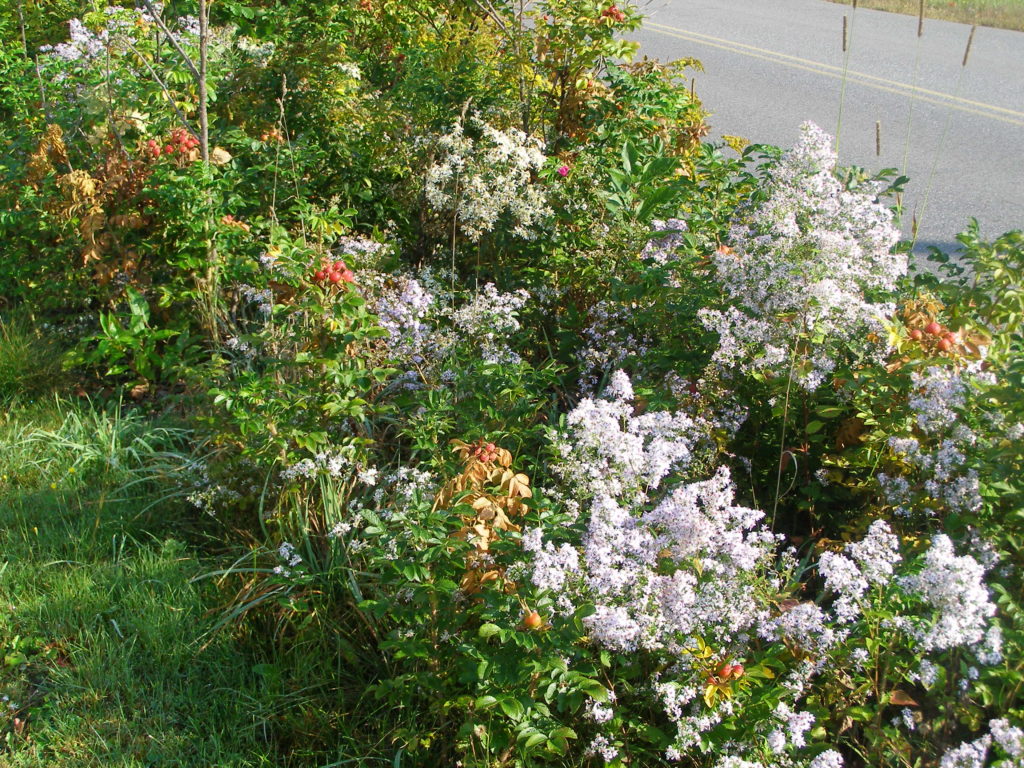
We also have a short hedge of beach roses, thickly thorned and tough, running right along the road on the east side of the house. It gets the snowplow drifts of snow, ice and sand in the winter and the heat, exhaust and sometimes trash of every passing vehicle in the summer. I couldn’t kill them with an axe. It’s not a tall hedge, but it blooms pink in the spring and provides a small barrier between the house and the traffic. In this season it’s loaded with fat red round rose hips.
In the spring, we saw a lot of dead wood in the rose hedge and we began to give it a heavy pruning. It had been neglected for years, and I was certain it would come back, thicker and healthier than ever. It was miserable to work on because the thorns, though short, are numerous and tough, and defy the heaviest work gloves. We got about halfway through the task and then Spring caught us up, along with many other projects, and we never finished pruning the hedge. I raked up what we did take out, pitched the debris over a bank so the thorns were out of the way, and did nothing else for it. The denuded hedge looked spiky and ugly until it leafed out.
In the ensuing months I’ve watched that hedge bloom as usual with its bright pink flowers. One day I saw wild buttercup was also blooming in the places we’d pruned. Wild violets crept around the edges. Yellow hawkweed moved in. After the buttercups came white and yellow daisies. Then a froth of Queen Anne’s Lace draped around it, and tall purple clover beckoned the wild bees. As those faded, I recognized goldenrod and wild asters beginning to grow. Every couple of weeks my partner mows between the hedge and the house. That’s the only care and attention it ever gets.
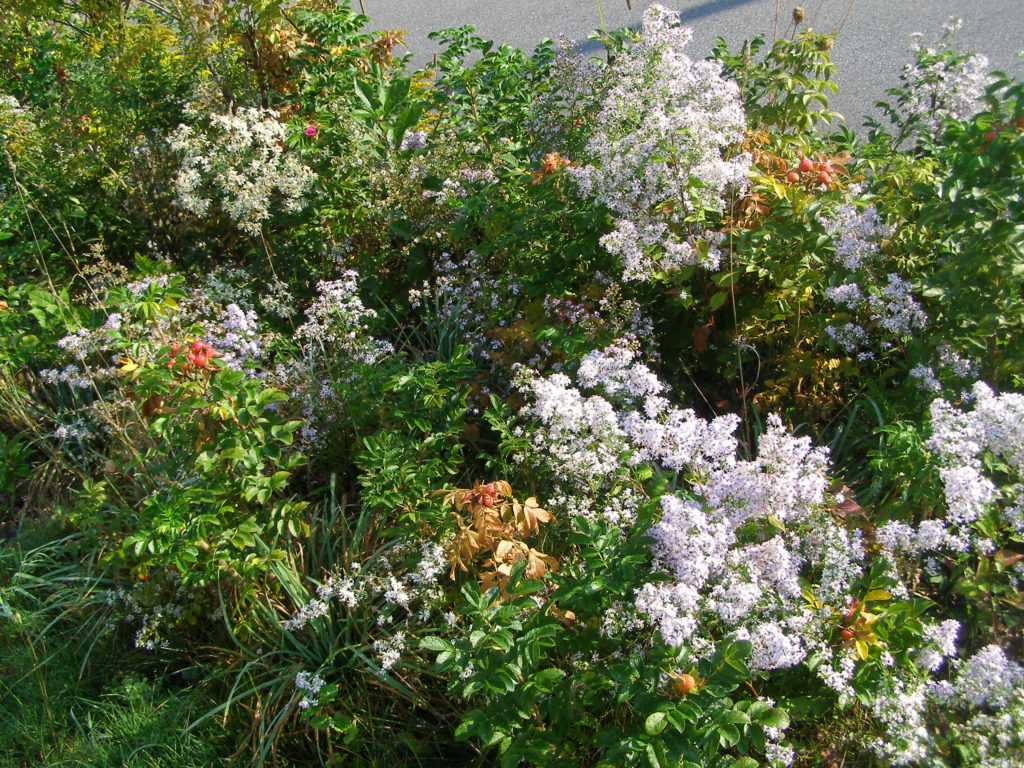
Wildflowers have bloomed, each in their season, mingling with the roses, all summer and fall. Now there’s a foam of purple and white wild aster and the roses are blooming for a second time, mingling with hips. The hedge is a riot of color.
Beach rose hedge 09/17
This takes me back to the article I mentioned about what makes plants happy.
The article points out that plants grow in the wild according to their evolution, needs and contribution in a system. Some plants are tall and grow in isolation. Others are immensely social and form clumps or swathes. Some plants like to creep along the ground and grow low. Others are quite high and grow with tall grasses because they need the support of the surrounding stems. Look at a natural meadow or field in summer that hasn’t been grazed or recently mown, and you’ll see a system of plants and grasses growing together with no input from humans. There are no bare places that need to be mulched. Nobody comes along and dead heads and tidies things up. As flowers fade and plants die, or are fed on, vegetable matter and seeds fall to the ground and become food or sprout into the next generation of plants. The meadow or field, if healthy, will have a full complement of insects, birds and small rodents present, and so on, up the food chain.
Okay, you get the picture. Biology 101, right? But that’s not a garden.
A garden is where we prepare the ground by banishing “weeds;” amend, dig and turn the soil by exposing it and sterilizing it and wearing out our backs; spend money protecting the area with fences, animal repellents, insecticides and herbicides; buy bags and bags of expensive manure, peat, top soil and mulching materials; spend more money buying plants, often without particular regard to whether they’re native to our area and with no idea or interest in how they grow in the wild; and plant them in solitary confinement, carefully spacing them out in sad little oases amid the mulch. We do not give them appropriate companions or communities, allow them to build a family around themselves or allow them to make the contributions they were evolved to make to other plants and wildlife.
We hold gardens to our own standards of neatness, cleanliness, obedience and beauty. We cut and tidy away brown leaves and spent blossoms lest they offend the eye, never imagining we’re depriving our plants of the free food they were evolved to need. We plant to please our color and variety preferences, never asking ourselves or bothering to find out what those particular plants need in order to be happy. We never imagine ourselves a shrew, or a chipmunk, or a grasshopper, and it doesn’t occur to us to lie on the ground with our chins in the dirt and appreciate the complex layers of plant life covering it. The only view we consider is the one from above, and the only layer we see from that vantage point is the top one.
That’s what we call a garden. Isn’t it beautiful?
We humans have an incorrigible, idiotic kind of blind arrogance, myself included. I confess I never once thought about observing how Nature gardens and modeling my gardens on hers. Not once. Yet Earth has survived for millions of years, creating rich, self-sustaining forests, swamps, grasslands and other habitats without the interference of human beings. We don’t think about the plants’ point of view, though. We come along, wear out our bodies, spend money, try to reinvent elegant and sustainable life systems and wonder why gardens don’t thrive.
Duh.
Beach rose hedge 09/17
I’ve been thinking about this article about what makes plants happy for months, and watching our little rose hedge. As we move into fall, I spend a certain amount of time pruning away dead wood and crowded saplings in many different places. We’ve cut a couple of old and dangerous trees. As I work, I carefully lay all the debris at the base of the plants I’m working on. I don’t uproot things. I don’t disturb the soil or the layer of wet rotting leaves on the forest floor. I cherish the sight of mushrooms growing everywhere, because I know they signal a healthy mycelium net underground, serving every plant and tree on the place and beyond. Apples and berries fall and rot where they lay, sinking back into the ever-richer earth. I notice how the wildflowers grow and spread and who they grow and bloom with. I’m making friends with the low ground-covering plants: Wild chamomile, wild strawberry, white clover, wild basil with its purple flowers, the sweet little violets and rabbit’s foot clover.
Unless in our way, we let trees lie as they fall and rot over time. We run the mower over autumn leaves and let them lie. We carefully stake volunteer or rodent-planted saplings to avoid mowing them, so the next generation of black walnut, maple, oak and beech can grow. We leave the tent caterpillars alone, because they provide food for birds, bears and other creatures.
I realize now all my neat gardening was driven by perfectionism, by a desire to feel in control, and by a need to please the eye of myself and others. I invested a lot of sweat equity in trying to garden “right” without ever questioning what that really meant. I made it much, much harder and more expensive than it ever needed to be.
It’s worth noting this is exactly the way I treat myself.
The rose hedge reanimated itself. It grows in the most inhospitable area of the whole place, but it knew just what to do. I stood back, let it alone and marveled.
You know what? I take it back. I’m not a gardener. But I do humbly enjoy a 26-acre garden.
Websites store cookies to enhance functionality and personalise your experience. You can manage your preferences, but blocking some cookies may impact site performance and services.
Essential cookies enable basic functions and are necessary for the proper function of the website.
Name
Description
Duration
Cookie Preferences
This cookie is used to store the user's cookie consent preferences.
30 days
These cookies are needed for adding comments on this website.
Name
Description
Duration
comment_author
Used to track the user across multiple sessions.
Session
comment_author_email
Used to track the user across multiple sessions.
Session
comment_author_url
Used to track the user across multiple sessions.
Session
Statistics cookies collect information anonymously. This information helps us understand how visitors use our website.
Google Analytics is a powerful tool that tracks and analyzes website traffic for informed marketing decisions.
ID used to identify users for 24 hours after last activity
24 hours
_gat
Used to monitor number of Google Analytics server requests when using Google Tag Manager
1 minute
_gac_
Contains information related to marketing campaigns of the user. These are shared with Google AdWords / Google Ads when the Google Ads and Google Analytics accounts are linked together.
90 days
__utma
ID used to identify users and sessions
2 years after last activity
__utmt
Used to monitor number of Google Analytics server requests
10 minutes
__utmb
Used to distinguish new sessions and visits. This cookie is set when the GA.js javascript library is loaded and there is no existing __utmb cookie. The cookie is updated every time data is sent to the Google Analytics server.
30 minutes after last activity
__utmc
Used only with old Urchin versions of Google Analytics and not with GA.js. Was used to distinguish between new sessions and visits at the end of a session.
End of session (browser)
__utmz
Contains information about the traffic source or campaign that directed user to the website. The cookie is set when the GA.js javascript is loaded and updated when data is sent to the Google Anaytics server
6 months after last activity
__utmv
Contains custom information set by the web developer via the _setCustomVar method in Google Analytics. This cookie is updated every time new data is sent to the Google Analytics server.
2 years after last activity
__utmx
Used to determine whether a user is included in an A / B or Multivariate test.
18 months
_ga
ID used to identify users
2 years
_gali
Used by Google Analytics to determine which links on a page are being clicked