by Jenny Rose | Jan 3, 2019 | A Flourishing Woman, The Journey
Photo by Pascal Müller on Unsplash
I came across a poem by Ursula K. LeGuin (see below) and found it beautiful and timely. The wheel of cycles and seasons has swung around to the resurrection of light once more, and we wish one another a happy new year, each of us with our own hopes and fears for the months ahead.
For much of my life, I equated love with protection. When I became a parent, the vulnerability of my sons added exponentially to my own. In common with many parents, I struggled fiercely to protect them through infancy, childhood and beyond. Naturally, we protect others from what we ourselves most fear. In my case these fears include pain, loss, addiction, abuse and abandonment. I tried to shield my children from those people and experiences that hurt me, lest they be hurt in the same ways.
Photo by Nicole Mason on Unsplash
Certainly, in the case of small children, animals and others who have no voice or are unable to use it, protection can be an act of love, but I’ve thought for some time now that we carry it too far, especially when we seek to “protect” our perfectly capable adult children, partners and friends. At some point our impulse to protect others becomes selfish. We do not want to bear witness to a loved one’s pain, let alone our own. We do not welcome the responsibility of telling the truth. Protection becomes a pathological means of disempowering others and binding them to us because we don’t want to be alone or the independence of our loved ones threatens us.
To be over-protected is to be without the freedom to develop confidence in our own good sense, strength and courage. We’re never allowed to stumble and fall and we don’t have to figure out how to comfort ourselves, clean our scraped knees and move forward. We over-protect out of fear or control, not love, and our constant vigilance of our loved one or loved ones teaches them fear as well. Fear makes our lives smaller, not bigger.
This new year, I don’t wish you photoshopped health, prosperity and happiness, and I don’t have a list of resolutions I hope will lead me to those things, either.
This year, I wish us each the ability to stand in our own power.
 May we learn to love our bodies as they are. May we live joyfully in our skin. Let us teach our bodies new things and work with them to become as strong and healthy as we can. May we allow our bodies to be and to change.
This year, may we make mistakes. May we become lost and confused, and then find our way again. May we find out we’re wrong, and tell everyone. May we be vulnerable, get hurt and heal ourselves.
May we wander far from home without a map and walk a thousand miles, exploring new places and ideas. May we listen to a different kind of music and read a different kind of book. May we do something we’re afraid of.
Photo by yatharth roy vibhakar on Unsplash
Let the new year bring us laughter that makes our bellies ache and tears that fall like warm rain on our anguish. Let us fall head over heels in love with something or someone as though it’s the first time we’ve ever done it and we just know it will all be perfect. Let us make friends with our rage and give it something productive to do. Let us tell someone about our deepest shame.
May we know loneliness, boredom, disappointment and humiliation, and balance them with companionship, engagement, satisfaction and validation.
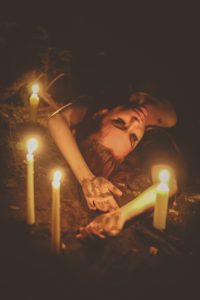
Photo by Miranda Wipperfurth on Unsplash
May we risk, dare and dream. May we learn to believe in ourselves. Let us burn our candle at both ends. Let us wear ourselves out with living. May we hear our lives whisper and speak our own truths. Let us learn and grow. Let us allow ourselves to be seen and rejected.
May we long for a home, find one, make one and lose it. May we make another and choose to walk away from it. May we learn how to come home to ourselves no matter where we are or who we’re with.
May we let go of our protection. Let us tear ourselves away from it. Let us outgrow it. May we feel what we feel with every cell of our body. May we make our thoughts, emotions, curiosity and creativity big and hold nothing back.
Go out into the sun flood of your life, my friends, my sons, my family, and know that I hold you in my heart. Know that I believe in you. Know that I neither ask for your protection nor seek to protect you, for none of us need it and love is bigger than that.
Go out from me into the new year, dear ones, and if you choose to return, please bring strange things.
Please bring strange things.
Please come bringing new things.
Let very old things come into your hands.
Let what you do not know come into your eyes.
Let desert sand harden your feet.
Let the arch of your feet be the mountains.
Let the paths of your fingertips be your maps
and the ways you go be the lines on your palms.
Let there be deep snow in your inbreathing
and your outbreath be the shining of ice.
May your mouth contain the shapes of strange words.
May you smell food cooking you have not eaten.
May the spring of a foreign river be your navel.
May your soul be at home where there are no houses.
Walk carefully, well loved one,
walk mindfully, well loved one,
walk fearlessly, well loved one.
Return with us, return to us,
be always coming home.
Ursula LeGuin
Photo by Jeremy Thomas on Unsplash
All content on this site ©2019
Jennifer Rose
except where otherwise noted
by Jenny Rose | Dec 20, 2018 | A Flourishing Woman, Creativity
Sometimes I spin my wheels.
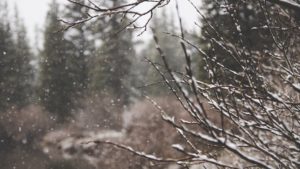
Photo by Arun Kuchibhotla on Unsplash
I map out a week, a day, a list of directions with mileage and time apportioned to each part of the journey. I ascend the stairs to my expectant workspace, turn on a lamp, plug in a single string of red Christmas lights, light a candle and lift the laptop lid. Outside my windows, tiny snowflakes fill the air. The old-timers here say, “Little snow, big snow,” meaning small flakes indicate significant accumulation. I don’t know if this is always true, but I notice the size of the flakes. As I check the weather forecast, my e-mail and the headlines, my gaze is drawn repeatedly to the window. The hypnotic falling snow is the same color as the sky. Disordered ranks of brown cattail stalks stand ankle-deep in the sleeping pond. An infinity of branch, needle and twig is adorned with an even greater infinity of frozen white crystals, falling soundlessly and blurring the colors of stone and wood.
No snowflake ever falls in the wrong place — Zen saying.
It is then that my wheels start to spin. I have set aside this morning to write. I stare at the laptop screen, fingers on the keyboard. Nothing happens. Seeking inspiration, demanding creativity, I make notes, review notes already made, catch up on reading from favorite blogs and my current stack of books. I search for some solid traction so I can move through the day according to my tidy, efficient plan, but I find myself returning to the window, spellbound, empty of creativity or inspiration but full of wonder at the subtle beauty of the winter snow.
Photo by David Monje on Unsplash
It’s the contrast that catches my attention. My aerie is filled with books, beloved objects, the tools of my life. The warm sticky scent of a red candle fills my space. The red desk lamp I bought at Goodwill more than 10 years ago lights my worktop. My comfortable chair and footstool beckon me to sit and read. The room is warmed by the chimney rising up through it from the woodstove below. I hear my partner talking to our old cat in his office below me; not the words, but the loving sound of his voice that is reserved just for her. He is at his work and I am at mine, cocooned in our private spaces in our slouching farmhouse with lights and heat and the rinsed breakfast dishes stacked on the counter waiting for hot water and soap. We have things to do today, errands to run, people to talk to. We have plans and intentions.

Photo by Galina N on Unsplash
But outside, just beyond the single pane of glass in the old attic windows, is a monochrome world, delicate and cold, still and peaceful. The snow falls without effort. Each flake finds a resting place on the bodies of the trees or the water or the earth. The wood and stone have no place to go and nothing to do. They dwell in the vast power of simply being. The snow settles lightly.
I think about living minimally, weeding out my clothes, the week ahead, money, the perfect Christmas gift I can never find for a loved one, and whether or not we’ll make it into town to do the errands today. I think about drafting a query letter to send out with my first manuscript, which I just finished editing for the fifth or sixth time. I think about reviewing the water rescue information I’ll need next weekend when I travel with a couple of colleagues from work to get deep-water lifeguard certified. It will be a busy week. My careful plan blocks out this morning for coming up with this week’s blog post. I will write … I will begin now … My idea is … Ready, set, go!
My wheels spin, and I look out the window at my little black car, which is wearing a white blanket, and recognize the sinking feeling of no traction. No amount of urgency or frustration makes snow, slush and mud into solid ground. No amount of bullying makes my creativity compliant. I get up. I sit down. I glance at my journal, reread a paragraph in a book, look at some poetry. I feel restless and resentful of my own recalcitrance.
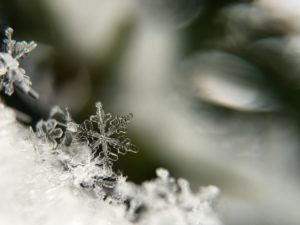
Photo by Aaron Burden on Unsplash
Outside, the snow falls, serene and inexorable as the fading light here in the last handful of days before winter solstice. I open the window and lean close against the hushed, frigid world outside it. My little candle, my lists, my inconsequential blog and my plan for this morning make no impression outside the window screen. It’s time for sleep and dreaming, time for rest. The forest knows, the earth and water know. They lie peacefully under the low sun and the long nights.
My wheels spin, making a noisy mess, throwing clods of half-formed ideas, provocative questions, lingering music of beautiful words, comments and conversations and observations, going nowhere. No traction. The morning is passing. I have not accomplished what I wanted to. I’ve neither rested with the winter snow nor produced a post. I’m torn between self-disgust, resignation and amusement. I think about heavy, cold chains; red, numb hands; wet jeans and sodden gloves; the steady clicking of hazard lights; the feeling of being late and time running out; the texture of wood ash, cat litter, sand and salt thrown onto snow and ice; and the futile laboring of spinning wheels.
The morning is gone. In half an hour we’ll try to go into town. My partner is out with the snow shovel. I shut the window, sit down and open the laptop. I type “Spinning My Wheels” and begin to write this post.

Photo by Teddy Kelley on Unsplash
All content on this site ©2018
Jennifer Rose
except where otherwise noted
by Jenny Rose | Dec 6, 2018 | A Flourishing Woman, Spirit
It’s the season of Christmas music. Like it or hate it, it seems to be inescapable just now. I’ve never understood why “My Favorite Things” is a Christmas song, but it always seems to be in the holiday music lineup, so the lyrics have been winding their way through my thoughts.
Photo by Ludde Lorentz on Unsplash
One of the things I love about life is how multilayered it is, and how, paradoxically, the activities demanding most of our time and energy are not necessarily the things that truly nourish us and make our lives worth living. We can look around and identify a few of our favorite things on the surface of our lives. Several layers underneath the surface, however, is a different list, a list of what we’re rooted in. The loss of surface things is painful. The loss of what we’re rooted in is terminal.
I’ve come to appreciate the complex layers in life gradually. For a long time I was only aware of my shallow roots, and they were in other people. My possessions, my place and the people around me provided me with a sense of identity and I didn’t see myself as separate from them.
In fact, I didn’t see myself at all.
Raindrops on roses and whiskers on kittens certainly enrich my life, but I’m not rooted in them. I don’t draw joy, passion, hope and my desire to engage with life from them.
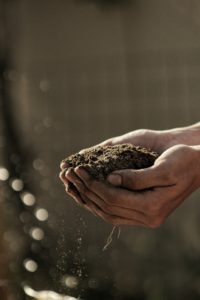
Photo by Gabriel Jimenez on Unsplash
So, I’ve been asking myself for the last few days, what are my roots growing in? What lies in the layers beneath my favorite things and my stories, beliefs and identity? What makes life possible and beautiful?
The resulting list, not of favorite things but of essential things, seems very odd to me. It’s so odd and unexpected, in fact, that I’m wildly curious about how other people would answer these questions. Am I the only odd one, or does everyone have a strange little inventory of necessities in their deepest layers of their experience? I was also surprised at how hard it was to excavate so deeply, far below my desire for seductive surface things I can buy. Making a wish list is easy. Making an external inventory of the stuff in our lives is also not difficult, though it may take some time. Descending deeply within ourselves, past our relationship to others, past our identity and past the things that fire or flood can take from us to scratch and sniff and burrow among our own roots, tasting the soil and filling ourselves with our own scent, is a journey through the dark without guide or companion into our own soul.
Photo by Riccardo Pelati on Unsplash
In that deep, internal place from which I draw faith, peace, and love reside a memory and a dream. The memory is of a crippled orange cat who taught me everything I know about unconditional love, survival, surrender, and courage. The dream is of my mother, young and carefree, as I have never seen her, leaping and running joyfully down a grassy hill under a blue sky toward a group of waiting horses, dogs and cats.
My roots must mingle with the roots of other lives, especially the patient trees, and always they reach for water in all its forms, as necessary to me as breathing.

Photo by Syd Wachs on Unsplash
I cannot imagine living without stories. My childhood was spent in secret gardens, Oz, Narnia and on the river with Mole, Rat and ridiculous Mr. Toad. The greatest loss of things I can imagine is the loss of my library, but the influence and inspiration of all the stories I’ve read, told, written and even forgotten have shaped me in countless ways that can never be lost. I am never tired of watching, listening to and reading the stories around me, mine, yours and theirs.
Stories are only one aspect of creativity, and creativity is perhaps the strongest support upon which my life rests. The power to make something out of nothing, the power to interpret a piece of life with music, words, dance, fiber, paint or any other material or medium, seems to me the most sacred power there is. The compulsion to make, not for money or fame, but as a love letter to life, animates and inspires me. The work of creativity is the greatest spiritual treasure we can give ourselves, one another and the world.
A dream that all will be well with someone beloved. A memory of a great love. Trees and water, stories and the joy of creation. These are the essential things without which I would not be. A strange assortment that doubtless makes a strangely shaped soul, but I don’t mind. I know who I am, and I know what I need.
All content on this site ©2018
Jennifer Rose
except where otherwise noted
by Jenny Rose | Nov 29, 2018 | Choice, Power
Choice: an act of selecting or making a decision when faced with two or more possibilities (Online Oxford Dictionary).
Photo by Jon Tyson on Unsplash
This morning I’ve been reading about doing one thing at a time and having too many choices. I’ve considered the paradox of choice: how important it is to understand our power to choose for ourselves and how unhealthy too many choices can be. I’ve thought about all the subtle ways I limit choice overload in my own life. For example, we have a large DVD collection. I like to watch my favorite movies and series over and over again, so I move through the shelves in alphabetical order when considering what I want to watch next. I do the same thing in our fiction library. My partner, on the other hand, likes to have as much choice as possible and can’t understand why I deliberately narrow the field in terms of entertainment or anything else.
It’s not mysterious. I do it because I don’t like the feeling of floundering around with too many choices. If I want to relax in front of a movie, I don’t want to have to endure an hour of deliberation first. I know I’m healthier and happier when I keep life simple. We know many people, faced with too many buying choices, walk away without buying anything. That’s me. I have a low tolerance for hassle and unnecessary complications.
Choosing is powerful, but there’s also a tricky, dark side of choice. When we’re compelled, addicted, manipulated or numbed, we become divorced from our ability to identify two or more possibilities and our power to choose. We’re asleep at the wheel of our own lives, abdicating both the struggle of choosing and owning the responsibility for our choices and their consequences. We stop learning. We become victims. We all know people like this. They protest their behavior is not their fault. They couldn’t help it. Somebody or something else made them do it. They refuse to be accountable.
According to the above definition, choice is an action. It’s something we do, which implies it can also be something we don’t do. Yet doing, not doing or refusing to choose are all choices. I had a boyfriend once who avoided choice. He wouldn’t say yes to going to the movies. He wouldn’t say no, either. I used to tell him refusing to choose was also a choice that resulted in steering my own choices, but he wouldn’t accept it. He focused his blame on me for the choices I made — in response to his.
The truth is we’re responsible for our behavior and decisions, whether they arise out of conscious choice or not.
Photo by Heidi Sandstrom on Unsplash
Modern American culture does an interesting thing. Our rightful power to choose has become shackled to consumerism. If you want to have a healthier body, for example, a wide array of diet programs, supplements and exercise equipment, clothing and technology is available to you. Want to become more effective and organized? There’s an app for that! Want love and connection? Buy it with diamonds, perfume, makeup, a phone plan, an insurance policy or a car!
We follow blindly along with all this because we’re brainwashed by our media consumption and the overculture. Our choice to improve our physical self-care leads to economic choices, not behavioral changes, even though we all know a gym membership is not useful unless we actually go to the gym and change our behavior! We are seduced onto distracting avenues of endless shiny, tantalizing, seductive promises of exactly what we want, if only we buy the right things.
In the meantime, our lives wither, we become enslaved by money, and the only choice we can recognize is whether to buy brand A or brand B. Our brief flicker of power in deciding to take better care of ourselves is extinguished by guarantees, reviews, special deals, customer service and returns. We give our time and energy to sorting through glittering products, rather than doing the inner work of noticing our self-destructive behavior and learning to manage our choice making more effectively.
Photo by Gemma Evans on Unsplash
I wonder if the power to make free and conscious choices is not the most important thing we can learn — and teach. To be disconnected from our ability to say yes or no is to be enslaved. Enslavement is, of course, the goal of advertising and marketing. Corporations wouldn’t pour billions of dollars into advertising if it didn’t richly reward them. Controlling our buying choices is big business, and our economy rests on it.
Becoming more conscious of our non-consumer choices is perfectly possible, but it requires we wake up and pay attention. It requires a silent place in our lives for inquiry and reflection. It requires a step back from our busy, multi-tasking lives, distractions and deeply-rooted habits. We can’t make free choices if we’re unwilling to be wrong or afraid of unforeseen consequences. We can’t manage choice if we refuse to be honest with ourselves and others. Most of all, we must be willing to take responsibility if we want to manage choice effectively and appropriately.
No one can take away our power to choose unless we allow them to. In every circumstance we can choose something, even if it’s just refusing to be disempowered by difficult events and experiences. It’s never too late to claim our ability to choose, including limiting our exposure to marketing, advertising and algorithms and finding ways to avoid choice overload. Chocolate or vanilla is a lot easier to choose between than 31 flavors.
The holidays are here, and with them even more choices to make than usual. It’s a good time to stay awake, pay attention to what we’re doing and why, and exercise our right to choose what works best for us, even if it’s wildly different from anything we’ve ever done before. We don’t need anyone else’s permission to choose for ourselves, and nobody has the right to choose for us.
All content on this site ©2018
Jennifer Rose
except where otherwise noted
by Jenny Rose | Oct 18, 2018 | Connection & Community, Emotional Intelligence, Shadows
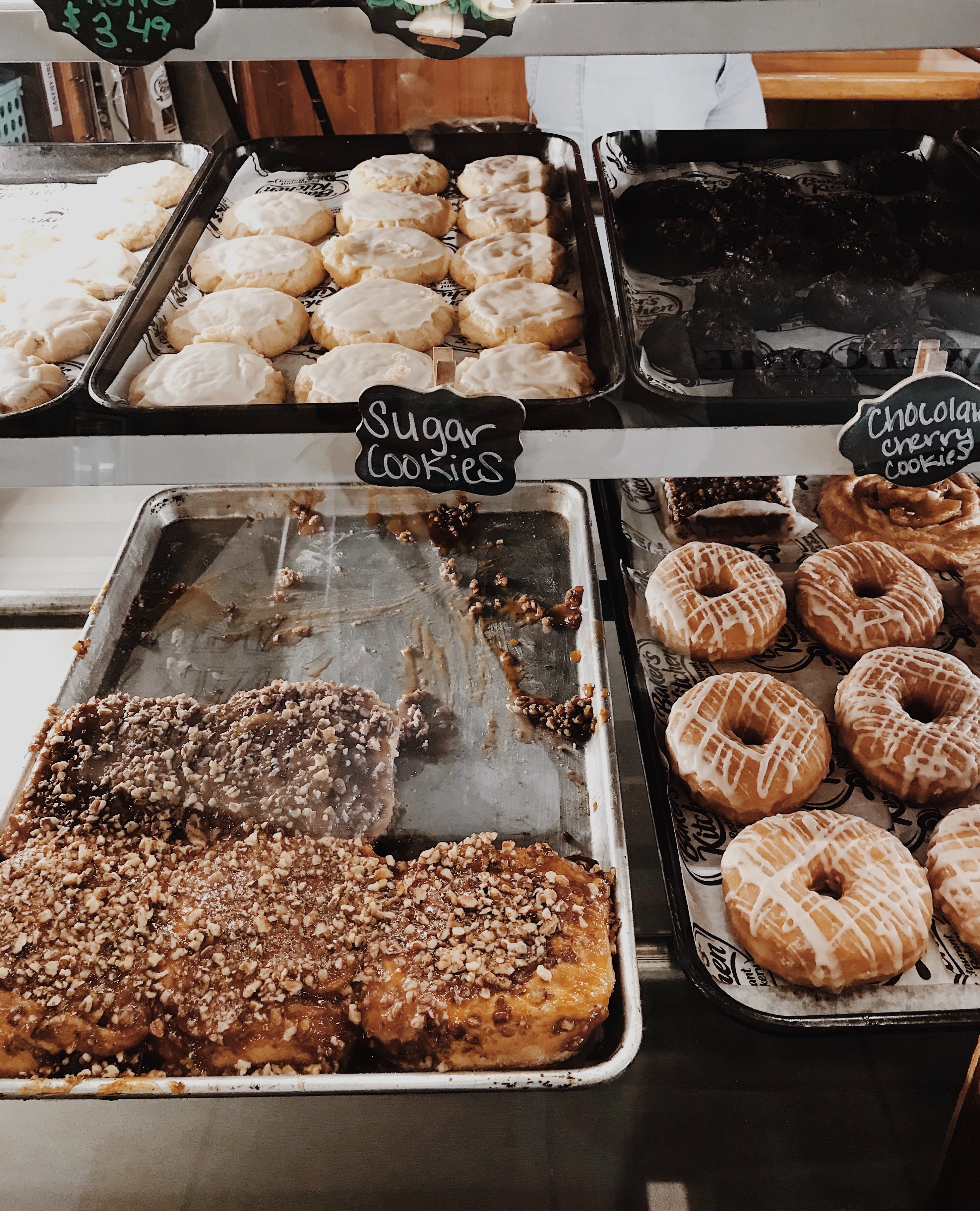
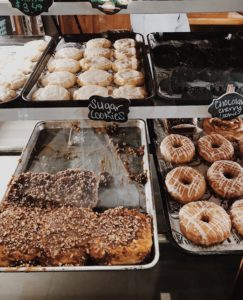 I first heard about toxic mimics as I learned emotional intelligence. The term comes from radical environmentalist author and speaker Derrick Jensen. A toxic mimic is a destructive action, behavior or thing pretending to fill a primary human need. Rape is a toxic mimic for healthy, consensual sex. Sugar is a toxic mimic for food. Addiction is a toxic mimic for managing feelings. A job might be a toxic mimic for contribution. Pseudo self is a toxic mimic for authenticity. Some would argue that social media is a toxic mimic for connection.
I believe our modern culture here in the United States, at this moment, rests on an edifice of toxic mimics. People who create, design and sell toxic mimics have a simple agenda: Profit and power. We, the consumers and choice makers, the common people, if you will, happily hand over our power in exchange for the shiny; the new and improved; the seductive promise of success, wealth and love; and the popular. Toxic mimics give us the relief of distraction, instant gratification and the promise of an identity. They help us regulate our mood and feelings.
Toxic mimics have such power over us now that a majority of us (maybe) have voluntarily given management of our country to toxic mimics for human beings.

Photo by Patrick Brinksma on Unsplash
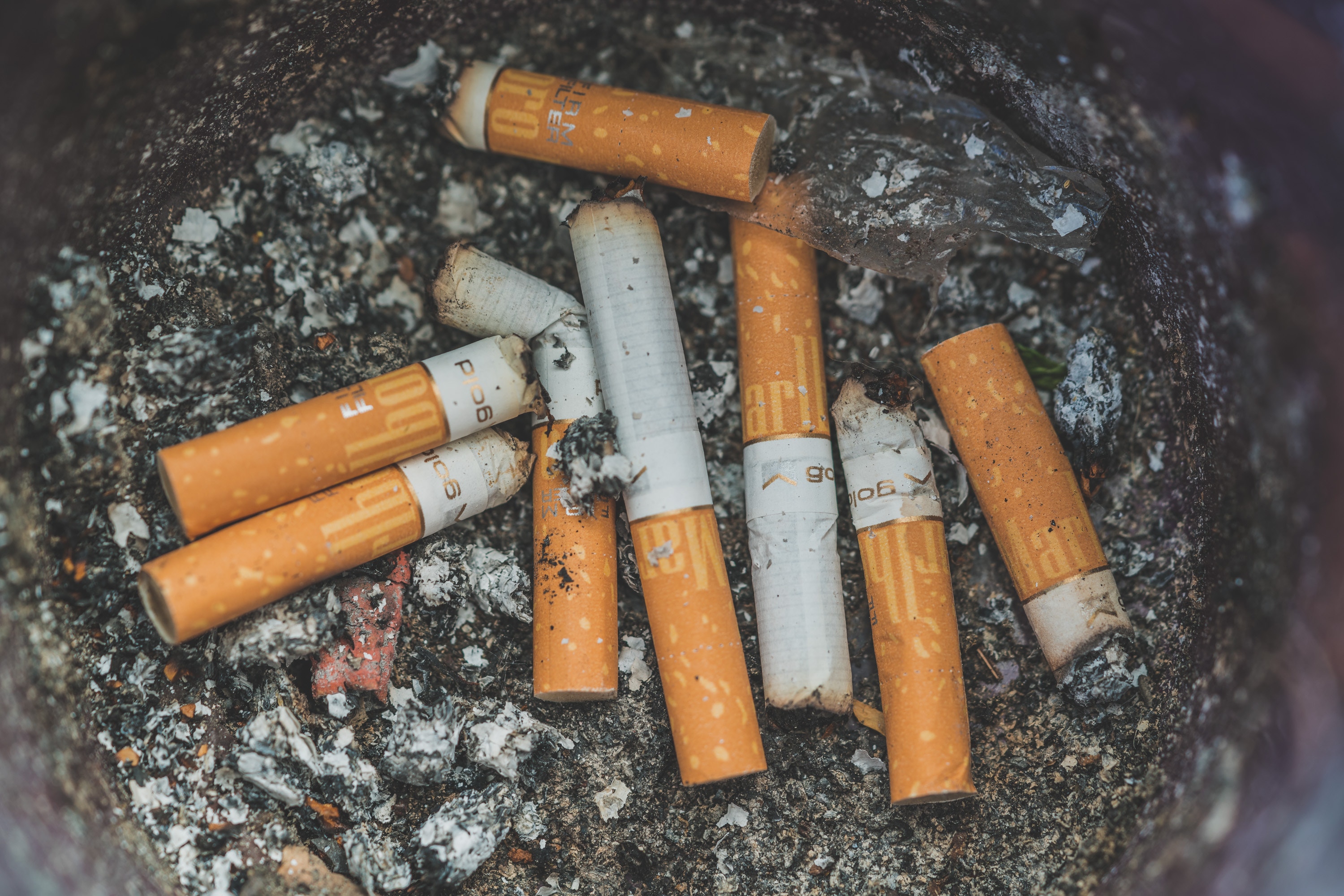
What are the strongest human motivators? Fear? Love? Hate? I could also make a case for denial, but that might be too inextricably bound up with fear to separate. Toxic mimics are deliberately designed and marketed to appeal to the things that drive us at our deepest levels. They are engineered to target our greatest vulnerabilities. They seek to hook us, permanently, helplessly and hopelessly, and they’re so powerful they kill many, many people. Witness the power of nicotine, for example. Toxic mimics promise to fill our lives with everything we want and provide us an identity, but when we employ them we feel emptier than ever. Because we are conditioned to believe buying a product or service will make us feel better, we buy as much as we can as fast as we can, which necessitates a continuous stream of money, a resource that has become one of the most powerful Gods we’ve ever worshipped. Money, one might say, is a toxic mimic for God, or Gods, or whatever word you like to use to communicate the divine.
The deepest irony in this situation is we are the ones who perpetuate the power of toxic mimics. We willfully and intentionally participate. We create demand and gobble up supply. We continue to support advertising, algorithms and the handful of powerful companies who monitor our lives and mine us for information in order to sell us yet more toxic mimics. We applaud and admire what we call “progress”, “growth” and a “healthy economy.”
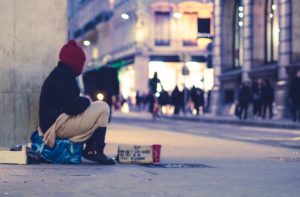
Photo by Ev on Unsplash
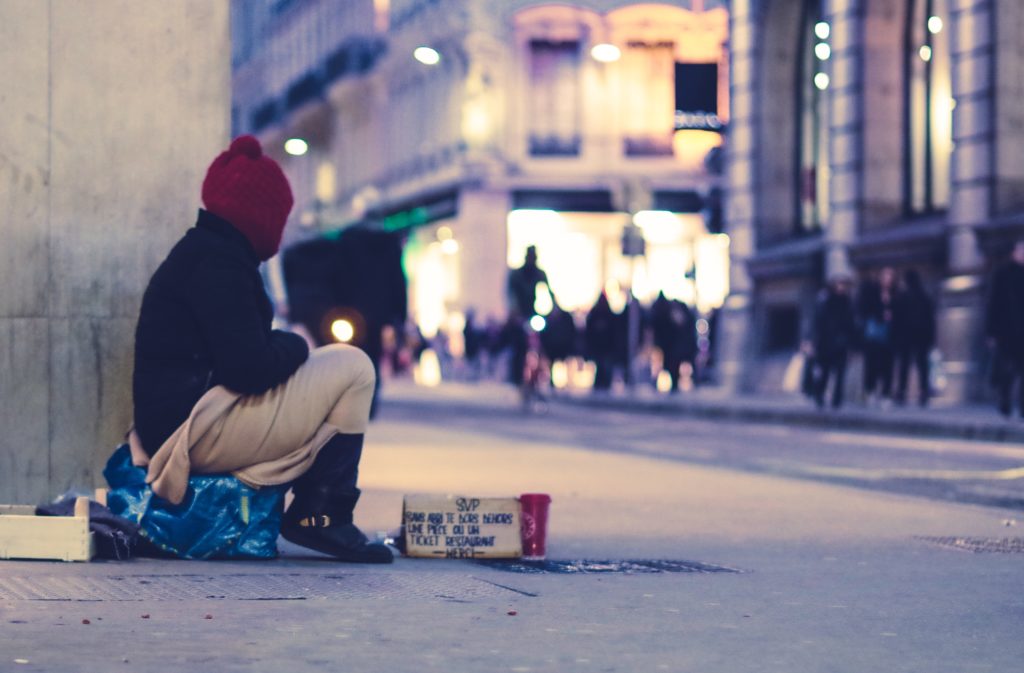
A healthy economy. Healthy for who, I wonder. Healthy for the global system? Healthy for those of us living paycheck to paycheck? Healthy for the children who are victims (yes, I mean victims) of anti-vaxxers? Healthy for people who have no financial resource and thus cannot participate in the latest technology? In a country filled with disbonded children and broken families; rising antibiotic-resistant organisms, including STDs; rising illnesses like typhus which are perfectly preventable with vaccination; astronomical housing costs forcing employed professionals to live out of their cars; broken healthcare and public education systems and a population of obese, metabolically disordered, pharma-dependent, addicted, lonely, suicidal people, we have a so-called healthy economy.
Oh, good. I’m so proud to be an American.
It’s a lie. There’s nothing healthy about what’s happening now, but we’re so stupefied, so numbed, so habituated, that we no longer recognize lies when we hear them. We can’t afford to, because to recognize one means to recognize others, and if the whole thing is based on lies, we’re too afraid to know it. Much easier to cash the insurance check and rebuild, for the third or fourth time, in the same place than take responsibility for facing the effects, long predicted, of climate change.
Of course, insurance companies are not going to continue to subsidize climate change because it destroys their profits, so that might catch our attention — eventually.
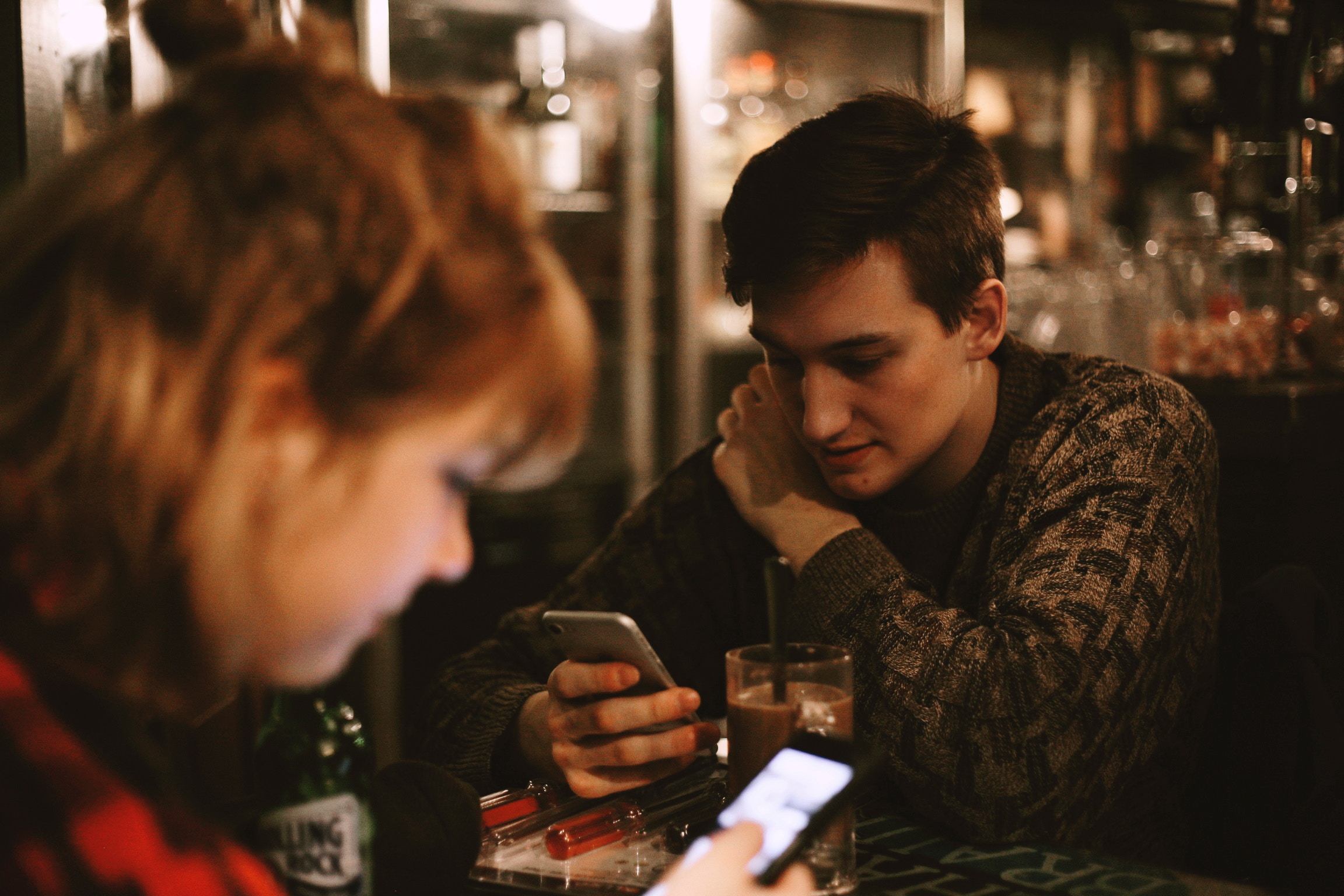
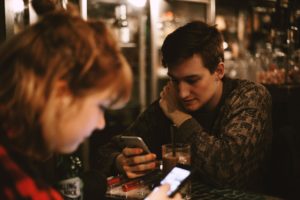 In the meantime, we bend our heads over our handheld, shiny, talking, distracting and instantly gratifying techno-screens or settle down in front of our larger screens and surround sound systems and let the advertising and brainwashing wash over us. We call this life. Isn’t it grand? Isn’t it beautiful? Aren’t you happy?
A toxic mimic is a promise that never delivers. Sometimes we do it to ourselves. Sometimes we allow others to convince us of the necessity, morality and rightness of our toxic mimics. We’re told they will make us safe. They will make us successful. They will make us healthy and popular, beautiful and beloved. We’re told we have a perfect right to have what we want. We long to believe it. We buy, and then we don’t feel successful or beautiful, so we buy some more. We start giving away our power. We begin to hide our unhappiness. After all, toxic mimics are working for everybody else, aren’t they? Everyone on our favorite social media platform is doing just fine. We conclude there’s something wrong, broken and irredeemably ugly about us. It’s too shameful to admit or talk about. We take even more smiling selfies and post them.
Meanwhile, we elevate and empower not the humanitarians, the natural leaders, the ecologists, the visionary scientists, the emotionally intelligent, the critical thinkers and those who understand complexity and systems, but those who have wealth. Money, that amoral symbol made of paper and metal, is the God we’ve agreed is the most powerful and the most admirable. It’s not so, of course, but we make it so with our belief and our participation. We are driven by our fear of losing economically. We’re evidently prepared to follow the promise of economic power straight to Hell.
Fear is the most powerful hallmark of a toxic mimic. Fear of losing power. Fear of being wrong. Fear of consequences, justice and having to take responsibility. Fear of experiencing our feelings. Fear makes our lives, intellect and hearts smaller, not larger. Toxic mimics don’t meet our needs. They momentarily satisfy, perhaps, our cravings and addictions, our need for stimulation and gratification and our desire for distraction. Ultimately, however, toxic mimics dehumanize us, stop our critical thinking, retard our judgement, destroy our health, disable us from healthy connections and encourage us to hide our authenticity. Toxic mimics feed our rigidity, our ideology, our fear and paranoia, and actively attack our physical and mental health.
Are your needs being met? If you don’t know what your needs are, here’s a needs inventory to look at.
If that question made you cry, or your heart shouted “NO!”, make a list of all your makeup, your clothes, your car(s), your tech, your toys and the other stuff you recognize as part of your identity. Don’t forget your accounts, subscriptions and financial assets.
All that, and your needs are not being met?
Huh. Interesting, isn’t it?
All content on this site ©2018
Jennifer Rose
except where otherwise noted